As late summer turns to fall, fuchsias usually give gardeners one final, spectacular flush of colorful flowers. September is a critical transition time. Care now depends on a balance between promoting those final blooms and preparing plants for cooler weather.
September fuchsia care also depends on whether you’re growing hardy fuchsias as perennials or tender fuchsias that are most often grown as annuals in containers. Here, we’ll go over important aspects of care – water, fertilizer, pruning, cuttings, and winter preparation – for both types of plants.
1. Adjust Your Watering Schedule
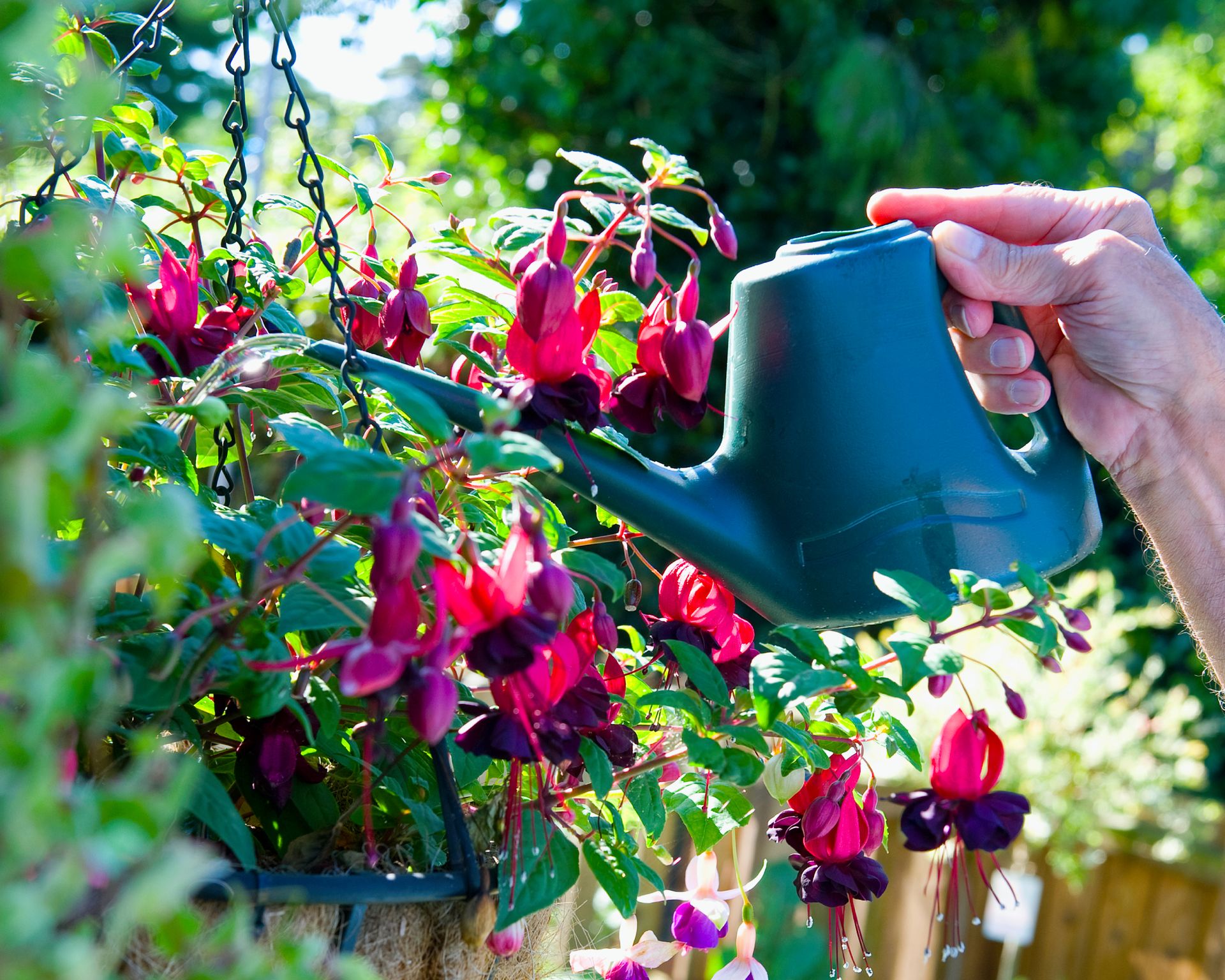
Fuchsias of all types thrive when planted in rich soil that stays consistently moist but not soggy. As temperatures cool in September and rain becomes more frequent, you’ll likely need to water fuchsias less. However, they still need moist soil to keep producing early fall flowers.
The best way to determine when to water is to stick your finger in the soil. If the top inch (2.5 cm) or so is dry, it’s time to water. If you want to be certain, then use a soil moisture meter, like this simple battery-free Xlux design on Amazon.
Keep in mind that container fuchsias need more frequent watering than those in beds. Also, pots should have very good drainage, especially as fall rains increase. If you’re preparing a tender, potted fuchsia to go indoors for winter dormancy, slowly and gradually reduce watering.
2. Change Your Feeding Strategy
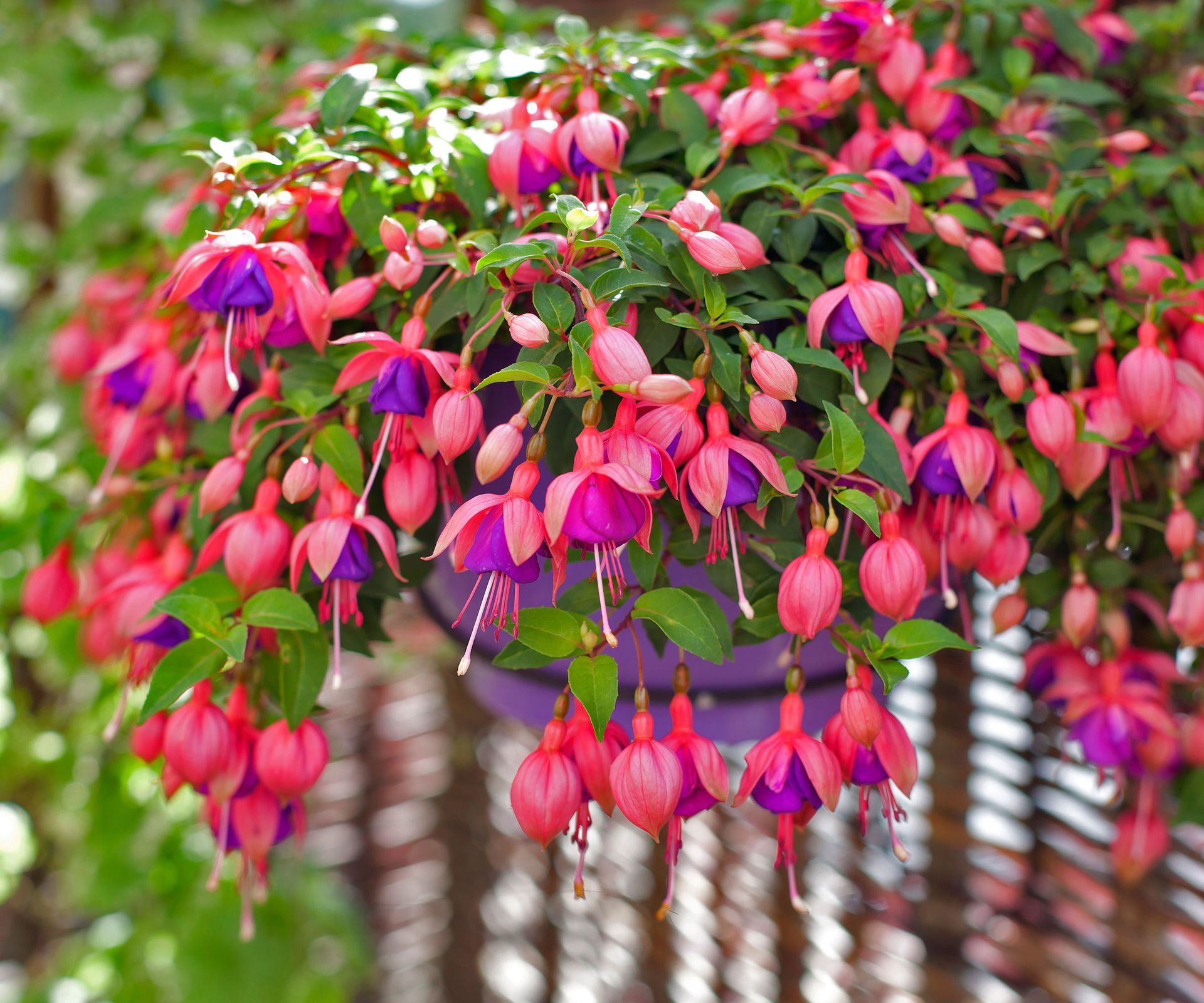
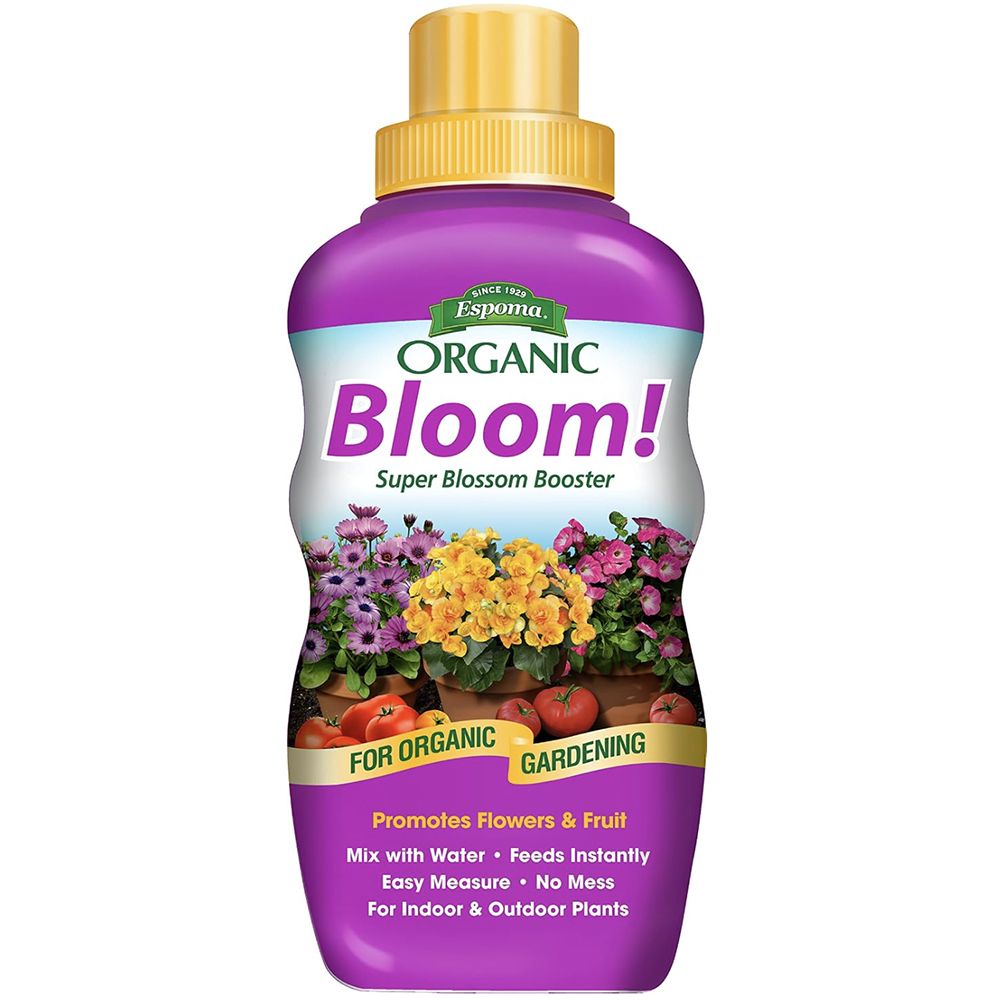
September is also a time to adjust how you feed your fuchsias. You might need to change up the fertilizer you’ve been using during the growing season, which probably has a lot of nitrogen. Nitrogen promotes new, green growth, which you want to stop this time of year. Switch to a bloom-boosting product, like Espoma’s Super Blossom Booster, to get a last, healthy flush for the season.
For flowers going indoors for the winter, taper off feeding. You don’t want any new growth now as the plant prepares for winter dormancy. The same is true for hardy perennials you want to survive the winter outdoors.
3. Deadhead and Prune Lightly
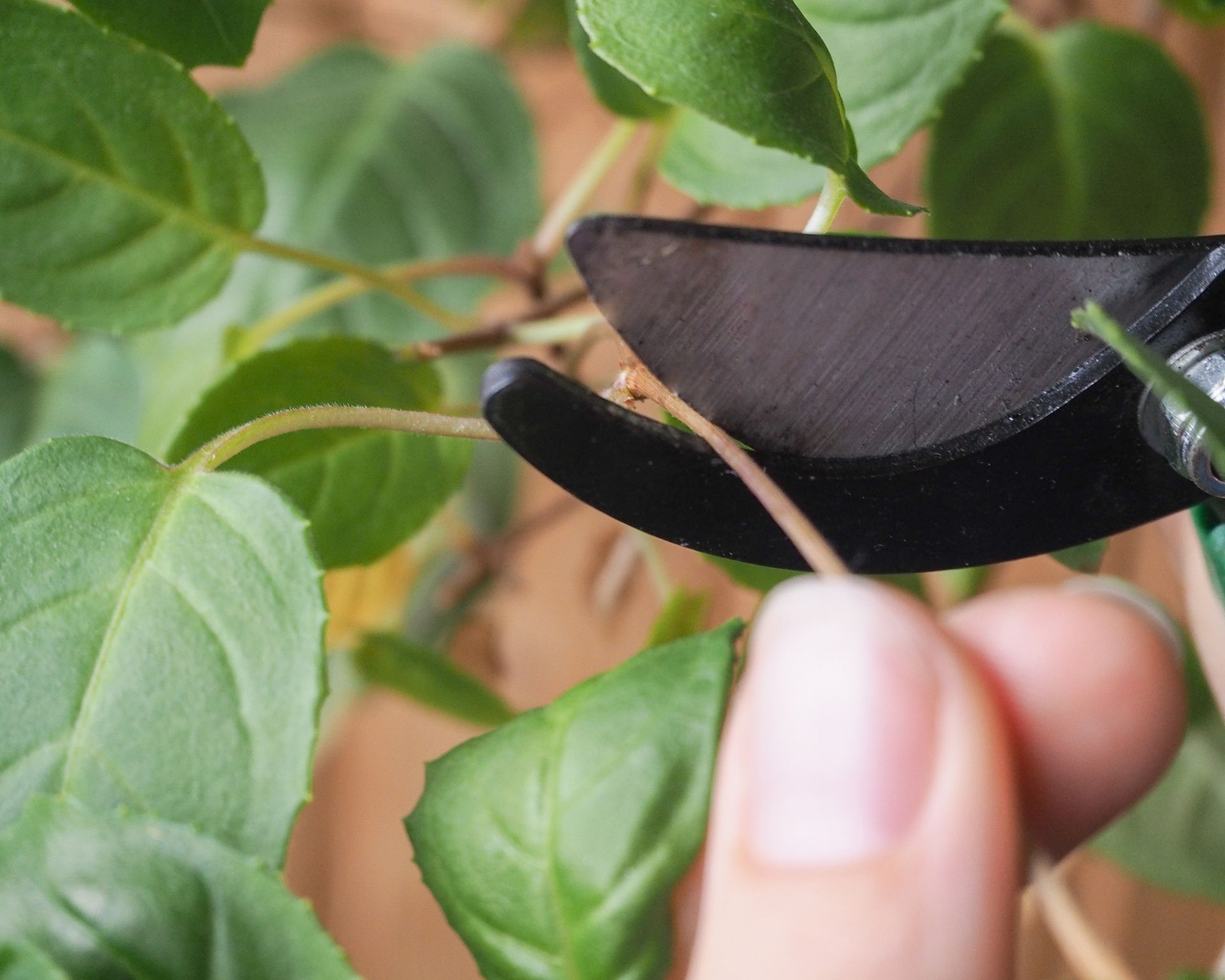
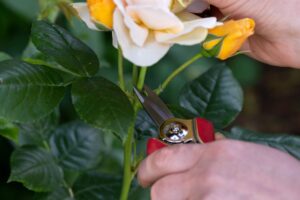
Fuchsias are pretty good at dropping spent flowers, but at this time of year, as you’re pushing the plant to optimize its last flush of blooms, it’s a good idea to deadhead. Spent flowers develop seeds pretty quickly, so removing them helps the plant put energy into additional flowers rather than seeds.
Annuals don’t need pruning once they’re done flowering, as you’ll just be disposing of them. For hardy perennial fuchsias, September is a good time to tidy up lightly. Trim back damaged or yellow foliage and crossed stems in larger shrubs. Avoid hard pruning, as this can stimulate new growth that gets damaged in winter weather.
4. Check for Pests and Diseases
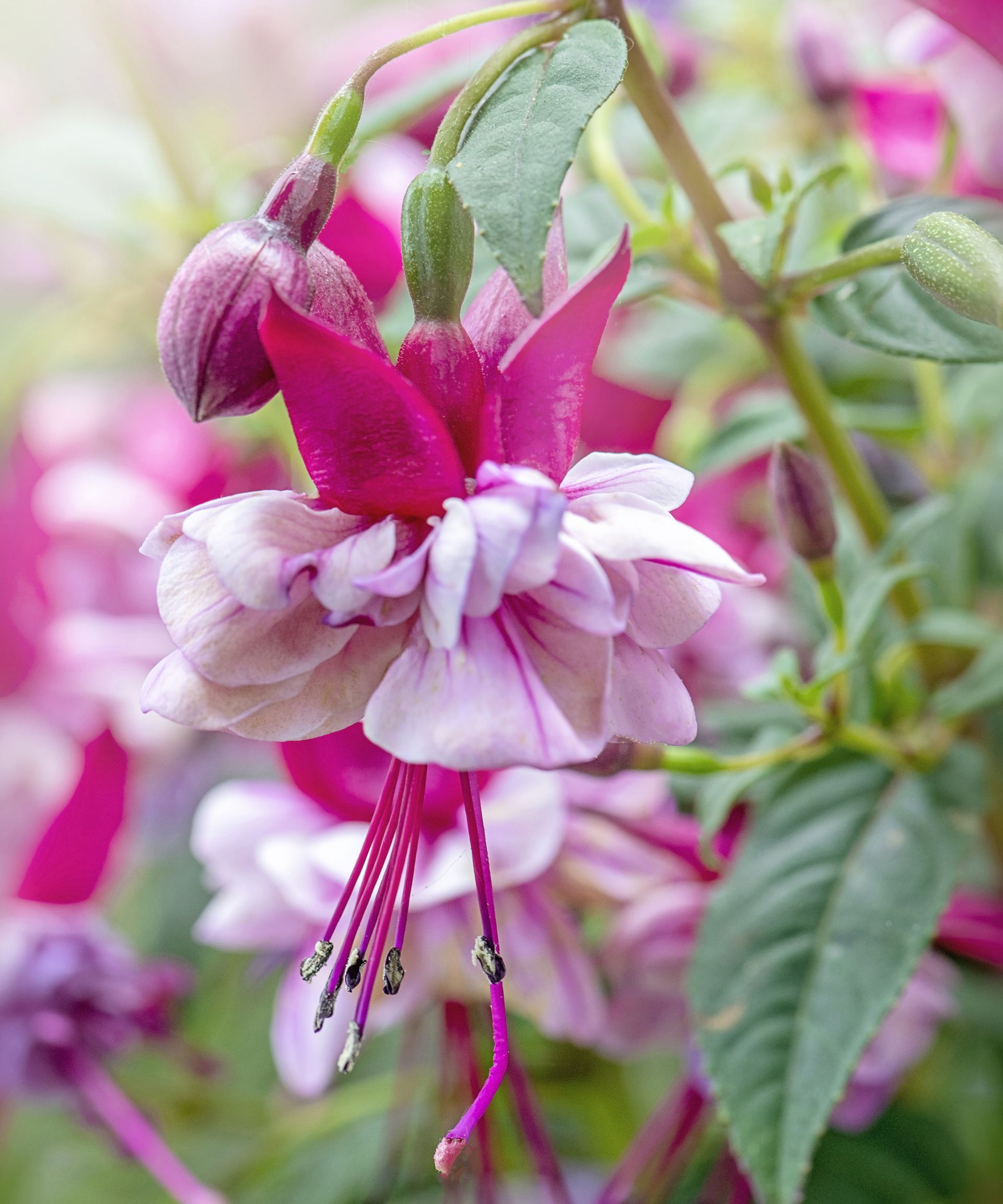
Common threats to fuchsias in early autumn include gray mold and fuchsia rust, both fungal diseases that thrive in cooler, wetter weather conditions. You might also see some lingering pests, like spider mites, aphids, and whiteflies. Give your hardy perennials and tender plants coming in for winter a good check to make sure you manage these issues now to prevent damage later.
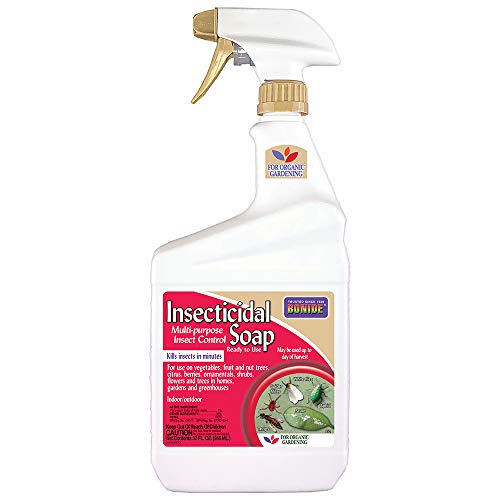
Remove any foliage that looks infected or damaged. If you see pests, you can try to remove them with water. For more troublesome infestations, use neem oil or an insecticidal soap, like this organic Bonide spray from Amazon. It’s especially important to remove all pests from plants coming indoors, as these can transfer to your houseplants and cause ongoing problems.
5. Prepare Potted Fuchsias for a Winter Indoors
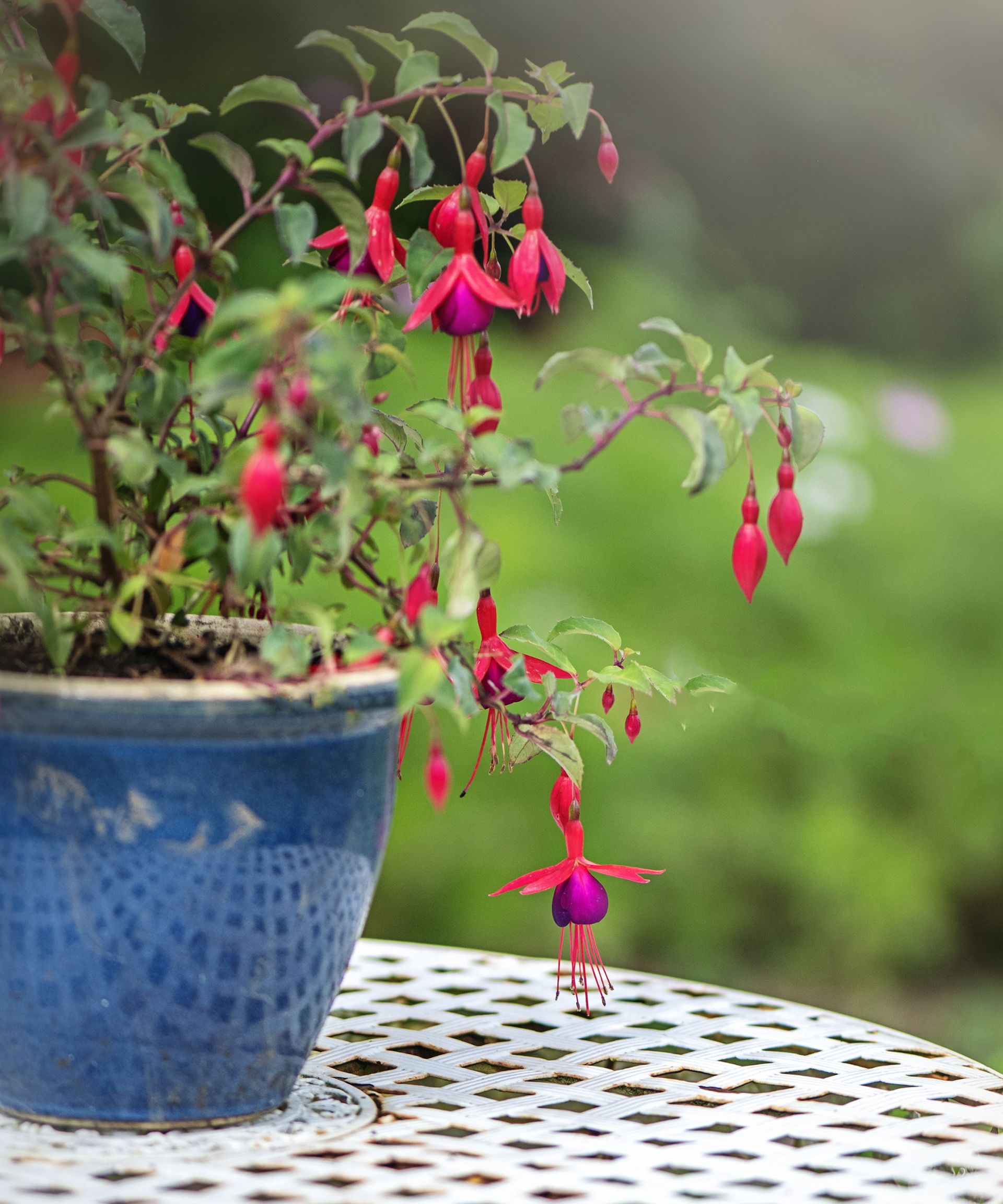
If you plan to save your tender fuchsias for next year, September is the time to start planning for their outdoor-to-indoor transition. Reduce watering and feeding gradually to get them ready for dormancy. Do a thorough check for pests before bringing any plants inside.
Transition fuchsias gently by first moving them to more sheltered areas outdoors and then finally indoors to a spot that is cool but has bright, indirect light. Overwintering requirements for fuchsias vary a little by cultivar, so know what you have and look up the specifics. For example, some types prefer darkness in winter.
6. Protect Hardy Perennial Fuchsias
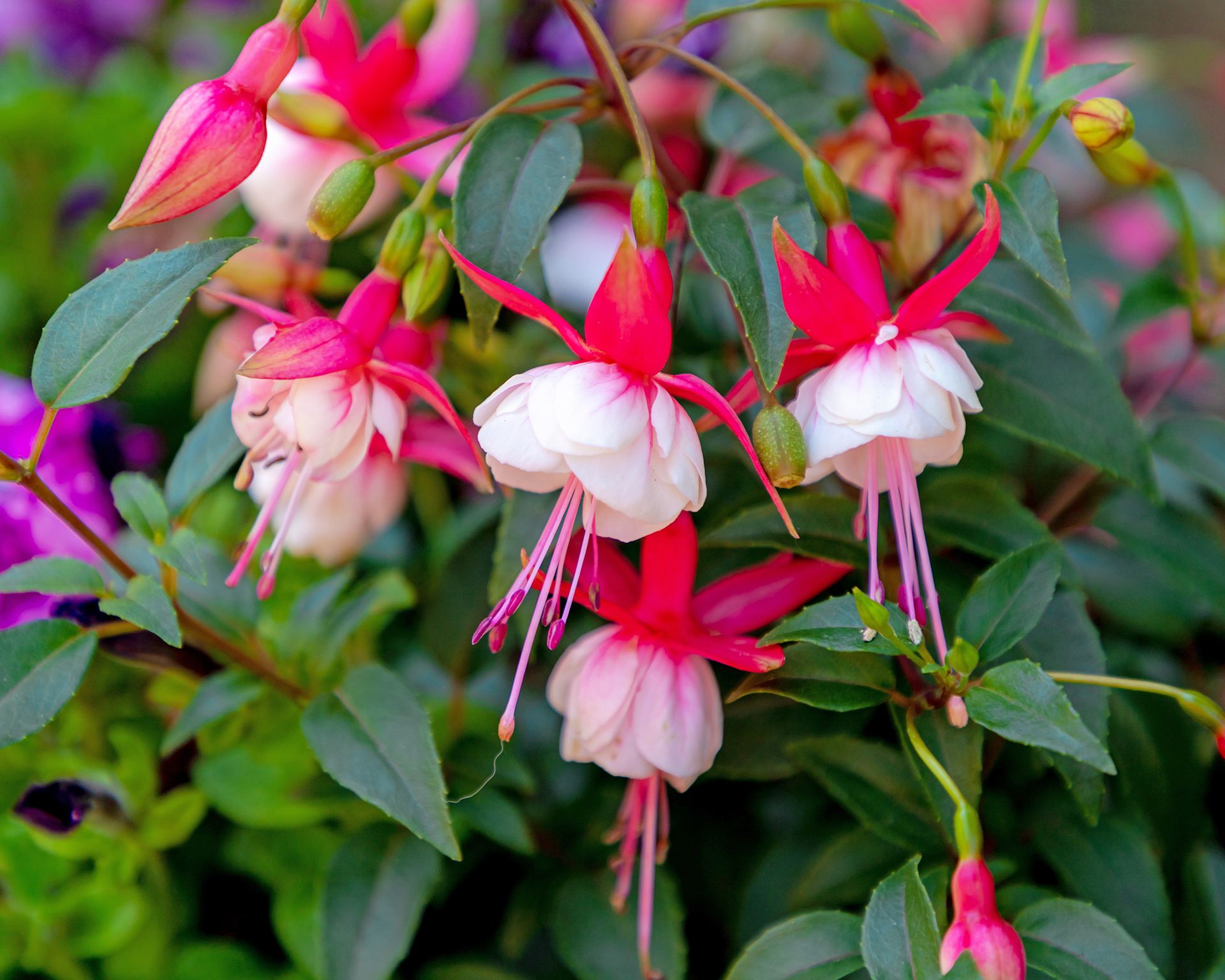
As temperatures drop outside, your hardy fuchsias can benefit from a little winter protection. While they might be hardy in your growing zone, these tropical plants might still struggle, especially if you get an early freeze or unusual cold snaps.
Avoid heavy pruning at this time. Only remove the 3 Ds – dead, damaged, or diseased foliage. Leave the rest in place to help protect the crown. Add a layer of mulch around the plant, like this Miracle-Gro Organic All Natural Mulch from Walmart, to help keep the soil warmer and protect the roots. Don’t pile it up close to the stems, or it can lead to rot.
Fuchsia September Care Essentials

September care for a fuchsia plant depends on your climate and your plant type. In general, this transition period requires careful shifts in water and fertilizer along with a little deadheading, pruning, and pest checks. Whether you’re hoping to keep your fuchsia going indoors or prepping an outdoor plant for winter, a little care now pays off big next year.