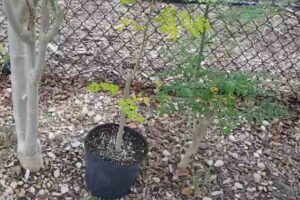
Wherever you are in the country, it is cooler in September than in July and August. The cooling air makes early fall an ideal month to plant potted trees. Autumn moisture and lower temperatures mean less transplant shock and easy watering.
Growing trees in containers has many advantages. As long as you select trees that perform well in pots, these container trees can add greenery to your landscape or greet visitors at the front door. And if the weather turns chilly, you can move the tree inside.
Which trees thrive in pots? Here’s a short list of five small trees that are excellent for container planting in fall. Once you’ve picked out your trees, consider planting them in these whiskey barrel containers from Amazon.
Top Potted Trees for September
Trees planted in the ground are rooted there for the long haul. Yes, it’s possible to transplant a mature tree, but it’s far from easy. On the other hand, a potted tree can be moved about from a shady spot to a sunny one – or vice versa – if a different exposure would work better for the plant.
This is a short list of five of our favorite trees for potting. Any of these trees are perfect for planting in a container in September. Pick a species that works in your region and will be happy with the exposure you have to offer.
1. Japanese Maple
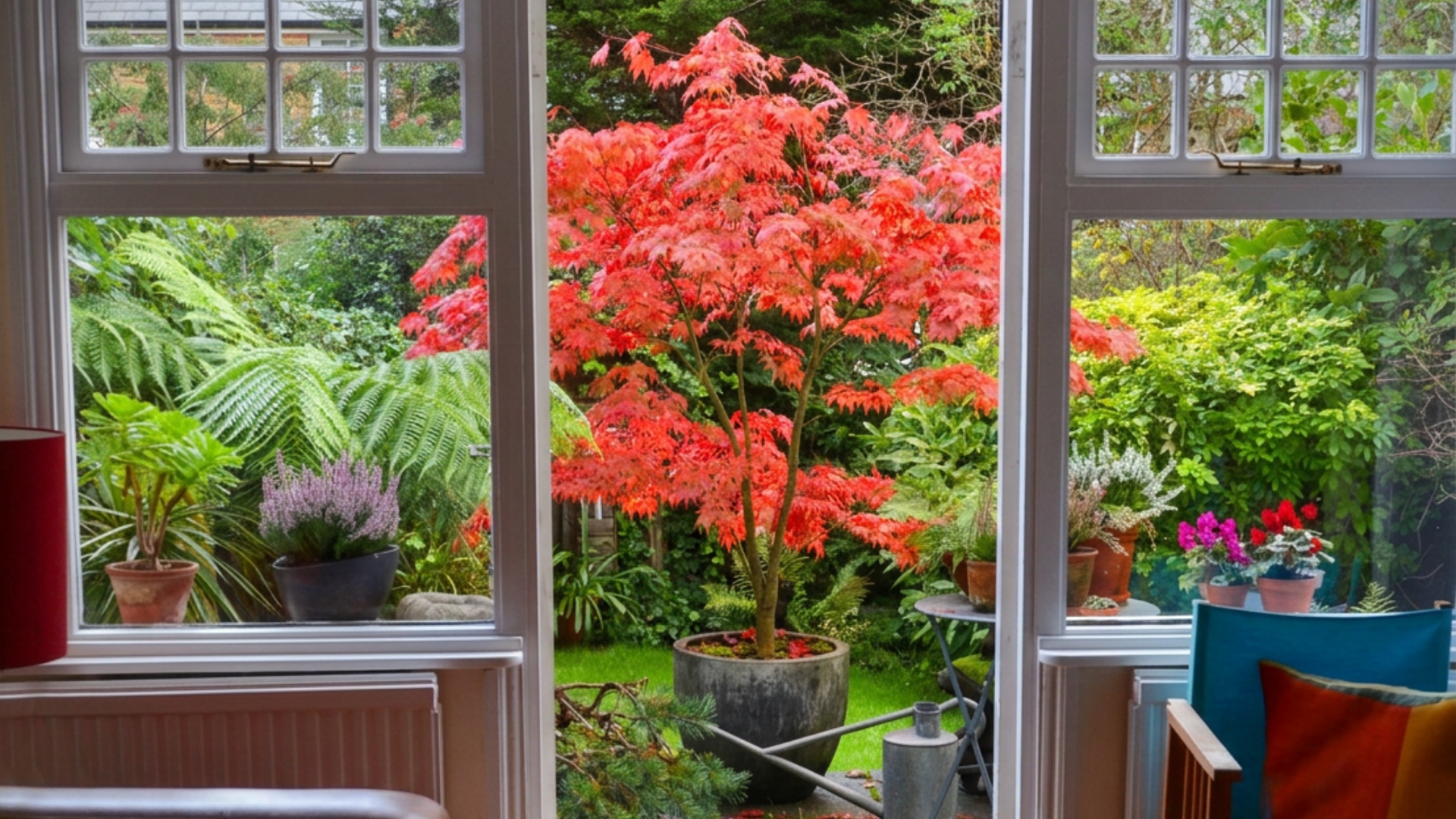
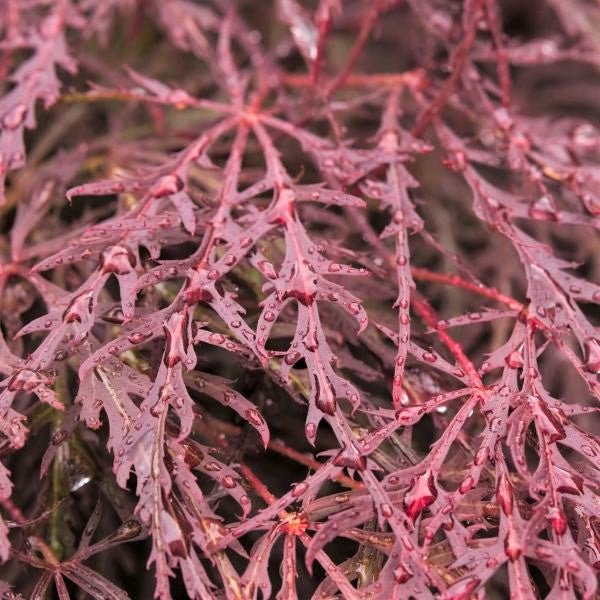
Japanese maples (Acer palmatum) are beautiful and romantic ornamental trees. The dense leaves have up to nine palmate lobes and turn extraordinary colors in fall – fiery reds, shades of orange, purple and gold. They prefer dappled sun and big pots – at least twice the size of the rootball. The trees need regular water for the first few years after transplant.
September is a perfect time to pot up the tree since the soil is still warm enough to encourage root growth while the cooler air reduces stress. Plan to repot your container-grown Japanese maple every two to three years. Hardy in USDA zones 5-9.
2. Dwarf Redbud
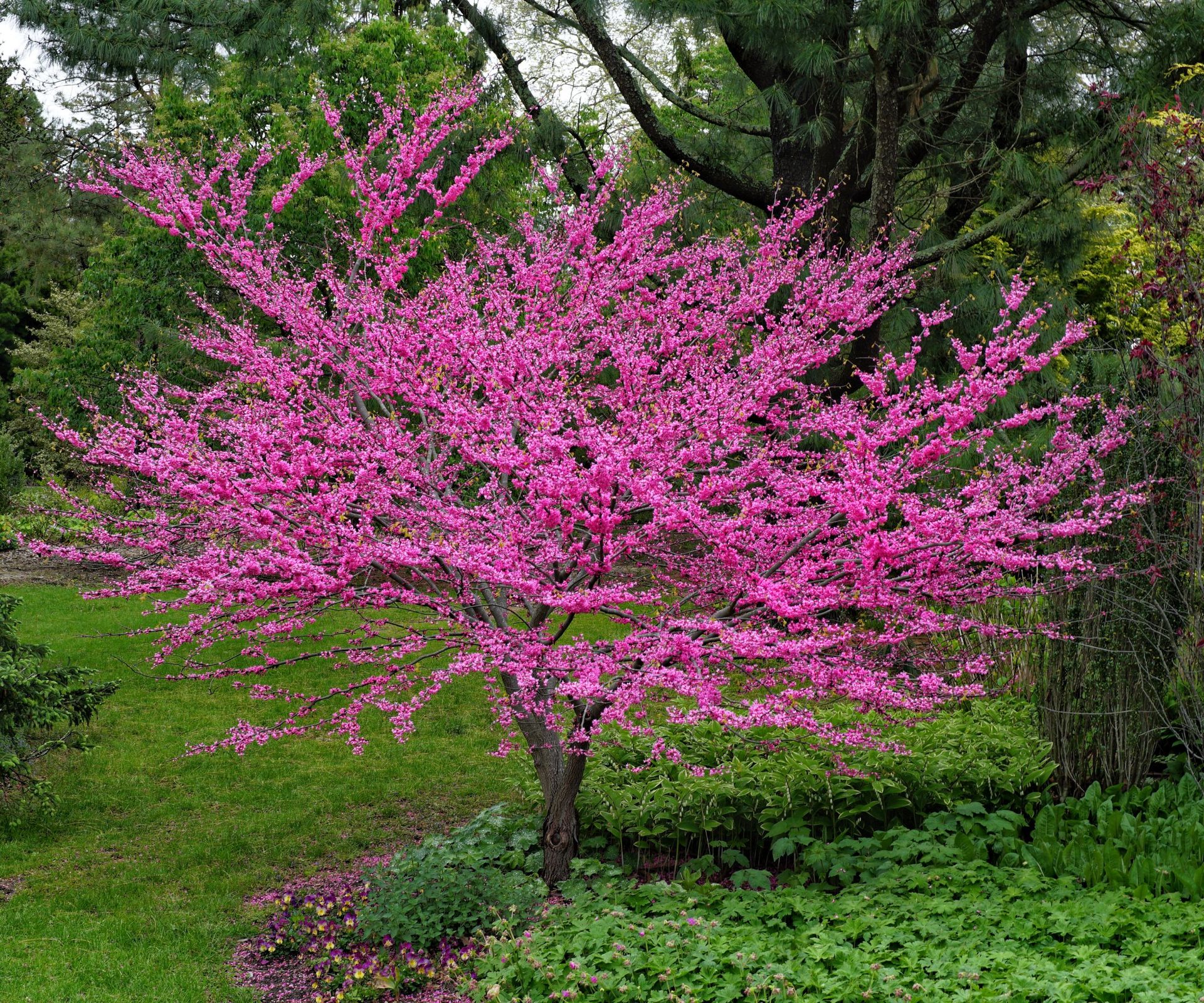
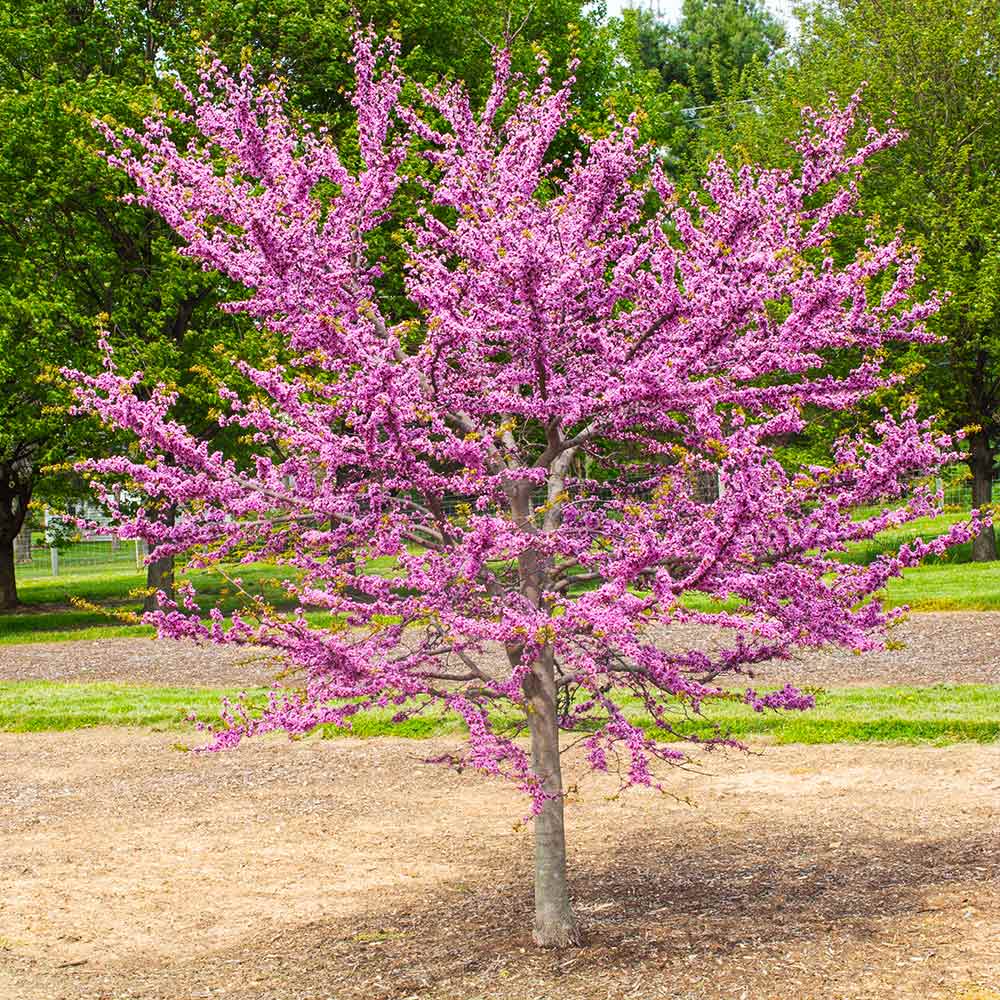
American redbud (Cercis canadensis) is a native tree that amazes and delights with its gorgeous fall color. Can you grow one in a pot on your patio? If you pick a smaller variety. While regular redbuds grow to 30 feet (9m) tall, dwarf or compact varieties stay much smaller yet offer the same foliage fireworks display in autumn.
You couldn’t choose a better season than early fall to pot up a redbud tree. The temperatures are never extreme, and that means less stress during the transplant. Many areas rain in September, providing the moisture the roots require to settle in before winter. Hardy in USDA zones 4-9.
3. Dwarf Magnolia
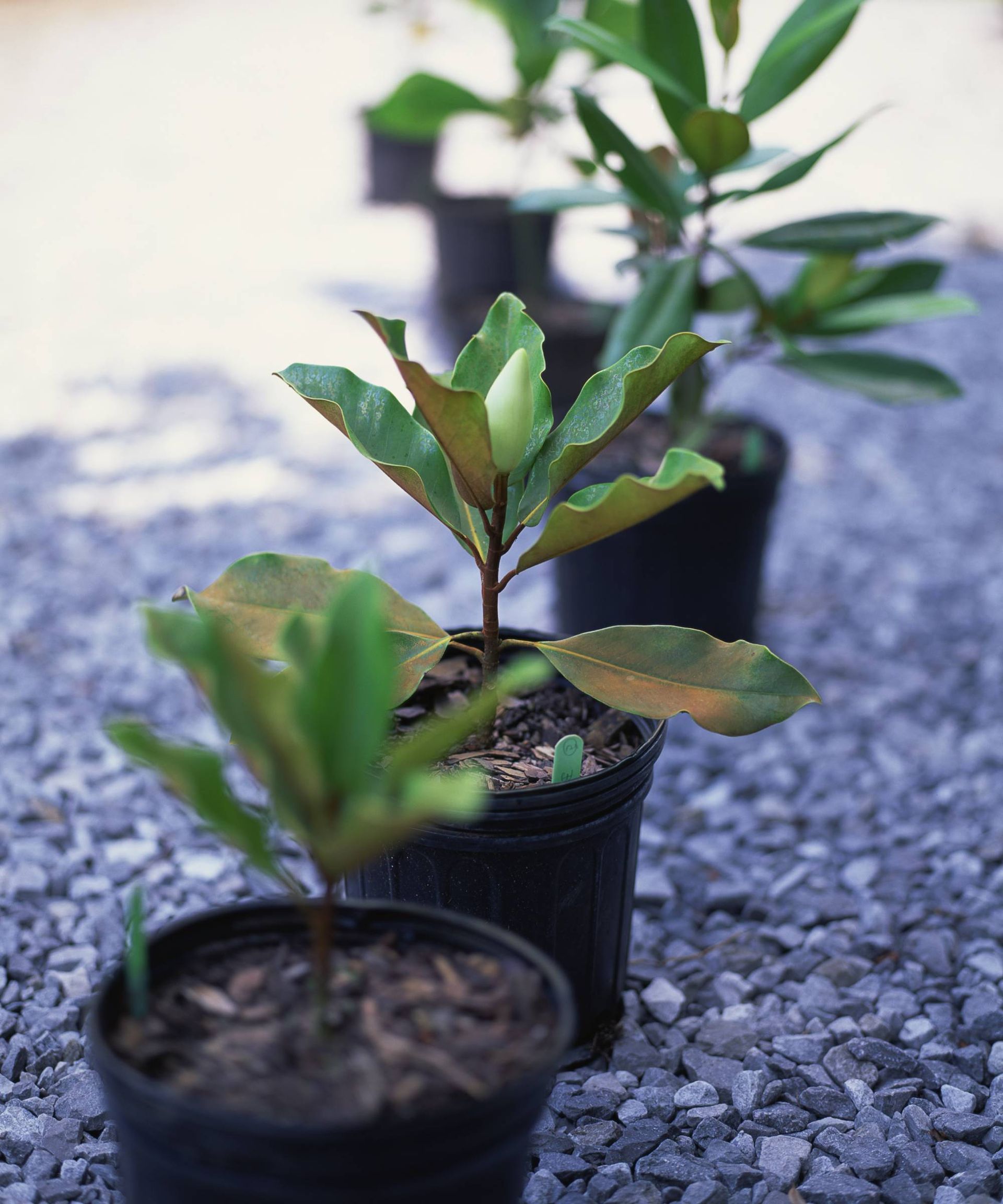
If there is a tree more glorious than the magnolia (Magnolia spp.), I have yet to discover it. Here in San Francisco, the Botanical Garden holds the largest collection of endangered magnolias out of China, and visitors flock here in spring to watch the magnificent blossoms appear on the trees’ bare branches.
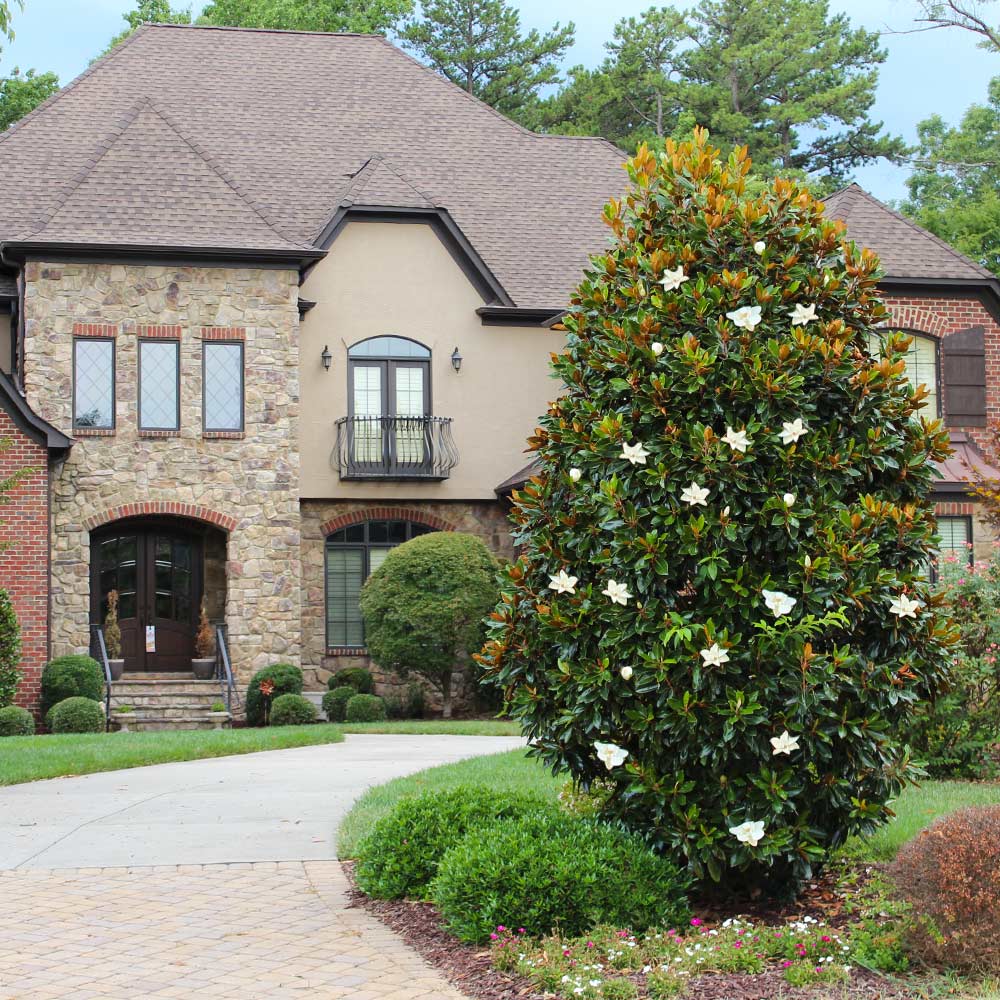
While regular magnolias are too tall to serve as container trees, dwarf and compact varieties offer the same dramatic beauty in a manageable size. For example, check out the ‘Little Girl’ series. These compact trees top out at between 8 and 12 feet and transplant well in September, as the cool weather arrives.
Use a large pot to allow for healthy root development, ideally three times larger than the size of the nursery pot. Width is more important than depth, since their roots are shallow with significant horizontal spread. Hardy in USDA zones 3-8.
4. Dwarf Apple Tree
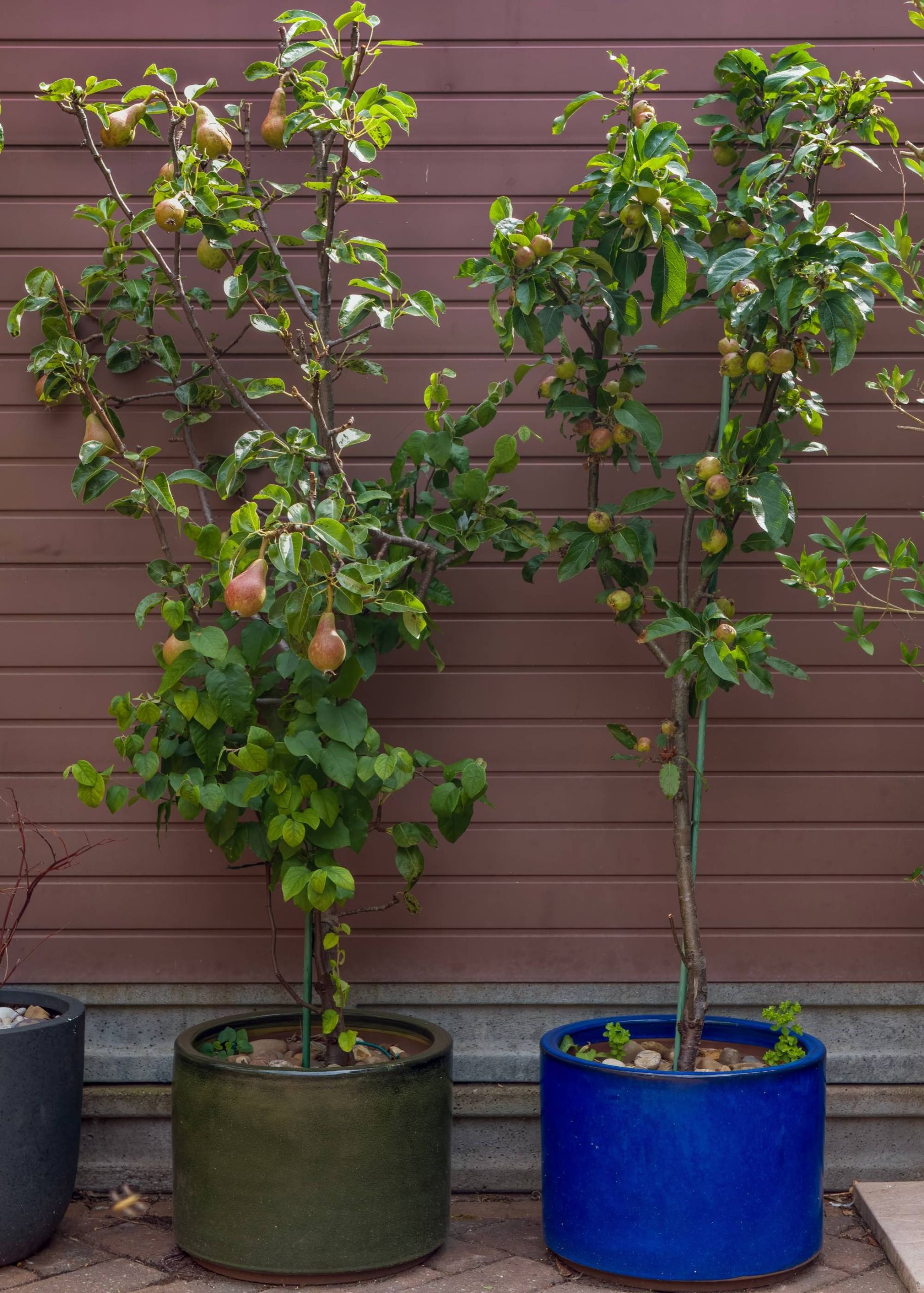
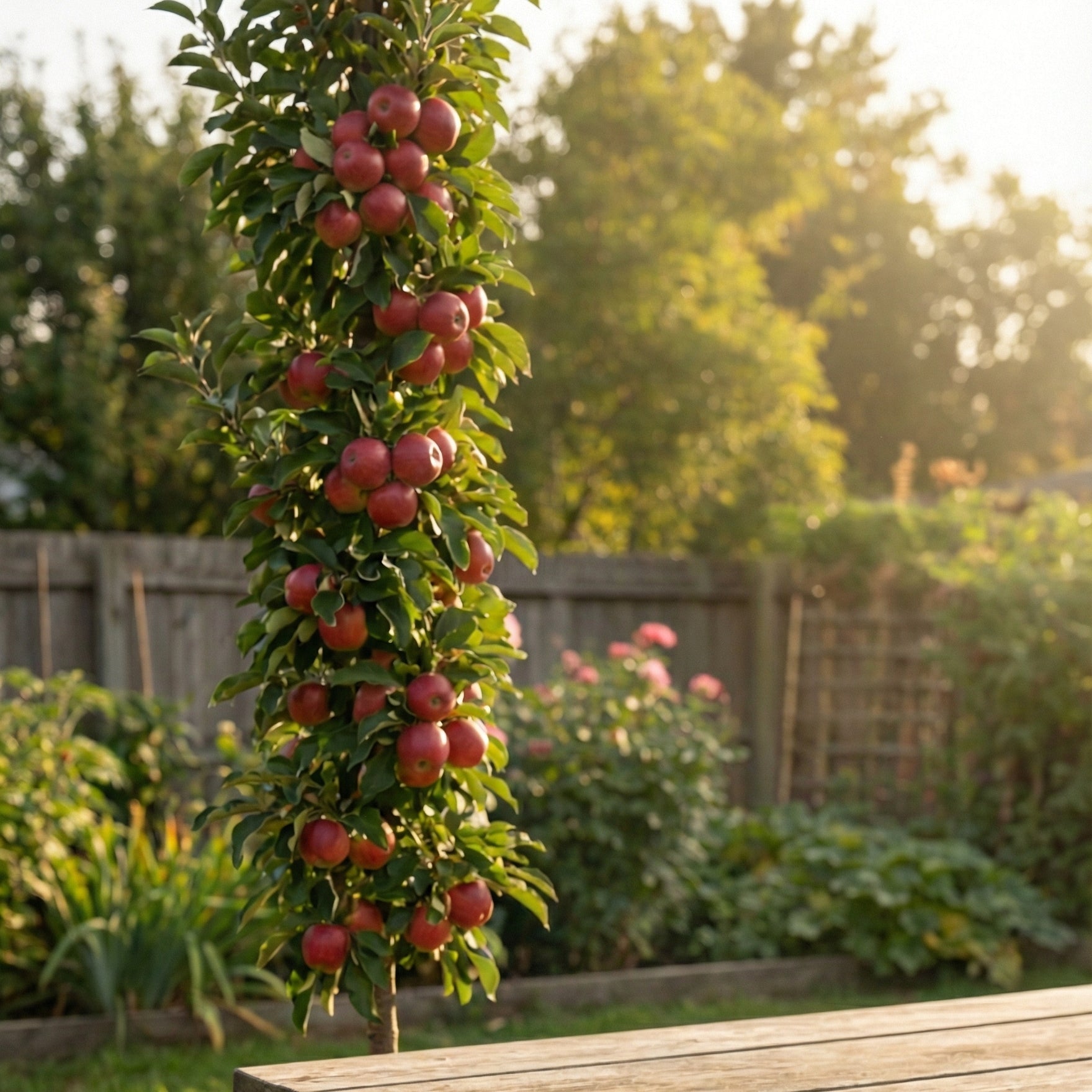
If you are worried that dwarf apple trees (Malus cultivars) will produce cherry-size apples, think again. Whether you select a compact or a dwarf variety for a container-grown apple tree, the fruit will be of normal size. Pick a variety that works in your climate and – come fall – install it in a heavy container that is 18-to-22-inches (45-55 cms) wide. Keep the graft union above the soil line.
Early fall (September through October) is a good time to pot up your tree. The cooler air and soil lets the tree’s roots establish before winter without the stress of summer heat. A September planting gives the apple tree a head start, getting them ready to bloom when spring arrives. Hardy in USDA zones 3-9.
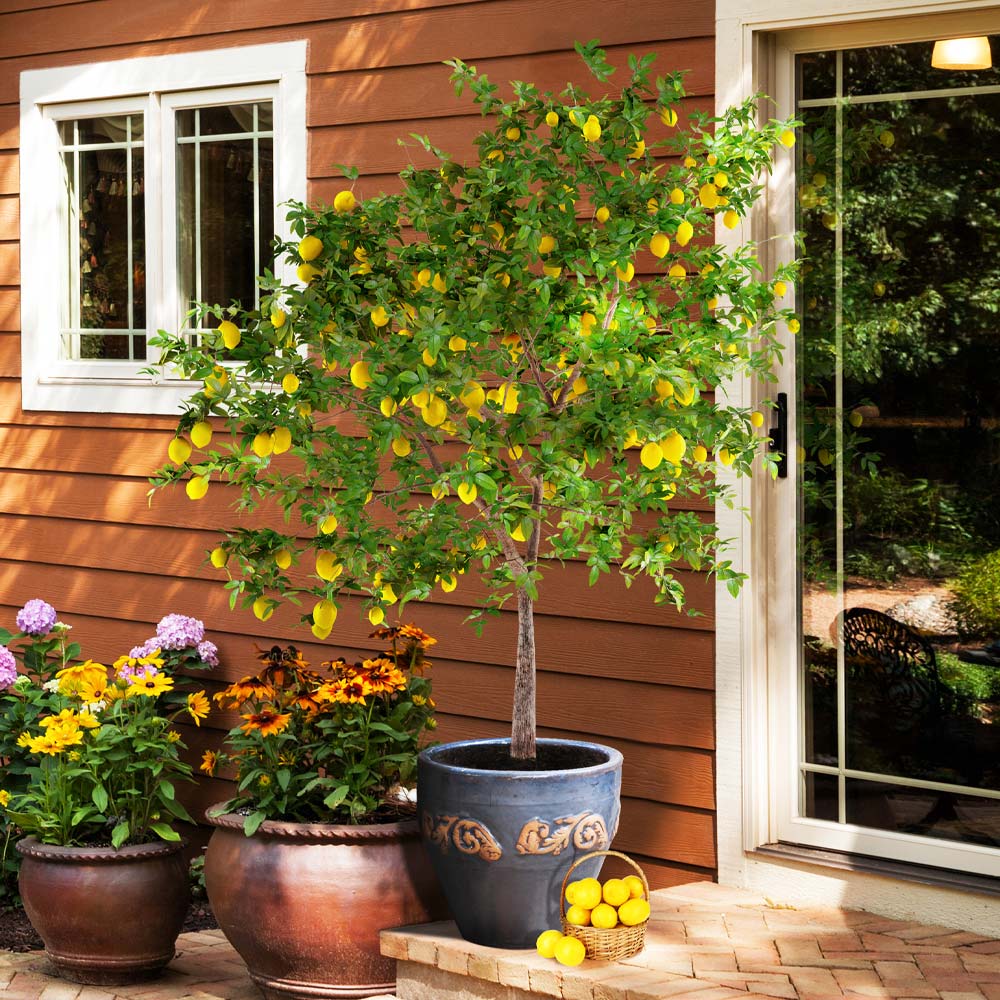
5. Meyer Lemon
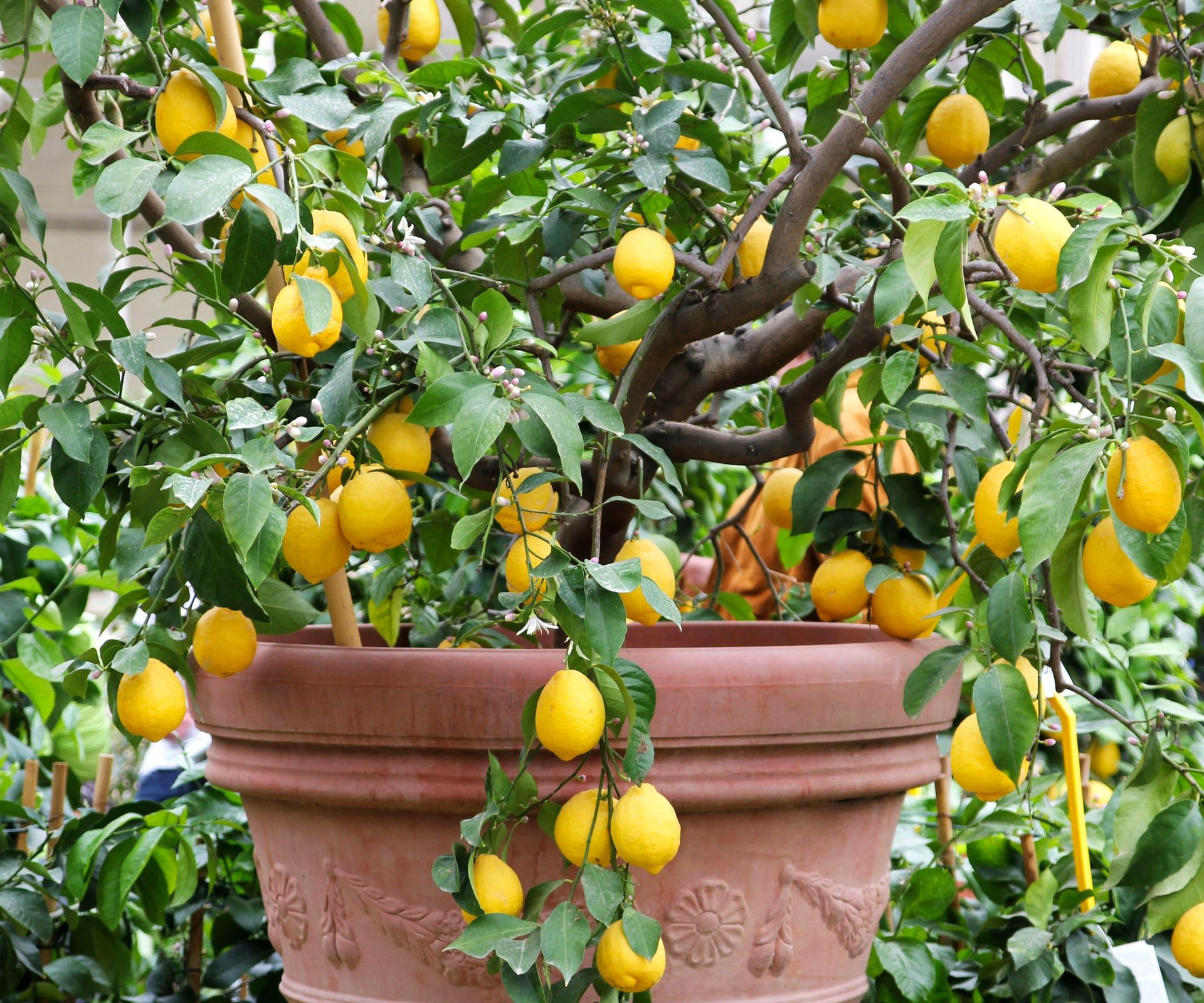
I absolutely adore my potted Meyer lemon tree (Citrus x limon ‘Meyer’). I bought it small and cheap and watched it grow to about 4 feet (91m) tall over a few years. During its early years, I kept it indoors, and the blossoms – that appear throughout the year – filled my apartment with the sweet fragrance.
This species is a cross between a lemon tree and a mandarin orange, and though the fruits are bright yellow, they are sweet to eat. Meyer lemon trees grown in containers top out at 7 feet (2m), which makes them ideal for patios and porches.
You should start your Meyer lemon in a 5-7 gallon container, increasing it incrementally every few years until the tree is mature. September is a perfect time to pot up the tree since you will enjoy beautiful white flowers and first fruit that very fall. Hardy in USDA zones 8-11.