Dang it’s getting hot out there! The first six months of 2026 were the hottest ever measured in areas of eight states, and the World Meteorological Organization (WMO) has warned we’re not going to see any let-up anytime soon: it forecasts above average temperatures pretty much everywhere through to August. That means a tough summer for our gardens, but there’s plenty we gardeners can do to help our plants in a heatwave.
With water restrictions already sweeping across the US, taking preventative steps now will give plants the best chance of survival. But before we dive into the nine ways you can help plants cope with extreme heat, let’s take a quick step back to look at how the forecasts are predicting this summer will pan out in your area. That way, you can tailor the measures to your garden and what you’re growing, and ultimately help plants survive. And to do that, we need to take a quick peek at what’s driving this extreme weather.
You Need to Know About El Niño
El Niño is part of one of the strongest natural climate patterns in the world, where warm water that usually heads towards Asia shifts east towards the Americas, causing the Pacific jet stream to move south.
While the current extreme heat in North America isn’t directly caused by El Niño, this Pacific weather pattern officially declared underway in June certainly contributes heavily to it. Forecasts show a high certainty of a strong El Niño bringing an intense and volatile period of weather this year, with several sources aligning to suggest it could become the strongest El Niño event in modern history. And that means our gardens may be facing their harshest season yet.
Expert forecasts predict 2026 will see a particularly extreme El Niño, and data suggests this event will cause a significant disturbance in global weather patterns. The WMO gives a 90% likelihood of it continuing until at least November. While El Nino happens every 2–7 years, the last strong event on record was in 1877–78, fuelling conditions that led to global drought and famine which killed over 50 million people. “We need to prepare for a potentially strong El Niño event – which will exacerbate drought and heavy rainfall and increase the risk of heatwaves both on land and in the ocean,” stated WMO Secretary-General Celeste Saulo last month.
How Will it Affect Your Garden?
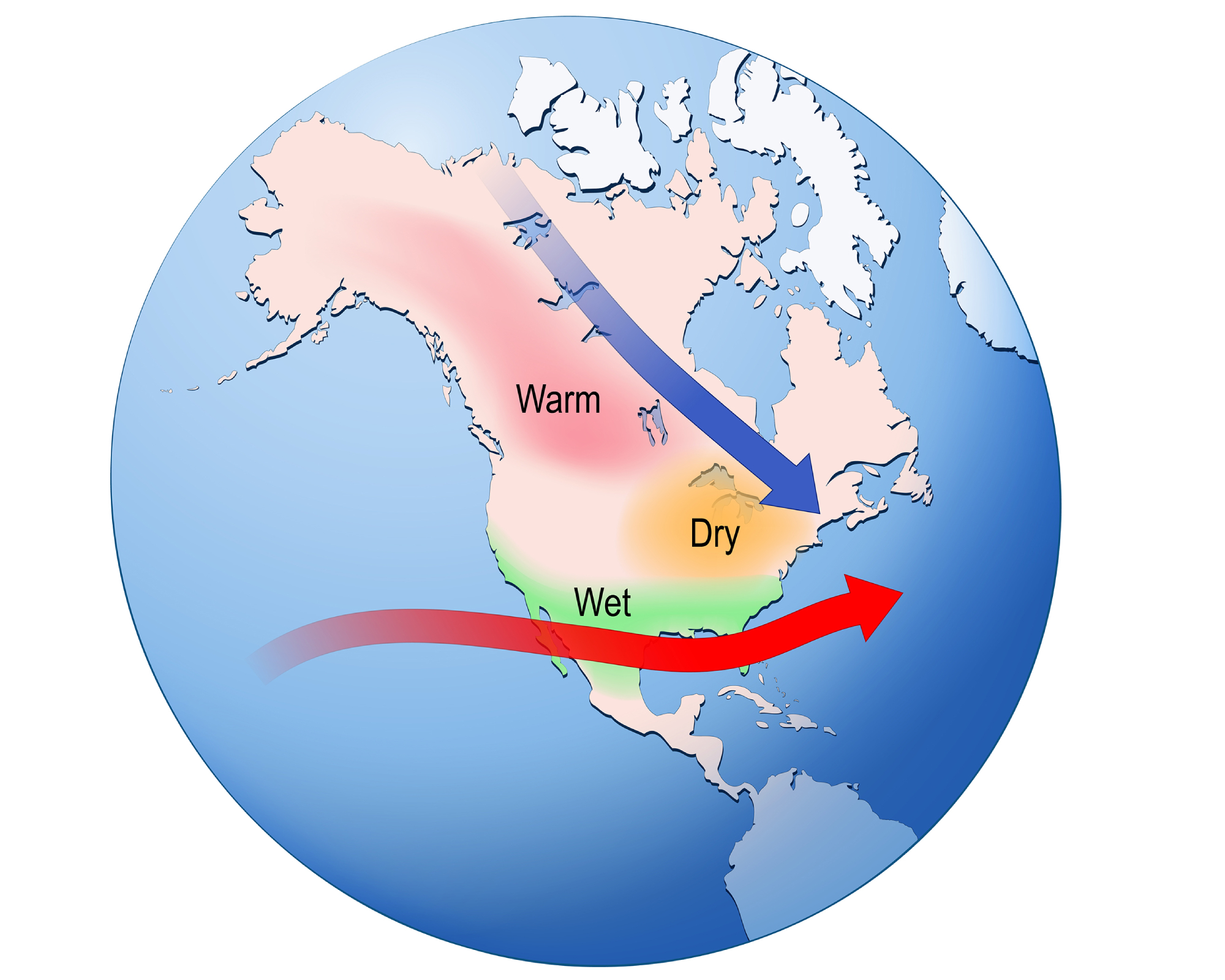
Land and air surface temperatures are expected to be above normal everywhere.
Northern states and Pacific Northwest are expected to experience hotter, drier conditions than normal, so gardens will require more irrigation. Southern states will also experience hotter temperatures but are likely to see wetter, stormier conditions as fall approaches, which may lead to flooding and saturated soil. More cloud cover can slow the development of fruit, and warm, damp conditions are conducive to fungal disease.
High temperatures without rainfall can also degrade soil, depriving plants of essential nutrients. It also creates good breeding conditions for insects, so we can all expect to see increased numbers of pests, with heat-stressed plants more vulnerable to the more frequent attacks.
Another secondary threat is the heightened risk of severe wildfires, as we saw in the droughts of 2012.
How to Help Your Plants in a Heatwave
Now you know what you’re up against, you can decide which of these protective measures you should take now to help your plants deal access the nutrients and moisture they need to survive, and stay strong in the face of pests and disease. Put these in place now, and you’ll find it much easier to help plants in a heatwave.
You’ll find links to products sold by a certain national retailer so you can see exactly what product type brings best results, but do support your local businesses.
1. Mulch Borders, Beds and Planters
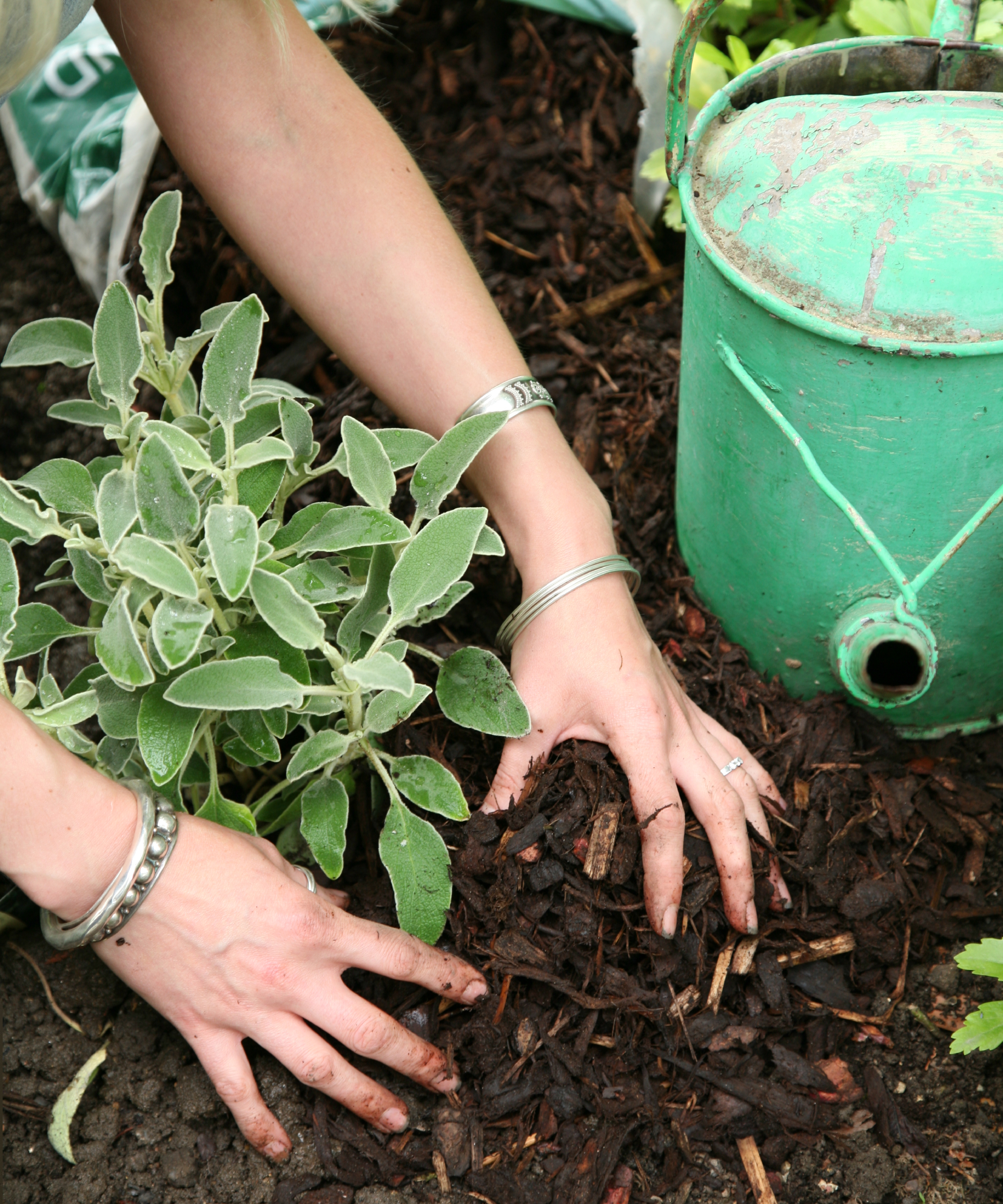
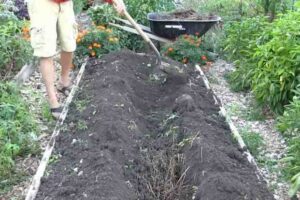
Adding a 2 to 3-inch-thick layer of organic material on top of your garden soil will help even out the effects of weather extremes. There are all sorts of mulching materials to choose from. Homemade compost is ideal, or buy a manufactured mulch such as Back to the Roots Organic Premium Mulch created from shredded wood or Organic Expanding Mulch made of coconut husk chips, both available from Amazon.
In drier states, a denser mulch is better at moisture retention, and shields soil from the heat of the sun to keep temperatures lower. This not only conserves moisture for your plants to stay hydrated, but protects against intense heat which can degrade beneficial microorganisms in the soil.
In southern states where bouts of heavy rainfall is predicted later on in the year, a more open mulch of bark chips will help drainage and prevent soil erosion. This will also slowly rot down to improve the structure, and so the drainage, of your soil.
Use a bow rake with short tines like this from Amazon. The forked side will quickly spread the mulch, then flip the rake over to level the surface with the flat side. Keep the mulch away from plant bases – it shouldn’t touch any stems as it may cause them to rot; a hand rake such as this from Amazon is a handy tool to achieve this in congested borders.
2. Guard Against Fungal Disease in the South
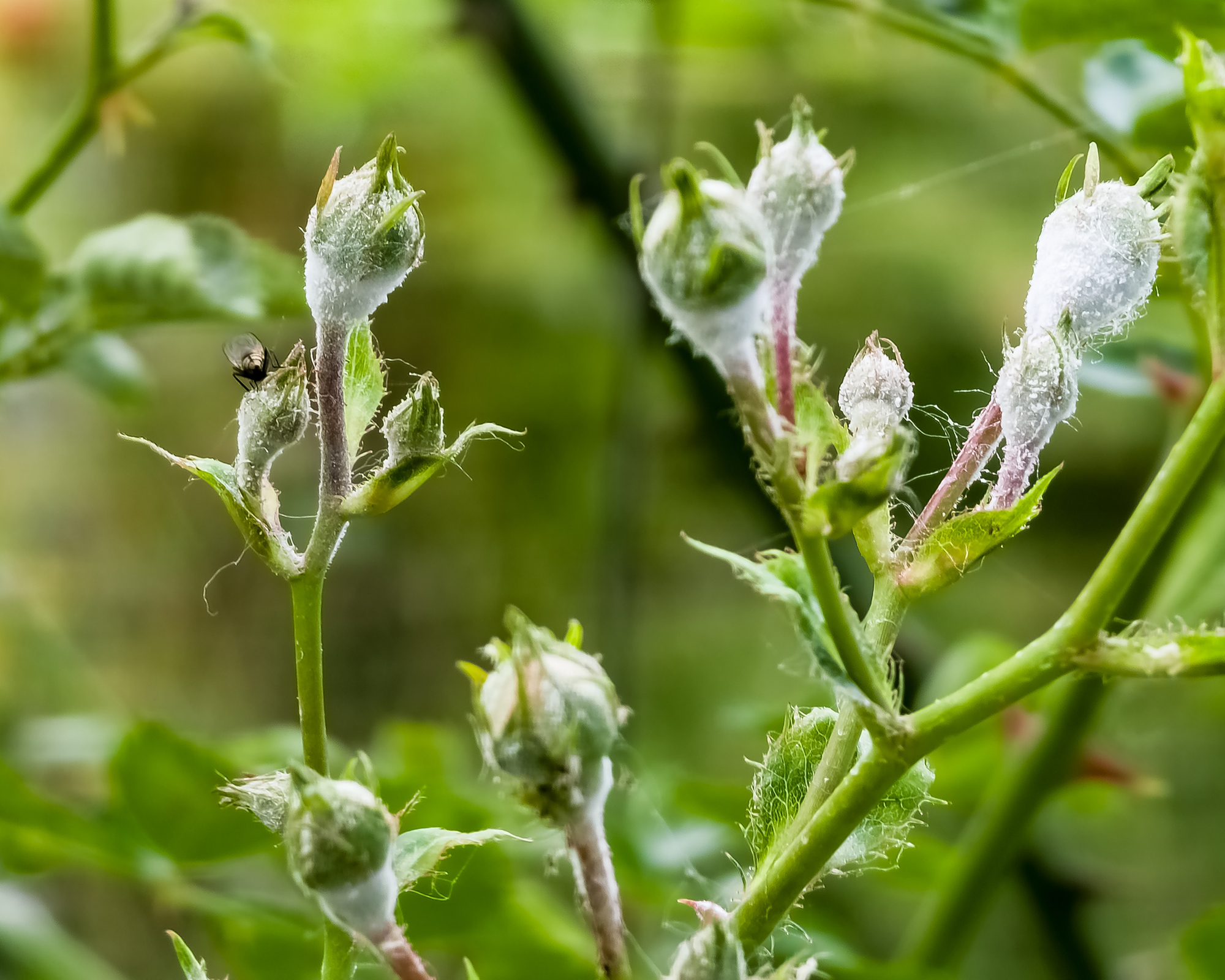
Warm, wet weather provides just the right conditions for fungal diseases such as mildew to flourish. There’s plenty you can do to guard against them, however.
Your number one preventative measure is good airflow, so ensure you’ve snipped the essential plants to prune in July, and be ruthless when you’re thinning seedlings so there’s no congestion. Another smart move is to spend 5 minutes a day deadheading fading flowers to remove damp, decaying matter where pathogens thrive. This also gives you the opportunity to regularly check your plants for the first signs of any fungal disease – and catching it early means you can quickly deal with the issue before it spreads.
During dry periods, always aim to water the soil rather than the plant itself, to keep foliage and flowerbuds dry. If you can’t avoid getting the plant wet, then watering first thing in the morning means it will quickly dry.
3. Weather-Proof Pots & Hanging Baskets
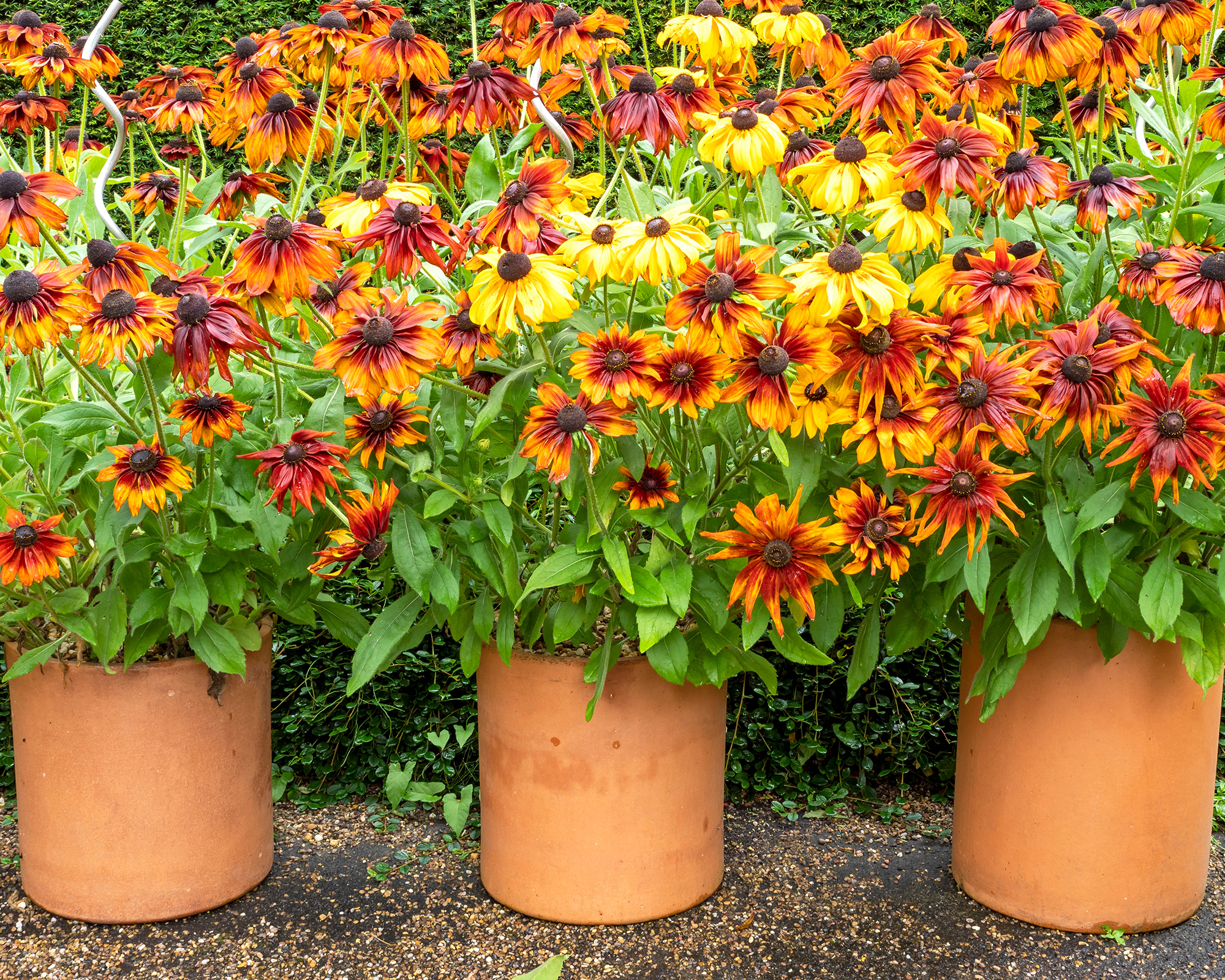
Any standalone volume of soil is vulnerable to weather extremes, heating up rapidly and quickly becoming saturated or dehydrated. And the smaller the volume of soil, the more at risk it is.
There are several things you can do to make life easier for plants in pots and hanging baskets. For a start, the bigger the pot, the more resources a plant has to access, so consider repotting your patio flowers and foliage up a pot size. This doesn’t have to be an expensive endeavor – buy one large planter to move your biggest plant into, then shift the next biggest plant into the newly-vacant container, and so on.
Repotting also brings the opportunity to refresh the soil in your planters. Using a moisture control potting mix such as this from Amazon helps guard against both too-dry and soggy roots, as excess water is captured then slowly released. You can achieve a similar benefit by mixing coconut coir such as this from Amazon into any regular container potting soil. Coconut coir is just one magic ingredient you can add to hanging baskets to help them flourish, too.
Even if you’re not repotting, refreshing the top few inches of soil in your planters will nourish plants so they’re better able to cope with whatever the weather throws at them.
In southern states, raising pots on risers such as these from Amazon will improve drainage once storms hit.
4. Shade Crops
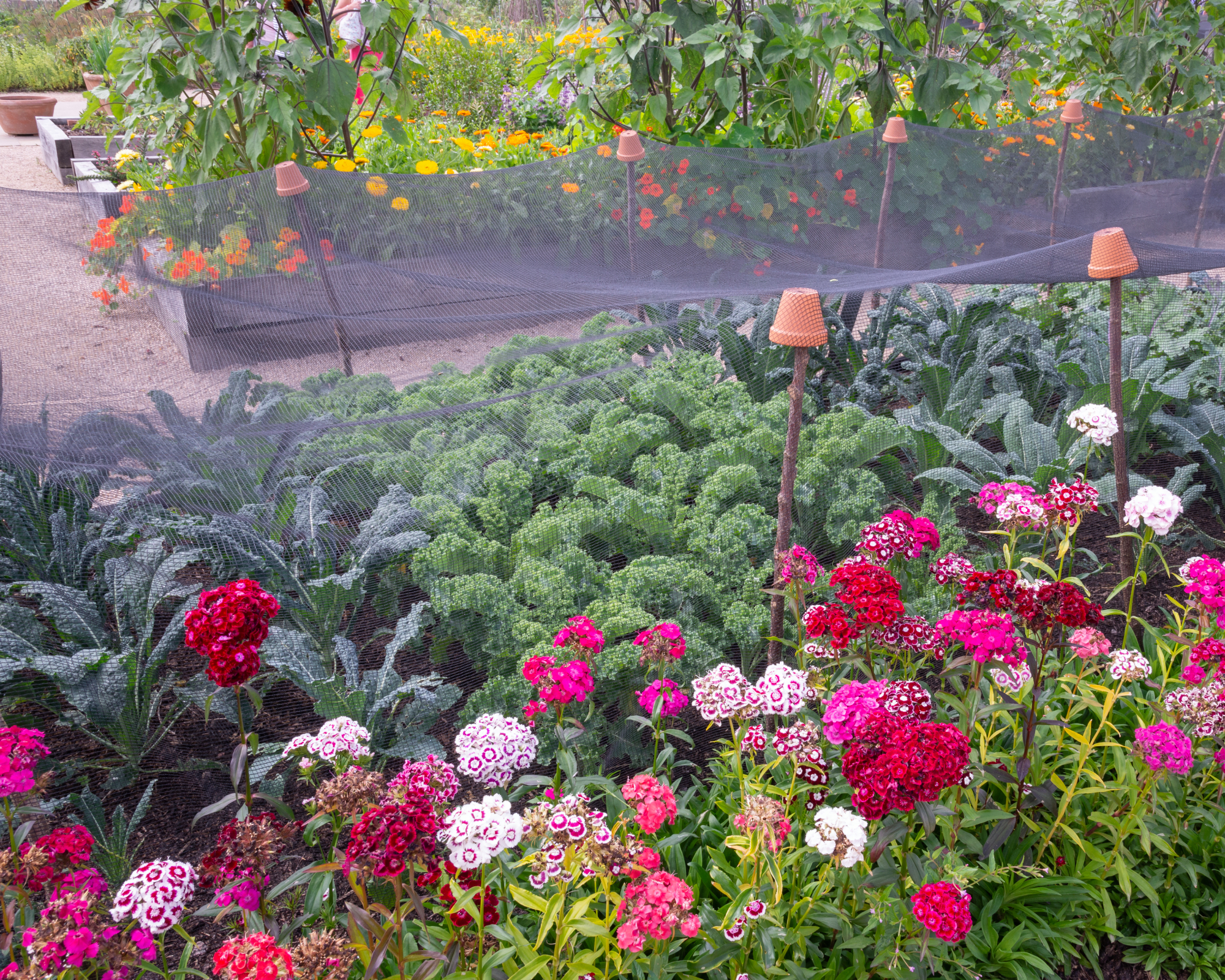
In the face of relentless dry heat, many crops will fail so, if you’re growing veggies in the north, consider shading them from the midday sun. A shade cloth of 30–50% such as this on Amazon will shield them from extremes but still allow plenty of sunlight through, and there are all sorts of sizes available, including kits for raised beds. To attach a cloth securely, choose one with grommets and use shade sail hardware such as this from Amazon to fix it place; tarp grips such as these from Amazon are also handy.
When you’re working out the details of where to place your cloth, remember that you’re not aiming to block out all the sunshine, just shade your crops for a few hours in the middle of the day.
If you have a greenhouse, it’s also worth covering the roof and south-facing wall with a shade cloth. And if your patio bakes in the sun, then your pots (and probably you too!) will appreciate some extra shade.
5. Irrigate Efficiently
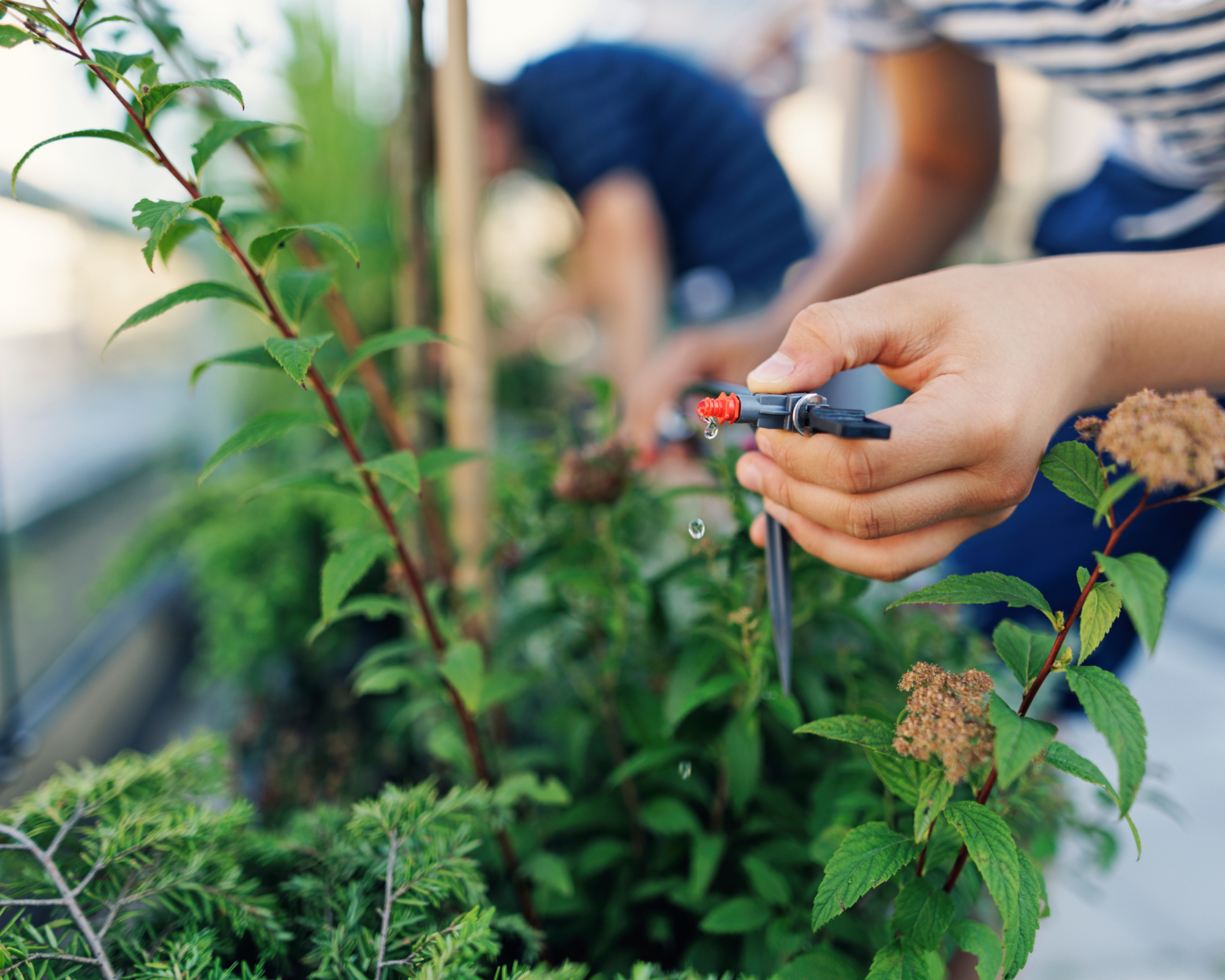
Mandatory water restrictions are already in place across many US states but whether or not you’re affected, irrigate wisely for your plants’ sake.
Watering early in the morning before the sun climbs high in the sky means there’s less evaporation, so more water will get to your plants’ roots.
Delivering water via a drip irrigation system is around three times more efficient than using a hosepipe. With the water directed straight to the roots, at a slow rate, there’s far more absorption and much less evaporation. Many self-assembly kits are available, and plenty are tailormade for patio pots or raised beds. Do choose a system such as this from Amazon that delivers water directly to the ground, and not via mister sprays, though.
Using terracotta pots to DIY your own efficient watering system is another alternative. Topping pots with LECA clay balls keeps compost moist for longer, and you can even train some plants to be more drought tolerant.
6. Choose Resilient Plants
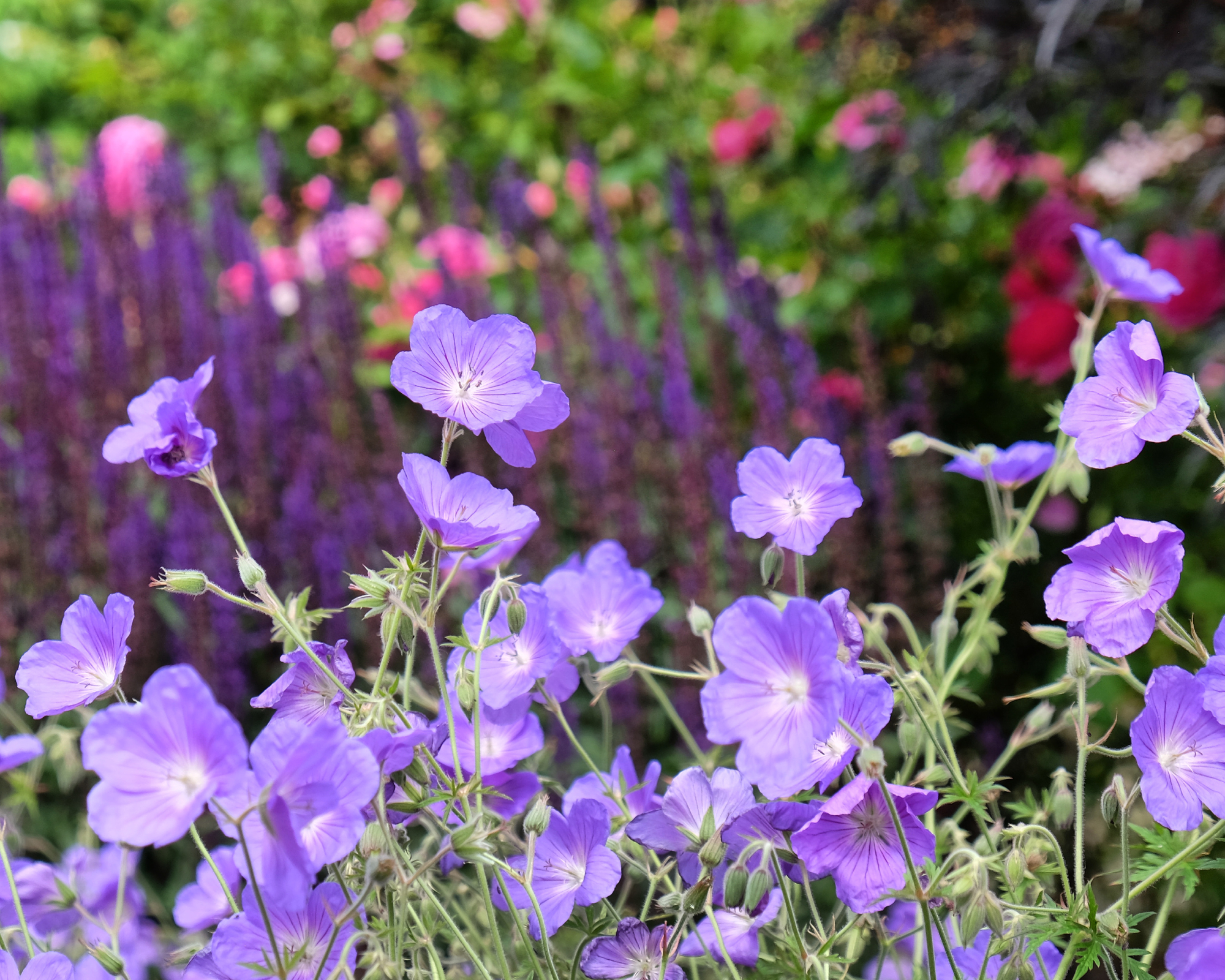
Some plants need a lot of looking after, while others tolerate a wide range of conditions. In a heatwave summer, you need the latter. So, if you’re adding to your garden, or need to replace a plant that’s already kicked the bucket in this intense heat, look to drought-tolerant beauties that practically grow themselves. There are plenty of low-maintenance perennials that thrive in patio pots, too, and shade plants that thrive on neglect.
Whatever you choose, do research its care needs before planting. Put the right plant in the right place and it’ll be well-suited to its environment from the get-go, so will be better able to cope with weather extremes.
https://www.gardeningknowhow.com/edible/tomato/keep-tomato-plants-producing-all-summer-with-these-pro-growing-tips
7. Understand How Heat Affects Particular Crops
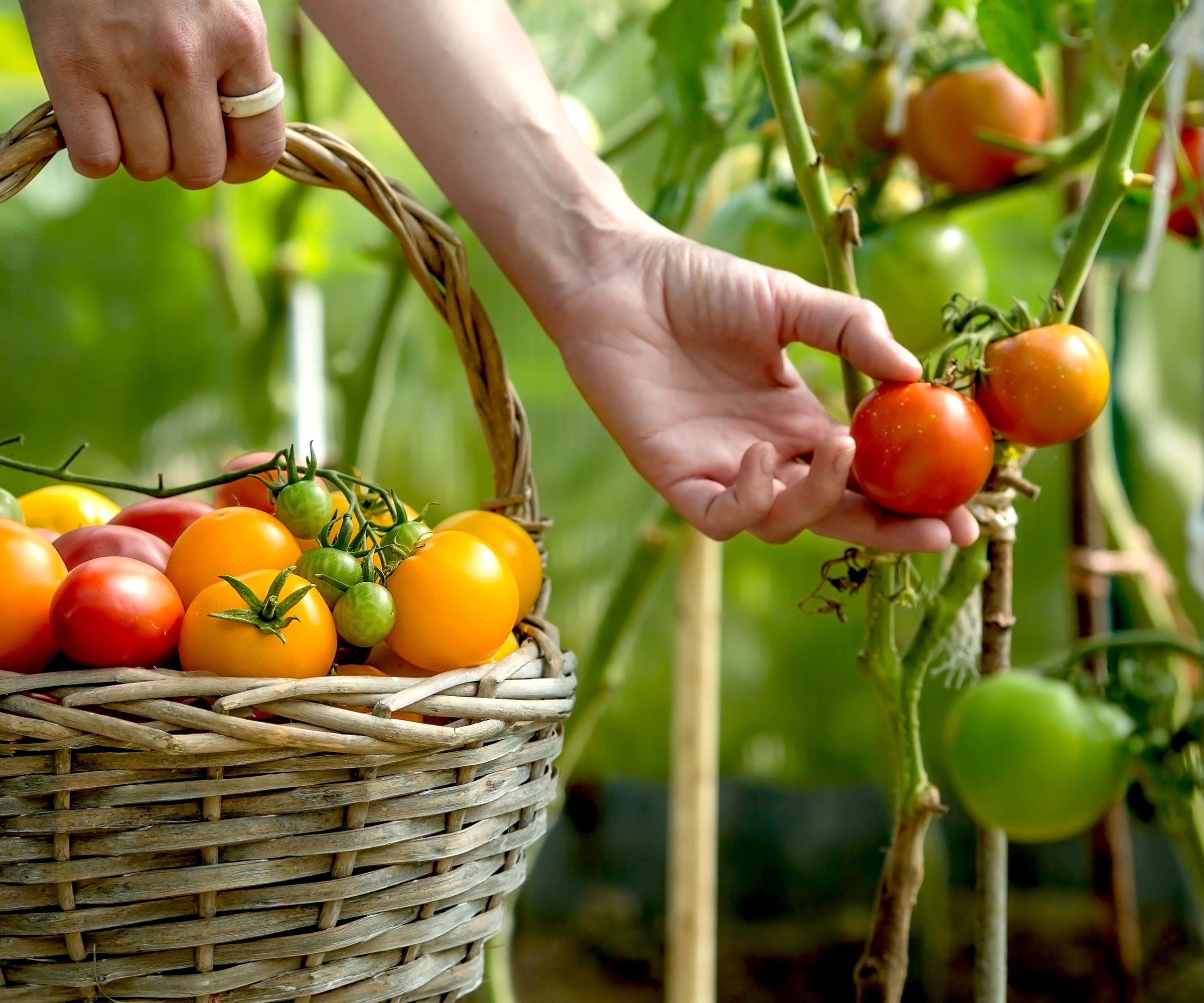
While high heat levels may mean your flowering plants deliver a few less blooms, the repercussions are more serious when it comes to veggies. Hot weather can drastically impact your yield and, in a year when food prices are predicted to rise as a result of uncertain cropping, that’s especially disappointing.
Know how heat adversely affects whatever veg you’re growing, however, and you can take action to mitigate it. For example, take tomato plants, which can really suffer as the mercury rises. But planting basil alongside to strengthen their stress response is just one of many tricks professionals use to keep tomatoes cropping all summer. Tomato flowers increasingly fail to pollinate as summer temperatures heat up, too, but is easily overcome by using an electric toothbrush.
Choose heat-hardy vegetables that don’t wilt in unrelenting sun for quick summer crops, too.
8. Support Your Garden Ecosystem
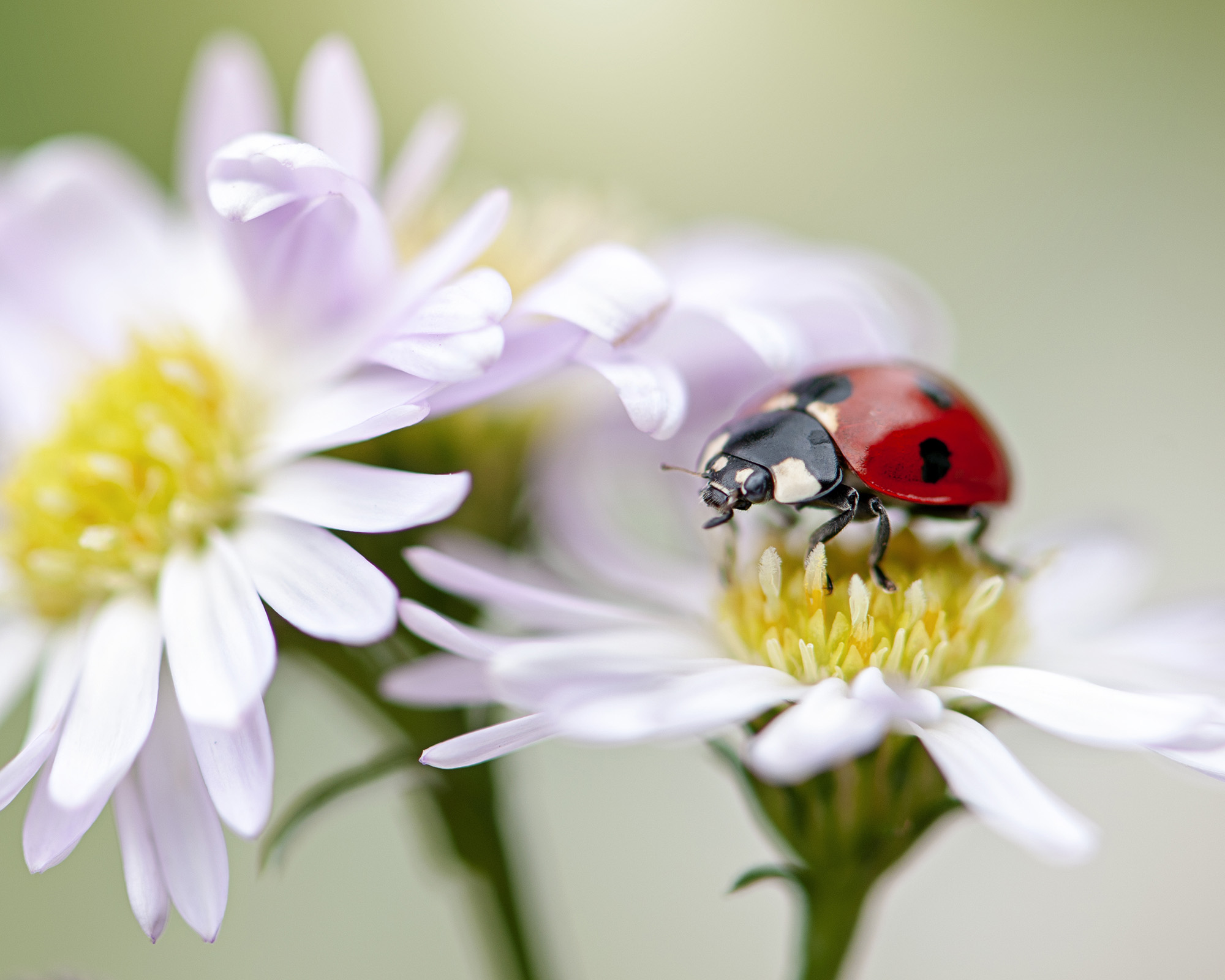
During periods of high heat, outbreaks of garden pests occur more frequently. Dry soil doesn’t transport nutrients as well, and doesn’t keep roots supplied with moisture, so your plants will be less able to tolerate attacks, too. At the other end of the spectrum, spells of wet weather will bring perfect conditions for abundant slugs and snails.
While pesticides may temporarily get rid of pests, they’ll also eliminate the beneficial critters that eat them, setting up a vicious circle that will only benefit the creatures you don’t want in your garden. A far better long-term solution is to support your garden ecosystem for pest control, creating habitat and food to bring a self-regulating balance of wildlife into your garden.
9. Look After Yourself, Too!

It’s not just your plants that get stressed in this intense heat – you do too! So while it’s a smart move to put these protective measures in place, do take a few savvy shortcuts to cut your garden chore time in a heatwave so you can put your feet up in the shade. After all, your plants need you now more than ever.