There’s something about fall that naturally inspires new beginnings and makes us want to head off in new directions. With the arrival of brisk breezes, shifting colors and falling leaves, we often feel the urge to rearrange living spaces, including those outdoors. While spring gets most of the glory for planting, autumn is a great season for dividing, moving and relocating key established ornamentals.
If you do transplant these perennials and shrubs now, you can take advantage of unique conditions. Fall brings cool air that reduces transpiration and moisture stress, while the soil remains warm from months of sun, and depending on where you live, you’ll be seeing more rainfall. This means relocated plants have time to establish strong roots before winter sets in, and it reduces transplant shock.
Rather than wasting energy recovering from a disruptive spring move, a fall-transplanted perennial can hit the ground running early next year. This doesn’t apply to every single plant, but if you have overcrowded perennials, let’s go! By giving key plants a fresh start this October, you boost their long-term health, enhance your curb appeal, and set your yard up for its finest season yet.
Why Fall is the Best Time to Move
In my experience, it’s pretty rare to add a perennial or shrub and simply leave it in place untouched for the next decade. As landscapes mature, light patterns shift, beds crowd each other out, and soil nutrients may deplete. I plant perennials knowing that it’s very likely my hostas or peonies will, in time, need to be relocated. But that doesn’t bother me at all. It’s like kids outgrowing their shoes: relocating is a natural, normal part of growth and healthy backyard care.
Fall is considered the best season for transplanting. We have touched on changes in weather, and this generally means transplants won’t burn or dry out quickly. During spring, plants funnel energy into expanding leaves, shoots, and flower buds. If you dig up a plant in spring, you sever its feeder roots when energy demands are peak. In fall, though, top growth declines or enters dormancy, allowing the plant to redirect energy into root growth and cellular repair, which is exactly what transplants need.
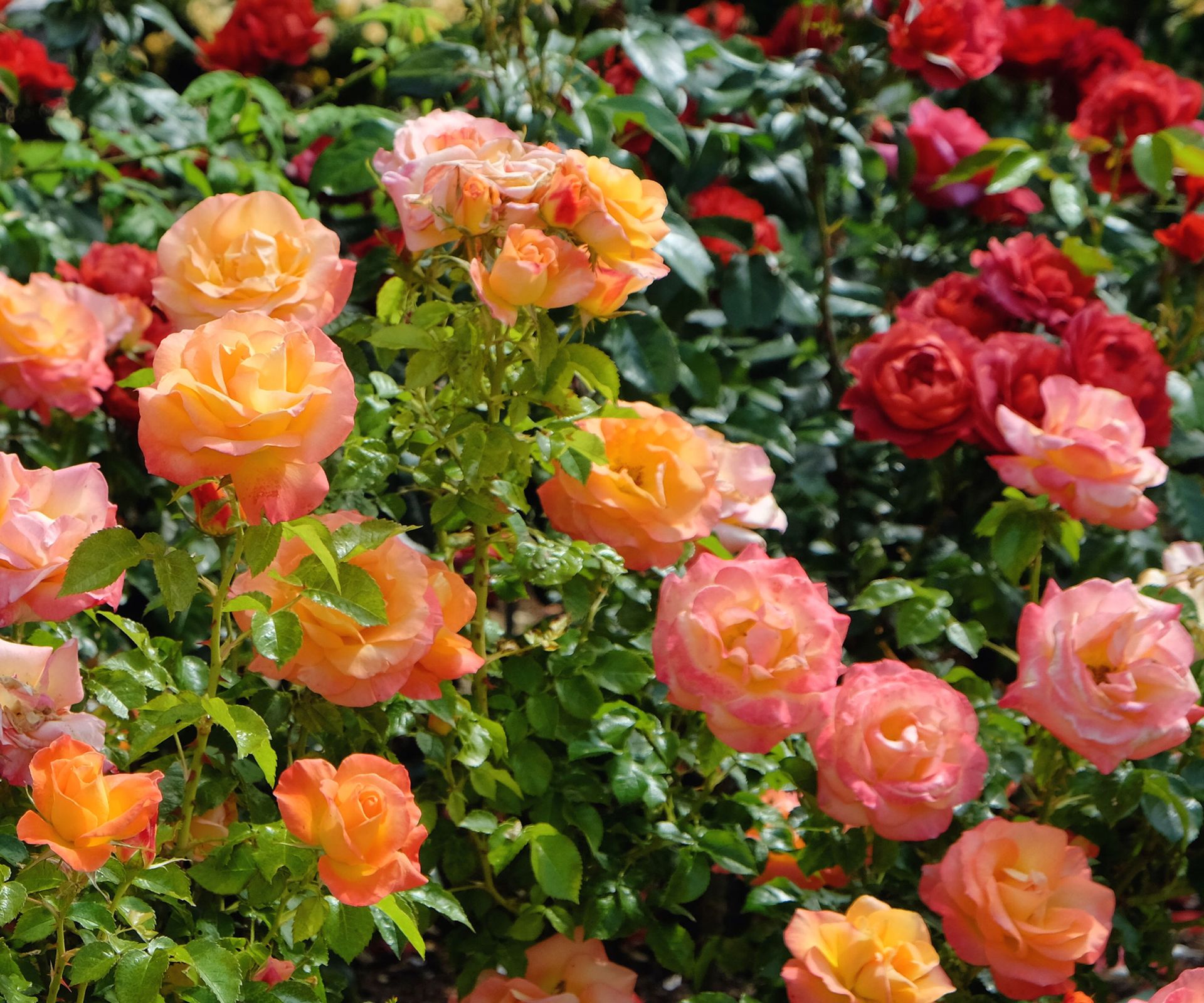
While the air is cooler, the soil is still warm from summer sun. Depending on your USDA hardiness zone, this is ideal for the root growth. Plants transplanted in fall have a strong root network by spring. Also, it may not rain every day, but autumn brings more rain than summer. Plants prefer rainwater to tap water, and regular moisture favors root development. You can check ground levels before transplanting by using a diagnostic tool like the Raintrip 4-in-1 Soil Meter, available from Amazon.
Insect populations peak in summer and decline in fall, which means that your plants won’t have to be fighting aphids, mites or root-chewing grubs. This means newly moved plants won’t have to battle active pest pressure while establishing in the vulnerable time after transplanting. Before moving these plants, just be sure to prepare the new site. Dig a hole twice as wide as the root ball and enrich the backfill with rich compost or worm castings to ensure smooth, stress-free root expansion of the following plants…
Plants to Move in October
Fall transplanting isn’t ideal for every plant. Keep your garden gloves off tender perennials such as dahlias, gladioli, and tropical hibiscus. You should also avoid plants with deep taproots, like false indigo or butterfly weed, and broadleaf evergreens such as boxwoods, rhododendrons, and gardenias. Broadleaf evergreens retain leaves all winter and can dry out if their roots are disturbed now. However, these 6 stars are receptive to an October move. Many can be divided at the same time, giving you free extra plants to spread around borders or share with friends.
1. Hostas
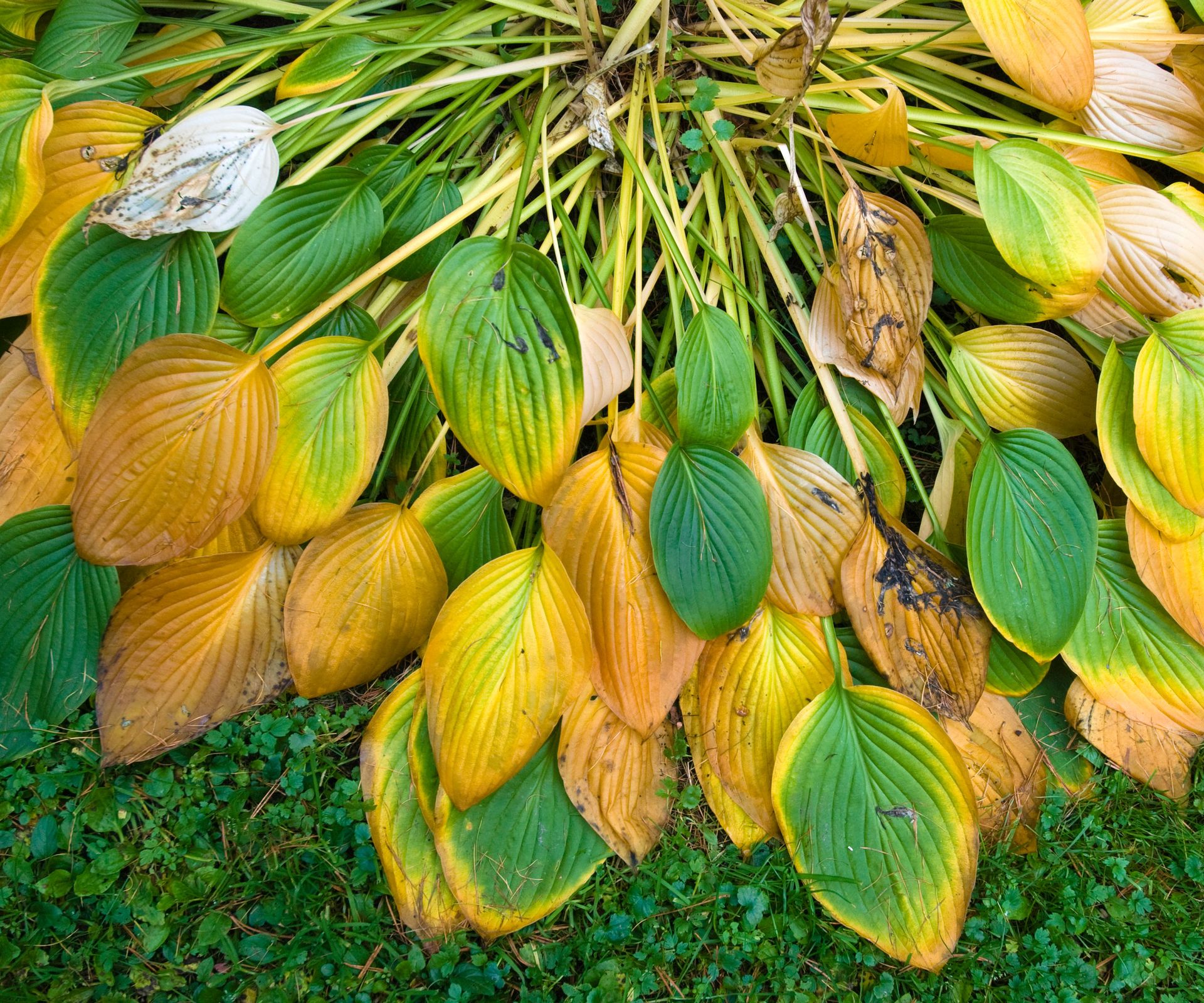
Hostas are amongst the easiest and most forgiving perennials to transplant or divide this month. Move them in fall, 4-6 weeks before your region’s first hard ground freeze. This takes advantage of warm soil, while cool air prevents large leaves from scorching. A major benefit of an October move is visual. Top growth is often visible before heavy frosts flatten the leaves, helping you to position the plant exactly where you want it. Hostas work well in dappled shade, alongside ferns or coral bells.
Prepare the new site first by adding some organic leaf mold or compost into the soil. Use a sharp spade or fork to dig a ring around the outer drip line. Lift the root ball out gently. If the crown is overcrowded, slice it into smaller divisions using a sharp knife, ensuring each piece retains fleshy roots and a few eye buds. Replant at the original depth, water deeply, and apply a 2-inch (5cm) layer of organic mulch. If you need a good knife, try the versatile Fiskars Hori Hori Knife, available from Walmart. Its serrated edge is ideal for slicing through thick divisions with minimal damage.
2. Peonies
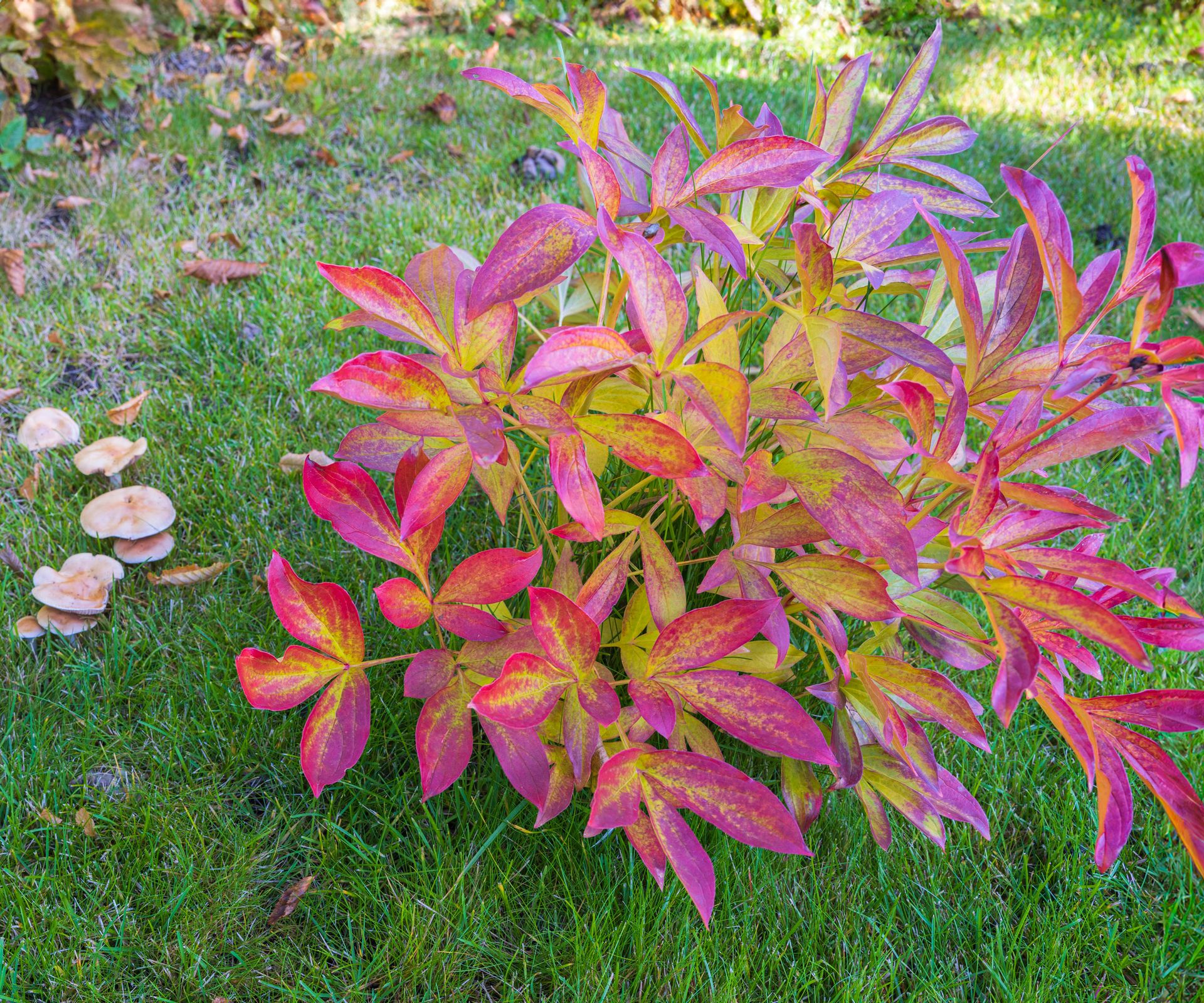
Whether you are growing classic herbaceous peonies like Sarah Bernhardt or sturdy Itoh intersectional hybrids, this month is a great time for transplanting and division. Peonies (Paeonia spp.) dislike being moved during active spring growth, but in autumn they are entering dormancy. Moving them now gives roots time to anchor into the soil before it freezes, without the stress of supporting top foliage.
Once the foliage turns bronze or wilts after early frosts, cut the stems back to roughly 2 inches (5cm) above the ground. Carefully dig around the root mass, lifting the plant without snapping the thick roots. Rinse off any excess soil to expose the pink eyes (these are the dormant buds). If dividing, use a clean knife to create sections with at least 3-5 strong eyes and a generous root.
Replant in a sunny, well-draining spot, making sure the eyes sit no deeper than 1-2 inches (2.5-5cm) below the surface. Give your peonies a gentle, slow-release phosphorus and calcium boost by adding a handful of Down To Earth Fish Bone Meal from Lowe’s.
3. Bearded Irises
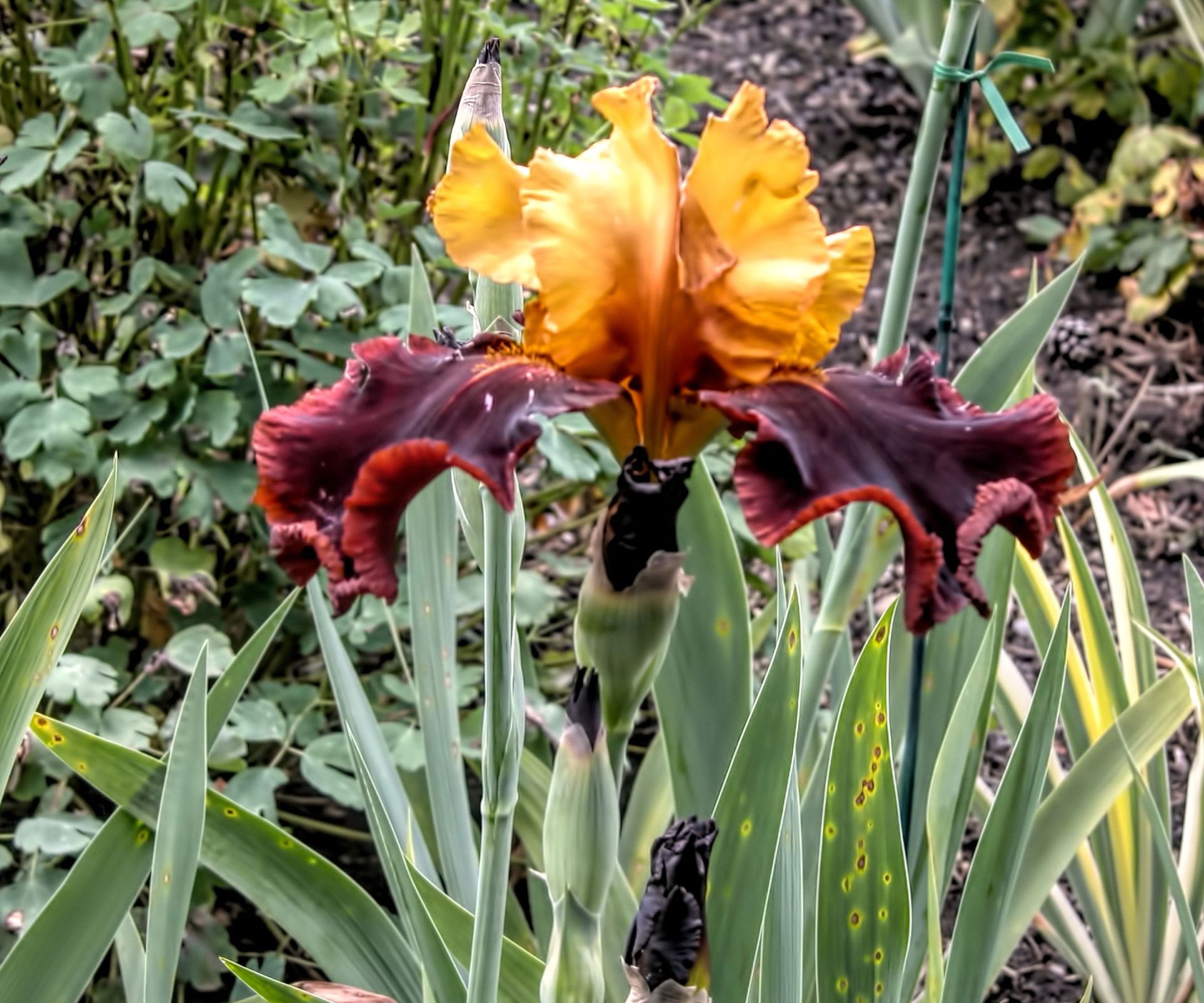
If you live in a mild or moderate climate, then you can relocate crowded bearded iris (Iris germanica) this month, provided you get them settled at least 4 weeks before severe freezes so roots have time to establish. Transplanting allows you to relocate bearded iris plants to sunnier garden spots and eliminate iris borer eggs or leaf spot fungal spores that can hide in old foliage over winter.
Dig up the plant using a garden fork, shaking away loose soil. Slice or snap the healthy outer rhizomes from the central mass, throwing away the central rhizome. Inspect each piece for soft spots or borer holes, discarding damaged sections. Trim the leaves back into an inverted V shape 4-6 inches (10-15cm) tall to reduce wind rock and stress. Replant in full sun, settling the roots over a small soil mound in the planting hole. Make sure the tops of the rhizomes are slightly above the soil surface.
Add a light mulch, such as team favorite Back to the Roots Organic Premium Wood Mulch from Amazon, to reduce the risk of frost-heave. However, it’s not a good idea to divide plants at this time. Wait until late summer, after the flowers fade.
4. Daylilies
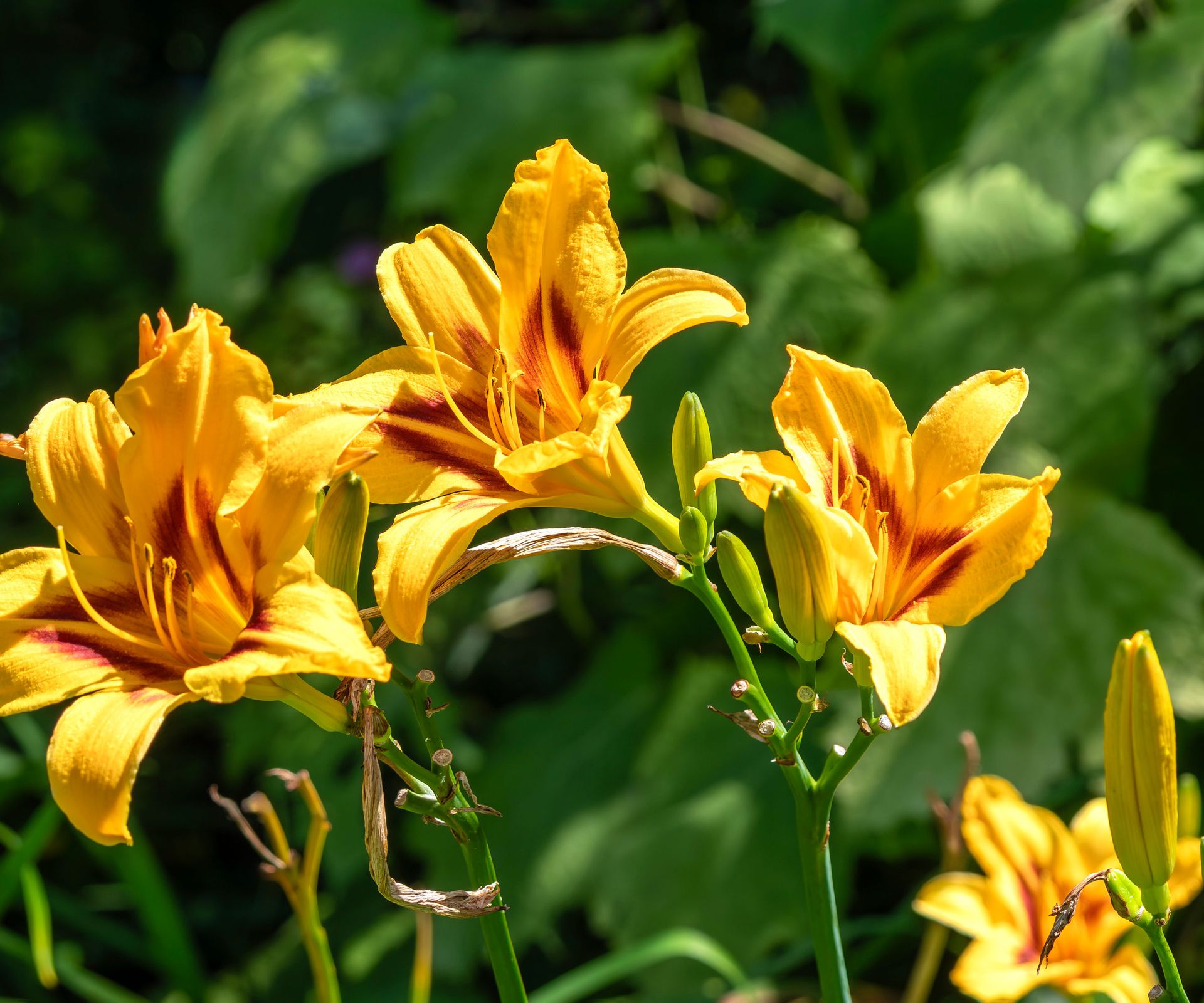
Daylilies (Hemerocallis spp.) are legendary for their resilient nature, and in moderate climates (zones 4-9) you can transplant and divide them during October. Just make sure you do this 4 weeks before the first hard frost. Over time, daylily clumps get so densely packed that flower production can drop off. Moving and dividing every 3-5 years restores vigor, resulting in larger flower scapes and a longer bloom season.
Before digging up your daylily, trim the foliage back by half to make it easier to manage. Insert your spade beneath the root ball and lever the plant out. Pull the thick, fleshy roots apart by hand or use two back-to-back pitchforks to pry the clump into divisions. Prepare your new planting hole by adding a handful of earthworm castings, such as Earth Science Earthworm Castings from Amazon. Drape the roots over the mound. Position the plant so the crown sits an inch (2.5cm) below the surface. Backfill, press firmly, water well and mulch.
5. Hydrangeas
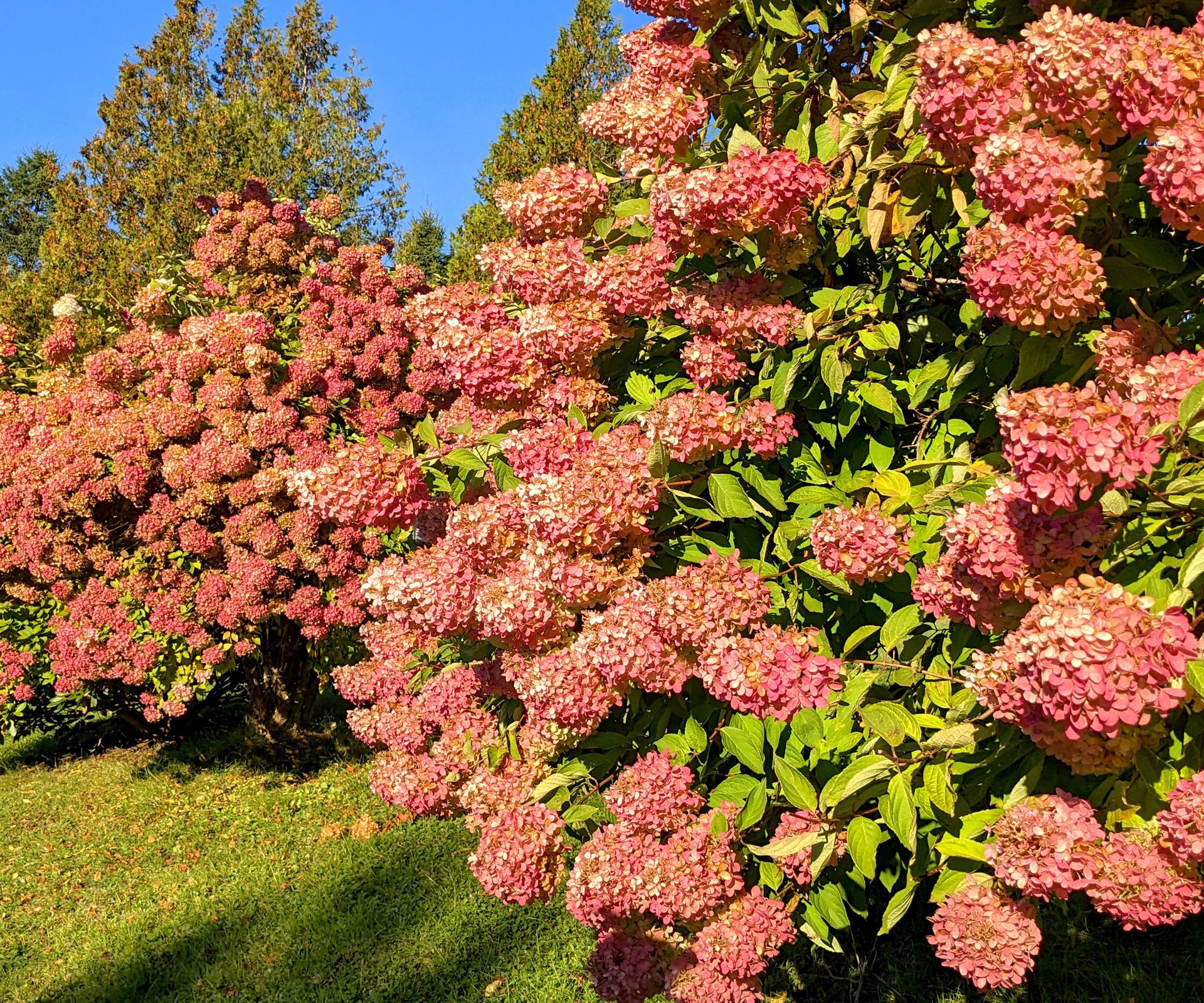
Moving a large hydrangea (Hydrangea spp.) in midsummer can lead to severe wilt and leaf scorching. However, moving one in late October is fine, as long as your shrub has stopped flowering or entered dormancy. Whether you are relocating a bigleaf (H. macrophylla), panicle (H. paniculata), or oakleaf hydrangea (H. quercifolia), transplanting your hydrangea this month gives the extensive root system time to settle into cool, moist soil before pushing out heavy spring leaves.
Select a new location that offers morning sun and afternoon shade, and water the hydrangea deeply 24 hours before moving. Hydrangeas have broad roots that grow wide rather than deep, so dig a wide trench around the outer branch perimeter. Lift the root ball with as much soil as possible. Transfer to the new hole at its original growing depth, backfill with native soil and organic compost, and tamp. Apply a gentle, diluted seaweed drench, such as GS Plant Foods Organic Liquid Kelp from Walmart, to minimize shock after transplanting your hydrangea. Insulate the base with 3 inches (8cm) of organic wood mulch to retain moisture through winter.
6. Roses
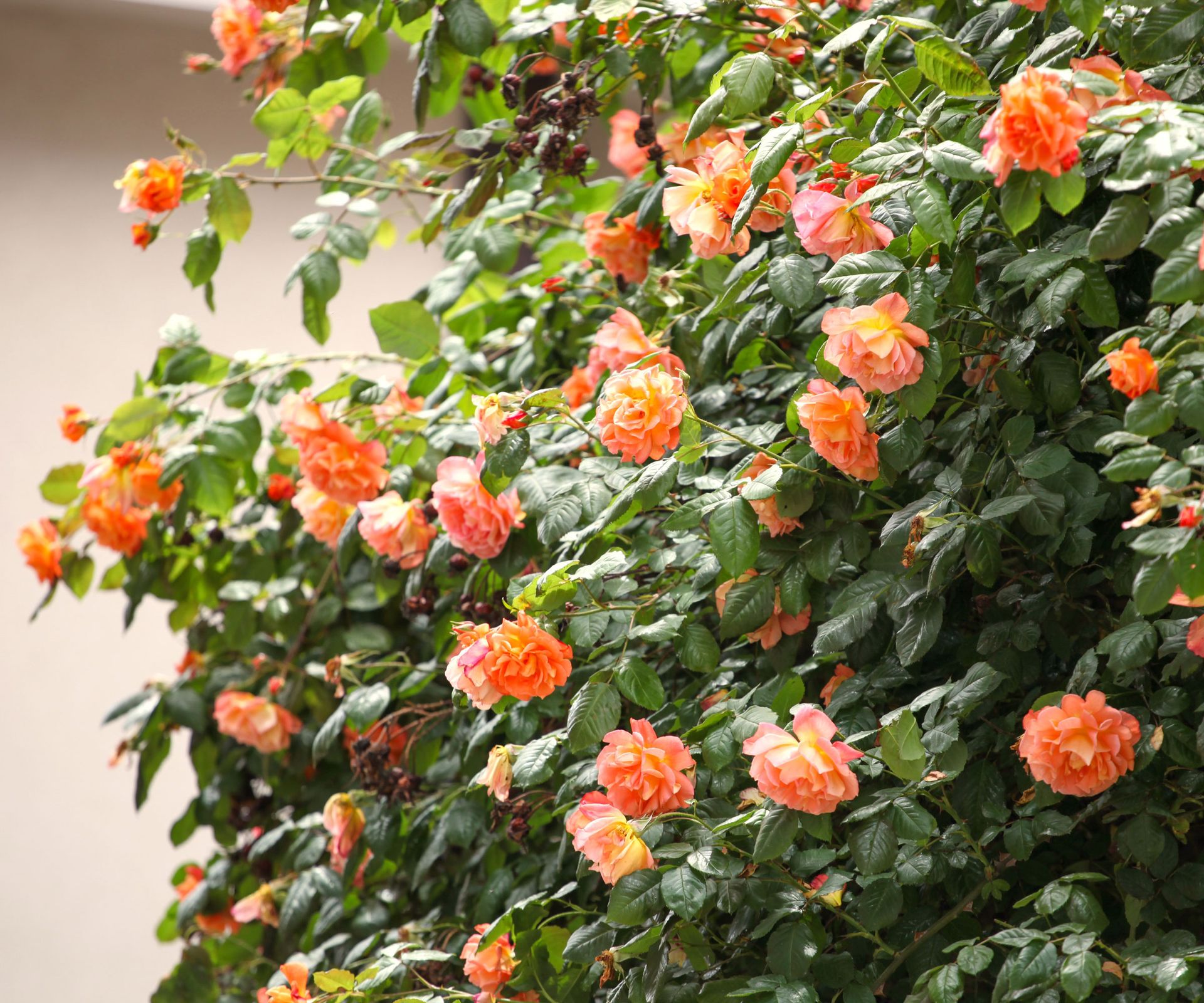
Roses (Rosa spp.) respond well to a late October move, provided the shrub has begun entering semi-dormancy following its final bloom flush. Relocating a rose in fall allows cut root ends to callus over and sprout fine feeder roots in warm soil, giving the plant a massive jumpstart over bare-root roses planted in spring.
Prepare the new planting hole in a bright, sunny spot that gets at least 6 hours of direct sunlight daily. Blend in some well-rotted compost, or optionally condition the soil with a little Wakefield Biochar Premium Soil Conditioner, available from Lowe’s. This enhances aeration and water retention around deep rose roots. Make sure you water your rose bush the day before digging. Prune top growth back by a third to a half. This makes canes easier to handle and balances top weight with root loss.
Using a spade, dig a deep circle around the root ball, angling the blade inward to preserve the main taproot and roots. Lift the rose and transfer to the new site. Make sure the graft union (the bump at the base of the stems) sits 2 inches (5cm) below the soil in colder regions for winter protection. Backfill, press firmly, and water deeply.

Need more ideas for getting the most from your plants, indoors and out, and looking for the best seasonal expert advice delivered straight to your inbox? Sign up for the free Gardening Know How Newsletter!