There are a lot of reasons to love hellebores. These unusual flowers are prized for their pretty blooms, low maintenance needs and for the fact that they bloom in early spring or even winter in warmer climates. While other plants are preparing to go dormant in September, hellebores are getting ready to grow strong roots and buds.
If you know how to grow hellebores, you know they don’t need a lot of fussing. However, these simple September steps will prepare your plants for the coming growing season and ensure healthy foliage and abundant blooms.
Here’s what your hellebores need in fall to ensure stunning winter blooms.
1. Clean & Tidy Up Plants
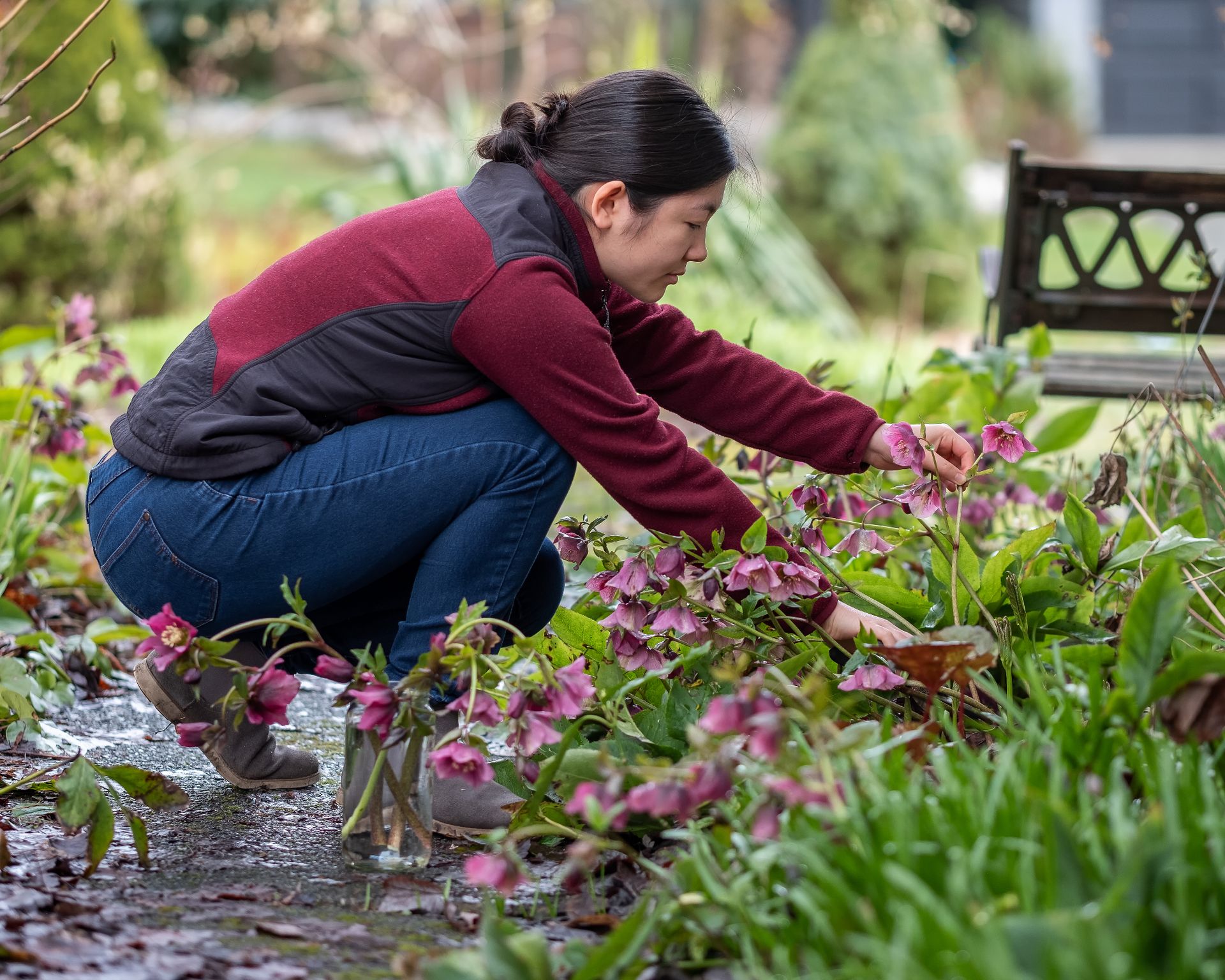
Don’t prune hellebore foliage all the way back in fall. Spring, as the new growth is coming in, is a better time to do this. Now is a good time for a light tidy up of faded blooms and problem foliage. Look for and remove any foliage that is damaged or diseased. If you suspect any disease, dispose of the foliage in the trash. Do not compost it.
Clean your tools well after trimming. Content Editor Laura likes to use a disinfectant wipe, like these ones from Walmart, for quick and easy cleaning.
You can also clean up around your hellebore clumps. Lift up the leaves and look for any loose debris to rake up and remove. This will improve airflow during damper fall conditions and limit any disease risk.
2. Provide a Light Fall Feeding
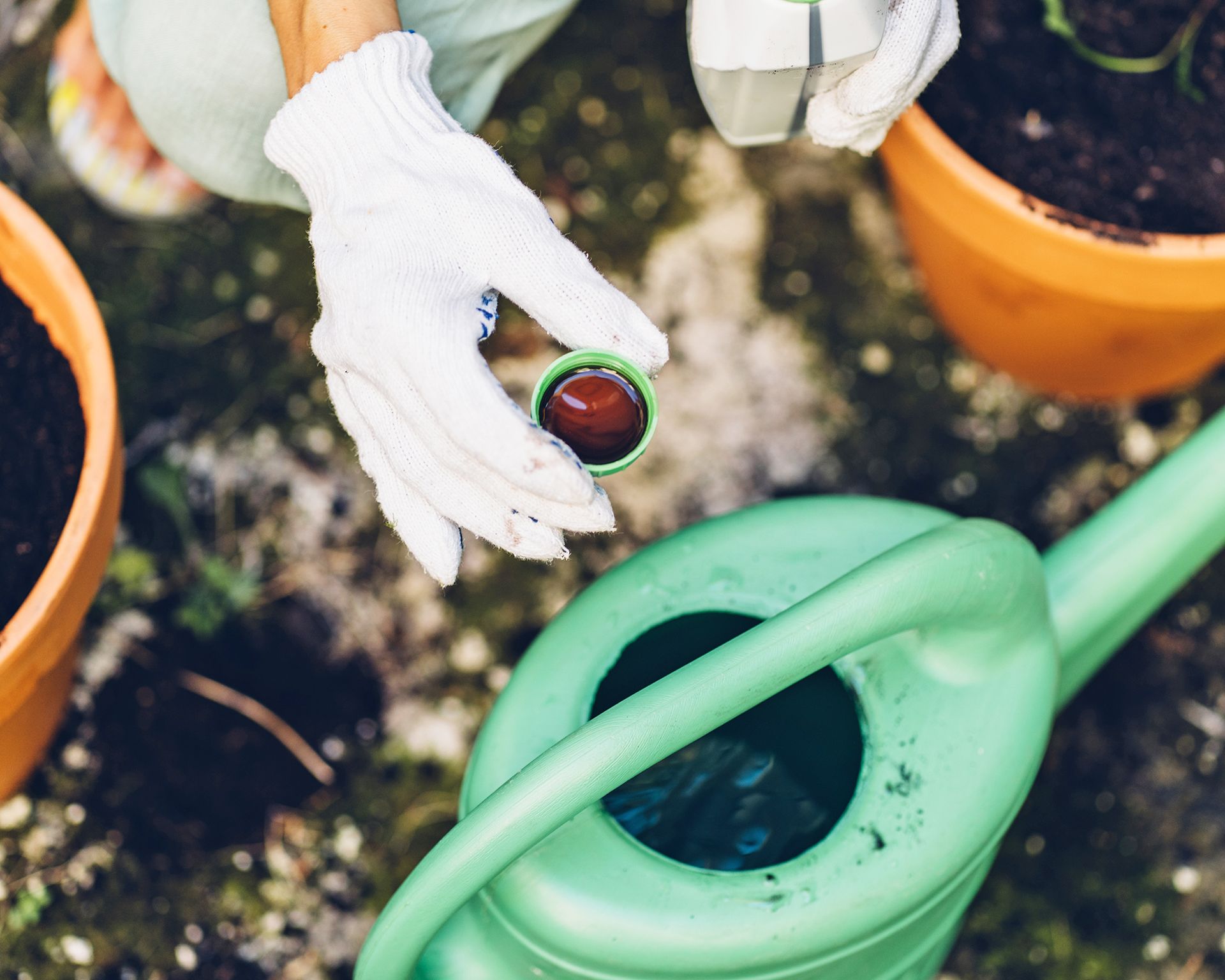
Hellebores are not generally heavy feeders, but fall is a good time to provide some extra nutrients. They are about to break summer dormancy and start active root growth again, so a little food helps.
Use a balanced, mild fertilizer, either a liquid or slow-release product like this organic plant food from Walmart. Alternatively, you can add some compost as a top dressing. A bloom-booster is definitely not necessary to ensure hellebores flower.
Because established hellebores need so little fertilizing, it’s a good idea to check for alternative causes of any poor growth you see. It’s more likely to be an issue of soil moisture or disease. Check to see if the soil is too dry or isn’t draining well and for any signs of common hellebore diseases, like mold or spots.
3. Refresh Mulch & Manage Moisture
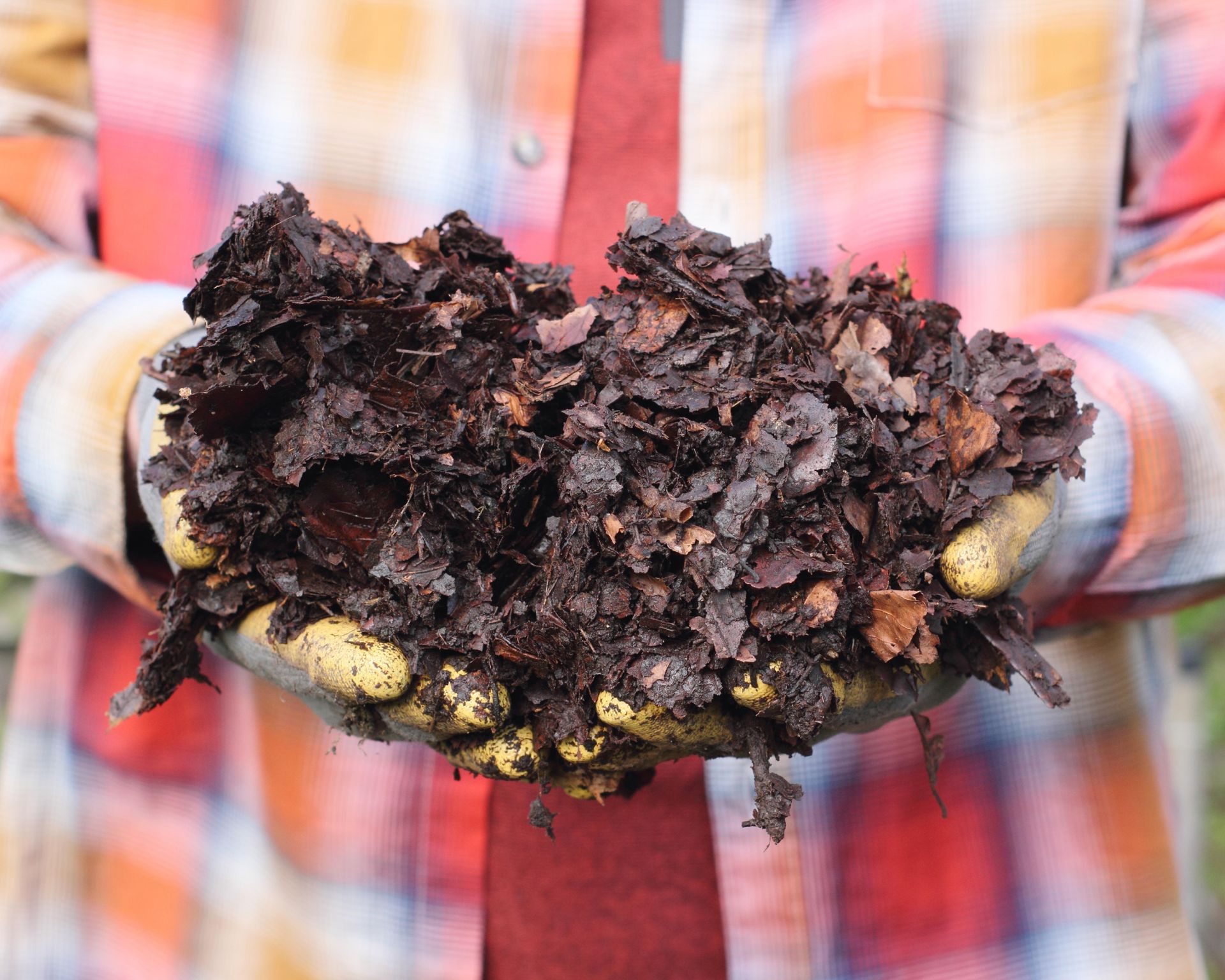
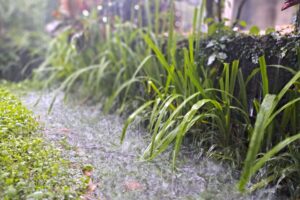
Early fall rainfall can be unpredictable. Moisture in the soil is essential as hellebores begin a period of active root growth, so keep an eye on both rain and the soil around your plants.
If the soil keeps drying out and the weather becomes unseasonably hot and dry, provide regular and deep watering at the soil level, not overhead. Use a drip irrigation kit or soaker hose, like this one from Home Depot, for easy watering. Be especially careful to keep the soil moist around newly divided and transplanted hellebores.
A layer of mulch is a good way to keep the soil more consistently moist. Apply a layer of organic mulch to a depth of about two inches (5 cm) all around the plants. Keep the area right around the crowns bare to prevent rot.
4. Divide Large Clumps
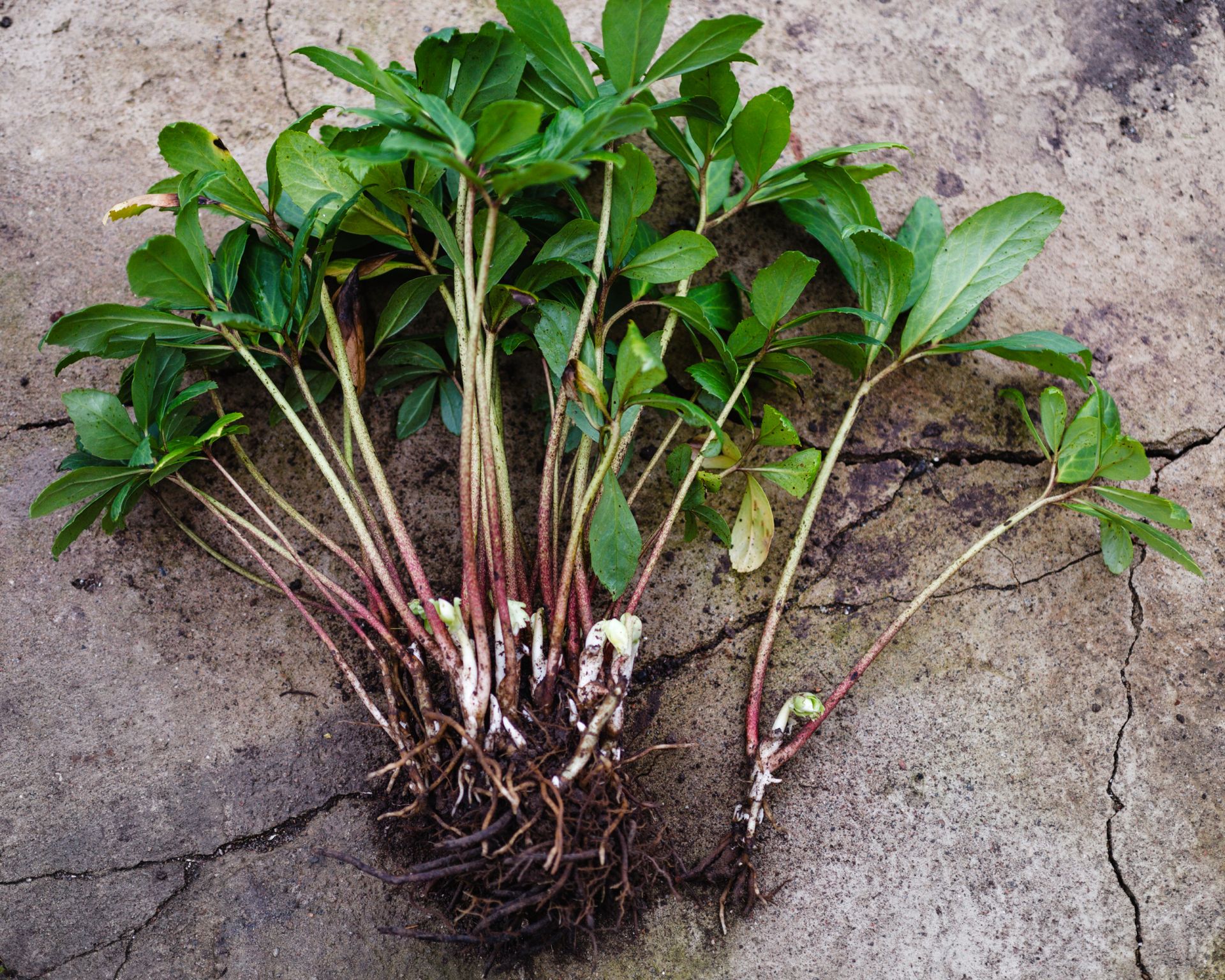
Hellebores develop nicely into large, dense clumps that flower year after year and don’t need to be divided annually. In fact, they don’t particularly like having their roots disturbed, so let large plants establish for at least three years and only divide healthy, oversized clumps.
If you do think your hellebore is ready for dividing, early fall is the right time to do it. Cooler air and still-warm soil make for good conditions to help transplants establish before the winter freeze. Dig up the entire root ball to divide your hellebore and cut cleanly through it to make divisions that have at least two to three healthy crown components each. Replant the new divisions right away.
5. Check for Volunteer Seedlings
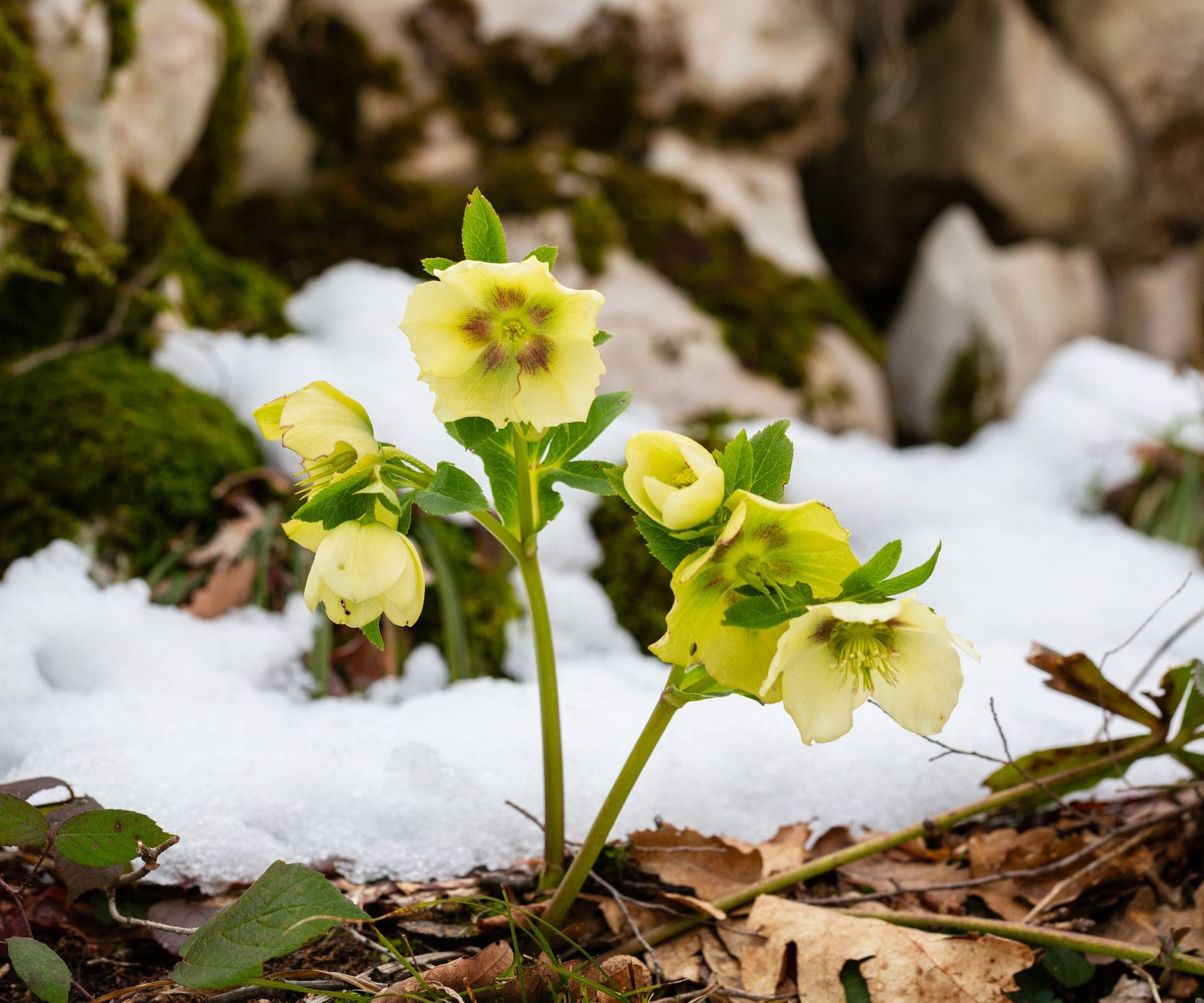
If your spring hellebore flowers were allowed to go to seed, you will probably see a crowd of small volunteers all around the mature plants. These self-sown seedlings can get overgrown by September, so look for them and pull them out. Take care not to disturb the roots of the parent plant as you do this.
You can simply dispose of volunteers, transplant them, or pot them up. You can also leave some in place to create new clumps. Just be aware that many hellebores are hybrids, so the volunteers will not be the same as the parents.
Hellebores are very easy-going plants that don’t need a lot of care once established. A little attention in early fall can benefit these mostly hands-off plants, though. Keep an eye on moisture, tidy up lightly, and feed or divide if necessary, and they should transition well into their active growing season, providing gorgeous late winter to early spring blooms.