I absolutely love the idea of birth month bulbs. There’s always been, after all, something wonderfully satisfying about finding a flower that supposedly matches your personality, particularly when that flower is something you can actually plant in your garden.
Of course, this isn’t exactly a new concept around here. We’ve already had birth month trees, birds, flowers, animals and even bugs, because apparently we will take any opportunity to decide that January people have the personality of a particular plant or that October babies are somehow inherently more butterfly-like than the rest of us.
Still, bulbs are particularly well suited to this concept. Unlike an annual flower that appears and disappears in a single season, many bulbs return year after year, quietly sitting beneath the soil before suddenly putting on a spectacular show. And there’s something rather lovely about that, especially when you consider how different each bulb can be despite all starting out in much the same unassuming form.
All 12 Birth Month Bulbs
When it comes to birth month bulbs, some are delicate and understated, some are gloriously dramatic, and one or two are so striking that I suspect their birth month owners may have a slightly larger-than-life side to them. (I certainly wouldn’t want to make any assumptions, of course).
So, whether you’re a resilient snowdrop, a mysterious Queen of Night tulip or a bold November hyacinth, meet your birth month bulb… and find out how to grow it in your own garden, too.
January – Galanthus Nivalis
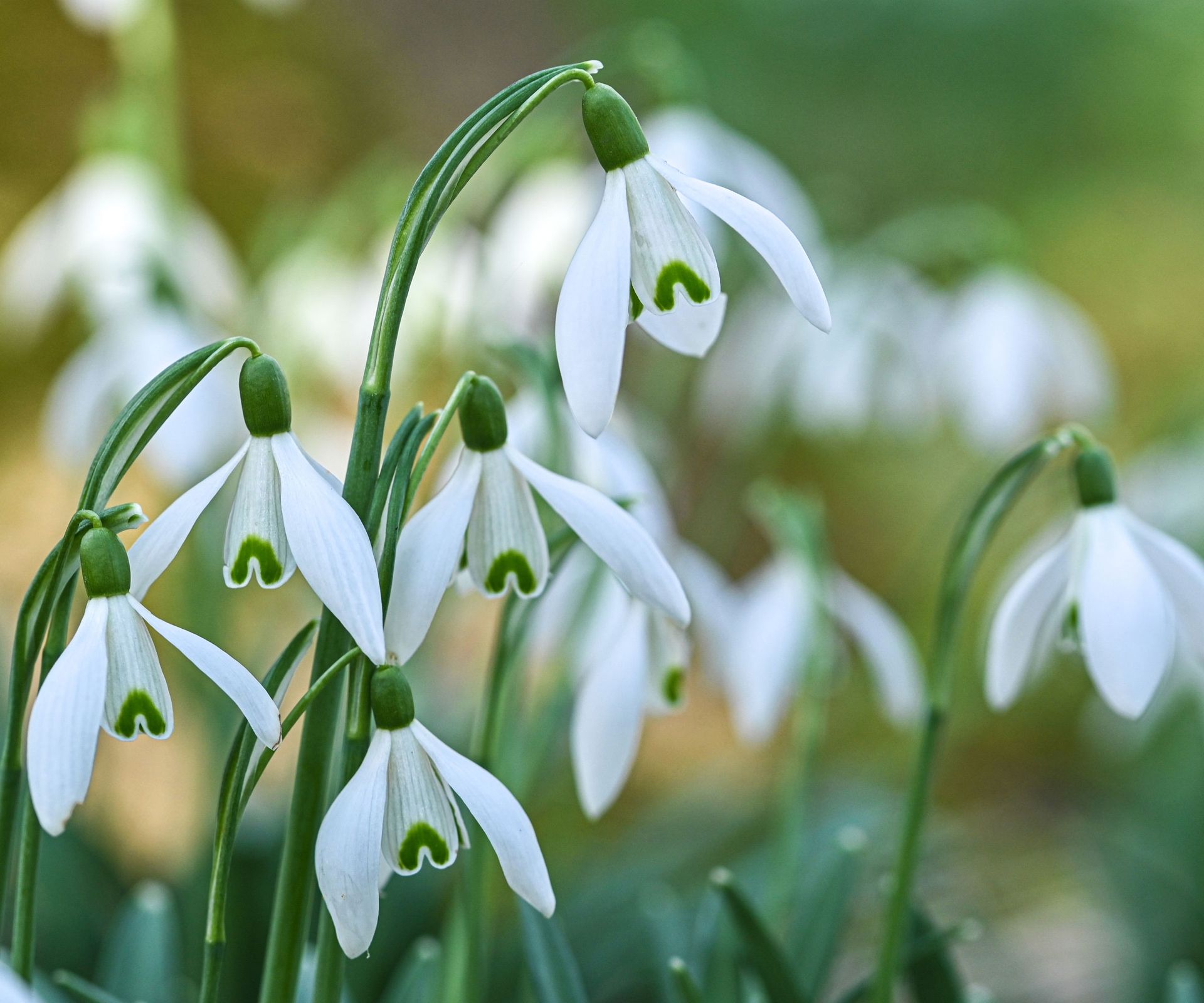
If you were born in January, you probably don’t need a lot of fussing over. You’re perfectly capable of getting on with things while everyone else is still recovering from Christmas, and there’s something quietly determined about you that I rather admire, and that’s why the snowdrop is such a great birth month bulb.
Galanthus nivalis is one of those tiny flowers that seems almost impossibly delicate until you remember that it can push through the cold and appear remarkably early in the year. Think of them as the first flower of the year, basically.
How to grow it: Pick up some Galanthus Nivalis Bulbs from Burpee and plant them in partial to full sun, around 3 inches deep and approximately 3 inches apart. They prefer soil that doesn’t stay waterlogged, and they’re particularly lovely planted in groups where their small white flowers can make a bigger impression. Burpee lists Galanthus as an early-spring bloomer and a fall-planted bulb.
February – Anemone Blanda
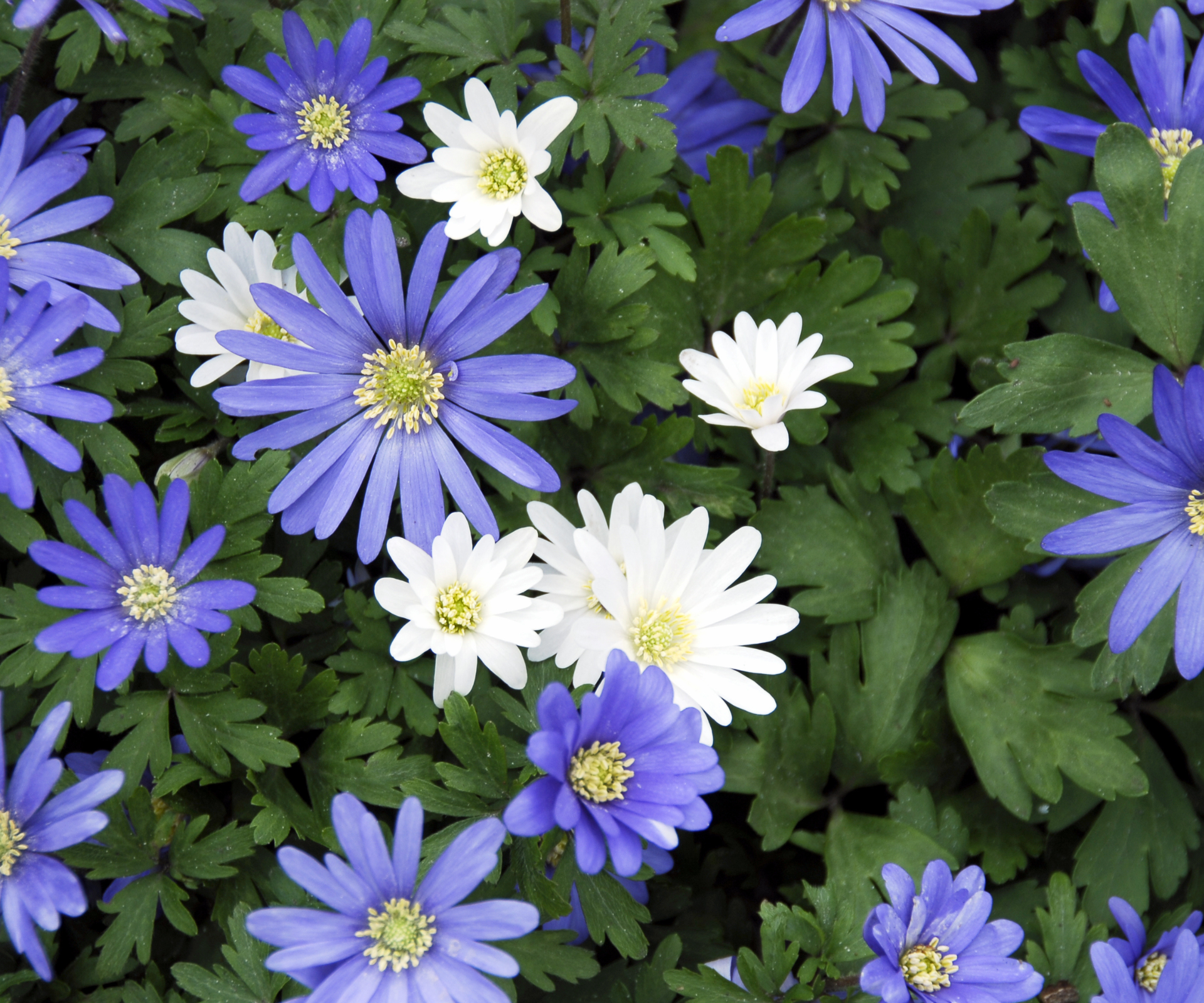
February can be a slightly awkward month; winter isn’t quite finished, spring isn’t quite here and we’re all getting a little impatient for some colour. But if you’re a February baby, I’m guessing you’re the optimist who can find something to look forward to anyway.
Anemone blanda (or Grecian windflower, if you prefer) has that same cheerful quality. Its daisy-like flowers arrive in spring in shades of blue, pink and white, creating a surprisingly generous carpet of colour from relatively small plants. A pretty cheery birth month bulb, right?
How to grow it: Soak these Blue Shades Anemone Blanda Bulbs in warm water for a few hours before planting, as Burpee recommends, then plant them around 1–2 inches deep and 2–3 inches apart. They can grow in partial or full sun, and the Blue Shades variety is particularly useful if you’re looking for a spring groundcover.
March – Ranunculus
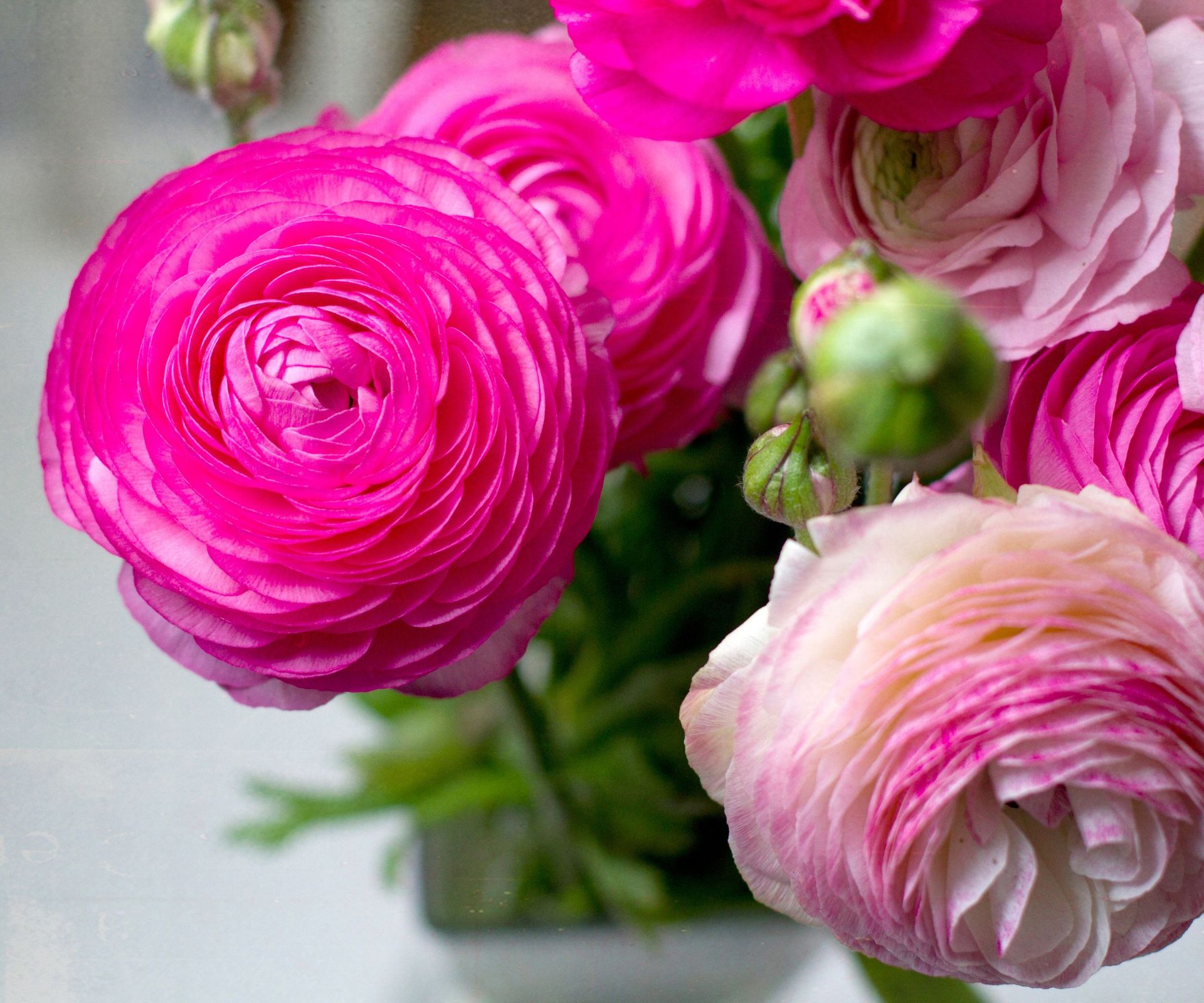
There’s something about ranunculus that makes it almost impossible not to be a little bit sentimental. Those layers upon layers of petals look as though someone has sat down and decided that one flower simply wasn’t enough.
So, March babies, I’m going to assume you’re similarly inclined towards the finer things in life! Especially as, just like your birth month bulb, you’re creative, charming and perhaps just a tiny bit dramatic when the occasion calls for it.
How to grow it: Ranunculus bulbs (try these Purple Sensation Ranunculus Bulbs for something profoundly pretty) are spring-flowering and prefer full sun. Burpee’s general bulb guide recommends planting them around 2 inches deep and 3–4 inches apart. Give them well-drained soil and avoid keeping them constantly soggy; the bulbs need moisture to establish, but sitting in water is another matter entirely.
April – Geranium Daffodil
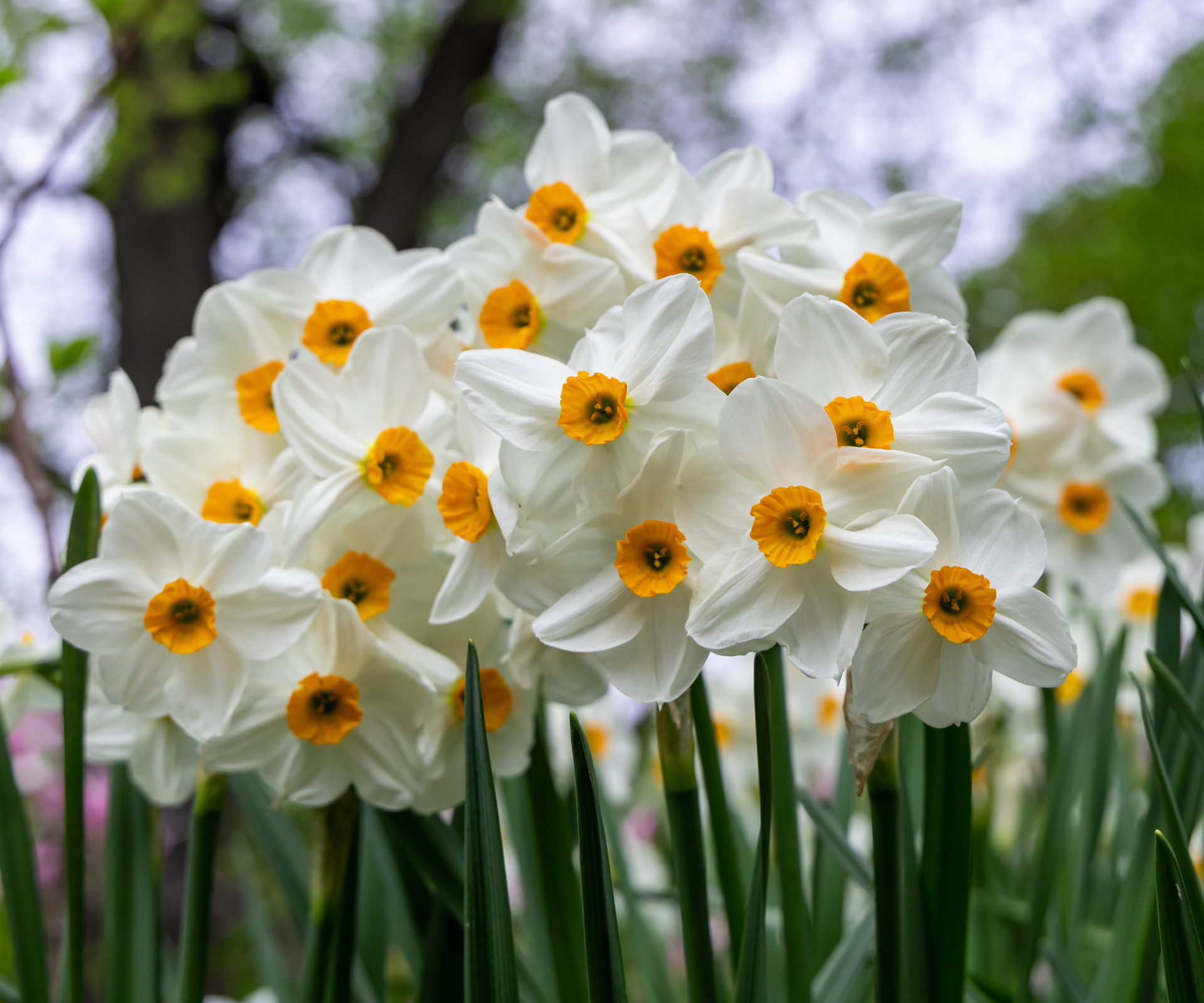
April babies have got sunshine in their personality. You’re welcoming, generous and probably the person people end up talking to for much longer than they intended because somehow you’ve made them feel completely at home.
Geranium daffodils as a birth month bulb, then, makes so much sense. It’s one of those daffodil varieties that feels cheerful without being predictable, and it has a particularly lovely secret: in other words, there’s more to this spring favourite than meets the eye.
How to grow it: Daffodils generally prefer partial to full sun and should be planted around 6–8 inches deep and 4–6 inches apart. Let the foliage die back naturally after flowering rather than immediately cutting it to the ground, because those leaves are busy replenishing the bulb for next year’s display.
May – Blue Pearl Hyacinth
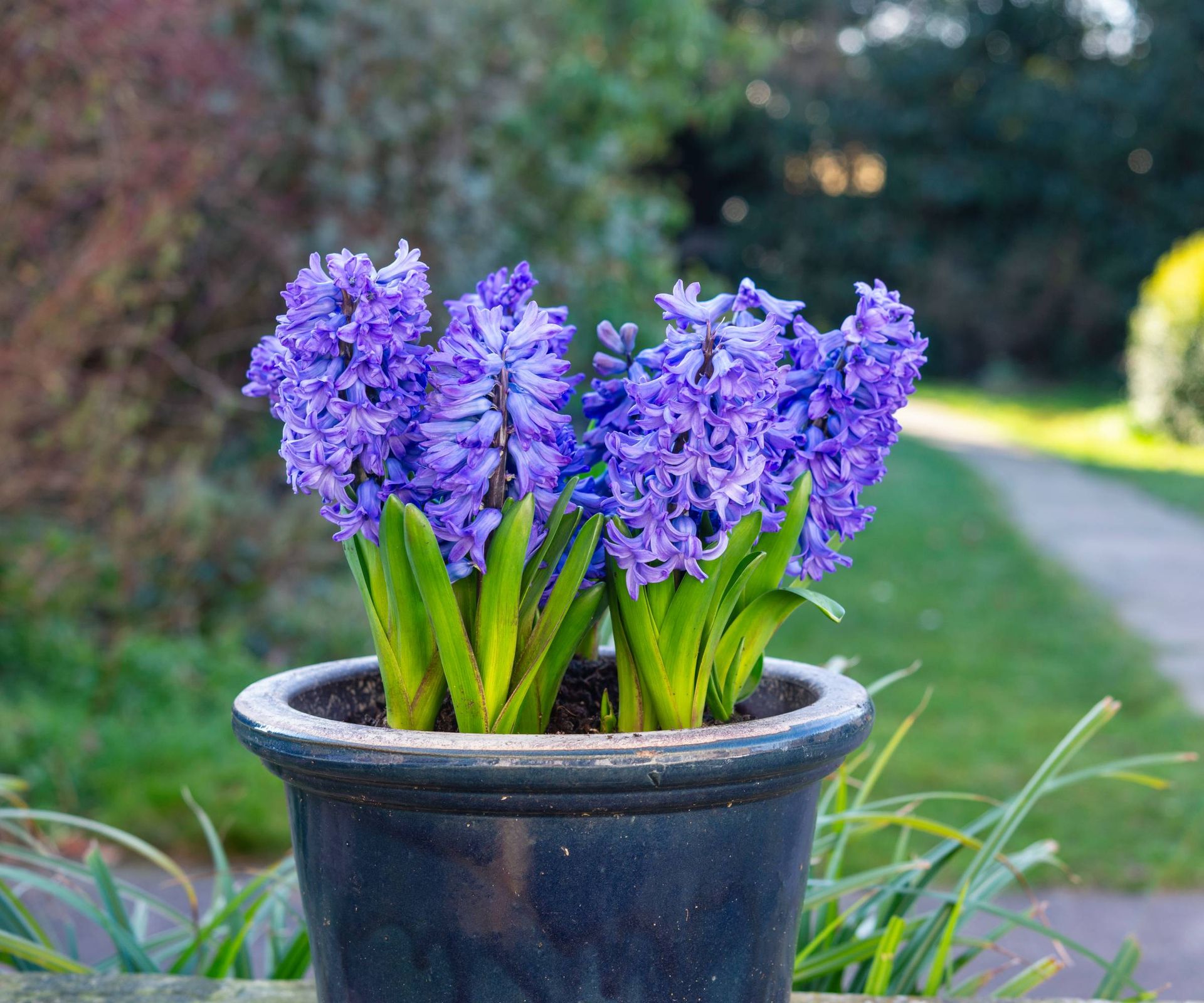
You know those people who walk into a room and somehow everyone notices them? That’s May energy, and it makes sense, then, that they have a hyacinth to call their birth month bulb.
Not just any old hyacinth, though, but the Blue Pearl hyacinth. Oh sure, it isn’t necessarily the loudest bulb in the garden, but it has two things going for it that are difficult to ignore: beautiful flowers and fragrance, which makes it a lovely match for anyone who likes their garden to engage more than just the eyes.
How to grow it: Plant hyacinth bulbs around 4–6 inches deep and the same distance apart, in partial or full sun. They work beautifully in groups, particularly near paths or entrances where you can actually enjoy their fragrance as you walk past.
June – Queen of Night Tulip
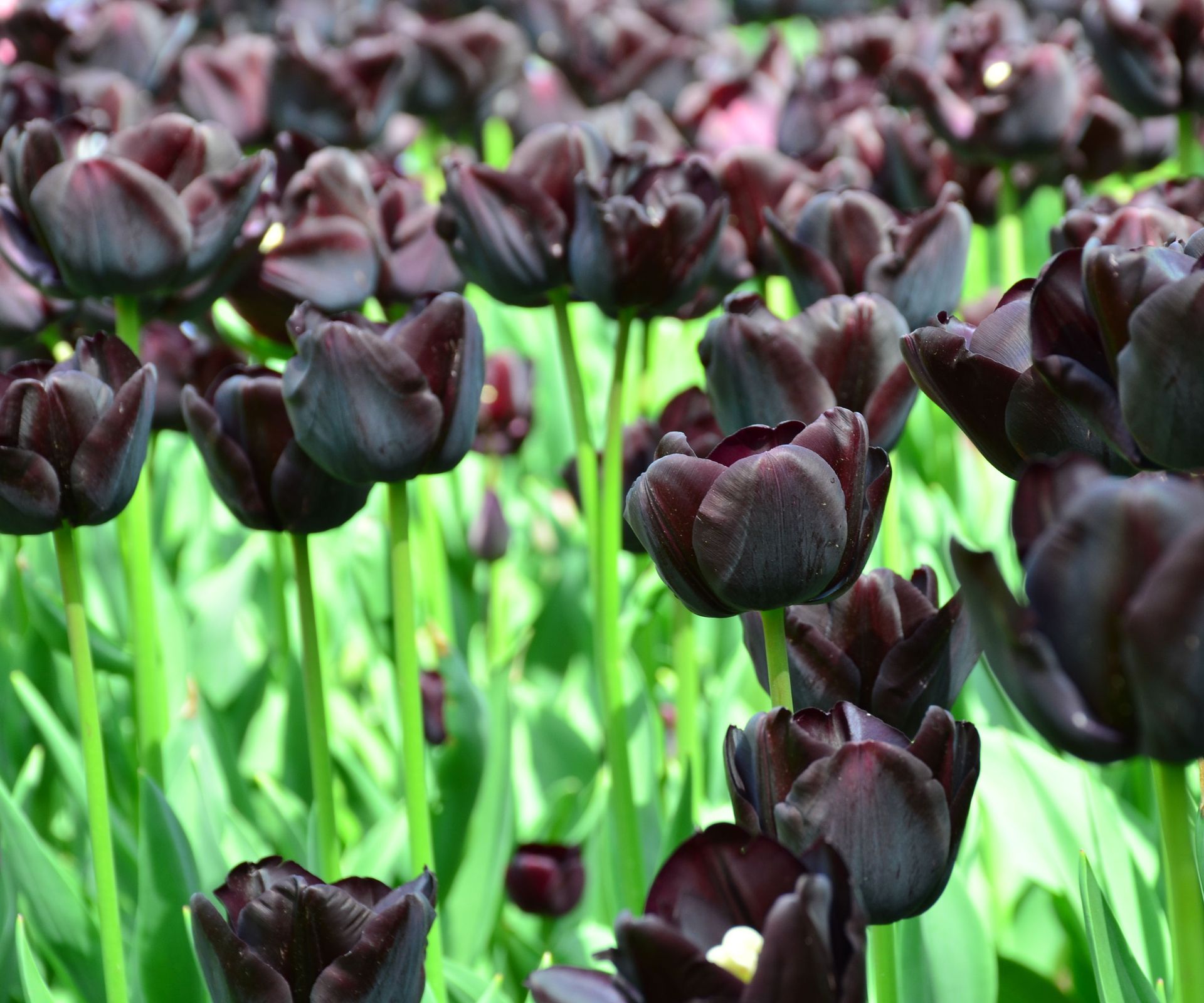
June babies, I’m not saying you’re secretly plotting something. I’m simply saying that if anyone was going to have a favorite color that technically isn’t a color, it would probably be you… which makes your birth month bulb a true icon.
Queen of Night is one of those types of tulips that makes you stop and look twice. Its flowers are such a deep burgundy-purple that they appear almost black, giving the spring garden a wonderfully gothic little moment.
How to grow it: Bag yourself some Queen of the Night tulip bulbs, and plant them around 4–5 inches deep and 3–6 inches apart in partial to full sun. Tulips are classic fall-planted spring bulbs, so autumn is the time to get them into the ground for a future display.
July – Princess Irene Tulip
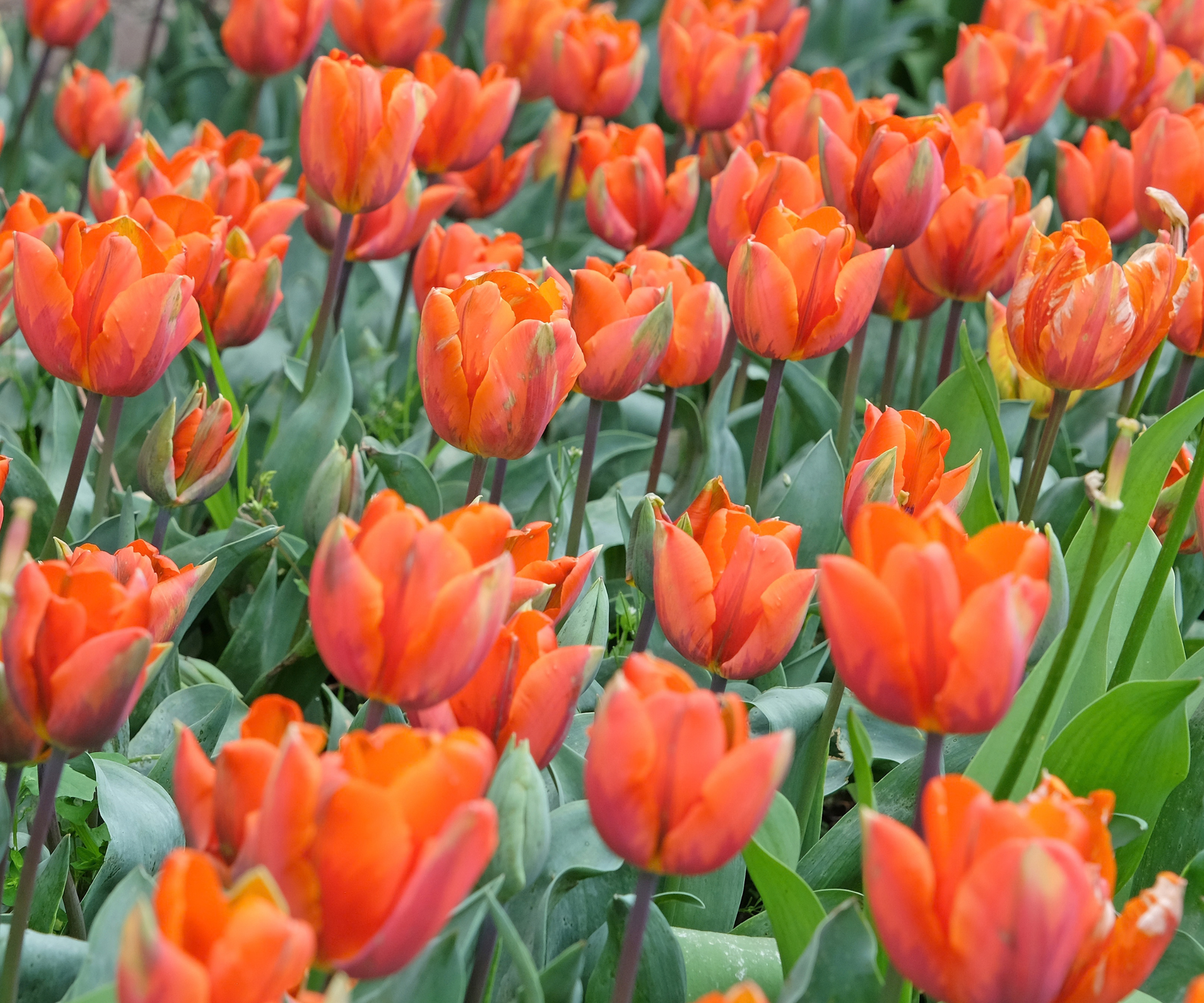
Hey there, July. You’re warm, you’re sociable and you don’t particularly see the point in being forgettable. If you’re going to do something, you might as well make an entrance, right?
Princess Irene is a more than appropriate birth month bulb, then. Its orange flowers are dramatically marked with purple flames, so it has absolutely no interest in quietly disappearing into the flower bed. And, honestly, the color combination alone makes it a pretty good match for a July personality.
How to grow it: Plant your Princess Irene Tulip Bulbs around 4–5 inches deep and 3–6 inches apart in partial or full sun. Choose a spot with good drainage, water after planting to help establish the bulbs, and then let them settle in for winter.
August – Blue Grape Muscari
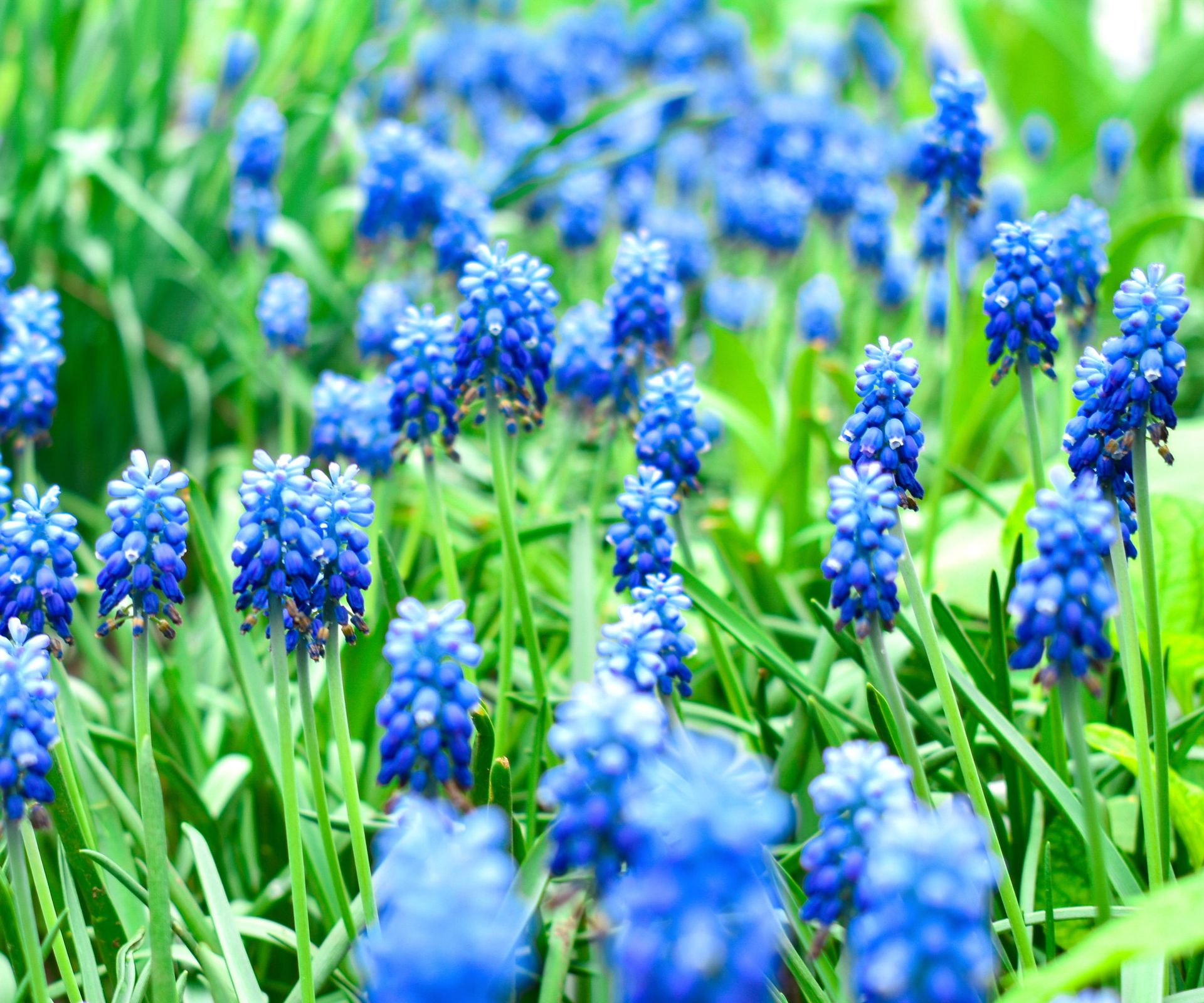
August babies have a special knack for bringing people together. You’re friendly without necessarily trying to be, you probably enjoy a bit of chaos, and you’re rarely the person standing silently in the corner at a garden party… much like your birth month bulb.
Blue grape muscari is small, but it certainly knows how to make an impression. Its dainty clusters of deep cobalt-blue blooms are the sort of flowers that look even better when planted in a generous group, which feels very appropriate for the most sociable month of summer.
How to grow it: Plant your Blue Grape Muscari Bulbs around 3–4 inches deep and 2–3 inches apart in partial to full sun. They’re spring bloomers and are particularly effective when planted in groups, along paths or allowed to naturalize among other spring bulbs.
September – Iris
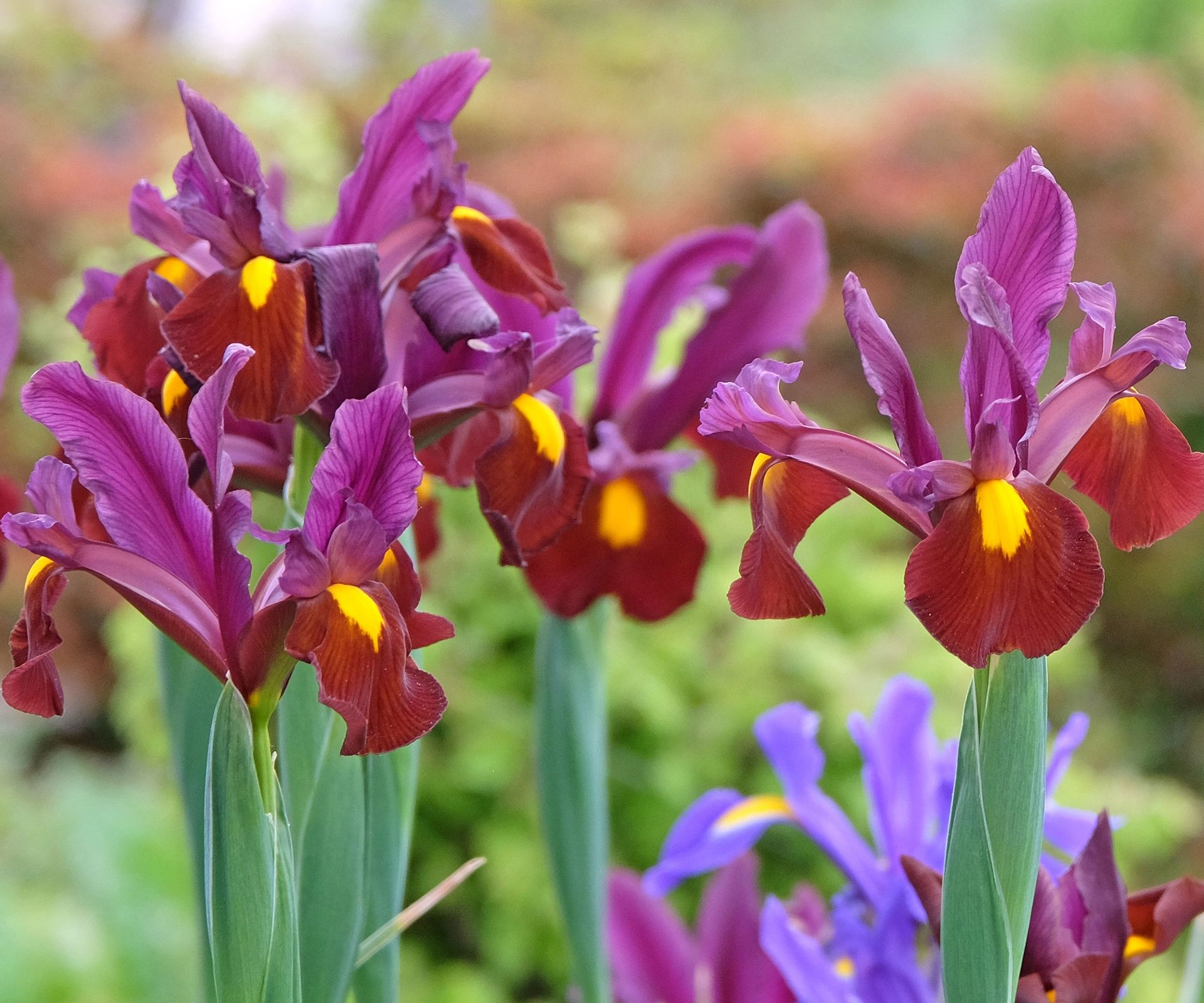
If you’re a September-born soul, you’re not necessarily the loudest person in the room, but you’ve probably noticed everything that’s going on. You have excellent taste, you know what you like and you don’t need to announce it to everyone else.
Your birth month bulb, the iris, feels like the floral equivalent. In particular, something like Burpee’s Harmony Iris Reticulata has some of the most intense blue colour you’ll find on a dwarf iris. Basically, it proves that you don’t need to be enormous to make an impression.
How to grow it: Plant iris bulbs around 3–4 inches deep and 2–3 inches apart in partial to full sun. They bloom early in spring, so they’re particularly useful for bringing colour into a garden before many of the bigger spring flowers get going.
October – Allium
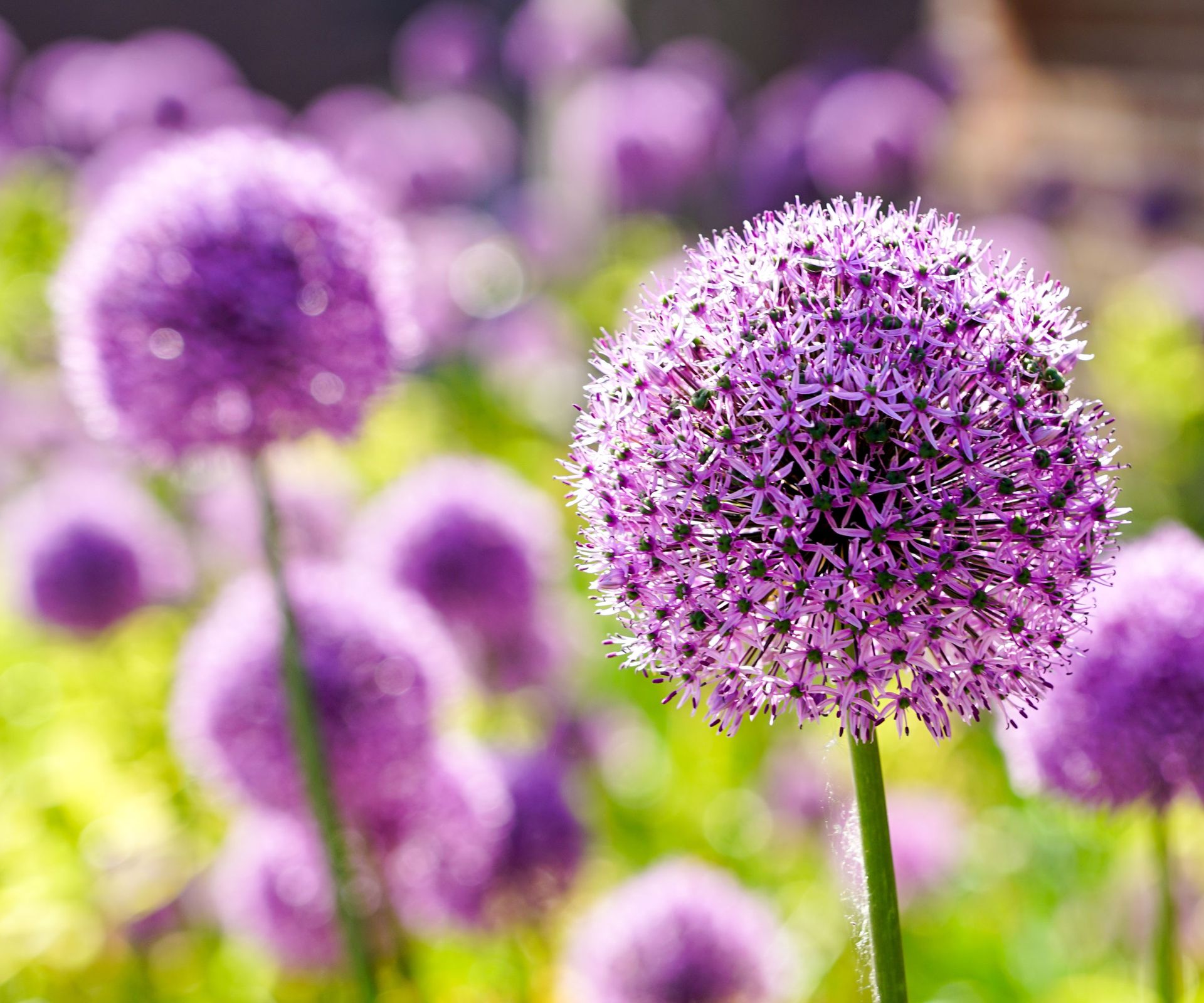
October babies, we were never going to get a completely predictable flower as our birth month bulb. And, while alliums in general are the one for us, these Allium caeruleum from Bulbs Direct have, in particular, those wonderful spherical flower heads that make it look as though someone has scattered little blue fireworks through the border.
An easy-growing allium with a sky-blue color? Speaking as an October personality, I think that’s exactly the sort of unexpected garden choice we all deserve.
How to grow it: Plant allium bulbs in full sun, around 4–6 inches deep and 3–6 inches apart. They flower in late spring, and the upright stems and rounded flower heads work particularly well among lower-growing perennials.
November – Crocus
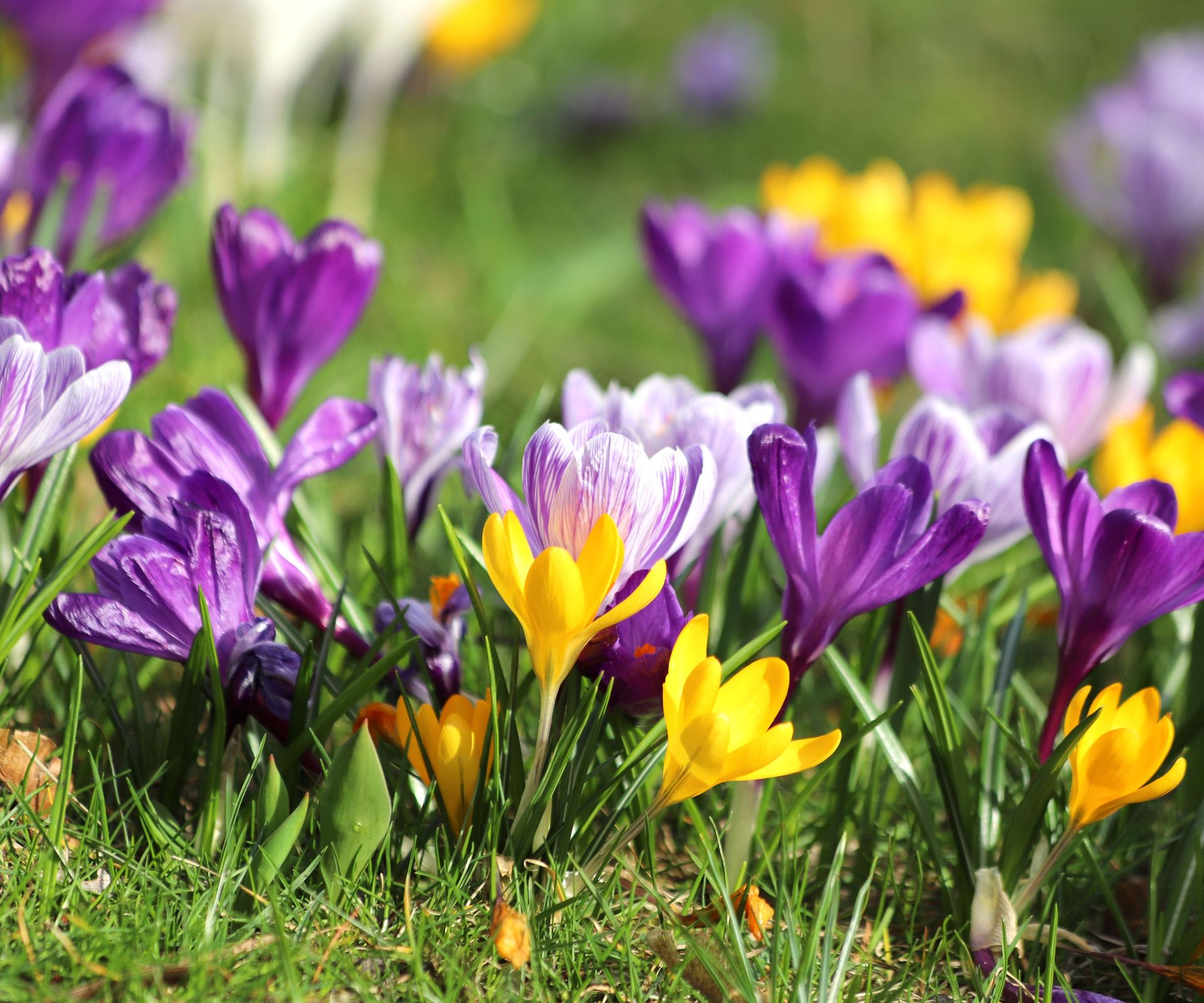
Born in November? I see you, caught between Halloween and Christmas, and I know that you’re resilient, perhaps a little understated, and quite capable of brightening things up when everyone else is starting to retreat indoors for winter.
That makes the crocus a rather lovely match. These petite flowers may not have the imposing presence of a tulip or the drama of a giant allium, but they have an uncanny ability to appear when we need them most, bringing little flashes of joy to the garden when the seasons are beginning to change.
How to grow it: Plant crocus corms in well-drained soil in full sun or partial shade, generally around 3–4 inches deep and a few inches apart. Choose the specific crocus carefully, though, as flowering time varies between species and cultivars; personally, I rate Flower Record Crocus Vernus Bulbs from Burpee for that truly intense purple pop.
December – Thalia Daffodil
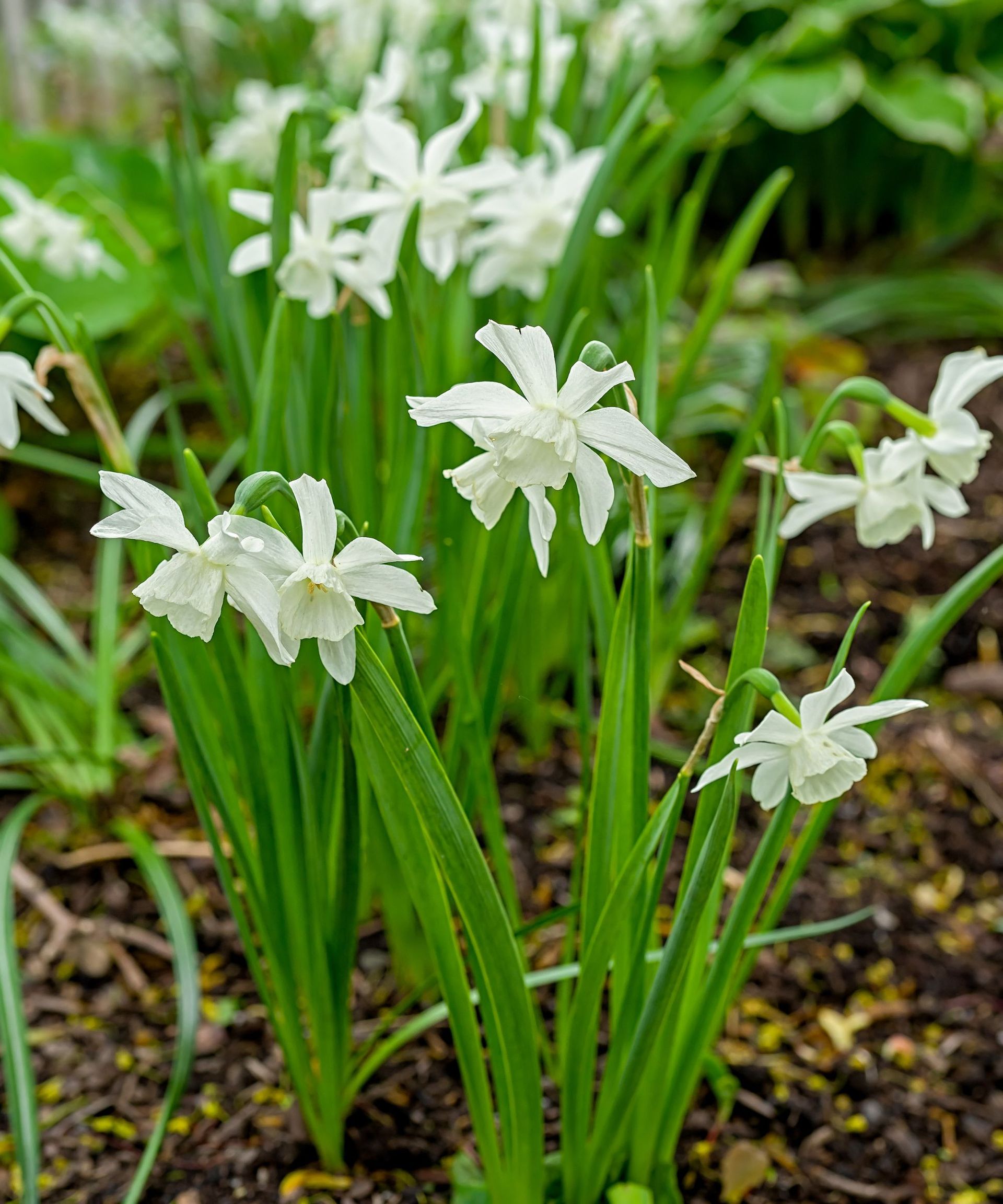
December is already doing a lot. There’s Christmas, New Year, approximately seventeen thousand social engagements and the small matter of trying to remember where you put all the presents. It’s only fitting, then, that December gets something a little more refined for its birth month bulb.
Thalia is a pure-white daffodil with an understated elegance that makes it feel completely different from the traditional yellow varieties. It smells beautiful, is hardier than many yellow varieties, and is an all-round brilliant choice for anyone dreaming of a classy spring display.
How to grow it: Pick up some Thalia Daffodil Bulbs from the Garden State Bulb Co. Store and plant them around 6–8 inches deep and 4–6 inches apart in partial to full sun. Water them after planting, then allow the foliage to die back naturally once flowering has finished so the bulbs can store energy for another spring display.
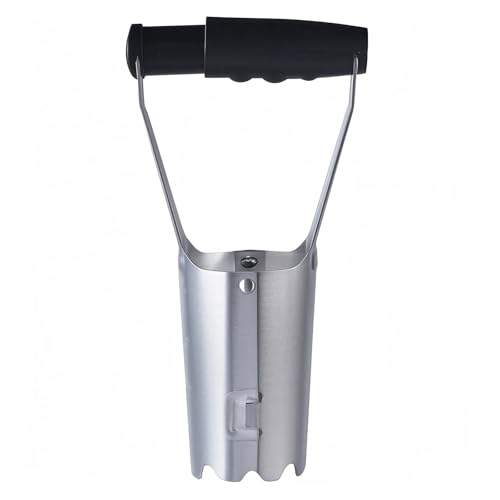
Shop Bulb Planting Essentials:

And just like that, you know your birth month bulb! Will you be planting yours this fall, ready to see it break through the soil come spring? I know I certainly will; I’ll be filling my garden borders with alliums quite happily… and I’m sure local pollinators will thank me for it next year, too!