After twenty years of gardening, you learn a lot. Instagram user @peteplants has put two decades of trial, erorr, and I’m assuming a lot of dead plants into a distilled post with the seven habits he thinks genuinely make a difference. In the caption he’s quick to admit though that he doesn’t always follow every single rule, writing, “…some rules are made to be broken – I’m a rebel like that.” Fair enough. Here they are anyway.
1. Plant in Odd Numbers
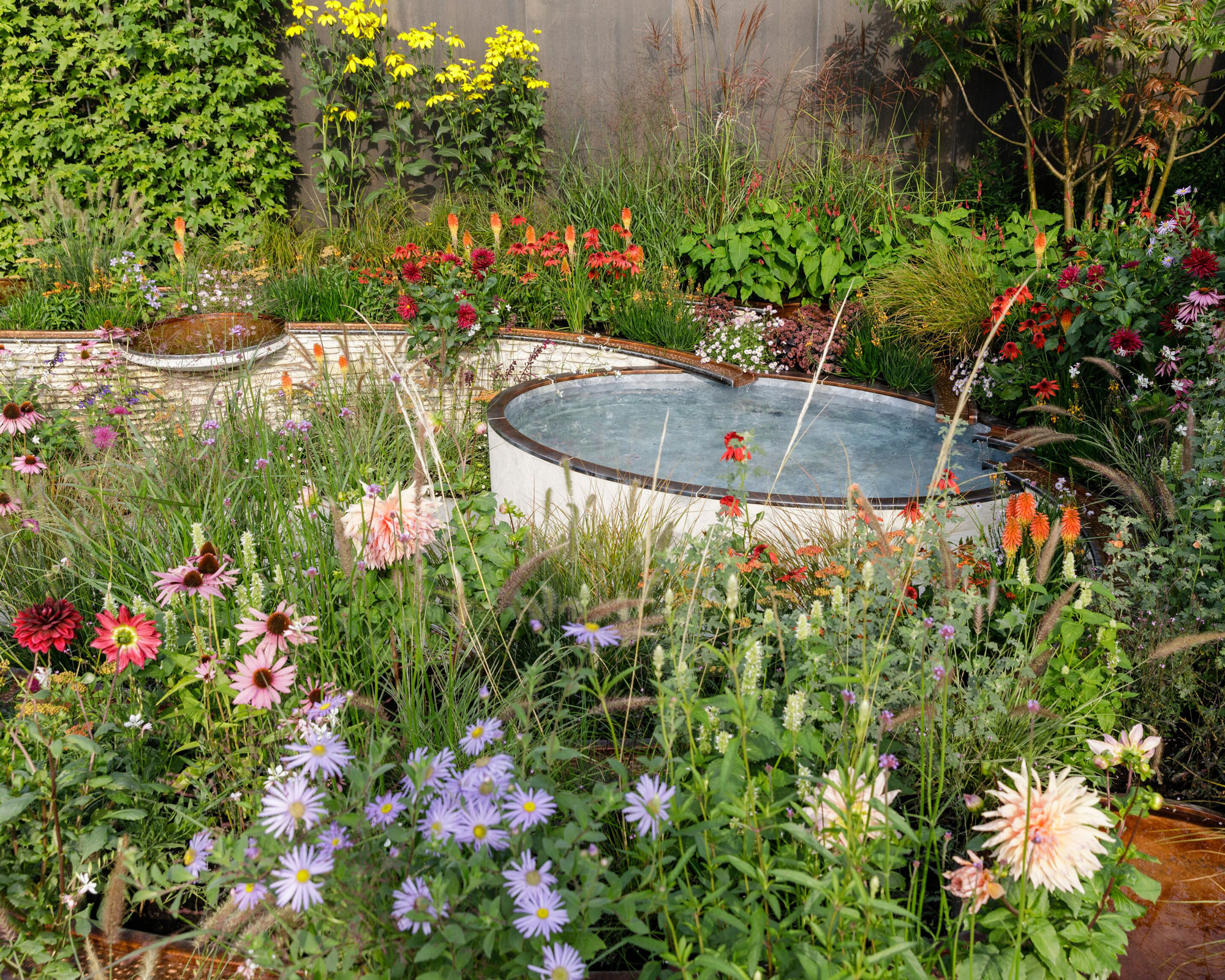
Three plants look more natural than two. Five looks more natural than four. While nobody is entirely sure why, the brain reads even numbers as too organized and purposeful, and odd numbers as, “Oh, I just threw this together without thinking about it.” It’s why we love the “je ne sais quoi” of the stereotypical Parisian woman. Next time you’re shopping for plants, resist the urge to buy exactly two of something and buy three instead; your border will thank you.
Repeat Your Key Plants
Pick three or five plants you really love and use them throughout borders rather than buying one of everything that just happens to catch your eye. Repetition creates rhythm and it’s what makes a garden feel professionally designed rather than a collection of impulse purchases.
Choose anchors, repeat them, and build everything else around them. This is also a great tip for your wallet. It stops you from spendy $40 on a plant you’ve never grown before and will probably kill.
When you’re gardening, especially in this way, a kneeling pad can really come in handy. This Grenebo High-Density kneeling pad is extra thick and has the best overall rating on Amazon.
3. Plant in Drifts
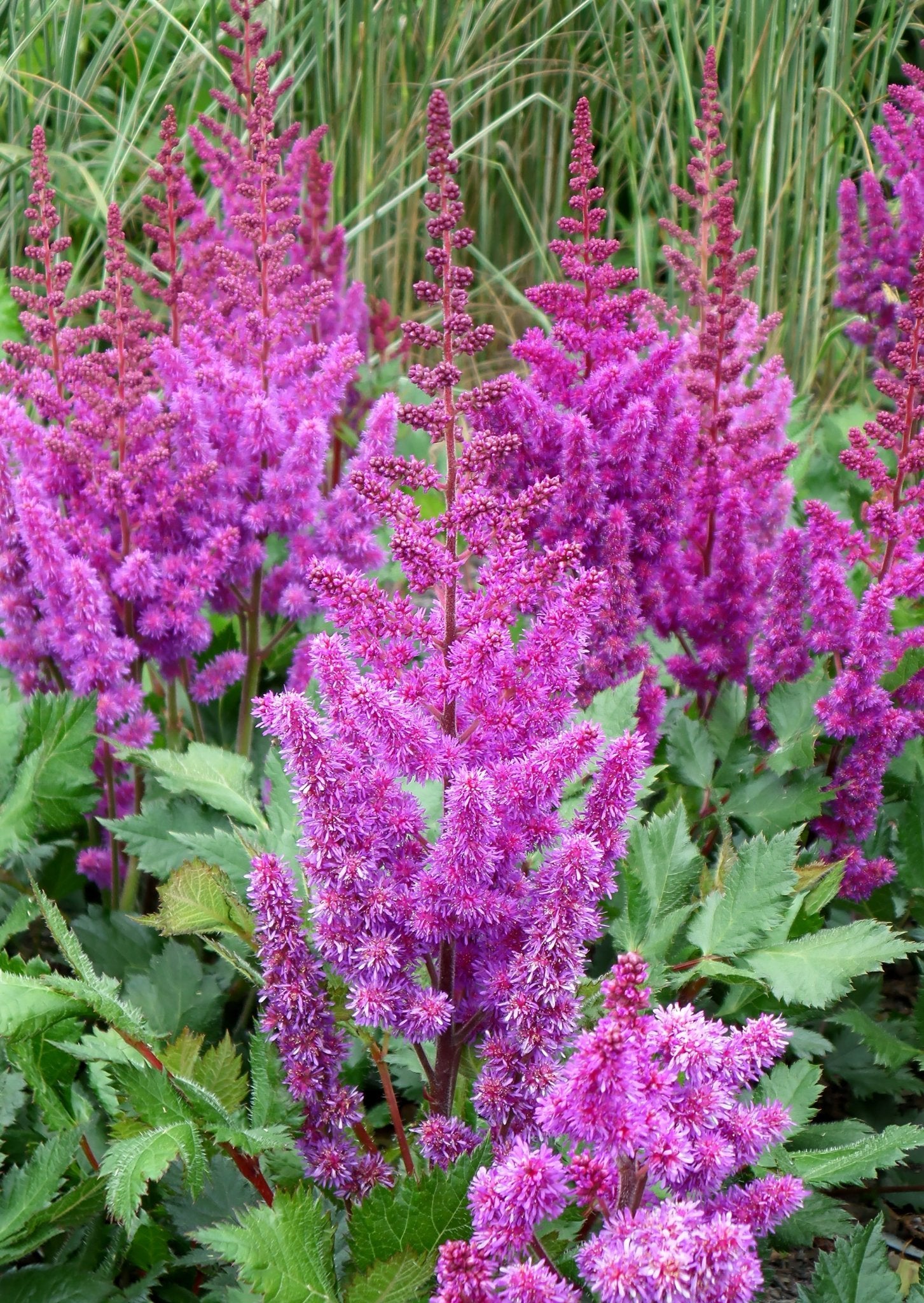
Don’t dot plants around individually, but rather in loose groups. Allow them to touch, and as it says in the Instagram post, “mingle” a bit. A drift of even a relatively ordinary plant has way more impact than the same number of plants scattered around like a toddler threw confetti. The goal is something that looks like it self-seeded naturally, even though you totally spent an hour arranging it yourself.
4. Edit Ruthlessly
Okay, here is where Miranda Priestley joins the chat, and it’s way harder than it sounds. Gardeners tend to be overly optimistic, assuming the plant might do better later or next year. If something isn’t working – wrong color, wrong spot, wrong scale, just wrong in every way – “move it, or remove it.” A gap in a border is not a problem, but an opportunity. Plus, it’s way less embarrassing than failing for three seasons while you pretend not to notice.
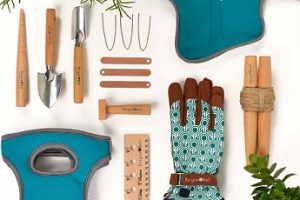
If you’re editing your garden, you’ll need a good trowel to dig up plants. This Fiskars trowel, available on Amazon, has an ergonomic handle and a hole for easy hanging.
5. Use Evergreen Structure
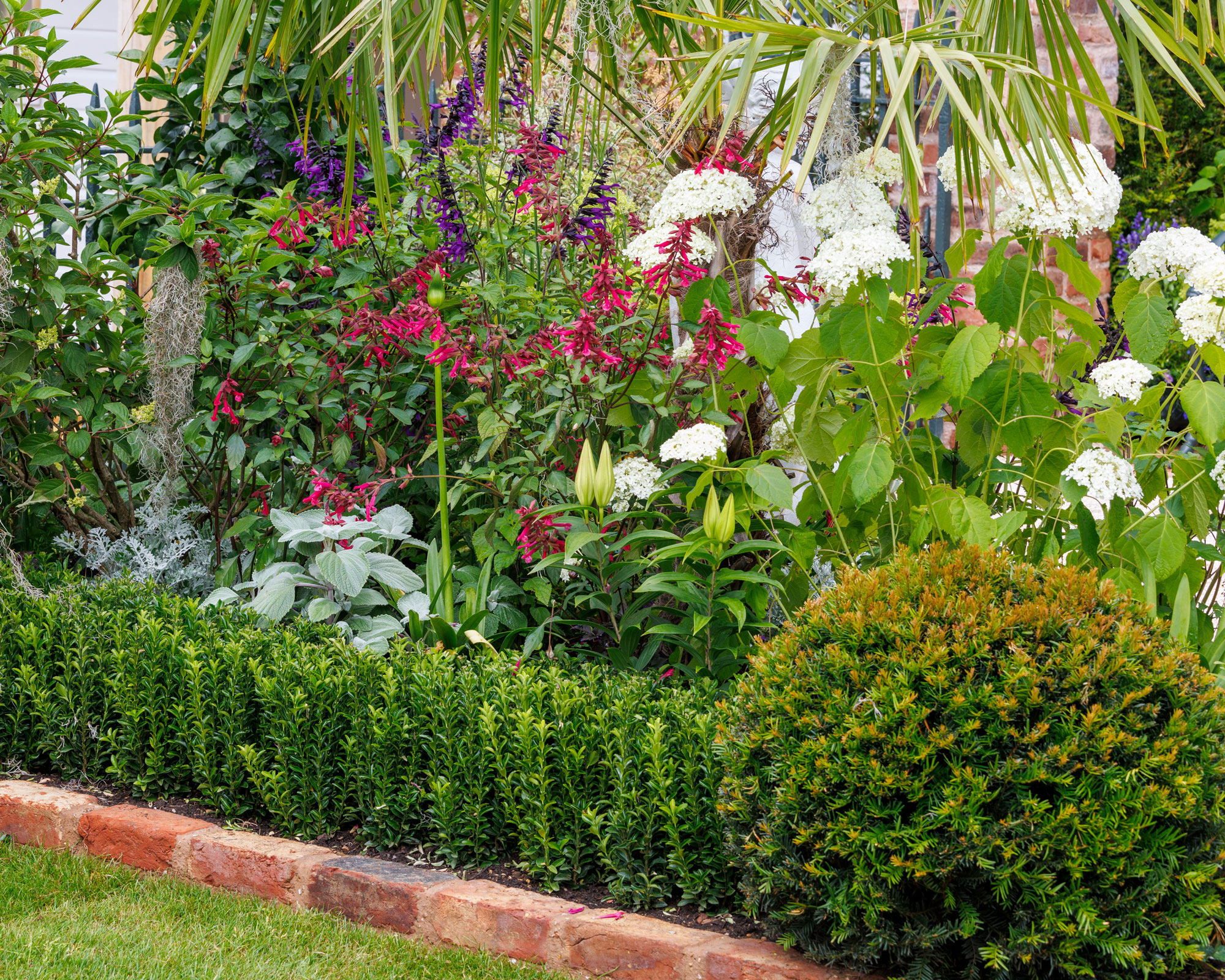
Plant your yew, box, and structural shrubs first, and plant everything else through them. While it may sound like something only professional landscapers do, it’s actually the single biggest upgrade you can make to your border. Plus, it has the added bonus of looking like something in winter rather than a collection of brown sticks.
6. Let Things Self-Seed
This is the laziest hack, and yet it’s the most rewarding. Leave the seedheads on! Stop deadheading everything the second it finishes flowering, and allow things to drop where they want and be surprised to see what comes up. Self-seeding plants have a great way of finding exactly the right spot they need to be in, like a crack in the paving or the base of a wall; all places you would never think of. Some of the best combinations in a garden happen entirely by accident, and all you had to do was nothing.
When moving around self-seeded flowers, you won’t want to be walking back and forth across your garden. This garden trug on Amazon is perfect for this; it’s lightweight and won’t take up space the way a basket does.
7. Think in Layers
It may sound obvious, but many people never consider it. Tall plants at the back, medium plants in the middle, and small plants at the front. The reason this works is that every plant gets light, every plant gets seen, and the border has depth rather than just width.
Pro tip: If you’re working with an island bed that’s visible from all sides, put your tallest plants in the center and work outward from there. Same principle, different geometry.
None of these is complicated, and most cost nothing. Plus, once you start these, you’ll wonder how you ever gardened any other way.