Half a watermelon forgotten at the back of the fridge stops being food quickly. The flesh turns grainy while the juice separates out, and the smell announces itself whenever the door opens. Into the trash it goes – several pounds of organic matter bound for landfill for no reason.
The garden has better uses for it, though none work the way people assume. Treating spoiled fruit as homemade plant food is sound enough as an instinct. A melon just isn’t fertilizer and won’t behave like one. What it offers is raw material, plus a side benefit for wildlife that rarely gets mentioned.
1. Turn Overripe Watermelon Into Natural Plant Food
Start with what a watermelon is made of. Roughly 92 percent is water, leaving a thin margin of sugars and fiber once that evaporates away. Drop a melon into a planting hole expecting a nutrient boost and the plant receives almost none of it – no nitrogen in a form roots can use, no phosphorus ready to take up.
Microbes have to get there first. Bacteria and fungi dismantle the flesh and rind into humus across several weeks, releasing minerals as they go. None of that is a knock against the melon. It’s the same process running any compost heap. What comes out improves soil structure and moisture retention, with nutrients in forms roots can take up – exactly what raw melon fails to offer. You can do it yourself with this compost bin from Amazon.
How To Add Watermelon to Your Compost Pile
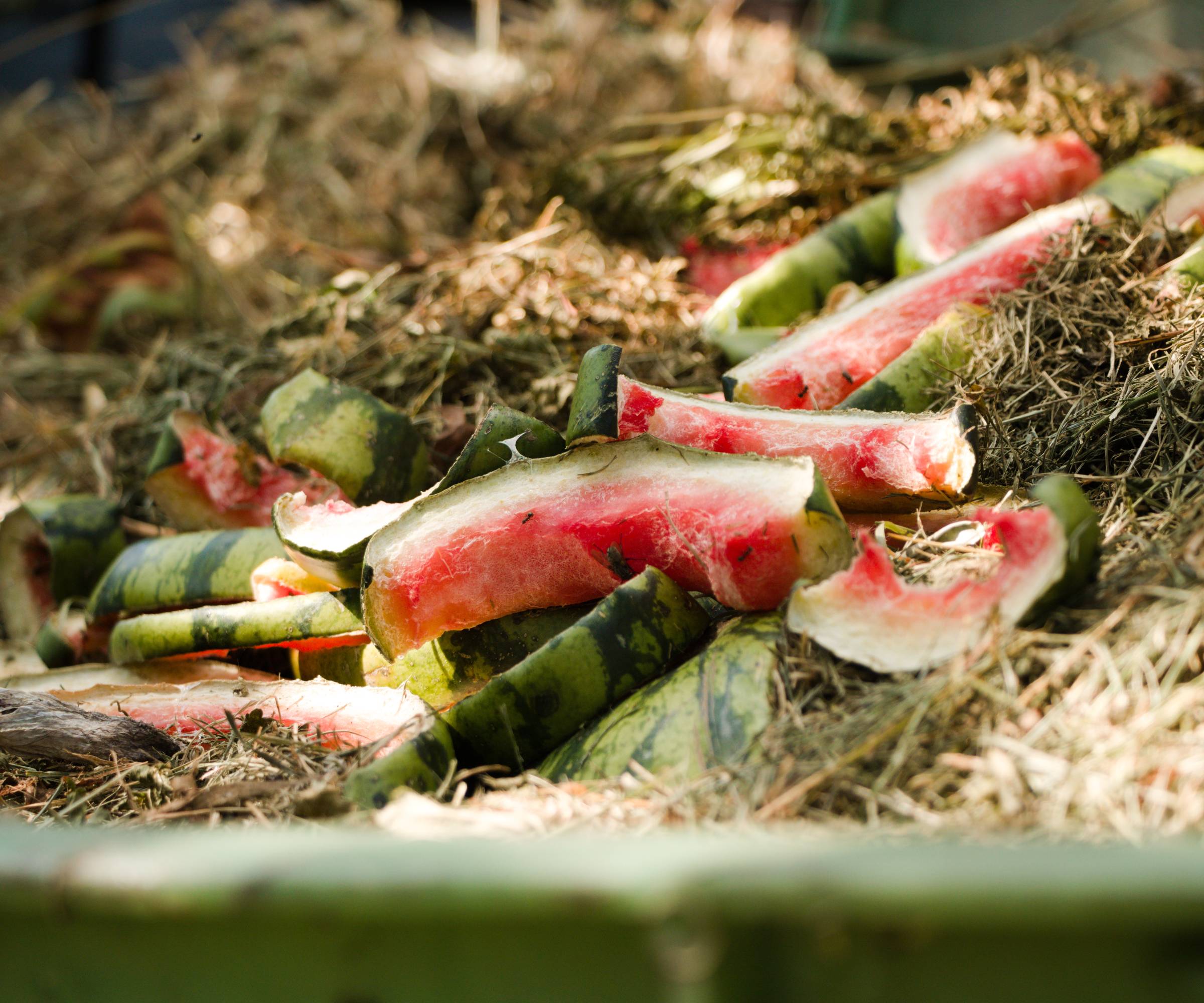
Chop it small first. A whole melon sits in a heap as a sealed unit, breaking down from the outside over months. Pieces cut to a few inches (8cm) across give the organisms far more surface to work on. Include the rind – tougher than the flesh and slower to go, but it composts fine.
Too much melon at once is where this goes wrong. Watermelon is a green in composting terms – wet and nitrogen-heavy, and a heap fed too much of it turns sour and airless. Every addition wants dry browns over it. Fallen leaves do the job, shredded cardboard too, at roughly two or three parts brown to one part melon.
Can You Bury Watermelon Straight in the Garden?
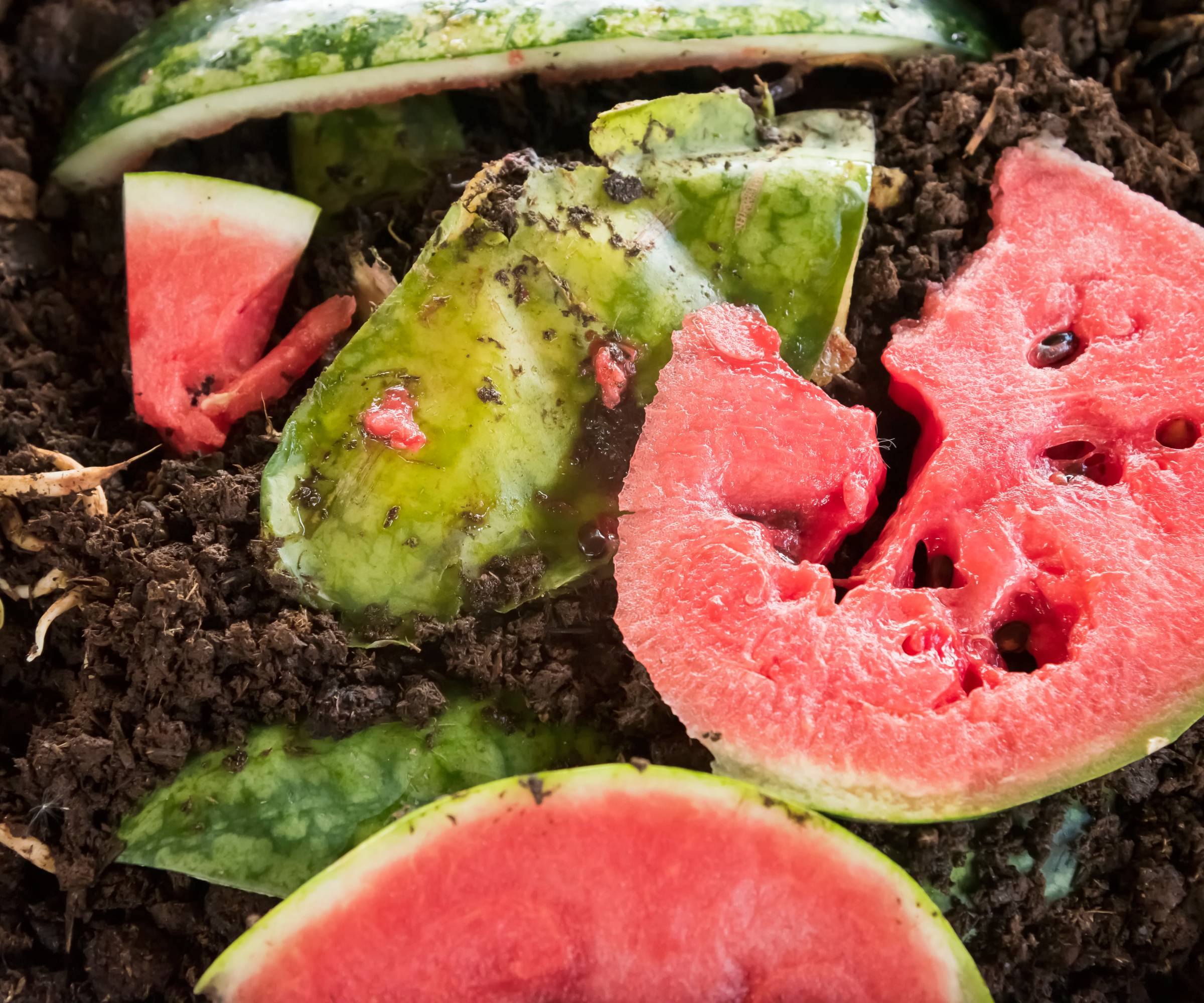
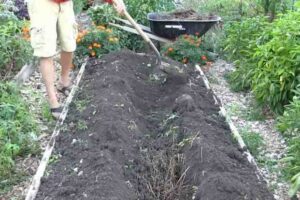
Trench composting skips the heap altogether. Pick an unplanted spot and dig down at least 12 inches (30cm). The chopped melon goes in the bottom. Backfill until a solid 8 inches (20cm) of soil covers it. Worms and soil bacteria handle the rest underground, out of reach of anything with a nose. A Fiskars transplant spade from Walmart reaches that depth quickly enough that there’s no reason to cut the job short.
Depth is doing all the work here. Bury the fruit shallowly and it fails outright – raccoons and rats turn up within days, flies not long after. Leave the spot a few weeks before planting into it as well, since material in the thick of decomposition ties up soil nitrogen temporarily and leaves early plantings hungry at the wrong moment.
Save a Slice for Butterflies and Moths
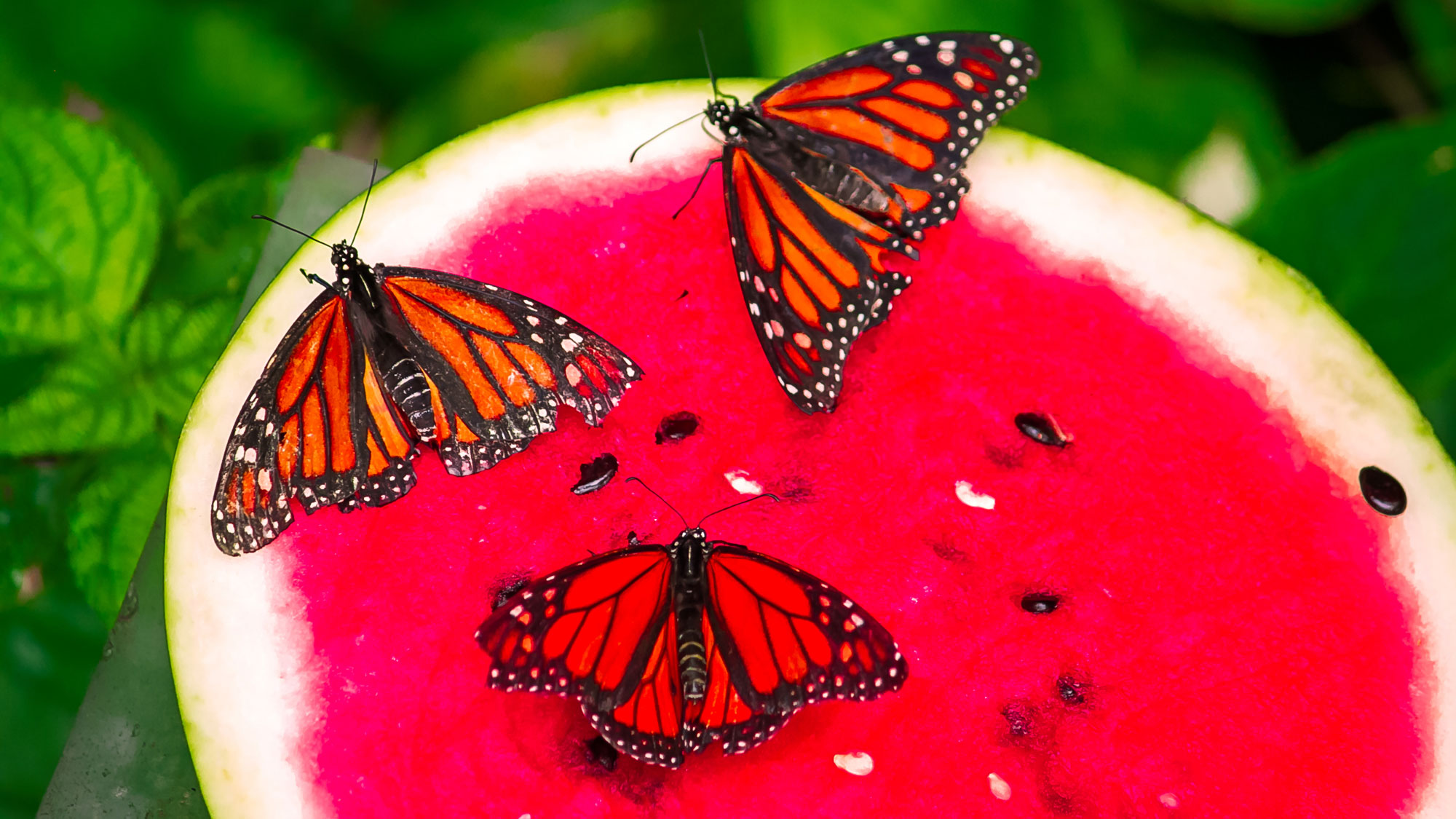
Flowers aren’t the only thing butterflies drink from. Red admirals (Vanessa atalanta) and commas (Polygonia comma) feed at rotting fruit quite happily, and some species seem to prefer it. Concentrated energy is part of the draw. Fermenting sugars also carry minerals and yeasts no blossom offers. Plenty of moths work the same way after dark – fruit-baiting is an old trick among the people who study them.
Late summer is when this counts. Nectar thins out as the flowering season winds down, right as butterflies building reserves for overwintering need it most. A slice of overripe watermelon fills that gap. Replacing anything is beyond it, though. Nectar-rich planting and host plants stay the foundation, and a fruit dish only makes sense in a garden that has both.
How to Make a Simple Watermelon Feeding Station
The setup asks almost nothing. One or two small slices on a shallow dish, somewhere flat and stable, is the whole of it. A terracotta plant saucer from Amazon suits the job because the low sides let butterflies land and reach the fruit without any climbing, and clay stays cooler than plastic under direct sun.
Keep portions modest. Two slices are easy to refresh and easy to rinse, while a plate piled high becomes a problem long before it gets finished. A splash of water stops the fruit drying to leather, and the damp seems to help the fermenting smell travel – which is how insects locate it at all.
Where to Place It, and When to Remove It
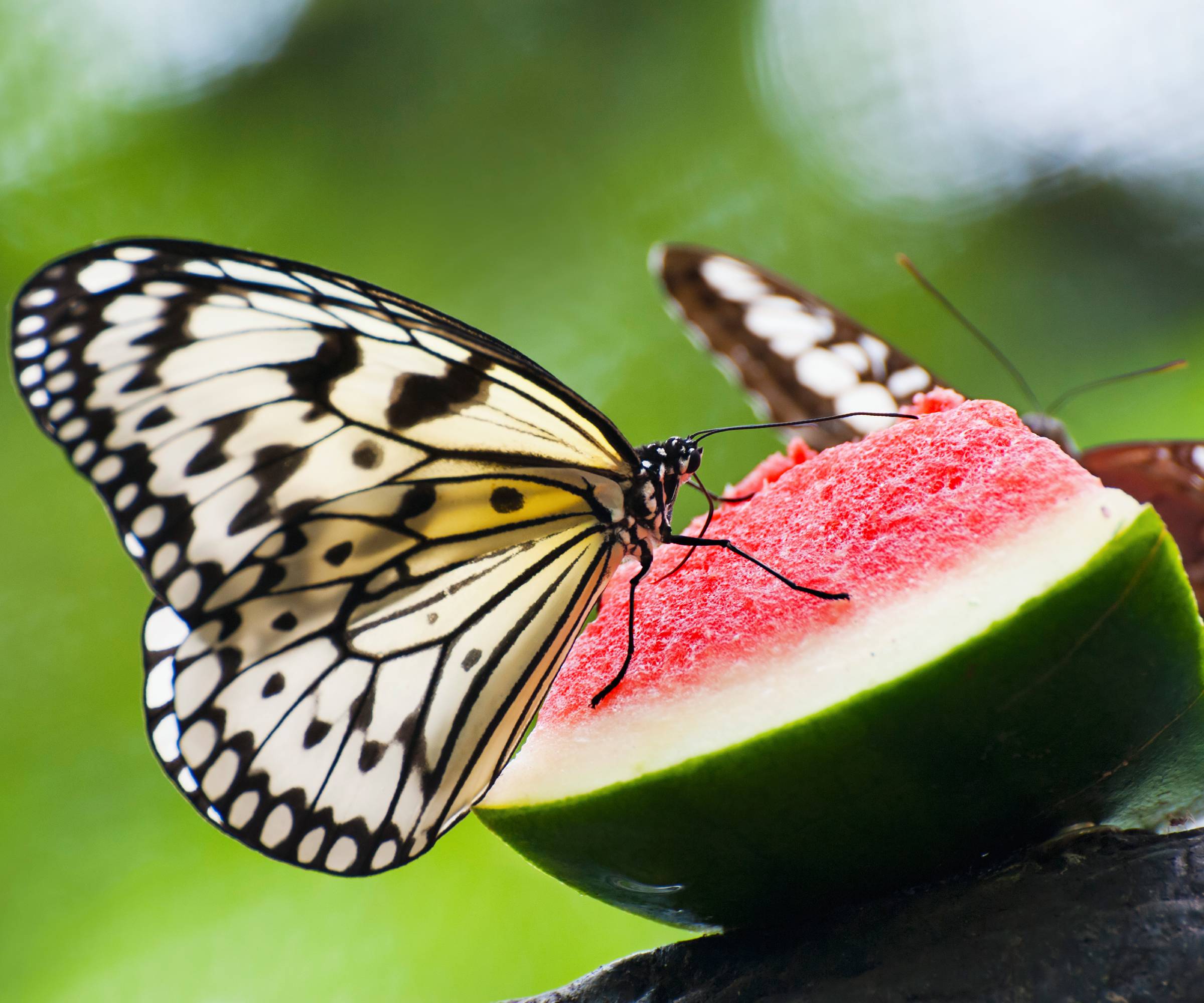
Placement decides whether this stays charming or turns irritating. Fermenting fruit draws wasps and ants as readily as butterflies, so the dish belongs well away from doors and anywhere people sit. A sheltered corner beside a hedge works better anyway, out of the wind, with cover close by for the insects using it.
Swap the fruit out every couple of days rather than letting a dish run on indefinitely. Old melon slumps into slime and grows mold, and by then it stops drawing the visitors you wanted. Rinse the saucer between servings, since residue builds fast in the heat. If wasp numbers climb past comfortable, pull the dish for a stretch. The butterflies find it again once it returns.
Avoid These Overripe Watermelon Mistakes
Scale is the big one. A whole melon parked beside a tomato as a natural feed does nothing measurable for the plant and a great deal for the local rat population. The smell alone makes that corner unpleasant for weeks. Whatever goes into the ground goes in chopped and deep, and the rest belongs in the heap.
Seeds are the surprise waiting at the end. They come through a cool heap intact, so unless the pile properly heats, expect volunteer seedlings wherever that compost lands. Sap beetles (Nitidulidae) and fruit flies (Drosophila melanogaster) gather around exposed fruit as well, and neither does real harm outdoors. Split the melon between its two jobs and none of this becomes trouble. A couple of slices go out for the butterflies, and the rest gets chopped into the heap or buried deep, quietly turning into next season’s soil while nobody watches.