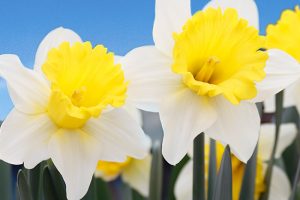
Daylilies get their name from the fact that each flower only lasts for a day. Their big, bright blooms open wide for one glorious day then close up never to flower again. But, thankfully, each plant can put out many blooms in succession over the course of the summer. An established clump of daylilies can produce up to 200-400 flowers over the course of a month or more!
However, at a certain point in the season, most types of daylilies finish blooming for summer. If your plants are done for the season already, you may be wondering if there is a way to encourage a second flush of daylily flowers before summer ends.
Well, you’re in luck! There is one simple trick that can force daylilies to put out another round of blooms before fall arrives. Plus, it keeps plants looking lush and fresh all season long. Here’s how to do it.
Do All Daylilies Rebloom?
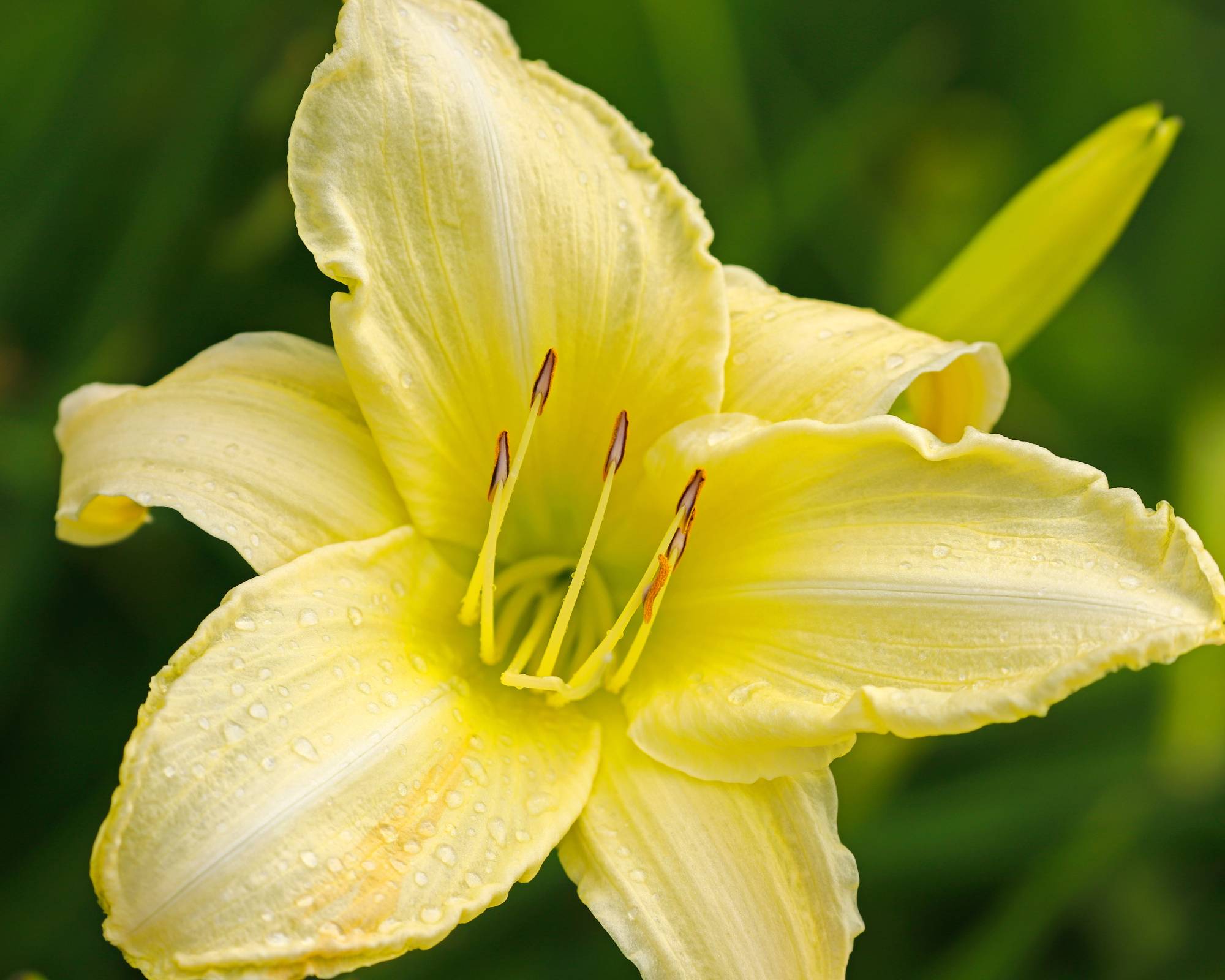
Every daylily plant produces multiple flowers per plant, but there are certain cultivars that are specifically bred to rebloom all summer. These remontant varieties keep producing new flowers multiple times per growing season and are a great way to add color that lasts all summer.
The extremely popular ‘Stello d’Oro’ daylily, which is available from Monrovia at Lowe’s, is a reblooming type that you can force into flowering a second time in late summer.
Other reblooming daylily cultivars include:
- ‘Barbara Mitchell’
- ‘Charles Johnston’
- ‘Dragon’s Eye’
- ‘Fairy Tale Pink’
- ‘Gentle Shepherd’
- ‘Good Fairy’
- ‘Green Flutter’
- ‘Happy Returns’
- ‘Hyperion’
- ‘Joan Senior’
- ‘Jolyene Nichole’
- ‘Mini Stella’
- ‘Parade Queen’
- ‘Pardon Me’
- ‘Raspberry Frolic’
- ‘Serene Madonna’
- ‘Siloam Double Classic’
- ‘Super Stella’
- ‘Strawberry Candy’
- ‘Wedding Band’
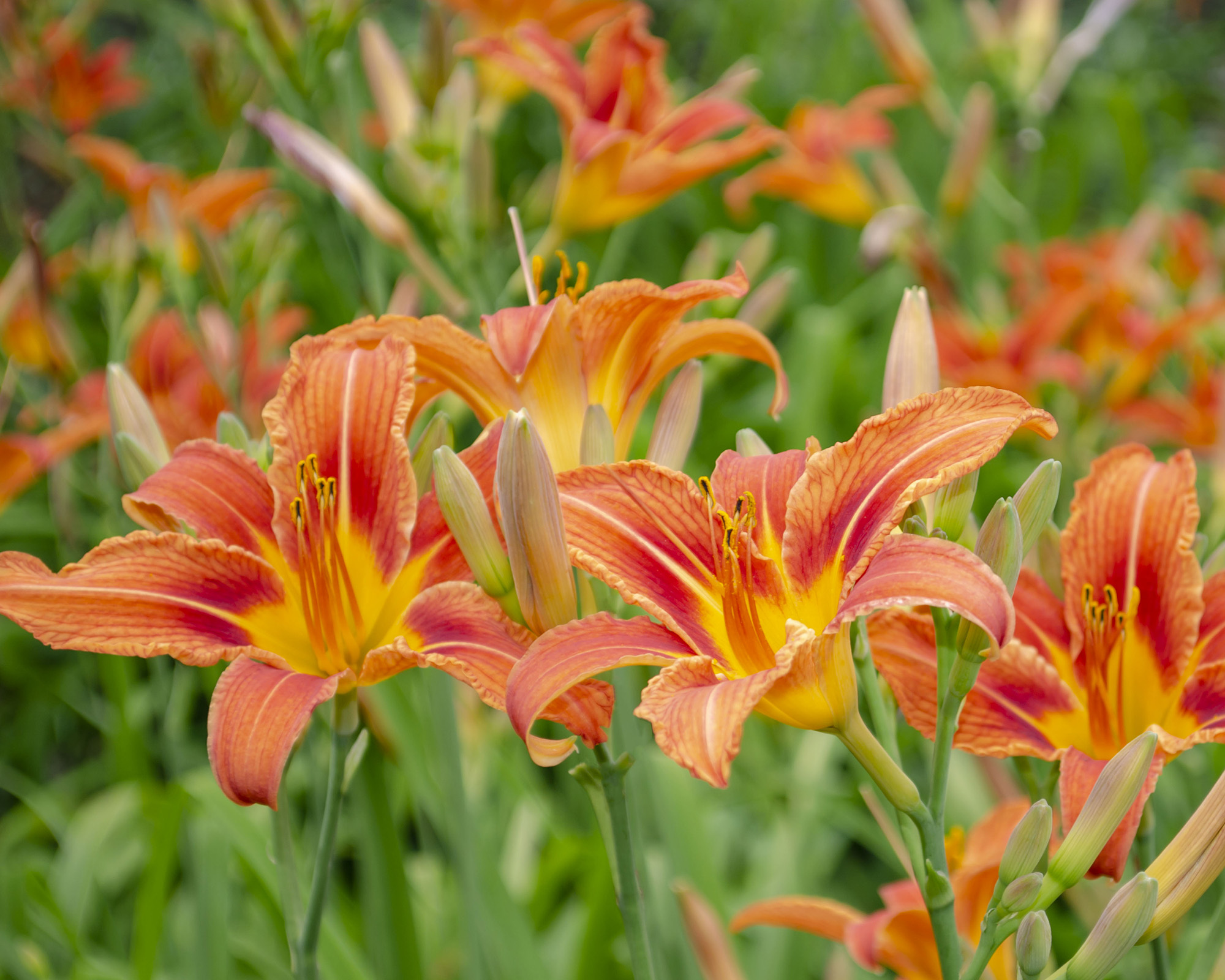
Daylilies are more likely to rebloom in the South where the growing season is longer. So if you live in the North in a cold climate with a short summer season, it may be harder to get flowers to rebloom before fall weather arrives.
The classic orange daylily (Hemerocallis fulva) will not rebloom, so just enjoy these blooms as they appear in summer and wait until next year to see their cheery flowers again.
How to Make Daylilies Rebloom
The best way to encourage a second flush of flowers is deadheading daylilies after old blooms fade. Deadheading forces the plant’s energy away from producing seeds in the seed pod where the faded flower was and instead redirects energy towards new growth – including new blooms.
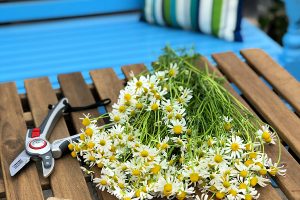
Once a flower closes and begins to fade, use a pair of sharp, clean pruners (Editor-in-Chief Melanie swears by her Felco pruners from Amazon) to cut off the dead bloom. It’s best to prune away spent flowers before a seed pod starts to form.
Be careful not to accidentally cut off any unopened flowerbuds that have yet to bloom. Daylilies produce multiple flowers per stalk, known as a scape, that bloom in succession. But once all the flowers on a scape have bloomed, it’s best to cut off the entire stalk at the base of the plant.

Cutting back daylily flowers not only boosts blooming, but it also keeps plants looking fresher for longer. Spent flowers wither and fall off and eventually the entire flower stalk turns brown and can make your garden look untidy.
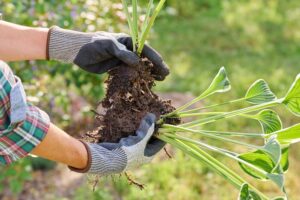
Another way that you can potentially get plants to put out a new flush of flowers is to divide daylilies. Divide and transplant daylilies in late summer or early fall, around August or September, in order to force new growth and encourage blooming. This method works best in areas with a long growing season because it can take plants a while to settle into their new home and set flower buds.