Who knew there were perennials to avoid planting?
I know, I know; fall is an undeniably great time to get these comback kids in the ground, as the weather is cooler, the garden centers are still full of tempting plants, and your new plant baby has the whole dormant season ahead to settle in.
If you are off to do a spot of fall perennial shopping, though, try to remember this: just because a plant is sitting happily on a garden center bench, it doesn’t necessarily mean you should take it home. In fact, there is a long list of perennials to avoid, for those who don’t want to give themselves a gardening-induced headache later on down the line.
7 Perennials To Avoid Planting This Fall
Why? Well, some perennials are a little too good at spreading. Others can escape the garden and cause problems in natural areas. A few, too, are simply much more difficult to control than their innocent-looking containers would have you believe. And that’s particularly easy to forget when a plant is being sold as an attractive, pollinator-friendly or low-maintenance addition to the garden.
Now, I’m not suggesting that every plant on this list of perennials to avoid planting is universally terrible, or that you can never grow any of them. Indeed, in some parts of the US, certain species are perfectly manageable or even considered useful garden plants.
With that caveat in place, then, these are seven plants I’d personally research very carefully before putting them in the ground…
1. Butterfly Bush
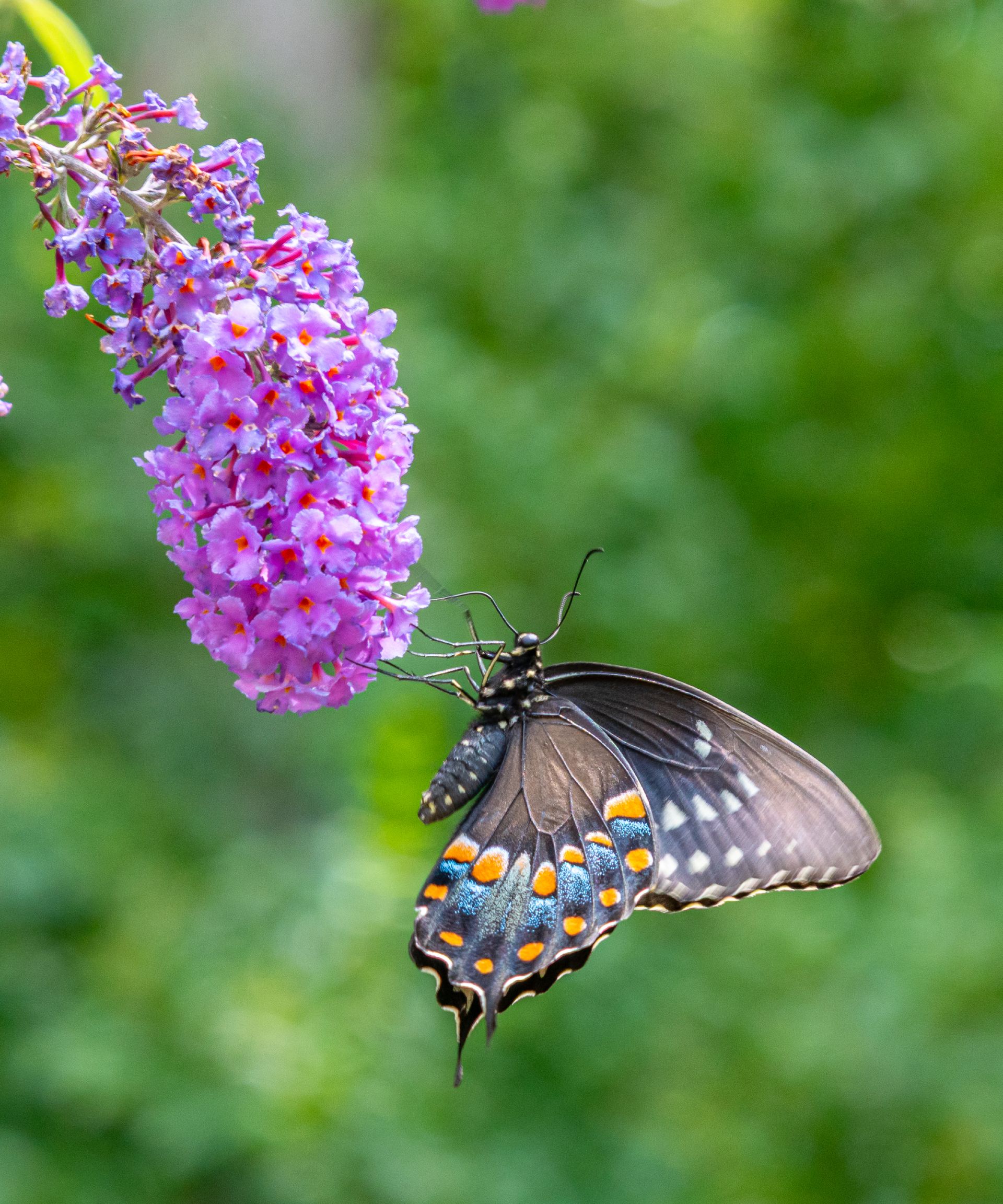
Butterfly bush is almost comically easy to sell to gardeners; it has beautiful flower clusters, attracts butterflies (including, likely, your birth month butterfly), grows quickly and gives you exactly the sort of summer-long color that makes you feel you’ve made an excellent garden decision.
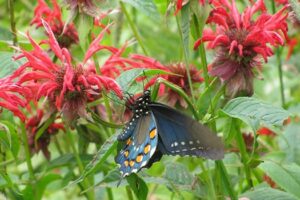
The problem is that butterfly bush (Buddleja davidii) is non-native to the US and can become invasive in some regions, escaping cultivation and establishing in natural areas. There’s another reason to think twice if you’re planting specifically for butterflies, too, as butterfly bush might provide nectar for adult butterflies, but it isn’t a host plant for their caterpillars.
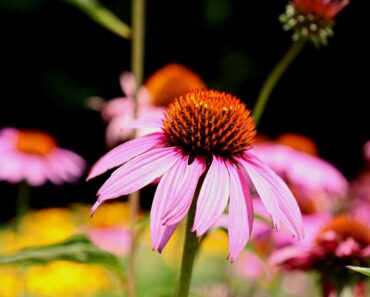
That means there are often better choices for a wildlife-friendly garden. Try looking for native plants suited to your region, such as this swamp milkweed from Nature Hills, native asters, coneflowers, hyssop, and bee balm.
Make A Butterfly-Friendly Garden:
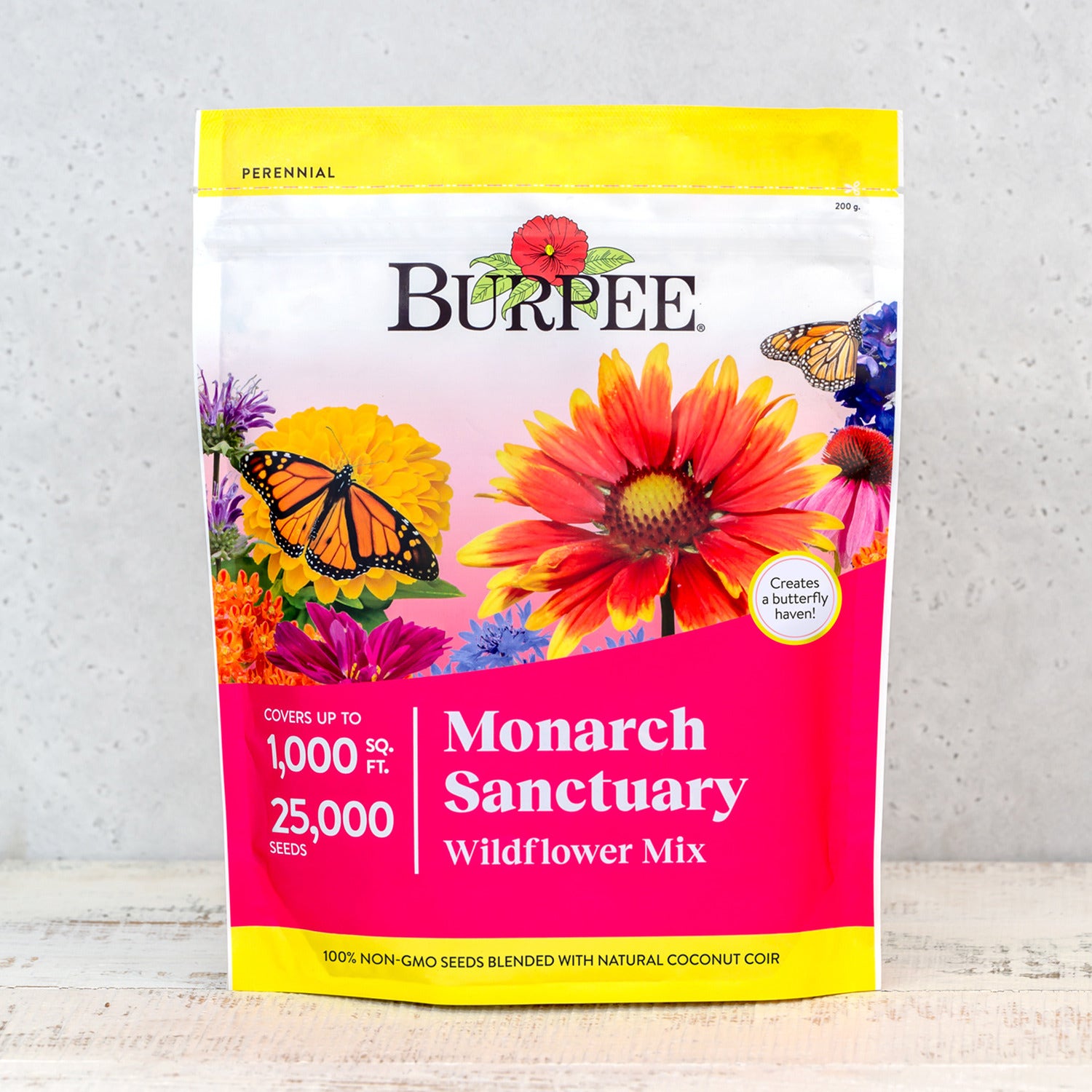 Save the Monarchs
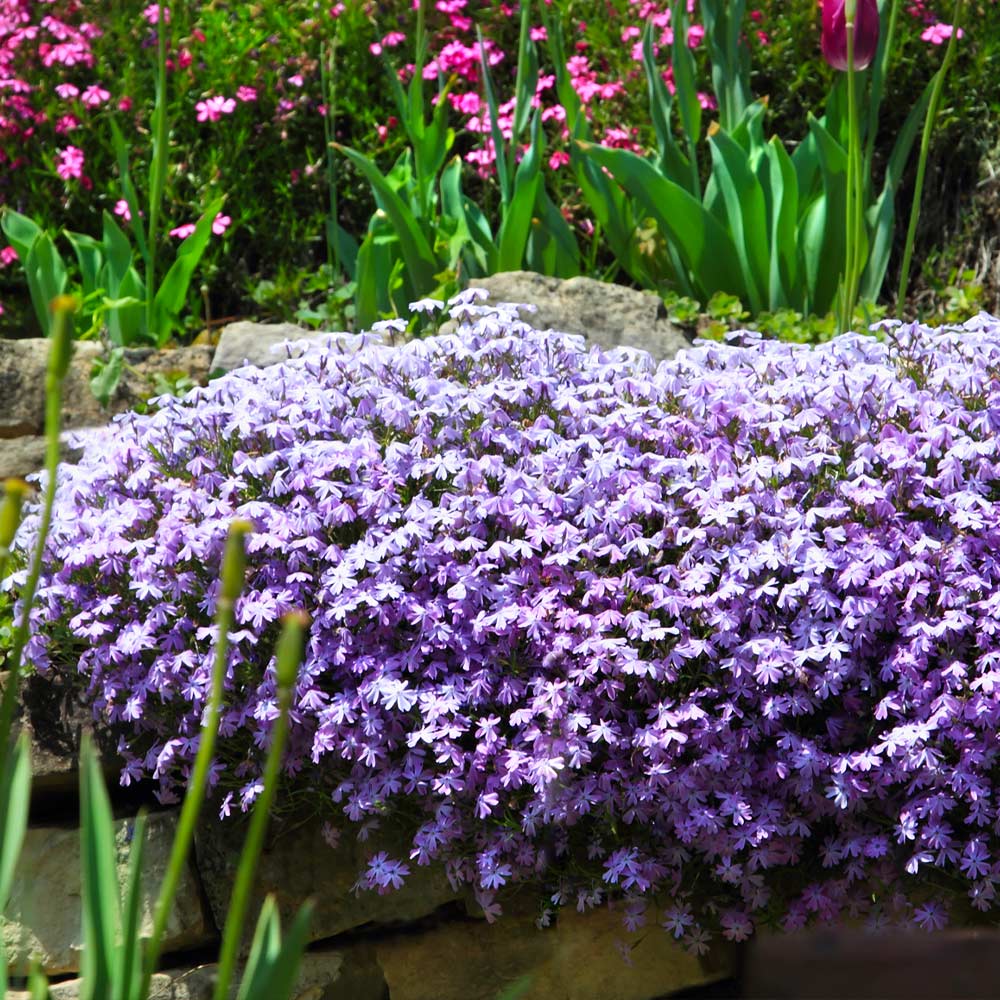 Early Bloomer
 Posh Protection
2. Periwinkle
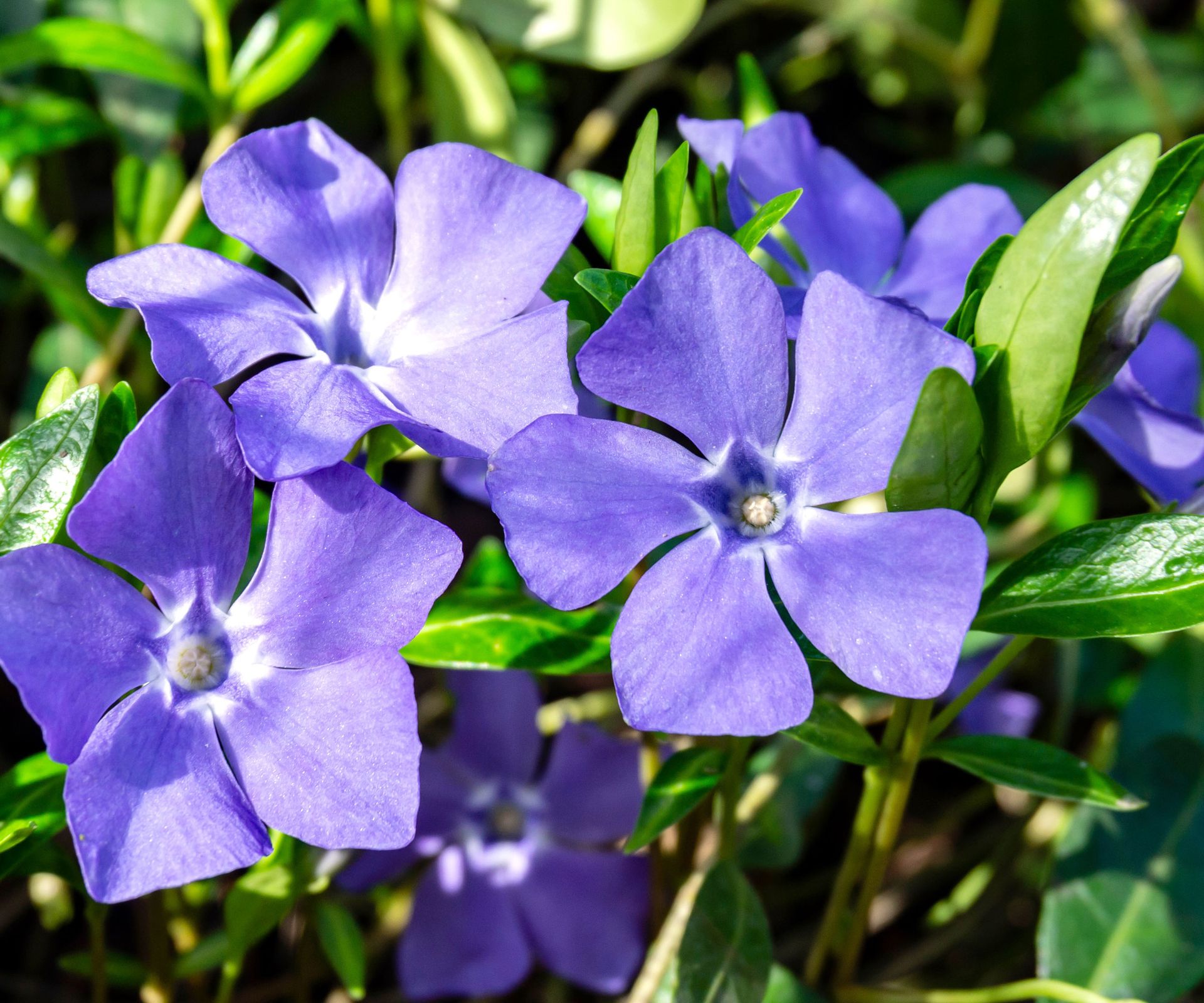
Periwinkle is one of those plants that can look almost too well behaved to cause trouble; its glossy evergreen leaves make an attractive groundcover, and its small blue-purple flowers are particularly useful if you’re trying to cover a shady area where not much else wants to grow.
Unsurprisingly for seasoned gardeners everywhere, though, that’s precisely part of the problem. Yes, periwinkle (Vinca minor) can spread beyond the area where it was planted, forming dense groundcover that can crowd out other vegetation. And once a groundcover has settled in and started creeping underneath shrubs, through borders and beyond garden edges, removing every piece can become considerably less fun than planting it was.
3. Mint
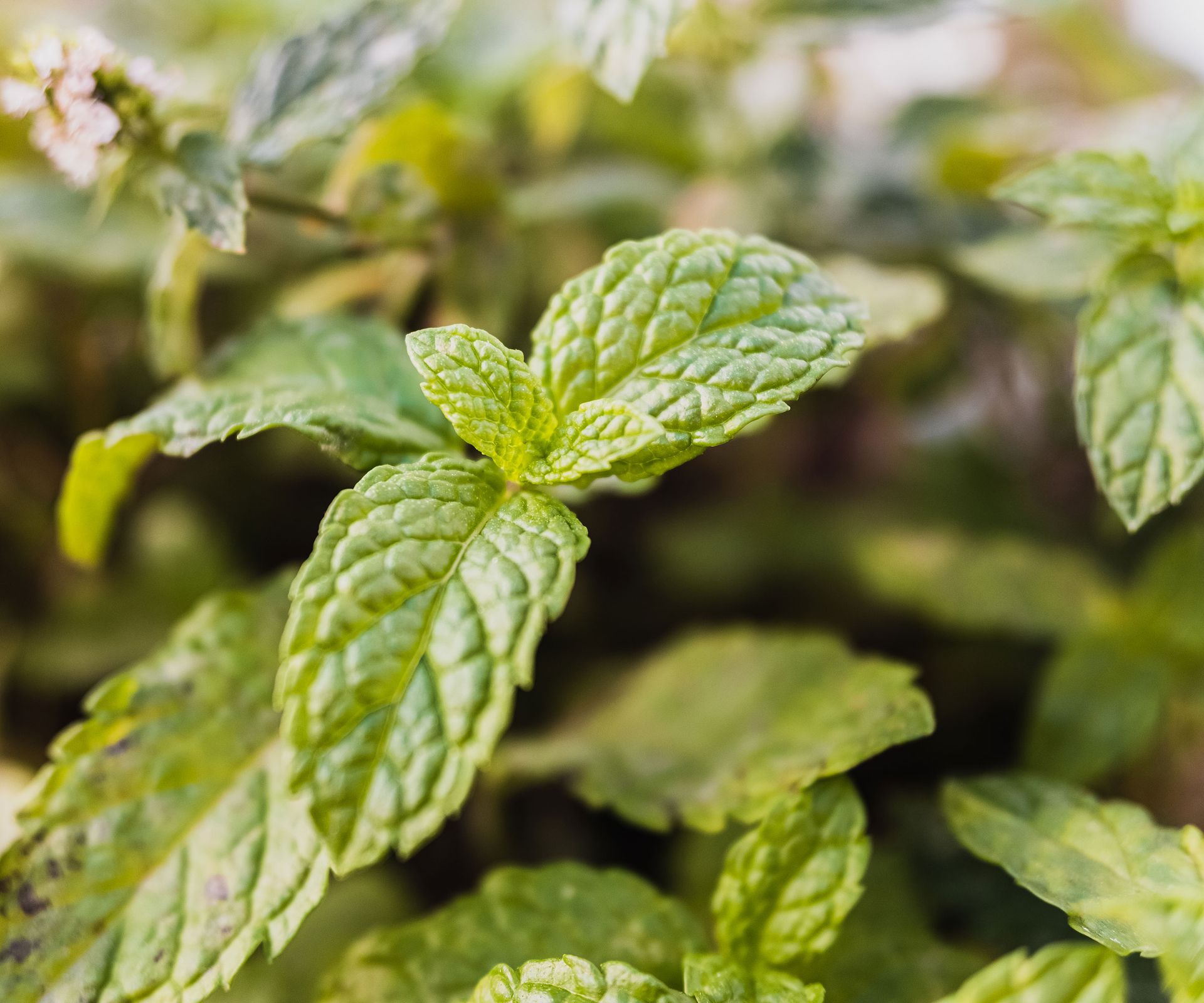
Now, before anyone sends me an angry email: I am absolutely not saying you shouldn’t grow mint (I love mint!). What I am saying, though, is that I would think very carefully before planting it directly into the ground.
Mint is one of those plants that starts out looking wonderfully innocent. You plant a little clump, harvest a few leaves for drinks and cooking, and congratulate yourself on your excellent decision… and then it takes over your borders and you have to explain to your husband what you did when he wasn’t looking. (Yes, fine; I speak from experience).
So my rule is simple: mint in a pot? Absolutely. Mint loose in the garden? No, nay, never! Hey, it’s a good excuse to bag yourself a pack of four pre-potted mint plants from The Three Company Store, quite honestly.
4. Hops
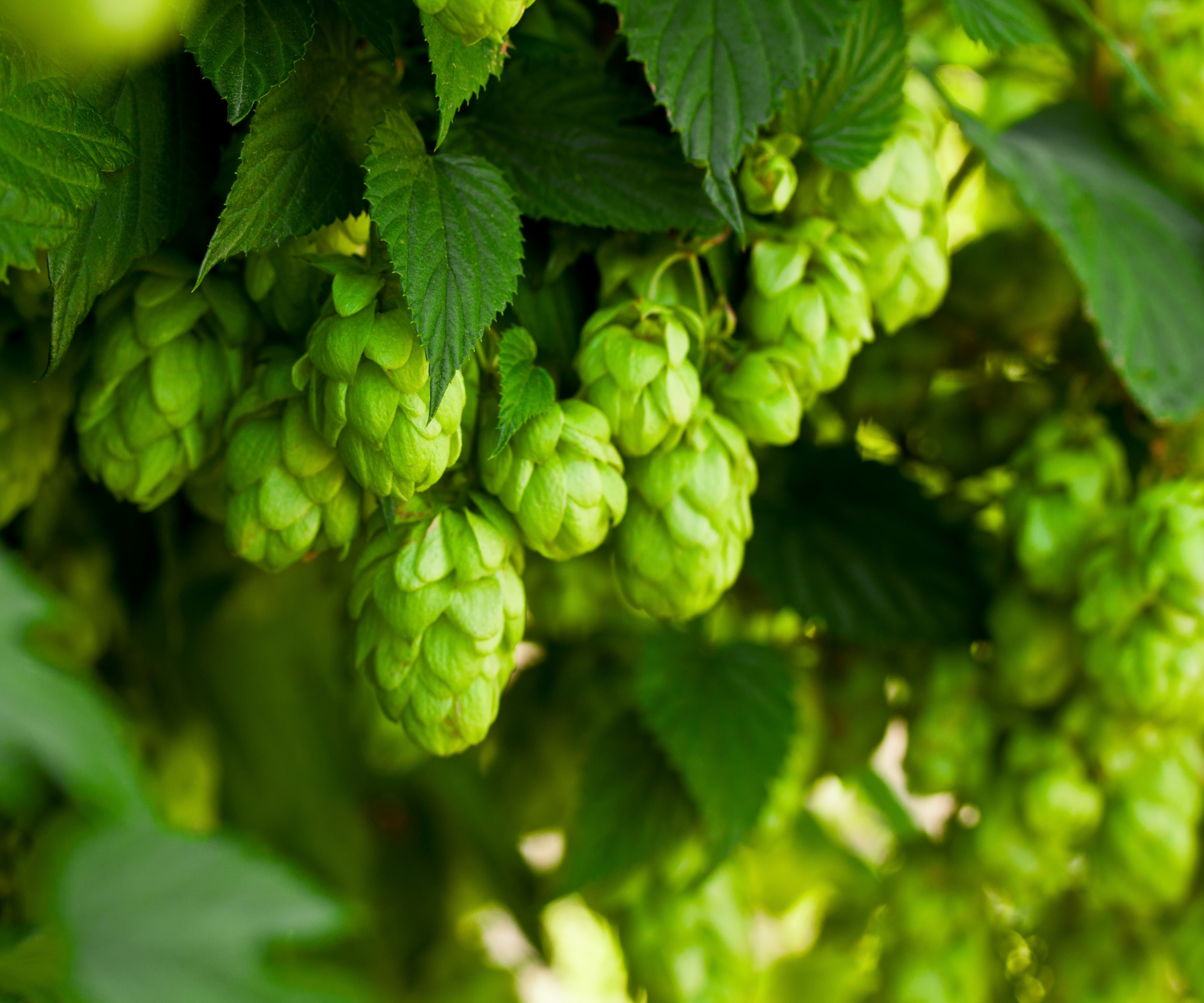
Hops might seem like an innocent choice for adding height and summer interest to the garden. But if you’ve ever planted one in the wrong spot, you’ll know just how quickly those innocent-looking vines can become a problem.
Common hops (Humulus lupulus) is a perennial, but its fast-growing annual bines can reach impressive heights in a single growing season. The plant also spreads via its perennial crown and rhizomes, making established plants surprisingly difficult to keep contained. And that’s where hops can become a headache in a mixed border. Give it a support and it will happily climb; give it a nearby shrub, tree or anything else it can wind around, and it may not be quite so easy to control (just ask my poor lilac!).
That’s not to say common hops is invasive everywhere; still, its vigour can still make it a poor choice for a small or densely planted garden. Think carefully (and maybe plump for a pollinator-friendly Sweet Autumn Clematis from Nature Hills instead).
5. Lily Of The Valley
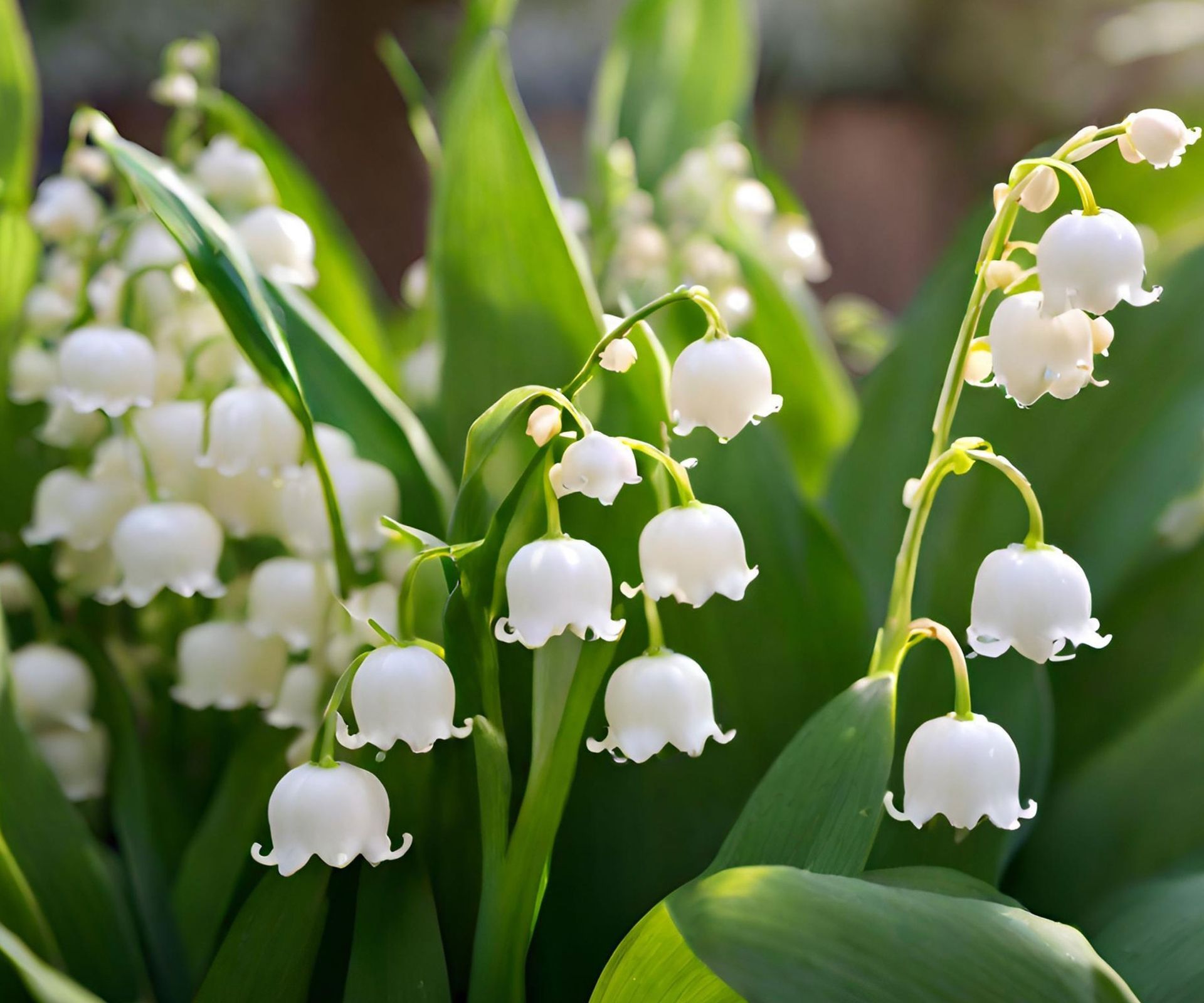
Lily of the valley is another plant that can be incredibly tempting in a shady garden; its tiny white bell-shaped flowers are beautiful, fragrant and wonderfully old-fashioned, making it easy to understand why gardeners have been planting it for generations.
That being said (I know, I really do sound like a harbinger of doom), lily of the valley can spread aggressively through underground rhizomes, and it can be difficult to contain once established, making it one of those pesky perennials that can spread unexpectedly.
There’s another reason I’d be cautious if you have children or pets: the plant is toxic if eaten. And, while that doesn’t automatically mean you need to remove an established plant, it does make me think twice before introducing it to a garden where curious hands or mouths could come into contact with it.
7. Burning Bush
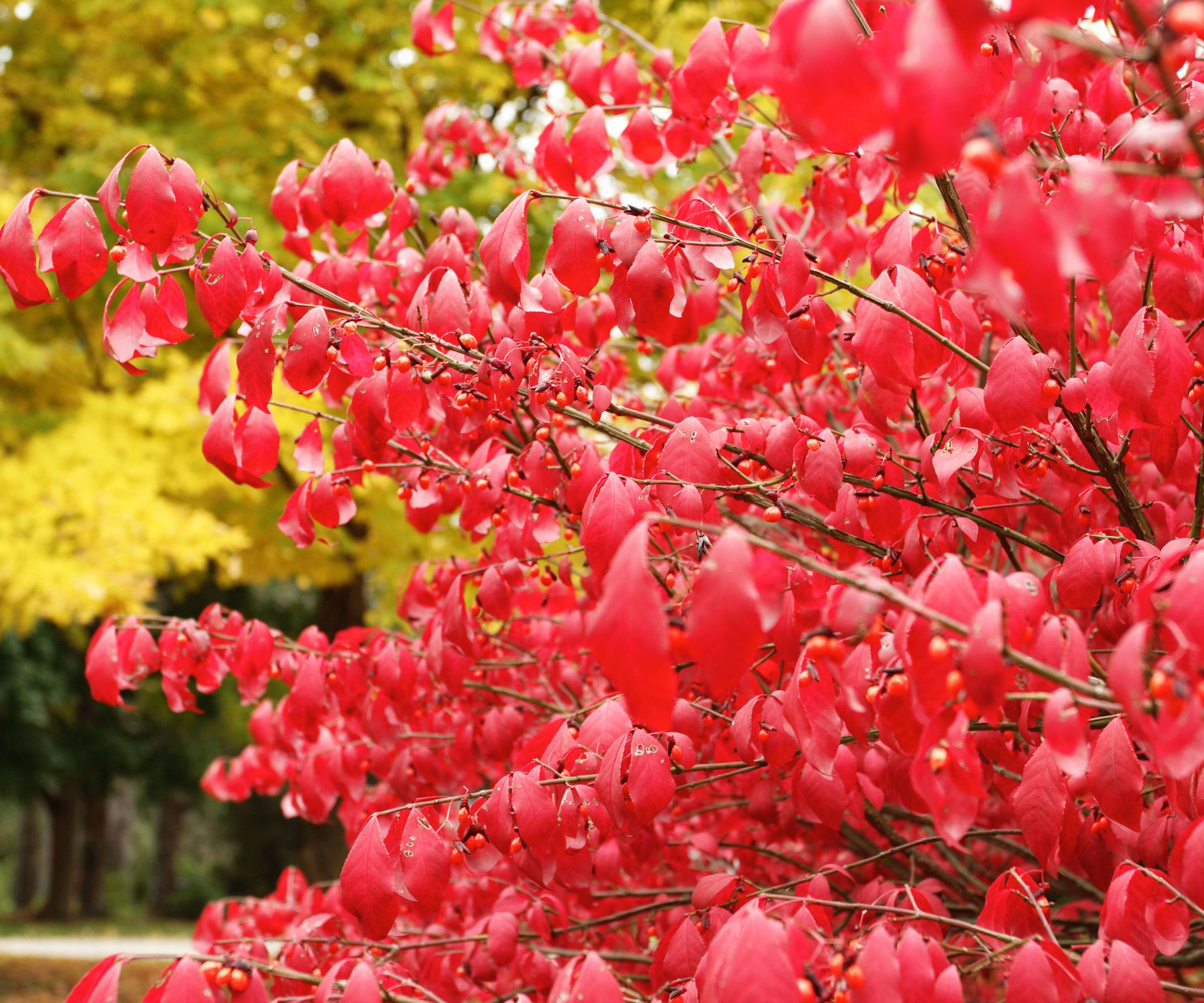
Few shrubs make quite the same impression in fall as burning bush. The foliage turns a brilliant crimson-red, making it incredibly tempting when you’re looking for a plant that will give the garden some late-season drama.
The problem? That spectacular fall color comes with a catch, as burning bush is an invasive shrub in parts of the US, where it can escape gardens and spread into natural areas. Its abundant fruits are particularly problematic because birds can eat them and disperse the seeds well beyond the garden.
Still, burning bush has been a popular landscape plant for decades and is frequently used in the gardening industry, even in spite of its invasive behavior is well documented. Instead, why not look for a native shrub that offers brilliant fall color in your region, like red chokeberry, viburnums, dogwoods, or fothergilla?
Shop Fall-Color Shrubs:
All I am really saying is this: before you put that attractive new perennial in your cart, spend five minutes researching how it behaves in your state, because there’s nothing quite so satisfying as planting a perennial in fall and watching it return year after year.
Just make sure it’s the perennial you actually intended to plant, rather than the one that eventually decides to plant itself everywhere.