The cherries look fine one morning. But then, a couple of days later, there’s a bare pit still clinging to the stem and half a dozen birds arguing in the branches over what’s left. Birds don’t nibble at fruit the way insects do. They arrive as a group, take the ripest fruit quickly, and move along to the next tree before you even notice.
Plenty of gardeners assume how to protect fruit trees from birds has to start with netting or a spray. But there’s an overlooked item already in your kitchen that works just as well. It’s just sitting in your kitchen drawer, only costs a couple of dollars to replace, and takes hardly any work to put up.
Find out which common kitchen product doubles as an eco-friendly and organic way to stop birds from eating all the fruit on your trees before you can.
Best Kitchen Product to Prevent Birds
You can use tin foil to deter common garden pests, like unwanted birds. It works as a visual and auditory deterrent that protects fruit trees from hungry winged visitors.
Sight runs the show for most birds. They feed and navigate visually, so a strip of tin foil shining in the sun throws bright, erratic flashes that read as movement where movement shouldn’t be. This makes tin foil a good natural way to deter birds in the garden.
Their reaction to the tin foil is more of a reflex rather than reasoning. A bird approaching a branch gets a burst of glare at close range, which prevents it from landing. This makes the tree register as a place where something unpleasant lives and scares away the bird before it can land and eat your fruit.
Sound does its share of the work as well. Foil rattles and crackles at the slightest breeze. That noise combined with the flashing makes the whole display harder to dismiss and scarier to unwanted birds.
A shiny object hanging still doesn’t have the same effect and birds figure that out quickly. Wind is the ingredient that turns foil into a deterrent, so a still day with no breeze to move the foil will always be the weak point of this method.
How to Use Tin Foil to Stop Birds
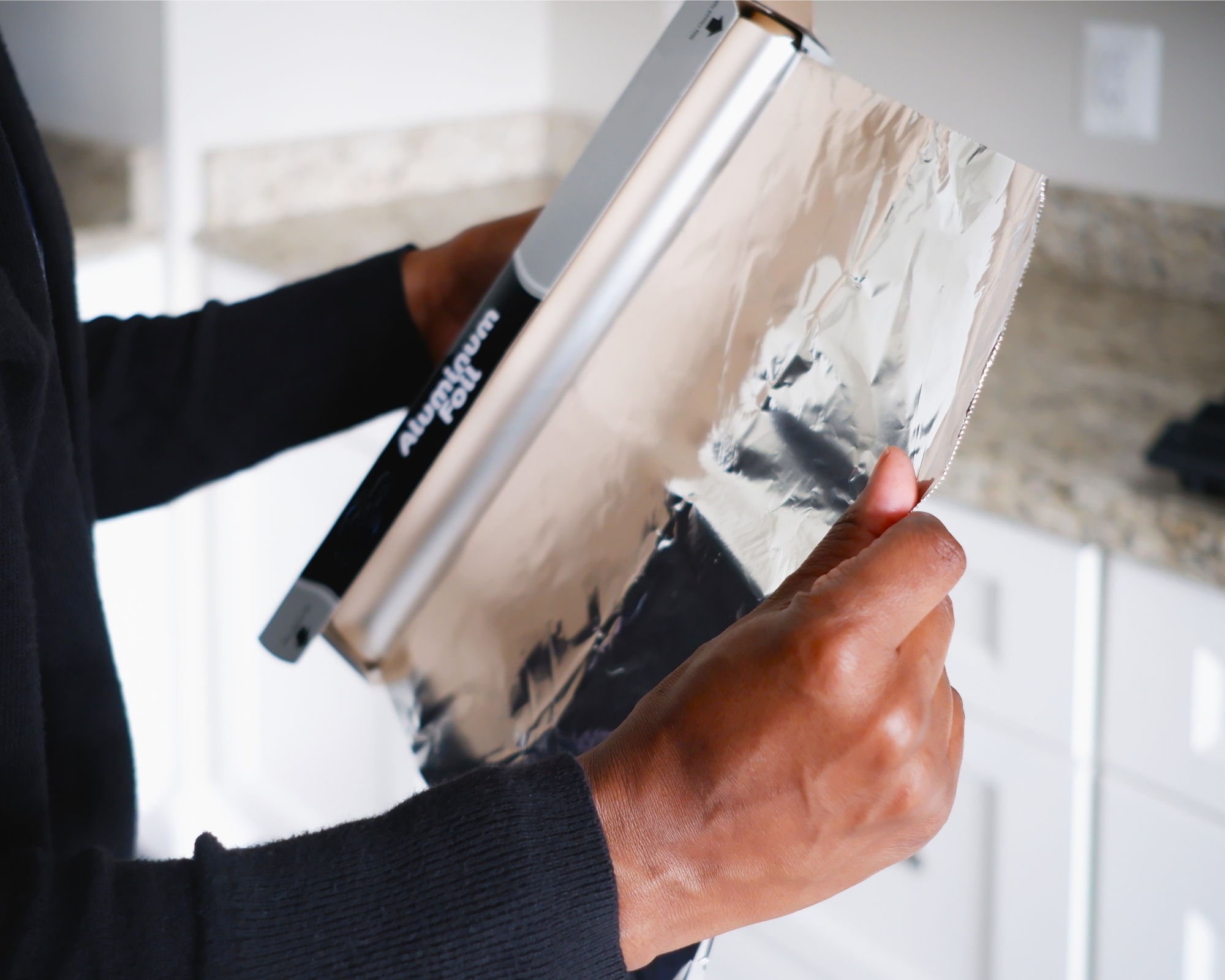
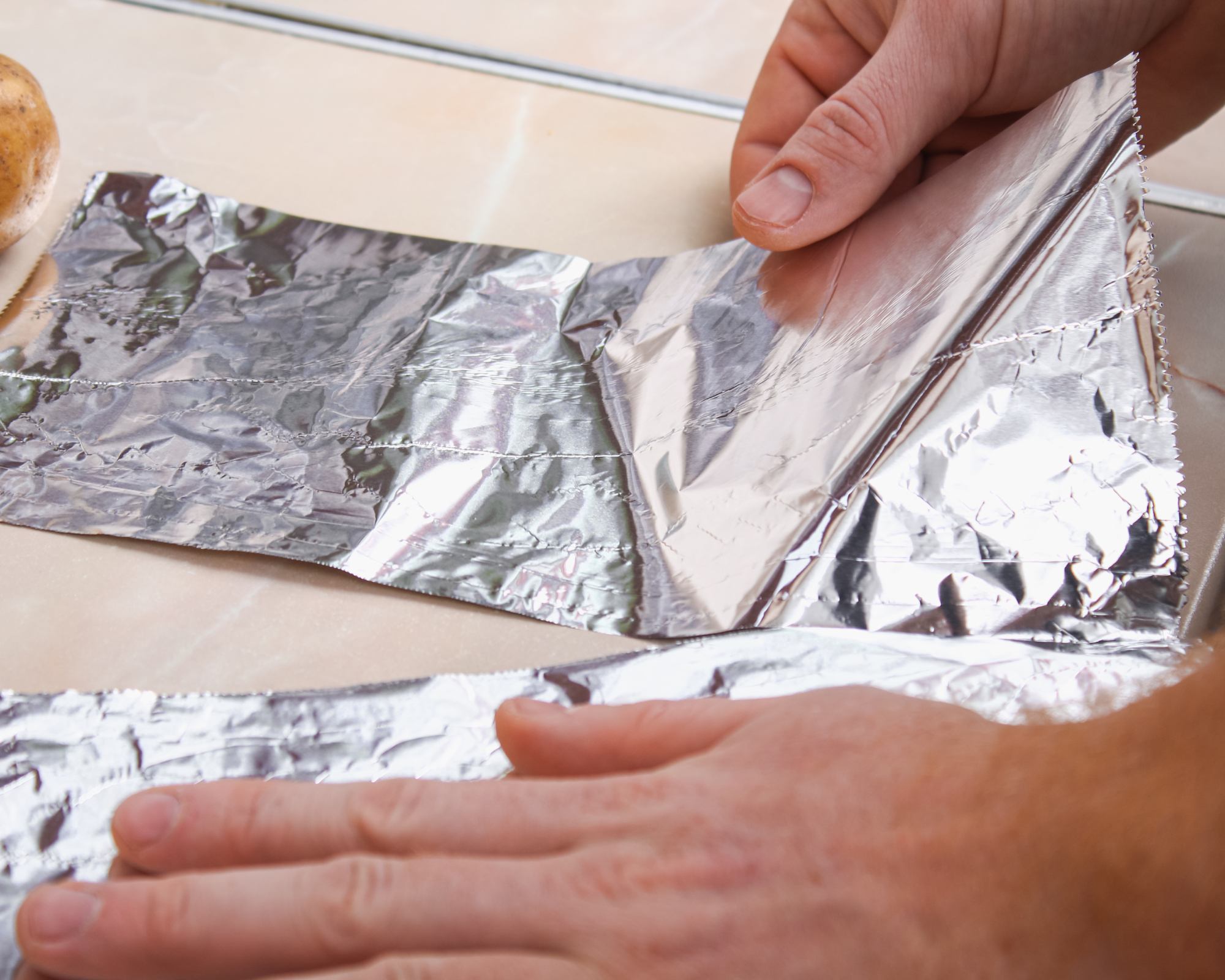
Strips of tin foil should be about 2 inches (5 cm) wide and 12 to 18 inches (30-45 cm) long to do the job. Fold each one in half lengthwise so both faces are reflective, then twist it once before tying, which keeps it spinning and reflecting light. A roll of Reynolds Wrap heavy duty aluminum foil from Walmart holds up through weather that shreds the standard gauge foil within a week.
Hang the strips of tin foil at the ends of the branches where the fruit actually is, not tucked against the trunk where birds won’t see them. Hanging roughly one strip every 2 to 3 feet (60-90 cm) around the outside of the tree canopy is a reasonable starting density. You can add a few more on the side facing open ground since that’s the approach most birds use. Tie loosely with twine and leave plenty of slack. A strip that can’t move is a strip that isn’t working.
Move Foil Every Few Days
Birds are quick studies. Give them a stretch of a few days with foil that flashes and never actually does anything and they’ll be landing right next to it and eating your fruit again soon. Habituation is what sinks this method for the gardeners who say it doesn’t work. But there’s an easy fix to this issue.
Simply move the strips every few days – take some down, add others, shift them to different branches – so the pattern never stays the same. Alternating foil with reflective bird scare ribbon from Amazon can double the effects.
Timing matters, too, for moving around the tin foil. Hang the foil before the fruit ripens and colors up because a bird that has already tasted what’s in your tree is far harder to deter than one that never got a sample.
Hanging tin foil a week ahead of first blush is about right. Waiting until the damage shows up means fighting an established habit rather than preventing one and habits are hard to break.
Limitations to This Method
There are a few limitations to this method to know about before trying it. This deterrent works well for certain types of backyard birds, but not for others.
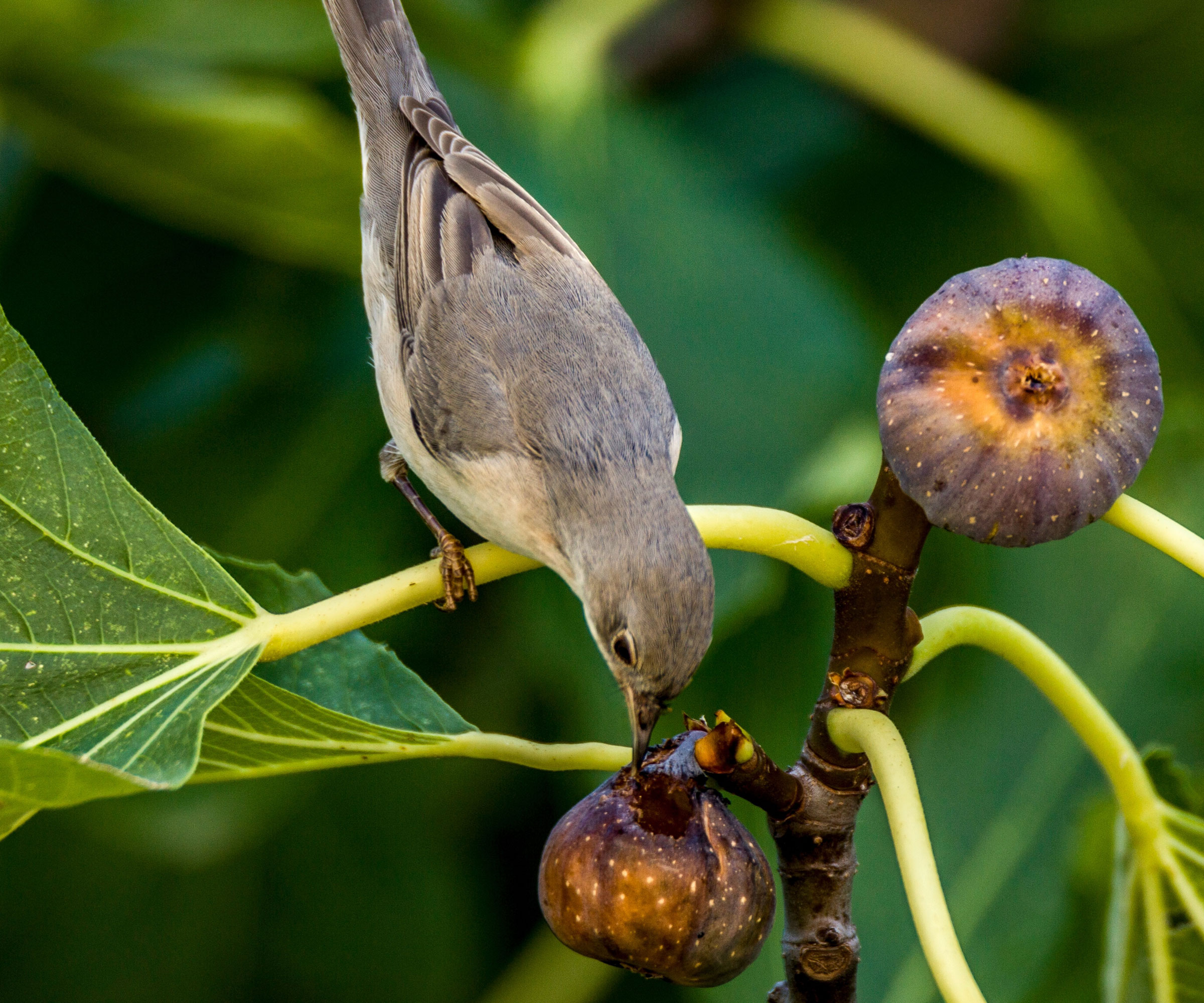
European starlings move in flocks large enough that the birds at the back barely notice what spooked the front. American robins get bold about fruit they’ve already claimed. For a small tree carrying a crop that matters, Vigoro bird block netting from Home Depot is the only thing that ends the issue outright.
There are two other cautions worth having in mind to keep your trees healthy as well. Never wrap foil tightly around a trunk or a limb, since it traps moisture against the bark and invites problems that outlast the birds. This is a common fruit tree mistake when using this method.
It’s also important to gather up every strip of tin foil at the end of the season instead of letting the weather tear them loose because shredded foil ends up in bird nests, your garden, and your lawn mower.
Other Bird Deterrents to Try
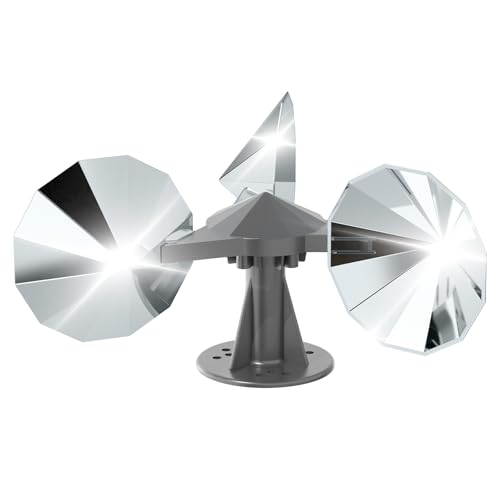
If tin foil just can’t cut it, try this highly-rated reflective deterrent device with great Amazon reviews.
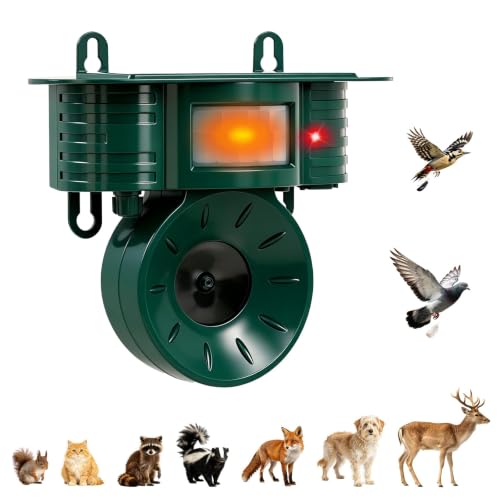
More than just birds eating your berries and fruit? Try this ultrasonic repellent that works on a wide range of critters.
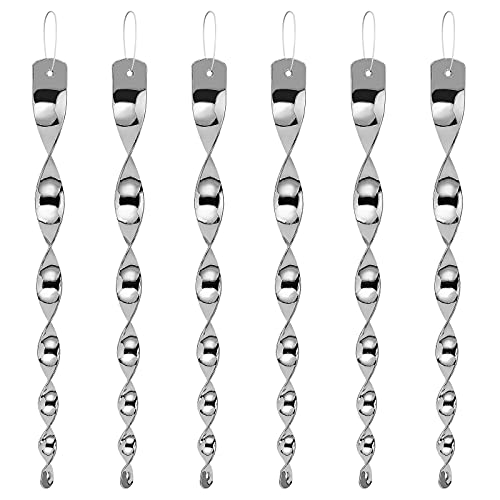
These dangling silver bird scare devices can double as garden ornaments. They look beautiful to humans, but scare away birds.