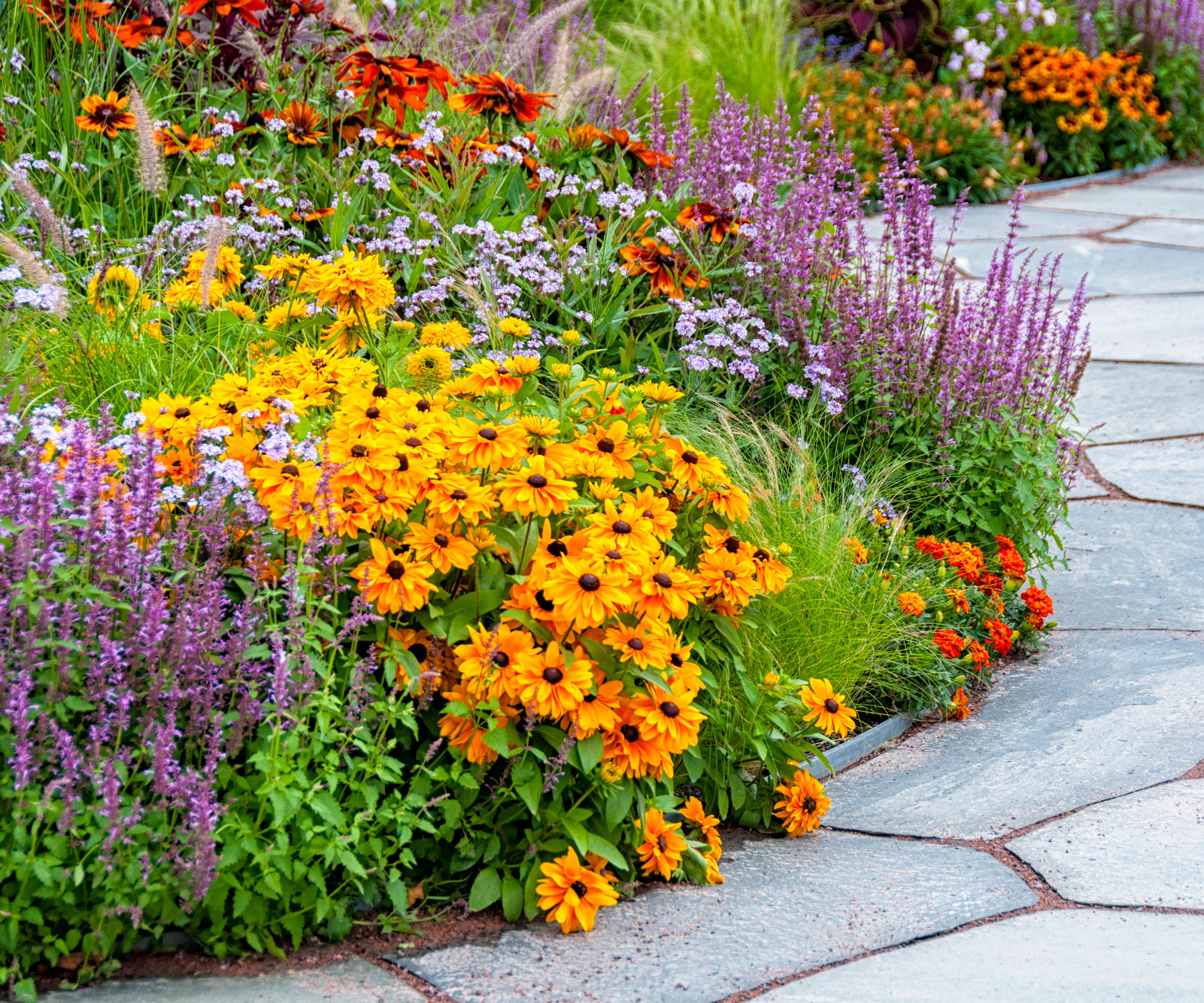
Early August borders have a look about them, and something always gives out by midsummer. Early perennials have finished, and in some areas, there are bare patches where something failed to emerge. A corner that looked full and vibrant a few weeks ago is now probably looking a little sorry for itself, especially if you’ve had any kind of sweltering heat. But those gaps can still be filled, and the plants that manage it fastest will bloom right through until the first frost.
Not only is it OK to put these plants in the ground in August, but the conditions are at their best in many cases, so they will establish (and bloom) much faster. Warm soil is a big part of the reason. Roots move quickly in soil that’s been warming since May. The easiest flowers to grow now are those that bask in heat rather than sulk in it. Cool-season bedding won’t cope. What works are key fast gap fillers that will bloom within weeks, for a magnificent second act that will last all through fall.
To pull off this glorious late-season summer flush, it’s often best to skip the seed packets. Instead, use robust nursery starts or established plugs where possible. Placing established root systems into sun-warmed earth delivers that critical instant impact. Just make sure you do go for these quick-flourishing dynamos for color-soaked beds and borders to first frosts.
Fast Flowers to Fill the August Gap
Late transplants have a shorter runway than spring options, so the planting hole matters more. Loosen the soil wider than the root ball rather than deeper, as roots spread sideways first. You also need to skip the high-nitrogen feeds, which only encourage leaves at a point in the season when flowers are the point. That said, because these are August plantings, it’s smart to add a splash of Miracle-Gro Quick Start Transplant Solution, available from Amazon. This helps to settle the soil around the roots, prevents transplant shock, and pushes early root growth. Watering the plant in its pot an hour before it goes in the ground helps, too.
Full sun is what these bloomers love, though a little afternoon shade will still work. In terms of soil, drainage counts far more than richness. A gap that stays soggy after rain needs amending before anything goes in, or the roots will sit and rot instead of running.
If your soil feels packed down or worn out, give it a little aged compost, plus some perlite or coarse sand. Water deeply, and less often. Little sprinkles that only wet the top inch (2.5cm) train roots to stay shallow. If you haven’t got one, a soaker hose like the STYDDI Soaker Hose, available from Walmart, is a smart investment for late summer hydration. Do this, and these late summer bloomers will dazzle you for weeks.
1. Zinnias
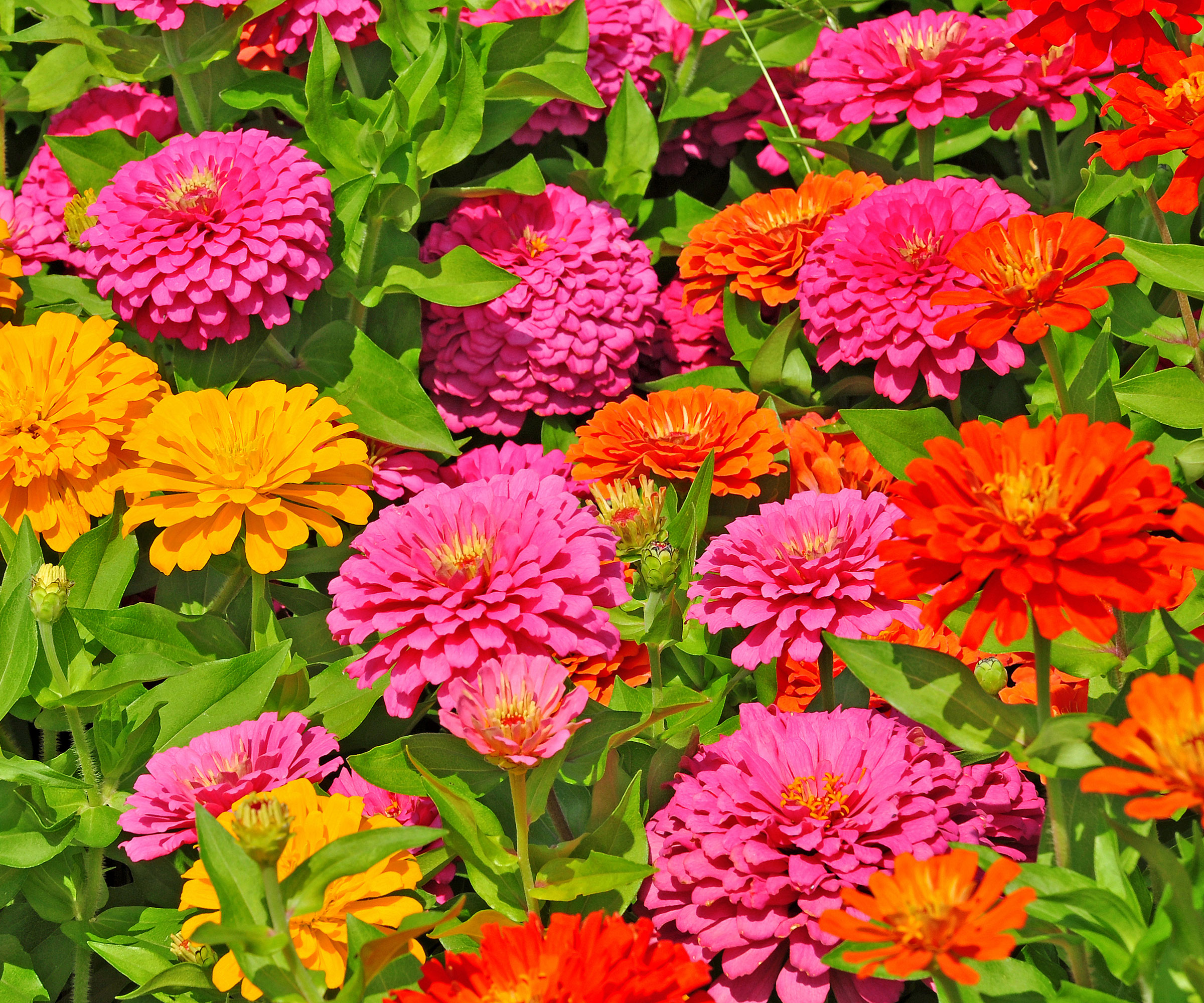
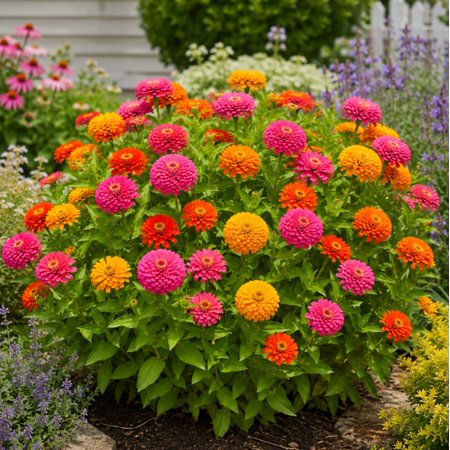
Zinnias (Zinnia elegans) germinate in warm earth faster than almost anything else, and direct-sowing from seed is still an option in the south. But northern and mid-country gardens will do best buying pre-grown nursery starts. Once established, zinnias take care of the show with very little fuss. All you need to do is keep deadheading fading blooms twice a week. This tells the plant to send up repeated blooms well into fall. Zinnias are starting to sell out in some places, but you can grab Meadow Decor California Zinnias from Walmart as pre-started plants for faster color.
Powdery mildew shows up on crowded plants late in the season, so leave room between plants and water strictly at the base. You can reduce the risk of mildew with a preventative spray like Arber Organic Bio-Fungicide Concentrate from Walmart. That way, you can keep your zinnia festival of color popping well into fall.
2. Rudbeckias
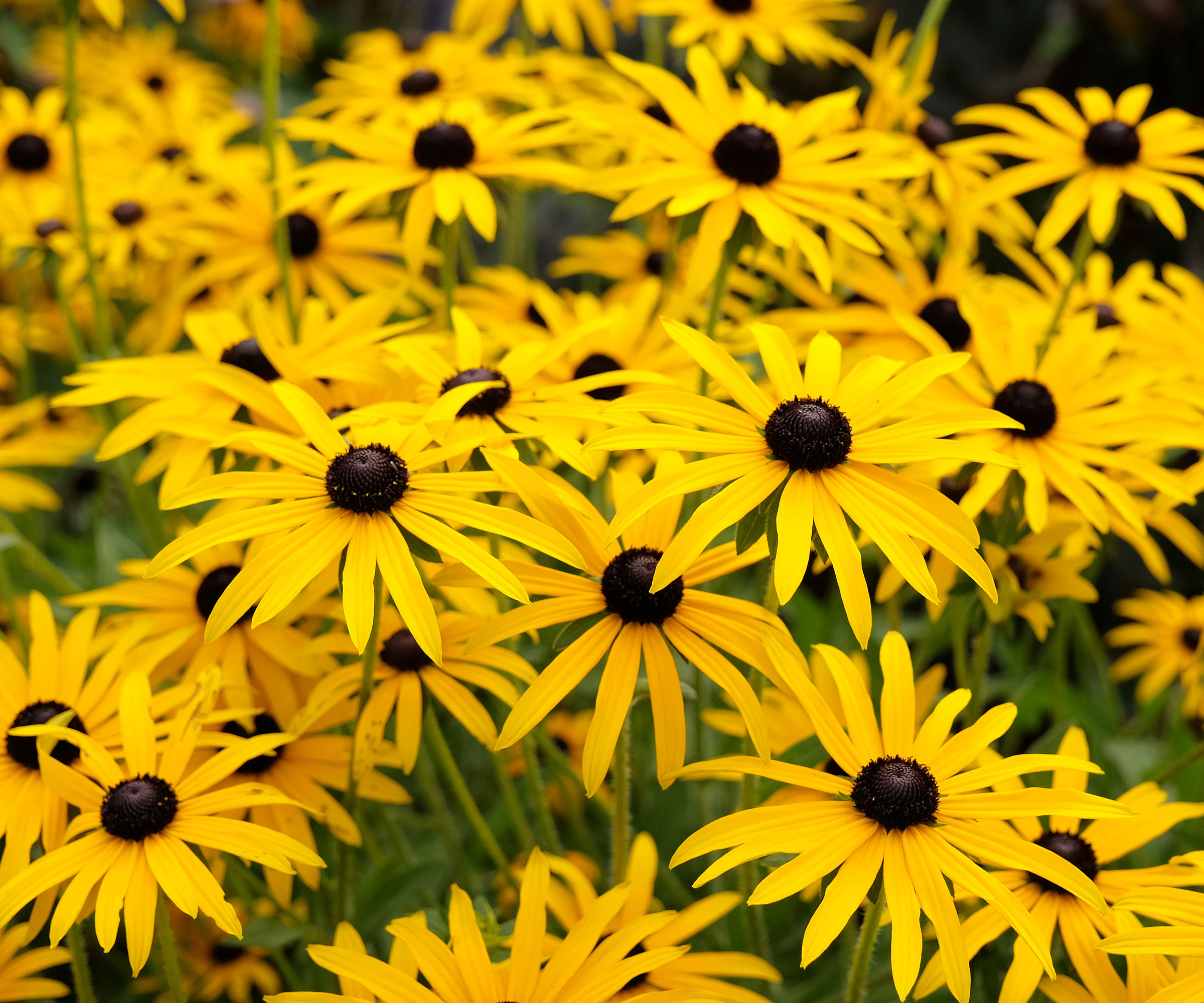
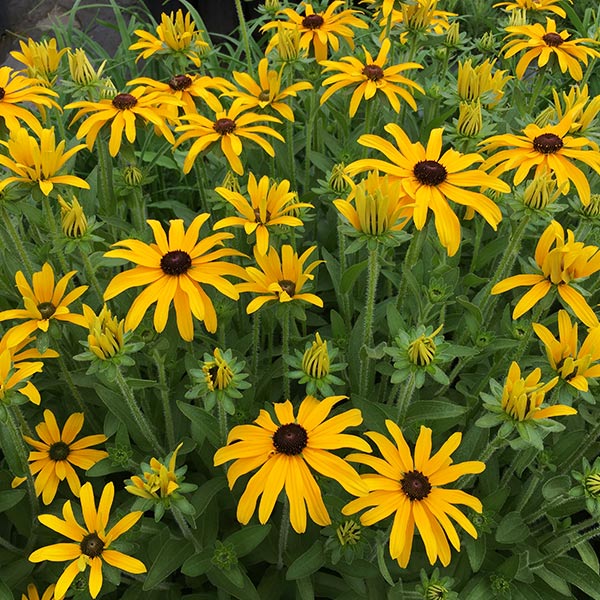
This is the one that comes back! Black-eyed Susan (Rudbeckia hirta) behaves as a short-lived perennial or a resilient biennial through much of the country. If you fancy a rush of yellow color that establishes super-fast and can also thrive in a large, late summer planter, Glitters LIke Gold Rudbeckia Plants from Nature Hills is a volume queen with brilliant structure. If you can find it, Goldsturm is another glorious fast bloomer for dominating shape and structure to rejuvenate collapsing borders.
To ensure these tough native relatives survive upcoming winter freezes, spread a two-inch (5cm) layer of Back to the Roots Organic Hardwood Bark Mulch from Amazon around the base after watering. This organic mulch insulates roots in erratic late-summer weather and seals in moisture. Roots need to settle before the ground cools, so keep watering after the flowers stop coming. Goldfinches will love stripping the seed heads in winter, and these golden flurries keep coming into October in a mild fall.
3. Lantana
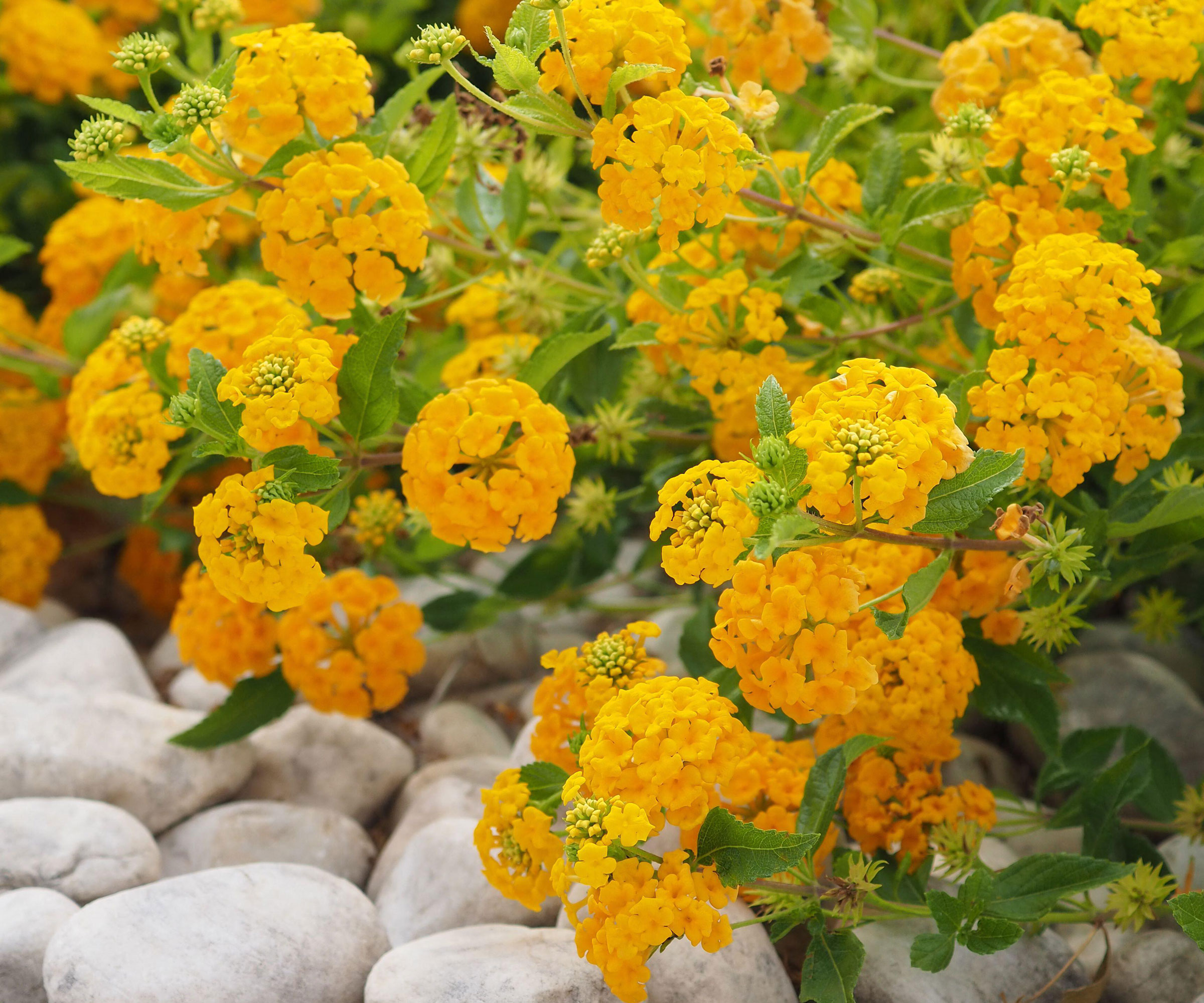
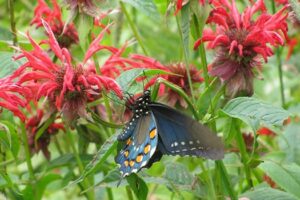
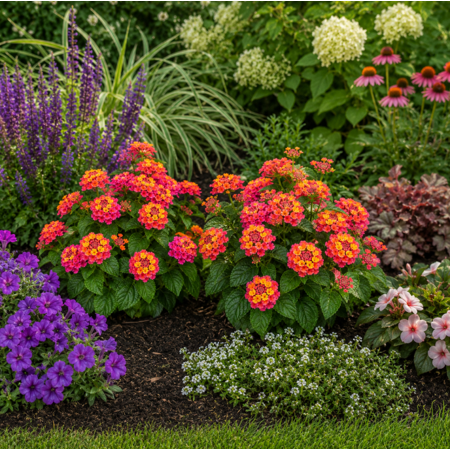
Heat is not a problem for lantana (L. camara). It flowers straight through the brutal heat of late summer that can flatten other bedding blooms. Add a nursery plant in August and it will keep going relentlessly until a hard freeze shuts it down. Check local guidance, though. The species has escaped cultivation across parts of the southeast and Gulf Coast, so choose non-invasive cultivars where restricted. For a frothy explosion of hot pink, orange and gold, you can pick up LA Tropic Irene Lantana from Walmart as a live plant bundle for a reasonable price.
Where it behaves, butterflies will work their fiery flower clusters all day long. This bloomer shrugs off drought once rooted, which matters when regular hand-watering tends to slip. Mounding varieties fill wide, empty gaps in days, smothering weeds under dense, dark-green foliage. If you are worried about invasive tendencies, try growing Bandana or Landmark Series Lantana in a large container or planter. They’ll add seasonal dazzle to patios with continuous, multi-colored blooms for weeks.
4. Mexican Sunflower
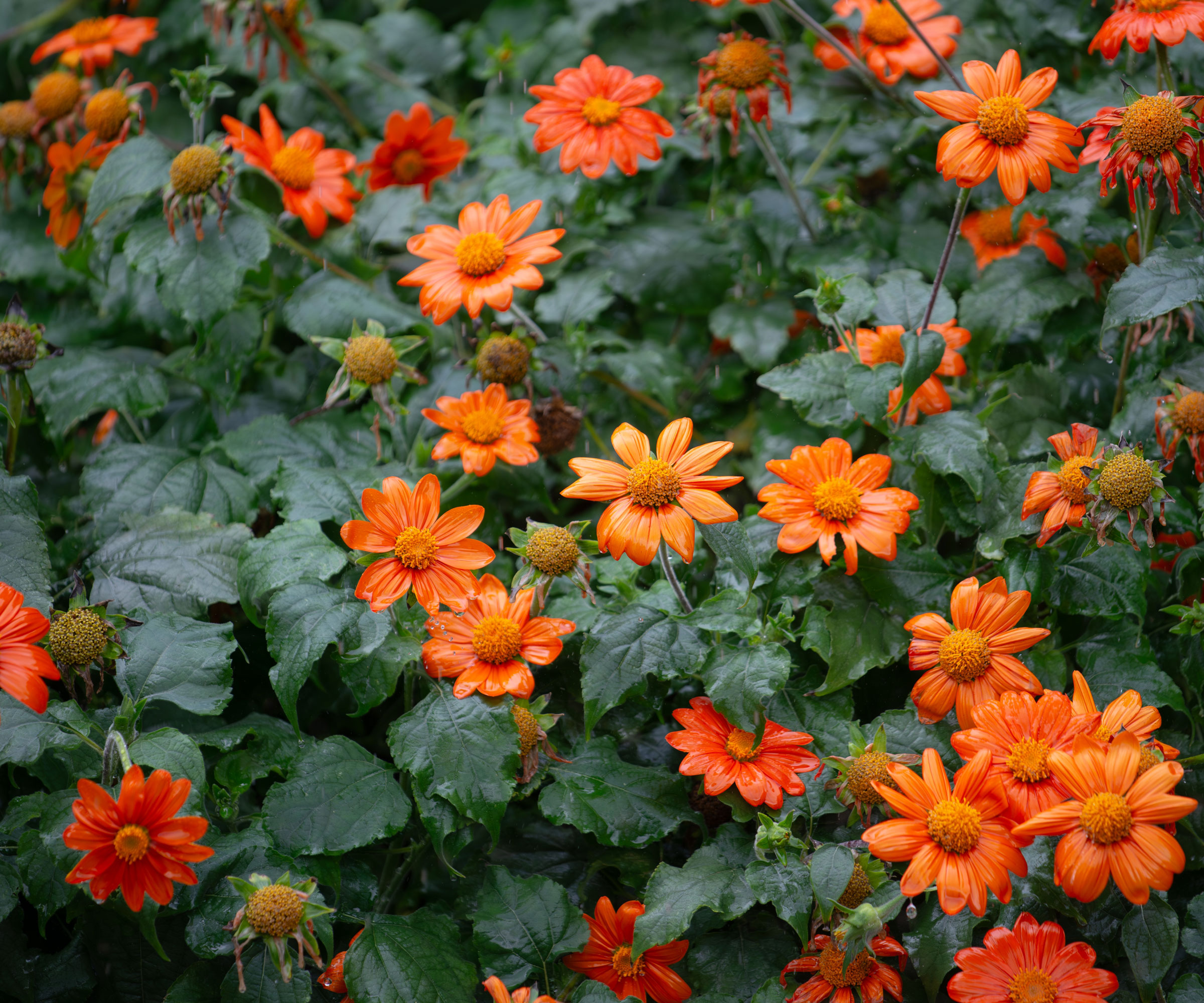
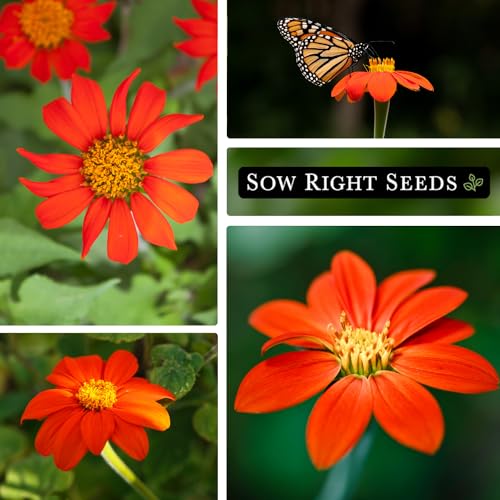
Mexican sunflower (Tithonia rotundifolia) puts on serious size in a hurry. A plant tucked into a gap now will be jostling against its neighbors by September. So give this one a decent space to fill, and it won’t let you down. With its glowing orange flowers, it is sure to draw in monarch butterflies during their fall migration. If you live in zones 9-11, you can still plant seeds if you hurry. Sow Right Seeds’ Mexican Sunflowers from Amazon will deliver a juicy shot of orange in warmer zones. For anywhere further north, buy this plant as an established start and set it deep.
Staking is worth considering in a windy spot, since tithonia’s hollow stems can snap in rougher weather. Adding some stakes is a smart move to protect their late-season height in rear-border gaps. Insert super-budget-friendly Lowe’s Bamboo Plant Supports alongside the main stems to protect them against late summer storms.
5. Mealycup Sage
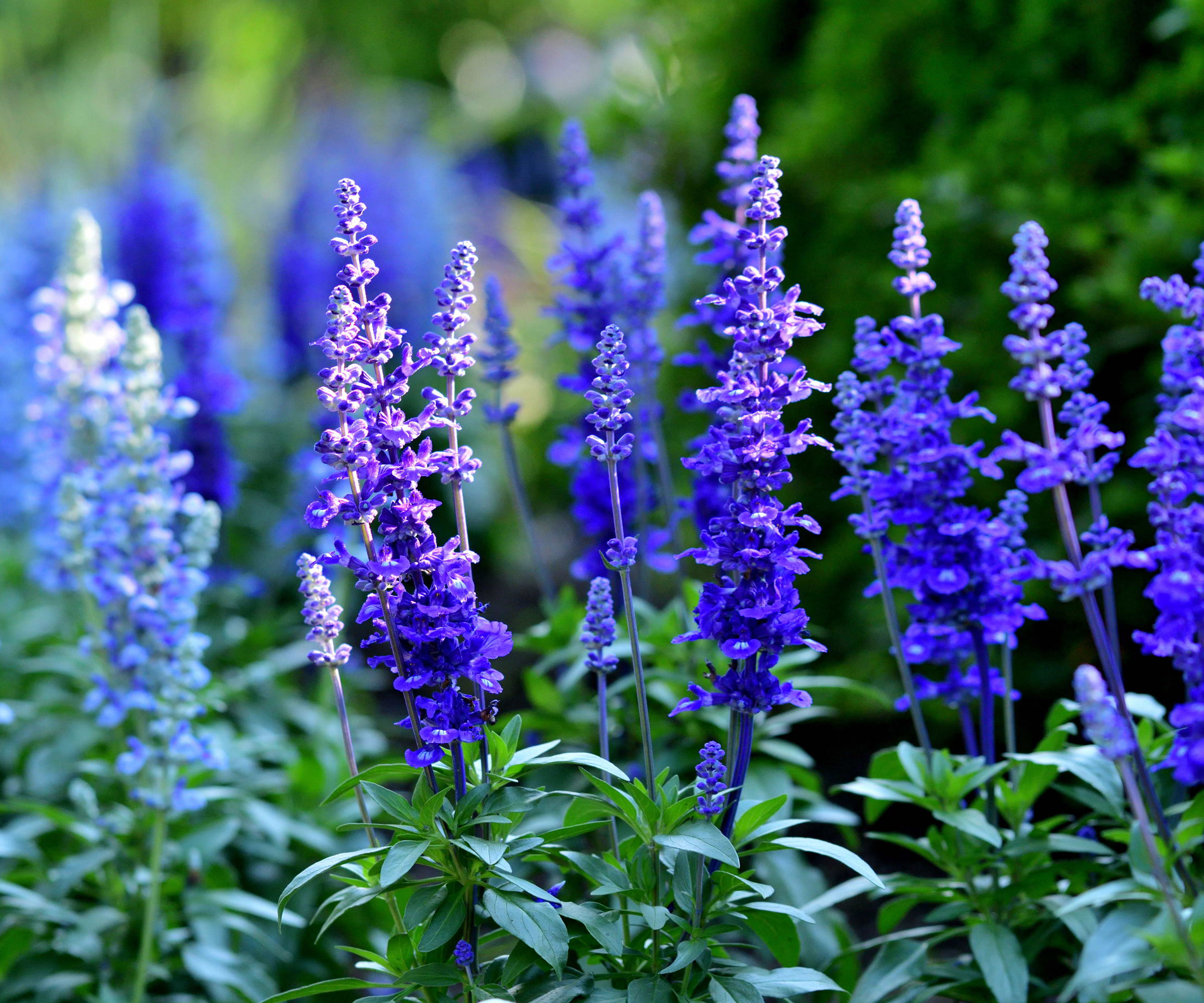
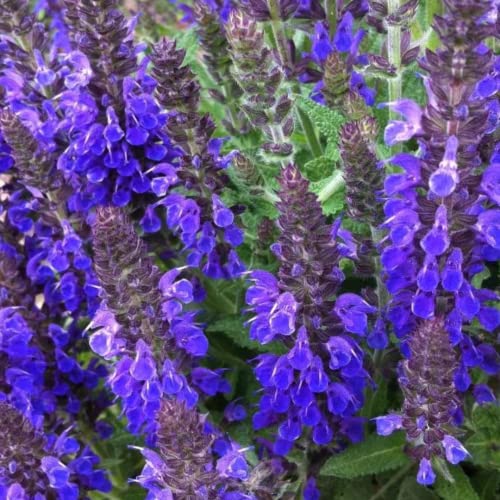
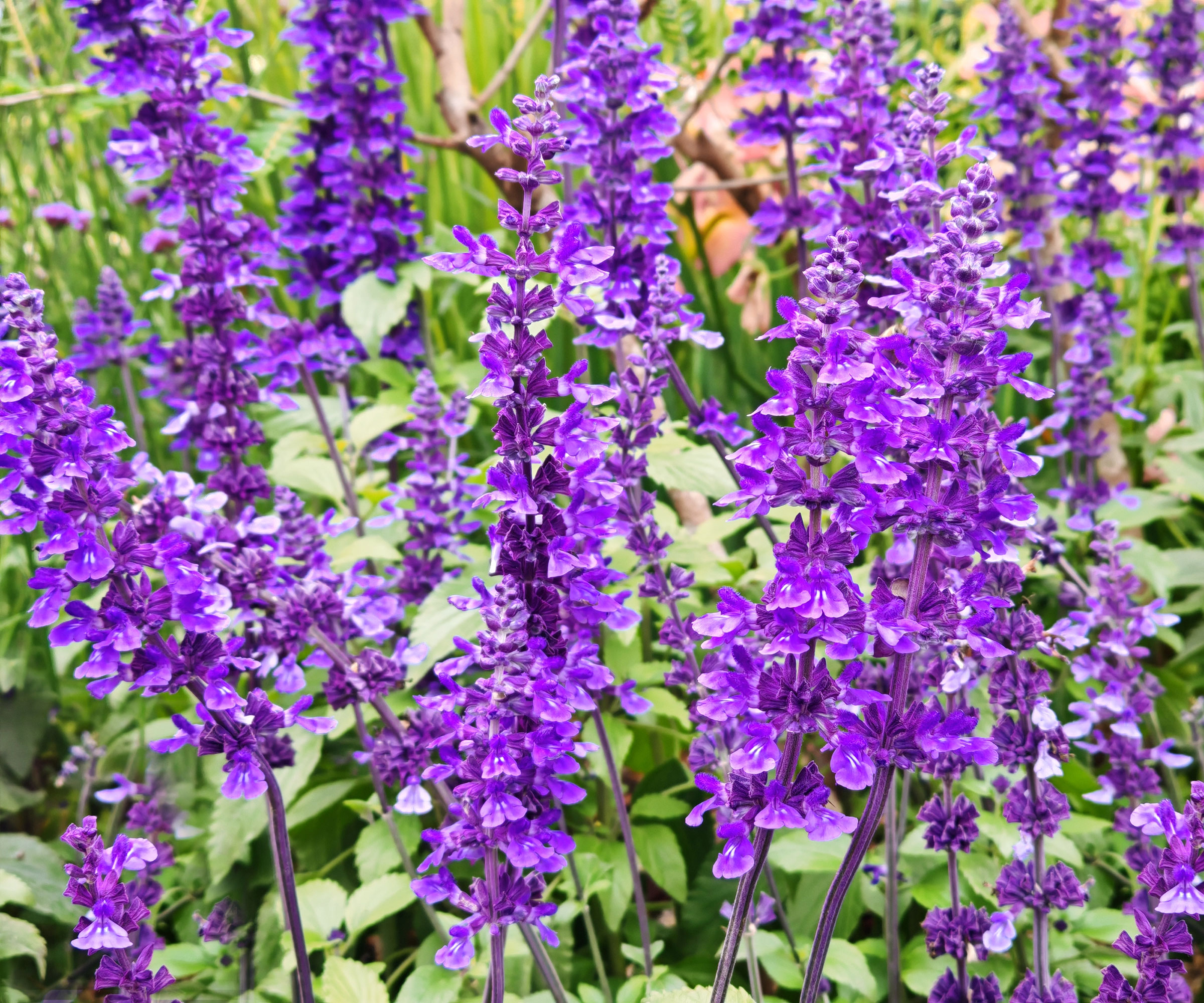
Blue is scarce in a late-summer border, which is reason enough to splash out on some dazzling mealycup sage (Salvia farinacea). This native’s spikes of intense color make a highly pleasing and intentional contrast against the oranges and yellows that predominate at this time of year. Salvia plants set out in August will flower within a couple of weeks and continue through the first light frosts. If you’re looking for a blast of lush blue that will establish quickly, DMOH Blue Salvia Live Plants from Amazon add hyper-rich intensity to displays.
Popular blue flowering choices include ‘Victoria Blue’ (pictured), which seem to glow in late summer borders. Bumblebees favor these salvia varieties over pretty much everything. This gap-filler handles dry spells once settled, so it’s fine if you forget the occasional watering. In zones 8 and warmer, it often returns the following year.
6. Cosmos
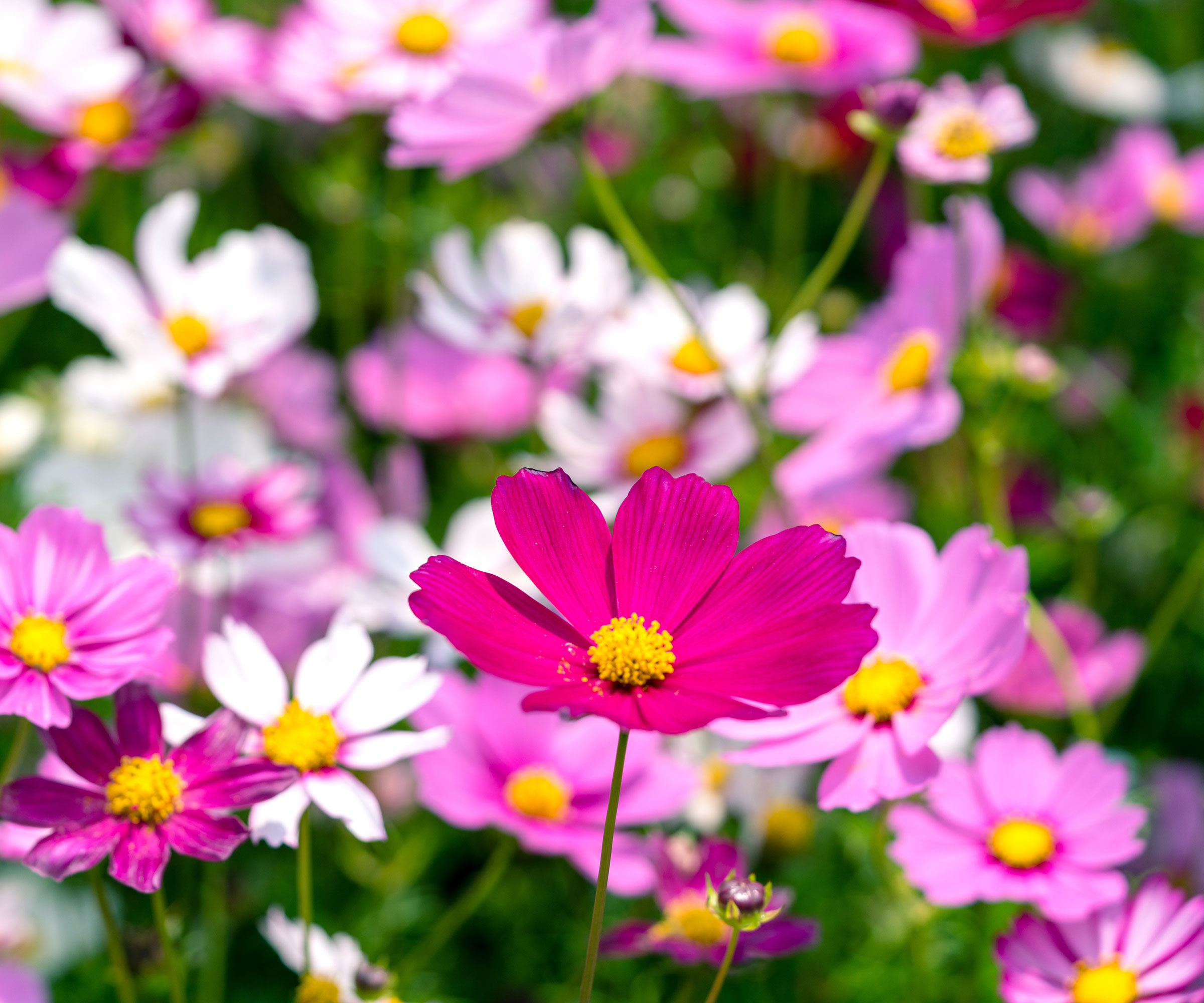
For a reliable flurry of dainty petals, often with the most intense pinks found in nature, cosmos (C. bipinnatus) is a champ in midsummer gaps. As a bonus, they require very little in the way of planting care. Plants given too much fertility run to heavy foliage and quit flowering, so varieties like Sonata are best in sandy, coarse spots. For a major talking point that will also work well in containers, try the sultry Cosmos Chocamocha by Sacred Roots Nursery from Walmart as pre-grown plants.
Bees and hoverflies work them constantly, which is part of the appeal this late in the year. Pollinators are still out in force long after the early-season buffet has closed. To keep these delicate, multi-branching plants producing continuous daisy-like blooms without pushing excess leaves, feed them a little liquid seaweed supplement every fortnight. Neptune’s Harvest Fish & Seaweed Fertilizer from Amazon delivers rich organic trace minerals for quick, continuous bud formation.
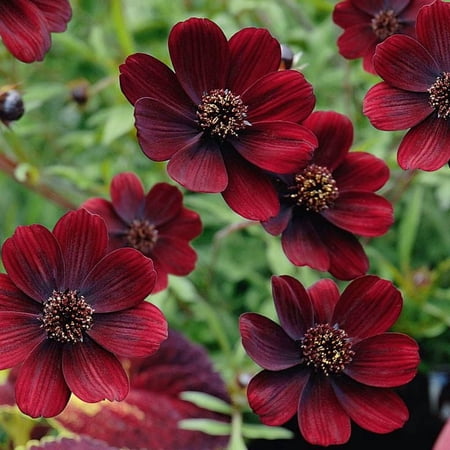
7. Calibrachoa (Million Bells)
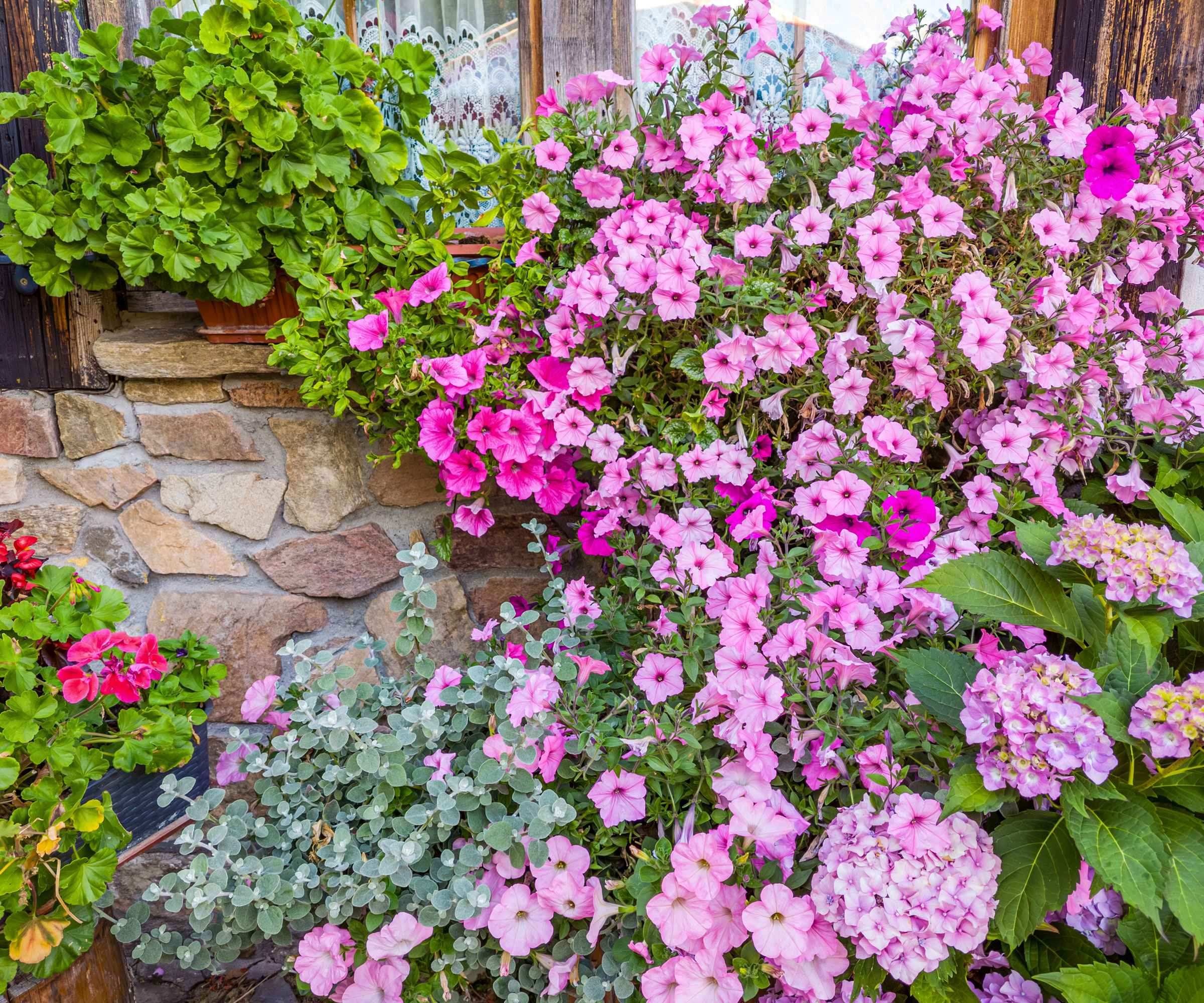
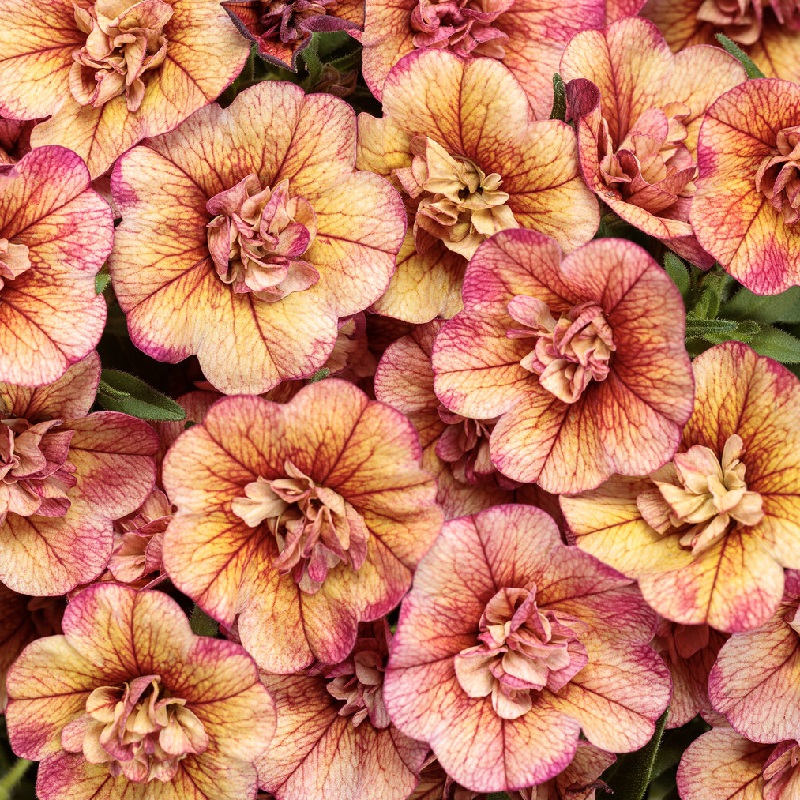
Not every gap is in the ground. Calibrachoa (Million Bells) fill midsummer holes that are opening up in containers and window boxes, when spring plantings have gone leggy and tired. They flower continuously without deadheading, which is unusual for such heavy bloomers. They are perfect for giving a refresh to tired porch pots, patio planters, and hanging baskets. For lush amber and purple flower heads, try Proven Winners Superbells Double Vintage Coral Calibrachoa from Plant Addicts.
Feeding matters more with container blooms, which tend to exhaust soil nutrients faster. Espoma Organic Bloom Concentrate, available from Amazon, is perfect for nurturing super blooms and keeping them coming well into the cooler season. Applied once a week, this feeding corrects any pale foliage fast, supplying the exact nutrient ratio needed to keep your bells cascading until late autumn.
8. Nasturtiums
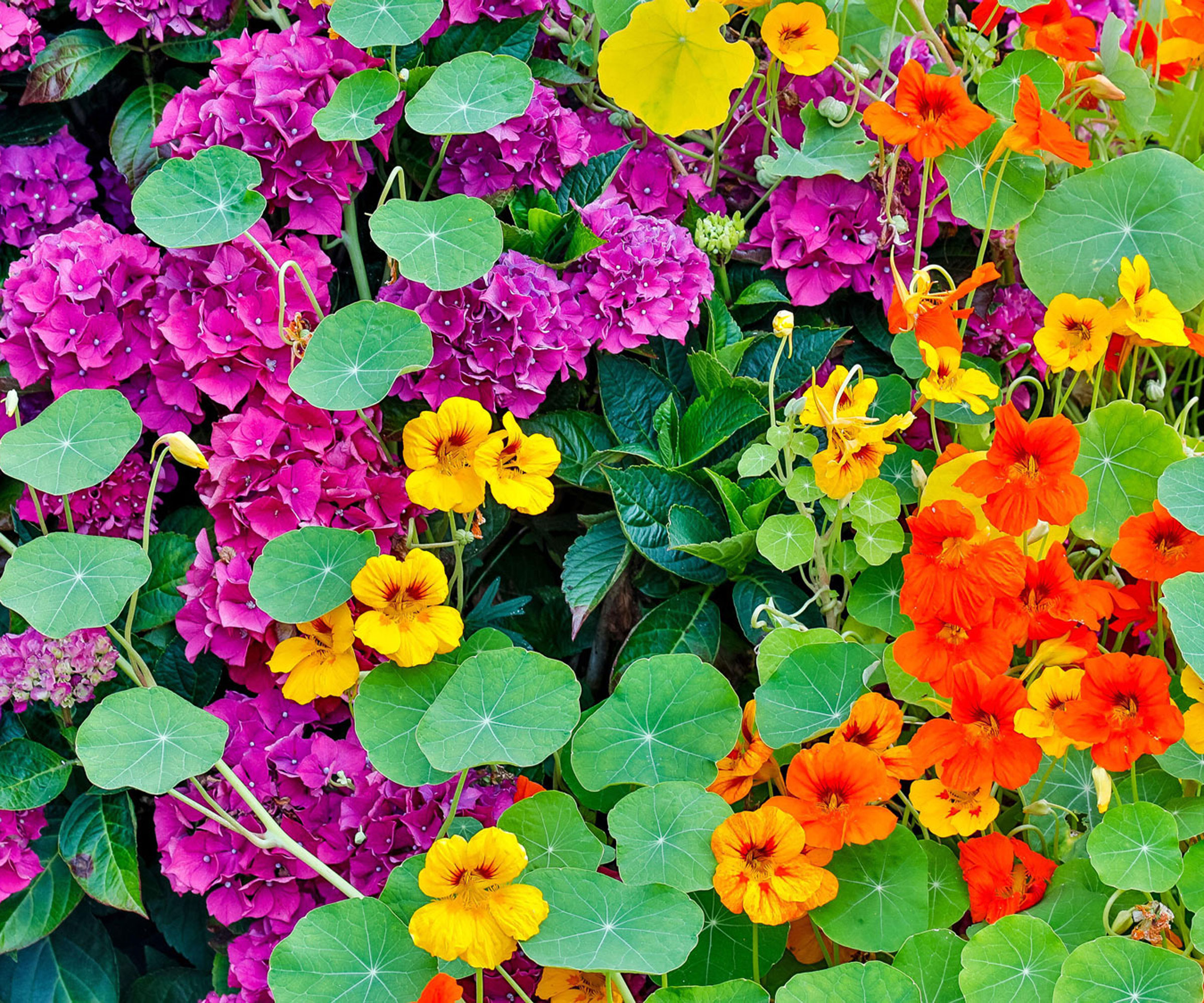
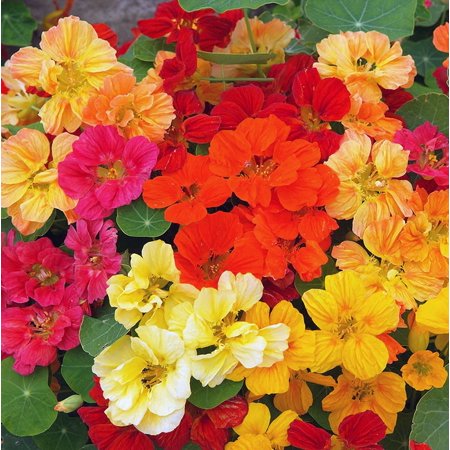
If you’re looking for a generous fast-gap filler that keeps local pests in hand and also doubles up as a spicy salad garnish, this late summer treat can fire on all cylinders. Nasturtiums (Tropaeolum majus) ask for almost nothing once in place. Poor ground actually suits them, since fertile beds push lush leaves at the expense of flowers. And planted near high-value crops, they pull aphids away and onto their own leaves. You can get lush dazzling Whirly Bird Mix Nasturtium Plants from Walmart for zingy brights and generous foliage that will cloak gaps in weeks and bloom on repeat.
Tucking this jewel into front-of-border gaps creates a rapid carpet of circular foliage that fills gaps almost as soon as planted. Should your nasturtiums attract a heavy colony of aphids while acting as a trap plant, you can manage the infestation gently using a gentle insecticide or horticultural soap. Keeping it organic means it won’t cause issues for any edible harvests or visiting pollinators.
A bed replanted with the right choices this month can often look better and brighter than those earlier flowers. Frost will eventually end the party, of course, but these jazzy bloomers set you up beautifully for that late-season spectacular. Personally, I think there is something wonderful to a season that goes out with fireworks, rather than trailing off quietly. So, grab a few healthy nursery starts, give them a deep drink, and get them in the ground right now.
Need more ideas for getting the most from your plants, indoors and out, and looking for the best seasonal expert advice delivered straight to your inbox? Sign up for the free Gardening Know How Newsletter!