I’m the sort of person who cries at adverts, so you’d best believe I’m always slightly heartbroken when a bromeliad finishes flowering. And can you blame me? After weeks – sometimes months – of those spectacular, colourful bracts stealing the show, it’s all too easy to assume the plant’s best days are behind it.
Fortunately, in a delightfully Sir Terry Pratchett-esque turn of events, the secret to coaxing more blooms may be sitting in your fruit bowl. Because, yes, there may be a way to encourage a bromeliad to bloom again, and it all involves our beloved bananas exploiting a new niche.
Don’t believe me? Well, consider this: in the wild, bromeliads are exposed to ethylene as fallen fruit ripens around them, and the gas can act as a signal that it’s time to flower. And where does ethylene gas come from?
Why, it’s a naturally occurring plant hormone released by ripening fruit, of course. Ripening fruit like (you guessed it) bananas.
How Bananas Can Encourage Bromeliads to Bloom
That’s right, folks; in the wild, these colorful houseplants are exposed to ethylene as fallen bananas ripen around them, and the gas can act as a signal that it’s time to flower.
To recreate this at home, gardeners often place a mature bromeliad inside a clear plastic bag with a ripe banana or apple for around seven to 10 days. The fruit releases ethylene gas, which may trigger the plant to produce a new flower spike over the following weeks or months.
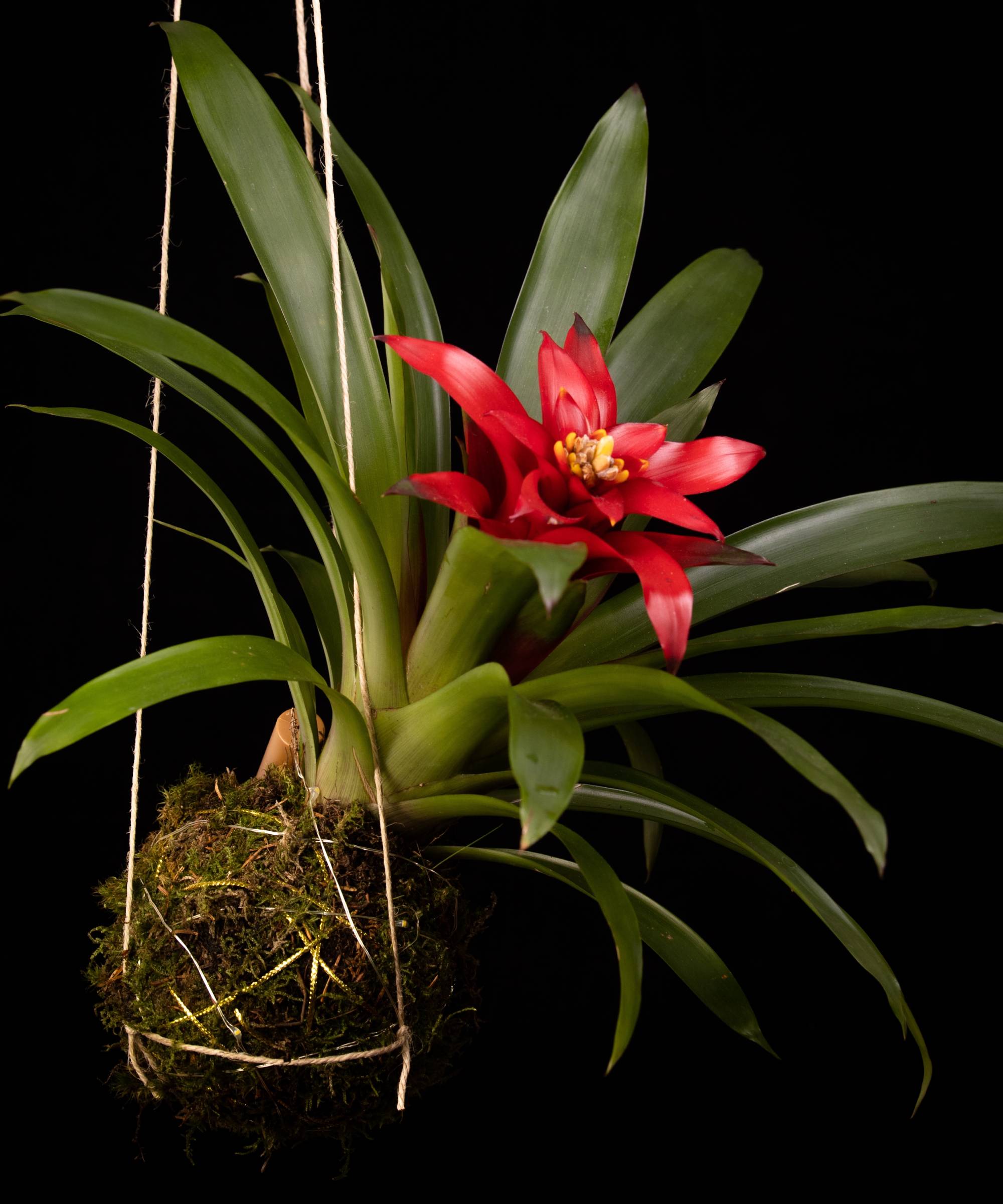
Patience is essential, however. Bromeliads are not quick to rebloom, and results can vary depending on the species, the age of the plant, and growing conditions. Bright, indirect light and consistent care will still play a major role in encouraging flowers.
It’s also worth noting that the original bromeliad rosette flowers only once in its lifetime. After blooming, the mother plant gradually declines while producing offsets, or “pups,” around its base. These pups can eventually mature and flower themselves, extending the life of your bromeliad collection for years.
Still, for anyone mourning the loss of their bromeliad’s colourful display, the humble banana might just be worth a try. And bromeliads aren’t the only plants where ripe bananas can influence flowering behaviour. In fact, ethylene is already used in commercial horticulture to help regulate flowering and ripening in a wide range of crops.
Shop Bromeliad Essentials:
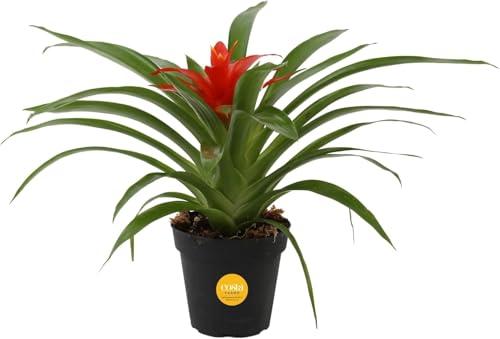
First things first, you need a healthy bromeliad to kick off your new houseplant obsession.
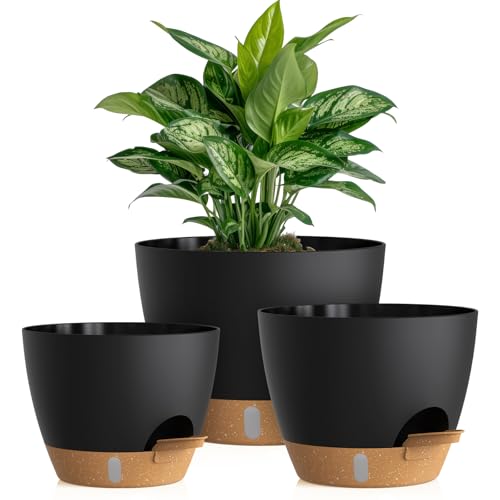
Make life easier for yourself with a self-watering plant pot (it saves a lot of heartbreak down the line).
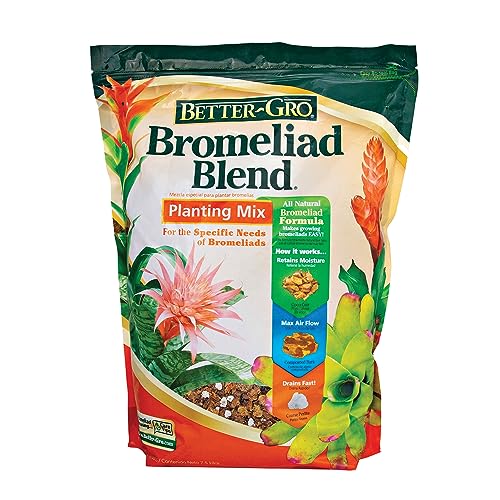
This soil mix maintains the ideal moisture level for bromeliads while also allowing for excellent airflow to the roots of the plants.
In some ornamental plants and tropical species, exposure to ethylene can help trigger or synchronise blooming, which is why gardeners sometimes experiment with placing ripe bananas near plants that are reluctant to flower.
That said, this is not a universal flowering hack. Many common houseplants and garden species won’t respond at all, and some can even be negatively affected by prolonged exposure to ripening bananas in enclosed spaces. Which means you should think of the banana trick less as a guaranteed solution, and more as a gentle nudge for plants that are already close to their natural flowering point.
For bromeliads, though, that whole “just add bananas” idea remains one of the more intriguing experiments. It’s probably not going to turn your kitchen into a tropical greenhouse of miracles overnight, sure, but it does make you wonder if, somewhere in the background, your plants are quietly taking notes every time you restock the fruit bowl.