Butterflies are some of the most delightful visitors to the garden. It’s a joy to watch them flutter through the yard, stopping here and there to sip nectar from your flowers. They’re also important pollinators, so it makes sense to take steps to attract them to and support them in your garden.
June is a time of peak activity for butterflies as they search out resources for food, mating, and egg laying. Unfortunately, many modern gardens are too sterile to support these activities, but a few tweaks now can make a big difference for the rest of summer.
A butterfly garden doesn’t have to be elaborate, large, or complicated. Just follow these simple tips to create a friendlier space for butterflies right in your backyard.
1. Plant Nectar-Rich Flowers
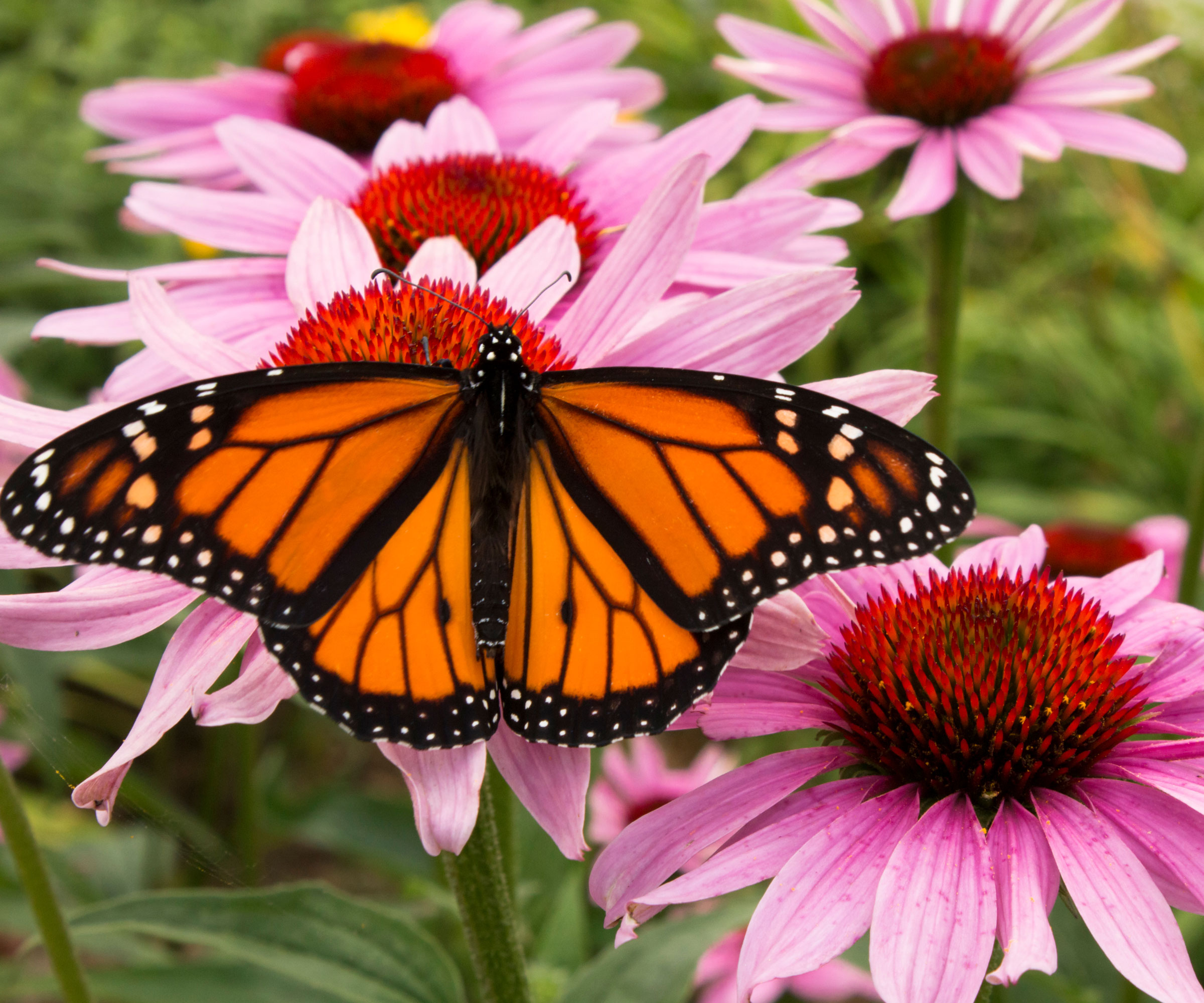
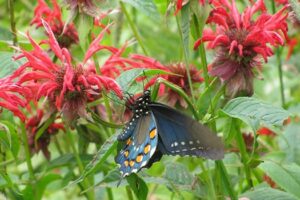
June-blooming flowers that are rich in nectar are a huge help to butterflies. Your yard will attract butterflies from all over if you offer up abundant blooms as a food source. Hopefully, you already have some perennials that feed butterflies, such as coneflowers, bee balm, cosmos, salvia, and black-eyed Susans.
If you still need more flowers or your space is limited, add some annuals that attract butterflies or fast-growing flowers for containers. Be strategic with how you plant flowers, both bedding and container plants. Butterflies will find them more easily if they’re grown in drifts and in the sun, as they prefer to feed in warm spots.
Explore a wide array of butterfly magnet plants from Jackson & Perkins online.
2. Grow Caterpillar Host Plants
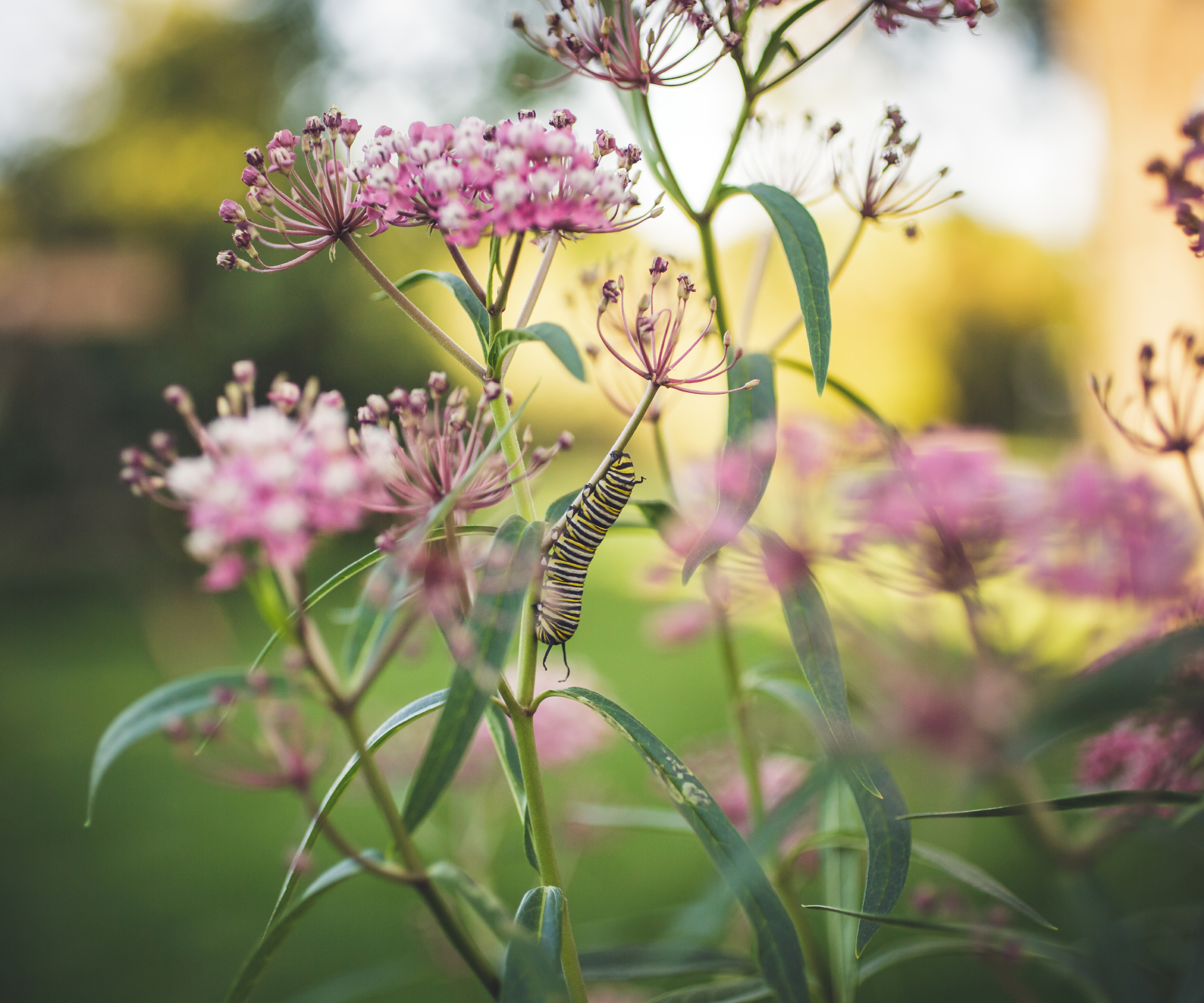
Your favorite local butterflies came from caterpillars. And in June, they’re seeking out specific native plants for laying eggs that will turn into more caterpillars and butterflies. Many species use only one or a handful of butterfly host plants, which their caterpillars will feed on once they hatch from their eggs.
Do some research on your area (your local extension office is a great resource) to determine which butterflies are native and the plants they use as hosts. Some examples include milkweed for monarchs, native violets for fritillaries, and spicebush for spicebush swallowtail butterflies. Some species need certain trees, so consider adding them for future seasons. For example, black cherry or tulip poplar trees for eastern tiger swallowtails.
You can get a variety pack of different milkweed seeds from Amazon.
3. Create a Puddling Station
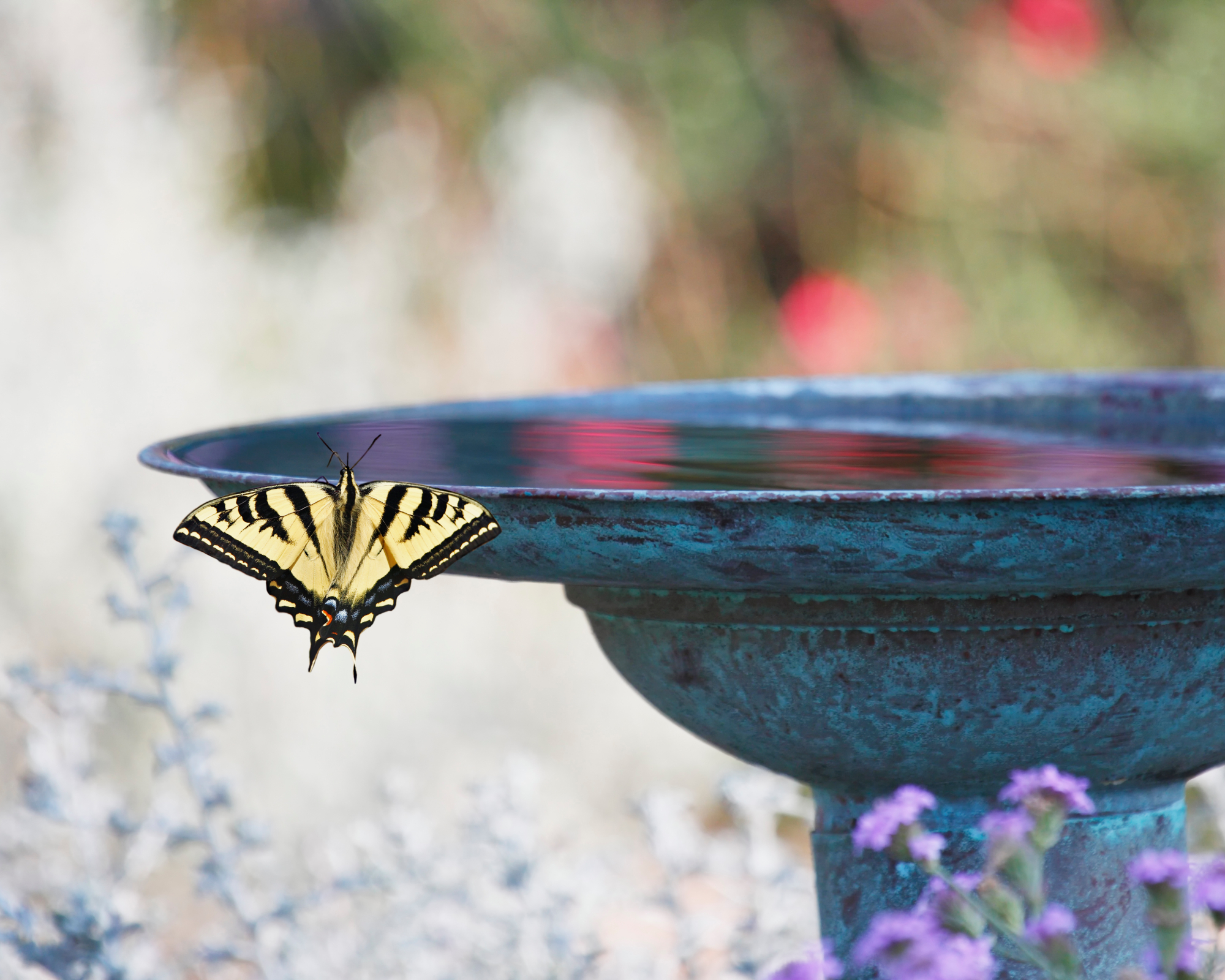
Just like birds, butterflies benefit from a water source in your yard, but a typical bird bath is too deep for them. A mineral-rich, shallow, ground-level source of water is ideal for butterflies. They need both water and minerals to survive and thrive.
You can make a puddling station by burying a shallow, wide dish in the soil of a bed so it’s flush with the ground. Fill it with sand or gravel and add water plus a little compost or sea salt. Place a few flat stones in the puddle as landing spots. Check the puddling station regularly and add water as needed to keep it moist.
As an alternative to a puddling station, you can place a dish of fermenting or rotting fruit. Like the puddle, this acts as a source of water and minerals.
This adorable butterfly puddler from Amazon will fit right into any landscape.
4. Provide Rocks for Sunbathing
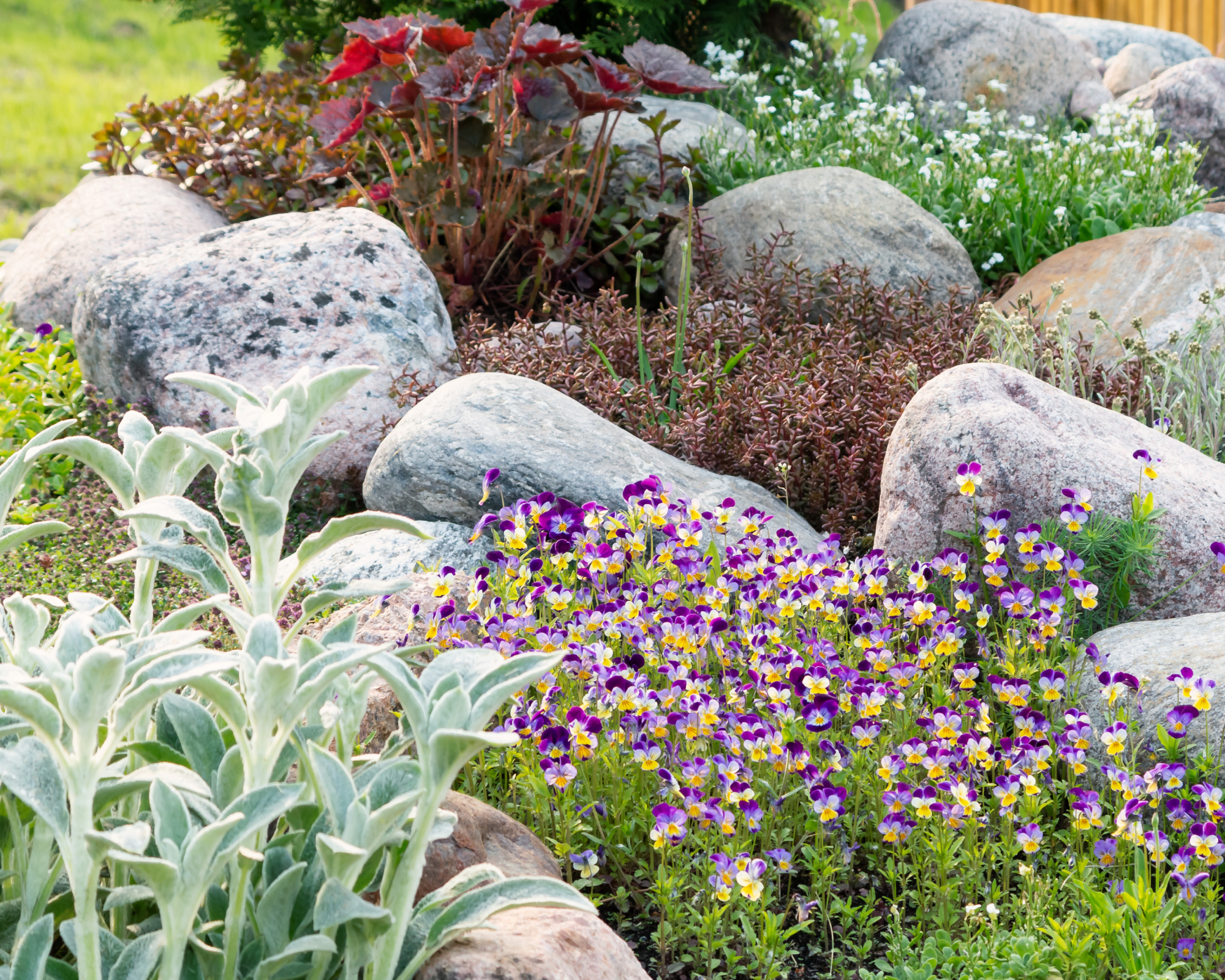
Butterflies rely on sunlight to stay warm, so they’ll look for flat, sunny surfaces to rest. Provide these areas by adding flat rocks to some of your flower beds. Make sure you have several of these that get sun at various times of day and that they are not too shaded by large plants.
Morning sunlight is particularly important for butterflies. They look for spots to bask early in the day in order to warm up and be able to fly and seek out food later in the day.
5. Make Your Yard Pesticide-Free
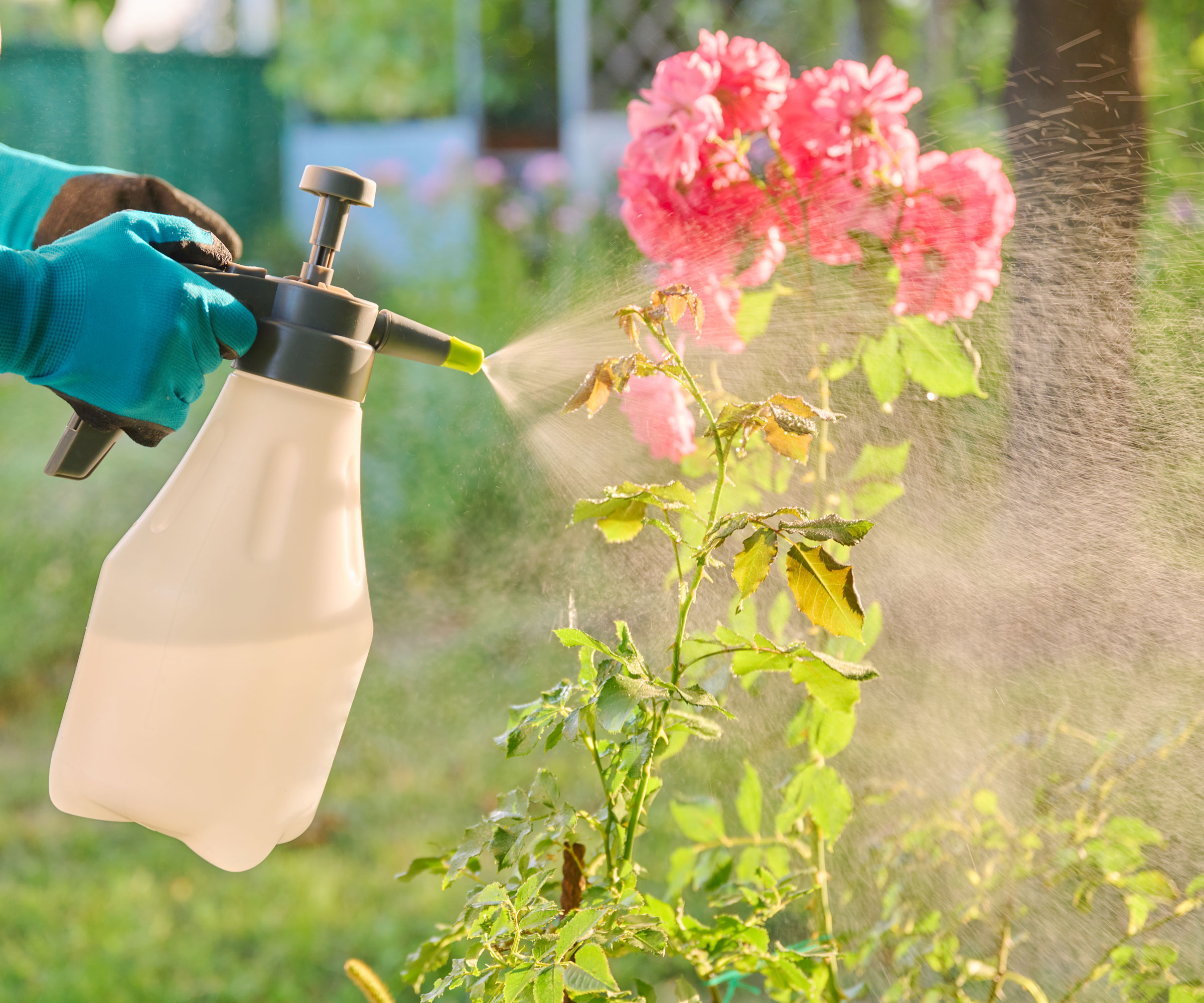
If you’re trying to support native species, especially beneficial insects like butterflies, it’s best to avoid pesticide use altogether. Most pesticides are generic, meaning they will kill all kinds of insects, not just the pests. June, when butterflies are very active, is a particularly risky time to use pesticides. They harm butterflies and caterpillars.
Instead of chemical pesticides, use non-toxic or safe and organic methods of pest control. For example, you can release ladybugs or praying mantises to prey on pest insects. You can buy predatory insects from Amazon that will control unwanted bugs in your garden, but leave beneficial insects unharmed. Or wash pests off plants with a strong stream of water, use traps, or hand-pick pests to avoid pesticide use.
By eliminating pesticides in your yard this summer, you’ll allow butterflies to complete their life cycle and produce the next generation.
6. Let Your Garden Go Wild
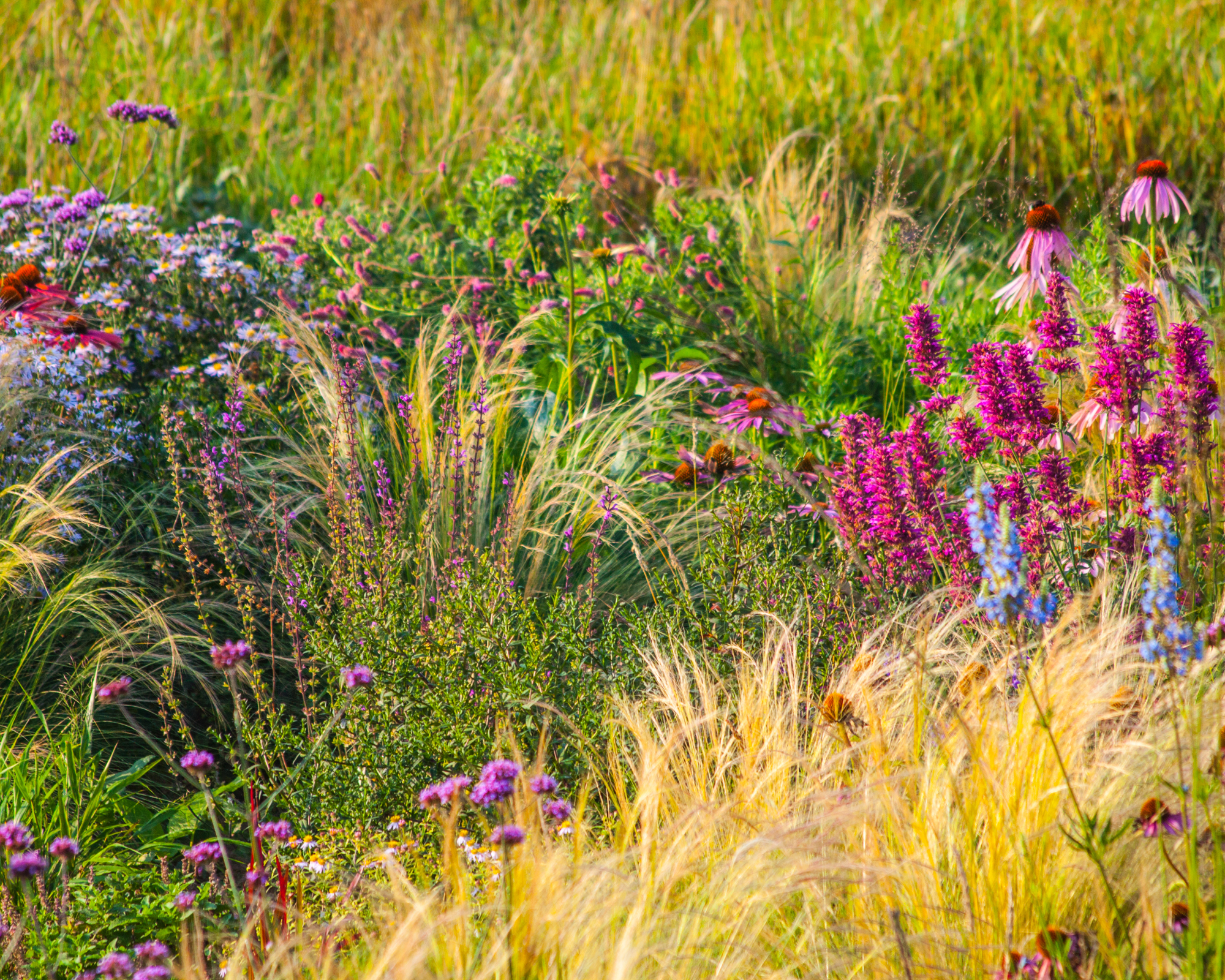
Leaving untidy corners in your garden or yard is a great way to support all kinds of native wildlife, not just butterflies. Depending on the size of your yard, you can create one or two wild garden corners. Don’t mow here and allow native grasses, flowers, and weeds to take over the space. Leave stems, branches, and leaf litter in place.
Butterflies will appreciate the native plants as well as the protected areas where they can rest and hide from predators. Some species will even overwinter in the debris in these wild areas.
These simple additions to your June garden aren’t hard to implement and the rewards are huge. More flowers, host plants, wild areas, puddling stations, and rocks help butterflies find food, lay eggs, rest, stay warm, and more. June is the perfect time to make these upgrades, so you can enjoy butterflies in the garden for the rest of the summer.