What will the new year bring for you and your garden? Are there things you want to change or achieve? Perhaps 2026 is the year you finally get on top of weeding your veg patch. Maybe you want to start growing vegetables or ditch the pesticides, or you’d like to make your garden wilder? If you don’t have a garden, how about turning your hand to growing house plants?
Stuck for inspiration? We’ve come up with 10 resolutions you might consider for the garden this year, along with tips on how to achieve (and stick to) them.
Browse our suggestions for new year gardening resolutions, below.
Grow (more) house plants

Growing house plants can improve air quality in your home, help to relieve stress and even aid concentration. Many are easy to grow. There’s a huge range to suit different locations: cacti and succulents do best in sunny locations, while tropical species tend to thrive in partial shade and a humid environment, such as a bathroom. Why not start with a few small plants and slowly build up your collection as you gain confidence?
- Buy house plants from Crocus
Use less plastic

Many of us want to use less plastic in the garden, from plant labels to watering cans, tools, plant pots, compost bags, and the sheeting used to suppress weeds. Buying (and therefore using) less plastic will not only reduce your plastic footprint, but will also send a message to manufacturers that gardeners want alternatives to plastic (especially single-use plastic). Some garden centres and wholesalers now let you buy compost in returnable or reusable bags.
- Buy natural jute matting from Crocus
- Buy biodegradable pots from Thompson & Morgan
Ditch the pesticides

Whether you grow your own food or not, gardening organically is much better for the health of your garden. By not using pesticides, you’ll provide a safe source of food for bees and other pollinators, as well as boosting insect numbers. This means more food for birds and other insect predators, which may then choose to nest in your garden.
Compost your waste

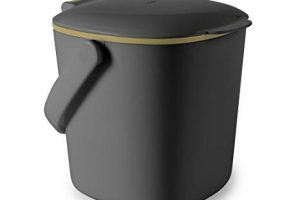
Homemade compost is invaluable in the garden, providing you with a fantastic soil improver and mulch, as well as wildlife such as bumblebees and slow worms with a place to live. It’s easy to set a compost bin up, whether you buy a ready-made bin or make your own.
- Buy compost bins from Thompson & Morgan
Save water

We gardeners use a lot of water to keep our plants healthy. If using mains water, not only does watering cost you money (if you’re on a meter), but potentially it can put pressure on water reserves, especially in dry weather. Installing a water butt or three can help you reduce your reliance on mains water. What’s more, some plants benefit from being watered with rain water. You can connect water butts to downpipes from the roof of your home, but also assemble guttering systems around the roof of your shed or greenhouse. The more water butts you use, the more water you save.
You can also save water by mulching around plants to prevent evaporation from the soil, using water-retaining crystals in container displays, avoiding using sprinklers and growing drought-tolerant plants.
- Buy water butts from B&Q
Keep on top of weeds

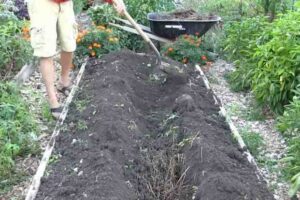
If left to get out of hand, weeds can quickly take light and nutrients from plants you want to grow. Regularly weeding around cultivated plants can help prevent weeds from growing too big, but few gardeners weed as often as they would like to. Just 10 minutes of weeding before you get started on more enjoyable garden jobs can really make a difference.
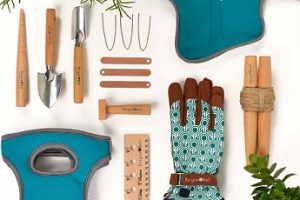
- Buy hand tools from Harrod Horticultural
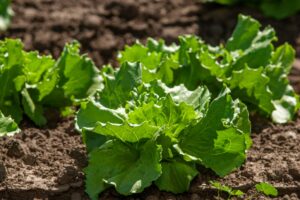
Grow more of your own food

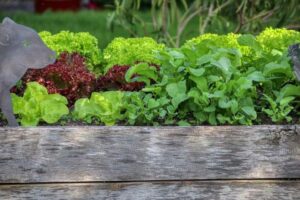
Few gardeners have the time or space to be completely self sufficient, but you may enjoy growing a few crops while being rewarded with home-grown veg. Start with easy-to-grow crops such as potatoes, courgettes and runner beans. But, if you’re an experienced grower, why not grow a new variety or two each year? Choose anything from a different variety of squash or bean, to more unusual crops such as sweet potatoes, yams and okra.
- Buy unusual vegetable seeds from Otter Farm
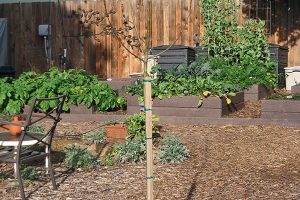
Plant a tree

The environmental benefits of planting trees are clear: trees absorb carbon dioxide, help reduce flooding and can also contribute to reducing urban temperatures. What’s more, if you choose carefully, your tree can provide food and shelter for wildlife.
Welcome wildlife

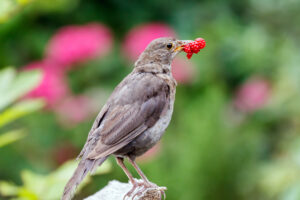
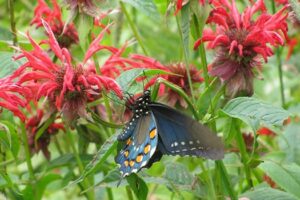
Whether you decide to feed the birds, dig a pond, plant flowers for pollinators or let areas of your garden grow wild for hedgehogs and other small mammals to take shelter, welcoming wildlife to your garden is hugely rewarding. Many species are declining and by gardening for wildlife we can help to boost their numbers.
- Buy a hedgehog box from Crocus
- Buy an Observation Bee Hotel from NHBS
- Buy a swift box from Peak Boxes
- Buy bee-friendly plants from Rosybee
Go peat-free

Peat-based composts involve the removal of peat from peat bogs, which destroys wildlife habitats while releasing carbon into the atmosphere. Peat-free options are made using bark, wood fibre, wool and coir. While peat-free options have been hit-and-miss in the past, new mixes are proving popular with gardeners, and include seed-sowing and ericaceous formulas. So, why not give it a try? When buying compost, simply check the label to make sure it’s peat-free, or buy online.
- Buy SylvaGrow peat-free compost from Crocus
- Buy Wonderfuel peat-free compost from Quality Garden Supplies
- Buy RocketGrow peat-free compost from Dobies