Many leafy plants we now grow as houseplants evolved in hot and humid rainforests which is why, now fall’s here and the heat’s turned on, the dry air in our homes is leading to less-than-lovely foliage. So, if you’re wondering how to keep houseplants healthy in winter so you can enjoy lush, glossy leaves, you’re not alone. Thankfully, a humidity tray is the quick and easy DIY solution that will speed your houseplants back to happy in time for the holidays, and it won’t cost you a dime.
It’s a cruel fact that it’s the plants with the biggest or boldest leaves that struggle most in the dry air of our winter-heated homes: adapting to life in a rainforest is exactly why the foliage is so fabulous in the first place. Beneath a dense forest canopy, sunlight is a precious commodity so some plants like Elephant Ear (Alocasia) grow huge leaves to catch as much light as possible. Others such as peace lilies has foliage densely packed with chlorophyll to absorb as much of the scarce light as possible, and that’s what creates their intense, deep green hue. Some like Calathea have purple or red undersides to their leaves precisely so that precious light gets bounced back into the leaf.
So, if you want to enjoy these dramatic leaves at their best, you have to provide these houseplants with the humidity level they need to flourish. Any plant likely suffering from a lack of humidity at this time of the year is easy to spot, starting with any houseplants with brown leaf tips or edges, smaller or discolored leaves, or slow growth. Now, to restore these ailing houseplants to lush, glossy growth, you could treat them to a small humidifier like the Homedics Humidifier from Amazon. Or you could simply DIY a humidity tray with stuff you’ve probably already got in your backyard.
How to DIY a Humidity Tray
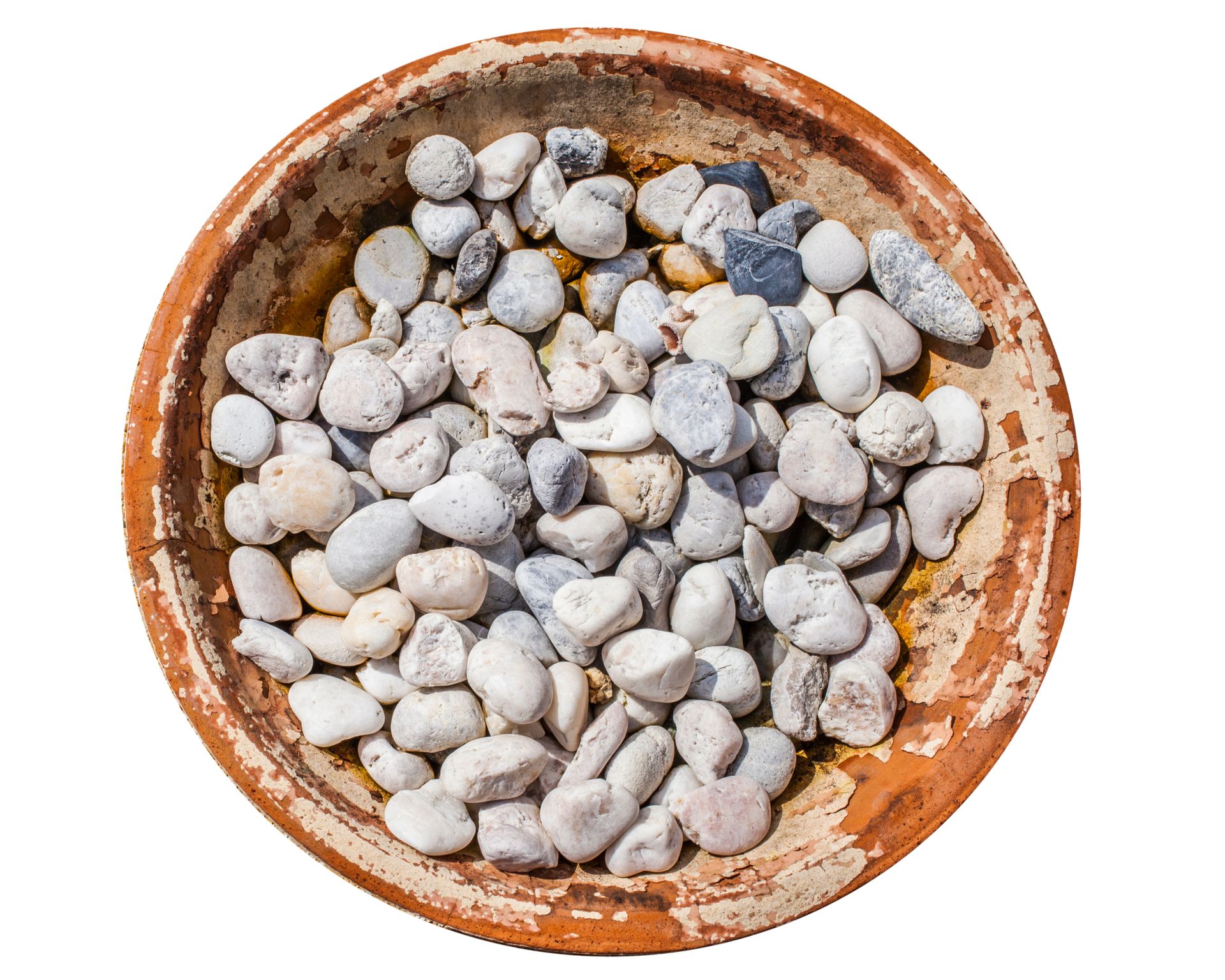
A humidity tray, also called a pebble tray, is a shallow container that’s wider than the plant pot it serves, filled with small pebbles and water. The plant pot sits on the pebbles above the water level so instead of water being pulled up into the potting soil, it evaporates into the air. The higher the heat in your home, and so the drier the air, the more water evaporates to create a humid microclimate around your houseplant.
An old plant saucer is perfect, or if you’d like something more decorative for your houseplant display, look in your kitchen cupboards for a deep plate or shallow dish. Fill this with fine gravel or small pebbles – pea gravel is perfect and you can buy bagged pea gravel pebbles from Home Depot very cheaply if you don’t have a gravel path or driveway to raid.
Then simply stand the plant pot on top of your DIY humidity tray and keep the water topped up, making sure the water level stays below the base of the pot.
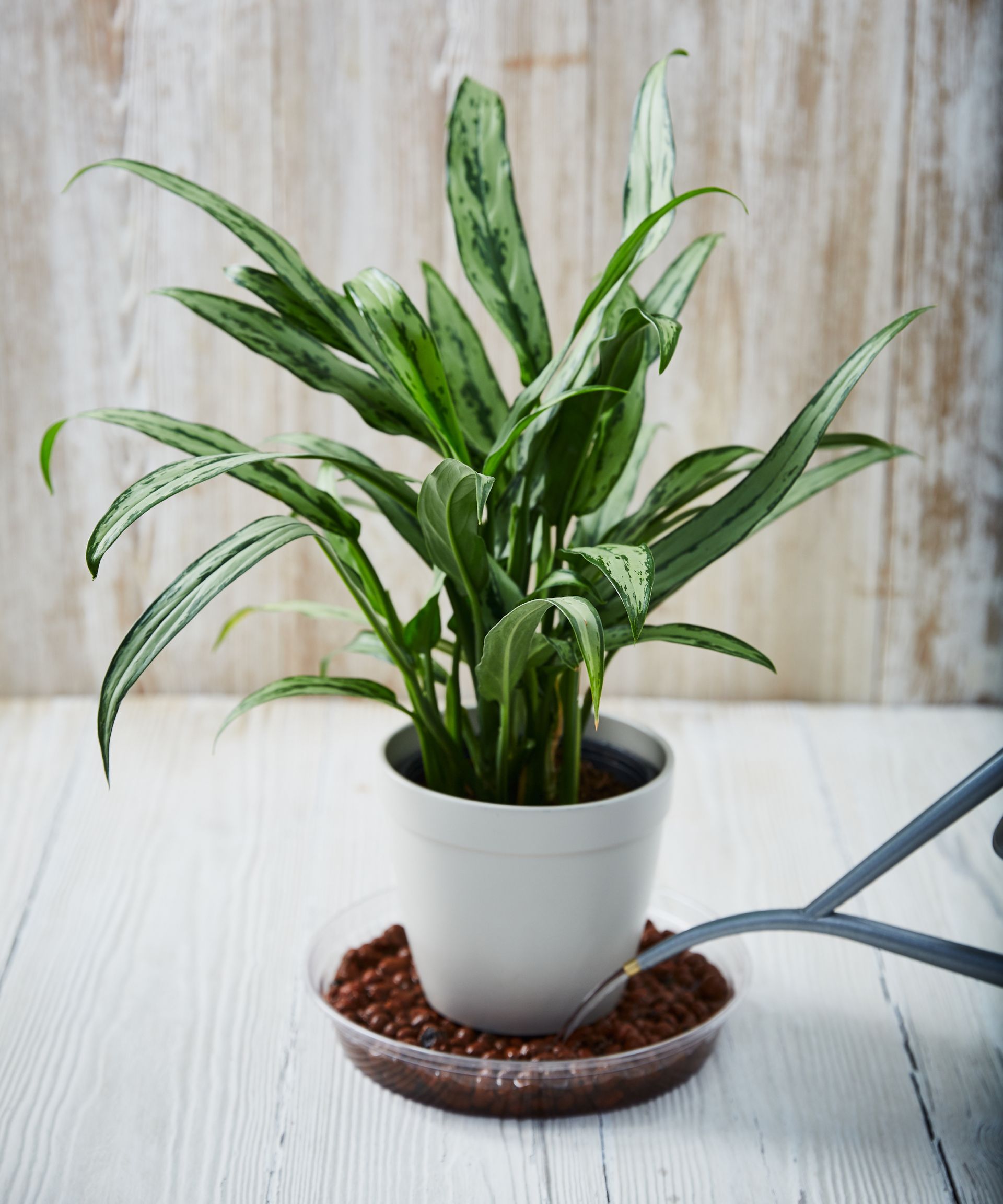
Grouping your houseplants together will also help to raise the humidity. Clustering plants together creates an indoor microclimate because the water vapor that’s lost through the leaves diffuses more slowly – and this effect is amplified if even one or two of the grouped houseplants have humidity trays.
Which Plants Need Humidity Trays the Most?
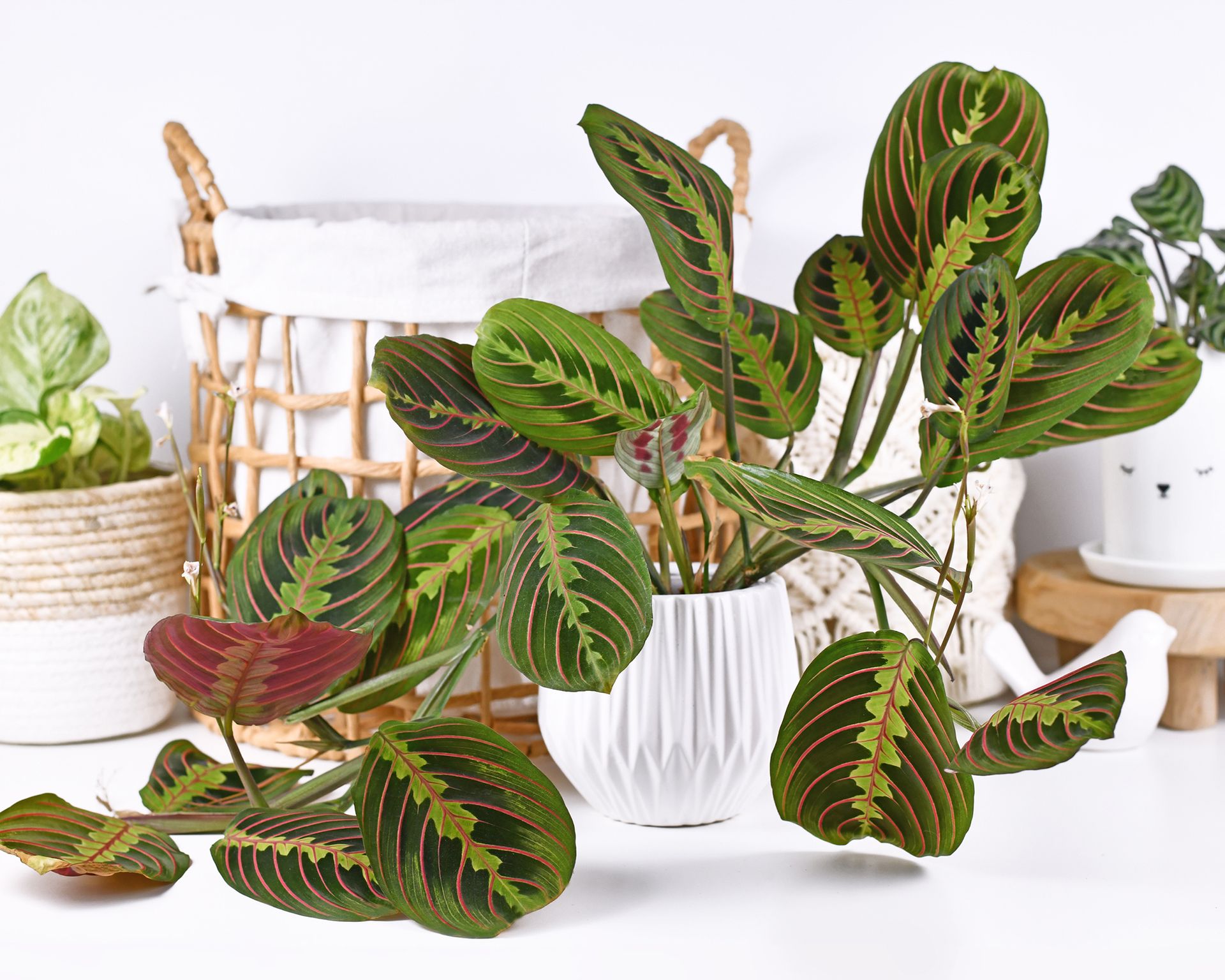
Houseplants that have evolved to live in the damp environments of rainforests and woodland are most sensitive to humidity. These common houseplants all thrive in 55-80% humidity and will benefit from a DIY pebble tray:
- Boston ferns (Nephrolepis exaltata)
- Maidenhair ferns (Adiantum)
- Elephant ear plants (Alocasia and Colocasia)
- Prayer plants (Maranta)
- Calatheas (Calathea)
- Anthuriums (Anthurium)
- Nerve Plants (Fittonia)
- Orchids (including Phalaenopsis and Dendrobium)
If you grow any of these houseplants, then a $5 room thermometer like this from Amazon that measures humidity levels as well as temperature, and records the minimum and maximum levels in the past 24 hours, is a really useful tool. You’ll be able to see exactly what the humidity levels are and, if they’re too low, take action before the plant tells you it’s an issue with brown leaf tips. Already made the plant a pebble tray? To raise the humidity further, simply DIY a wider one to increase the surface area of water available to evaporate.
What Other Plants Benefit From a Humidity Tray?
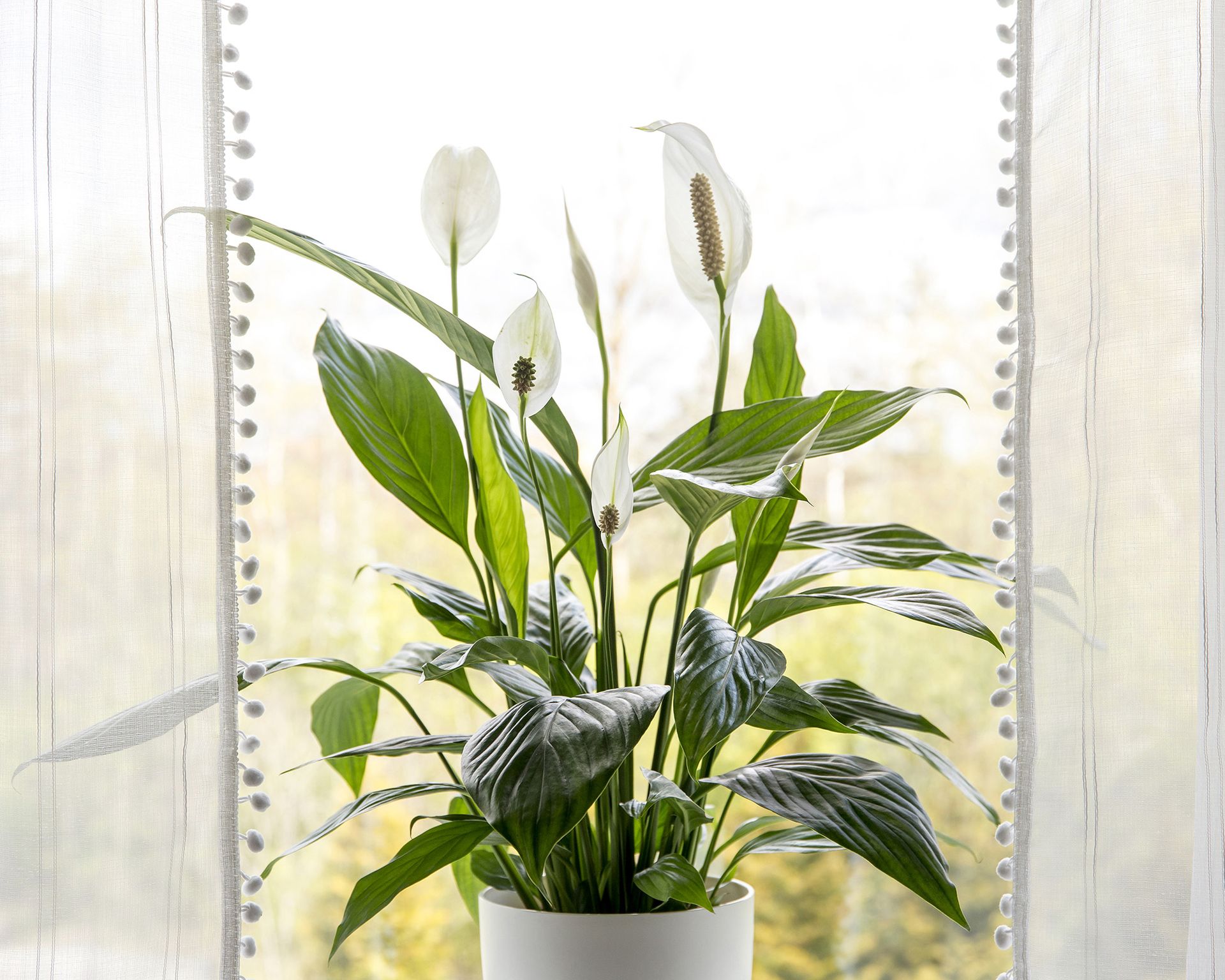
Many more adaptable houseplants won’t be as dramatic about a less-than-ideal humidity level, but add a little more moisture to the air and they’ll grow faster and produce bigger leaves with a better color and shine. Making a DIY pebble tray will help all these plants to flourish:
- Peace lilies (Spathiphyllum)
- Monsteras (Monstera deliciosa)
- Spider plants (Chlorophytum comosum)
- Snake plants (Dracaena or Sansevieria)
- Pothos (Epipremnum aureum)
- Philodendrons (Philodendron)
These plants all thrive in humidity levels of 40-60%. While that’s likely within the average humidity of a home in summer, it’s a different story in winter. Because cold air can’t hold as much water, and home heating dries it further, home moisture levels typically drop to 20-40%. While that lack of humidity isn’t enough to kill these adaptable plants, it will certainly prevent them from looking their best.
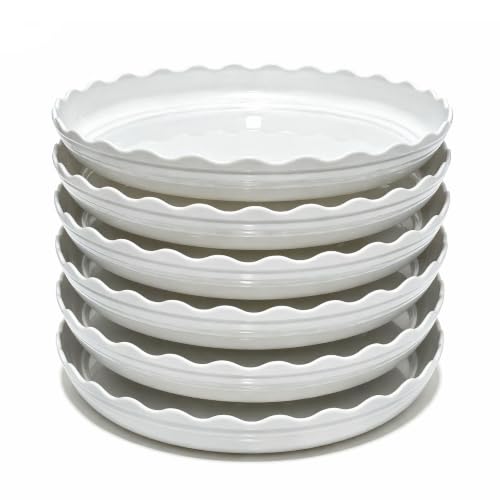 10″ Plant Saucers
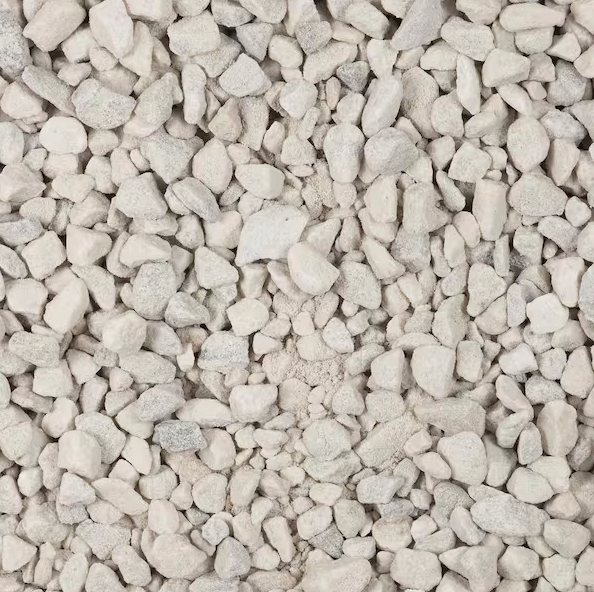 Perfect Pebbles
 No-Splash Watering
What are the Signs My Houseplant Needs a Humidity Tray?
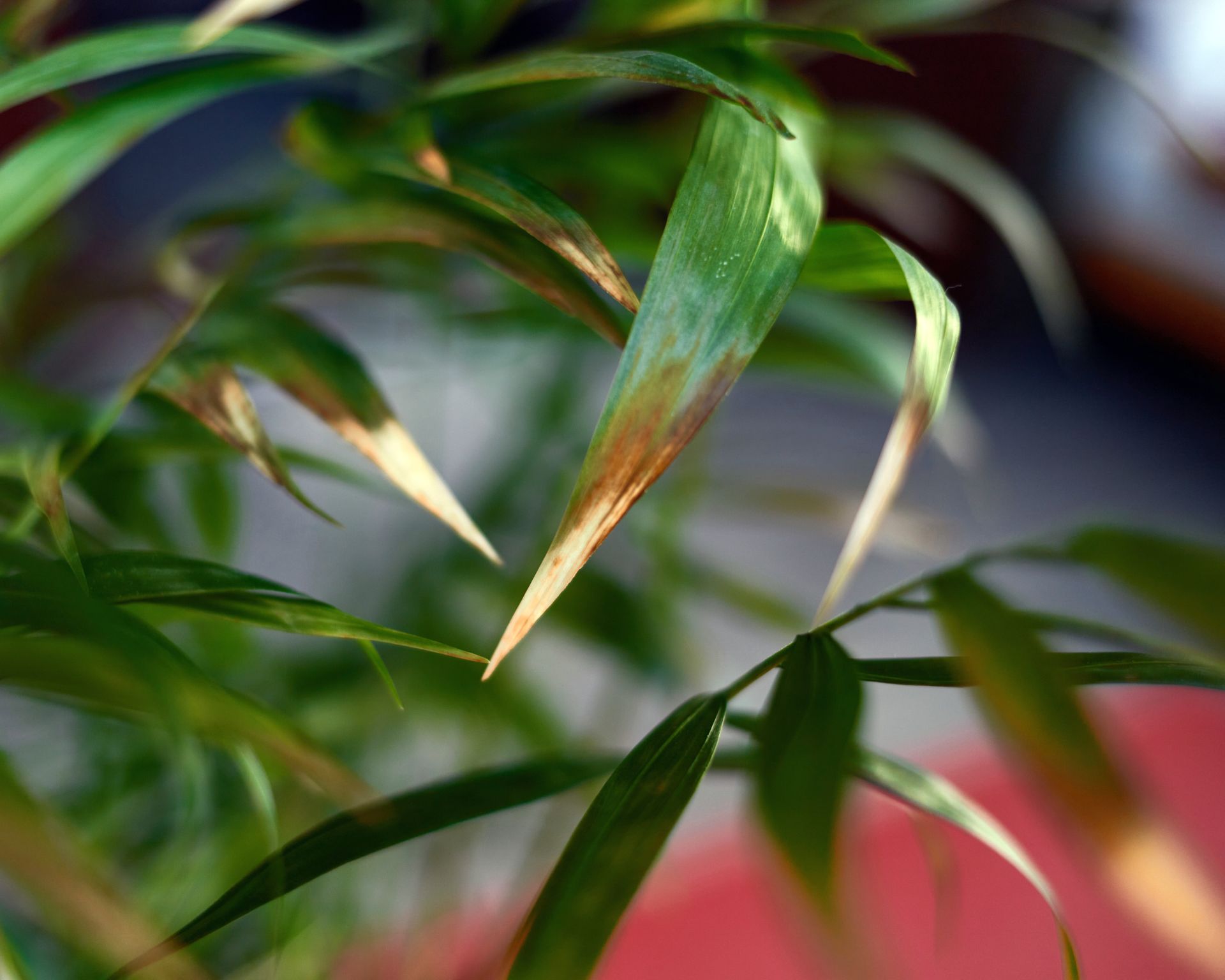
Leaves with brown tips and outer edges are the most common sign that a houseplant is struggling in low humidity levels and is losing moisture from its foliage faster than the roots can replace it. All plants release water vapor from tiny pores on their leaves and, in dry air, that moisture is sucked out at a faster rate. The plant parts furthest away from the roots supplying the water are the first to run out of moisture, which is why leaf tips are the first to dry out to a crispy brown. At this time of the year, it’s very common to see houseplants with long, narrow leaves like spider plants with brown leaf tips. Low humidity is also an easily-avoided reason why peace lily flowers turn brown.
There are other symptoms to look out for too, such as slow growth and smaller new leaves. While many plants naturally produce aerial roots, if you spot a sudden escalation in their number, the houseplant is likely seeking more humidity. And if you find that the potting soil dries out super-quickly after watering, too-dry air may be the cause.
Why Humidity Trays Work Better Than Misting
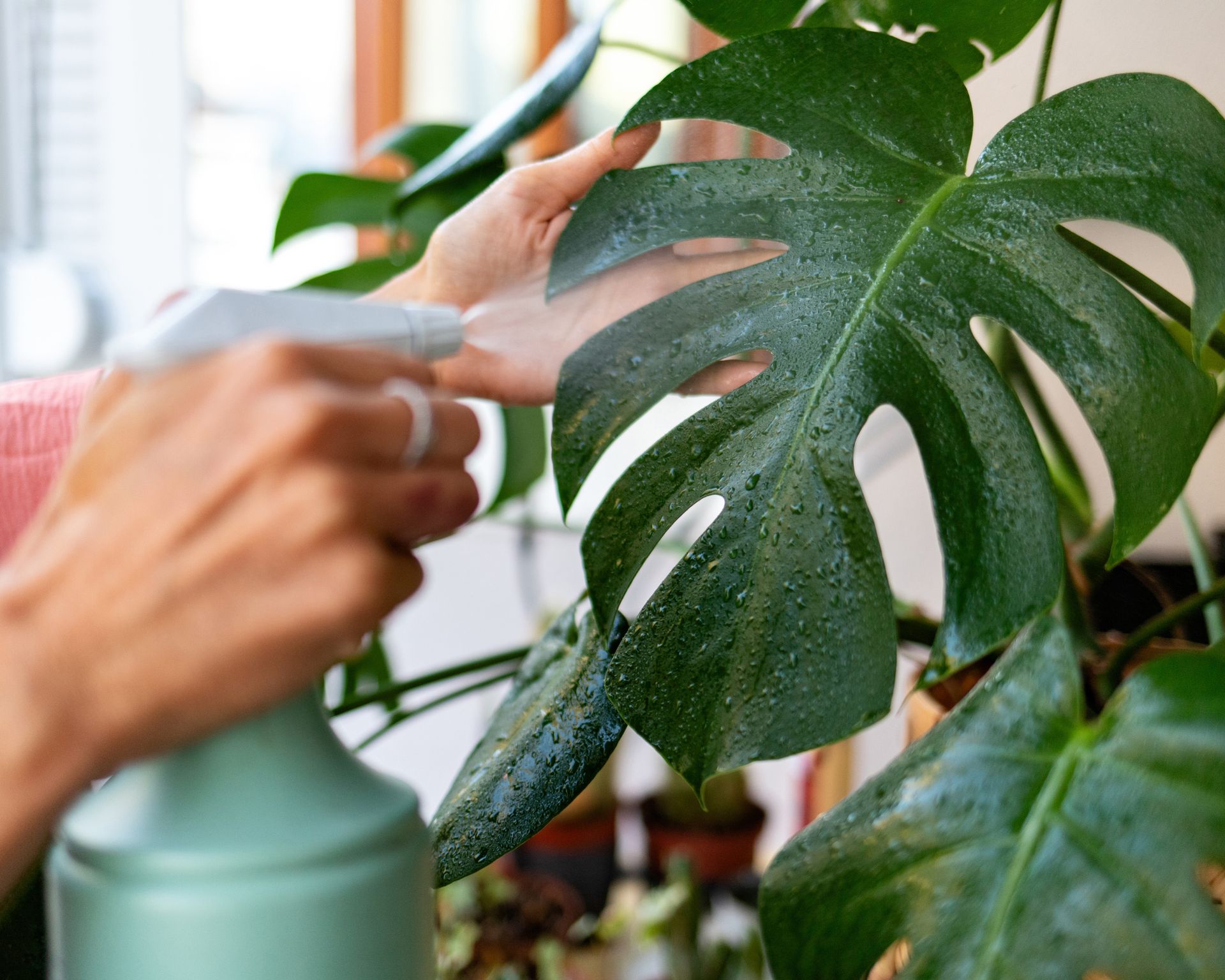
Misting houseplants provide a quick fix but the spike in humidity only lasts for a very short time, whereas a humidity tray delivers constant moisture to create a more permanent microclimate. To match the humidity levels provided by a pebble tray, you’d need to mist houseplants every hour, every day, every night. Misting can also create a breeding ground for fungal and bacterial disease by leaving water sitting on foliage.
If You Live in a Dry, Arid Zone
In dry or arid zones like Arizona, Nevada, New Mexico or Colorado, your houseplants may need humidity trays topped up year-round. You’ll likely see even plants that don’t require very high air moisture levels developing brown tips, which is a sure sign that they’ll benefit from a humidity tray.
If You Live in a Hot and Humid Zone
At the other end of the scale, if you live in a high-humidity climate like Louisiana, Mississippi or Florida, only the houseplants that are highly dependent on humidity need a pebble tray – unless your home is equipped with an efficient air-conditioning system that dehumidifies, and dependant on your winter home-heat level, of course. Unnecessary standing water in a warm, damp home puts plants at a higher risk of pests and fungal disease.
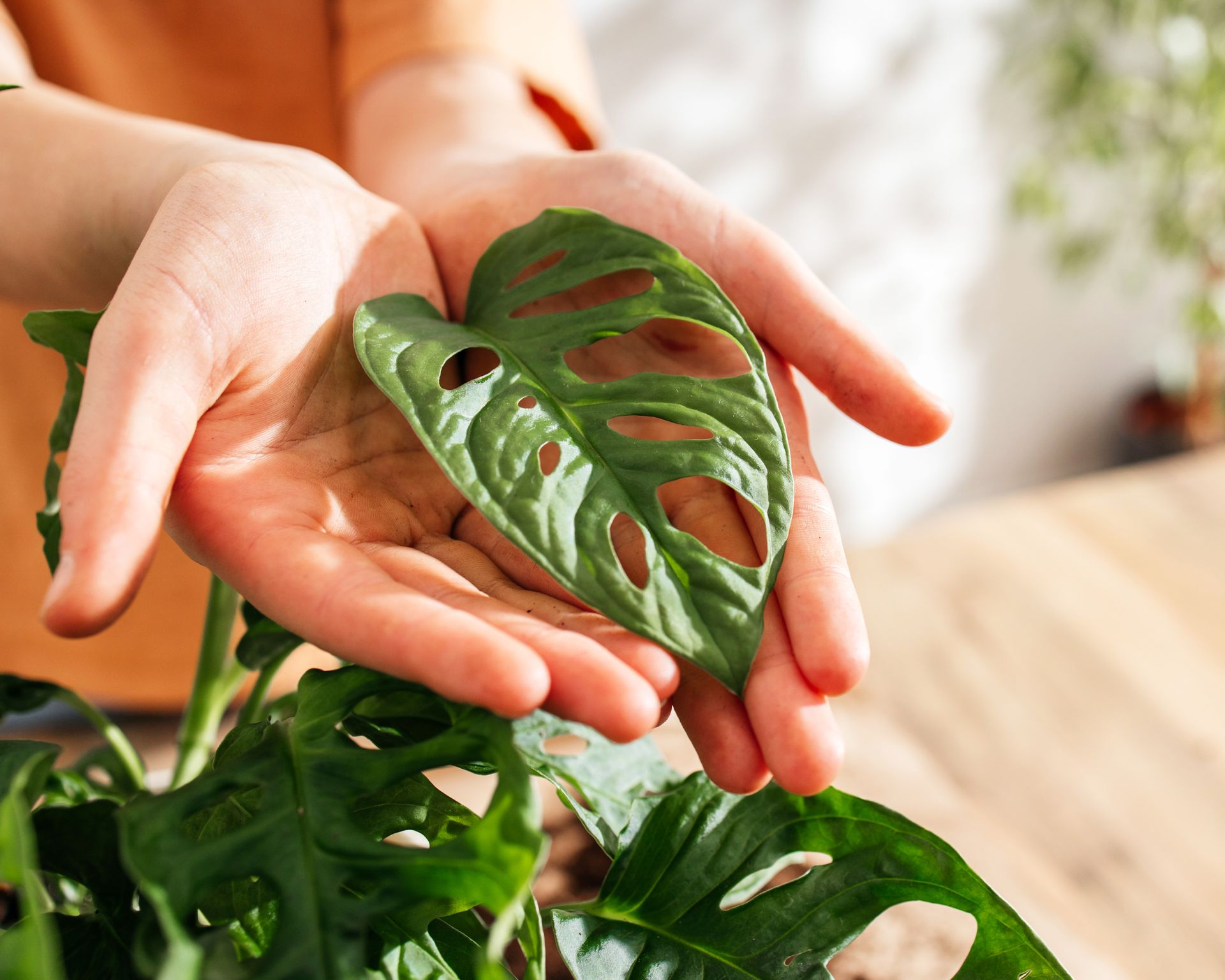
Gifting many of your houseplants a DIY humidity tray will help them to flourish in our heated homes through fall and winter, and happy plants grow leaves that are larger and lusher, greener and glossier. Along with a cheap thermometer that displays air moisture percentages, your DIY pebble tray makes it very easy to adjust humidity levels, too. Keep the trays topped up with water for maximum humidity, and gradually reduce if needs be once your home’s heat is turned off. You can even leave the trays water-free over summer if natural humidity is high enough in your climate, and let your DIY pebble saucers serve as stylish houseplant decor for a personal touch, until the heat’s turned back on.
More Weekend Wins
This feature is part of the Weekend Wins series, packed with quick and easy gardening tasks that bring a big reward.
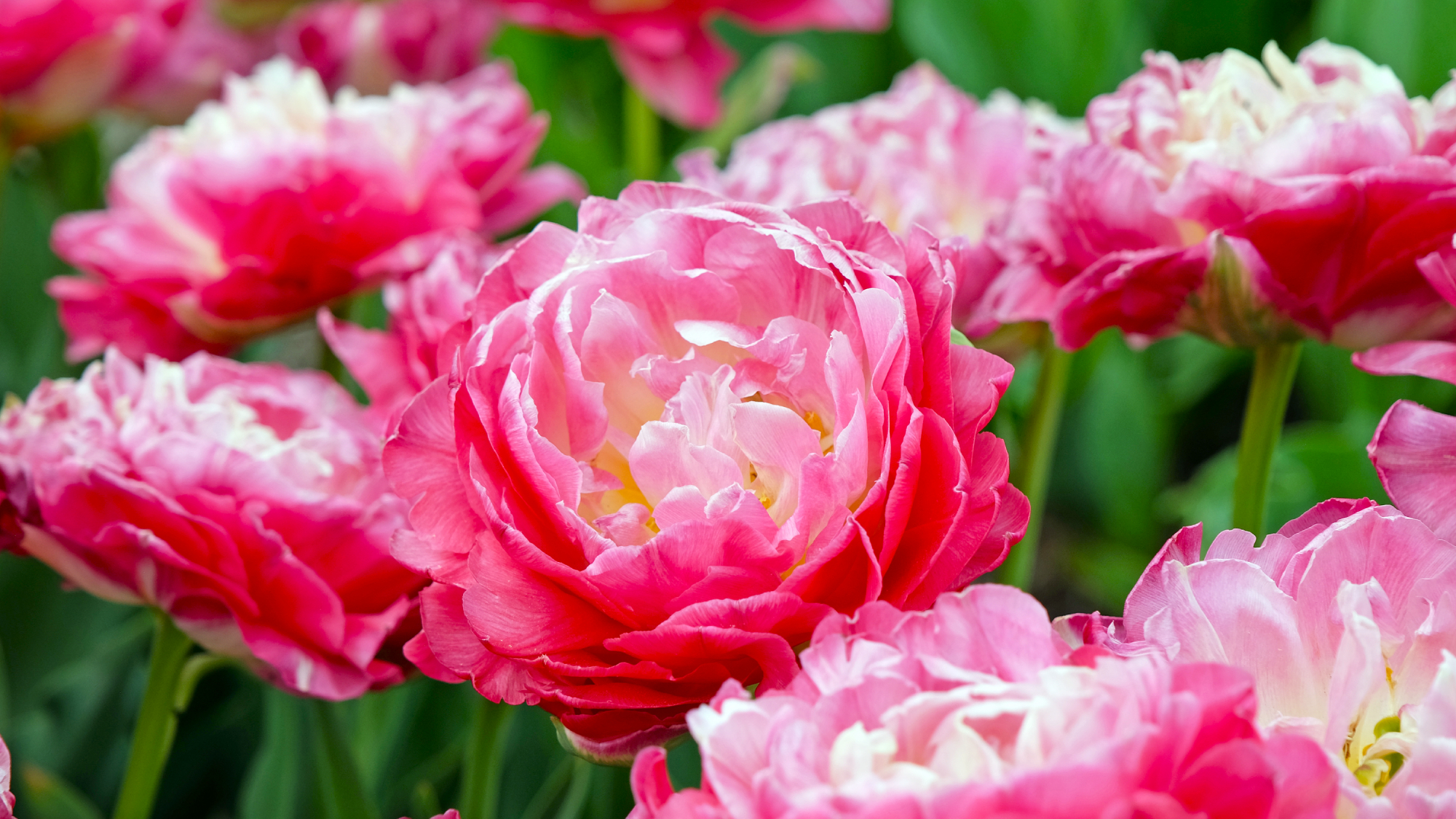
Plant Peony Tulips
Peonies are pretty but peony-like tulips give you way more petals for far less effort: plant these spring-flowering bulbs now.
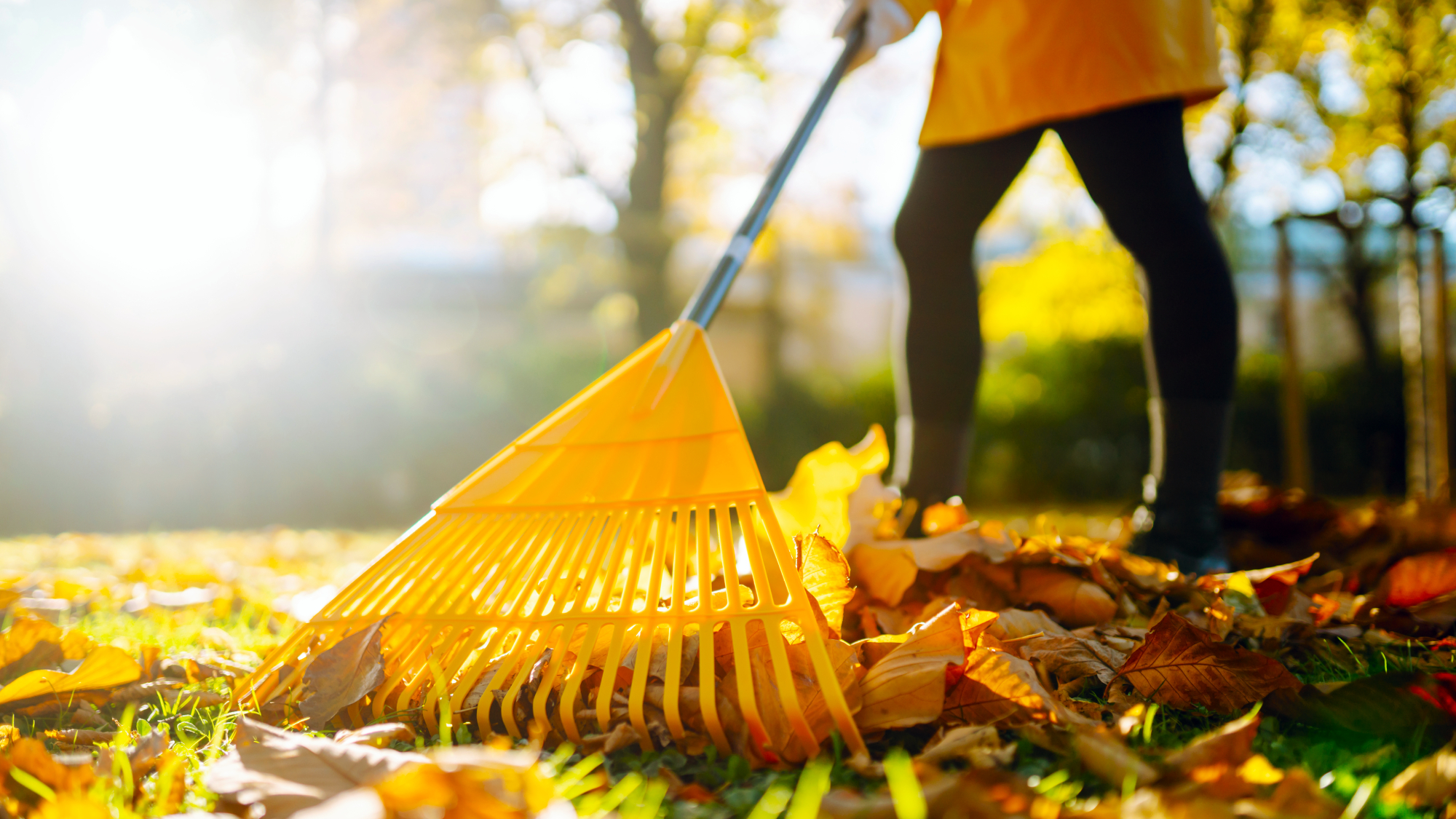
Make Fast Compost
Making compost from fall leaves takes forever, right? Not if you know this gardener’s trick to get it ready in time for spring.
Raise Patio Pots
Waterlogged soil is the prime reason potted plants fail in fall and winter, and this speedy solution couldn’t be simpler.