
Planting in shade can be a real blessing. Not only can you choose from beautiful and varied plants for dappled, partial and deep shade, but the soil in shady areas is often packed with nutrient-rich leaf mould.
That said, there are several important tips to keep in mind when planting in shade. If you’re planting up pots and containers for shade, it’s also worth adding some water-retaining gel to the compost, to help it retain moisture when temperatures rise.
More advice on gardening in shade:
- How to choose perennials for dappled shade (video)
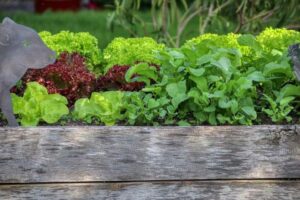
- 10 best vegetables for shade
- The best shade-loving plants
In this short video guide, the experts at Moore & Moore Plants share their top tips for growing plants in shade, including understanding how much shade you have and improving the soil.
Make the most of the dark with our five top tips for successful planting in shade, below.
Improve the soil

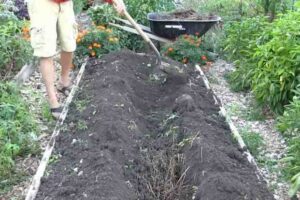
Improve the soil with plenty of organic matter before you start, to provide better water retention and improve aeration for root growth. Homemade leaf mould or compost is ideal.
Remove impoverished soil

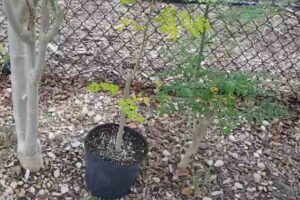
If you’re planting underneath established trees, dig out the dry, impoverished soil between the large roots, and replace it with better soil from another part of the garden.
Use high-potash feed

Apply weathered wood ash from a bonfire or log burner to increase the potash in the soil. Alternatively, use sulphate of potash. This will promote tough, shade-tolerant plant growth. Do not apply high nitrogen fertilisers.
Fork planting holes

When planting in shade, fork the base of each planting hole to allow the roots of new plants to go down into the cool, moist soil.
Mulch after planting

Mulch the whole area after planting with a 7.5cm layer of homemade leaf mould, well-rotted garden compost or composted bark chippings.
Watch out for slugs and snails
Slugs and snails love the moist conditions that shade provides. Try getting rid of slugs organically, or grow slug-resistant plants.