Most of the insects that wreck a garden in May are already here in September tucked into old vines and leaf piles, waiting out the cold. They aren’t hatching from nowhere come spring. Fall sanitation is one of the least glamorous jobs of the season, but probably the highest-return. So it’s important to take steps to prevent spring pests now.
Targeting specifically to stop overwintering bugs in fall works better than chasing them in spring, mostly because they’re sitting still and concentrated in a handful of predictable spots right now. The catch is that not every fall cleanup task helps keep away pests. Some of them clear out the beneficial insects that would have eaten problem pests for free.
Knowing which cleanup tasks to do now and which ones to leave alone is what separates a useful September from a needlessly busy one. Here are the pest prevention tasks you need to do now – and the one you can skip this September.
Pest Prevention Tasks to Do in September
The below list runs in order of highest need: vegetable beds first since that’s where the worst offenders bed down, then fruit trees, then whatever plants are headed indoors before frost. Two unhurried weekends are all you need to complete these tasks in an average-sized yard.
1. Pull spent cucurbit vines.
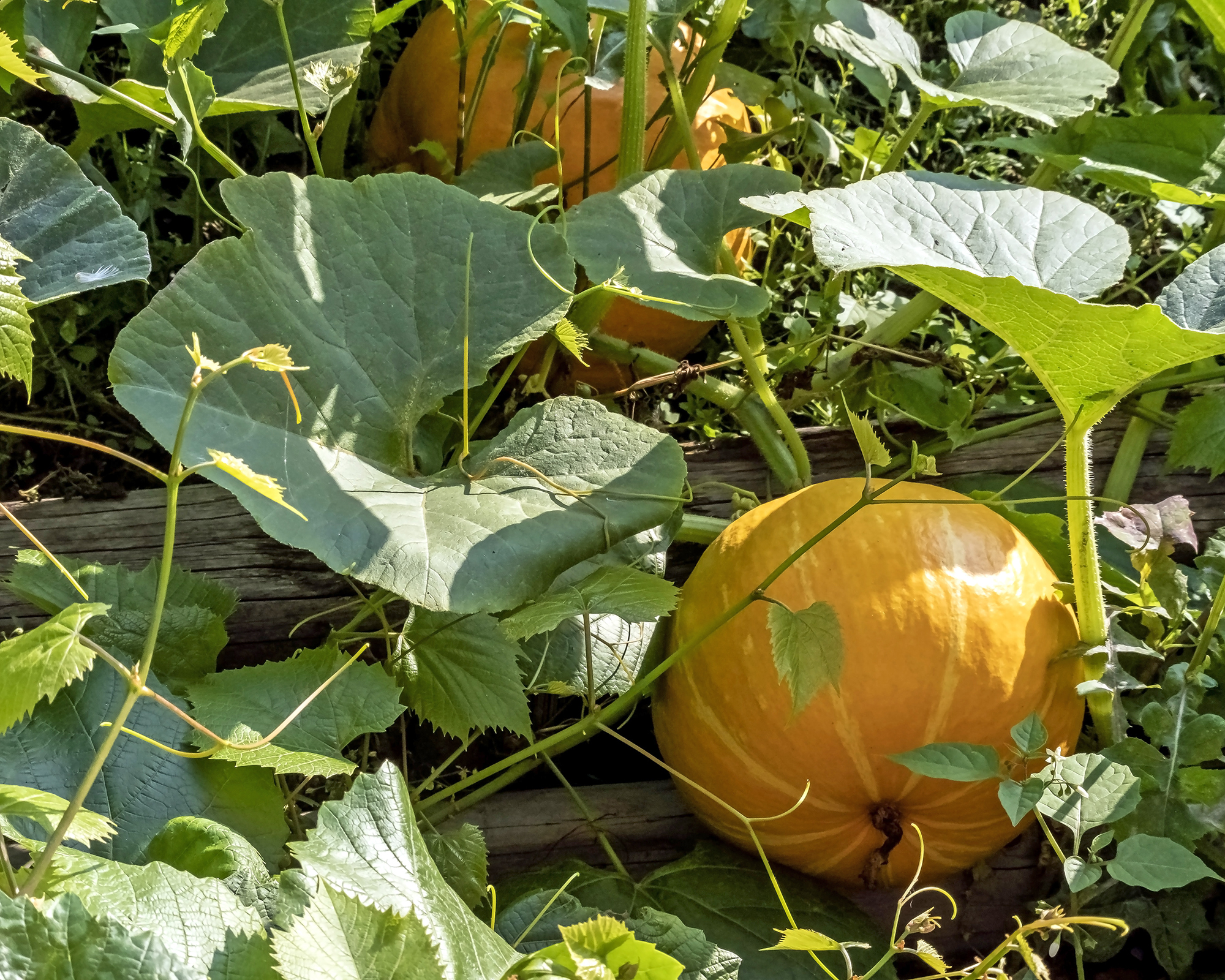
Squash bugs (Anasa tristis) don’t fly off anywhere for winter. The adults crawl under dead leaves, old vines, boards, scraps of plastic mulch, whatever is flat and sheltered near where they fed and they wait there until spring. Early fall is when they go looking for shelter, so now is the time to strike.
Clearing away spent squash and pumpkin plants now takes the invitation off the table to unwanted bugs. Weeds along the bed edges count, too. Don’t just heap the garden waste at the fence line either. Till it under or run it through a hot compost pile to kill off any residual bugs.
2. Turn soil where borers overwinter.
Wilted squash vines back in July probably meant squash vine borer (Melittia cucurbitae) and the larvae that did caused this common problem are long gone from those vines by now. They exited, burrowed an inch or two (3-5 cm) down into the soil, and spun tough cocoons to sit out the cold.
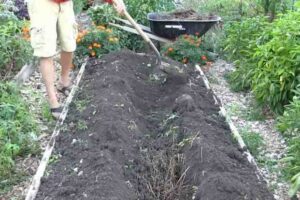
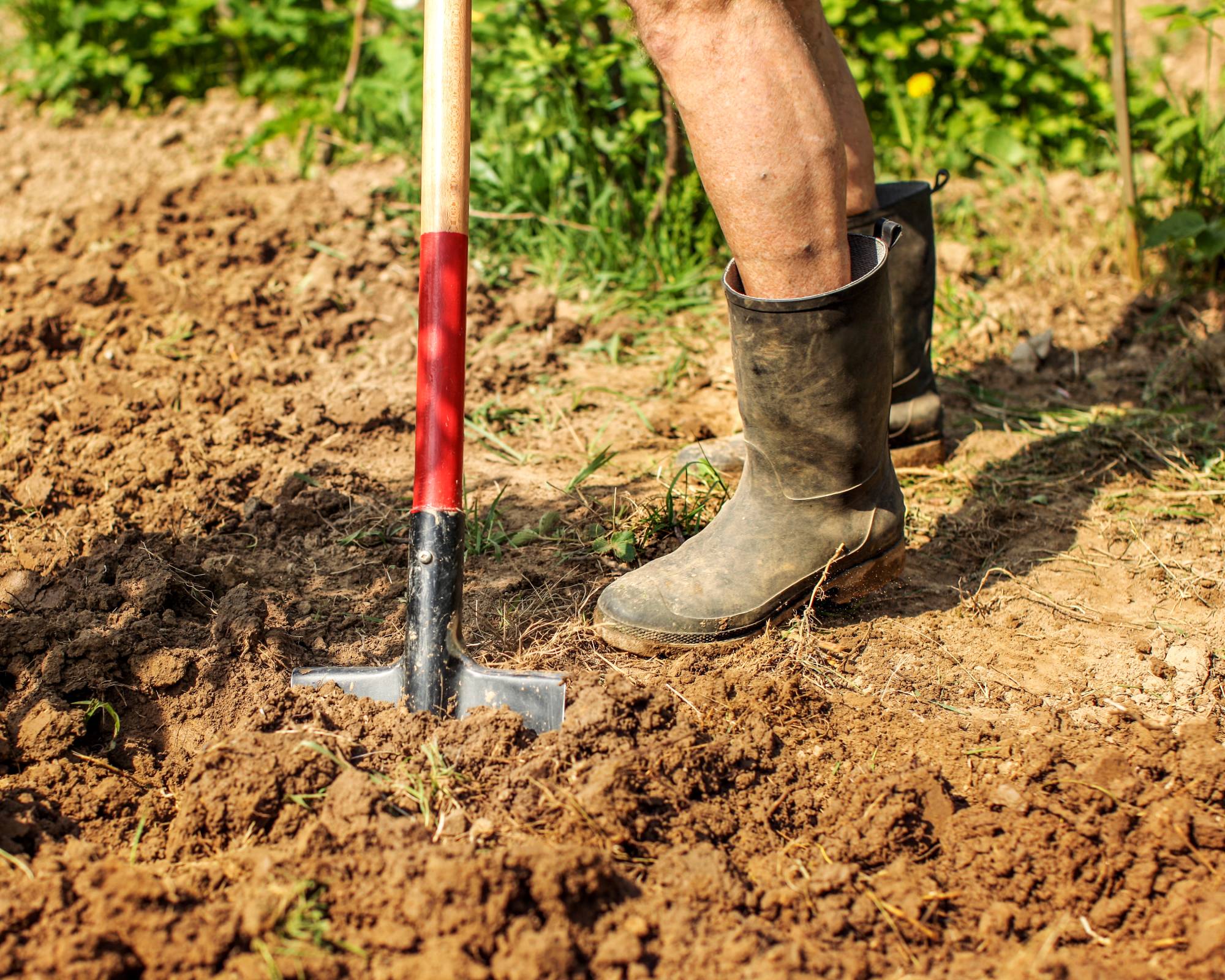
Turning over that ground brings up the cocoons for weather and birds to get. Only bother in beds that had visible borer damage, though. There’s no sense disturbing soil that was fine all season.
Home Depot carries a four-tine digging fork that works well for this purpose. The fork lifts and crumbles the top few inches of soil instead of slicing and flipping it like a shovel.
3. Clear fallen fruit under trees.
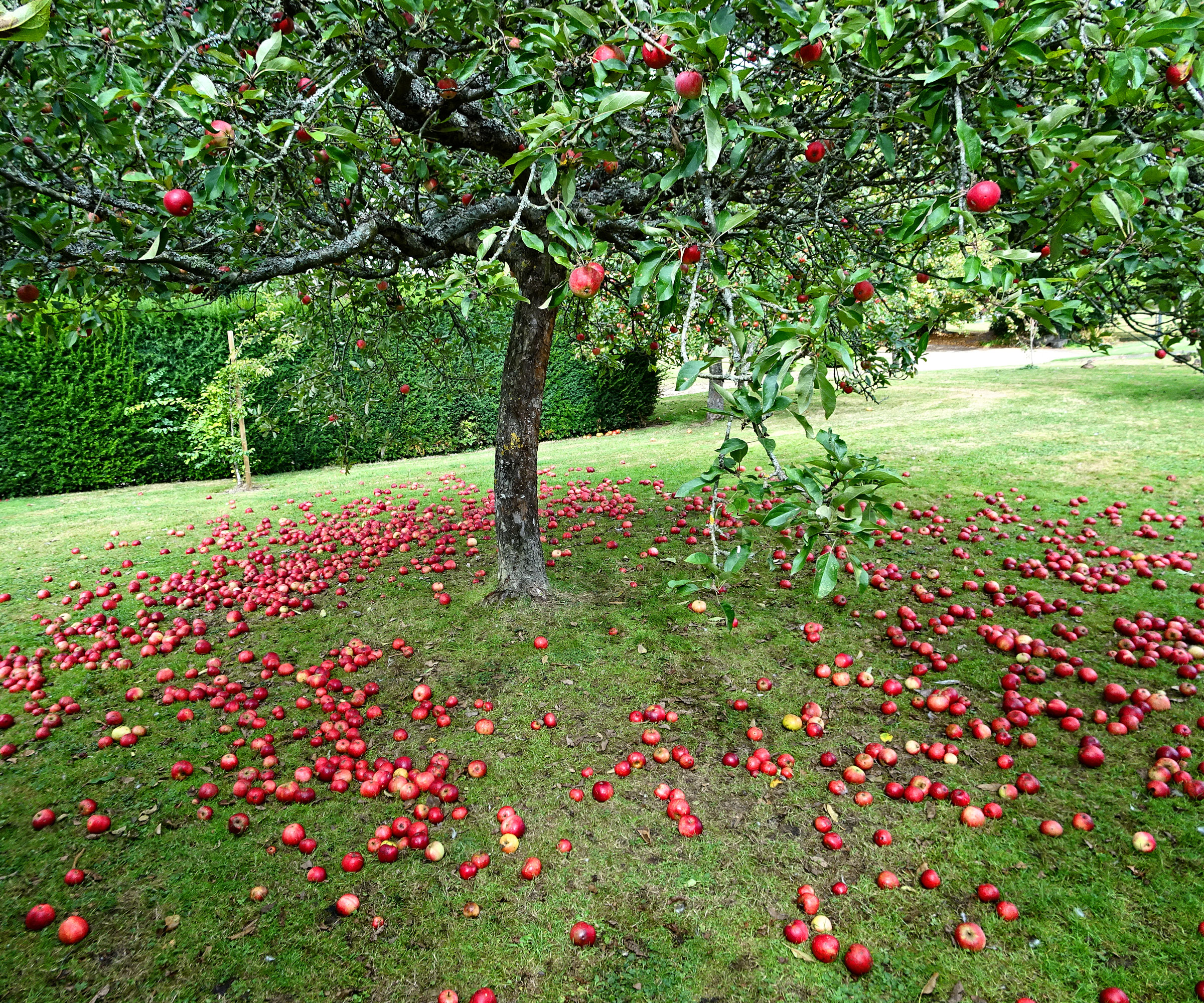
Fallen apples and pears are more than wasted fruit. Codling moth (Cydia pomonella) larvae ride down inside them, then crawl out to spin cocoons under loose bark or in the litter at the base of the tree. Mid-September into early October is exactly when that happens.
Getting the fallen fruit off the ground during that window intercepts a good share of next year’s population of moths. Rake the leaves out from under the canopy while you’re there. A rolling nut gatherer from Ace Hardware’s garden aisle makes short work of a heavy drop year and saves your back.
4. Treat plants before bringing them indoors.
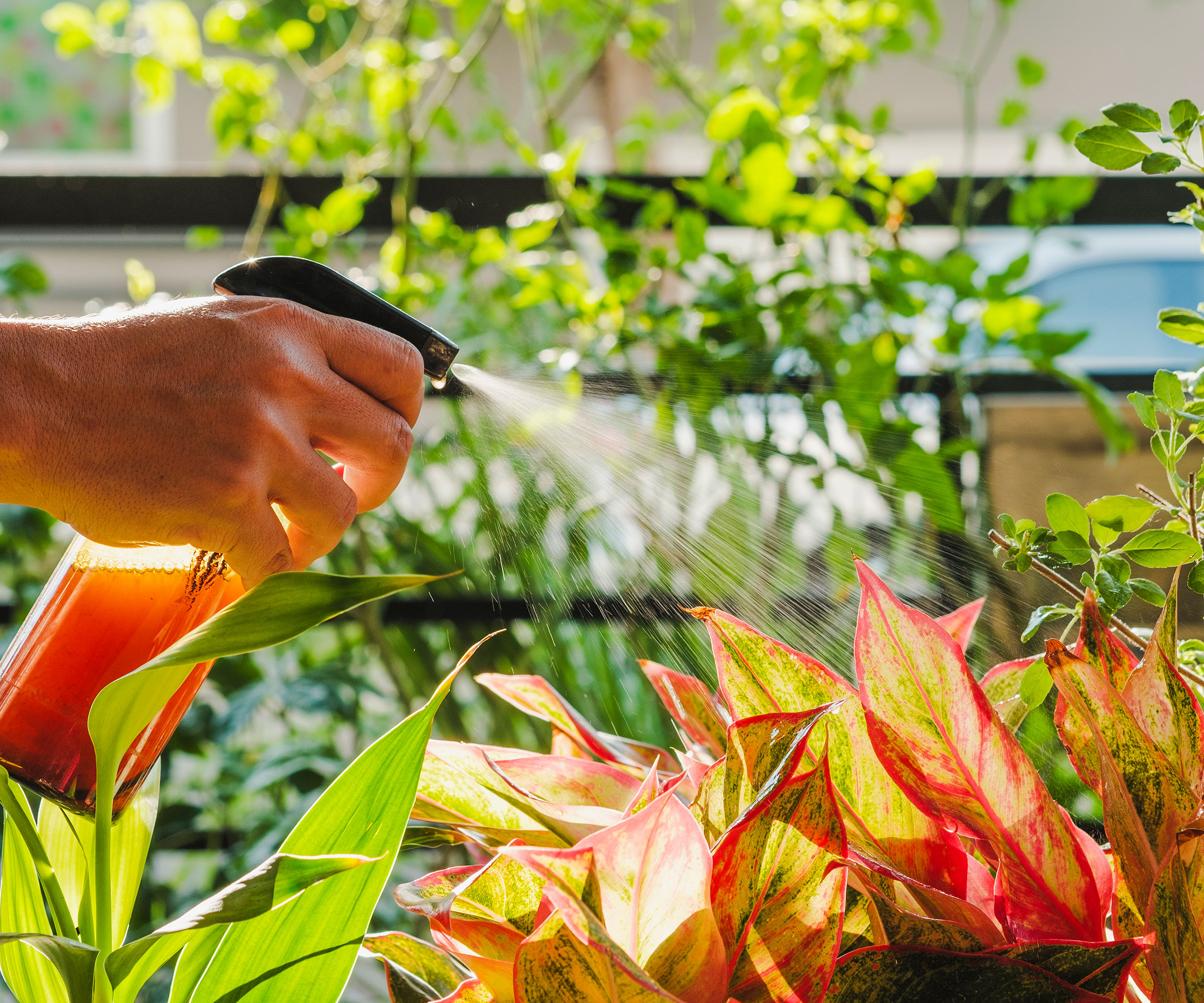
Any houseplants that summered outside picked up some pest passengers. Spider mites and aphids reproduce fast in warm, dry indoor air with nothing hunting them. By February, one overlooked mealybug colony might have worked its way across a whole windowsill.
Start the pest inspection now rather than on the night of the first frost warning when it’s time to bring houseplants back indoors. Treatments need a couple of weeks, often more than one round. Check leaf undersides and the leaf joints. The soil surface matters, too. Slugs come up through drainage holes and settle into damp potting mix, so tip the pot and look underneath for hitchhikers.
Lowe’s stocks a ready-to-use insecticidal soap for the soft-bodied pests, though a hard rinse with the hose knocks off a fair number first. Keep the returning plants away from your established houseplants for two to four weeks after moving them indoors.
The #1 Mistake to Avoid
The reflex after summer is to clear away any and all debris, but that’s actually a mistake. Raking the borders bare and putting the whole yard to bed looking well-swept can actually cause more pest problems than it solves. Don’t totally clear out all the dead plants debris in your yard and garden. Leave some spots in where beneficial insects can overwinter.
Ladybugs, minute pirate bugs, syrphid flies, and parasitoid wasps overwinter in leaf litter, under loose bark, and in the stems left standing. These beneficial insects actually hunt problem pests like aphids and keep your spring garden pest-free, if you leave habitats for them in fall. Clear all of the debris and you lose out on those helpful bugs, while plenty of the pests you were targeting overwinter outside in the garden anyway.
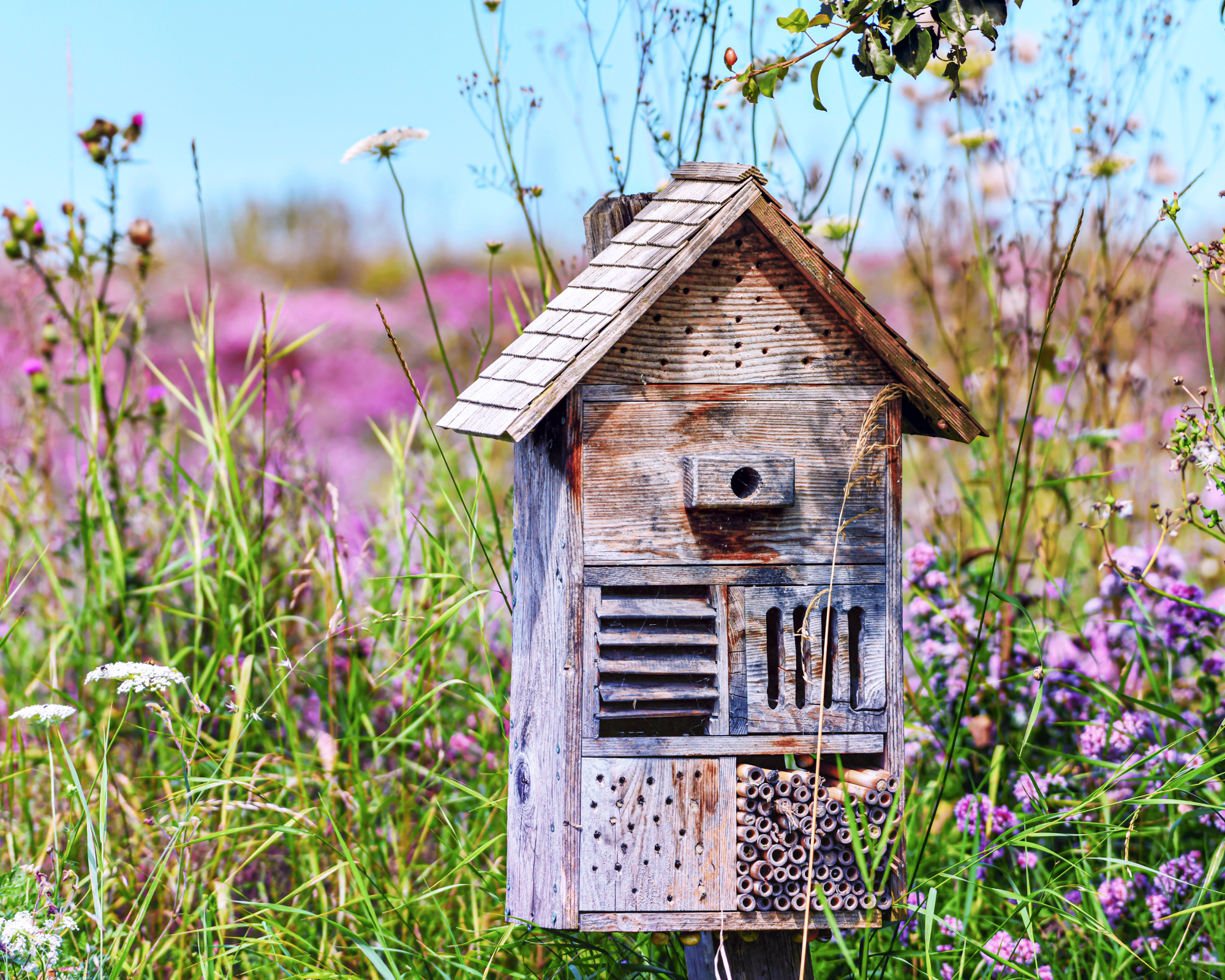
Be thorough where the evidence of pests points: the vegetable beds, the ground under fruit trees, anything visibly diseased. Everywhere else, easing off is actually good pest control. Cutting back perennial plants to roughly 8 inches (20 cm) instead of to the crown leaves the hollow stems intact for beneficial insects sheltering in there.
A yard raked down to bare dirt in November tends to be a yard with no beneficial insects to help it come May. The diseased material is the one thing not to compost, though. A home compost heap often doesn’t run hot enough to kill off the pathogens, so the trash is the safer destination for diseased plant matter.
September work is quiet work. Nobody photographs a cleared squash bed. But the payoff arrives eight months out when spring plants are free of unwanted pests.