Every November, boxes of holiday lights come down from the attic, and a few gardeners start eyeing those tangled strands for a second job. On paper, Christmas lights frost protection sounds like a neighbor’s tip over coffee – string up a potted lemon tree, plug it in, and hope it makes it to morning.
There’s some truth to it. Gardeners have relied on heat from old-style bulbs for years, and it can work alongside the usual steps for winterizing container plants, like covering pots or moving them under shelter. When used safely with a suitable cover or enclosure, that heat can nudge the temperature around a plant up a few degrees.
The catch is that only certain bulbs produce enough heat to help, and most modern porch strands won’t help at all. But using the right bulbs comes with its own risks. Mix hot bulbs, fabric covers, and unprotected electrical connections outdoors carelessly, and you have a fire and shock hazard.
Can Christmas Lights Really Protect Plants from Frost?
Christmas lights keep plants warm only if the bulbs run hot. Old-fashioned incandescent bulbs, like these C7 Christmas lights from Amazon, give off a fair amount of heat along with their light, so running a strand beneath a properly supported frost cover or inside a cold frame can warm the small area around a plant. University of California Agriculture and Natural Resources advises home citrus growers to use traditional non-LED lights to provide extra warmth, with or without a frost blanket.
Colorado State University Extension measured the effect in cold frame trials in Fort Collins. One string of 25 mid-size C7 bulbs hung inside a covered cold frame, with a space blanket over the frame, kept each frame noticeably warmer than the night outside. A string also beat a single large bulb at warming the cold corners.
If you want to recreate an enclosed space like that, use a cold frame or mini greenhouse, but only if the structure allows the lights to be safely suspended away from the plants and covering.
Why LED Christmas Lights Won’t Work
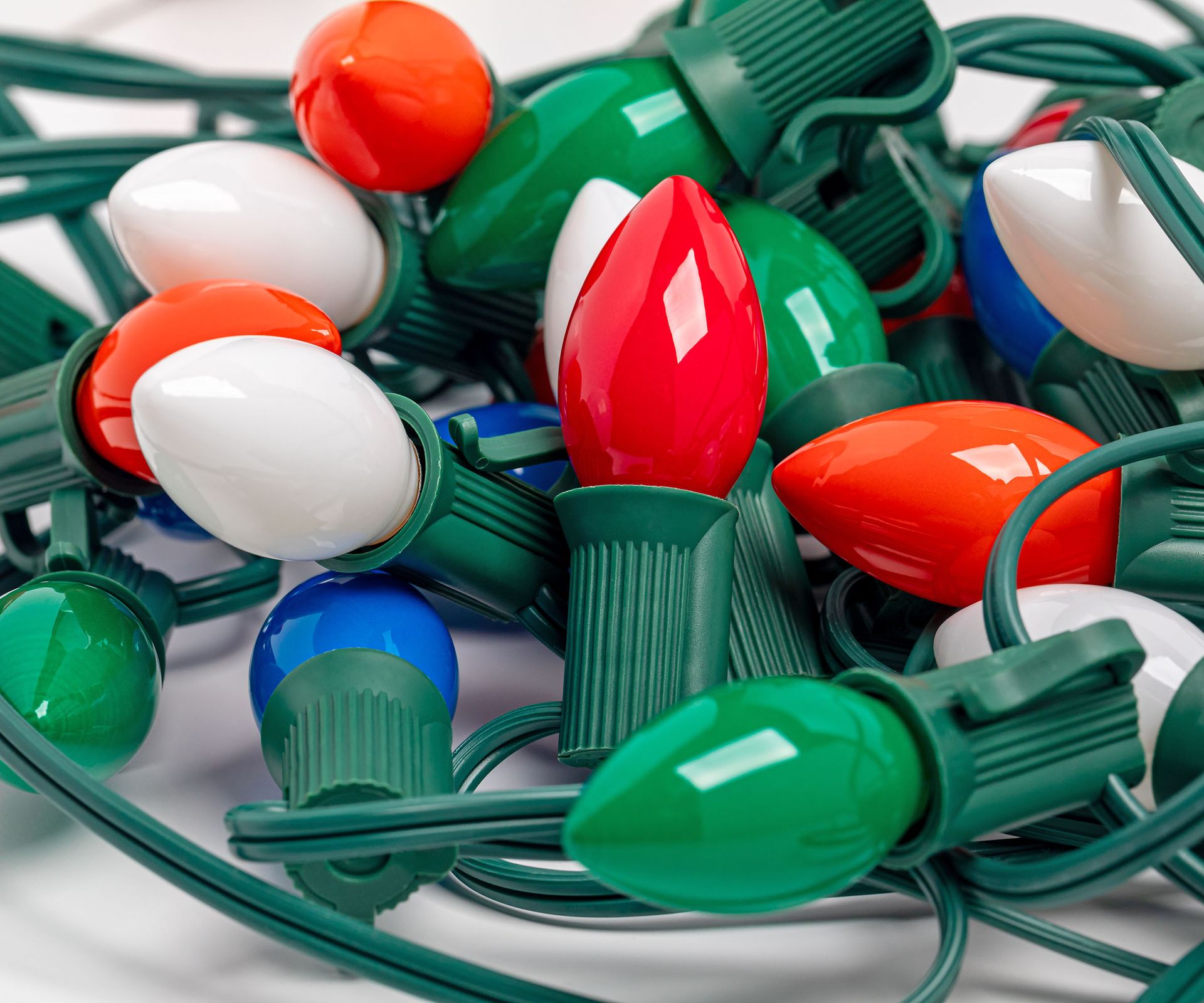
Pick up a string of Christmas lights in a store today, and you’ll likely find they’re LEDs. They convert far more of their electricity into light, leaving little heat behind – fine for decoration but useless for shielding a citrus tree on a 28°F (-2°C) night. When it comes to LED lights, frost protection just isn’t on the table – they don’t generate enough warmth.
University frost guidelines specifically recommend incandescent bulbs when you need real heat. Traditional incandescent mini lights can provide some warmth, while larger C7 and C9 bulbs, like these from Novelty Lights Store, produce more heat per bulb.
Any set used should carry an outdoor rating and be suitable for the intended setup. With incandescent Christmas lights, plants under a properly supported cover can gain extra heat, but the same heat makes the bulbs a hazard if they touch foliage or covering materials.
Which Plants Might Benefit?
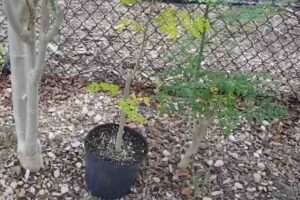
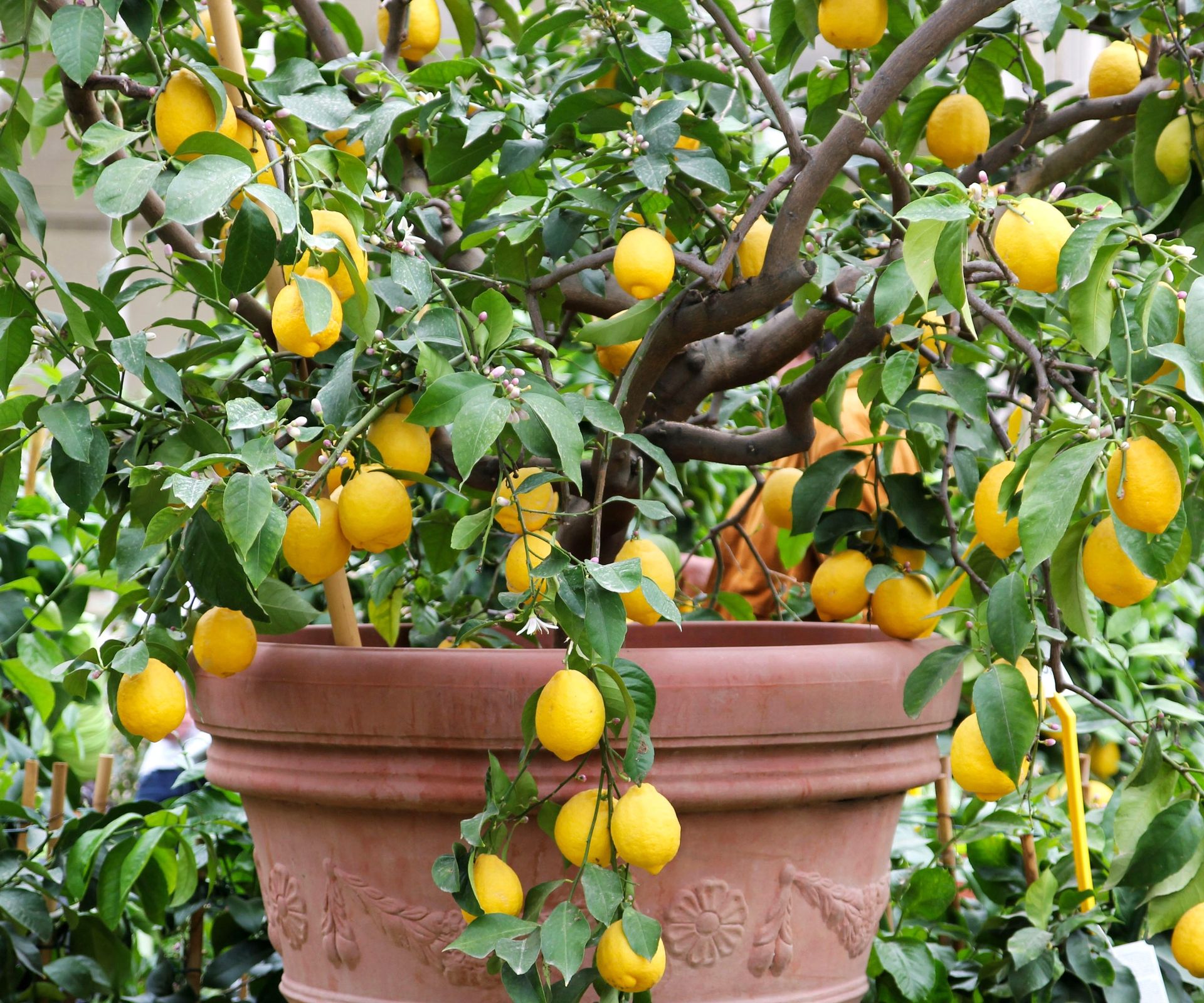
Several vulnerable container plants could benefit, but growers most often protect potted citrus this way. Cold damage can begin around 30°F (-1°C), depending on the variety and duration of exposure, with limes generally more sensitive than mandarins. A potted lemon on the patio faces a specific risk that an in-ground tree doesn’t. Its roots are far less cold-hardy than its branches, and the small amount of potting mix around them can cool and freeze much faster than the soil around an in-ground tree.
That means the lights can help through brief cold spells – just a few nights with light frost. They’re not enough to protect tropical plants during weeks of hard freezes. A larger container holds more potting mix and can provide some extra insulation for the roots, so a pot like the ModernNest fiberstone planter from Walmart, designed to withstand freezing conditions, gives a citrus tree a sturdier home but won’t prevent its roots from freezing.
The Safety Risks Gardeners Need to Know
Hot incandescent bulbs can cause damage if they come into contact with foliage or covering materials. Incandescent bulbs can burn leaves if they touch them directly. Frost cloth, sheets, plastic wrap, and space blankets should never be pressed against the lights, where they can scorch, melt, or become a fire risk. Hang the strand so each bulb has enough clearance from surrounding materials, and use a separate frame, stakes, or supports to keep covers up and away from the bulbs. Make sure the lights are securely positioned so they cannot shift into contact with the covering.
Water and electricity can create hazards on cold nights. Use only outdoor-rated lights and cords outside, and plug them into a GFCI-protected outlet. Throw out any strand with cracked sockets or frayed wire instead of hanging it. Keep indoor strands and household power strips indoors, and don’t rely on tape to waterproof electrical connections. Follow the manufacturer’s limits on how many strings can be connected end to end, and follow the safety instructions packed with the product.
Safer Ways to Keep Potted Plants Warm in Winter
Start by moving the pot. An unheated garage, shed, or closed-in porch that stays above freezing can carry a citrus tree through a cold snap with no wiring. Pots that stay outside belong together, up against a house wall or in a corner out of the wind. Water them well before the cold comes, since moist potting mix freezes more slowly than dry.
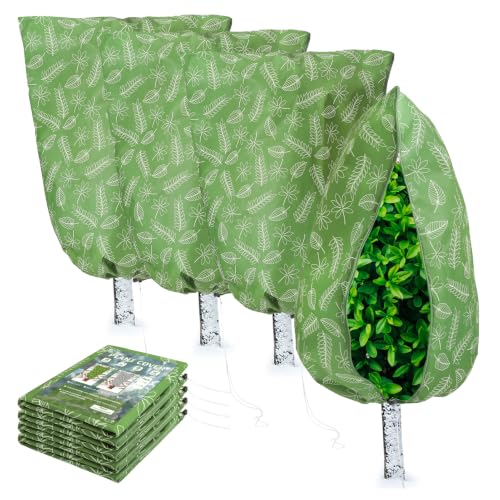
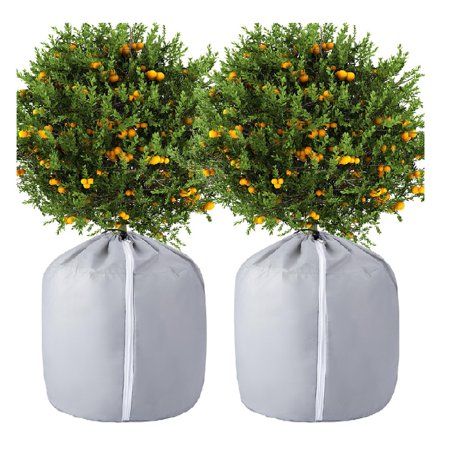
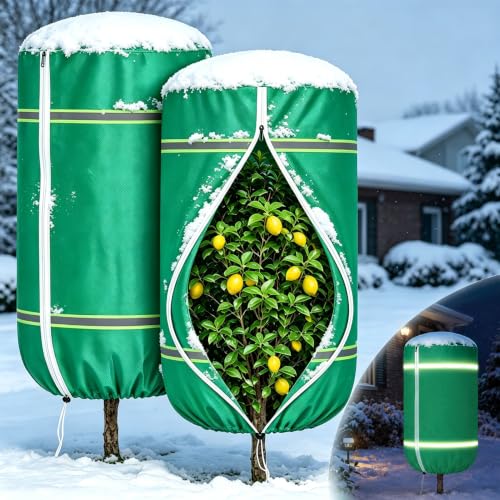
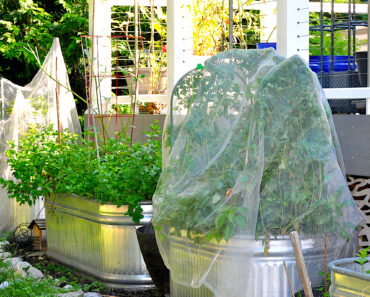
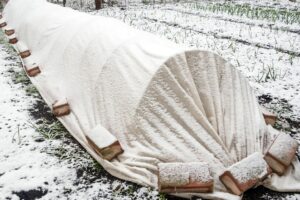
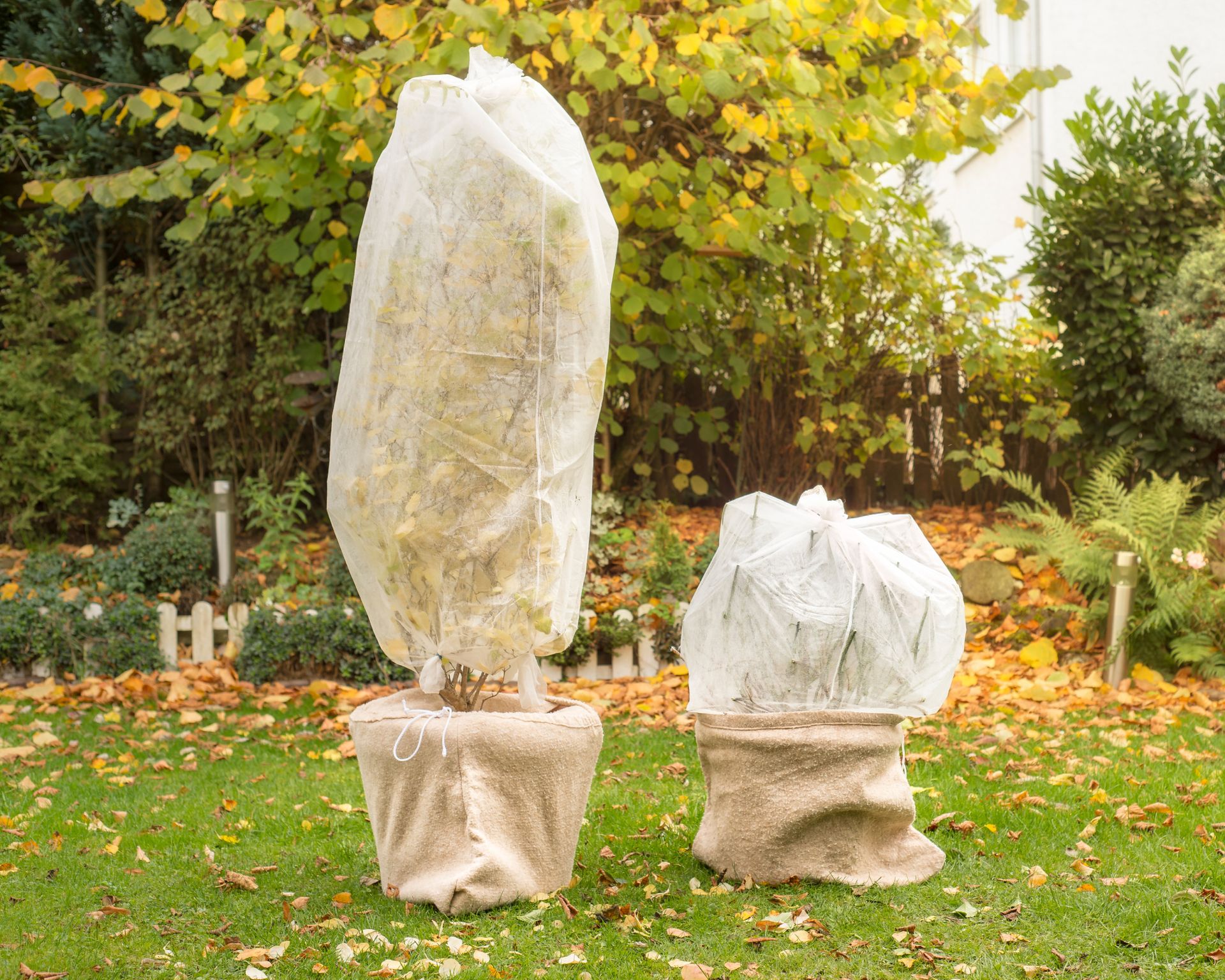
Covers and wraps add another layer. Lowe’s sells a 2-ounce frost blanket that can go over the plant on cold nights and come off during the day. Around the container, slip on an Eonox drawstring pot insulation cover to keep cold wind off the root zone.
For plants that need steady heat for weeks, a thermostatically controlled heater inside a greenhouse built to house one is the safer setup – the Dr Infrared greenhouse heater has an adjustable thermostat.
The Verdict: Should You Try the Christmas Light Trick?
Under a cover or in a cold frame, old incandescent holiday lights can add a few degrees, maybe enough to see potted citrus through a short, light frost. You can’t count on them, though, and the method needs careful setup, even though it’s recommended by several university extension services. An LED strand won’t give a cold plant any real protection.
Using hot bulbs with fabric and outdoor power for improvised heating carries risks that are easy to underestimate. Proper shelter, insulation, and a good frost blanket are generally safer options, although they won’t always provide as much warmth as a safely heated enclosure.
For most gardeners, the simplest solution is to keep the twinkling lights on the porch this year and move your lemon tree into a frost-free garage when cold weather hits. It’ll still be green when the holiday decorations go back in the attic.
Shop Winter Plant Protection