Self-seeding flowers initially seem like a delight, particularly in a cottage garden border. There’s an effortless charm to volunteer blooms filling bare gaps between perennials, softening hard edges, and lending an organic, spontaneous feel. However, what starts out as a free-flowering companion can sometimes become an aggressive garden interloper. Left unchecked, enthusiastic self-sowers can quickly wind up in walkways, lawns, vegetable patches, and even your neighbors’ yards.
As their blooms fade, seed heads get ready to burst, scatter, or get carried away by animals to fill new areas. Once the seeds disperse, you’re facing a lot of cleanup in spring. The real danger with these prolific self-seeders lies in their competitive vigor. When permitted to drop seeds in fall, they naturally get a head start on anything you might add in spring, hogging nutrients, and casting shade over slower-growing sunseekers. So fall is an important time to keep key self-seeding flowers in place.
By intervening now to deadhead mature capsules, sever seed stems, and clear away dropped seed heads, you prevent billions of viable seeds from ever hitting the soil. And if there are any standout heirloom varieties you want to keep, you can save their seed for controlled sowing in spring, keeping all the beauty while sparing yourself lots of backbreaking pulling and digging next year. Here are the key culprits you need to control now, with insights on what to do with seed heads so you can still continue to enjoy them on your terms.
Manage Invasive Self-Seeders
Some self-seeders are more aggressive than others, so you need to focus your efforts. Try the strategies that work best for your climate, yard and gardening goals, as well as your USDA hardiness zone. In colder zones 3-5, severe early frosts can sometimes halt late-forming seed heads before they mature. In milder southern and coastal regions (6-9), extended warm falls can give plants weeks of extra time to disperse seed capsules, making rapid intervention vital. Wind patterns and heavy rain can also transport tiny seeds across garden beds in a single afternoon.
The primary defense is regular deadheading. While removing spent flowers in summer promotes reblooming, autumn deadheading is about containment. As petals drop and seed heads swell, snip them away before they turn dark brown, dry out, or split. Always carry a deep bucket or paper sack with you. Tossing cut seed heads onto the ground or moving bare stems across the yard will inadvertently broadcast thousands of seeds hither and yon. Bag up seed heads and discard them in the household trash, never into home compost heaps, which rarely sustain the high internal temperatures required to destroy persistent weed seeds.
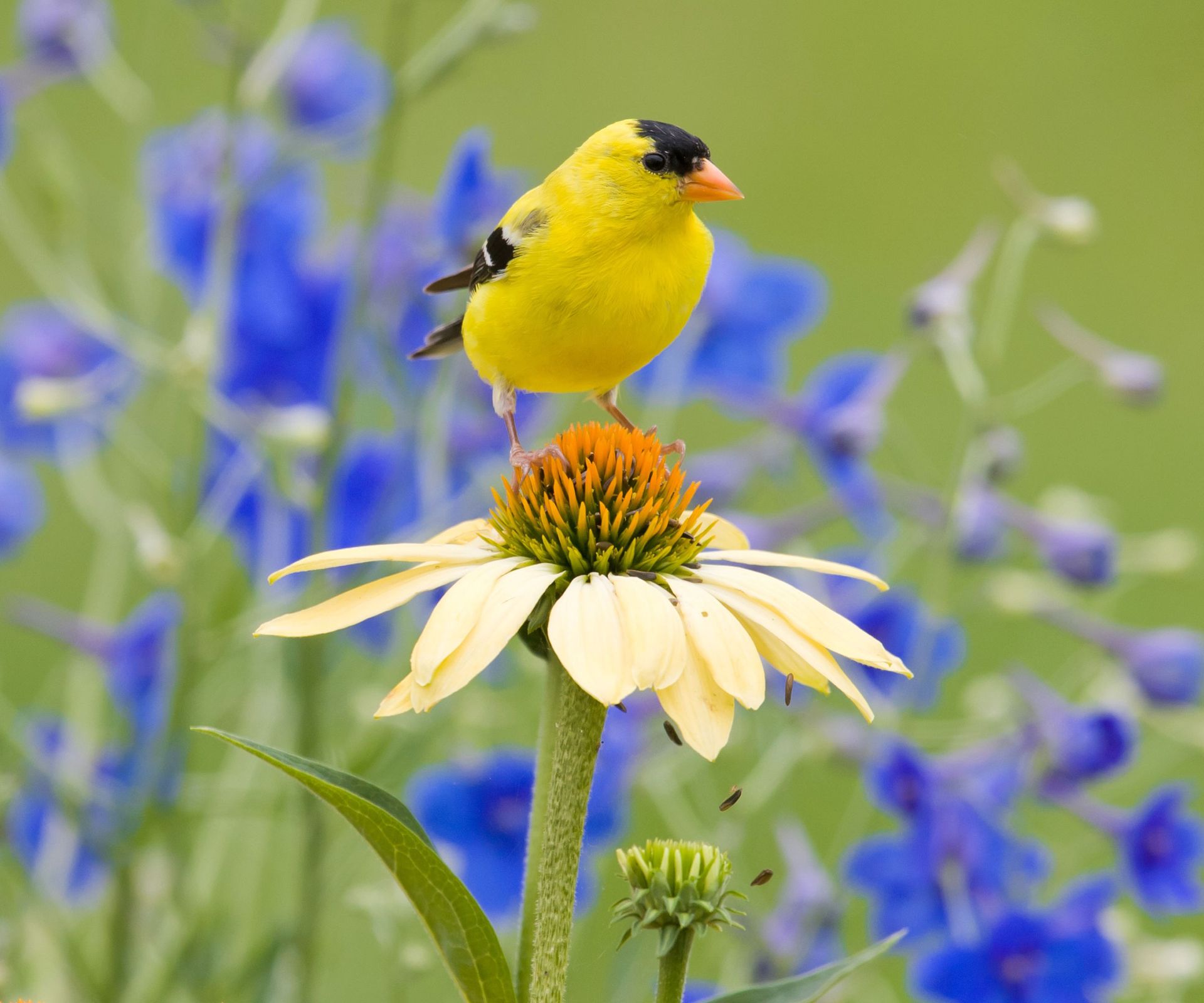
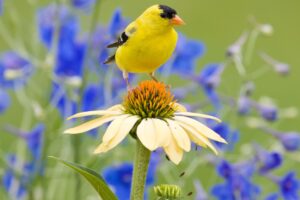
Not all self-seeders deserve eviction, however. Native wildflowers like purple coneflower (Echinacea purpurea) and native black-eyed Susans (Rudbeckia hirta) produce sturdy seed cones that feed foraging goldfinches and native songbirds through winter without becoming overly thuggish. Choose this option for an area where you don’t mind some seed dispersal or with flowers that are less aggressive.
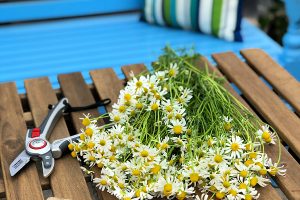
Additionally, selective seed saving is a great way to hang onto more unusual or heirloom bloomers. Harvest mature, unopened seed pods on a dry sunny afternoon. Use snips like Fiskars Micro-Tip Pruning Snips, available from Amazon, to remove the heads. These spring-action blades give targeted deadheading without dropping loose seeds. Spread your collected seeds on paper towels to cure, then store them in labeled paper envelopes in a cool, dark drawer for measured sowing next spring.
1. Cosmos
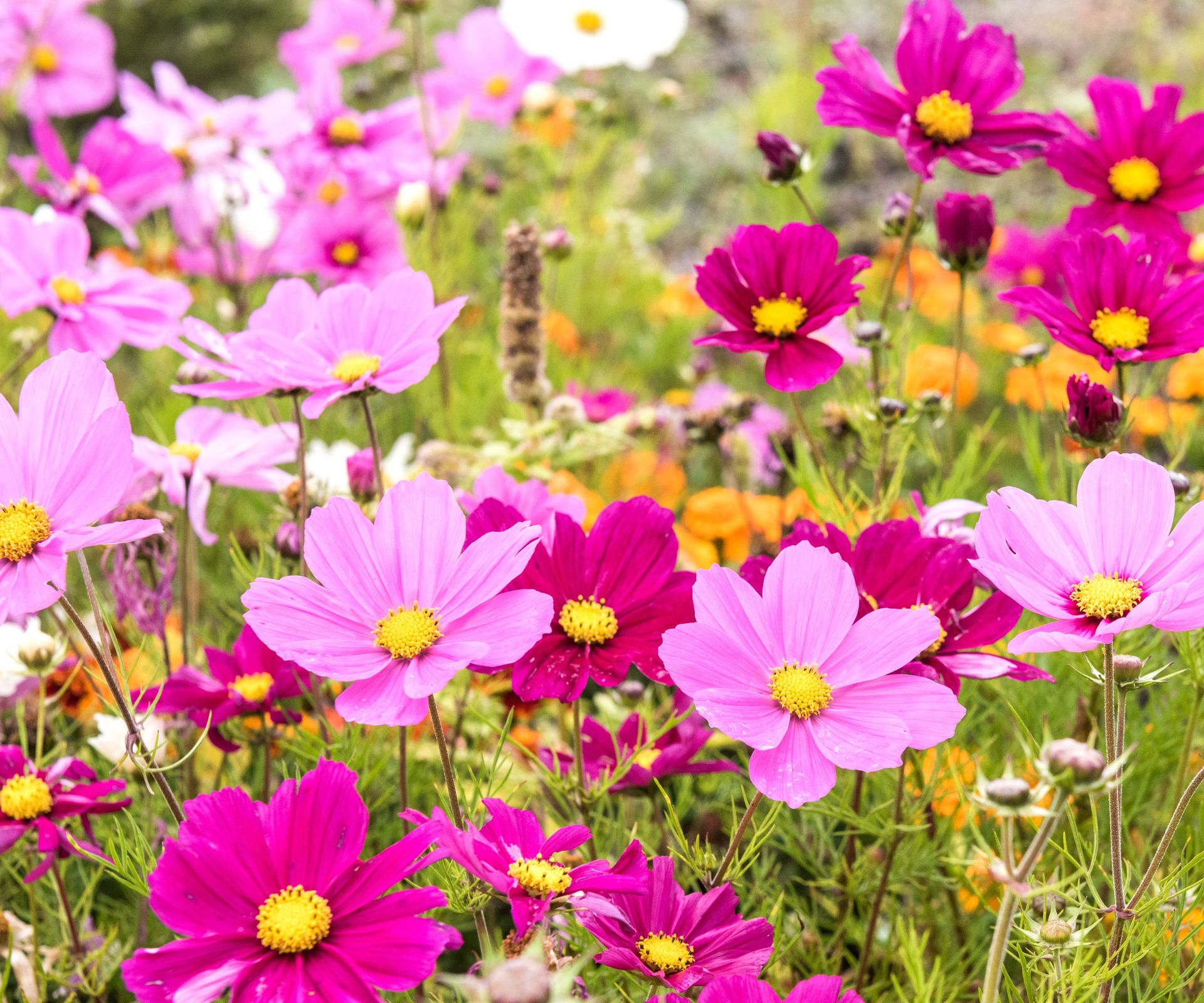
With their feathery foliage and cheerful daisy blooms, cosmos (Cosmos bipinnatus) add delicate color and movement to beds and borders. However, beneath their dainty features lies a fierce capacity for uninvited propagation. A single plant can produce dozens of flower heads from midsummer through frost, each maturing into a cluster of needle-like seeds with barbed tips that catch on fur, gloves, and clothing.
To prevent cosmos from transforming into an unruly forest next year, inspect the fading flower heads now before the central florets turn black and stiff. Cut off spent blooms while the seed heads are still green or pale tan, or shear the entire plant to ground level once the first frost blackens the stems. If you wish to save seed, snip off a few brown heads on a dry day, strip the spiky seeds into paper envelopes, and store seeds in a cool, dark drawer for sowing next spring. For a good storage tin, try the Pethiy Green Storage Seed Tin, available from Walmart, which I love for its rustic appearance and enduring, airtight reliability.
2. Spider Flowers
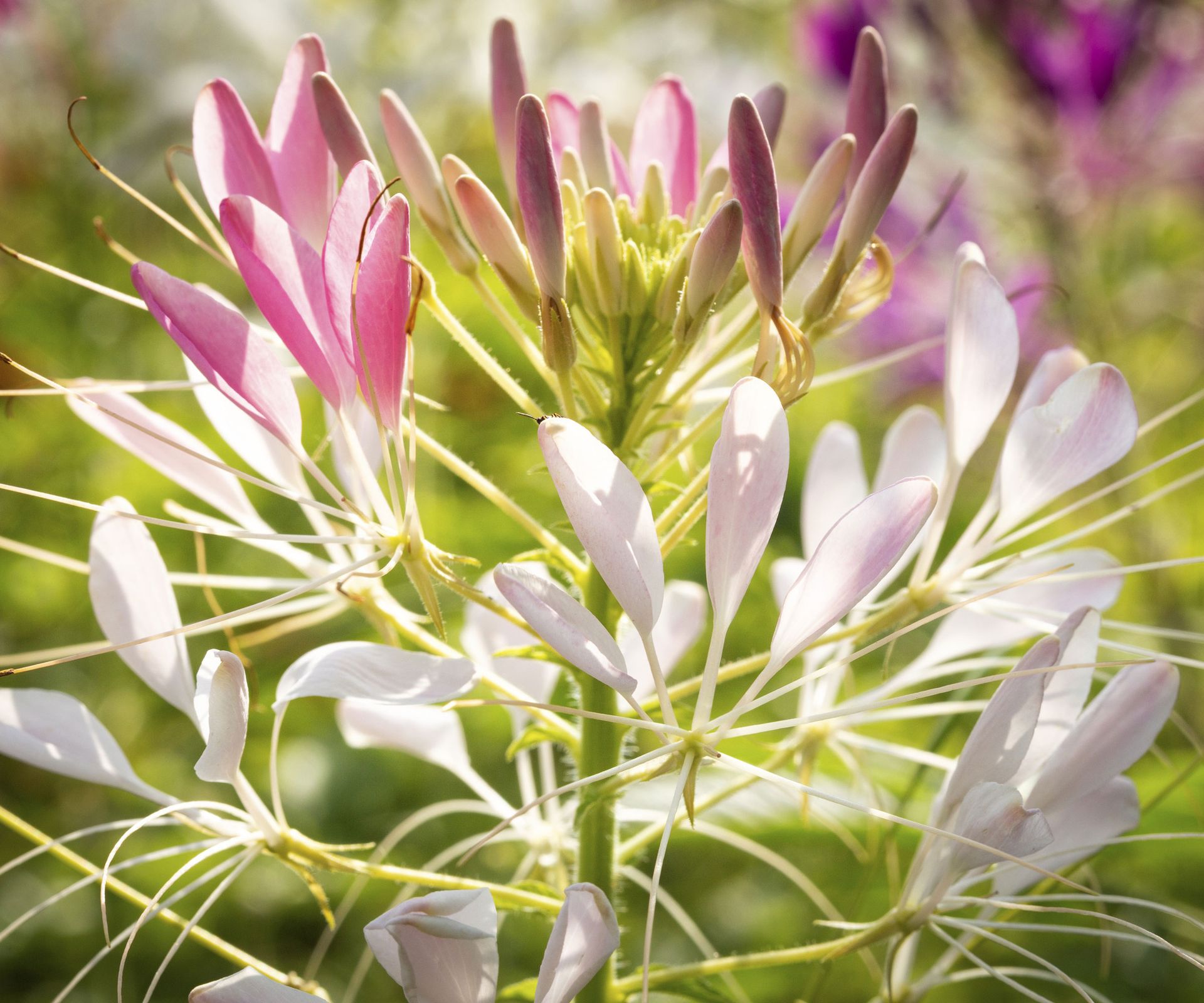
Also known as cleome, spider flowers (Cleome hassleriana) produce spidery floral globes with extra-long stamens for brilliant late-season drama in borders. Yet few cottage annuals reseed with as much ruthless efficiency. As petals drop along the lengthening flower stalks, they leave behind long, slender, bean-like seed pods held on wiry pedicels. As these mature from green to brown, they dry out, crack open, and fling dozens of seeds across the yard.
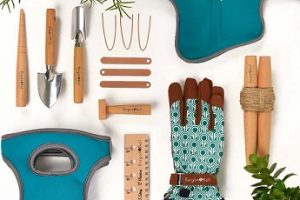
Tackle your cleome before the seed pods reach the brittle stage. However, take care, as mature stems develop sharp spines and sticky hairs. Wear heavy gauntlet gloves and long sleeves. If you need a good pair of long-lasting gauntlet gloves, I love the Womanswork Arm Saver Garden Gloves, available from Anthropologie, with their gorgeous floral pattern and comfy fit. Snip off those green pods and bag them, or sever the entire stalk. If you love their height, keep a few ripe, unopened pods in a paper bag to dry, ensuring you dictate where they grow next season.
3. Forget-Me-Nots
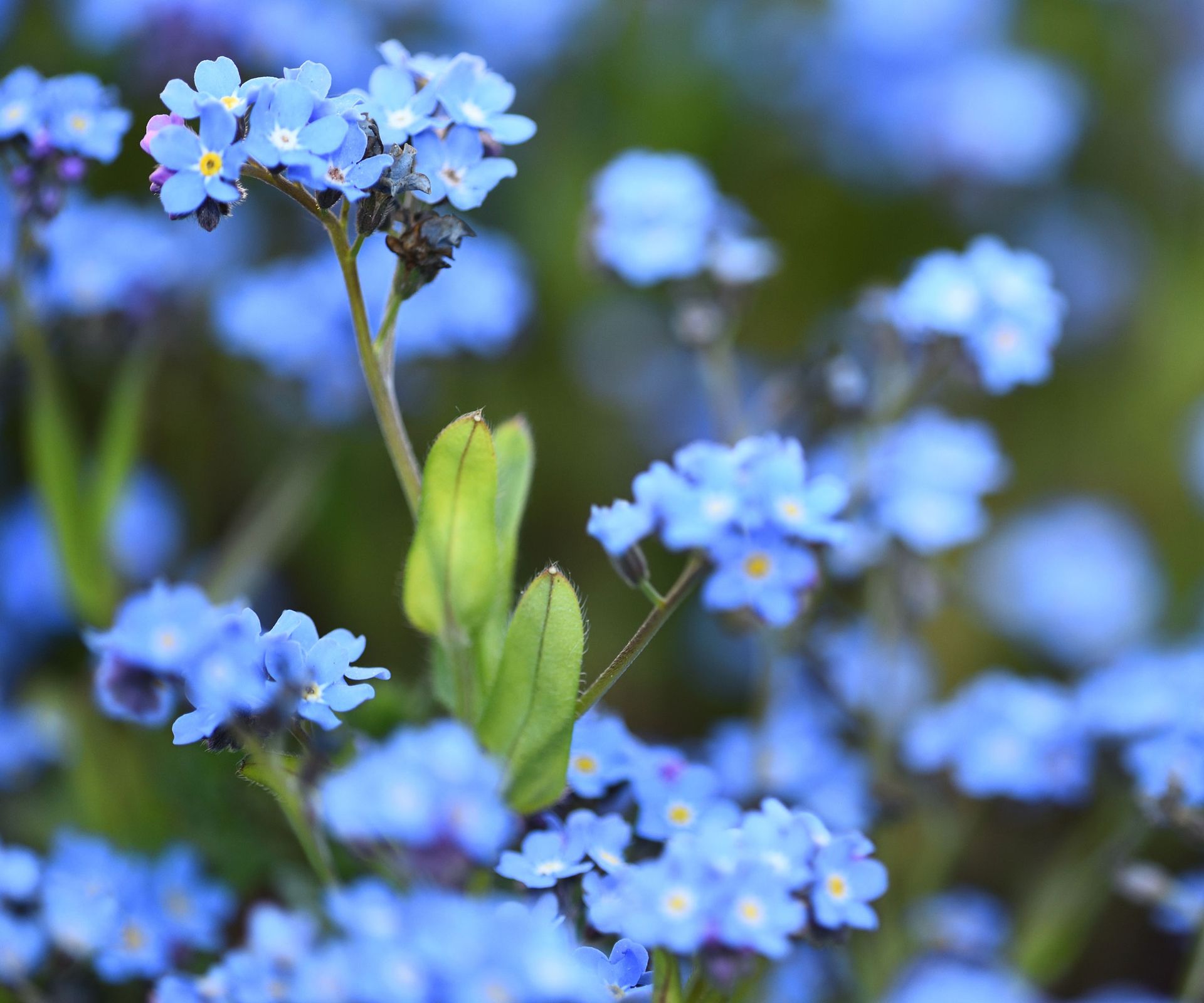
Pretty, delicate forget-me-nots (Myosotis sylvatica) are cherished for their sea of sky-blue flowers, creating a romantic underplanting beneath tulips and flowering shrubs. However, their common name carries a double meaning: if you forget to remove their seed heads, you will spend years pulling up unwanted seedlings from rockeries and paving cracks. Each spent flower produces tiny nutlets with barbs that cling to animal fur and shoelaces, scattering those seeds far and wide.
Ideally, it’s wise to deadhead right after flowering, but this month is the deadline to scout your beds for lingering plants that set seed during late summer. Rake through mulch with a hand cultivator to expose any dry, brown seed clusters that escaped summer snipping. Sever any remaining seed stems, bag the debris, and apply a 2-inch (5cm) layer of clean mulch where needed. Go for an organic wood-based option such as team favorite Back to the Roots Organic Premium Wood Mulch, available from Amazon. This smothers new seeds by depriving them of the sunlight and winter chilling triggers they need to germinate in spring.
4. Purpletop Verbena

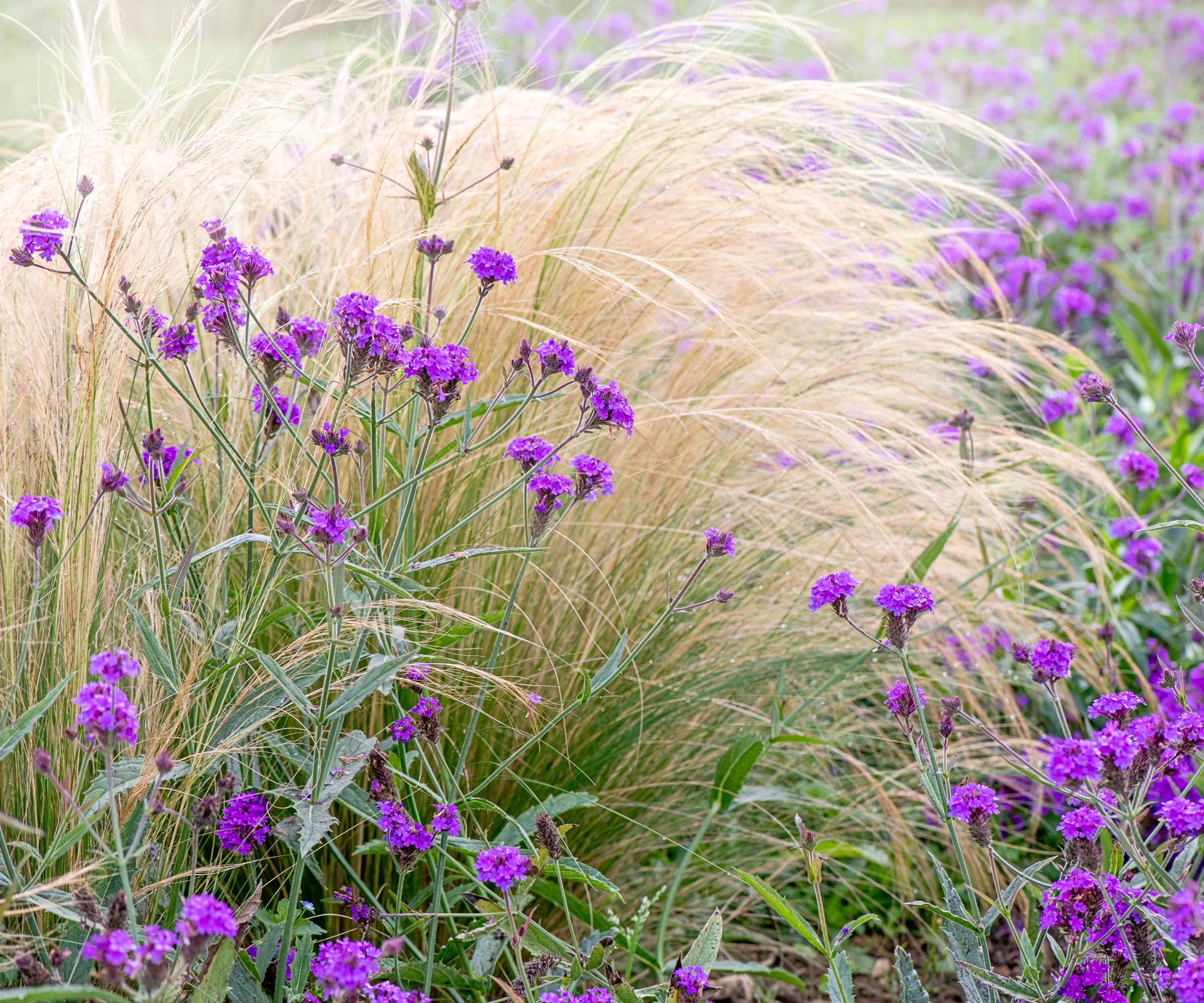
Revered by landscape designers for its airy stems topped by vivid violet and pinky-purple blooms, Verbena bonariensis (aka tall verbena or purpletop vervain) is a pollinator magnet that butterflies adore. However, in zones 7-10, this designer darling can be an invasive self-seeding powerhouse. Just a single plant produces tens of thousands of dust-like seeds capable of surviving freezing winters. These germinate with wild abandon in spring.
The challenge lies in how easily mature seed heads shed. The moment the blooms turn from purple to a dull brown, the tiny seeds loosen and scatter at the slightest brush of a breeze or sleeve. Cut back the flowering stems now, while flower clusters still hold a hint of lilac, or cup a bucket beneath the stems as you snip to catch dropping seed heads. Use wipes, such as Clorox Disinfecting Wipes 3-Pack from Walmart, to protect your snips and shears from clinging micro-seeds. Bag cut stems immediately to prevent contaminating lawn edges.
5. Love-in-a-Mist (Nigella)

This vintage cottage garden annual is admired for its blue, pink, and white blooms nestled within a fluffy ruff of misty green bracts. Following bloom, love-in-a-mist (Nigella damascena) flowers transform into intriguing striped seed capsules that look like paper lanterns. While these pods look stunning in dried floral arrangements, it’s risky to leave them in the garden. Once they burst, they will shed hundreds of seeds across your yard like demented pepper shakers.
So, as soon as you see their green lanterns developing dark striping and they start to feel papery to the touch, harvest them with snips before the top horns split. Cut the stems long and tie them upside down inside a paper sack. The seeds will drop into the bag as the capsules dry. Save these in airtight tins for controlled springtime planting. If you need seed-saving envelopes, Artrylin Self-Seal Seed Envelopes (150-Pack) from Walmart are great for labeling, dating, and organising your seeds.
6. Calendula
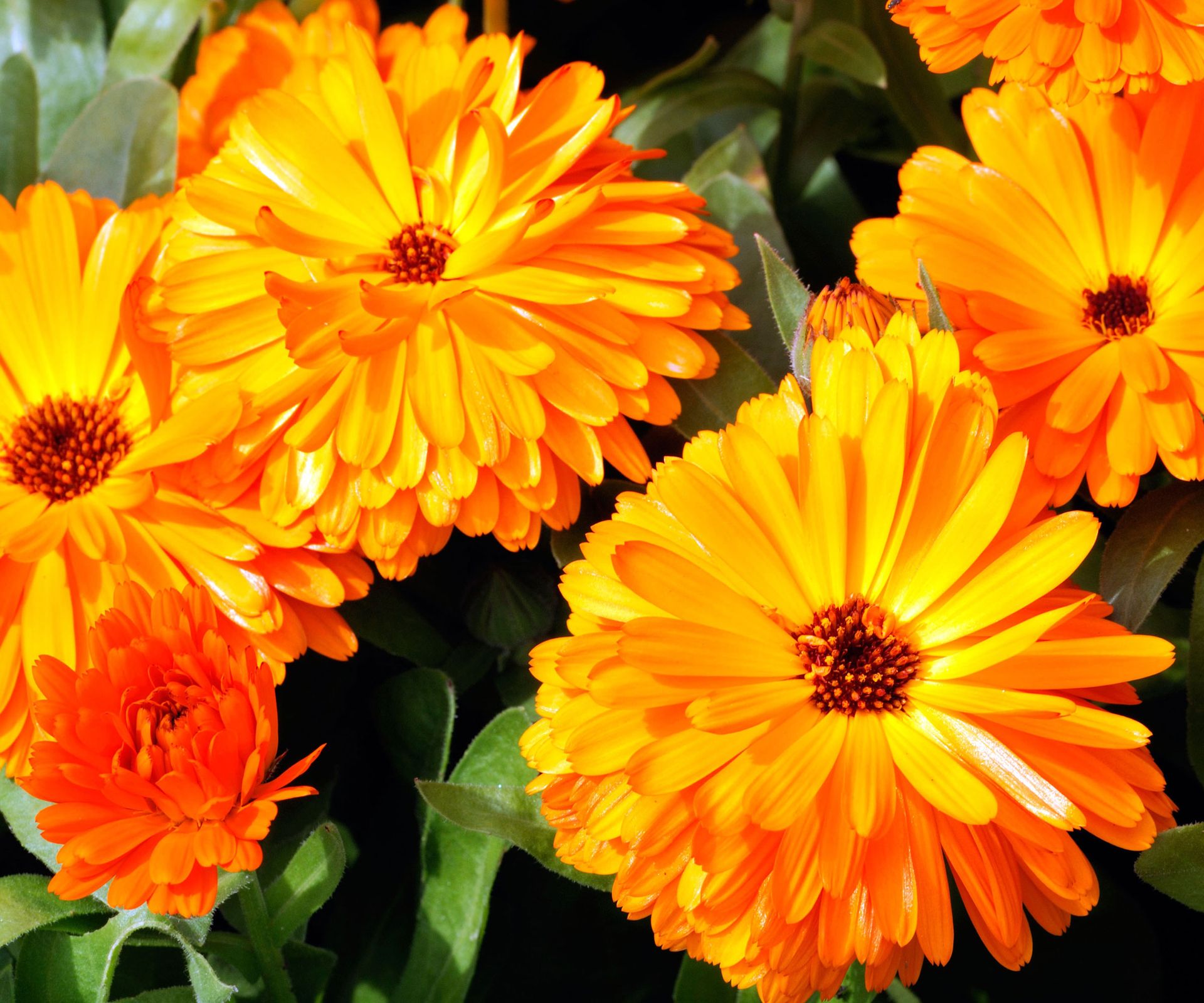
Also known as pot marigold, calendula (C. officinalis) is a hardworking cool-season annual that brightens borders and edible gardens, and continues blooming late into fall. However, each spent bloom forms a dense ring of seeds with hooked backs, which cling to tools, garden clothing, and pet fur, hitchhiking to new corners of your yard. If left undisturbed, fallen seeds create thick mats of seedlings that can choke out early spring bulbs. Deadhead those spent blooms the moment the petals wilt, snipping just below the green seed ring before it gets rigid.
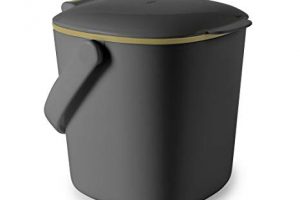
If self-sown seeds have already scattered across the topsoil, lightly skim the surface with a hand rake to collect the seeds. Then cover the area with compost or shredded bark mulch to prevent early spring calendula germination. If you fancy adding some compost but don’t have enough of your own, The Home and Country USA Store do lovely little Mushroom Compost Pails from Amazon, to help you create a good soil blanket after sorting out your seed heads.
7. Mexican Sunflowers
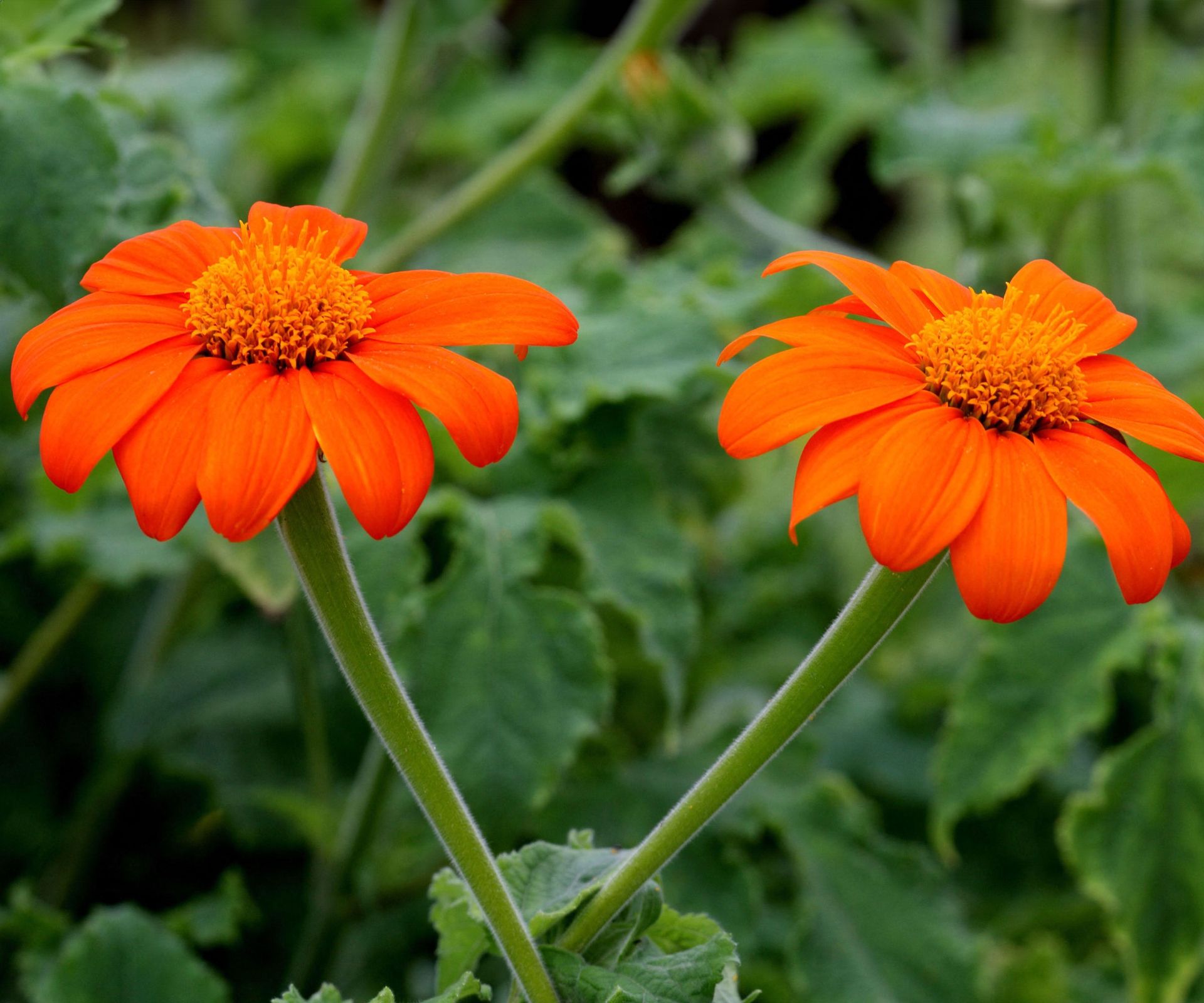
Few annuals provide the explosive vigor of the Mexican sunflower (Tithonia rotundifolia). Reaching 6-8 feet (1.8-2.4m) tall with brilliant orange blooms, it can draw monarchs and hummingbirds from miles around. However, that size poses a major problem when it self-seeds. Spring volunteer seedlings grow with ferocious speed, quickly developing thick stems and umbrella-like leaves that cast deep shade over surrounding perennials and crops.
By October, spent blooms transform into dark seed heads packed with dozens of stiff, pointed seeds that shatter outward at the slightest bump. Cut fading flowers back promptly before the centers turn dry and brittle. Once frost claims the foliage, chop down the hollow stalks and take them to the municipal waste. If you need strong debris sacks, Lowe’s Heavy Duty Debris Bags hold coarse stalks and seedheads securely for curbside yard disposal. Never toss mature heads into your home compost, or you will see hundreds of giant seedlings in beds next season.
Self-seeding can bring dynamic energy to the landscape, but if you want to prevent unwanted thuggish invasions (and all the gardening chores that go with that) then take timely fall action. The trick is deciding which flowers to allow to spread, which to manage, and how extensively to manage them.
By snipping off ripe seed heads and clearing away loose seed clusters, you can eliminate hours of weeding next spring. It might take a little trial and error, but don’t ignore your self-seeders or you might well regret it come spring. Harvest the seeds you want to keep, dispose of the rest, and enjoy a beautifully balanced and better behaved space next year.
Need more ideas for getting the most from your plants, indoors and out, and looking for the best seasonal expert advice delivered straight to your inbox? Sign up for the free Gardening Know How Newsletter!