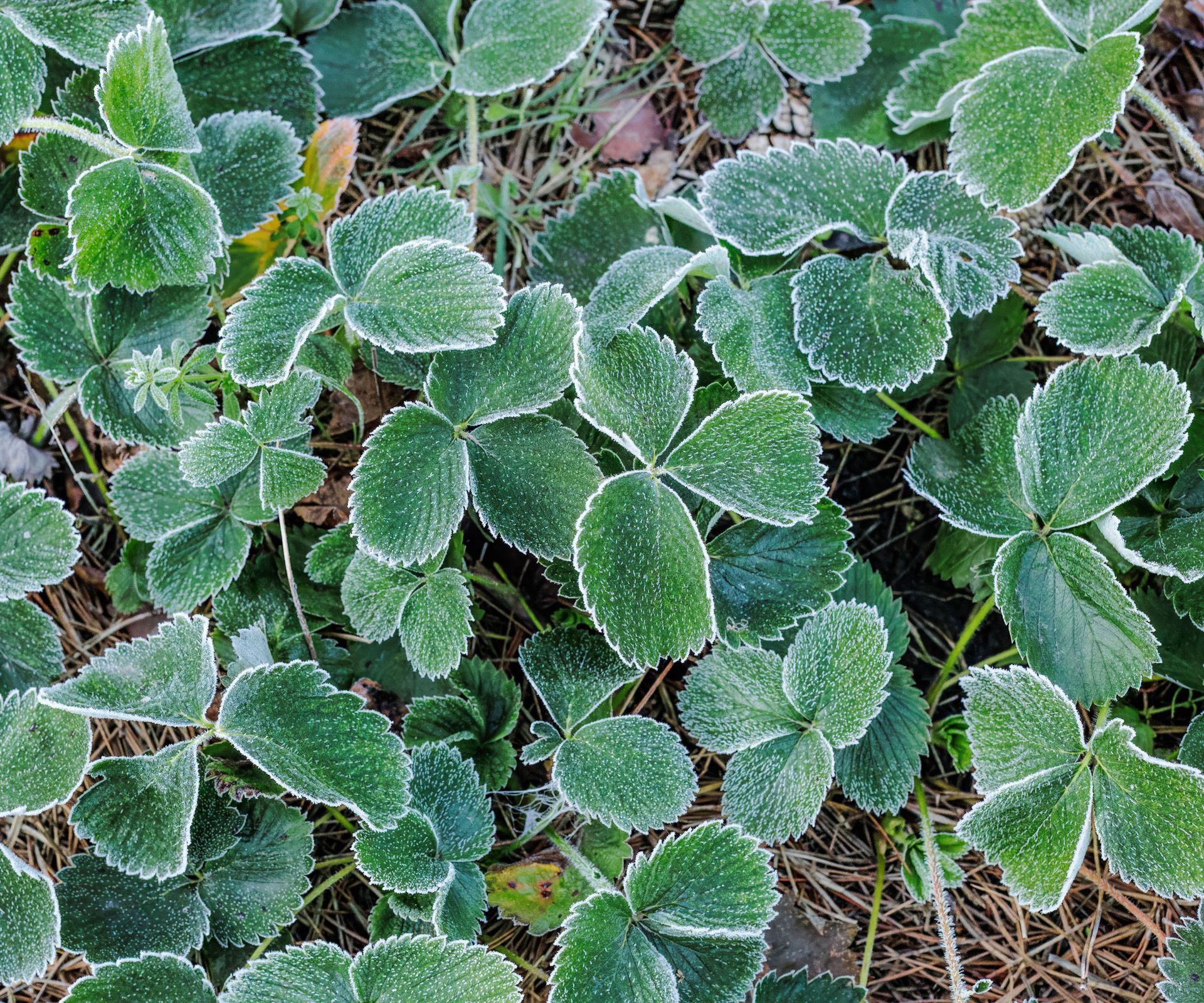
As fall edges forward, strawberry patches can often look like they have finished their seasonal duties. The berries are long gone, creeping runners have tangled across walkways, and older foliage is beginning to bronze. It is tempting to simply walk away and leave the beds until spring. However, neglecting your patch in late autumn is one of the most common reasons for more disappointing crops the following year.
What happens to your strawberry plants in October has a massive impact on next year’s crop. A few simple fall tasks now can help them get through winter in good shape, which directly leads to more berries that taste yummy next summer. Anyone who grows strawberries knows how much rides on the crown – the thick stem at the center of each plant, where new leaves and flowers start. It sits at the soil line, which makes it easy to damage in winter. Most of these fall jobs come back to protecting it.
Whether you cultivate June-bearers like Honeoye or Jewel, everbearing varieties like Ozark Beauty, or continuous day-neutral types like Albion, this next week is a critical window to protect strawbs. Time is short before the ground freezes solid. By taking a few quick steps now, you protect those delicate crowns and lay the foundation for a riot of sweet, juicy fruit next year. So don’t skip these fall care essentials…
Best Strawberry Care in October
These strawberry tasks bridge the gap between active growing and total winter dormancy. Because strawberries have shallow root systems that rarely penetrate deeper than 6 inches (15cm) into soil, it’s good to check in with conditions both on and in the ground. Checking your patch’s moisture, ambient temperature, and foliage health this month ensures plants enter dormancy with maximum energy reserves.
A steady cold at this time of year isn’t always the biggest problem for strawberries. A sunny thaw followed by a hard freeze can heave plants right out of the soil and tear their roots. So where you live changes the following strawberry game plan a little bit. In colder USDA hardiness zones (zones 3-6), October is mostly about getting ready for winter and priming beds and containers before freezes strike. In warmer southern regions (zones 8-10) it can be a great time to plant new runners.
Strawberry care this month also varies according to whether you are growing in the ground or in containers. In-ground matted rows benefit from the relative continued warmth of surrounding earth, while strawberries grown in raised beds, terracotta jars, or vertical planting towers may face a tougher time now. Performing targeted checks on both border beds and container plants ensures that every strawberry crown remains healthy and protected through the cold months ahead.
Before you start these strawberry jobs, quickly check the soil with a good diagnostic tool like the budget-friendly Raintrip 4-in-1 Soil Meter from Amazon. This will help you to get a good sense of current root moisture and temperature levels ahead of any extra soil treatments or mulching extras. With that in hand, follow these simple steps…
1. Clean Up Foliage and Clear Weeds
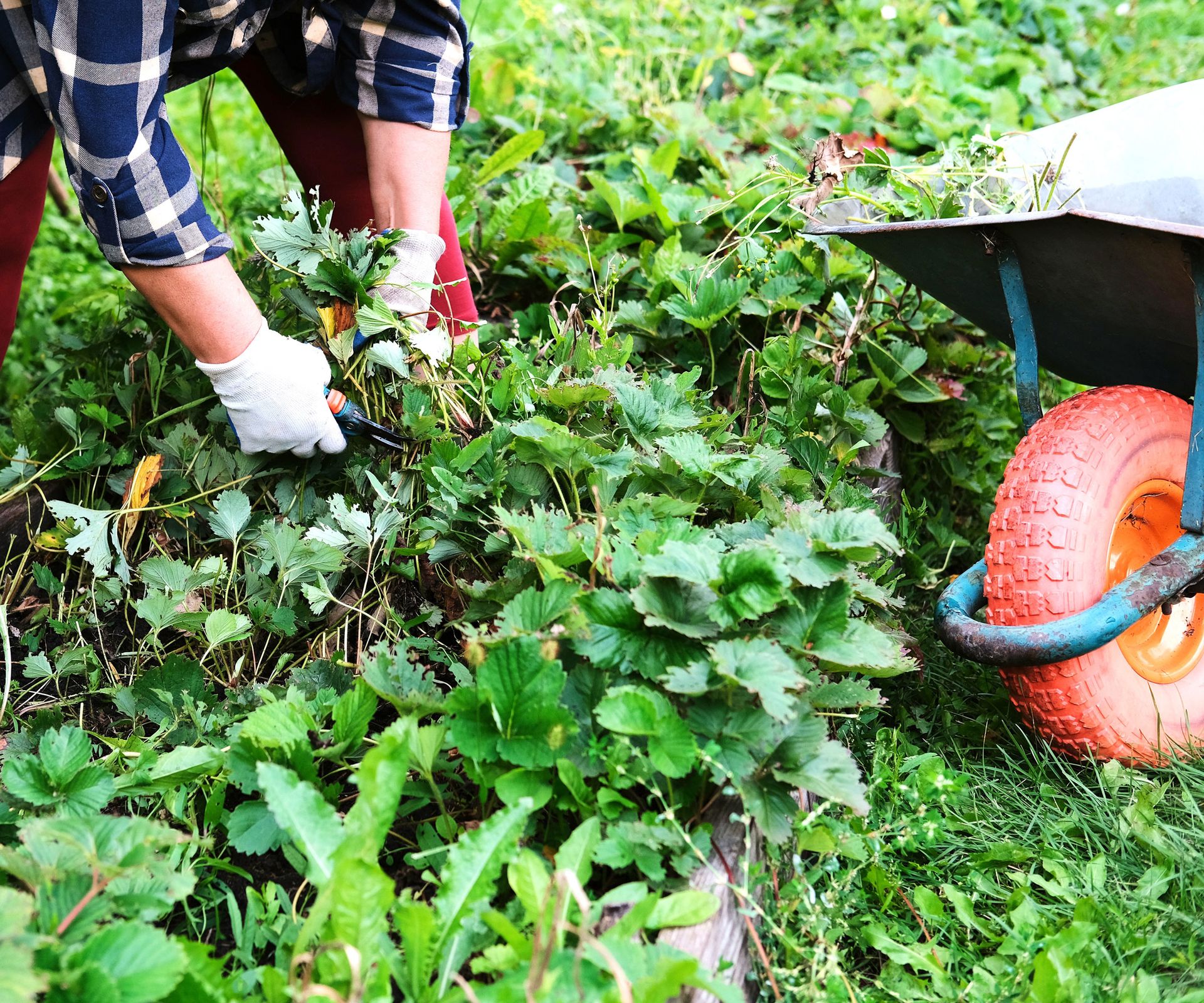
One of the simplest ways to prime your strawberry plants is to quickly check for weathered, damaged or diseased foliage. This will eliminate overwintering pests and fungal pathogens before cold weather sets in. Walk your rows with sharp snips and trim away foliage that looks brown, decayed, or has reddish-purple spots (the telltale sign of strawberry leaf spot). Use spring-action snips like Fiskars Micro-Tip Pruning Snips, available from Amazon, or Fiskars SoftGrip Handle Bypass Floral Hand Pruning Shears, from The Home Depot, to make any smaller targeted cuts.
Don’t leave the clippings on the ground, as pests can still overwinter in the old growth. Rake up the trimmings and get them off the bed, placing them in the trash rather than your compost heap. However, avoid aggressive cutbacks. The healthy green leaves are still feeding the crown, and June-bearing plants set next year’s flower buds as the days get shorter. Save hard shearing for post-harvest renovation.
Another part of tidying up strawberry beds involves timely weeding. Weeds that get settled in during fall are usually harder to get rid of in spring, and they will actively compete with strawberries for water and nutrients. Remember, your strawbs have shallow roots, so avoid deep hoeing or aggressive tilling. After a spell of rain, pull the weeds by hand. Damp soil lets go of roots more easily. Work methodically around each crown, taking care not to accidentally loosen or heave plants from the soil.
2. Prune or Root Trailing Runners

Strawberry plants continue producing runners right up until the first hard frost. This can be exciting in terms of the potential for new plants, However, left unchecked, excessive runners can drain energy away from the mother plant. In established rows of June-bearers, you can keep a few runners and direct select healthy daughter plants into bare gaps. Pin them down using landscape staples or small soil mounds. Once the daughter roots, snip the connection with the mother.
Keep an eye on plant density, though. Thin any excess plants so that the crowns sit roughly 6-8 inches (15-20cm) apart. For everbearing and day-neutral varieties, it’s best to snip off all fall runners completely. Repeat-blooming cultivars produce higher spring yields when all that late-season energy stays focused inside the crowns. Day-neutral types make far fewer runners, and in cold regions a lot of them won’t survive winter, though mulching them might give them a chance.
In warmer zones 8-10, October can be a good time to plant bare-root crowns and plugs. Work a balanced feed into well-drained, slightly acidic soil. A good organic option is Espoma Organic Berry-tone Fertilizer, available in budget-friendly packs from The Home Depot to condition your beds. Set new plants 12 inches (30cm) apart. Make sure the crown is at soil level, as a buried crown can rot. Keep a frost cloth handy for vicious cold snaps. In colder zones, it’s best to plant in spring.
3. Water Deeply Until the Ground Freezes
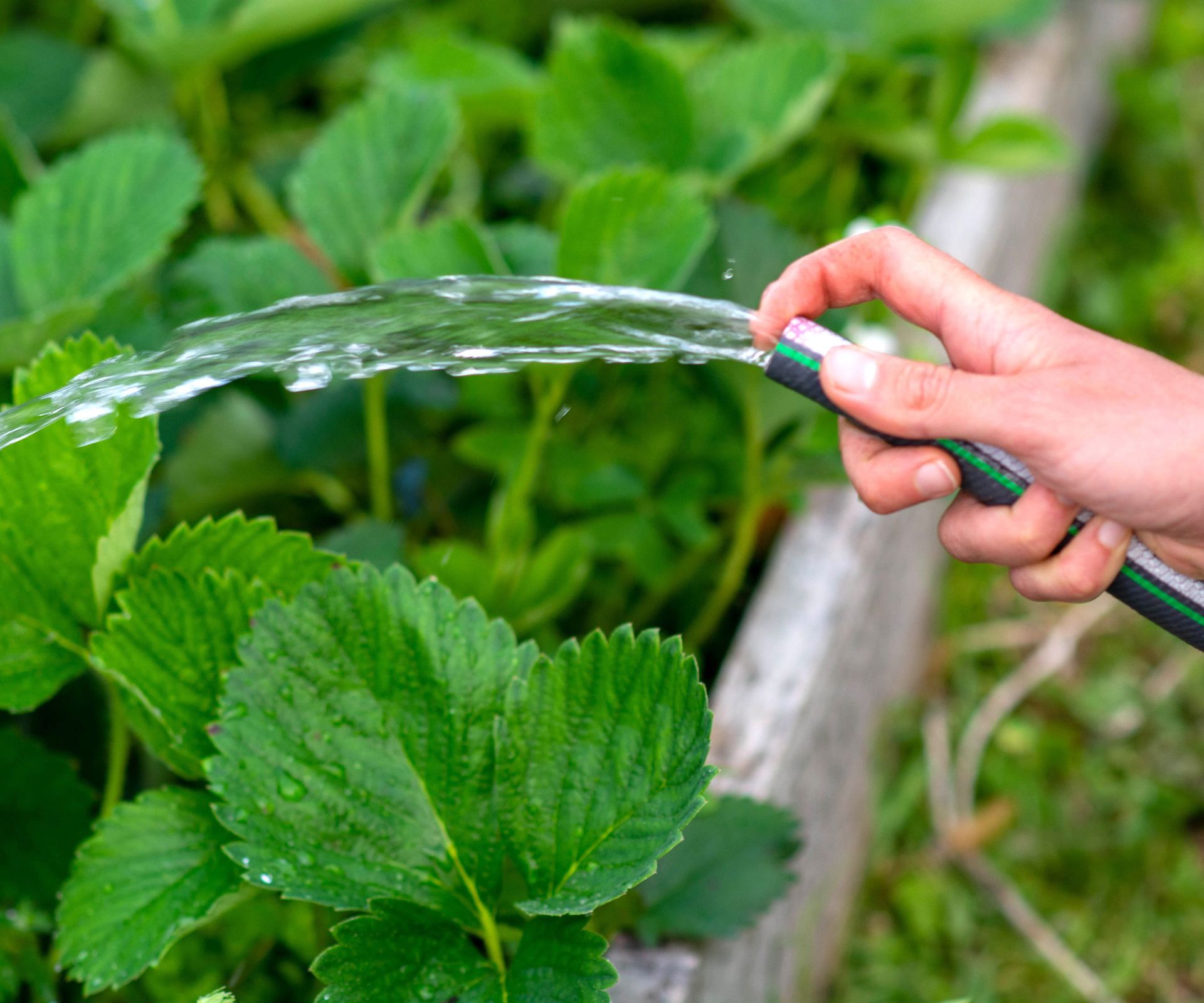
Fall weather often brings more rainfall, prompting many of us to abandon our watering cans. However, rain is rarely sufficient for shallow-rooted strawberry patches. Because strawberry roots are shallow, they can dry out rapidly during crisp, windy afternoons. Keeping strawberry crowns in dehydrated soil as they enter winter can stress plants and invite winter kill. New plants are especially vulnerable, since their roots haven’t spread far yet. This task is so easy to keep tabs on. Your plants just need one deep weekly soaking, roughly an inch (2.5cm) of water per week.
Water your strawberries early in the day so the foliage can dry before nighttime chills. Use a soaker hose or watering wand if you can, and aim for the base of the plants. Moist soil holds thermal heat better than bone-dry earth. Keep watering until the ground freezes. For a light nutrient boost, add a diluted seaweed drench every 2 weeks until the ground is frozen solid. A splash of Neptune’s Harvest Fish & Seaweed Organic 2-3-1 Fertilizer, available from Walmart, is a great root tonic to help see your strawbs through winter.
4. Apply Mulch After the Ground Chills
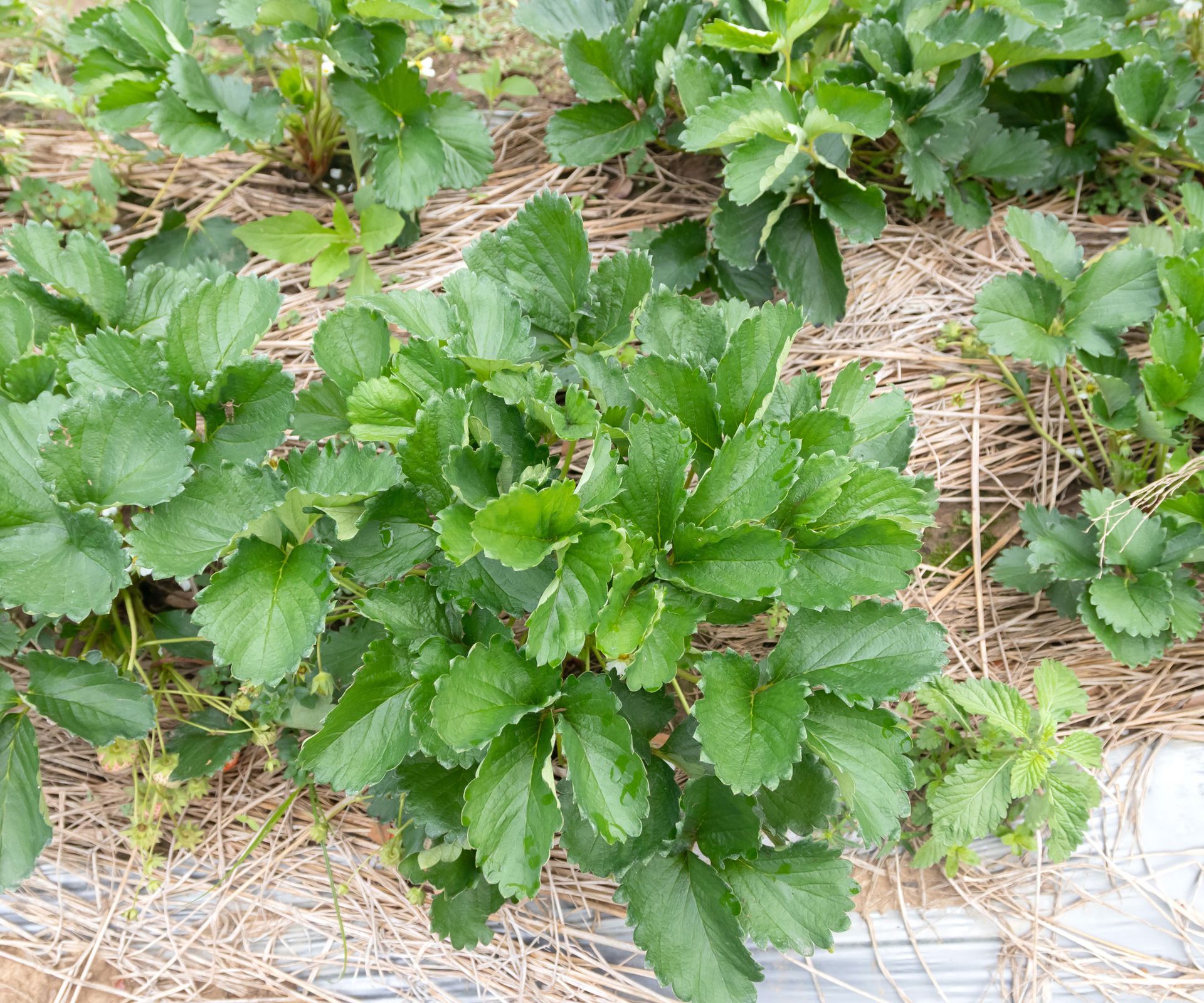
Winter mulching is vital for strawberry survival, but timing is everything. Mulching strawberries too early in October, while daytime temperatures remain mild, can trap warmth and moisture against the crowns. This seeming act of kindness can create more problems, preventing plants from hardening off and inviting crown rots. So wait until the plants have been through several hard frosts and the leaves start to look gray or red, which usually lines up with a few nights around 20-25°F (-4 to -7°C). This signals that plants are dormant.
Once the ground begins freezing, spread a loose, airy 3 to 4-inch (8-10cm) blanket of clean, weed-free straw (such as oat, wheat, or barley) or clean pine needles over the entire planting bed. Straw bales cover plenty of ground. You can grab some Bell Nursery Straw Bales from The Home Depot for an airy yet cozy blanket over wintering strawberry beds. Skip fallen leaves, which can mat down into a soggy blanket and trap moisture. Unprotected crowns can die at around 15°F (-9C). Just wait for a real cold snap before tucking everything under straw.
5. Protect Container-Grown Plants
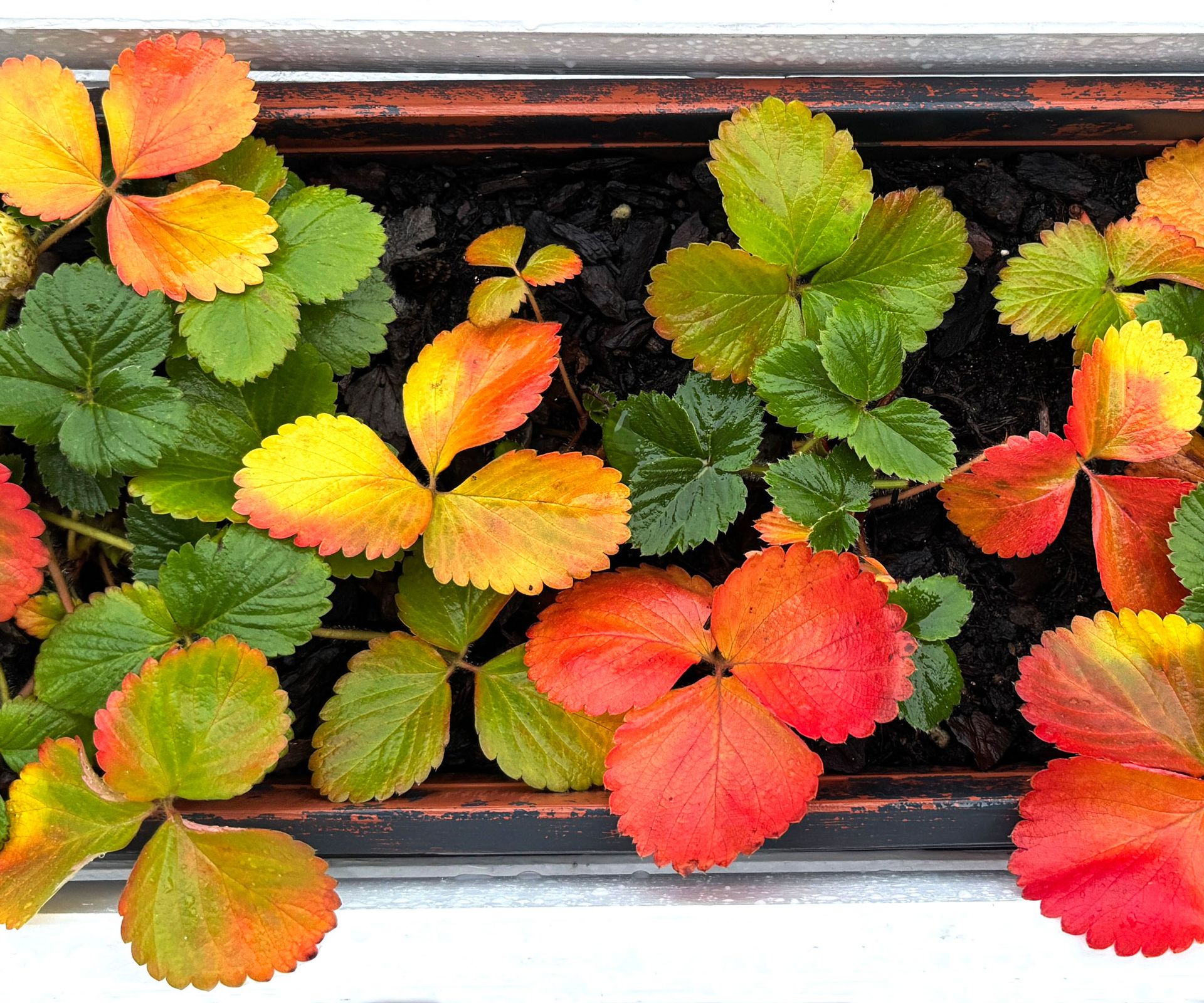
Container-grown strawberries face higher winter risks than those in beds. Pots don’t give the roots much protection, and in a hard freeze the soil inside can get nearly as cold as the air. This can expose roots to brutal freeze-thaw cycles that can crack containers and kill sleeping strawberry crowns. So once your container plants enter full dormancy in late October, extra protection is necessary in zones 7 and colder.
The easiest fix is to carry the pots into an unheated garage or shed for the winter. As long as temperatures remain around 25-40°F (-4 to 4°C), they will be fine. If indoor shelter is unavailable, push the pots together against a sheltered, south-facing wall. Surround the outside pots with some burlap or insulating bubble wrap, and mound loose straw over the crowns.
Before tucking pots away for winter, water and refresh the upper layer of potting soil with some organic compost. For a simple soil refresher, add a sprinkle of Espoma Natural Mushroom Blend Compost, available from Walmart, to your containers. Top-dressing winterized containers will help to prime your strawbs for spring growth.
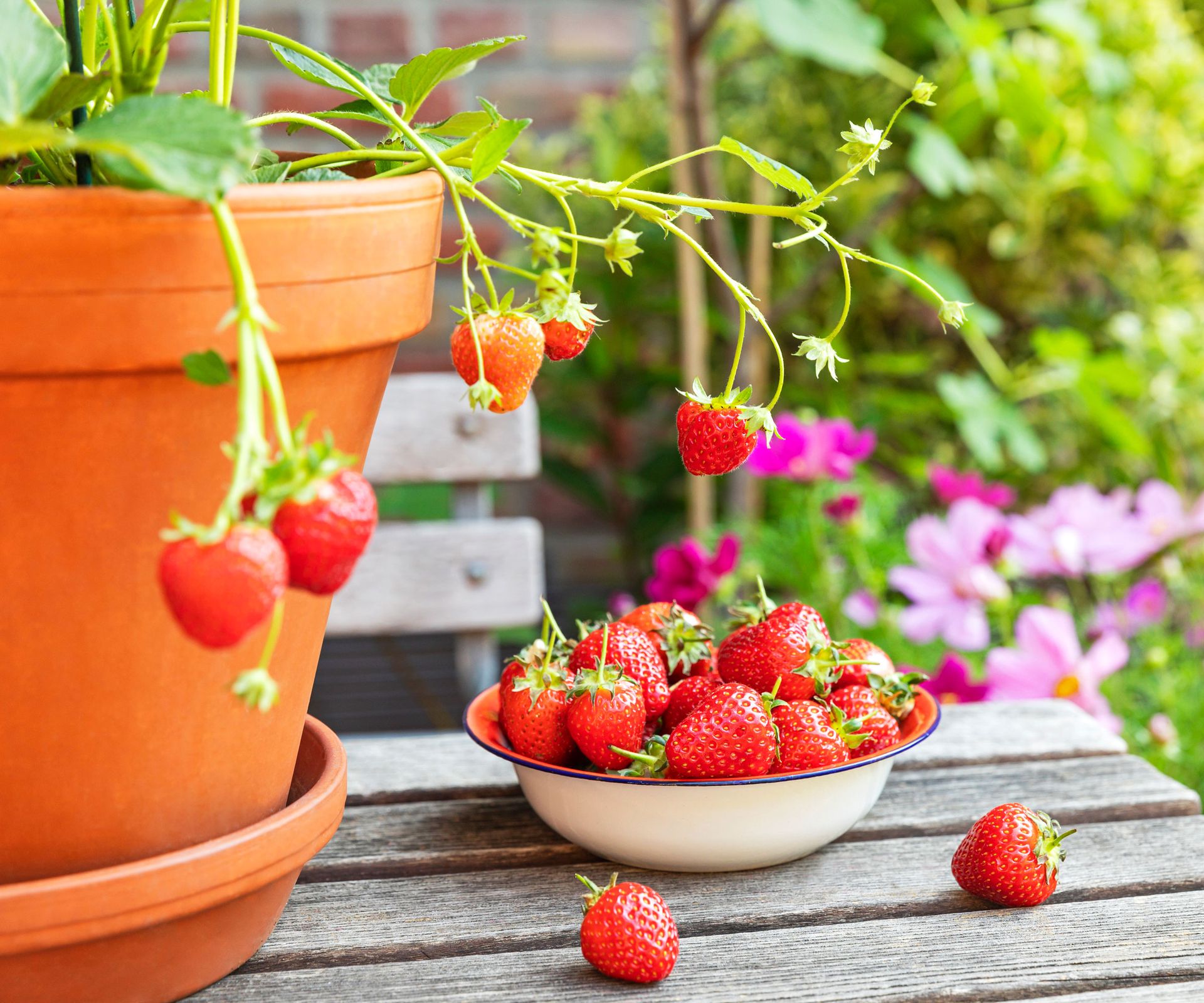
October strawberry care is all about thoughtful, timely preservation. By cutting away the worst of the leaves, managing trailing runners, keeping roots well watered, adding a timely straw mulch, and protecting container-based strawbs, you can shield your plants from the harshest winter weather. Tackle these simple tasks today, and you look forward to an abundance of homegrown berries next year.
Need more ideas for getting the most from your plants, indoors and out, and looking for the best seasonal expert advice delivered straight to your inbox? Sign up for the free Gardening Know How Newsletter!