Even in fall, your garden is full of potential and taking cuttings in October that will quickly root to become new plants is such a cost-effective way to bulk up next year’s borders. It really couldn’t be easier, so even if you’re a beginner gardener or you’ve never tried this propagation method before, taking cuttings in fall should definitely be on your list of gardening jobs to do in October.
There’s a big advantage to rooting plant cuttings in fall because the current season’s growth is mature. Protected by a tougher exterior, the stems are far more resilient to drying out than softwood cuttings taken in summer. Lavender, rosemary, fuchsia, holly and boxwood all respond really well to fall propagation, so you can clone some of your garden favorites to get new plants for free.
Ready to have a go? Here’s exactly what to do.
How to Take Cuttings in October
All these plants can be propagated in October using semi-ripe cuttings, also called semi-hardwood cuttings. Don’t be confused by this gardening jargon – it simply means that you’ll be using stems that are woody at the base but green and flexible at the top.
1. Snip a Stem
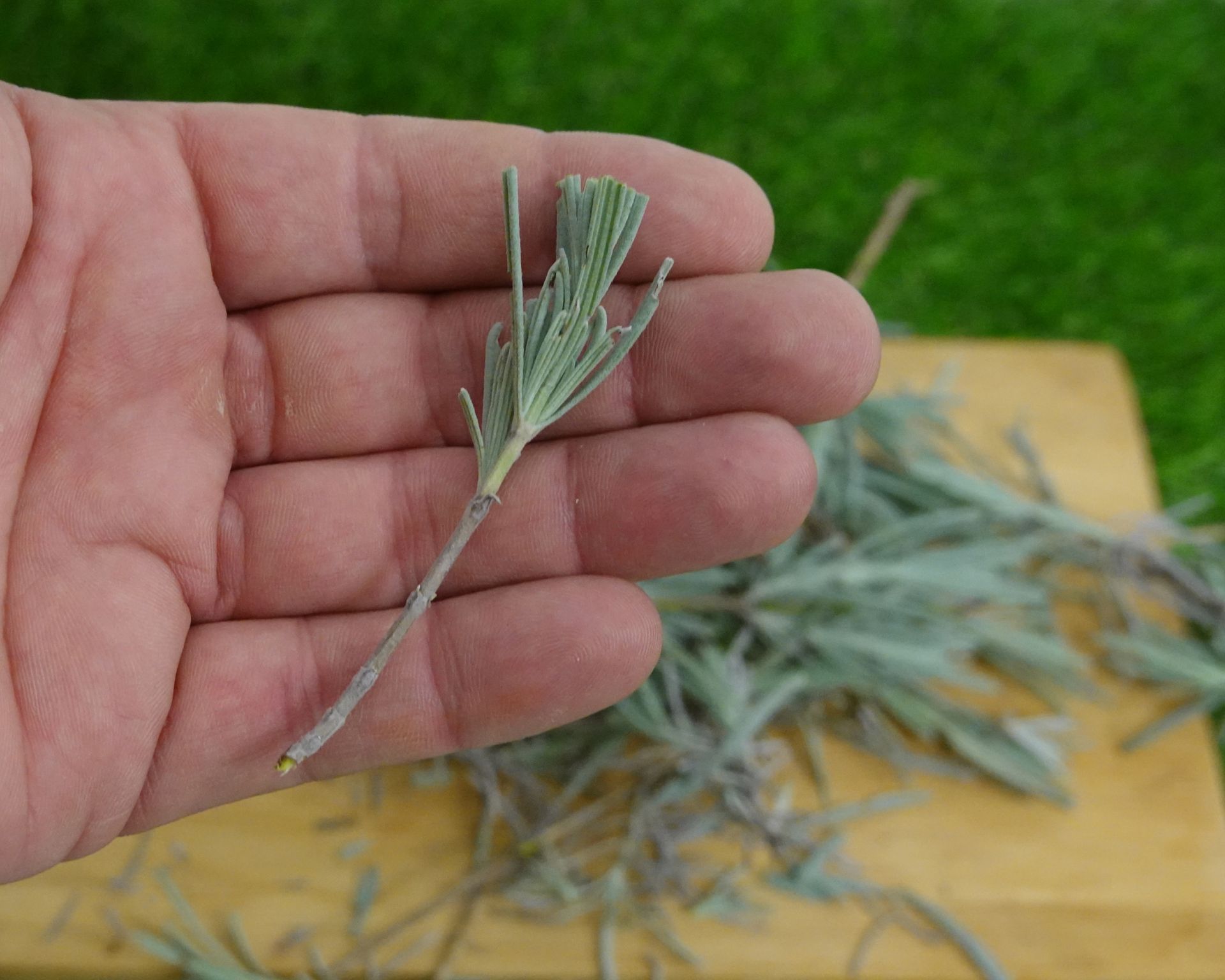
Choose a strong plant and then a healthy stem with leaves but no flowers. Look for recent growth that has firmed up but isn’t totally woody yet – a suitable stem will snap and make a clean break when bent.
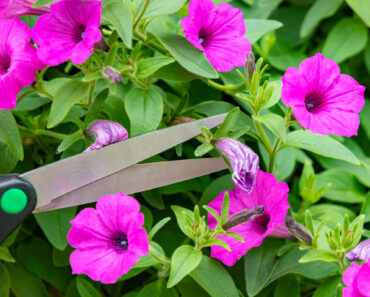
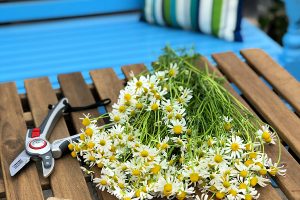
Use bypass pruning shears such as these Fiskars SoftGrip Bypass Hand Pruners from Lowe’s and make sure the blades are razor sharp. Sharpening pruner blades takes moments with a cheap tool like this Sharpal Garden Tool Sharpener from Amazon and will make a huge difference to how well your cuttings root. Super-sharp blades will slice cleanly through the stem rather than crushing and bruising it, which is one of the main reasons cuttings fail. For the same reason, don’t use anvil pruners as their crushing action will bruise delicate stem tissue.
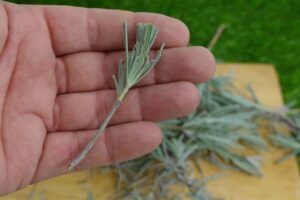
Make a cut just below a leaf node, where a leaf joins the stem. Each cutting should be about 4-6 inches (10-15 cm) long, and at this time of the year use the top of stems where growth hormones are concentrated. Remove the lower leaves, preserving a few at the top.
2. Pop it Into Potting Mix
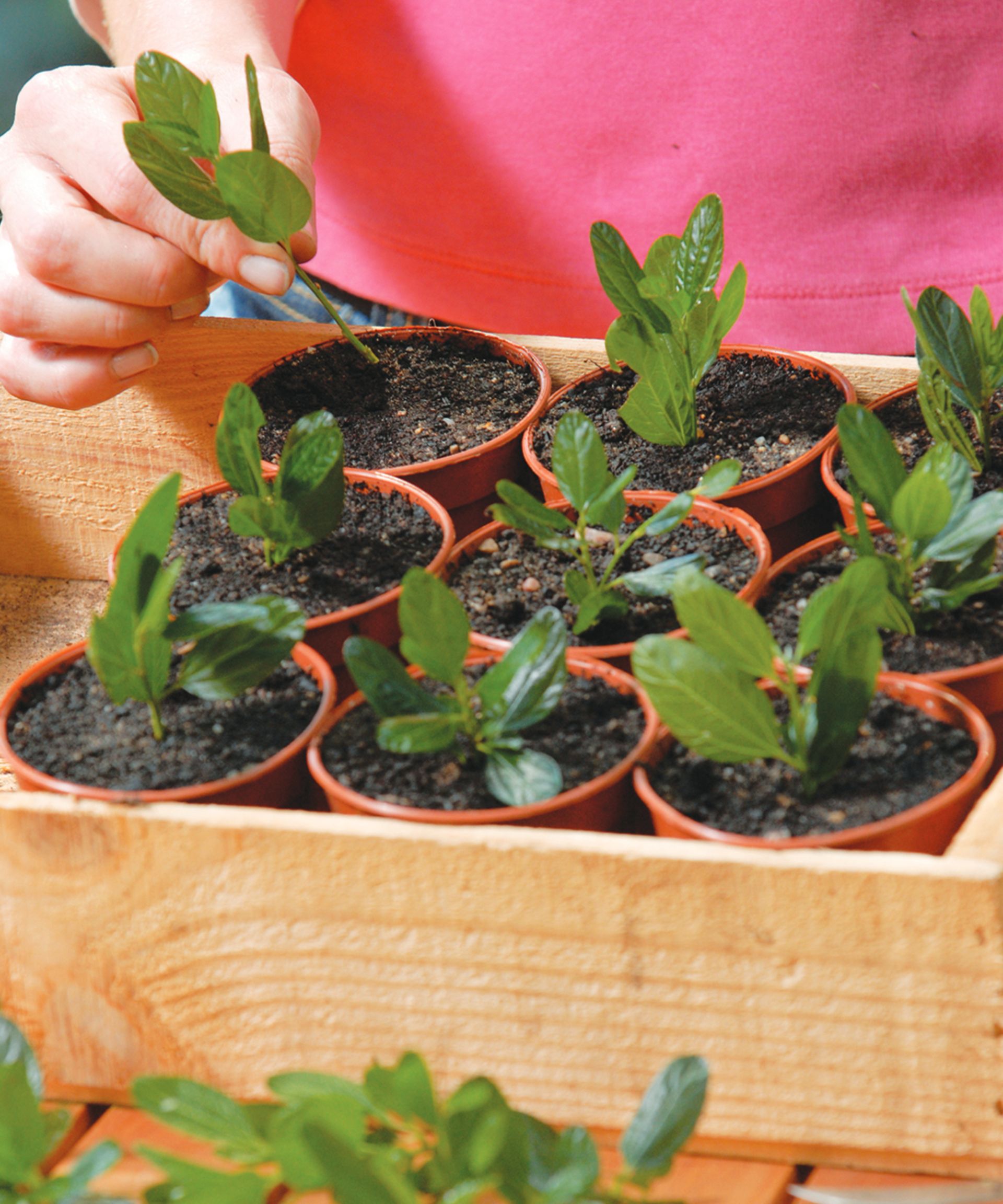
Fill a small pot with a sterile rooting medium that drains well – a soil-less mix such as this Propagation Planting Mix from Amazon is ideal. Poke a pencil into the mix to make a hole and pop 1-1½ inches of your cutting, cut end first, in. Dipping the cut end in a rooting hormone such as Garden Safe Take Root, available from Walmart, speeds success with some plants but this step isn’t always necessary. What is vital, however, is that at least one bare leaf node is submerged in the mix, but no leaves are beneath the surface.
3. Water
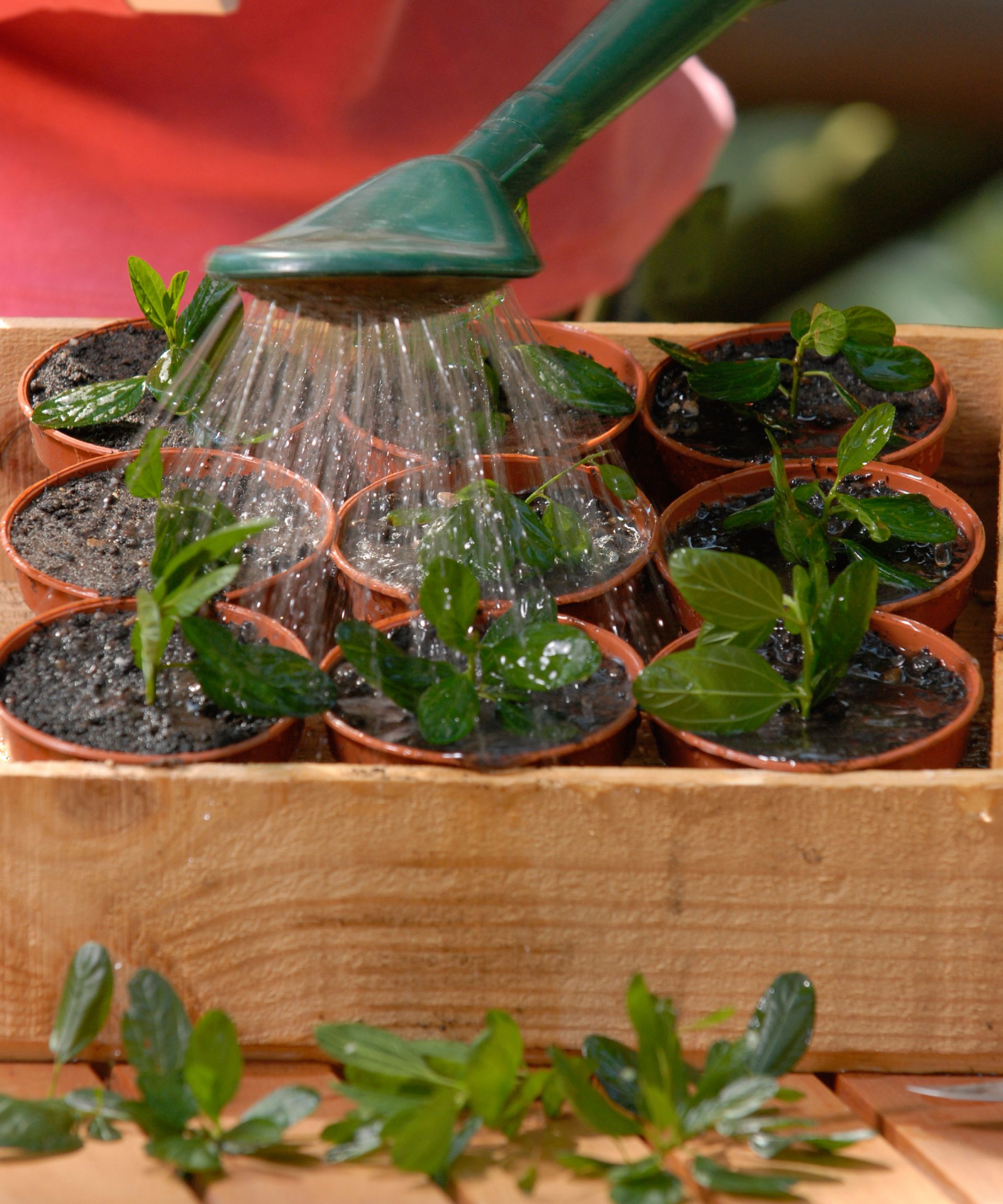
Gently use your fingers to firm the soil around the cutting then water to settle the mix. Now pop a clear plastic bag – a resealable sandwich bag like these from Amazon work well as the zipper closure gives some rigidity – over the pot to make a mini-greenhouse. Use a rubber band around the pot to secure it in place if needs be. Stand this in a spot with bright, indirect light that’s away from cold drafts.
Because the cutting has leaves to support but no roots to supply moisture, you need to keep the rooting medium moist and provide some humidity. The plastic bag will trap moisture inside but mist the leaves every few days if needs be, or reduce moisture by wiping any very heavy condensation.
4. Watch for Fresh Growth
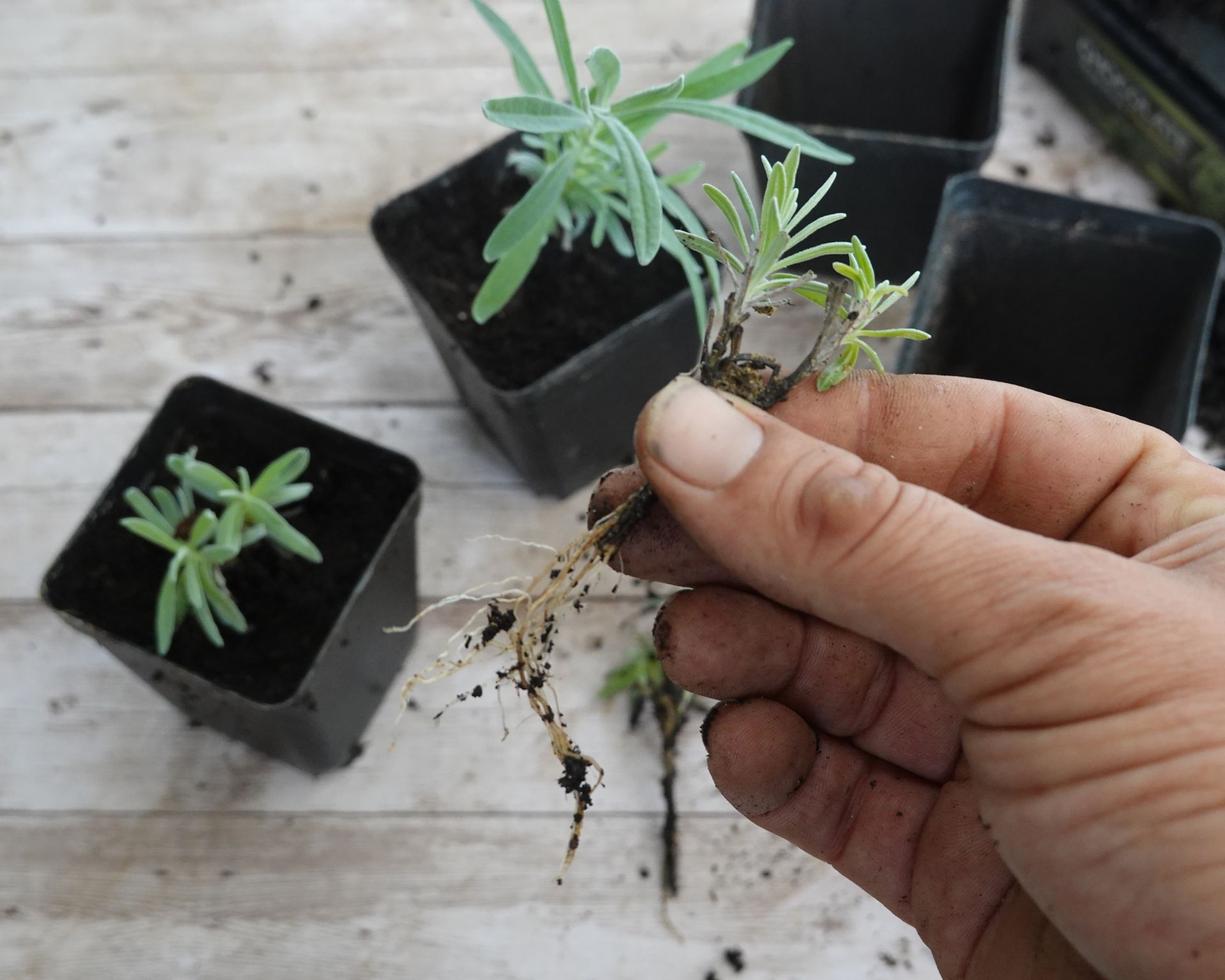
In a few weeks, you should spot fresh leaves beginning to unfold, which means your cutting has rooted. If there’s no sign of new growth after a month, try giving the stem a very gentle upwards tug – if there’s any resistance, there are roots. A successful cutting will also look firm and plump, while an unsuccessful one will be starting to shrivel by now.
As soon as you know the cutting has rooted, it can come out of its little nursery greenhouse. You’ll need to acclimatise the baby plant slowly, so snip off the corners of the bag to let some fresh air in, then snip a little more off the following day and remove the bag entirely on the third day. You’ll now need to keep your young plant watered, and tend it over winter ready to plant out next spring.
5 Plants to Propagate This Way in October
Rosemary

Rosemary propagates readily from semi-hardwood cuttings. Choose healthy stems that are still flexible, not totally woody, and without any flowers. Make sure the rooting medium you use for the cutting drains very well as rosemary will not tolerate excess moisture. If your climate is mild, you may be able to keep it outdoors in a sheltered area with bright light. If not, keep inside by a window all winter.
Lavender

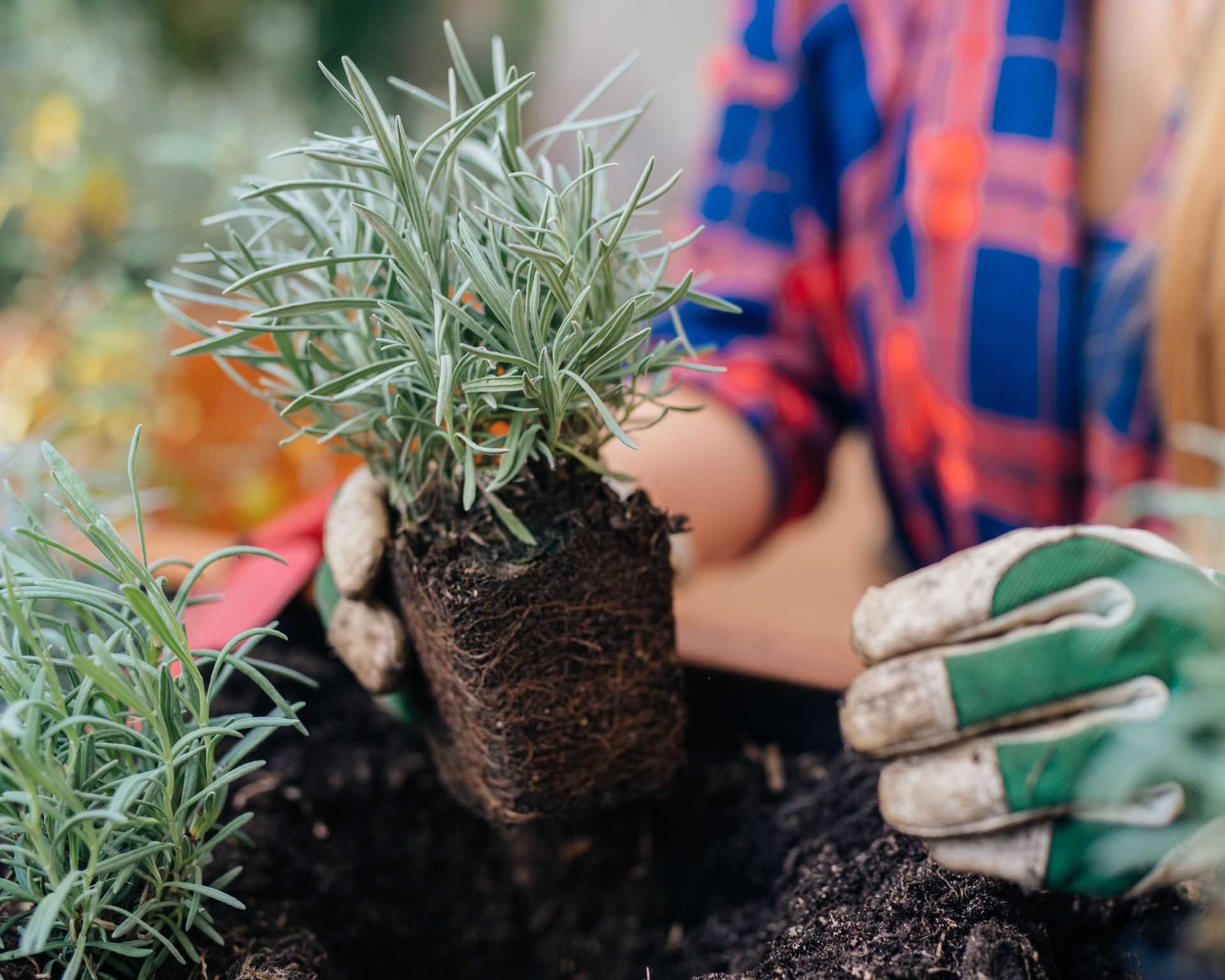
Lavender is similar to rosemary in that it will readily propagate now. Taking lavender cuttings is such an easy way to propagate lavender, and family and friends will love a gift of this popular plant in spring. Avoid the woody stems and choose a flexible stem to cut. Use a rooting mix that drains very well and make sure it never gets too soggy. Overwinter lavender cuttings inside in colder climates.
Fuchsia
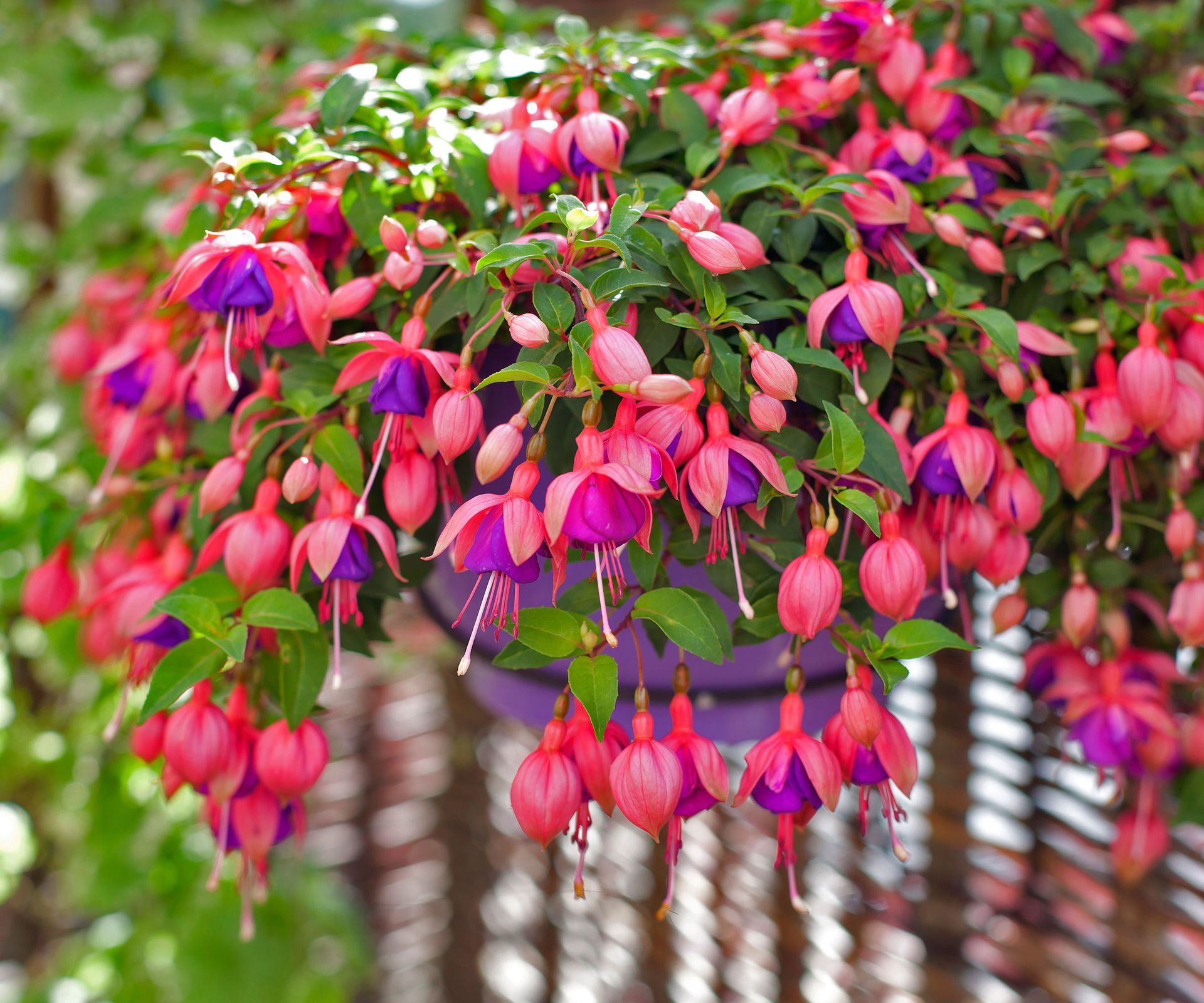
Most fuchsias are hardy in zones 6 through 11, but leaving them outdoors in winter can be a little risky so taking cuttings and keeping them indoors for the winter gives you a back-up plan. Take a cutting from a healthy, non-flowering stem, and root it in a quality rooting mix.
Boxwood

Some evergreen plants can be propagated from cuttings right now and this an easy way to save money on spring landscaping. Look for semi-hardwood stems to cut that are mature but not totally hardened or woody.
Root your boxwood cuttings in a medium that drains well, and be patient. These cuttings will take a little time to develop adequate roots. For this reason, it’s a good idea to overwinter your new plants indoors rather than trying to get them in the ground outside before winter. It’s also a good idea to take more cuttings than you think you need, in case some fail to root.
Holly
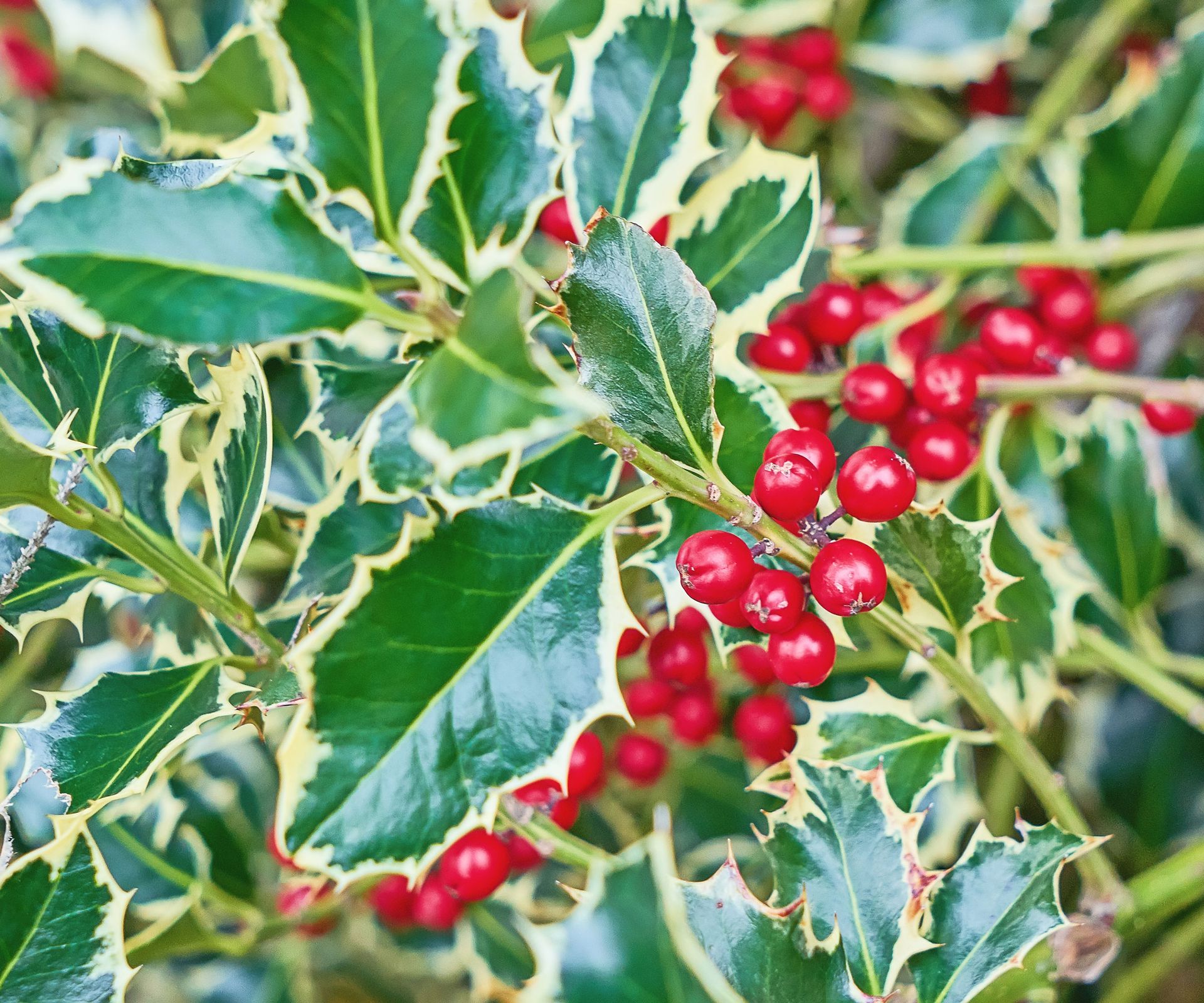
Like boxwoods, holly can be rooted from semi-hardwood cuttings. Look for healthy stems, and take more cuttings than you want because, as with boxwoods, these cuttings take longer to root and may not all be successful. Keep your cuttings and potted new plants indoors in a spot with indirect light and good levels of humidity.
Propagating your favorite plants now is so rewarding, and a very cost-efficient way to boost next year’s garden. October cuttings require a little more time and patience than spring and summer cuttings, but they’re so easy as long as you have a little patience. If you are in doubt about cold-weather tolerance, keep cuttings indoors all winter and put your new plants outside only when the weather has warmed in spring.