Saffron is one of the tastiest, most expensive spices on the planet but if you have a sunny well-drained corner in your garden, it’s simple to grow your own. Grow saffron crocus and the purple petals are a beautiful fall addition to any yard, too.
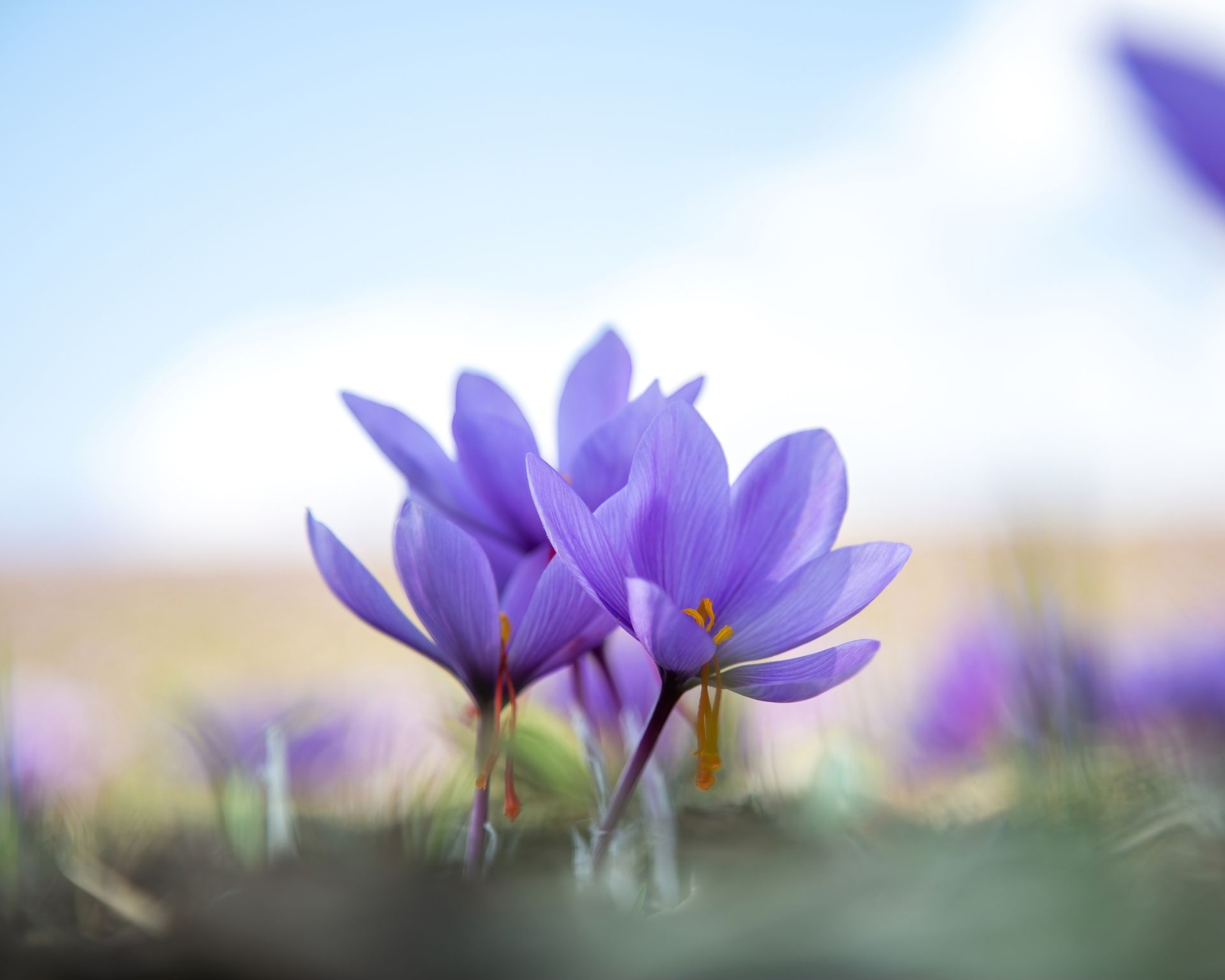
Saffron comes from Crocus sativus, a fall-blooming crocus with lavender flowers that each hold three slender red stigmas. Those stigmas are the spice. When commercially grown, every single one is plucked by hand and around 150 flowers go into a single gram of dried threads — which pretty much explains the price on that tiny grocery-store jar.
Growing the plant at home is so easy, though, and you don’t need many of those stigmas to pack a powerful flavor punch. Grow saffron crocus and you can enjoy flowers the very first autumn in a sunny patch of ground, and the corms multiply for a bigger harvest every year after.
How to Grow Saffron
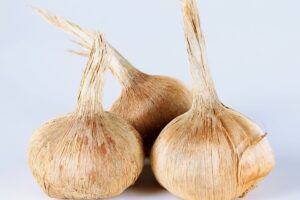
Crocus sativus grows from bulb-like corms and while August or September is the usual planting time, you can get away with planting in October as this is a tough plant, hardy in zones 4-8. Saffron crocus corms are available from Jackson & Perkins and should be planted as soon as they arrive. Corms left sitting in the bag too long can sprout and fizzle out before they ever touch soil.
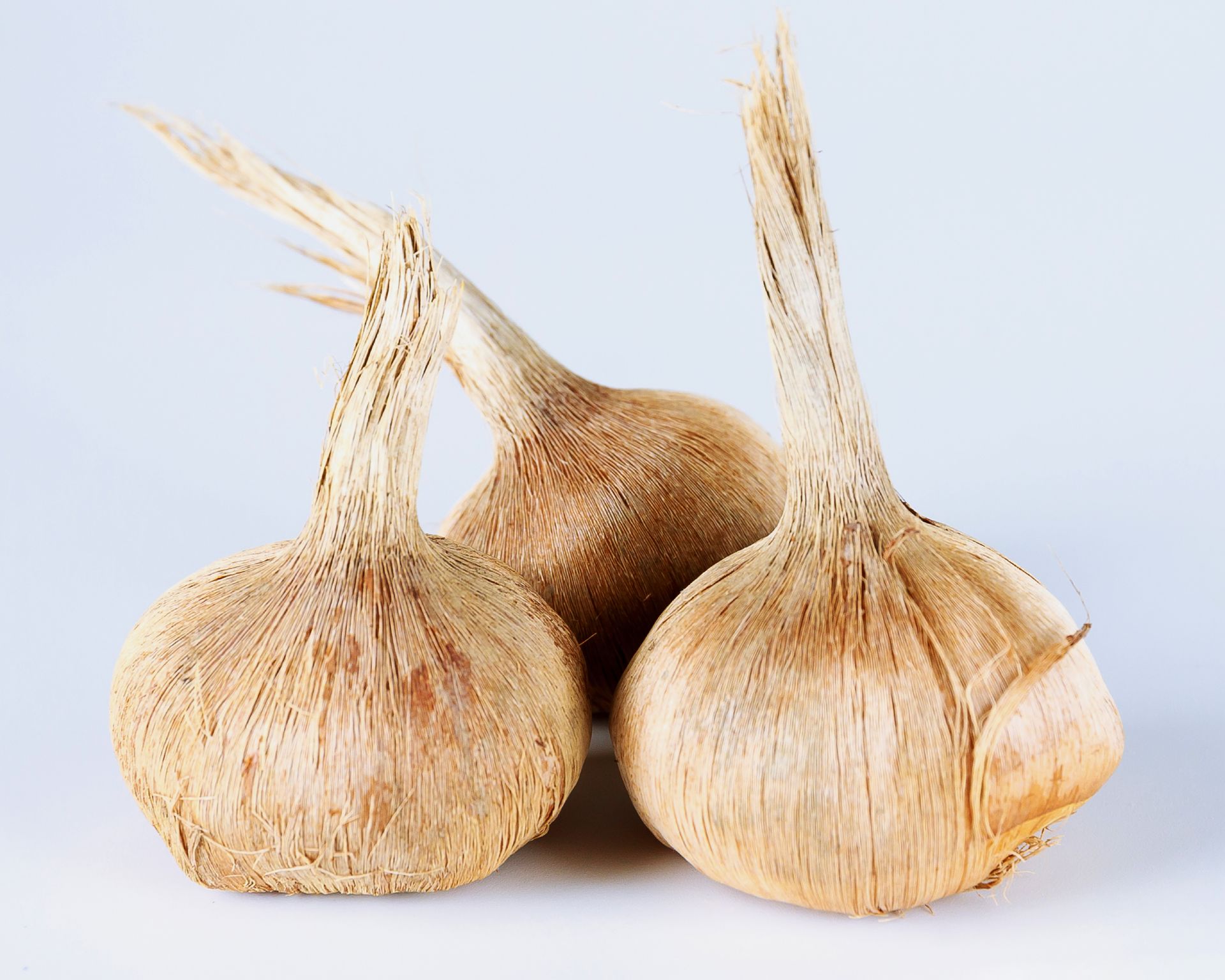
In zones 5 through 8, saffron crocus overwinters outdoors without much fuss. Zone 4 works too, as long as the soil is very well drained. Good drainage is the key to growing these corms successfully in all zones, however, as they tend to rot in soil that stays soggy for long stretches. So, if you have heavy clay soil that hangs onto water, growing saffron crocus in a raised bed makes sense.
You can also grow crocus in pots around a foot (30cm) or so across, as long as they’re set on the ground over winter, not up on a bench. Using a container also means you can choose a cozy, sheltered sunny corner in winter if you’re in a colder zone. If your soil drains well, though, the world is your oyster! A favorite method is to add saffron crocus to your lawn for drifts of pretty purple flowers in fall as you’ll have stopped mowing the grass by the time they bloom.
Set corms roughly 4-6 inches (10-15cm) deep and 3-4 inches (8-10cm) apart, pointed end up, then water them in once. Rain usually handles it after that. Voles and squirrels will dig for the corms, though, so add galvanised steel mesh, particularly if you’re planting in pots or border soil. Everbilt Steel Hardware Cloth, carried by Home Depot, has a ¼-inch (6mm) mesh that bends easily into a container or a buried basket under and around a planting. Where deer visit often, netting keeps them off the grassy winter leaves.
Mistakes That Can Cost a Saffron Harvest
Autumn crocus (Colchicum autumnale) and a few related fall bloomers often get sold as autumn crocus or even meadow saffron, and those plants are poisonous from top to bottom. Buying labelled corms from a trusted supplier beats squinting at flowers, but always check plant ID before you pick. Stamens give it away, with three on saffron crocus and six on a Colchicum. Only harvest from plants sold as Crocus sativus, and keep corms apart from other fall bulbs when storing, planting and growing, so they don’t get mixed up.
Summer irrigation causes quieter trouble. Saffron goes dormant around June or July, and a planting sharing a drip line with thirsty tomatoes might remain wet enough to rot. Cutting the leaves early is another common slip. Leave them be until they yellow on their own as that foliage is still feeding next year’s corms right up until dormancy. Fresh manure and heavy nitrogen are best avoided too. And don’t worry if the debut season is underwhelming – a good share of new corms may not flower until the second year.
How to Pick and Dry Saffron Threads
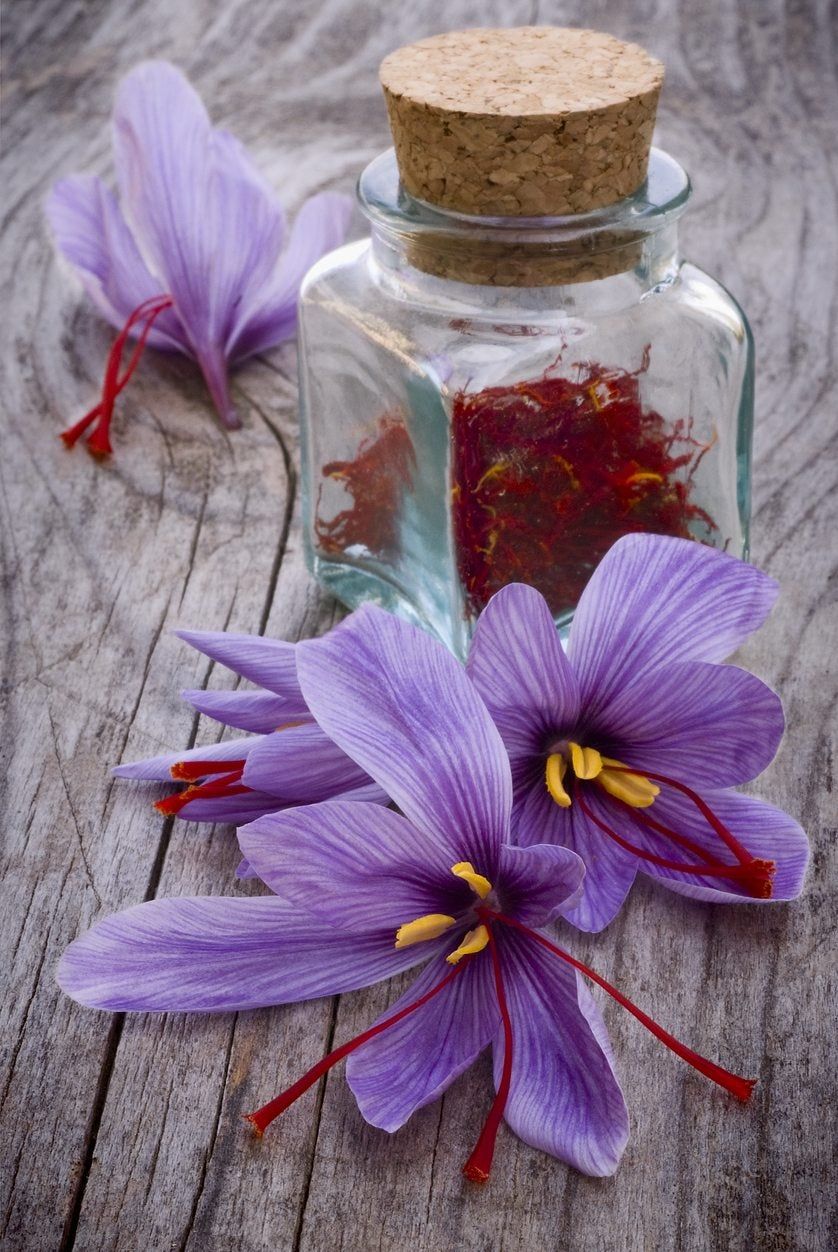
Flowers open in October or November, not long after the first leaves poke up. Harvesting saffron is best done in the morning once dew has dried off, ideally right before the blooms open fully. Pull out the three red stigmas and leave the yellow stamens behind. Tweezers make this much easier.
Threads must be bone dry before they go in a jar for storage. Air-drying in a warm, dark corner of the house works, but slowly. A dehydrator speeds up the process, but be sure to use one with a fine mesh screen to stop the tiny threads dropping through the trays, such as the NESCO Snackmaster Pro Food Dehydrator, available from Walmart.
Store saffron in small, tight-sealing amber glass jars like these 2oz jars from Amazon. Tucked away from light, dried threads can hold their quality for a couple of years. The usual habit is to let a new saffron batch sit for about a month before cooking with it.
How to Use Homegrown Saffron at Home
It’s important to say that if you’re pregnant, you shouldn’t ingest saffron as it can stimulate uterine contractions. This spice may also interact with medication – in particular blood pressure and diabetes medications – so consult your doctor before consuming. Only eat a moderate amount (no more than a few strands a day) as high doses can have severe side effects.

A little saffron goes a long way when cooking. Crumble a pinch into two or three tablespoons (30-45ml) of warm water and let it steep for 15-20 minutes and the golden liquid will carry flavor evenly into a pot of rice or seafood stew. Saffron steeped into a little warm water can also be whipped into mayonnaise that pairs well with seafood, or use it to add color as well as flavor to bakes.
Saffron crocus is one of the best plants to grow for herbal teas, too. To make a warming saffron tea, simply steep a few strands in a mug with honey to taste. This acts as a natural mood booster and can promote better digestion and sleep.
Saffron has also served as a textile dye for centuries. Its color comes from water-soluble pigments so a strong steep can tint silk or wool a warm yellow for a craft project, though the shade may fade with washing and sunlight.

Is Growing Saffron Cheaper than Buying It?
Over one season, probably not. One flower yields only a few thousandths of a gram of dry spice, and a starter bed of three or four dozen corms might produce enough for a couple of dishes that first year. But the picture shifts in later years. Each established corm can form several offsets by spring, so a bed that gave a pinch in year one may produce noticeably more by year three, and while the corms are a one-time cost, the spice at the store never is.
To encourage a good supply, once blooms start thinning out from crowding, lift and divide the clump, using the crocus offsets to propagate new plants. What a homegrown supply really costs is labor, and a grower who has pulled stigmas with cold fingers on a November morning understands the price tag a little better! But of course the other benefit of growing your own saffron in your garden is that you get to enjoy these pretty purple flowers every fall, which is absolutely priceless.