A Christmas cactus dropping its leaves in October is a common problem, but it’s easily fixed as long as you act quickly. Do nothing, however, and you’ll not only miss out on this winter’s blooms but your plant may be at real risk of collapse and death. Dropped leaf segments are a strong signal that your Christmas cactus is in distress and needs your help, so great work getting here to Garden ER where you’ll find straightforward solutions to treat this season’s biggest planty problems.
So, if you’re wondering what to do if your Christmas cactus drops a leaf, you’re in the right place. Your Schlumbergera x buckleyii is very sensitive to environmental changes and it’s highly likely there’s been a recent shift, whether that’s the plant being moved indoors after a summer holiday on the patio, or simply the central heating being switched on.
But don’t fret. Once you’ve decided which of the five causes is behind the leaf drop, and take swift action, the prognosis for your houseplant is excellent. You may even still be able to trick your Christmas cactus into flowering for the holiday season. Come on in to Garden ER and let’s diagnose and treat your Christmas cactus.
Triage: How Many Leaves Has Your Christmas Cactus Dropped?
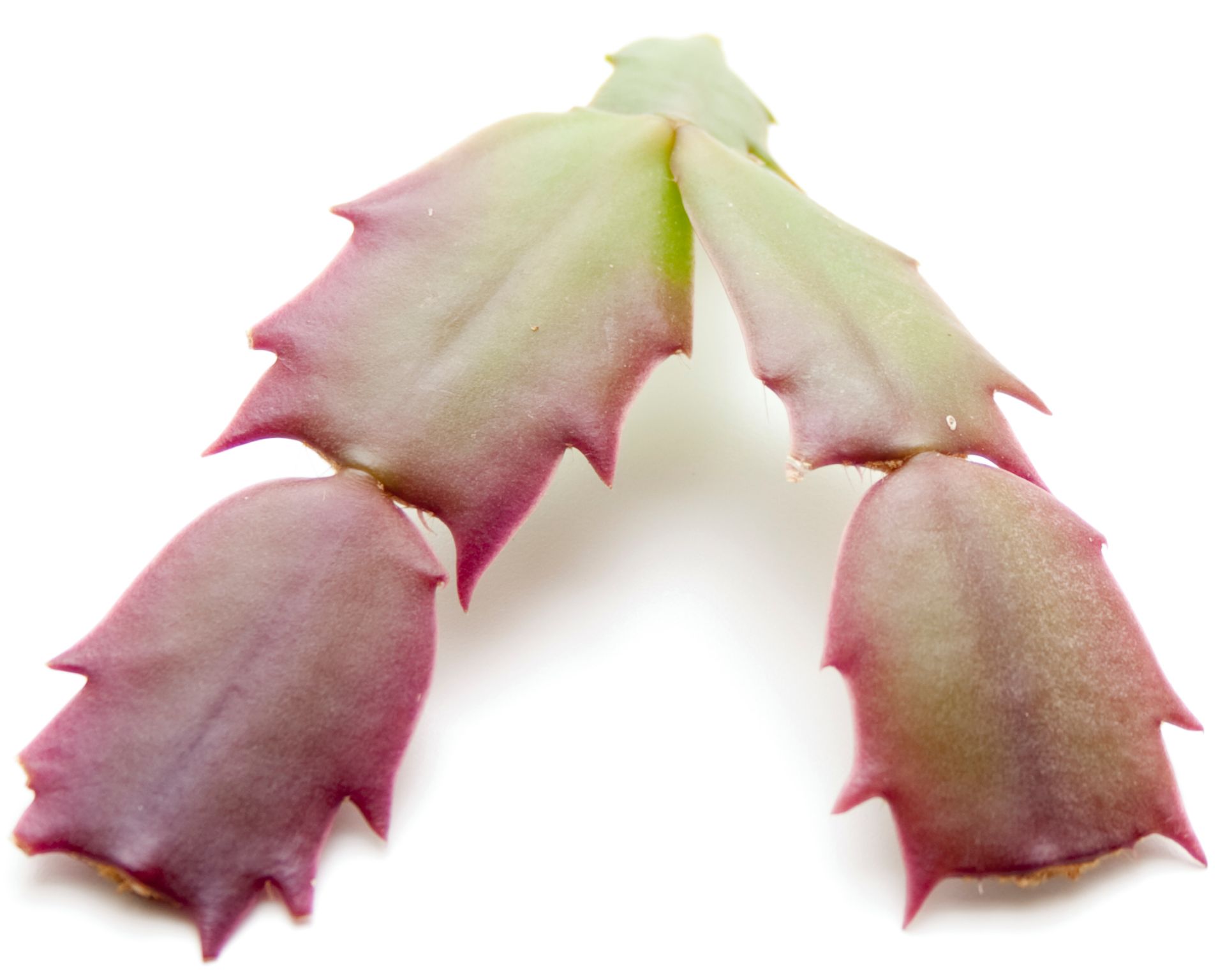
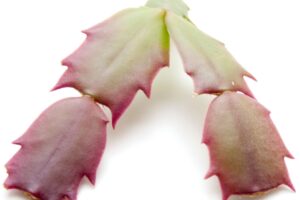
Christmas cactus do often drop a segment, or pad, when there’s a change of season. If your plant has only dropped three or fewer pads in the space of the last week, it’s likely suffering from minor shock after a change in its environment, and the basic nursing outlined below in addition to essential Christmas cactus care will quickly restore it to health.
However, if you’ve ignored these early warnings and your houseplant is now dropping four or more segments in a week, or losing multi-segmented branches, it’s likely in severe shock and will require intensive care if it’s to recover. Leave a Christmas cactus to fend for itself in this condition and it’ll likely be dead within a fortnight.
Diagnosis: What’s Caused Your Houseplant to Drop its Leaves?
Sacrificing leaf segments is usually caused by environmental stress following a change, so it’s vital to work out what’s troubling your houseplant so you can remove that trigger. That’s easily done by examining the lost leaf pads.
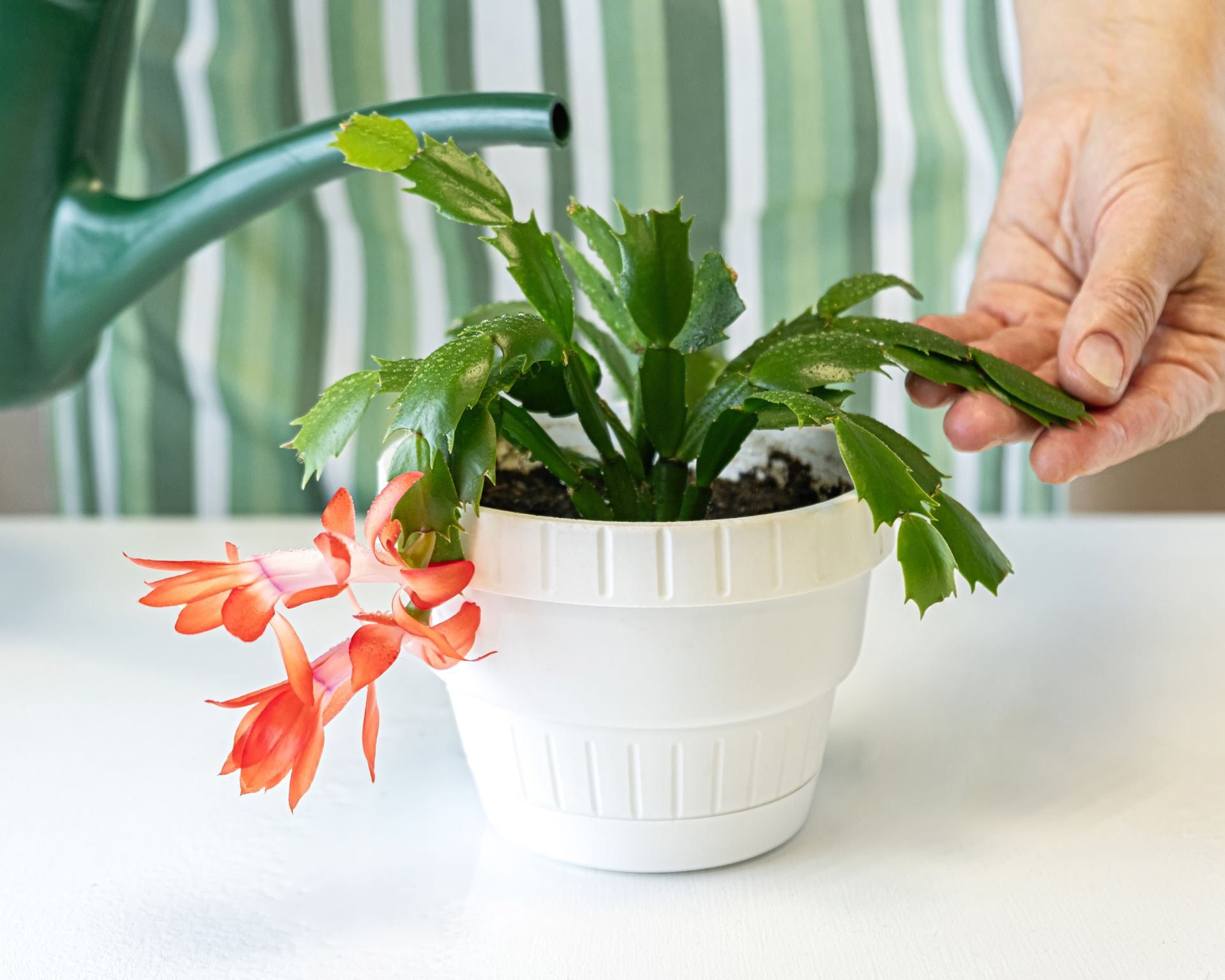
1. Do the Dropped Segments Look Green and Healthy?
Any change in its living space can cause a sensitive Christmas cactus to drop a pad or two, but the plant should quickly recover. If the plant has moved from outdoors to indoors, that’s likely the cause, but there may be other changes associated with the move – for example, a change in watering routine – so it’s important to check out other possible causes too.
2. Do the Segments Feel Crispy and Brittle?
Your plant is likely dehydrated and the probable cause is that the central heating has come on, and your plant is sitting near to a radiator or heater vent. Try to bend the dropped pad and it will likely snap. Segments may be a paler green, or becoming edged in a maroon tone is another sign that points to heat stress.
3. Are the Segments Limp But Still Green?
Even if your Christmas cactus is positioned well away from heat sources, the heating coming on may be drying out the air, causing this humidity-loving plant to struggle, and this is another common problem often seen in October.
4. Are the Segments Limp But Wrinkled and Leathery?
Your plant is dehydrated, and the cause is likely severe underwatering. Christmas cactus evolved to grow in rainforests, not dry deserts, so need regular watering.
5. Do the Segments Feel Plump and Mushy?
If pads feel soft and mushy when squeezed, they’re likely full of water because the plant has been overwatered. This may be because you’ve watered your Christmas cactus too often – and this is easy to do in October as the plant requires less water as the days start to shorten – or it’s been left outside for too long once seasonal rainfall has increased. Leaves are also likely to be a slightly see-through yellow or sickly green tone if overwatering is the cause.
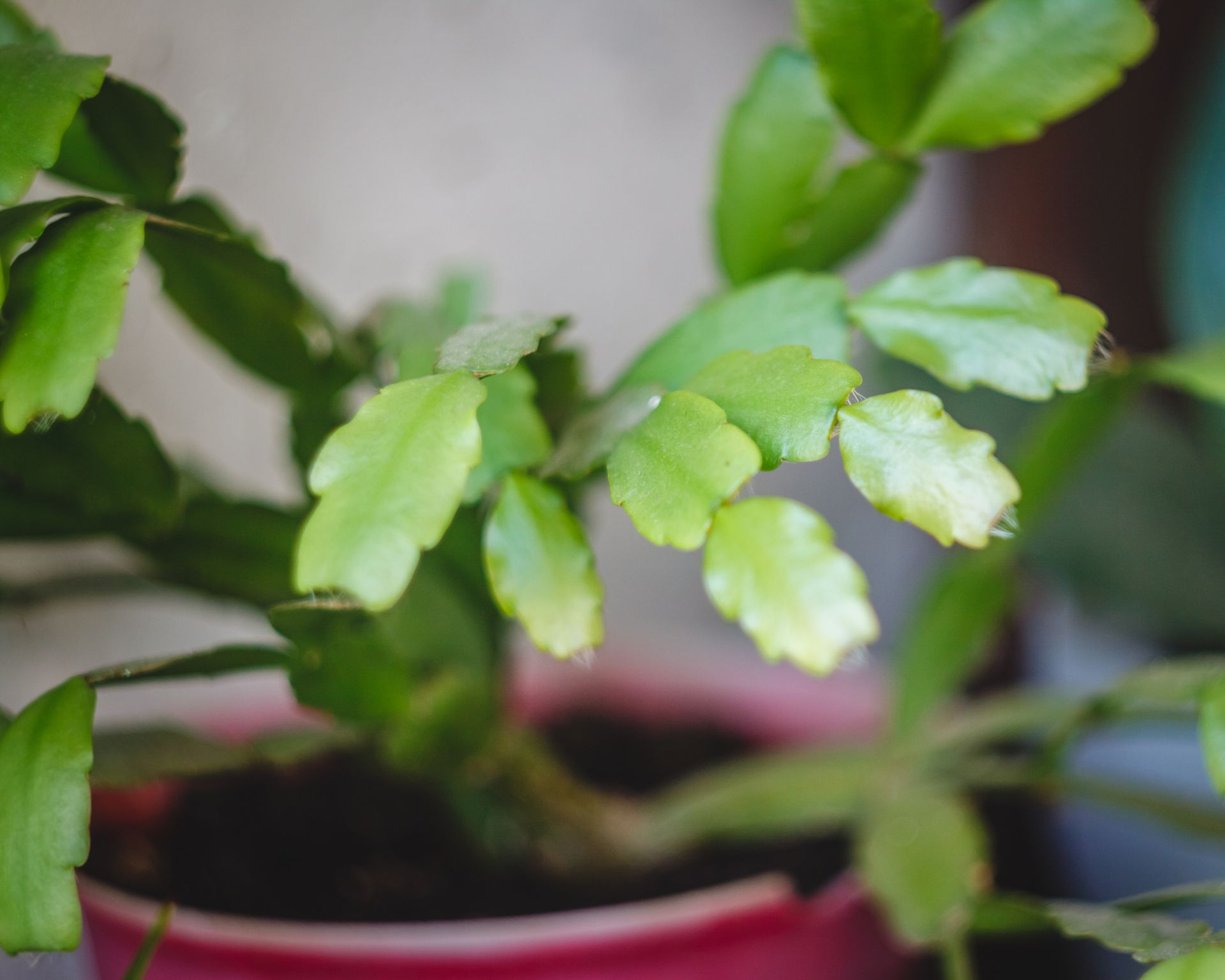
Treatment: How to Help a Cactus That’s Dropping Leaves
It’s vital to remove the cause before fixing the symptoms by giving your Christmas cactus the care it needs.
If Heat or Drought Stress is the Cause
Place the plant in a spot where the temperature sits fairly consistently around 60-70°F (a cheap indoor thermometer like this from Amazon makes it easy), in bright indirect sunlight and away from hot blasts or cold draughts. Make sure the pot has a drainage hole and water your Christmas cactus only – but regularly – when the top 2 inches of soil are dry. Using a moisture meter such as this long-probe soil meter from Amazon removes any guesswork.
If you suspect a lack of humidity is a problem – and it will become a problem for you, too, as this is the prime reason Christmas cactus drop their flower buds – it’s simple to fix. Simply stand the pot on a pebble tray such as this Bonsai pebble tray such as this from Lowe’s, or make your own with a plant saucer and pea gravel pebbles such as this Landscape Rock from The Home Depot. It’s vital that the pot base sits on the pebbles and not in the water, so the roots don’t rot. You’re simply using the water to humidify the air as it evaporates.
If Over-Watering is the Cause
If you’ve diagnosed your Christmas cactus with overwatering, treatment is more intense, but if the base is still green and firm, there’s still hope.
Remove the plant from its pot and if there’s a sour smell, use a brush to remove most of the soggy soil, and scissors to cut off any black roots. Repot into a pot with drainage holes (wash the pot well if you’re reusing) with an indoor potting mix such as Back to the Roots Indoor Potting Mix, available from Amazon, with a handful or orchid bark like this from Amazon mixed in for good measure.
If the soil still smells sweet and the roots aren’t dark or slimy, all you need do is stand the cactus in its inner plastic pot on an old towel in an evenly warm room with good airflow to let the soil dry out. Then follow the essential care tips outlined above.
If the base of your Christmas cactus has turned a dark tone and feels mushy, then your plant is a goner. May we offer our condolences.
Patient Notes
Don’t throw away healthy dropped segments as you can easily use them to propagate free Christmas cactus plants by pushing the base ends into a cactus potting mix such as Black Gold Succulent & Cactus Potting Mix, available from Walmart.
More Garden ER Help
Every week, the Garden ER series brings you simple solutions to this season’s most pressing problems, for happy and healthy plants without any hassle.

Brown Lawn Patches?
Chafer grubs have devastated drought-stressed lawns this year but are easily treated if catch this crucial fall window.
Peace Lily Going Brown?
Work out what your peace lily needs to recover if spathes develop brown patches or look dry and crispy around the edges.
Leaves Turning White?
Here’s everything you need to know to prevent common fungal disease, powdery mildew, starving your plants of nutrients.