Terracotta pots may look beautiful but many popular plants struggle to grow in the conditions they create, and would be far happier in a cheap plastic planter. Traditional unglazed terracotta pots are made from porous clay, which constantly wicks moisture from the soil in dry weather. This 360° drainage is a distinct advantage for some plants that love dry conditions, but it can sound a death knell for others.
So, if you’re a fan of container gardening and growing plants in terracotta pots, it’s best you check. Some of the best perennial plants for patio pots loathe growing within clay walls, however much you tend to them, so it’s highly likely one’s struggling in your yard right now. There are plenty of plants that flourish in terracotta pots, though, so an afternoon spent pot-swapping could transform how your garden fares.
I’ve compiled a list of the top plants you should never, ever plant in a terracotta pot. Rehome these much-loved garden plants into glazed ceramic, fiberstone, resin or plastic planters instead, and they’ll not only thrive in the more consistent moisture that’s locked into soil for lush foliage and longer-lasting flowers, but you’ll cut your container watering time to enjoy a more low-maintenance yard to boot.
1. Hydrangea
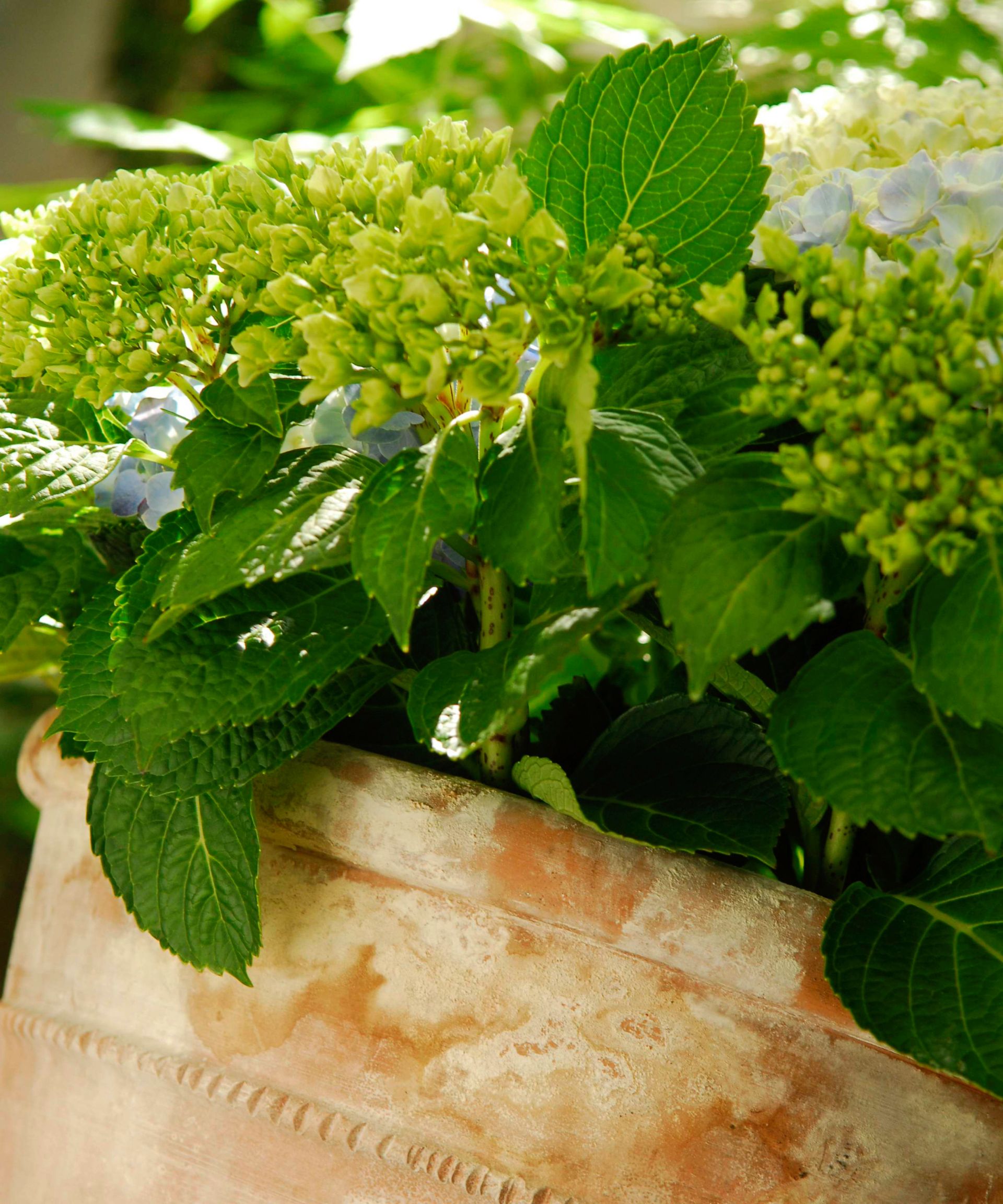
Hydrangeas are thirsty plants with a high water requirement, so should never be planted in a terracotta container. Hydrangea macrophylla (bigleaf or mophead hydrangea) with its large leaves that create a huge surface area for water to evaporate from is the most moisture-hungry of the lot, so this will really fail to flourish in a terracotta pot. And if a hydrangea’s soil keeps drying out while it’s forming its flowerbuds, it may not bloom at all.
Hydrangeas also have surprisingly shallow root systems – which is why such a big shrub can be successfully grown in the confines of a container in the first place. Because terracotta retains heat from the sun, roots can easily become scorched in peak summer heat, adding to the likelihood of crispy leaves, browning blooms and dramatic – and perhaps fatal – flopping.
2. Hostas
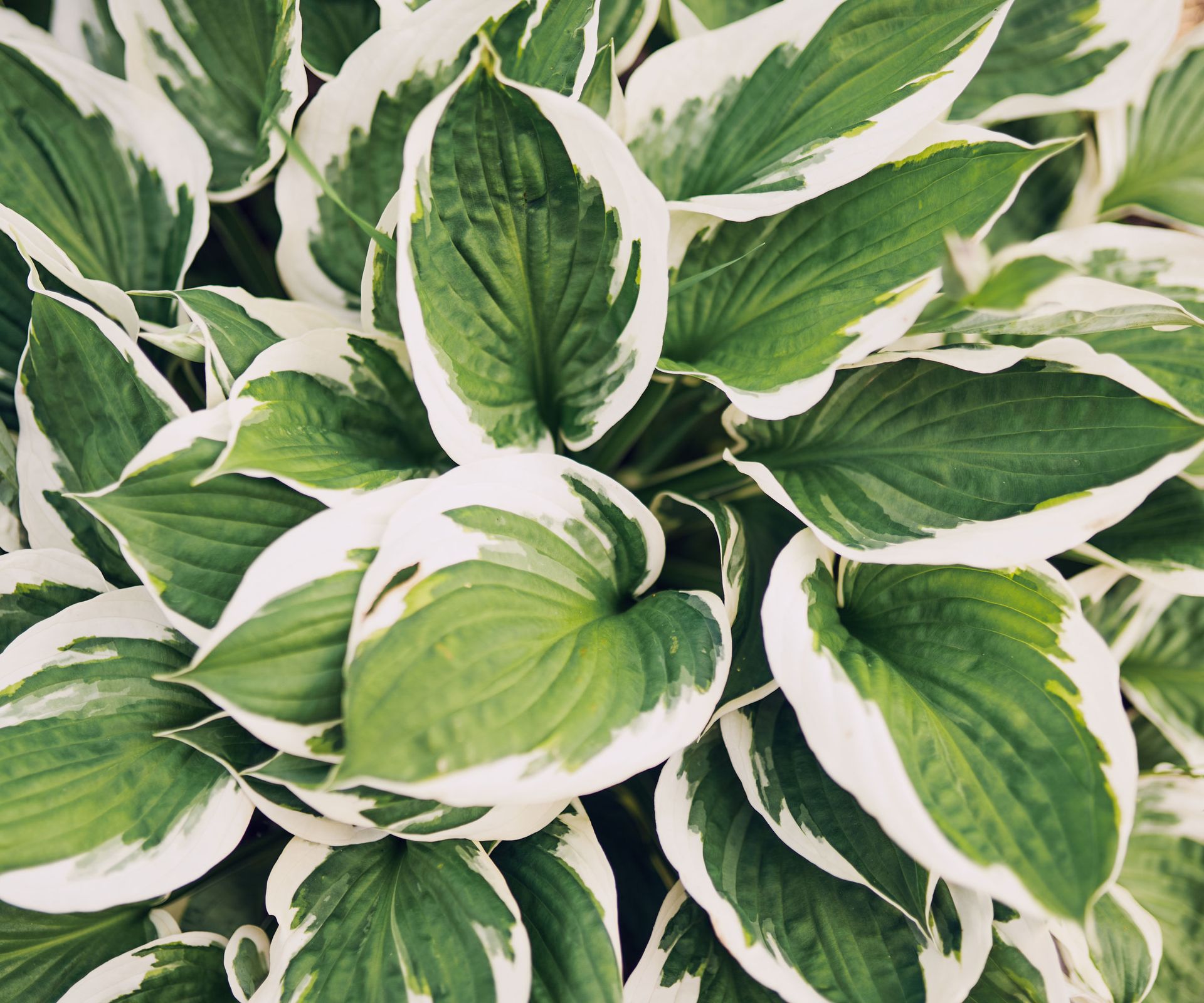
Another favourite for patio pots that loves consistently damp soil and rapidly dries out because of the large surface area of leaves, hostas shouldn’t be grown in terracotta planters. If you are, now you know why the leaves always have crispy brown margins, despite your regular watering routine.
3. Soft-Leaved Ferns
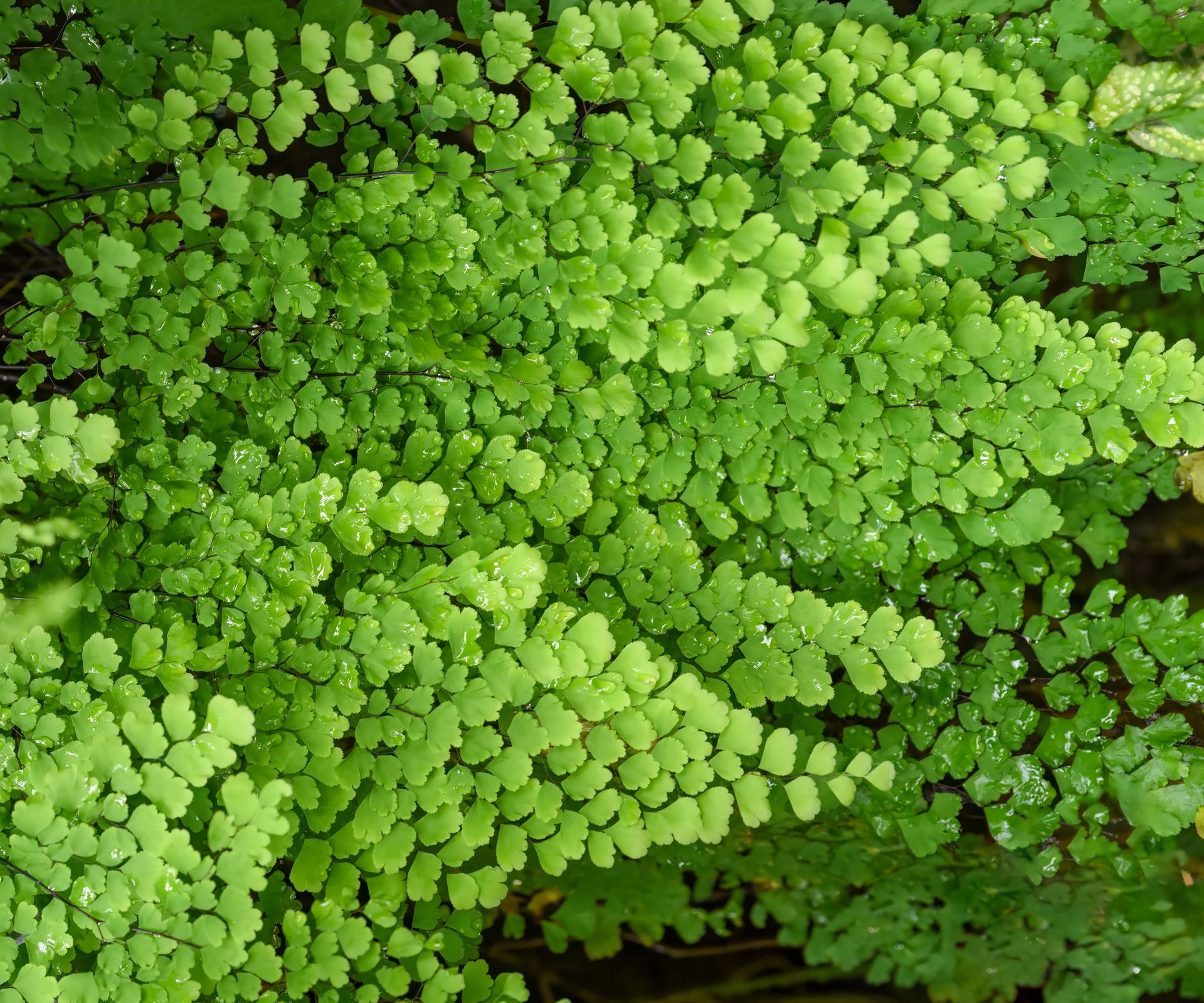
Many ferns have evolved to grow on moist rainforest floors or shady streambanks, so naturally appreciate damp soil. As a rule of thumb, if a fern has soft, thin or lacy leaves, it shouldn’t be grown in an unglazed terracotta pot – which makes clay containers an absolute no-no for maidenhair, ostrich and Boston ferns.
Ferns with thick, glossy leaves are far better able to tolerate drier conditions – and some actively appreciate life in a terracotta pot. Bird’s nest fern evolved to live high in the tree canopy so loves the airflow of a breathable terracotta pot, while Hart’s tongue fern needs its sharp drainage because it naturally grows in rocky crevices. So if you have a fern growing in a terracotta pot, take a closer look at its leaves and origin story.
4. Azaleas
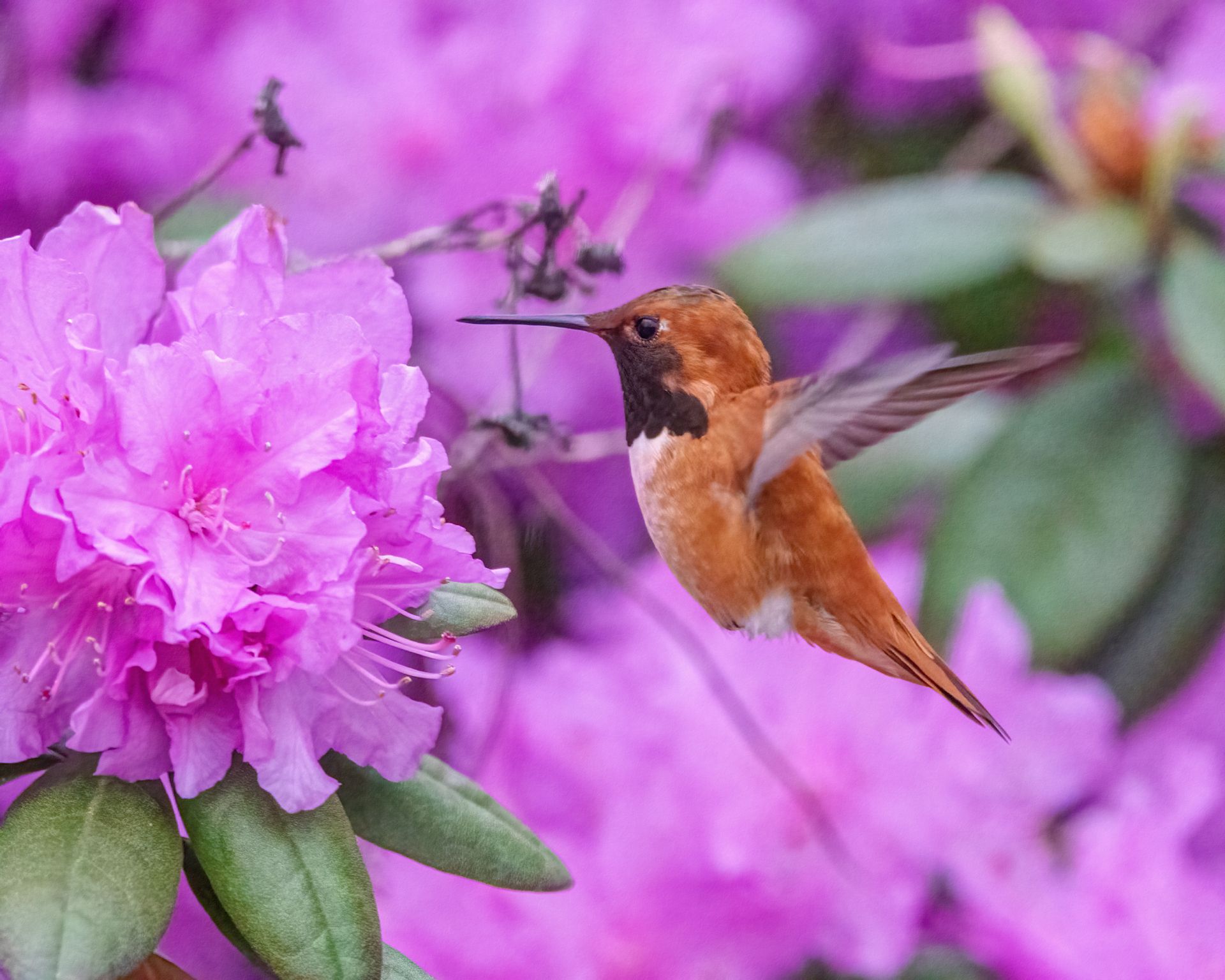
Another reason why some plants fail to flourish in a terracotta pot is because the natural clay creates slightly alkaline conditions. Over time, that can affect the pH levels of soil, which can be a problem for acid-loving plants like azaleas and rhododendrons. It’ll become a problem for you too, because flowers can be less vibrant if the soil acidity isn’t right.
Clay’s porosity can also cause issues for this plant’s shallow root system that quickly dries out in a terracotta pot, causing azalea flowers to fade quickly, shortening the bloom time of this beautiful shrub.
5. Blueberries
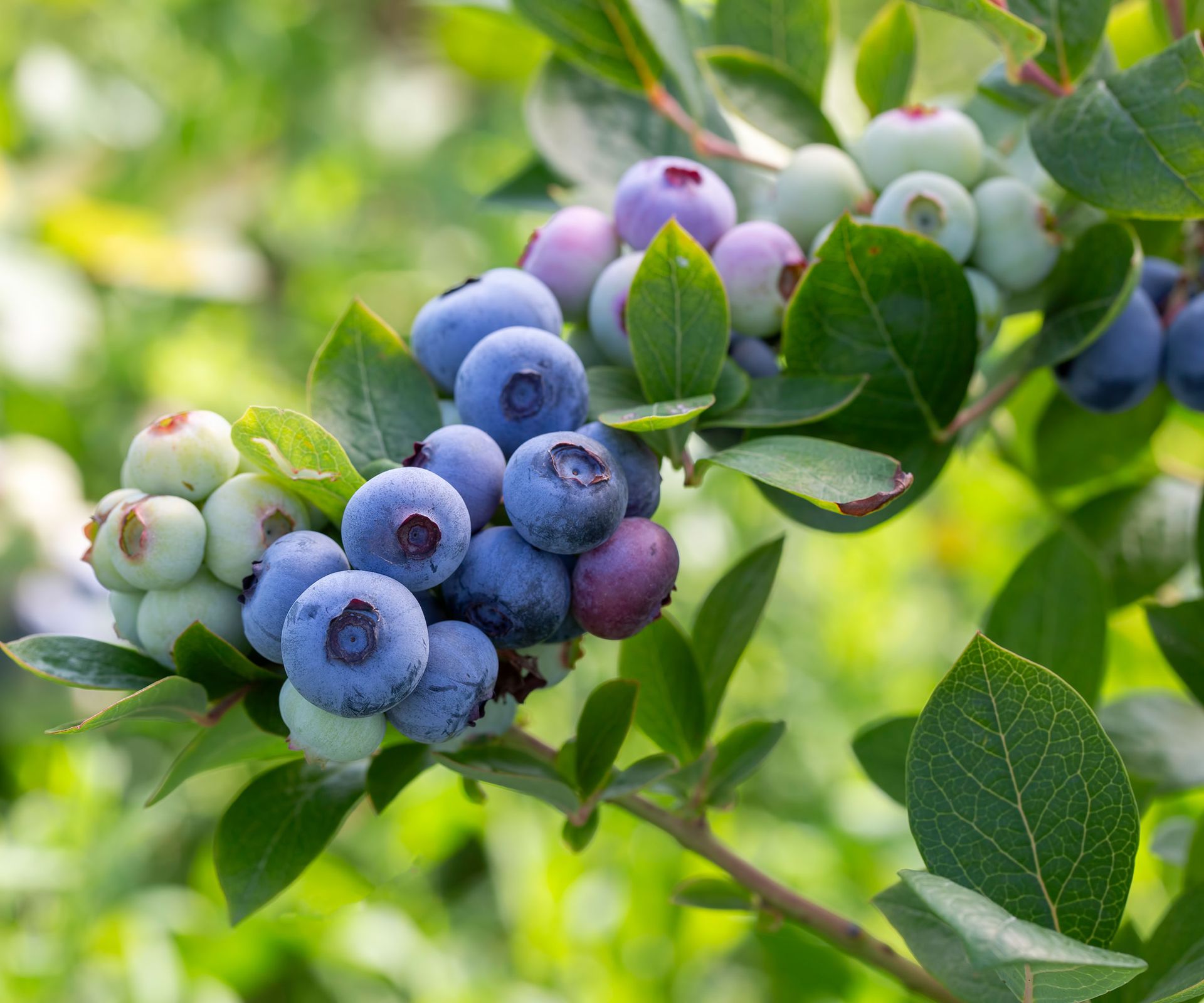
Try and grow a blueberry bush in a terracotta pot and you’ll quickly run into trouble. Not only do these acid-loving plants abhor the alkaline conditions that a clay container nurtures, but they adore consistent moisture. And as if that wasn’t enough of an issue… because you’ll find yourself watering your blueberry plant more because of the quick-drying soil, the typically alkaline tap water will raise that soil pH some more. At the very least, the plant will produce little fruit, but death is also a very possible scenario.
6. Parsley
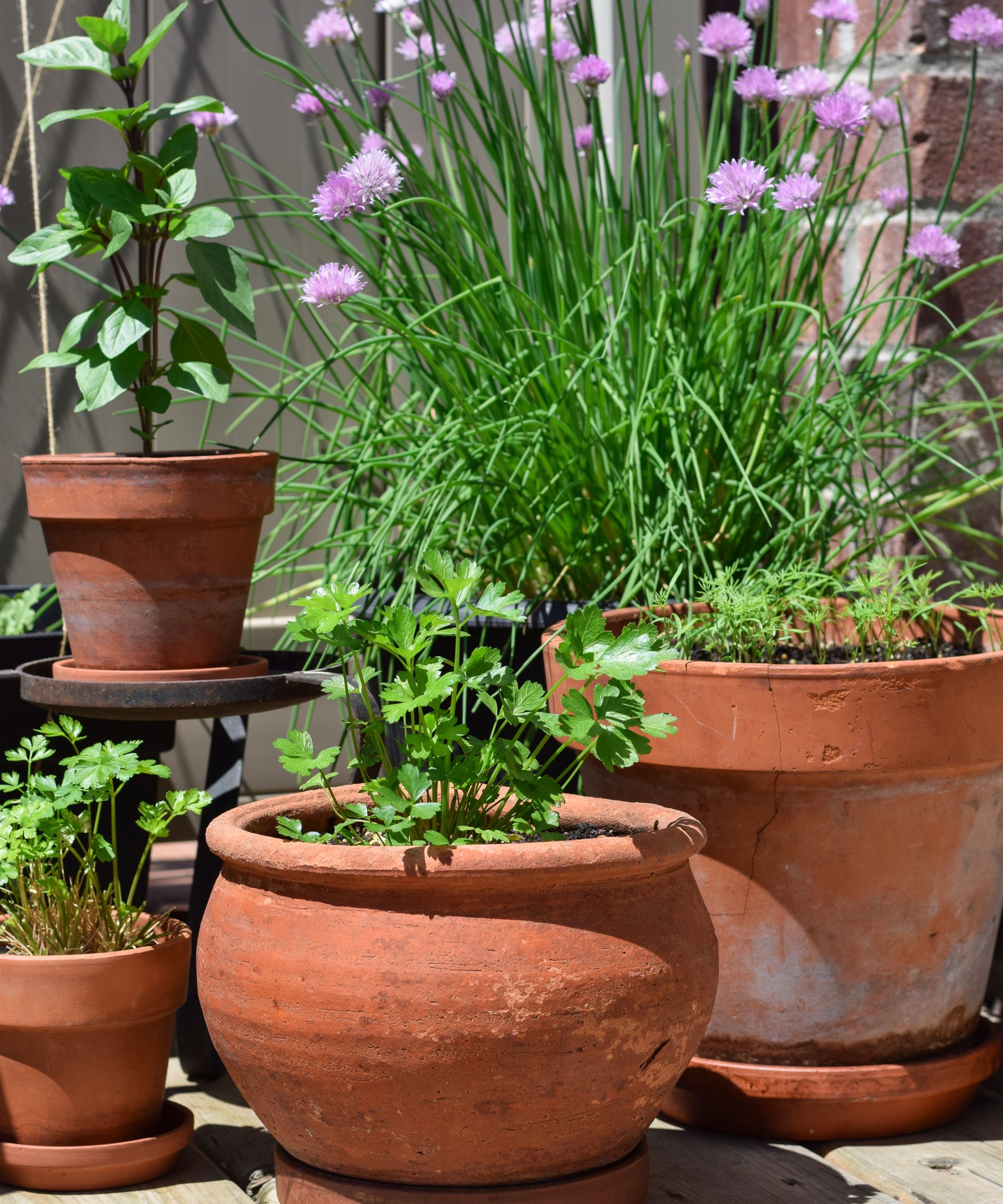
Parsley is a Mediterranean herb so loves life in a terracotta pot, right? Wrong! This flavorful herb may hail from warm climes but it needs consistently damp soil and prefers to have cool roots, quite the opposite of what a clay container provides. And a parsley plant that regularly dries out because soil moisture is being wicked away by its pot’s terracotta walls will have tougher, yellowing stems with a distinctly bitter-tasting edge. Yes, that’s the reason why! This is one of the commonest problems with terracotta pots, as most herbs do well in a clay container – but parsley isn’t one of them.
7. Cardinal Flowers
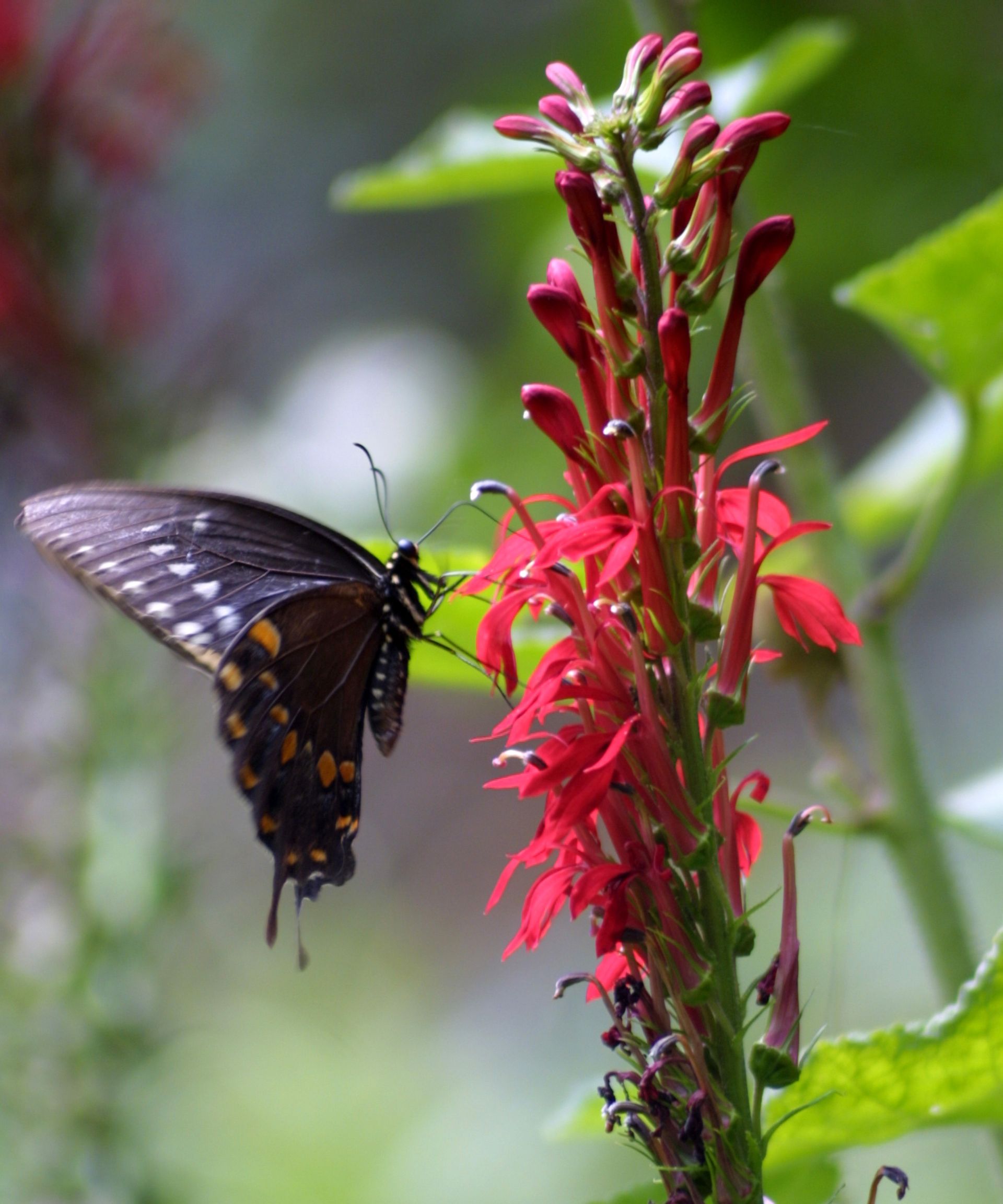
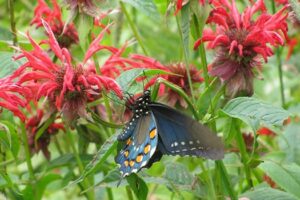
A big patio planter of cardinal flowers that let’s you watch pollinators while you sip a well-earned glass of something cold is a joy – but not if that pot is made of clay. Lobelia cardinalis naturally lives in bogs and on streambeds, so it requires consistently damp soil to thrive. A terracotta pot provides the opposite, and in this harsh environment those dramatic flower spikes will be stunted and buds may turn brown and drop before opening.
8. Canna Lilies
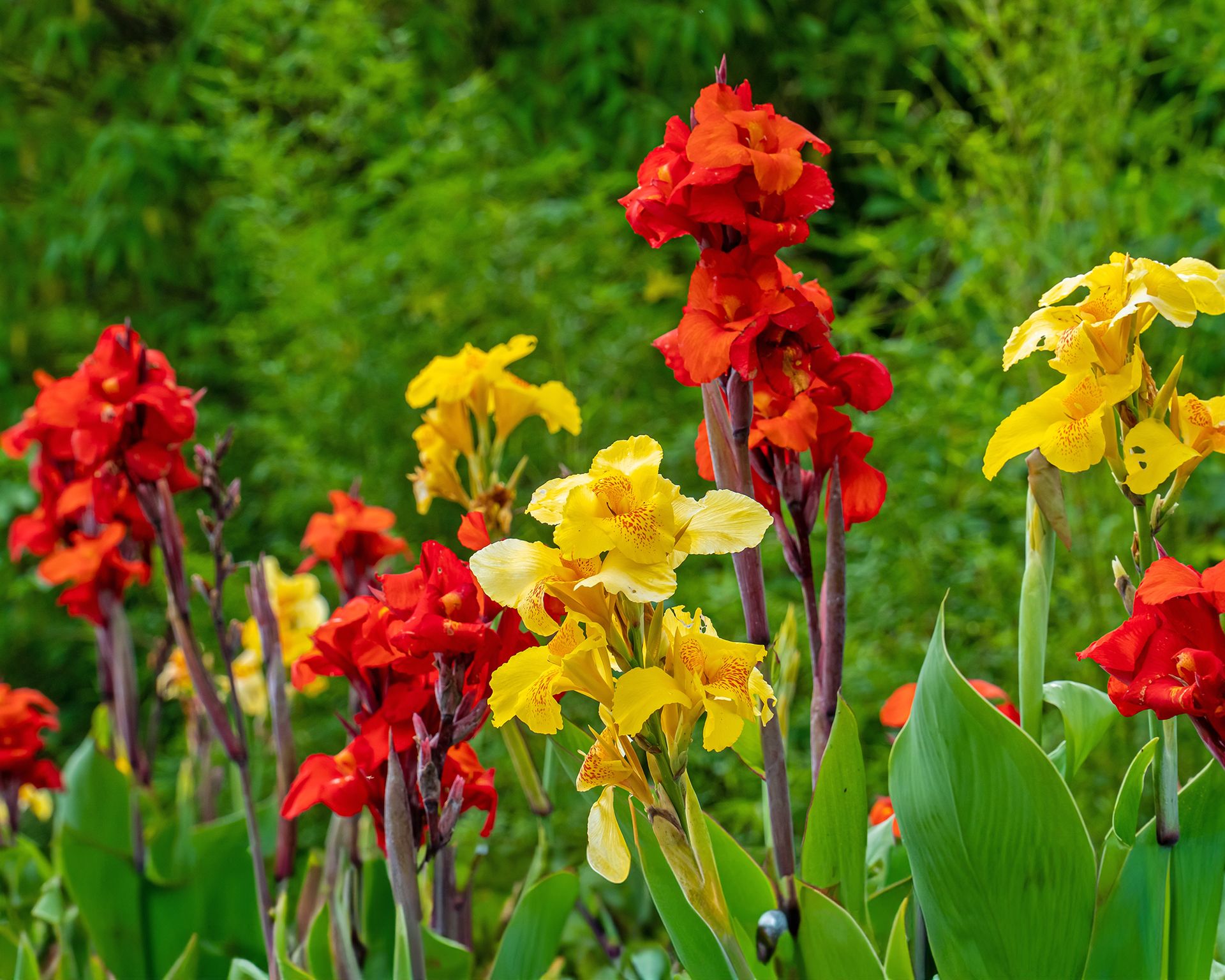
In most zones, it’s usual to grow these tender tropical beauties in pots so they’re easily moved into a garage or greenhouse for the winter. And few plants can bring such dramatic blooms and foliage in a container as a canna lily. However, that pot should never be a terracotta one.
Canna lilies use huge quantities of water in peak summer, evaporating moisture from their enormous leaves to keep cool and avoid scorching as well as harnessing heaps of H20 to facilitate their incredibly fast growth. These bold plants also rely on water pressure to keep their stems upright. In an unglazed terracotta pot where moisture is continually lost through the walls, these vital tasks are simply not possible. So if you’ve been wondering why your canna lilies keep wilting, now you know.
What Pots to Use Instead of Terracotta
If you love the look of terracotta – and who doesn’t adore this timeless classic – you have plenty of options to retain the style but keep your plants far healthier and happier. Simply slotting a plastic planter inside the terracotta pot works well, but do choose those meant for professional use such as these nursery pots from Amazon, both for their durability and extra drainage holes, .
There are lots of terracotta-look materials used to make planters, too. These all mimic the appearance of terracotta but are far less porous so lock moisture into the soil.
Resin
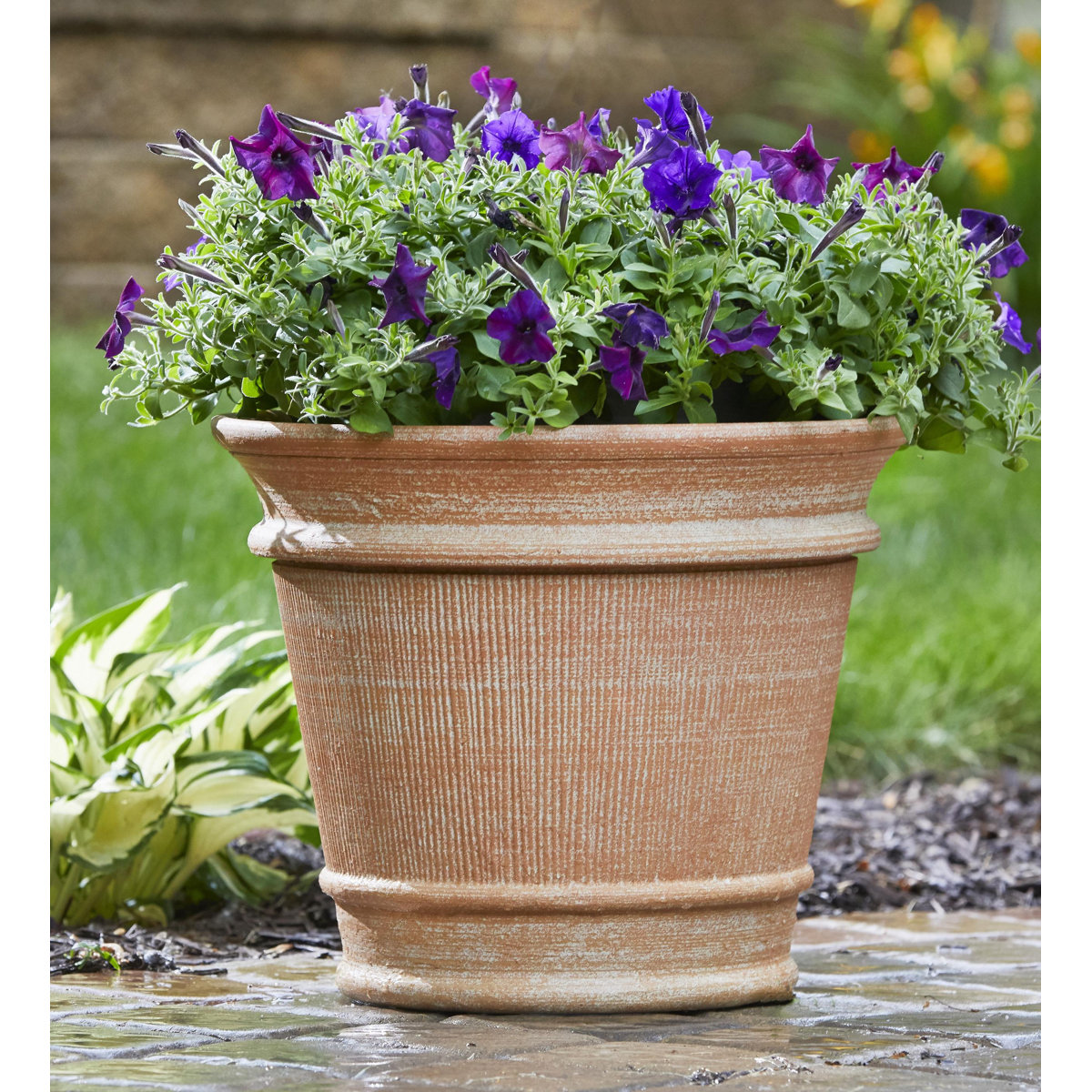
Resin is typically formed from a synthetic polymer such as polyethylene which comes in powdered form, so it’s easy to mix in color pigments to do a pretty good job of mimicking the real thing. Look for a resin planter which has a UV stabilizer in the mix so its lovely clay tones don’t fade in the sun. Resin walls are fully non-porous so these containers are a good choice for plants that like permanently damp soil, but do drill a few extra drainage holes in the base.
Plastic
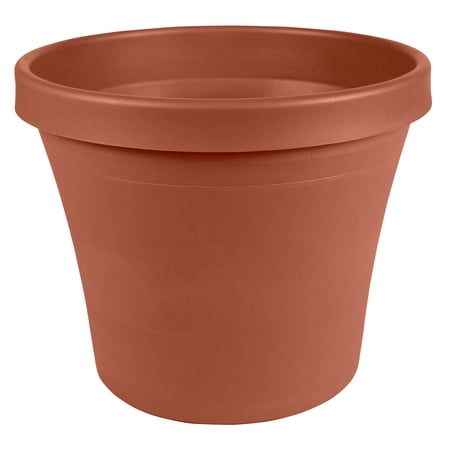
If you’re on a budget, plastic planters in a terracotta tone are a great option. A rolled lip adds considerable strength to the design and, along with the tapering sides, helps it to pass for the real thing. Take a scouring pad to the plastic to lightly scuff a few areas that would naturally show signs of wear for a more aged terracotta look. Plastic isn’t at all breathable so while plants that like consistent moisture will thrive, rotting roots is a problem for those that need good drainage.
Magnesium Oxide
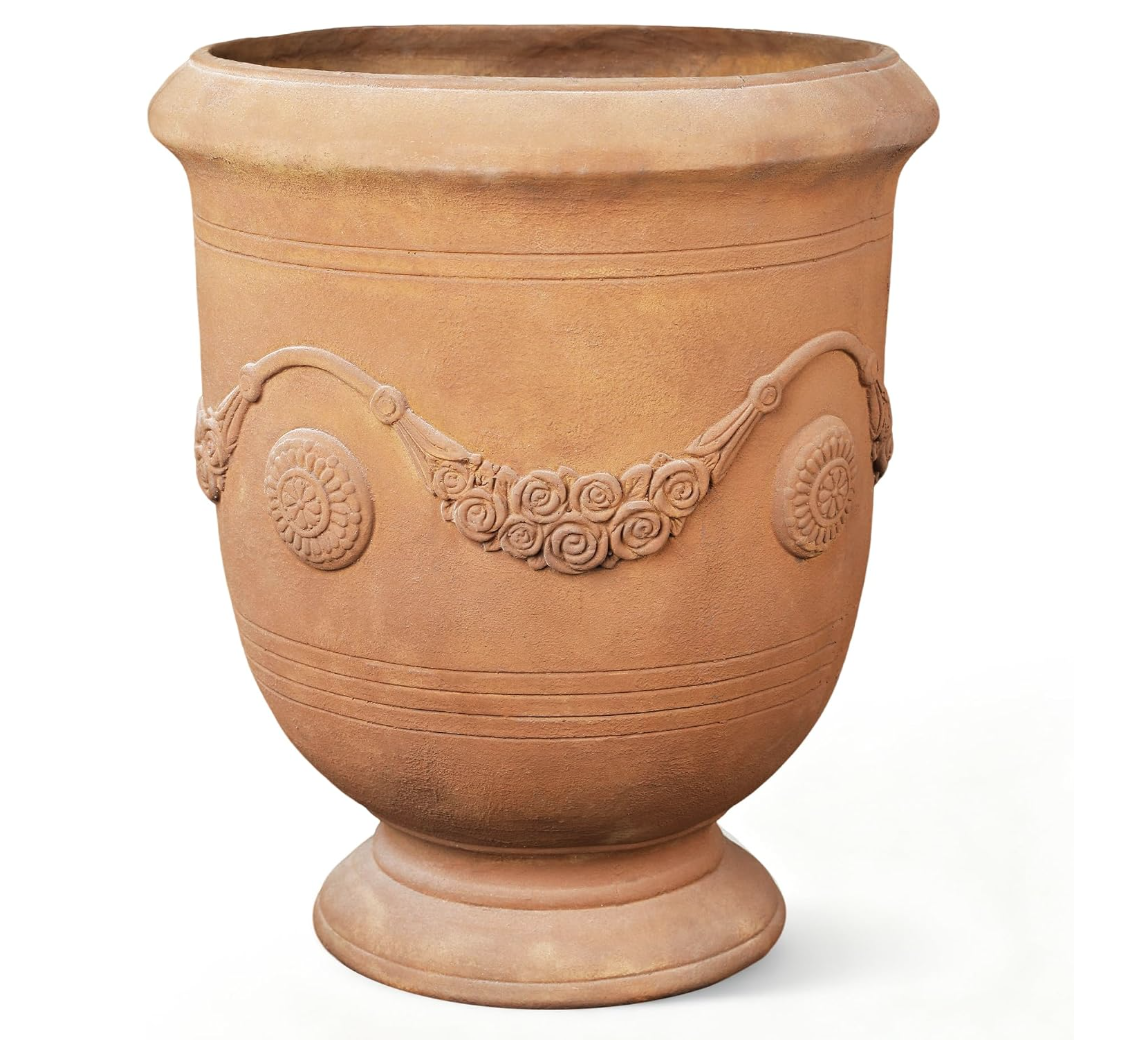
Magnesium oxide is a specialized type of concrete composite that’s easily mixed with other components to mimic natural materials such as terracotta and is very durable. This material is slightly porous so it gives roots a healthier environment than plastic while still locking in lots of moisture. For plants like hydrangeas which need good drainage alongside plenty of water, and acid-loving plants that dislike the alkalinity of terracotta, magnesium oxide are the best option. You’ll also find these listed as MgO and MGO cement or concrete planters.
What’s Your USDA Zone?
I’m using terracotta pots in a hot, dry USDA zone.
If you garden in southern and western zones 8-11, it’s not just terracotta’s rapid evaporation that can be an issue, but that clay retains heat. In peak summer, this can lead to soil heating that scorches roots.
I’m using terracotta pots in a cold, wet USDA zone.
If you live in northern zones 3-6, it’s good to know that porous terracotta absorbs water, which expands when frozen and can cause pots to crack or shatter. Ensure you use high-fired, frost-proof terracotta.
If you’ve always wondered why a patio plant isn’t flourishing, or what’s best to plant in a terracotta pot, now you know. Repot plants into a more suitable home and you can look forward to abundant flowers and lush foliage for years to come.