Every summer, I find myself looking at my lawn and asking the same question: why am I working so hard to keep it green? Surely there has to be a pretty lawn alternative that can do the hard work for me?
Confession time: my lawn is far from a pristine patch of emerald perfection. There’s a well-worn path where the dog charges back and forth, dry patches that appear after every spell of hot weather, and we’re gradually expanding our flower beds to reduce our overreliance on grass. Because, in very hot weather, lawn care is a nightmare to keep on top of.
We all know that traditional lawns are very demanding. And all of that mowing, watering, fertilizing and more feels like a lot of effort for something that offers relatively little back to wildlife compared with a more diverse planting scheme. Especially if it’s all going to go sad, brown, and crispy the moment temperatures climb.
That being said, sometimes you still want a green space for children to play, to spread out a picnic blanket on a summer evening, or just to make your neighbors green with envy over. So, yes, I started avidly researching which lush lawn alternatives that could offer the best of both worlds.
This Pretty Lawn Alternative Laughs Off Heatwaves
If you want the very best lawn alternative out there, microclover is the one that’s caught my attention, and not just because it has the verdant appearance of a traditional lawn. Not, it’s because it is better suited to warmer conditions and requires less maintenance once established.
That’s right; this pretty lawn alternative creates a natural-looking carpet, needs less mowing, helps improve soil health and produces small flowers that are useful for pollinators when allowed to bloom. All of which means, if you’re not ready to dig up your entire lawn (or simply want to make a tired patch more resilient) microclover could be one of the easiest ways to create a greener garden.
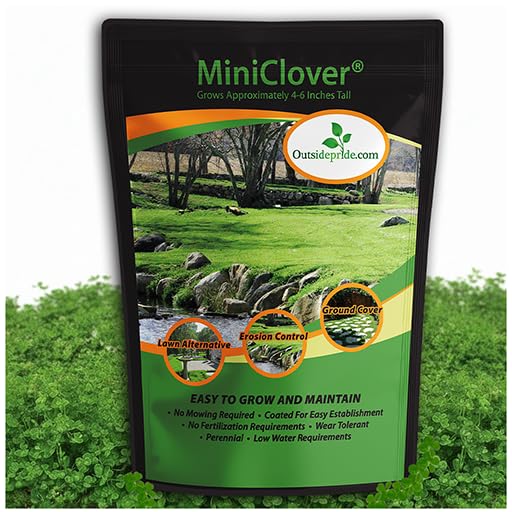
You only need to add 2-5% of these microclover seeds to your grass seed mixture to see significant improvements in lawn quality.
Microclover is exactly what it sounds like: a smaller-leaved version of white clover that’s been bred to create a lawn-like carpet. Unlike standard clover, it blends seamlessly into a landscape, giving you a lush green finish without looking wild or untidy. And, while many traditional cool-season grasses can turn brown during dry spells, microclover often keeps its rich green color for much longer thanks to its deep roots and impressive drought tolerance.
It also grows much more slowly than a typical lawn, which means you’ll spend less time pushing a mower around and more time actually enjoying your yard. Like other clovers, too, it captures nitrogen from the air and returns it to the soil, naturally fertilizing itself and even helping nearby grasses if you choose to grow a mixed lawn.
All of which means, yes, less fertilizer and fewer chemicals. Sounds a dream come true, right?
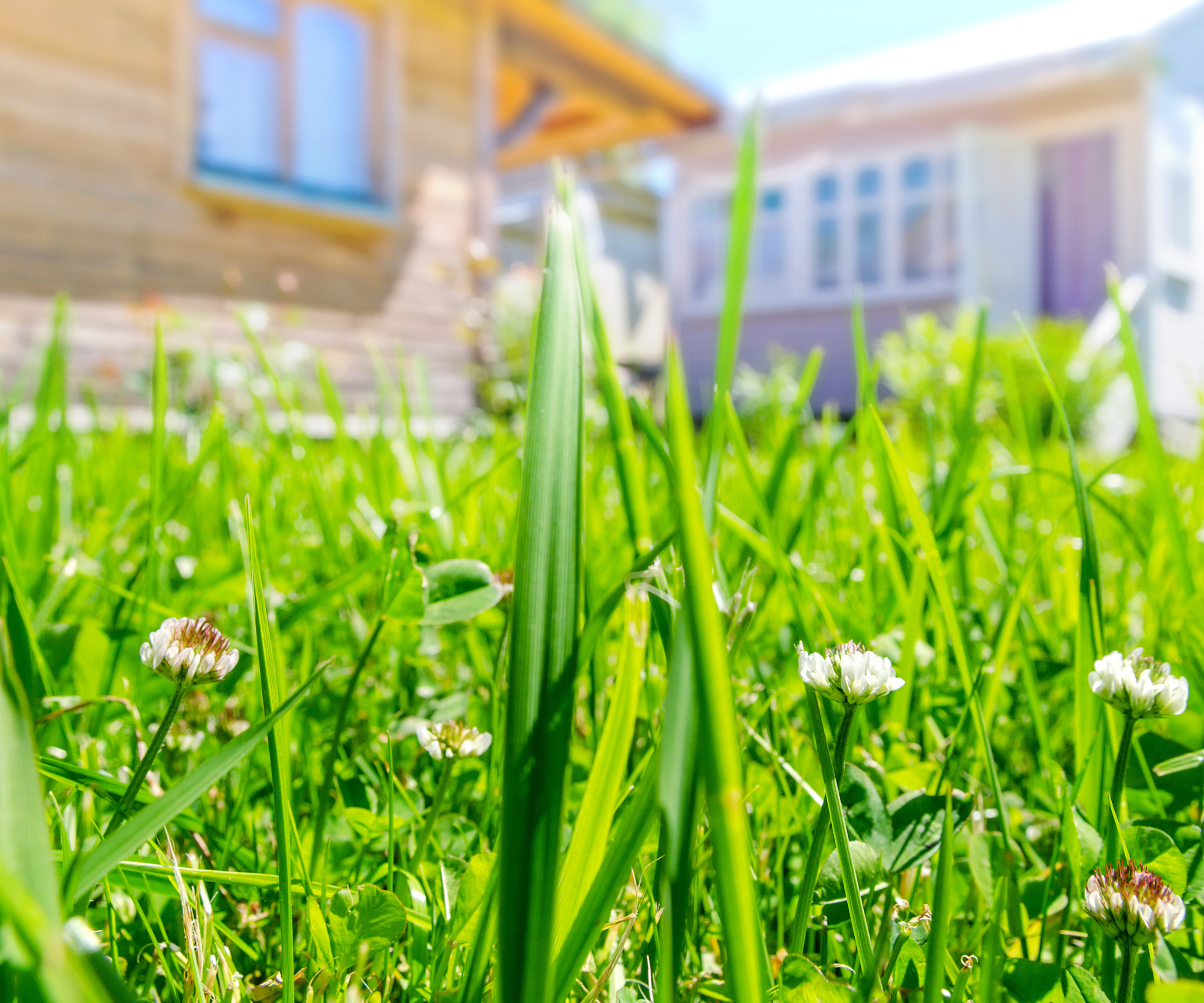
If allowed to flower, microclover produces delicate white blooms that become a valuable food source for bees and other pollinators. But, if you prefer the look of a classic lawn, just give it a quick mow before flowering.
Like any living groundcover, it is worth noting that this lawn alternative will appreciate occasional watering during prolonged drought and may not stand up to constant heavy foot traffic quite so well as some turf grasses do. (If your yard doubles as a soccer field every weekend, basically, you may prefer mixing microclover with grass rather than replacing it entirely).
For most family gardens, though, it’s an attractive compromise between a thirsty traditional lawn and a completely natural meadow. And if you aren’t sold? Don’t worry, as I have three more options for you to choose from…
Three More Lawn Alternatives
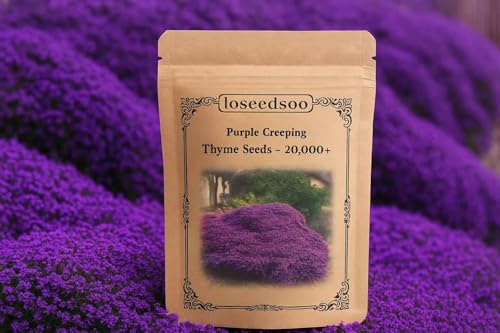 CREEPING THYME
Perfect if you love fragrance as much as flowers, this low-growing groundcover forms a colorful mat that releases a wonderful herbal scent when walked on, thrives in full sun and attracts bees throughout summer. It’s best suited to lighter foot traffic and sunny spots.
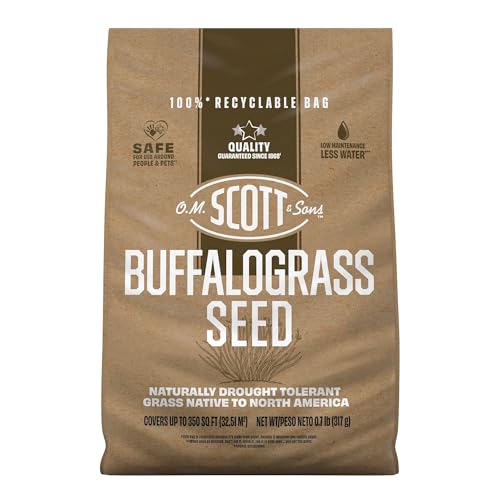 BUFFALOGRASS
Unlike thirsty turf, this native grass thrives in hot conditions, needs far less watering once established and only requires occasional mowing. It creates a low-growing lawn with a prairie feel which means a greener garden without the constant upkeep.
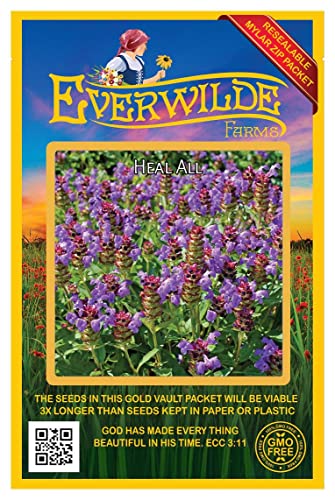 HEAL ALL
This North American wildflower creates a soft green carpet dotted with purple blooms. It’s an excellent choice for wildlife-friendly gardens and happily tolerates mowing, making it a great option if you’re after a lawn that feels a little more natural.
As our summers continue to warm, I have a strong suspicion that we’re going to see more gardeners questioning whether a traditional lawn is really worth the effort. And sure, microclover won’t be the right fit for every yard, but for anyone hoping to spend less time mowing and more time enjoying their garden?
Well, it’s a pretty compelling alternative!