Every type of garden has its moment in the sun when it looks its best. For prairie landscapes, that peak moment starts in September, as summer heat softens into fall, as native grasses don their autumn shades and glow in the slanting sun. There’s also the amazing color show of late-blooming prairie perennials.
If your garden is looking end-of-season tired, it doesn’t take much to get some of that native prairie plant pow. A prairie garden also has the benefit of being low-care, drought-tolerant, and downright gorgeous.
Where to begin? Begin here, with these five fabulous prairie plants. They are ready to wake up your fall garden.
You’re Five Prairie Plants Away from a Fabulous Fall Garden
You don’t have to bulldoze all your current backyard plants to get quick beauty in September. Just pick a couple of these wonderful prairie plants and watch your garden come to life again.
1. Narrowleaf Bluestar
|
Botanical name: |
Amsonia hubrichtii |
|
Hardiness: |
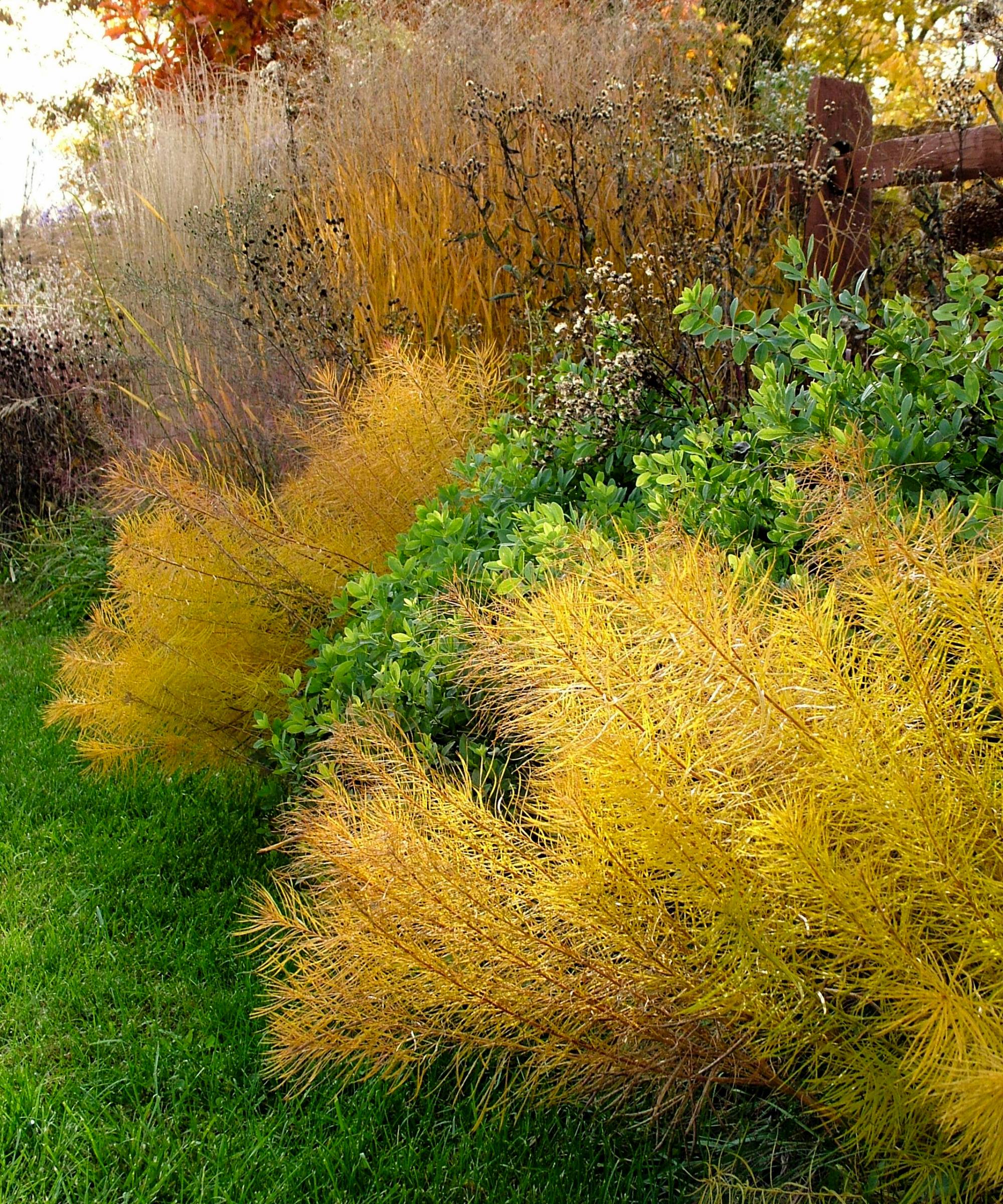
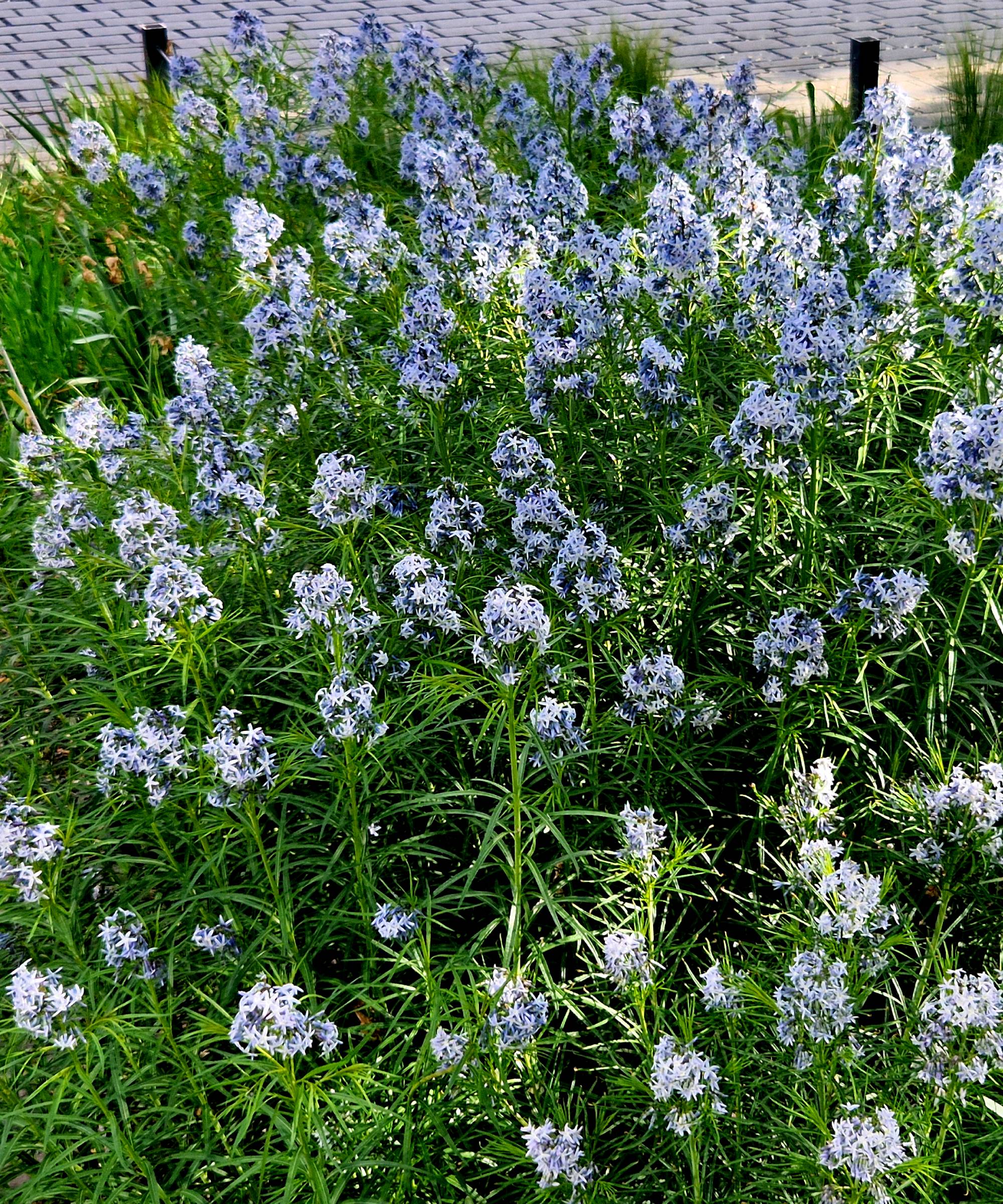
We aren’t going to save the best for last here. Instead, we’ll start our list of five top prairie plants for fall fireworks with one of the most breathtaking native perennials: Narrowleaf Bluestar. If you’ve never heard of it, you are in for a treat. Also called Asmonia, this native beauty offers clusters of pale-blue starry blossoms in spring, contrasting nicely with the green foliage, but that’s not all. Come September, the delicate, feathery leaves blaze a brilliant golden-orange.
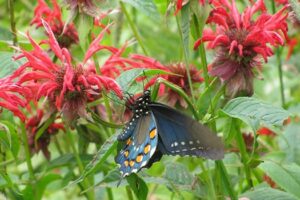
Low-maintenance? Check! Pollinator friendly? Check! (Just ask the Swallowtail butterflies!) Multi-season appeal? Check! This all-American perennial thrives in full sun and average soil, and is especially effective in or mass plantings. If the plants get floppy after their blooms fade in early summer, give the plant a trim to help it retail its shape. Plant bluestars from Garden Goods Direct with ornamental grasses and black-eyed Susans for a gorgeous golden bed that transitions easily from late summer into fall.
2. Asters
|
Botanical name: |
Symphyotrichum spp. |
|
Hardiness: |
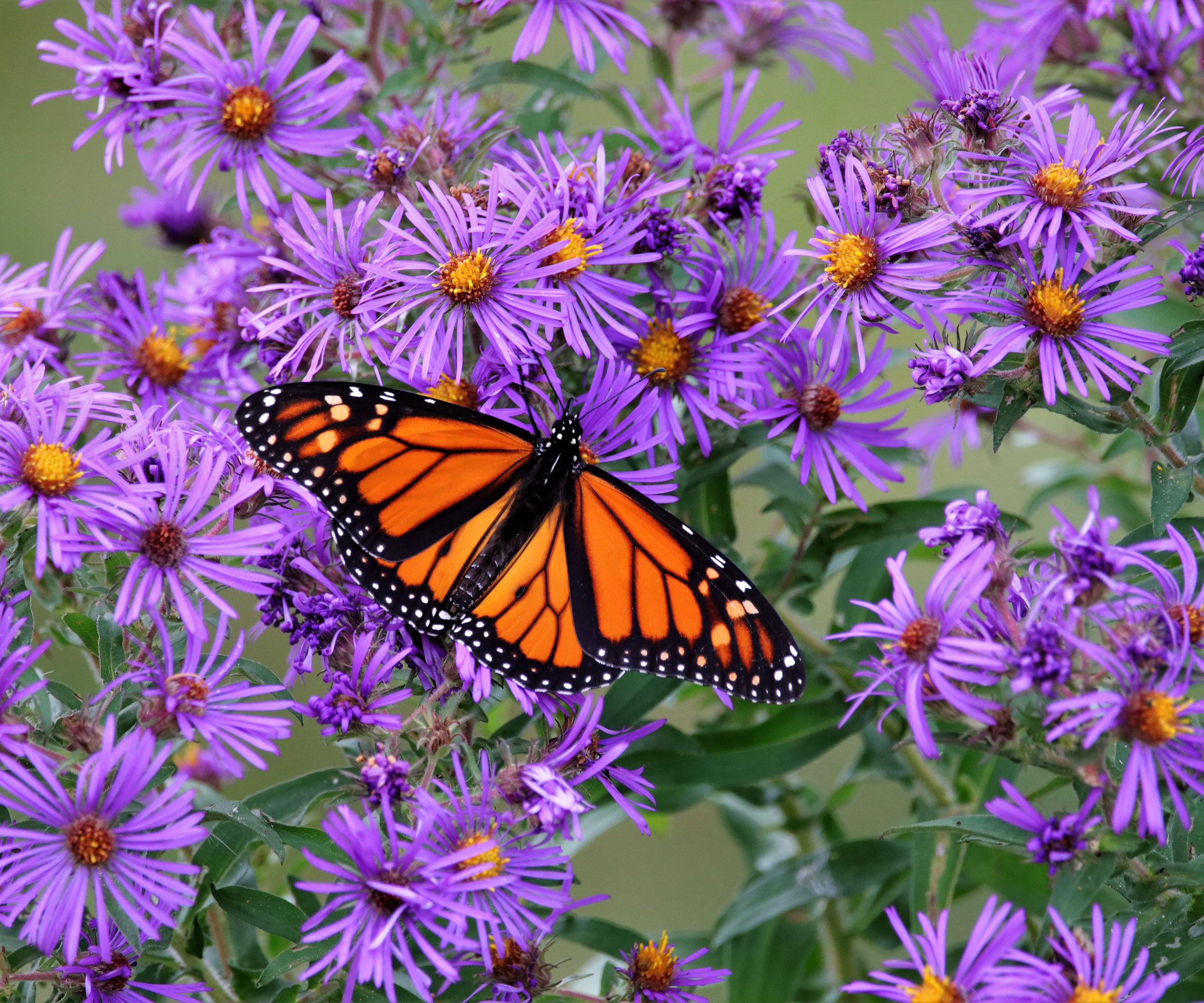
What is autumn without asters? This late-season perennial is everywhere come September and October, painting the rolling hills of wild prairie in vibrant shades of blue and purple. Their starry flowers are life-savers for pollinators – filling them up with nectar right up to the first killing frost. Yes, this includes monarchs and bees.
Install asters in your backyard in a full sun location in soil with good drainage. Plant near contrasting blooms (like goldenrod!) for maximum wow-power. An aster never arrives alone; the flowers appear in dense clusters, adding texture (as well as color) to fall gardens. A three-pack of aster plants from Home Depot can be planted directly into your fall garden or used in containers on your porch before transplanting.
3. Goldenrod
|
Botanical name: |
Solidago spp. |
|
Hardiness: |
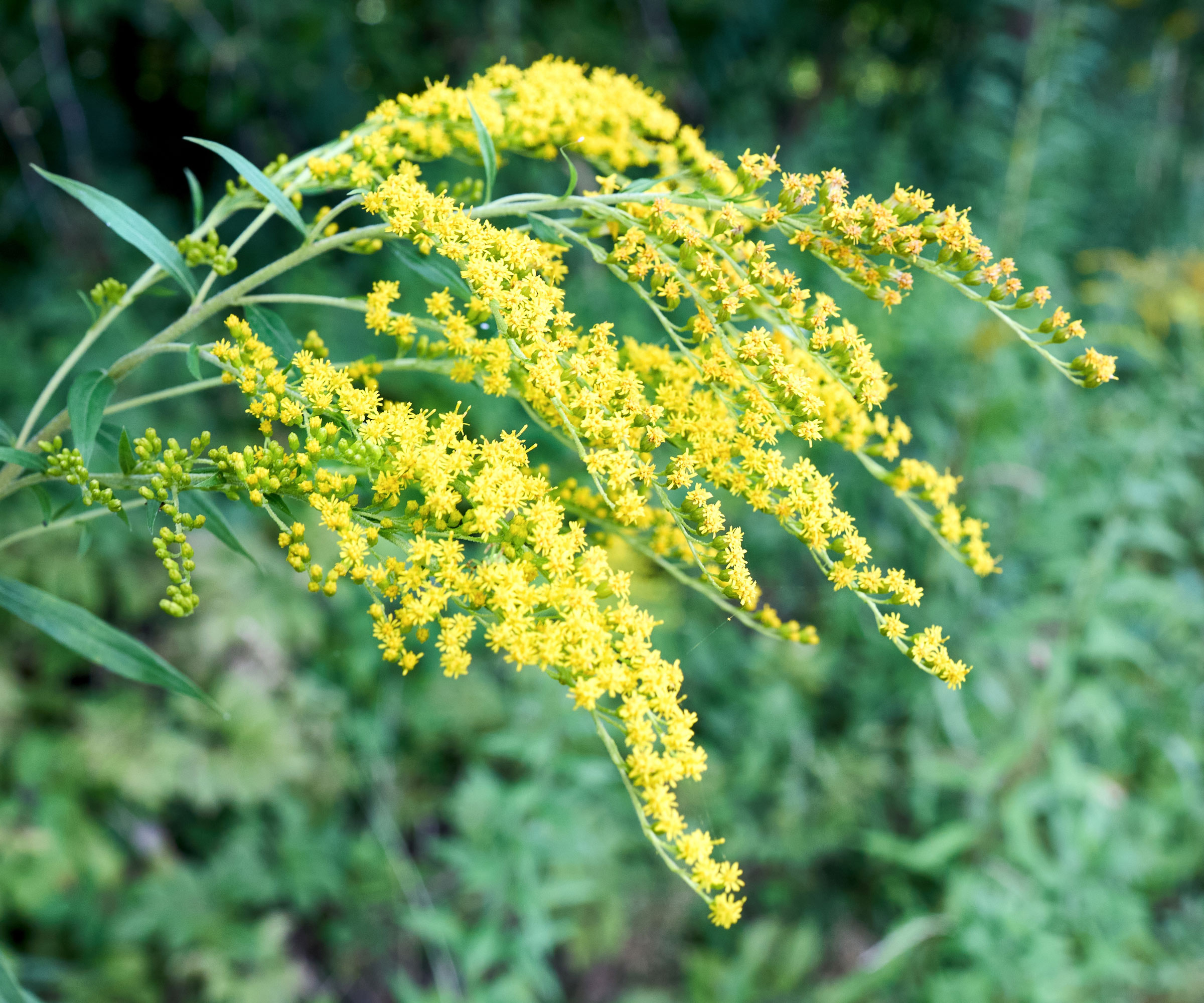
If you sneeze just reading the name of this native perennial, you aren’t alone. Many people think goldenrod causes their seasonal allergies but no, it’s ragweed. Goldenrod should be a welcome member of your garden plant family. It’s worth its weight in gold – so to speak- in autumn meadows, its brilliant egg yolk yellow plumes a fantastic contrast to purple or blue asters.
You can find goldenrod in lots of different sizes and shapes. Whatever you pick, the late-season pollinators will thank you. Goldenrod offers invaluable nurture for bees, butterflies, and other beneficial insects in fall, with generous supplies of nectar. Feed those hungry pollinators with gorgeous ‘Fireworks’ goldenrod from American Meadows It’s delicately arching branches add even more visual interest to your garden.
4. Big Bluestem
|
Botanical name: |
Andropogon gerardii |
|
Hardiness: |
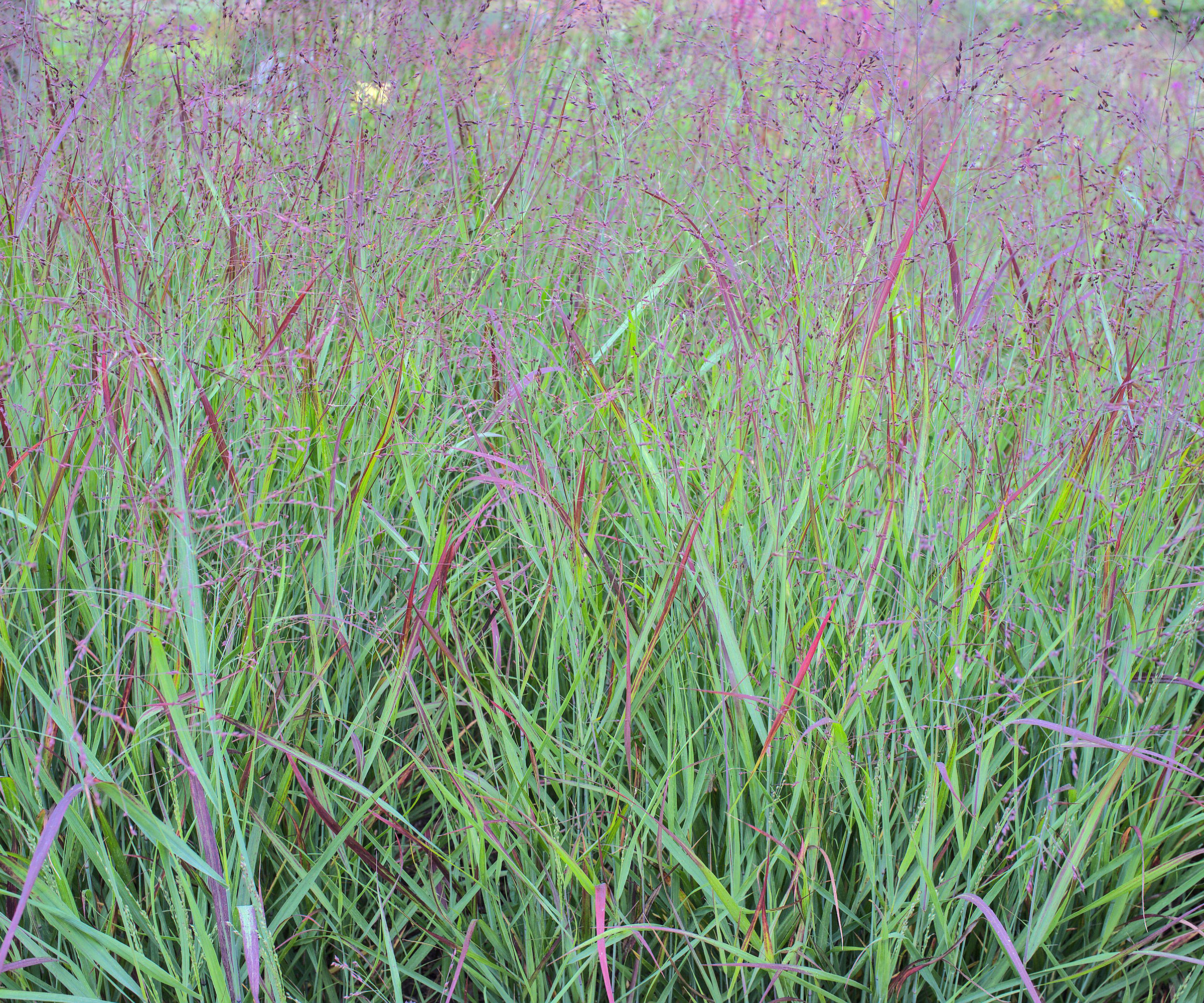
If you have a large property, you need large plants to balance out the space – and nothing is better than ornamental grass. Why not go for Big Bluestem, also known as a “prairie giant.” It gets as tall or taller than the gardener – rising to 6 feet (2m) tall and providing bold structure as well as dramatic fall color.
This tall grass grows in blue-green, giving it the common name, but it changes like clockwork come September. The tall blades evolve to shades of burnished copper (bronze, red, and purple) in the fall. Easy-to-grow and drought tolerant, big bluestem is best grown in full sun. It is a larval host for more than a few species of butterflies. ‘Blackhawks’ big bluestem from American Meadows will add some autumnal drama to your landscape while also resisting deer!
5. Pink Muhly Grass
|
Botanical name: |
Muhlenbergia capillaris |
|
Hardiness: |
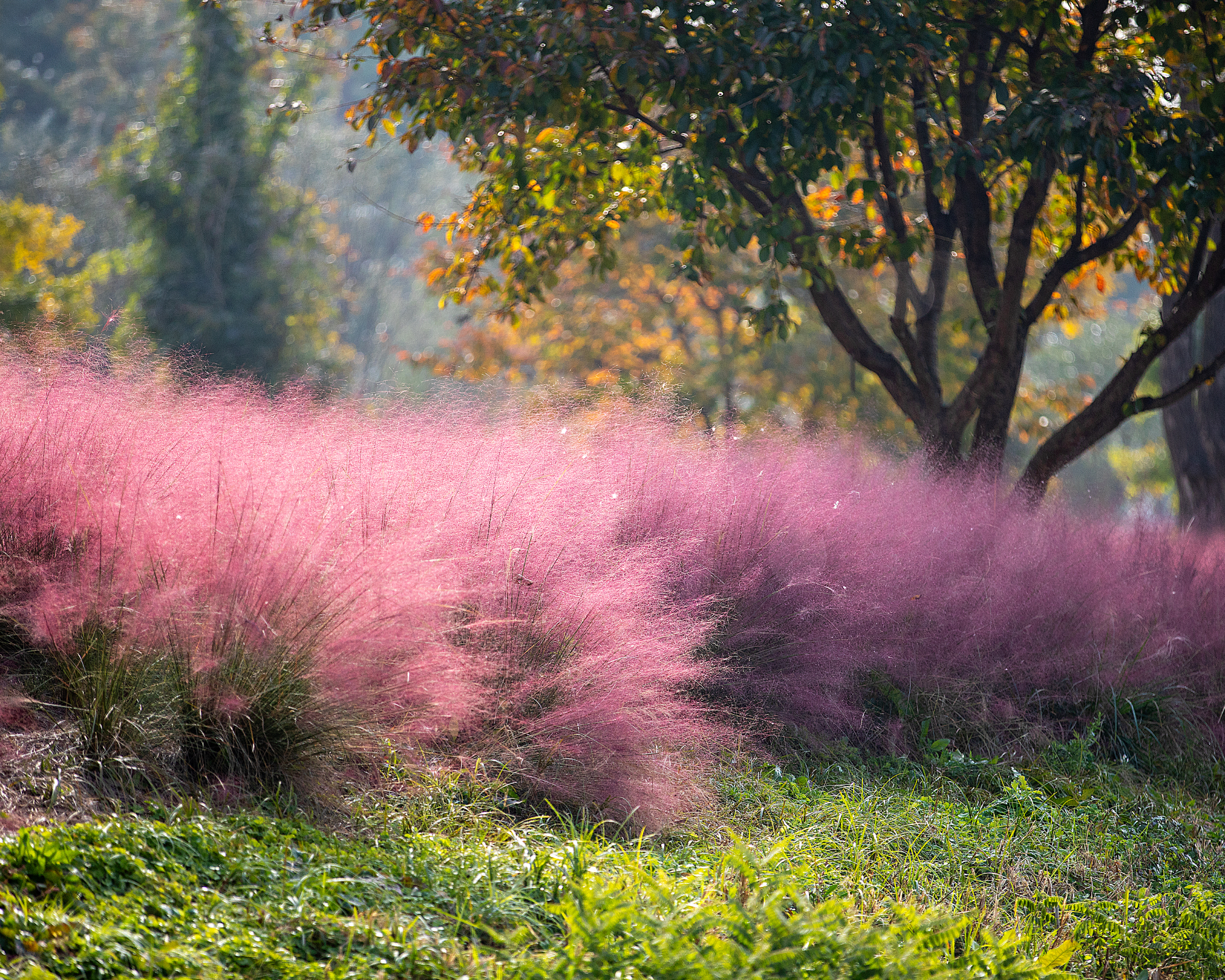
Think of this stunning ornamental as the love child of a grass plant and a pink flamingo. You want visual drama in your fall garden? Pink muhly grass offers it in spades with airy plumes of soft pink blossoms. A stand of this gorgeous prairie grass makes your backyard look as if a pink cloud landed, or a giant’s cone of cotton candy fell from the sky.
Pink muhly grass flowers from the end of summer into fall. The dense clumps of foliage are made up of wiry, forest green needle-like leaves. They provide the base for the flowers that seem to float above. Plant this ornamental grass in a full sun site with well-draining soil and you’ll have a low-care, tolerant, hardy plant with prairie flair and winter interest. It is also a host plant for the orange skipperling butterfly and provides material for nest building for bees and birds. 1-gallon pots of pink muhly grass plants are currently on sale at Trees.com (formerly Fast Growing Trees) and will add some serious vibrancy to your fall garden.
Shop Fall Planting Essentials
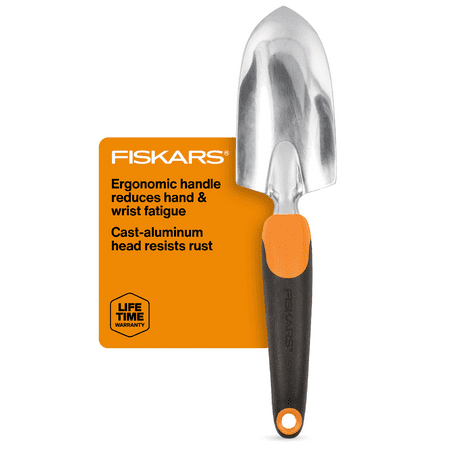
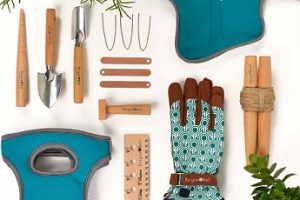
Measuring 12.25 inches, this rust-resistant trowel has an ergonomic Softgrip handle to reduce wrist fatigue and a lifetime guarantee.
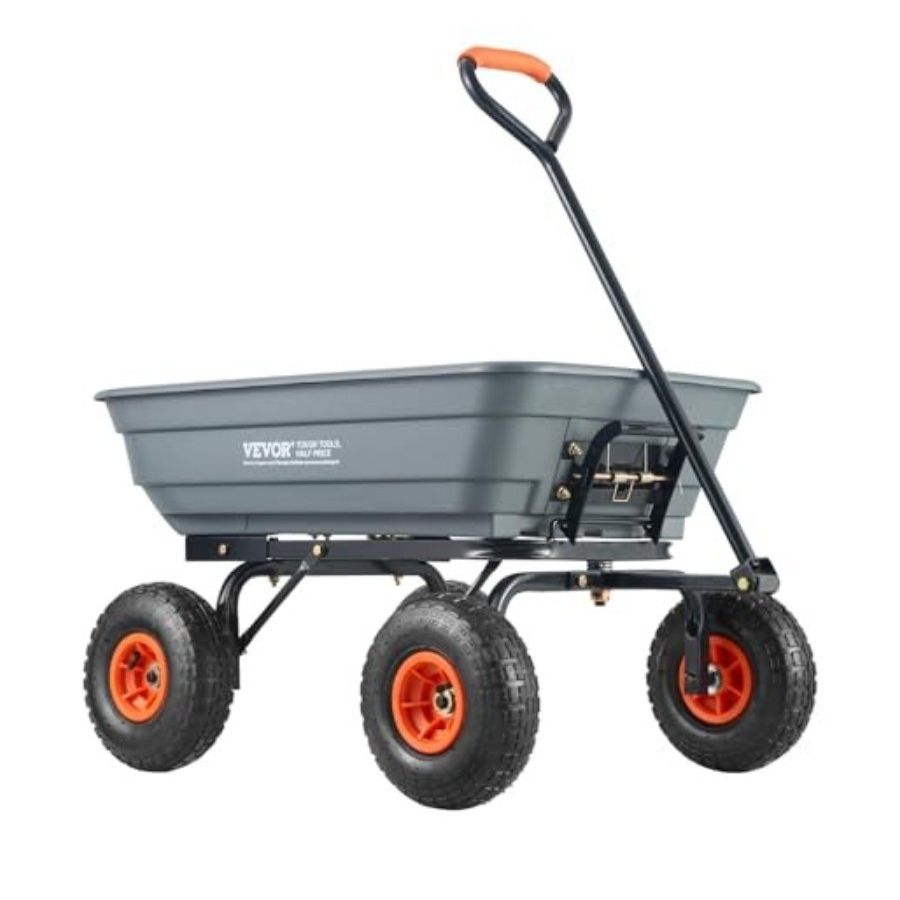
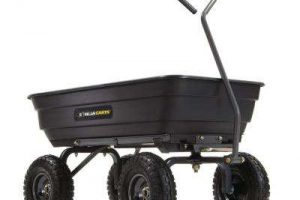
Save your back lugging mulch, compost, or even stones with this convenient dump cart. It’s also a super convenient way to lug yard waste to your composter or even carry firewood from the log pile to the house this winter.
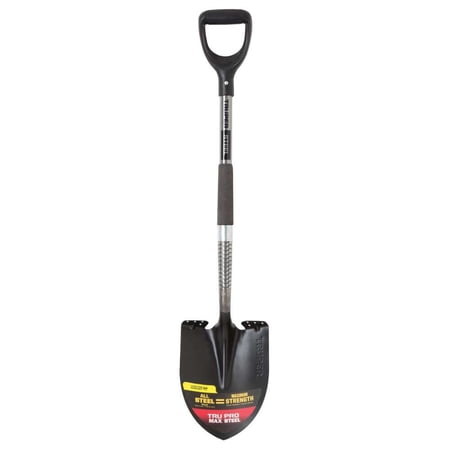
With large perforated turn stems and a D-grip handle, this 40-inch steel round digging shovel has a sleeve comfort grip.