Vibrant color-changing autumn leaves are one of the great joys of life, and the 2026 fall foliage forecast predicts exactly which areas will peak, when. Experts foresee that this summer’s drought, above-average temperatures and wildfires will impact heavily on the fall display, making this a year of sharp contrasts, and the fall foliage forecast more handy than ever.
Whether you plan to witness the great fall spectacle in your own backyard or travel to see this foliage phenomenon on a grander scale, the forecast holds useful insight for us gardeners. As well as knowing when to expect peak color, you can use the fall foliage forecast to carry out a quick health check on your garden trees, and discover how well they’re coping with this extreme El Niño year of weather.
What is the Fall Foliage Forecast?
First created back in 2013 as a local tool to help visitors to the Smoky Mountains, the concept of forecasting fall foliage has grown to a nationwide predictive, interactive mapping system. Historical temperature and precipitation information is combined with forecasted weather data and details of regional tree types to predict peak times for foliage color across the country. Real-time user submissions refine the predictions mid-season, resulting in a level of accuracy that’s similar to a long-range weather forecast.
Which is the Best Fall Foliage Forecast?
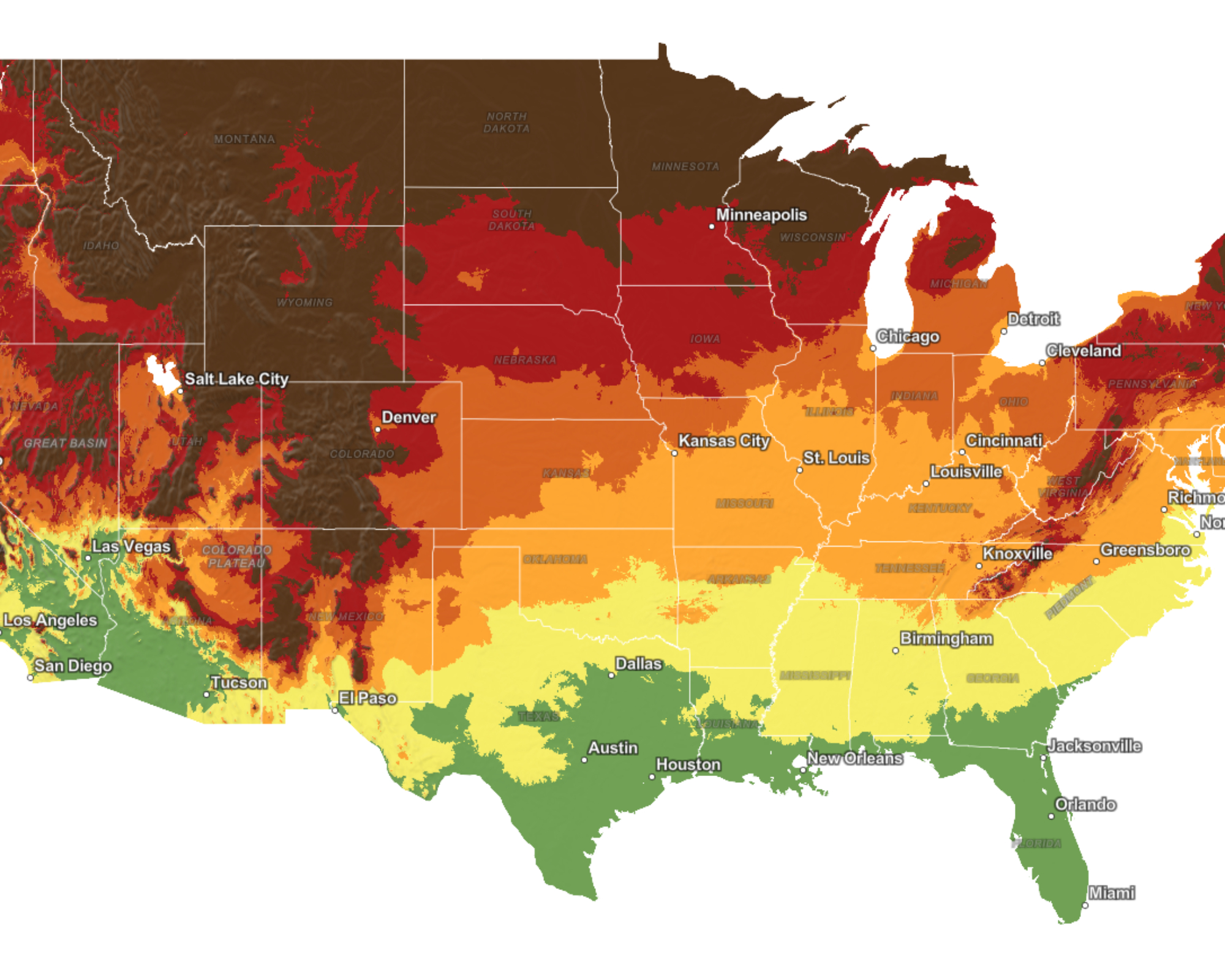
You’ll find the original fall foliage forecast on the Smoky Mountains National Park site. However, plenty of companies have taken the idea and run with it, offering a deeper dive for keen leaf peepers.
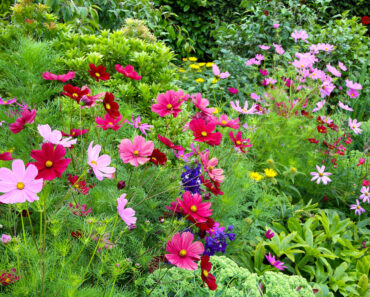
The Explore Fall Foliage Map (pictured above) is the best fall foliage forecast for gardeners. It gives the very latest picture because it’s updated daily to take into account current weather conditions such as heavy storms or unseasonable high temperatures. A new feature that’s great for gardeners is a local forecast capability where you can place a pin to an exact location to see personalised predictions.
The Old Farmer’s Almanac Fall Foliage Map is more useful for travellers planning fall trips as it relies on historical data to predict foliage patterns and recommend top destinations, area by area. However, because of this long-term data, it’s widely considered to be a very dependable forecast, so it’s useful to gardeners as a comparison tool.
The AccuWeather Fall Forecast gives a broader picture but, because it relies on past climate data and future weather predictions, it can be particular helpful to gardeners who want to understand why trees are behaving in the way they are because of factors such as soil moisture and heat stress. Because it’s not aimed at travellers or chasing the tourist dollar, it also predicts where fall colors are likely to be duller, and why this is.
Use all these fall foliage forecasts and you’ll build a clear idea of past, current and expected leaf color patterns for your locality and USDA zone.
Why Do Leaves Change Color in Fall?
Understand what affects fall leaf color and you can confidently make your own predictions for the trees in your garden, as well as figure out the reasons behind what you’re seeing in your backyard.
As shorter days take us towards fall, leaves start to reduce photosynthesis and stop producing green chlorophyll, allowing other pigments to be seen.
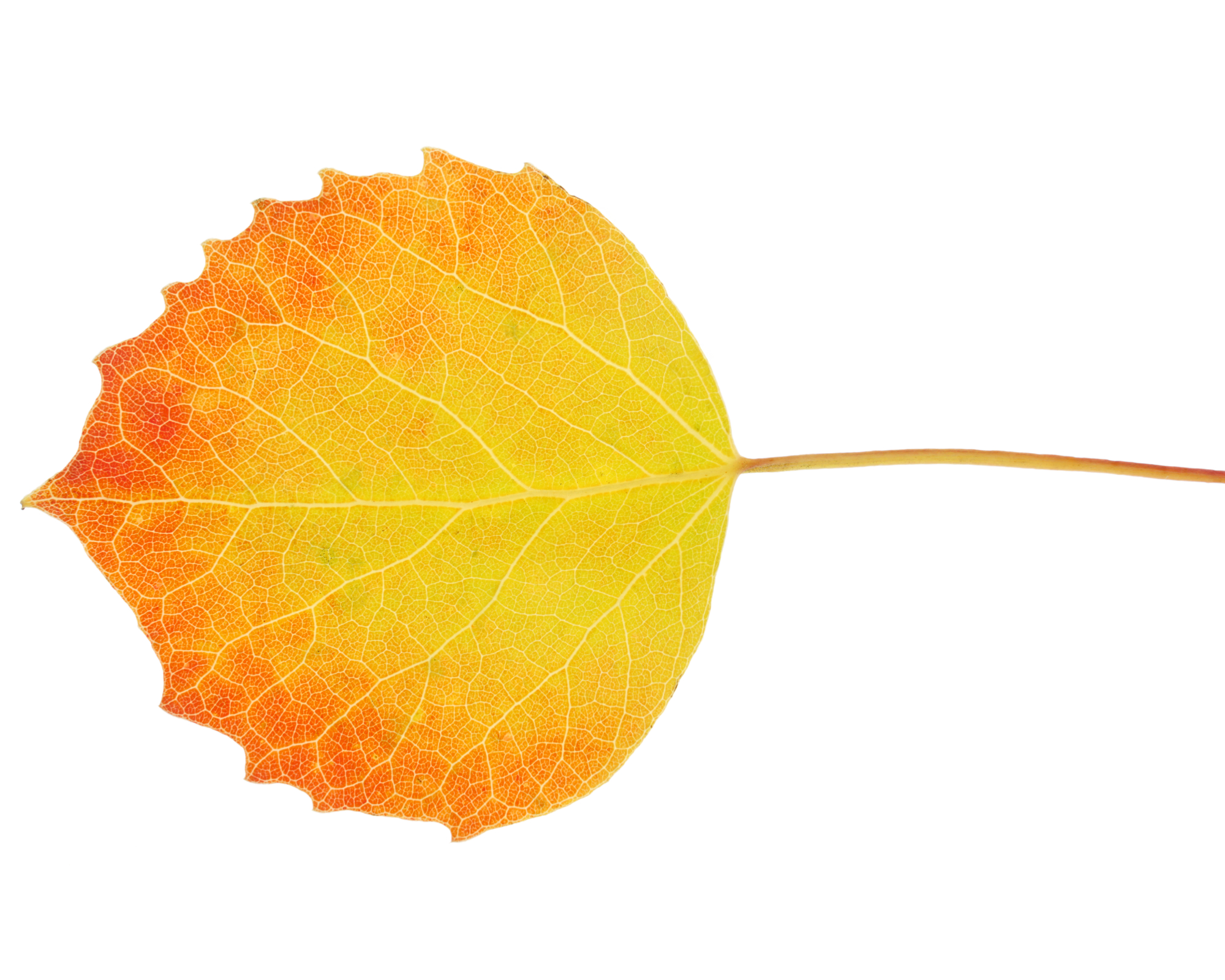
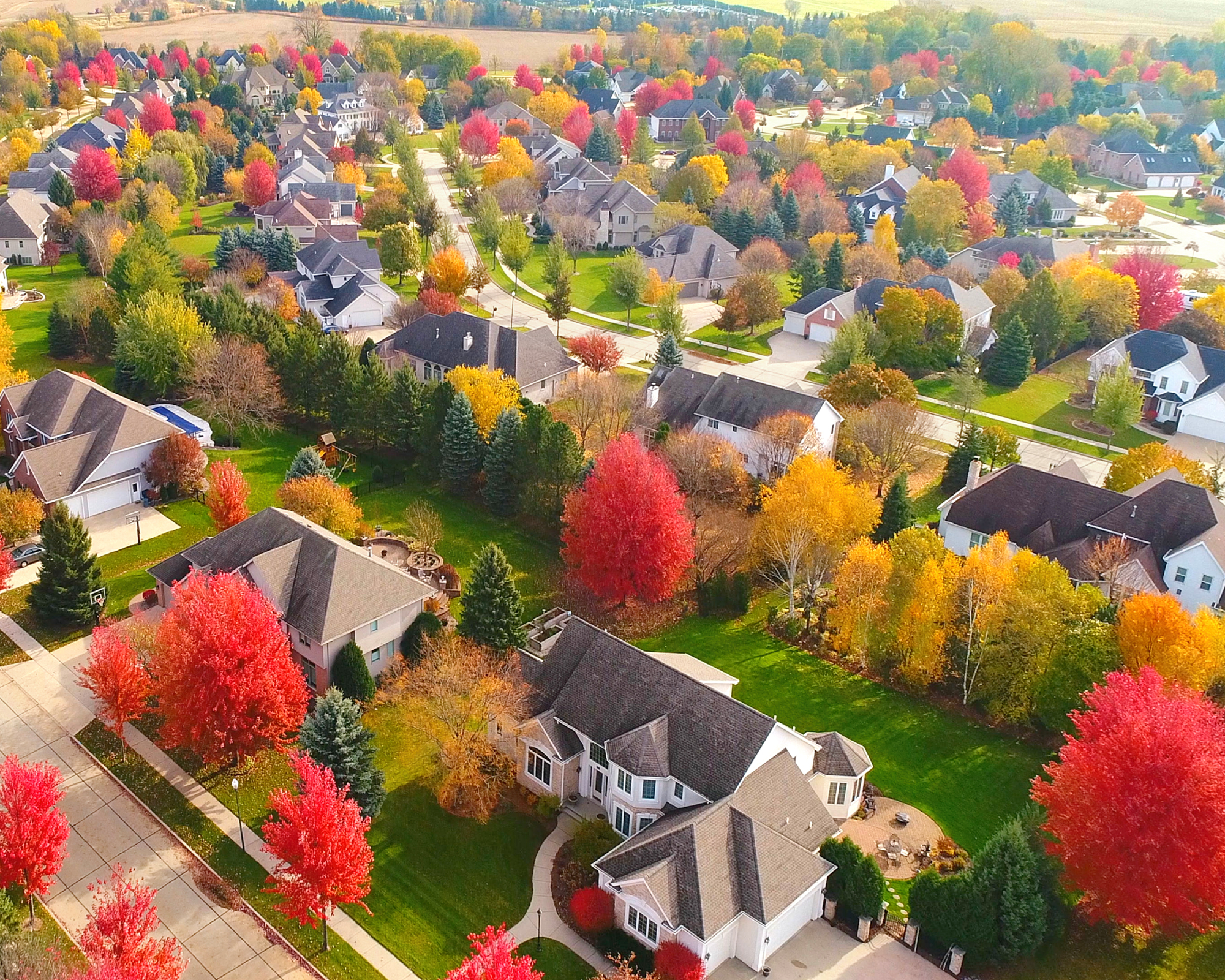
Carotenoids create orange colors and xanthophylls produce yellow tones. Nearly all tree species carry these pigments, and they’re always present in the leaves, but masked through spring and summer by high levels of green chlorophyll. The trees that bring rich golden fall colors have high levels of carotenoids and xanthophylls and include aspens, birches and hickories.
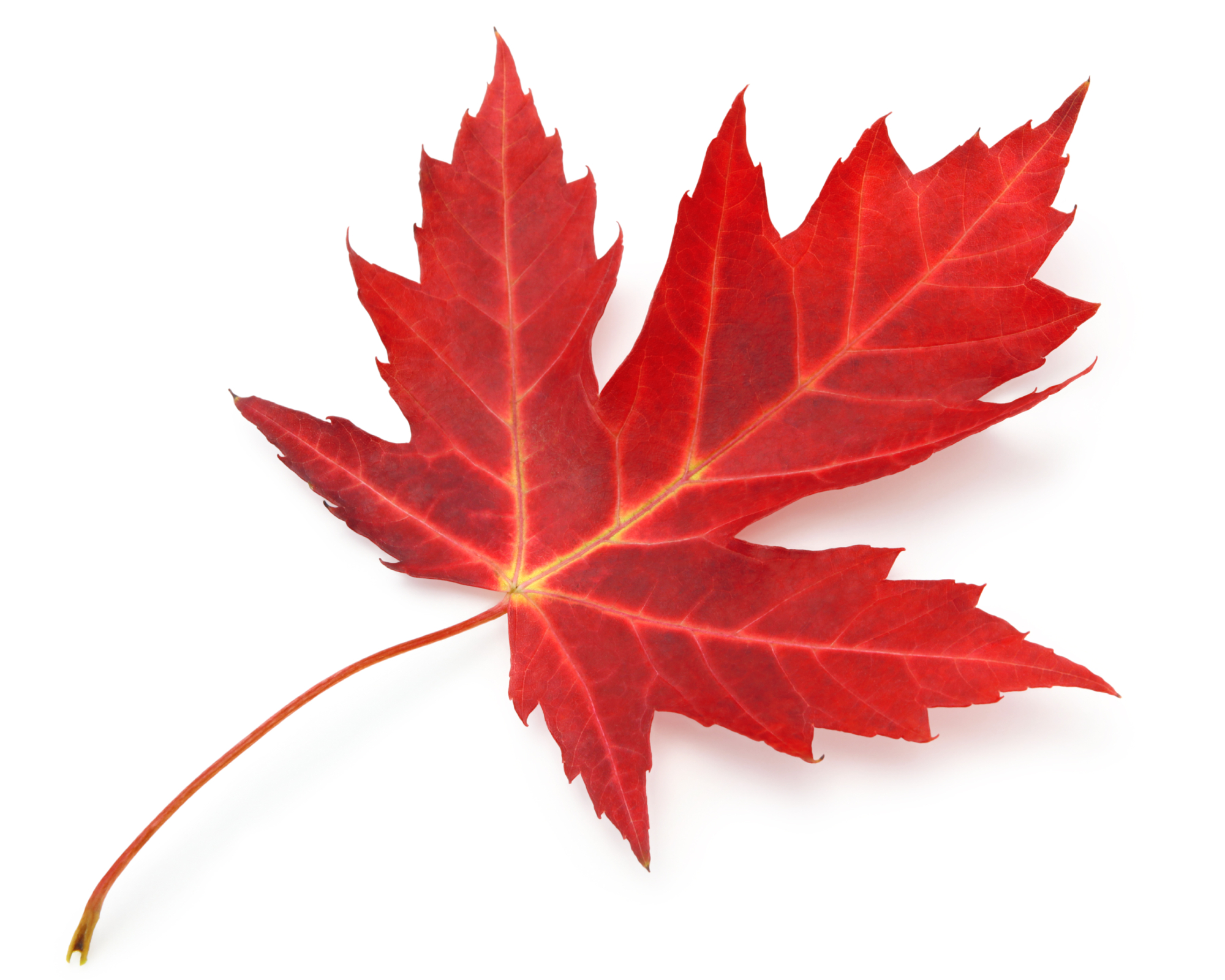
Some tree species also have anthocyanins that make red and purple tones, and these are produced in fall from sugars trapped in the leaves. Trees that can produce anthocyanins are those with fiery foliage such as red maples, scarlet oaks and sweetgums.
How Does the Weather Affect Leaf Color?
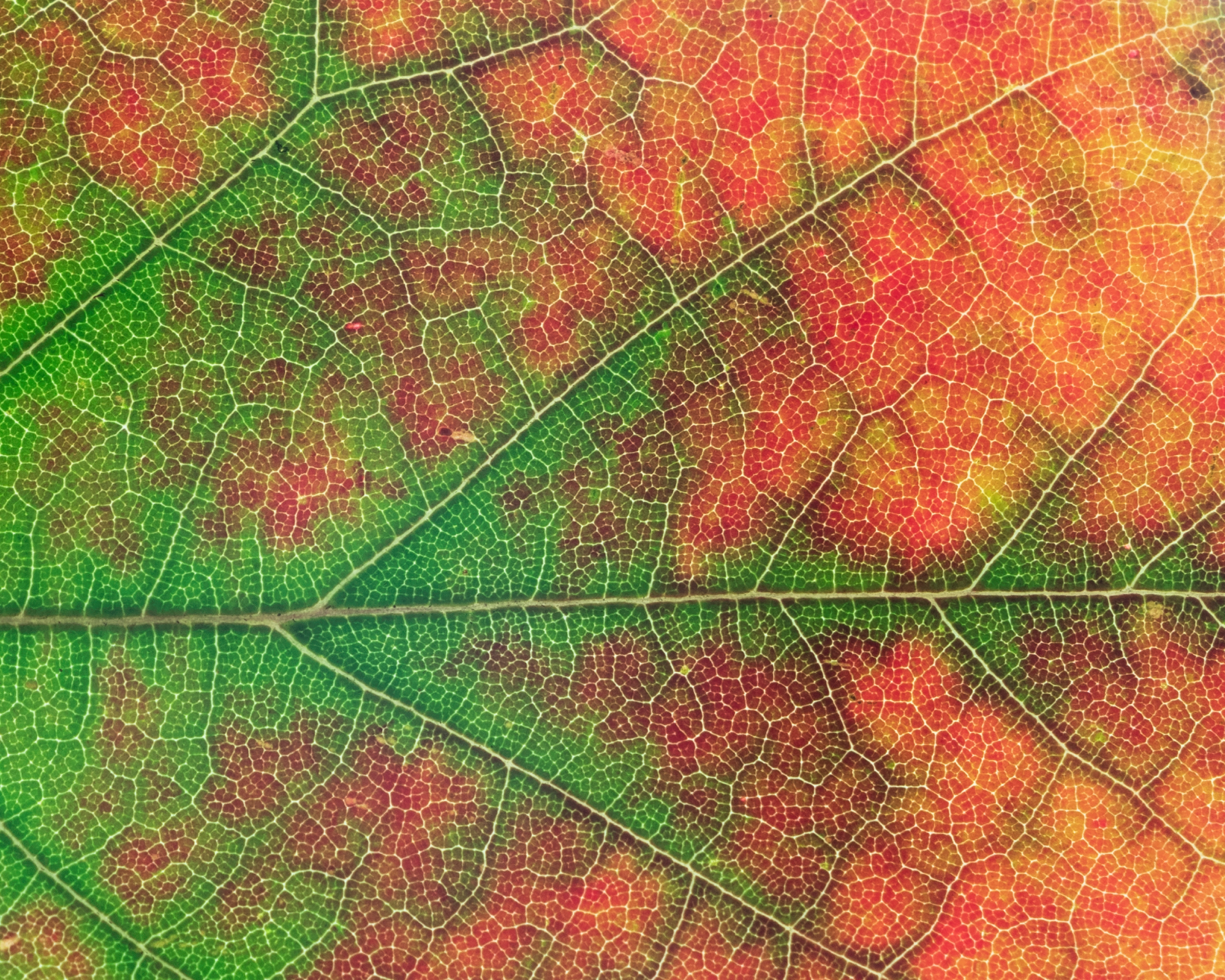
The weather dictates how vibrant these fall colors will be. For the ultimate show, we need consistent spring moisture that encourages healthy trees able to grow plenty of foliage, and a late season of sunny days that mean leaves produce lots of sugar, combined with cool nights that seals leaf veins to trap that sugar.
What happens in between affects leaf color too. Heat- and drought-stressed trees will conserve water in summer by prematurely shutting down photosynthesis and chlorophyll production – which is why we’re seeing all those orange and yellow tones early this year. Trees that are severely dehydrated will shed their leaves early, their leaves turning a dull green or brown and dropping to the ground, bypassing the usual fall display.
While sunny days can boost the red anthocyanin pigment – scientists believe trees produce it to act as a sunscreen – severe heat- and drought-stress halts its production entirely.
Daylight levels and temperatures also affect when photosynthesis starts to slow, which is why fall colors occur earlier the higher or further north you go.
How the Fall Foliage Forecast Helps Gardeners
Once you understand the factors influencing fall leaf color, you can use this information to not just keep your garden trees healthy, but to get a clearer idea about how climatic conditions are affecting your garden as a whole.
For a start, the color of autumn leaves serve as a quick visual health check to see how well or otherwise your trees are coping with current weather conditions. After this year’s extreme heat and drought, that’s a really useful indicator of whether or not you need to be giving your trees more support. Comparing your garden trees to the average of what’s happening in your local area deepens that understanding and can alert you to stressed trees that require intervention, before the situation becomes critical.
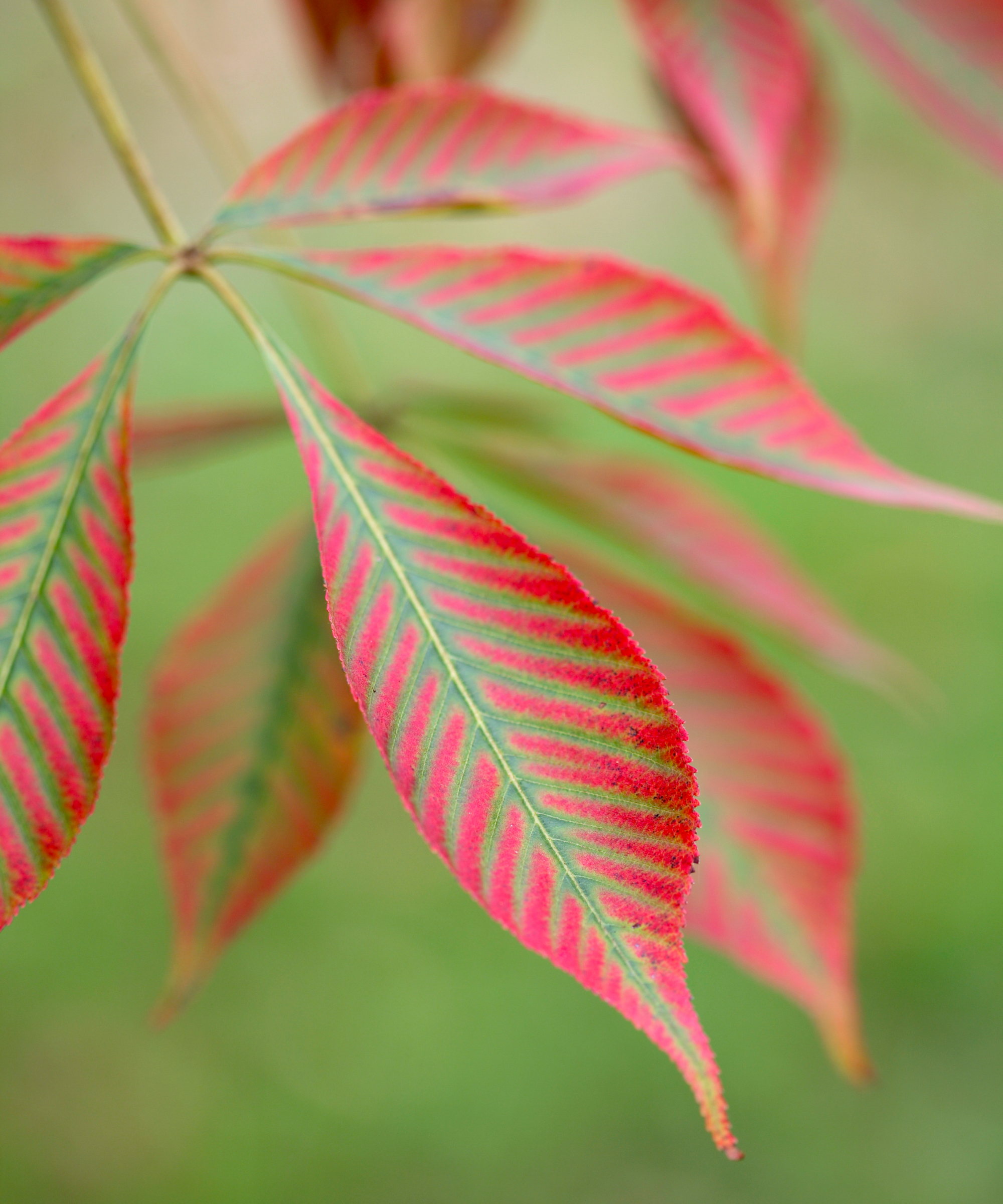
Keeping a journal and noting when you first see fall colors developing on your garden trees, what tones you’re seeing and how they progress, will give you even better insight, and allow you to spot early warning signs. Pressing the first leaf that shows fall colors from key trees in your garden, and marking the collection date beside it, can build into a super-useful almanac that will allow you to care better for your backyard trees going forwards.
Appreciating which tree species carry which pigments and whether they tend to peak early or late in fall also helps you create a garden that looks good all through autumn.
And let’s not forget that enjoying the fall foliage in our gardens as trees begin their natural shift into winter dormancy is just one of the many ways gardening boosts our wellbeing too. I’ll be keeping an eye on that fall foliage forecast and booking the predicted peak color day for my garden off work so I can enjoy it to the full.
Great Garden Trees for Fall Foliage
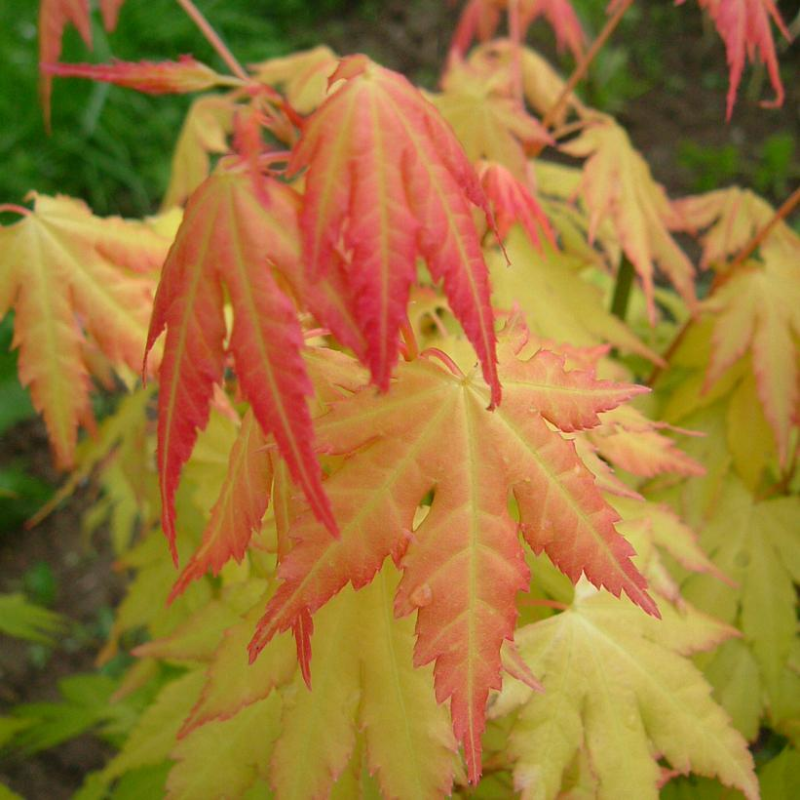 Small garden stunner
This little beauty only reaches 8-10 feet tall and 5-6 feet wide, and will even cope in a container as long as you regularly water. Leaves open a glorious yellow in spring, gain pink edges then transition to an intense golden color in fall, in zones 5-8.
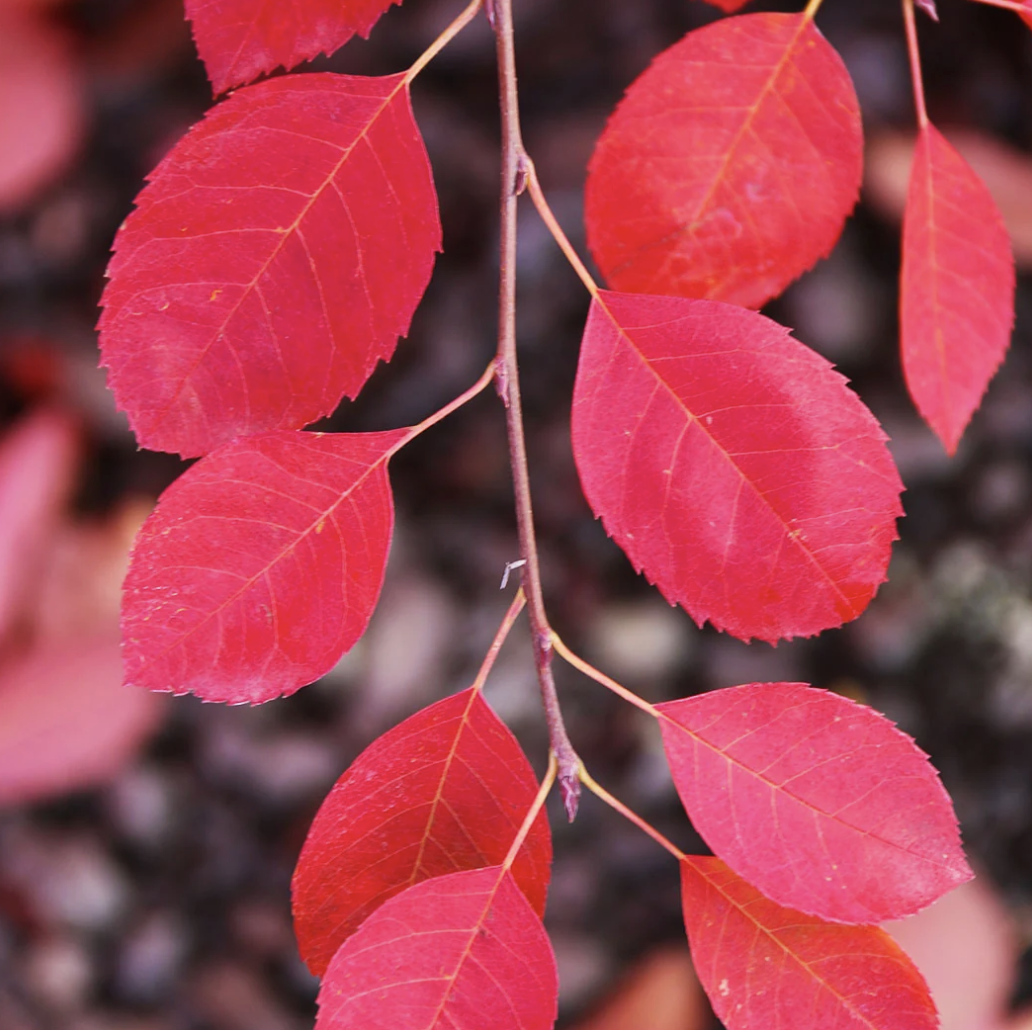 Amazing accent plant
As well as brilliant fall foliage – and we mean brilliant as in bright! – this tree brings pretty white spring blooms and blueberry-like summer fruit for tasty jellies and jams. Also known as the Juneberry, it grows to 15-25 feet high and wide in zones 4-9.
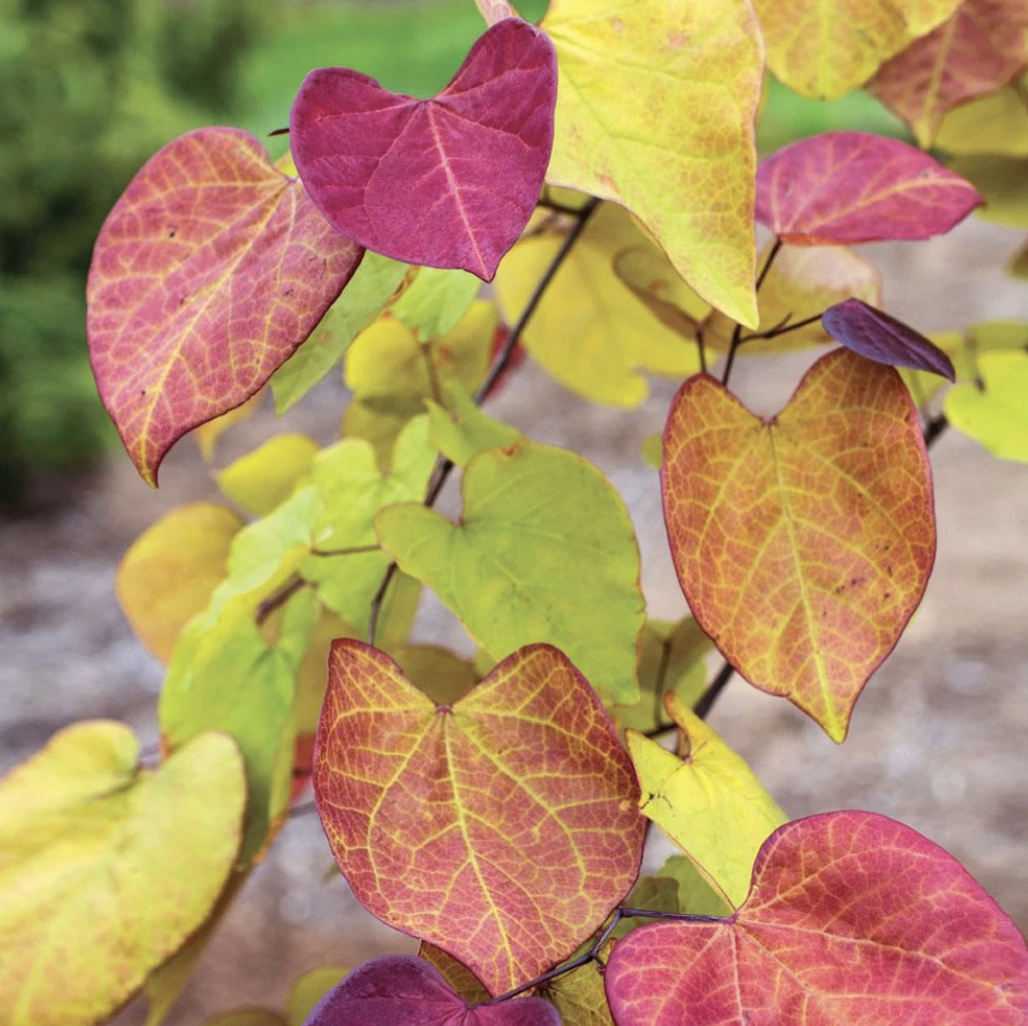 Color-changing Beauty
This new redbud doesn’t just display a fiery mix of orange, yellow, red and green foliage in fall. The heartshaped leaves emerge a burgundy red then turn yellow, then green, and has reddish-purple flowers in spring, too. Reaches 15-20 feet in zones 5-9.
What Are the Big Fall Foliage Predictions for 2026?
This year’s rollercoaster of extreme temperature and rainfall patterns will result in a similarly wide range of fall colors across the country.
Fall Foliage Winners
- Northern California is predicted to put on a better-than-usual display as tree canopies have stayed hydrated and calm weather is forecast.
- Expect strong colors in New England and upstate New York, thanks to higher-than-usual late-spring rainfall.
- Colors are expected to be vibrant in the Great Lakes and Upper Midwest following consistent levels of summer moisture.
Fall Foliage Losers
- The aspens of the Rocky mountains aren’t expected to reach their usual rich gold hue this year because a lack of winter snowpack caused an early drought.
- Summer droughts and current overcast skies mean foliage in the Southeast and Lower Mid-Atlantic is predicted to be duller than usual.
- Heat-stressed trees in the drought conditions of the Pacific Northwest are unlikely to put on a good display.