Some garden wisdom isn’t really wise at all. Have you ever heard that sprinkling used coffee grounds around hydrangeas adds oodles of acid to the soil, or that peony buds won’t open unless ants tickle their petals? Far from being wisdoms, these are classic examples of garden folklore: ideas that have been repeated so often across fences and forums that people simply assume they are true.
Welcome back to Garden Mythbusters, where we aim to separate fact from fiction with persistent gardening beliefs. We have already examined whether gravel at the bottom of pots truly helps drainage and the idea that bulbs need to be planted pointy side up. Here’s another one that you might not even have suspected was a myth: the idea that when you sever a branch or clean up storm damage, you must slather the fresh wood with pruning paint or tar sealant to prevent rot, pests, and disease.
For generations, we’ve been encouraged to buy sealants and dressings to protect our damaged trees. Watching an oak or maple bleed sap feels alarming, and reaching for a sealant seems like a responsible way to shield against infection. But should you really seal a tree wound? Indeed, could slathering a cut with wound dressing be doing more harm than good? It seems true tree recovery requires a much simpler approach. Let’s set the record straight once and for all…
How the Myth Began
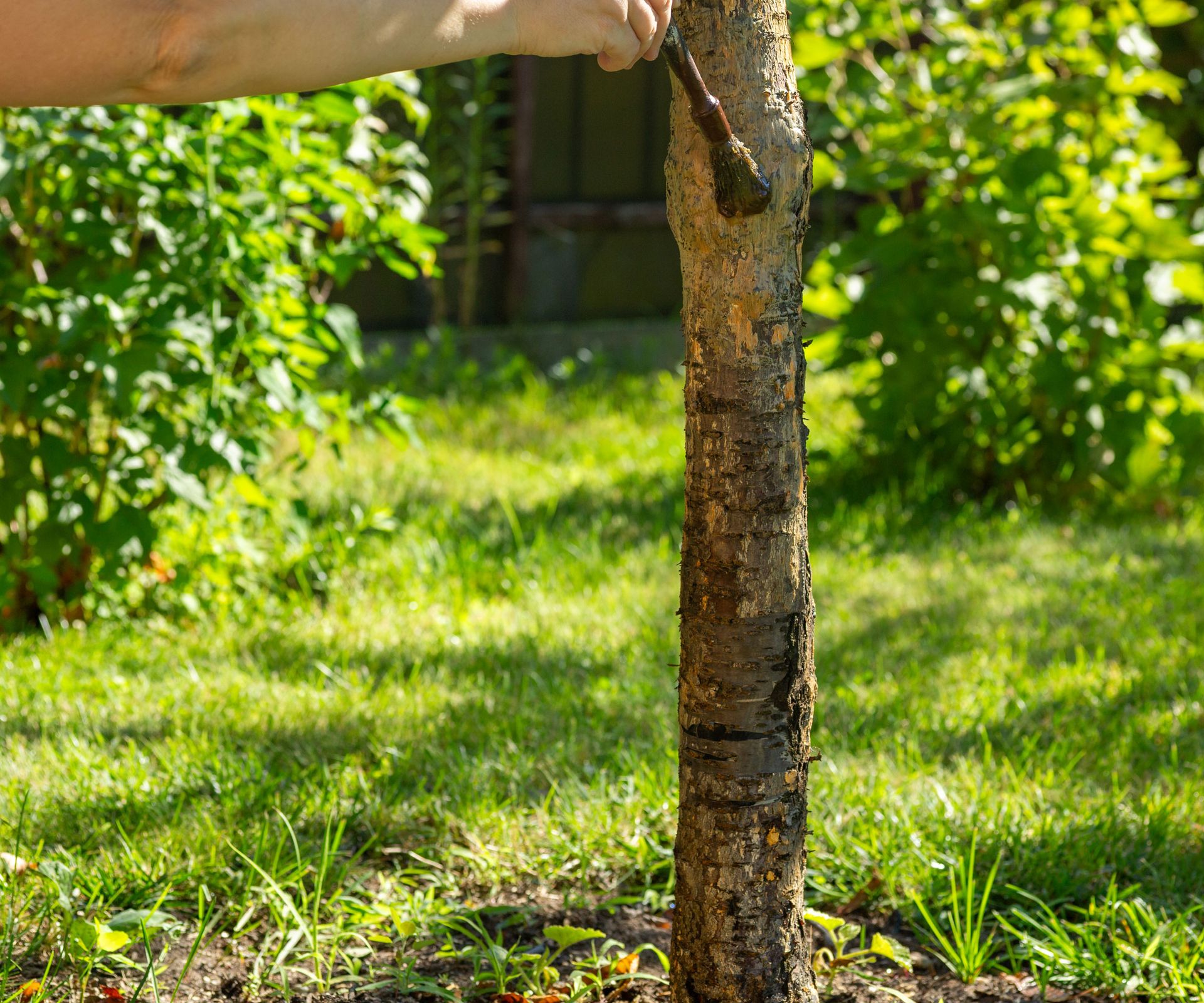
To understand why tree wound sealants became a thing in the first place, there’s a simple (and admittedly silly) explanation. We are prone to anthropomorphism, which means that we think all life forms are prone to reacting like us. So we project our own biological experiences onto plants and wildlife. People once imagined tree wounds needed sealing because they assumed that trees heal like humans, basically.
When a person suffers a deep scrape or laceration, the protocol is clear: clean the cut, stop the bleeding, apply antiseptic ointment, and seal the opening to block external pathogens while our cells heal. Gardeners back in the day figured trees would also need a protective Band-Aid to keep tree sap in and bugs and disease out. When a heavy limb snapped in a summer gale or was lopped off during seasonal pruning, the exposed heartwood looked vulnerable, and any sap seemed alarming.
Gardeners made the mistake of thinking that if they left this tree damage exposed to the elements, wood-boring beetles could march right in, airborne fungal spores might colonize the moist sapwood, and the tree would might bleed to death. By the early 20th century, several petroleum-based asphalt paints, chemical tar compounds, and thick sealants were marketed as miracle aids for healing. The problem? Beneath those seemingly protective layers, the reality was far from protective.
Problems with the Myth
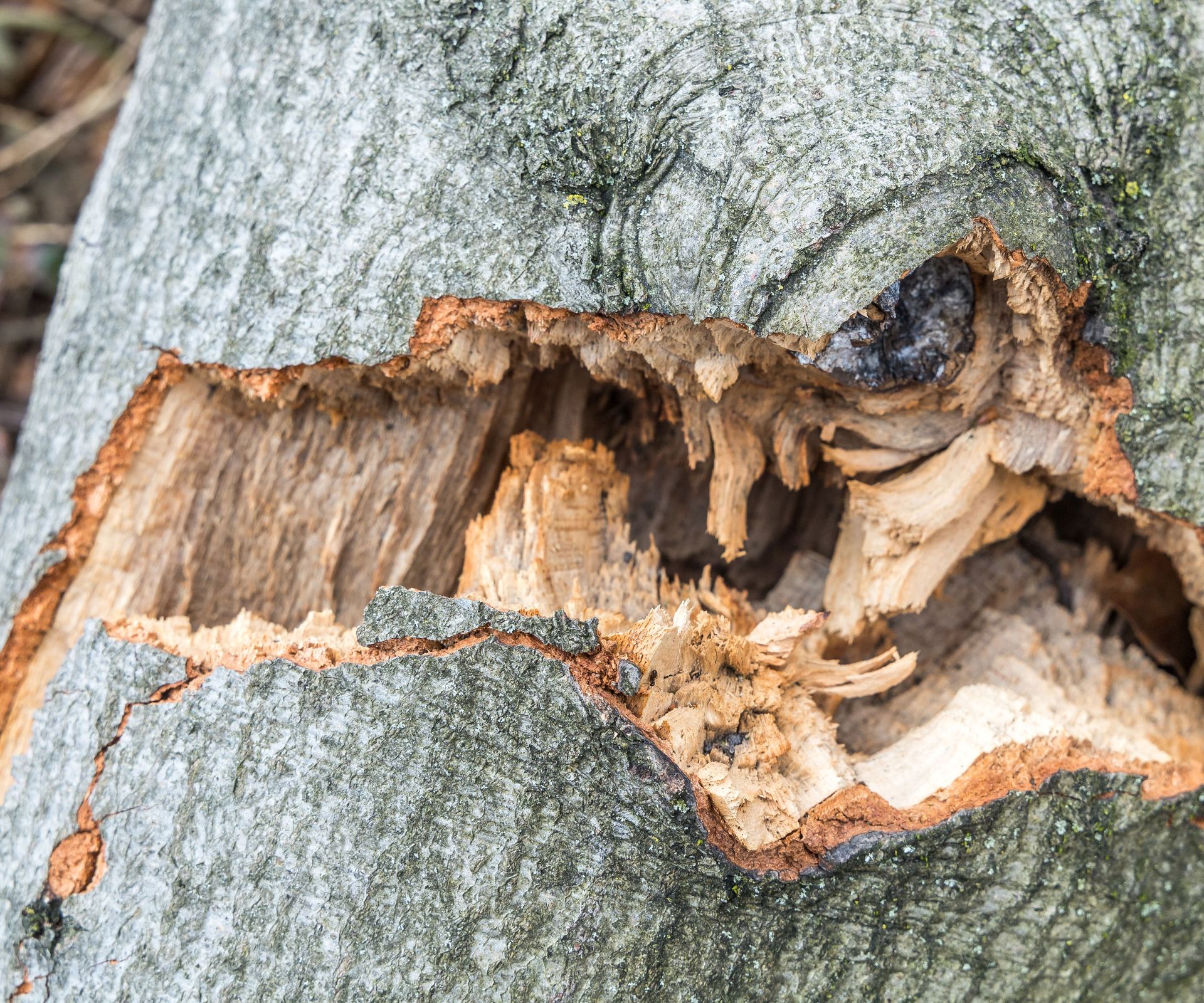
It wasn’t until the late 20th century that arborists and tree scientists found that routine sealants can cause more harm than good. They ran rigorous, controlled trials on tree wound dressings and they found that painting tree wounds does not prevent decay or add protection. In study after study, sealed wounds rotted faster and suffered more internal structural breakdown than wounds left exposed to the open air.
Today, leading forestry institutions and the International Society of Arboriculture (ISA) advise against the routine application of wound paints and sealants. The core problem is that wound dressings alter the microclimate of the cut surface. Asphalt paints and sealants dry into an imperfect crust. As the tree barks expand and contracts in shifting weather and humidity, the paint hairline-cracks. Rainwater seeps into these tiny fissures, but the sealant prevents that moisture from evaporating.
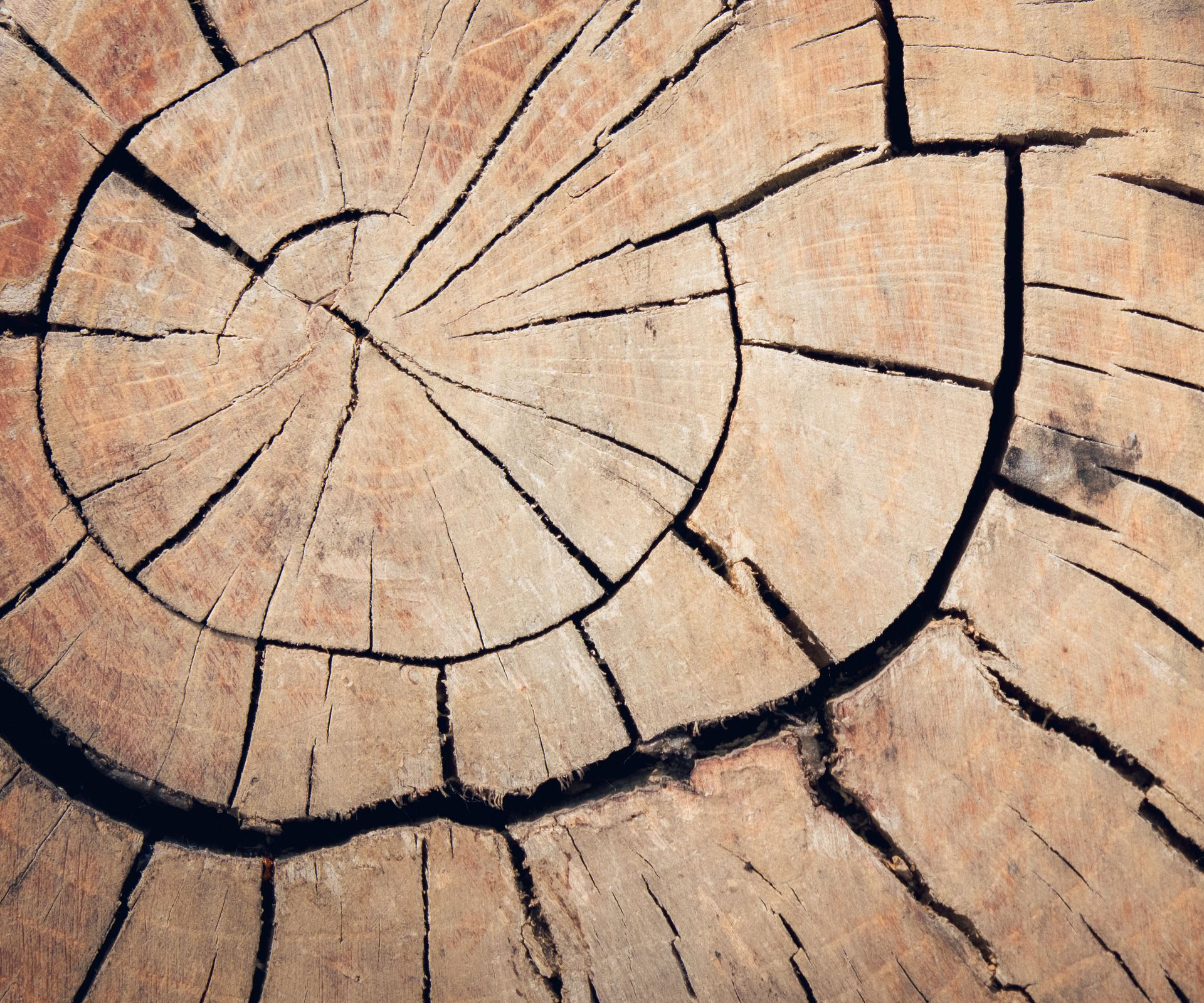
When you apply sealant on a tree wound, it traps water inside the wound, allowing bacteria to thrive and fungi to cause decay. The sealant also impedes the tree’s natural healing process. Thick dressings physically smother living plant cells along wound margins, impairing the tree’s ability to produce vital callus tissue. By attempting to protect the wound, growers may seal pathogens inside the tree, while locking out the fresh air that recovery demands.
That’s not to say you can’t help out a stressed tree. There are amendments you can add at the ground level to help tree roots with the process of recovery. For example, a light sprinkling of mycorrhizal fungi can assist with rejuvenation. You can buy PureMyco Mycorrhizal Fungi Root Inoculant from Amazon to encourage root growth in stressed trees. But in terms of the trunk or branch, the general opinion now is that clean, unsealed tree cuts heal best on their own.
Can You Ever Use a Sealant Safely?
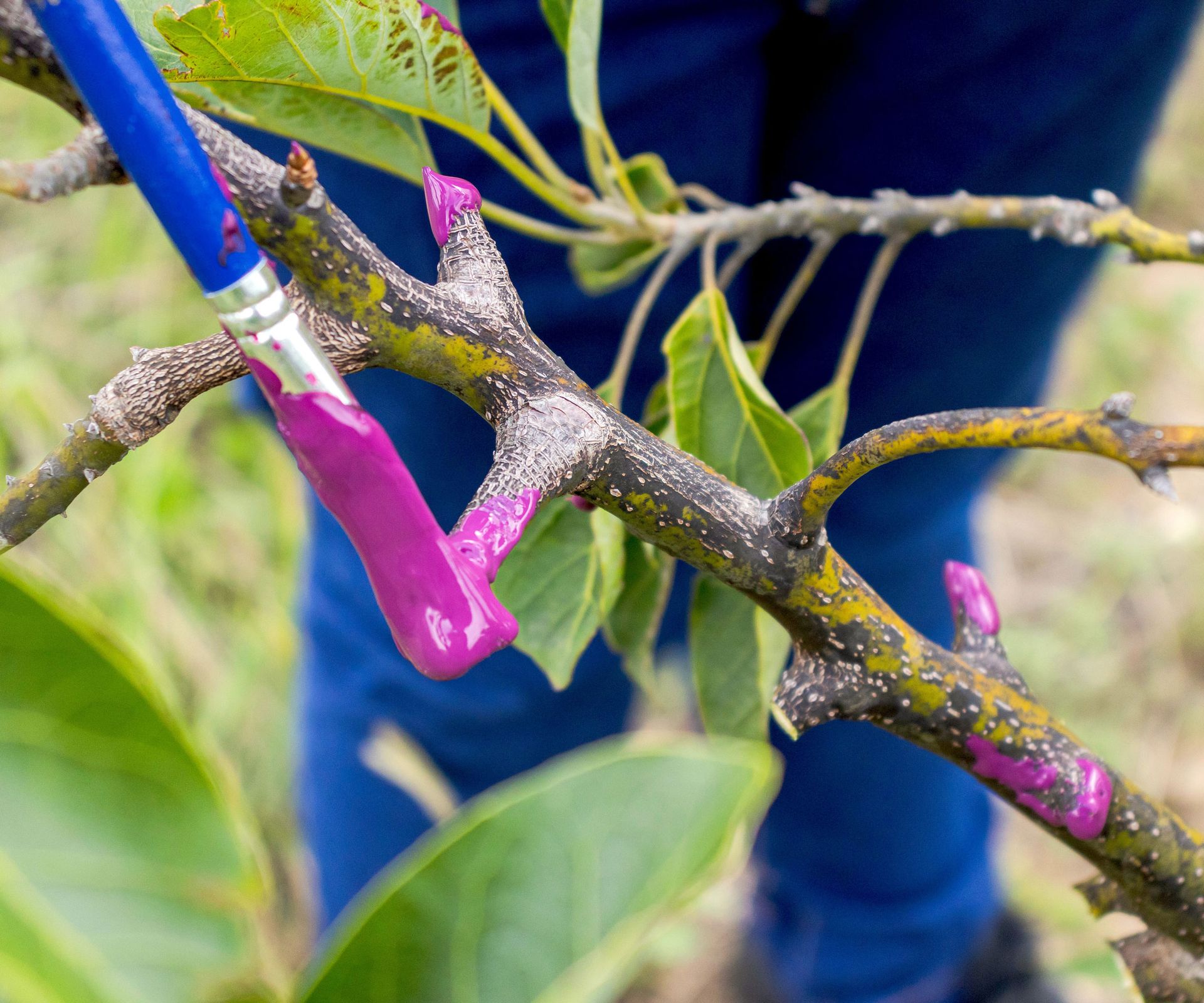
It’s rare to find a general rule without exceptions. This new expert opinion that sealant should not be used for most tree wounds also has a few exceptions. There are a couple of scientifically backed occasions where dressings can be an essential defense. These exceptions do not exist to help the tree heal faster. Rather, they serve as a barrier to protect specific species against insect-borne epidemics.
The primary time when you might use a sealant safely involves native oak species and elms. In regions where oak wilt or Dutch elm disease are prevalent, fresh pruning cuts or storm tears can result in a leaking sap that attracts beetles that spread deadly diseases like oak wilt and Dutch elm disease. If an oak or elm suffers accidental storm breakage or requires emergency trimming during the high-risk growing season (spring through mid-summer), It’s wise to apply a very thin layer of plain, water-based latex paint or specialized tree wound spray over the cut surface.
A safe sealant option in this case is Tanglefoot Tree Sealant Aerosol, available from Walmart, which is beneficial for emergency summer cuts on oak and elm. The goal is to mask the scent of sap from foraging beetles. Once outside this active insect window, even oaks and elms should be pruned cleanly and left unpainted.
How Trees Protect Themselves
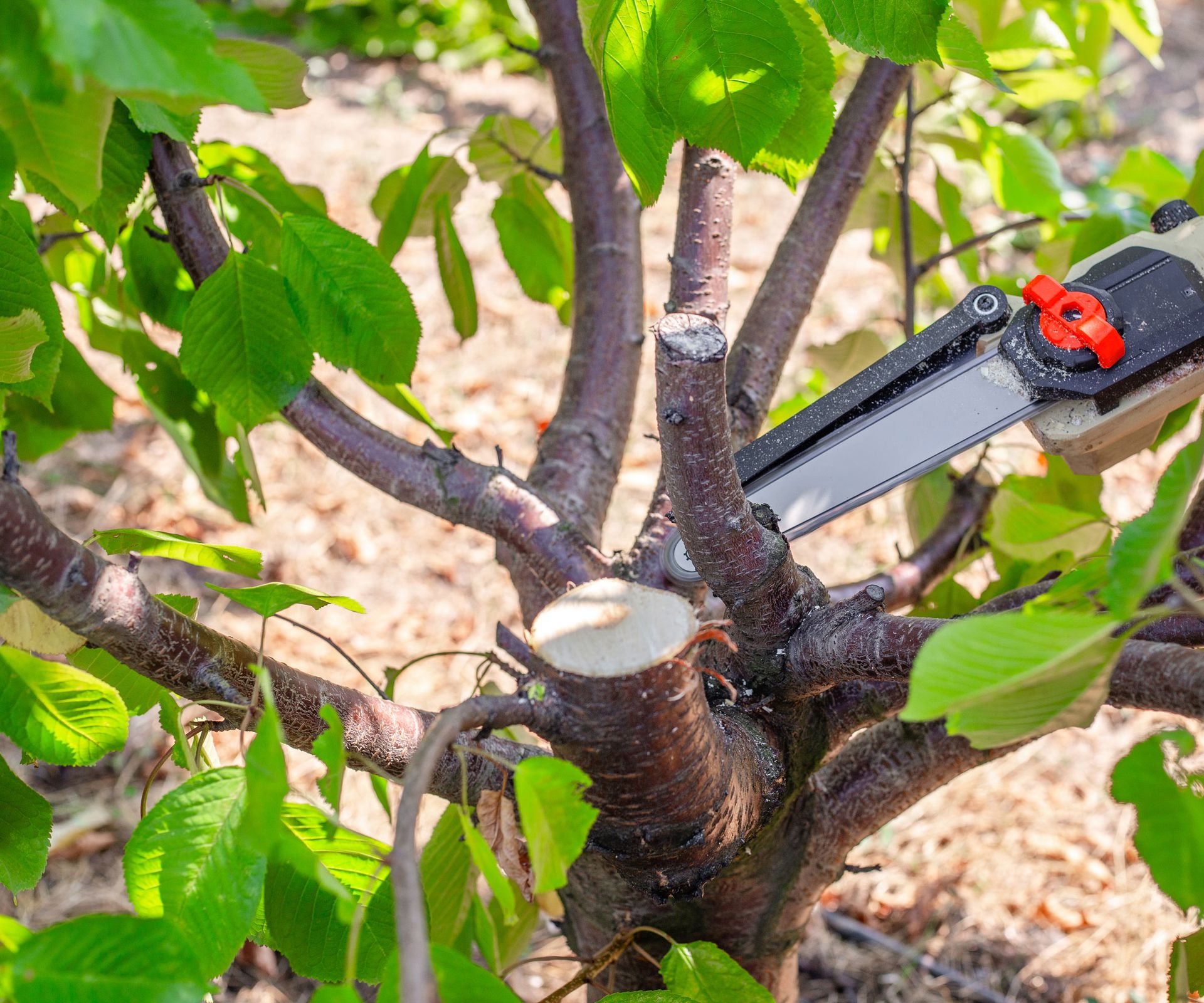
To understand why artificial sealants are generally unnecessary, just bear in mind that trees do not heal like animals do. Trees don’t have the same circulatory system that humans do. Human wounds need closing to prevent loss of bloom, but trees don’t have these issues. Instead, when you prune a tree, the tree initiates a process called tree compartmentalization.
Research led by USDA Forest Service plant pathologist Dr Alex Shigo revealed that trees cannot replace or regenerate damaged heartwood. Instead, they build walls to seal off injured tissue from the rest of the tree. This is called compartmentalization of decay in trees (CODIT). The moment a branch is severed, the tree activates an internal defense consisting of multiple boundaries. Simultaneously, the outer edges of the wound produce swollen ridges of tissue known as callus wood.
Trees start compartmentalizing as soon as you prune them. Cells near the cut area form a cork layer between the wound and the healthy wood inside. Cork is dense and moisture-resistant and quickly forms a natural dressing. At the same time as the tree starts building a callus around the wound, the edge of the cut starts making healthy tissue. This new wood starts growing on the outside, but continues inward until the entire cut surface is covered. This can take years, but ultimately the wound is overgrown. And it works best if you leave the cut alone and let the tree manage it.
What to do When Pruning
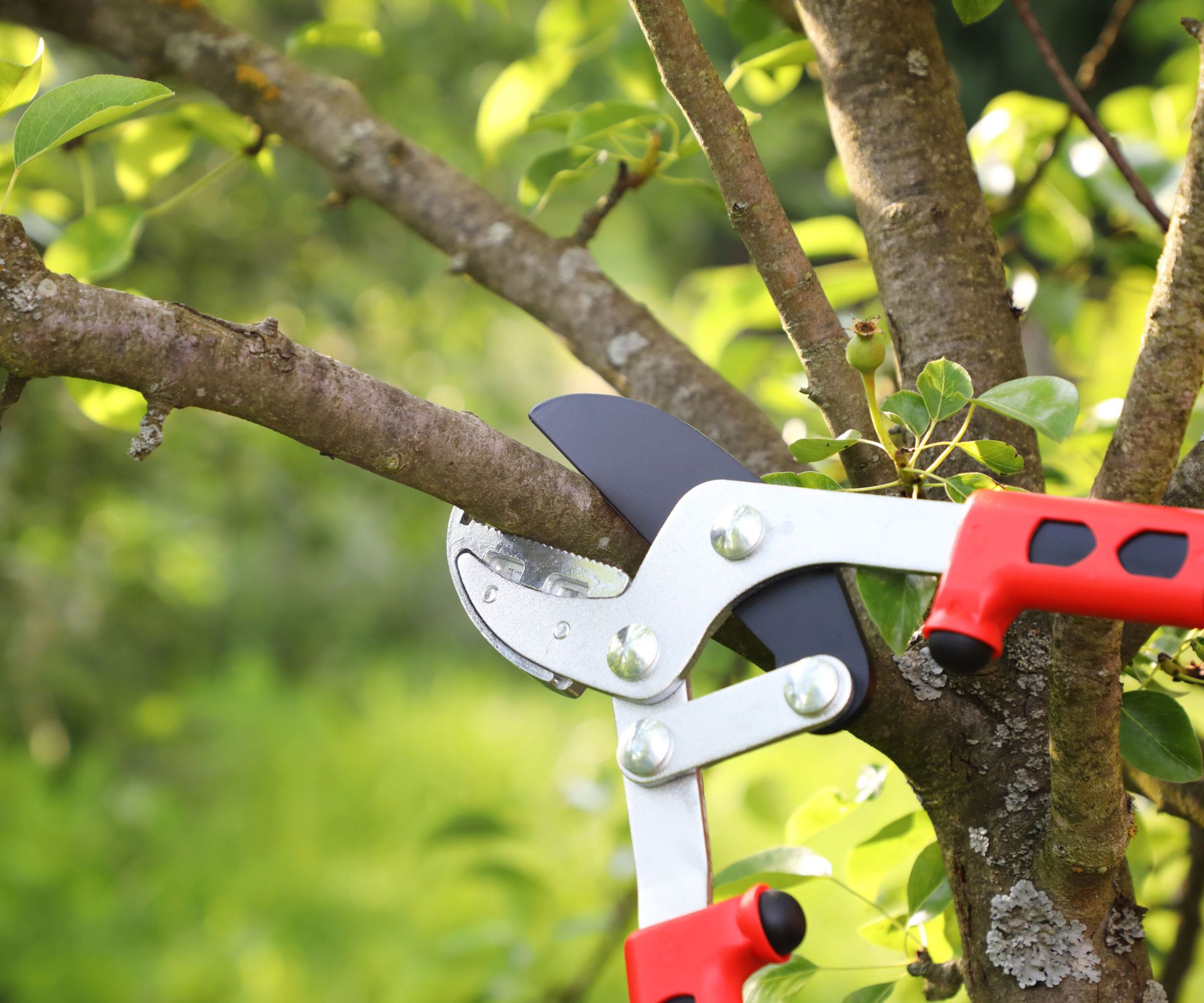
Because trees rely on specialized anatomical structures to build their natural defense walls, your pruning technique matters far more than anything that comes out of a can. Proper cuts empower the tree’s natural CODIT defense system, while improper cuts compromise its defenses. Make sure you always use sharp, sterilized pruners or saws. The sharper the blades, the cleaner the cuts. If you need a hand saw, the Fiskars 10-Inch Folding Soft Grip Handsaw, available from Walmart, gives a good grip when cutting through thicker tree branches.
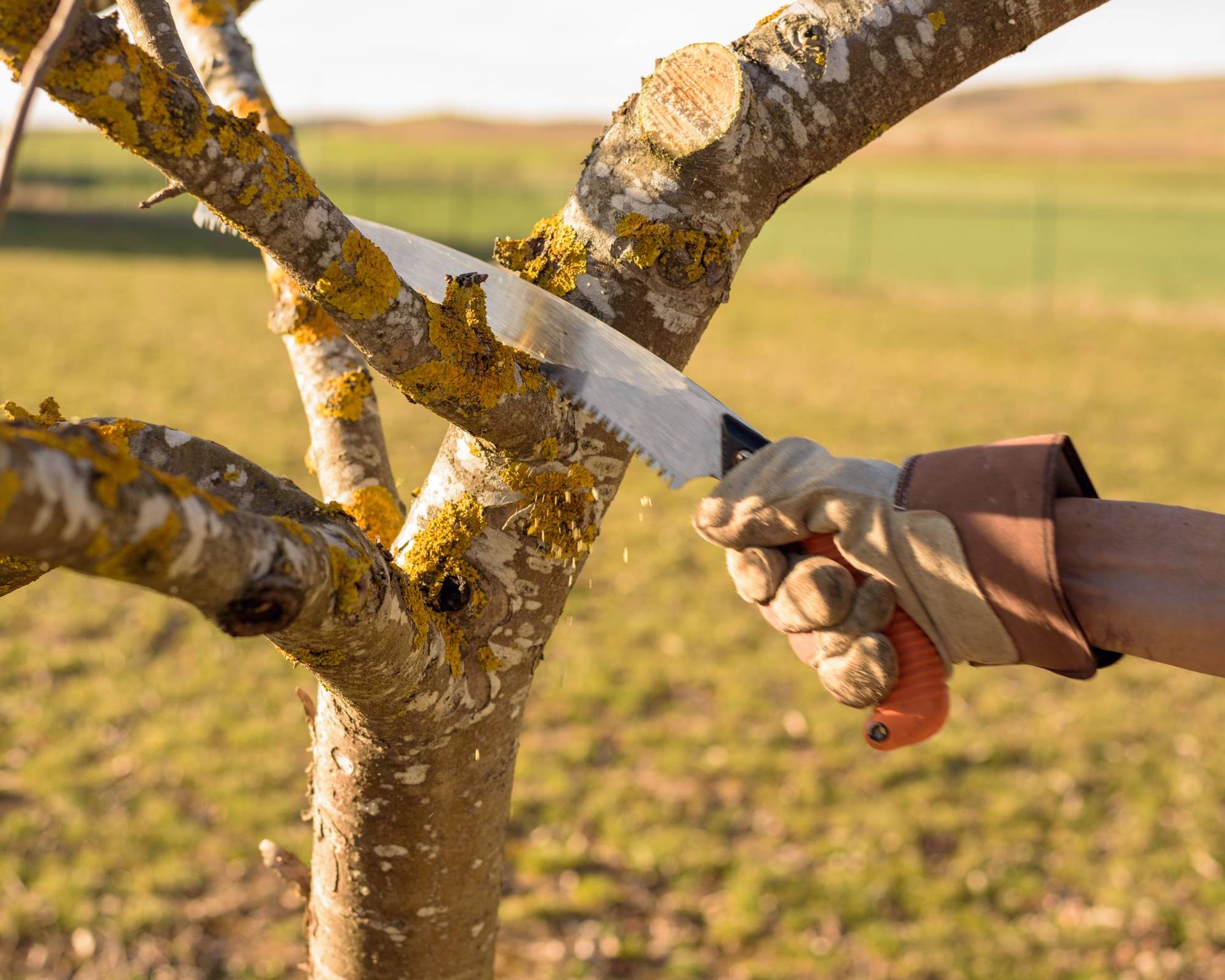
Always cut outside the branch collar when pruning. Look for the junction where a limb meets the parent branch or trunk. The swollen shoulder of textured wood is the branch collar. This collar is packed with cells hardwired to generate those CODIT barrier walls. Make your cut just outside this swollen collar. Never make a flush cut against the trunk, as slicing into the collar invites trunk rot. Don’t leave a 6-inch (15cm) dead branch protruding from the trunk, either, as this is also damaging. The tree cannot compartmentalize dead tissue inches away from the collar.
Large branches are heavy and prone to tearing the trunk if cut from the top. To prevent this, first make a shallow upward cut on the underside of the limb, about 12 inches (30cm) from the trunk. Cut one-third of the way through. Then from above, cut through the limb from the other direction, 2-3 inches (5-8cm) out from the first cut. The branch should break cleanly between the cuts without tearing bark. Finally, make a single, clean cut just outside the branch collar to remove the stub. Once you’re done, leave the cut bare and allow the fresh wood to dry and air-heal.
What to do About Storm Damage
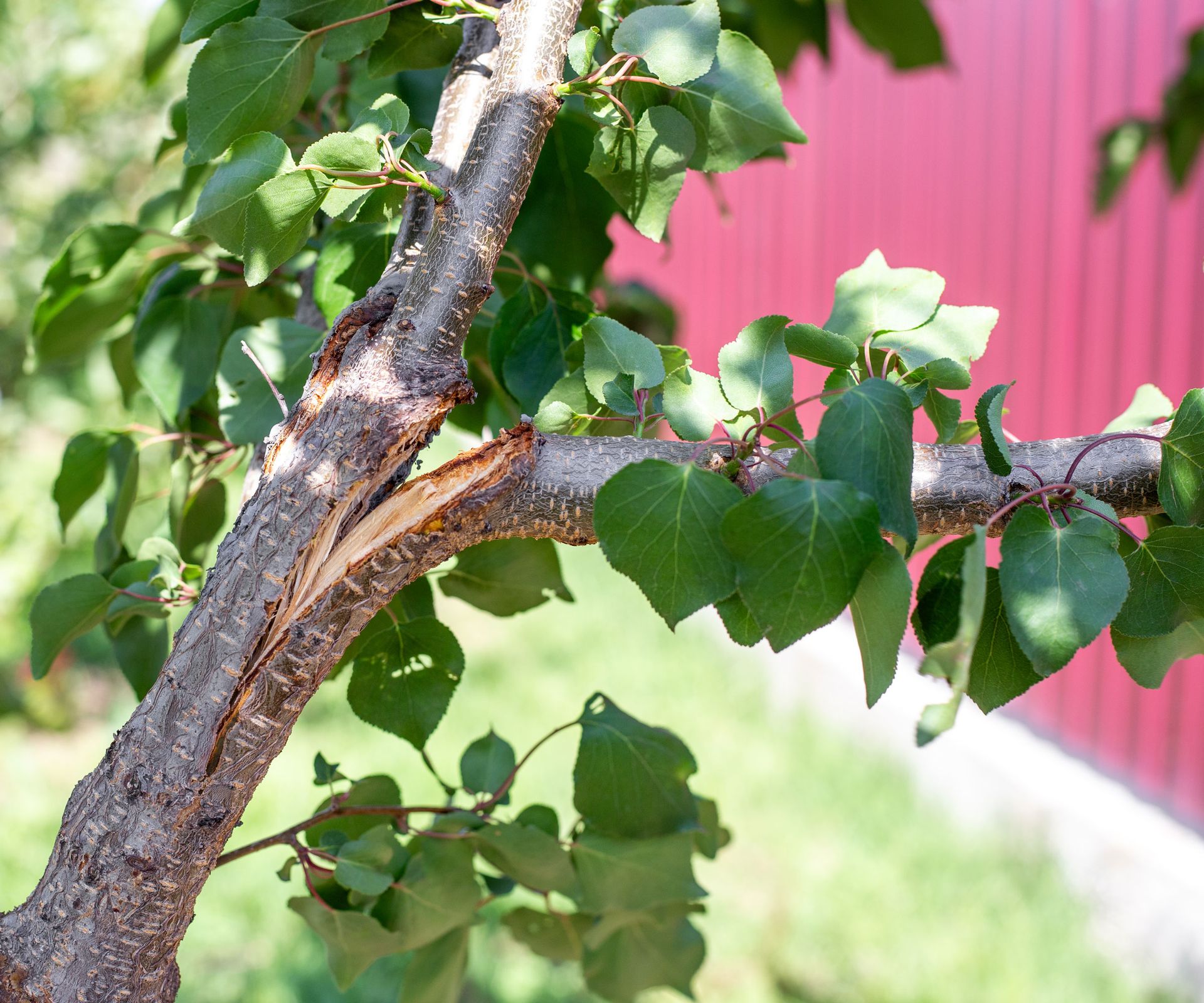
Storms can rip major limbs from trees, leaving jagged stumps and stripped bark. The secret to storm recovery is acting quickly to clean up jagged breaks so those natural compartmentalization mechanisms can engage. First, never approach trees that are tangled in utility lines or have hanging widow-maker branches suspended overhead. Call professional utility crews or an ISA-certified arborist for high-canopy work.
Always wear safety equipment like a hard hat, safety glasses and sturdy gloves. And avoid uprooted trees or split trunks. They could shift in the wind and fall. After that, assess the damage and determine what can be saved. Wind often twists branches off, tearing strips of living bark down the trunk. Using a sharp utility knife or hand chisel, trim away any loose, jagged flaps of bark, creating a smooth, clean margin around the wound. Keep the healthy inner cambium intact.
Jagged, splintered branch stumps cannot seal properly. Trace the shattered limb back to the nearest healthy branch union or just outside the branch collar, and make a clean, flat saw cut. If a storm strips more than 50% of a tree’s canopy, or if the main trunk has split down the center, structural recovery is unlikely. However, if more than half of the canopy remains intact, the tree possesses sufficient power to compartmentalize the damage and rebuild its crown over several seasons.
Pruned or storm-stressed trees need moisture rather than fertilizer. Apply a 2-3-inch (5-8cm) layer of organic wood mulch over the roots, keeping it 6 inches (15cm) away from the trunk flare. Our team favorite is Back to the Roots Organic Premium Wood Mulch, available from Amazon, to help regulate ground conditions and retain moisture to support damaged trees.

It can be difficult to resist the urge to bandage a damaged tree, especially when a favorite suffers a traumatic break. But these tree-loving insights can hopefully give you the confidence to step back a bit and let Mother Nature lend a helping hand. Trees are ancient, resilient entities, equipped with extraordinary internal defense mechanisms that have preserved them beautifully for many, many years. So skip artificial wound dressings and focus on making precise cuts outside the branch collar, smoothing ragged storm tears, and supporting root health with mulch and consistent hydration, and you’ll give your trees the ability to heal themselves.
More Garden Mythbusters
- Does the Pointy End of a Bulb Really Need to Be Facing Up When You Plant It?
- Vegetable Companion Planting Myths – Plus, the Planting Pairs that Really Work
- Does Gravel in the Base of Pots Really Help with Drainage?
- Is Fall Rain Enough for Newly Planted Shrubs and Trees?
- Do Pine Needles Make Your Soil Dangerously Acidic?
- Will Leaves Left on the Lawn Always Smother and Kill Grass?
Need more ideas for getting the most from your plants, indoors and out, and looking for the best seasonal expert advice delivered straight to your inbox? Sign up for the free Gardening Know How Newsletter!