Making free compost from fall leaves is such an easy win, and with these smart hacks you’ll have a nutritious mix ready to enrich your garden soil by spring. While creating traditional leaf mold compost can take up to two years, this quick and easy method speeds up decomposition to bring garden-ready compost in 4-5 months. What’s more, it’s mess-free!
Want to know the secret? Any compost pile relies on tiny organisms, way too small for us to see without a microscope, to break plant matter down. These microbes are responsible for around 80-90% of the chemical decomposition process when making compost, and this method simply creates the ideal conditions for the speediest members of this recycling workforce to flourish.
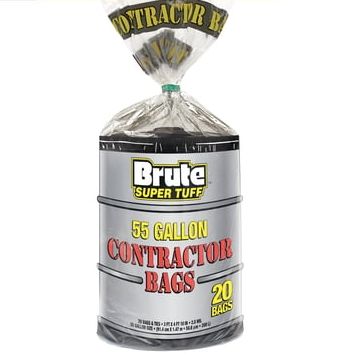
It’s cheap, too, as you’re going to make compost in a black trash bag. Heavy-duty contractor bags such as Brute Super Tuff Bags, available from Walmart, are best as they’re much stronger than those designed for residential use. Your reward will be a rich and crumbly, well-structured compost that will feed plants as well as help soil hold moisture. Spread it as a mulch onto perennial borders and around shrubs to lock moisture in and deliver nutrients to roots. Dig it into veggie beds to fuel healthy crops, or mix with coco coir to make your own potting mix. You can even steep a scoop in a bucket of water for a couple of days to make a compost tea that’ll help protect your plants from disease.
Ready? Part of the Weekend Wins series, making a quick compost from fall leaves is one of those easy garden jobs that brings a big reward. Here’s what to do.
How to Make Leaf Compost the Fast Way
1. Be Selective About the Leaves You Use

Not all leaves break down at the same speed, and many species have evolved strong defences against microbes. Oak, beech, sycamore, horse chestnut, holly, laurel and magnolia leaves are all high in a compound called lignin that acts as a protective armor against microbes. They’re also rich in tannins, a compound that effectively halts the digestive action of microbes, so they’re slow to decompose.
Instead, use foliage that’s thin, flexible and soft to make compost from autumn leaves. Maple, ash, elderberry, willow and fruit tree foliage are all far lower in lignin and tannin so they’ll break down in a fraction of the time. It doesn’t matter if a few high-lignin, high-tannin leaves get mixed in, but keep them to a minimum. And don’t worry if you’re not sure about tree identification: just avoid using thick, leathery or glossy leaves.
2. Shred Leaves With a Lawnmower First
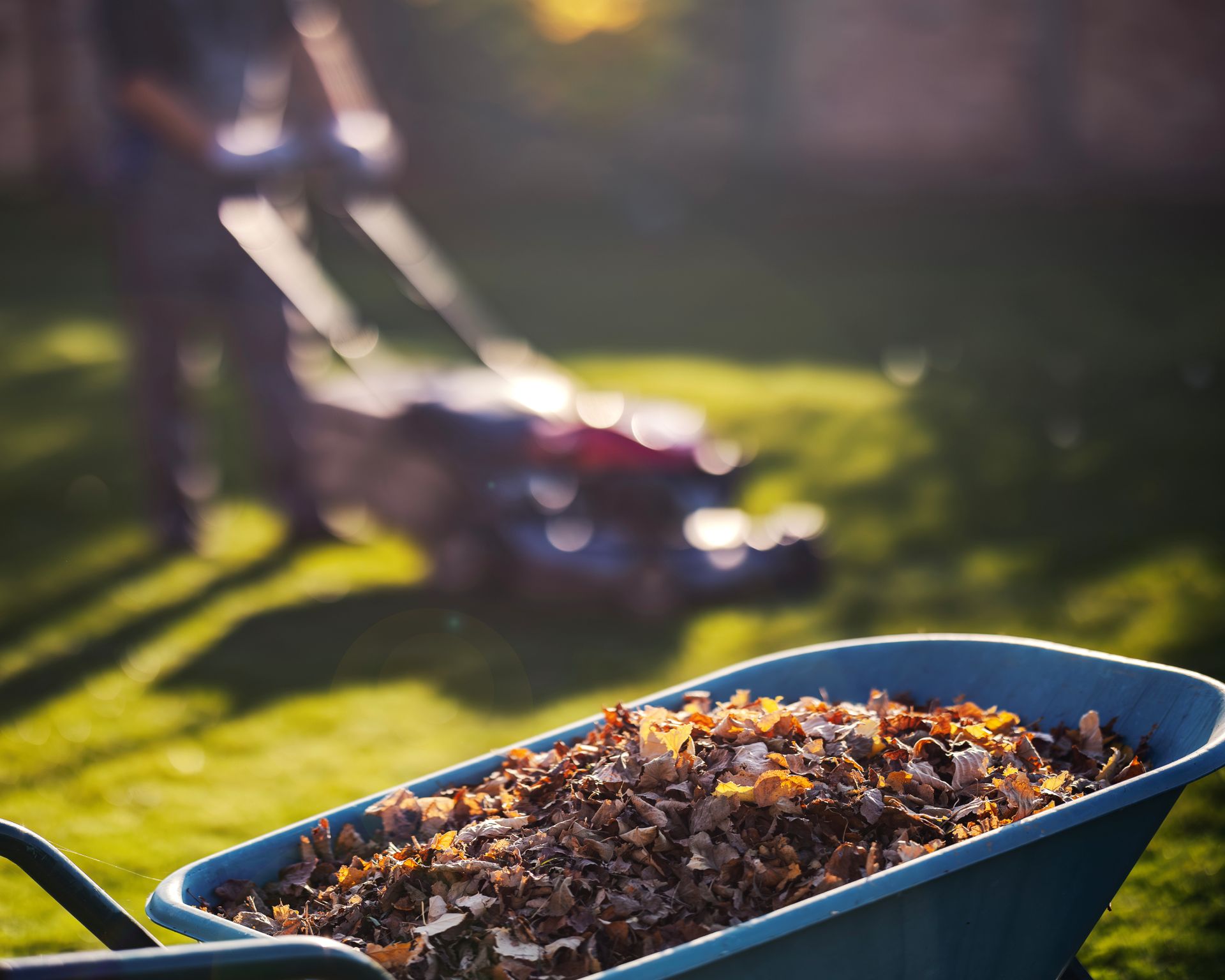
Cutting the leaves up into smaller sections also speeds up the process by increasing the surface area and exposing the less protected innards of the foliage for the microbial feasting. Shredding leaves before composting is the equivalent of chopping a log into kindling: you give the microbes plenty of vulnerable material that quickly gets the process going.
The chopped-up material won’t mat together like whole leaves do, and it’ll absorb water rather than repelling it, both also speeding decomposition.
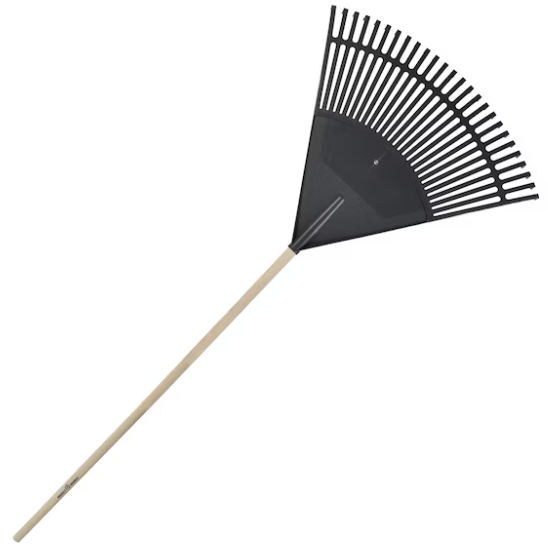
Shredding leaves is easy to do, even if you don’t have a leaf shredder. Simply run your lawnmower over the leaves multiple times or tip the foliage into an old trash can and shred with a string trimmer or weed whacker.
3. Add Grass Clippings or Coffee Grounds
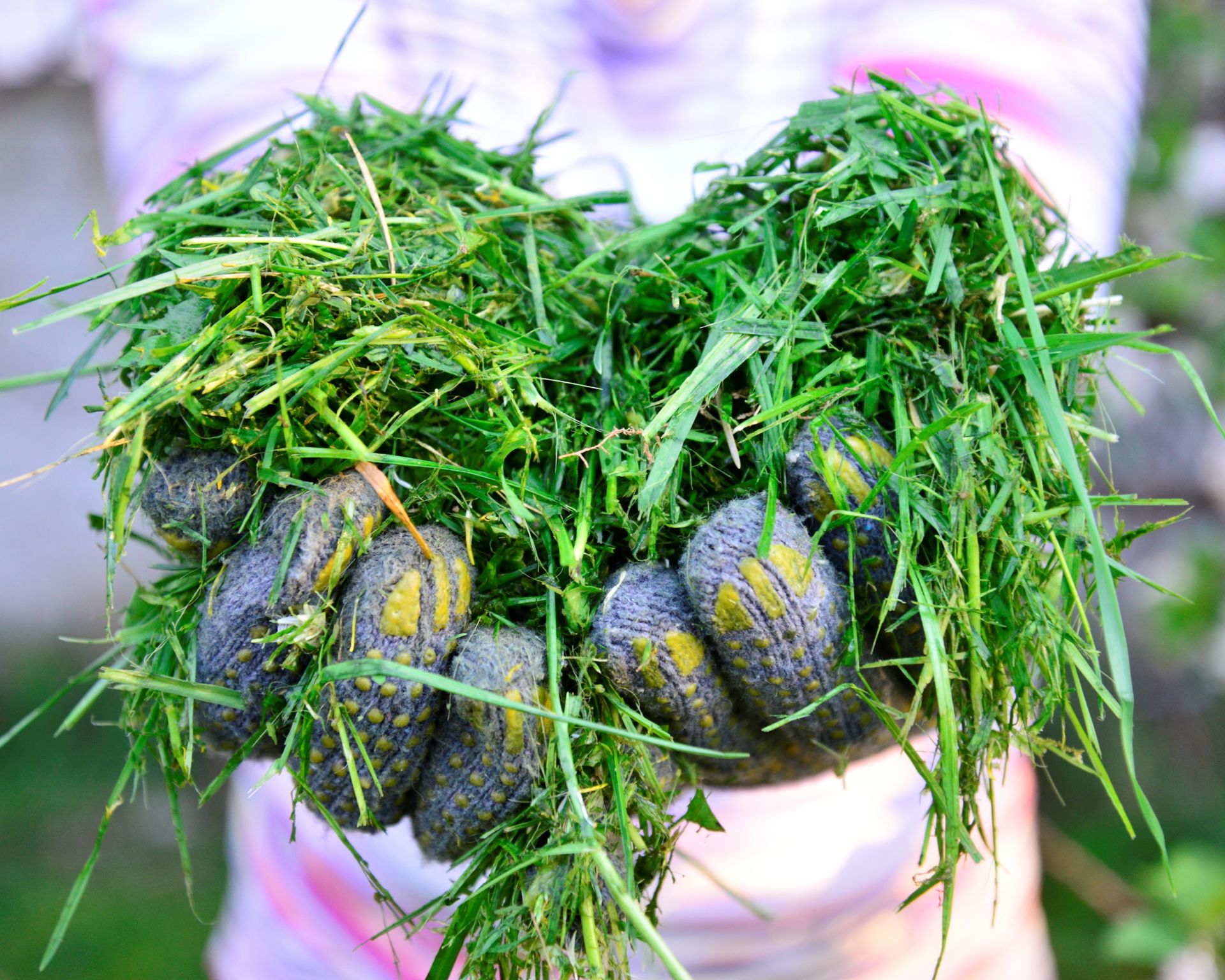
In any compost pile you need to mix carbon – the ‘browns’ – with nitrogen – the ‘greens’ – for microbes to work efficiently. And this applies when you make compost from fall leaves, too. Leaves are very high in carbon so, to get a good balance of browns and greens to keep those microbes happy, you need to add some nitrogen.
Grass clippings are super-high in nitrogen: use a lawnmower to shred leaves on your lawn and the job’s done for you. Coffee grounds are also nitrogen-rich so toss those in, and if you have access to free chicken manure, that works a treat, too. Aim for one part greens to three parts brown.
4. Throw in a Shovelful of Garden Soil
To kickstart the decomposition process, toss a shovelful or two of garden soil – or homemade compost if you have it – into the mix. This will be packed full of microbes that will immediately get to work.
5. Dampen the Mix
Microbes work best in damp conditions so pour water over the leaf mix, unless of course it’s recently rained and the leaves are already wet. Aim for moist not wet, as you don’t want the leaves sitting in water.
6. Punch Air Holes in the Sack
Making compost this way requires oxygen so when you tie the sack closed (using a zip tie is easiest) don’t squash all the air out of the sack first. So this air can be replaced, delivering a fresh supply of oxygen, use a sharp knife to punch air holes into the sack. Around 15 holes in a regular contractor sack is about right, and try to distribute them well around the sides and base of the sack.
7. Store in a Sheltered Spot
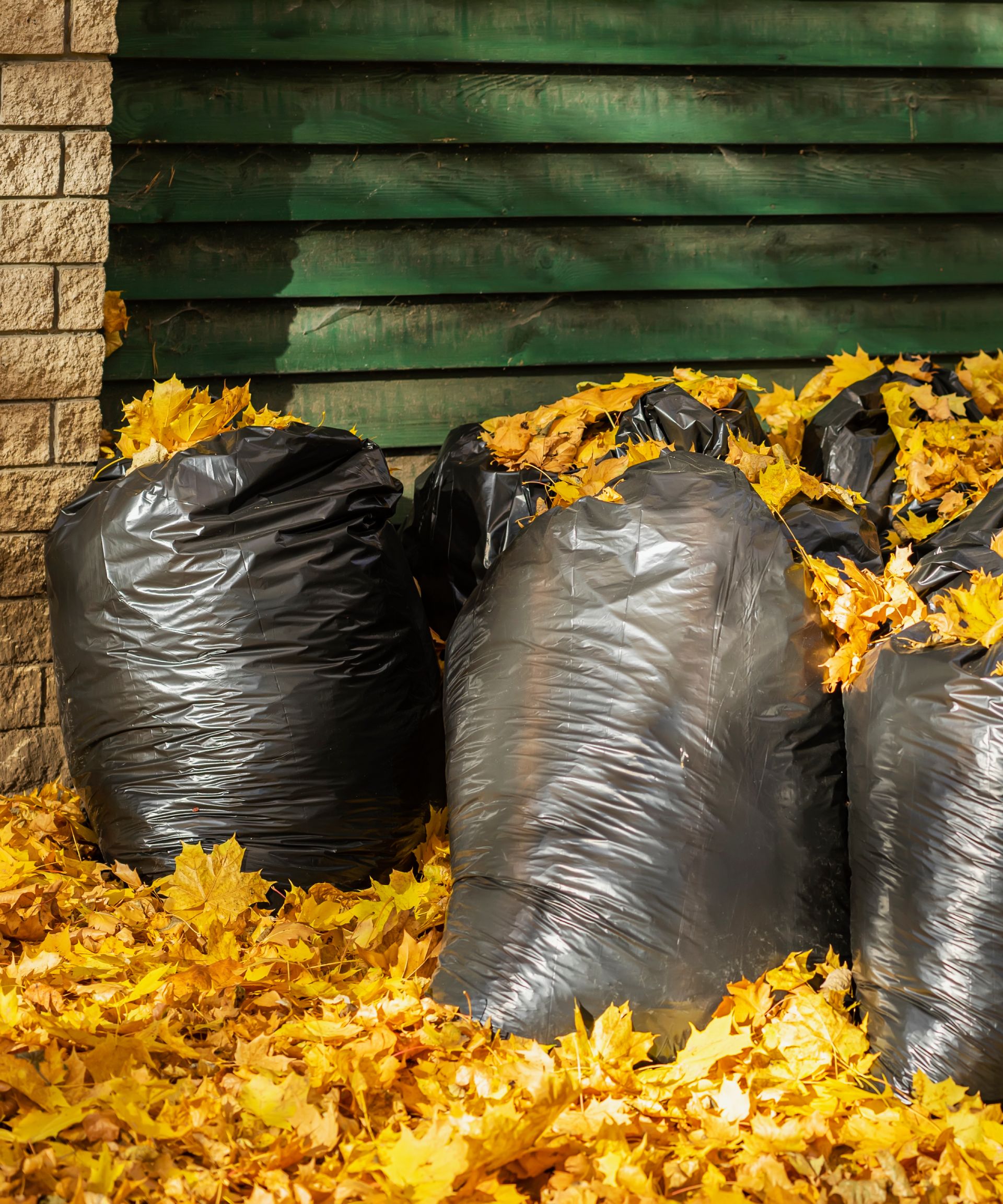
Those microbes are going to generate plenty of heat as they get to work, and you can help retain that warmth by storing the bag in a sunny, sheltered spot so the black plastic absorbs lots of solar heat. Tucking the bag against a south-facing wall or shed-side is ideal as here it’ll enjoy plenty of sunshine and be shielded from cold northerly winds.
8. Flip the Bag Regularly
When you make traditional leaf mold compost, you rely on the battalion of slow-working fungi among the microbial army to do the hard work. But in this accelerated composting method, you want to encourage the fast-working bacteria contingent to head up the recycling force. To do this, you need to regularly aerate the compost and add fresh oxygen, and the easiest way to do this is to give the bag a shake, flip it over or simply kick it along the ground every few days.
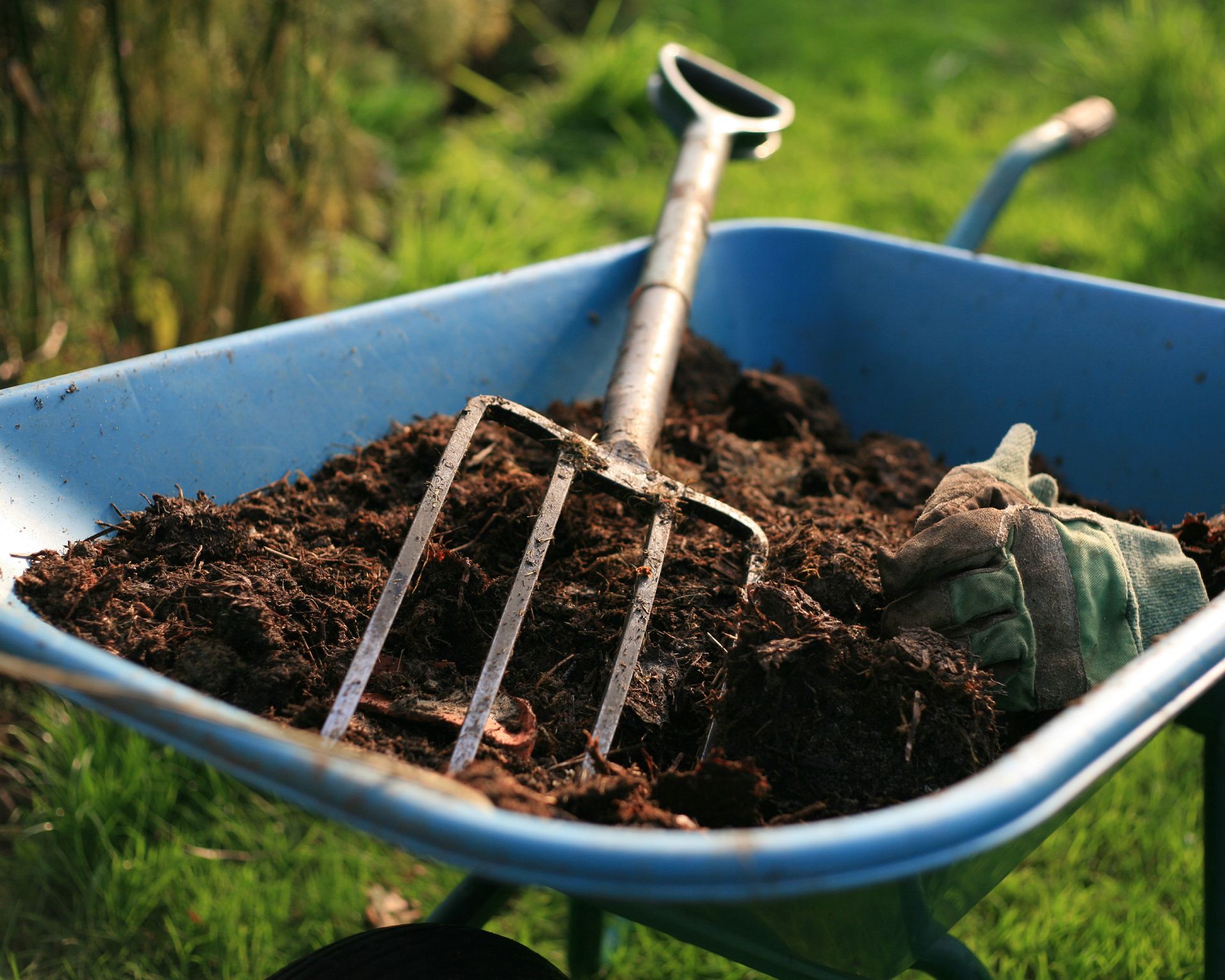
Do all these steps and your homemade compost will be ready to use in 4-5 months, right on time for when your garden wakes up in spring. You’ll know when it’s ready, even without opening the bag. While the microbes are busy breaking down the leaf mix, the contents will feel warmer to the touch; once they’re done, the temperature of the bag with match the ambient air temperature.
When you do open the bag, the compost should smell earthy, like a fresh forest floor. If you notice a slightly sour note, simply leave the sack open for a week or so to allow the compost to air.
Then you’re all ready to use your free compost to give your garden plants a nutritious boost for healthy growth, abundant blooms and bumper crops. Making a quick compost is one of the best ways to use fallen leaves in your garden so put this easy task on your list of garden jobs to do in fall.

More Weekend Wins
This feature is part of the Weekend Wins series, packed with quick and easy gardening tasks that bring a big reward.
Raise Pots
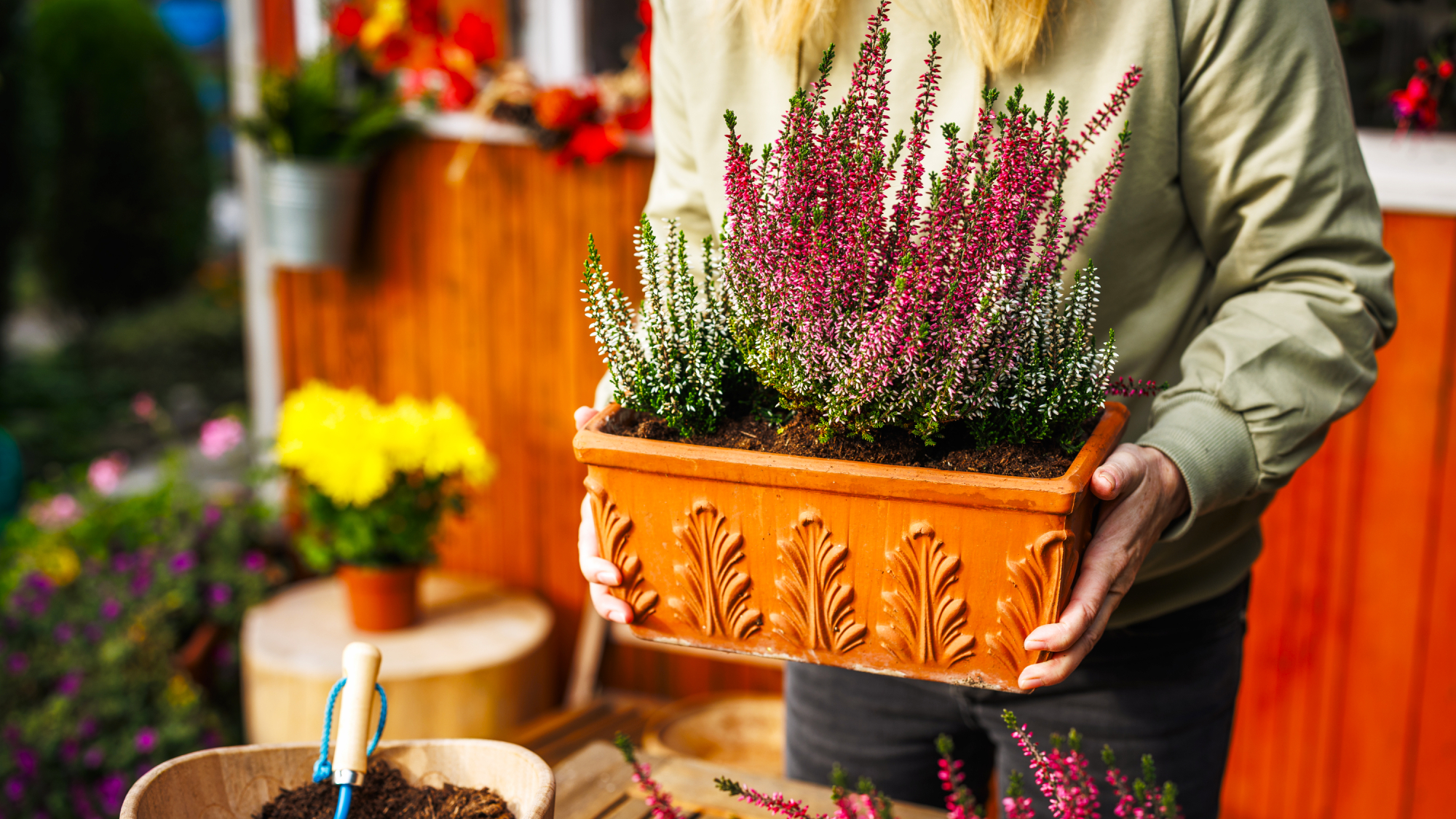
Waterlogged soil is the prime reason potted plants fail in fall and winter, and this speedy solution couldn’t be simpler.
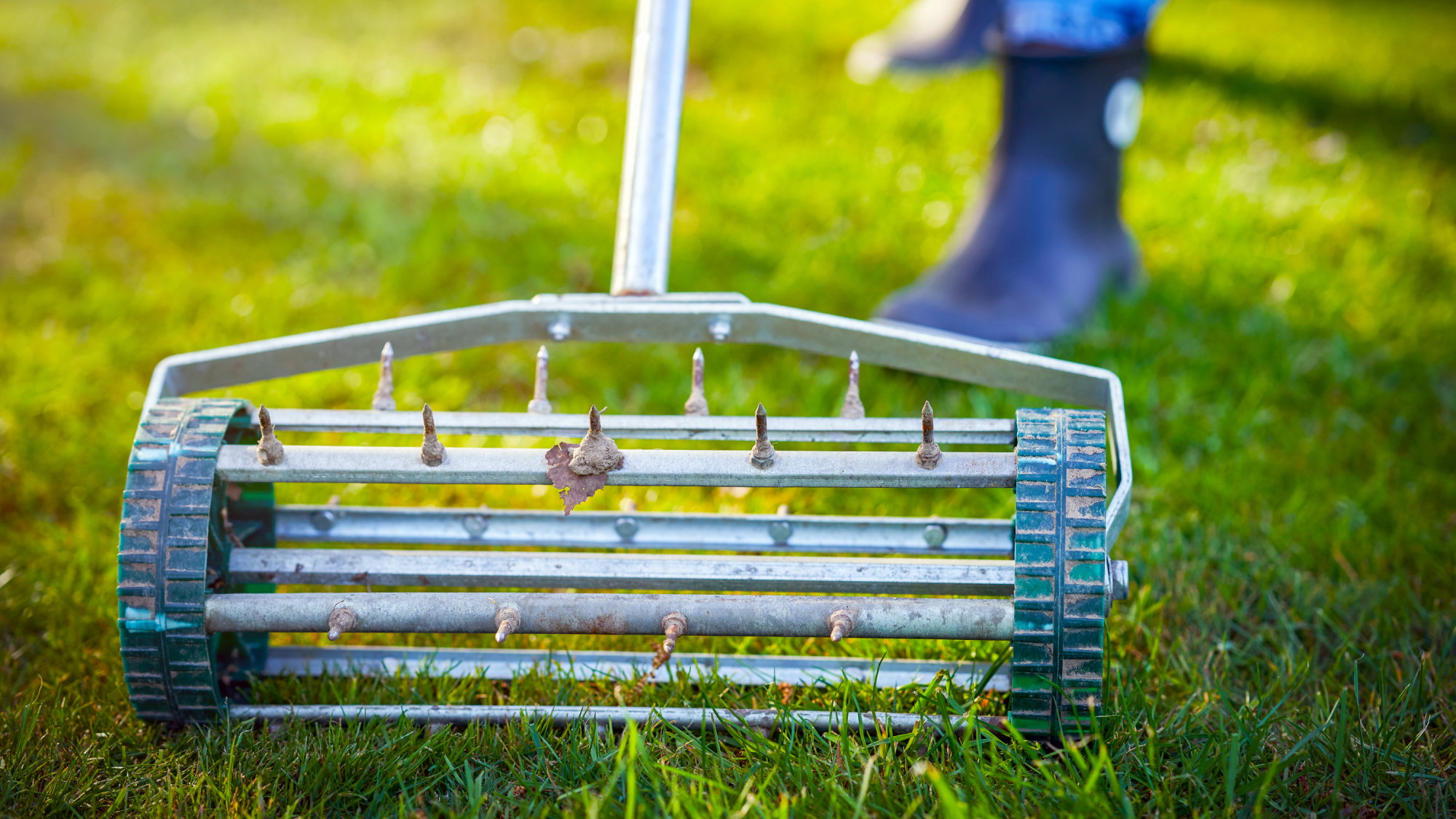
Aerate Grass
This great-value gardening tool transforms lawns in fall, fast, if you want lush grass next year for next-to-no effort.

Get Xmas Blooms
Christmas cactus blooms are a delightful part of holiday decor when you trick plants into flowering on time.

Plant Pansies
Tuck cold-hardy pansies into pots and hanging baskets for months of easy-breezy fall-to-winter blooms.

Add lawn bulbs
Plant fast-growing bulbs in your lawn and enjoy drifts of lavender-hued blooms in a few weeks.

Boost Roses
Remove suckers that are stealing energy from your rose shrubs and enjoy bigger blooms next summer.