Can your bird feeder really tell you if a storm is coming? Well, I’ve always had a soft spot for old wives’ tales about the weather. Some, it turns out, have a surprising amount of truth behind them; the bumper crops of acorns and other tree seeds that come before a hard winter, for example, are a real phenomenon – what scientists call a mast year.
Others are a little harder to take seriously. We’re told that cows lie down when rain is coming, for example, but I’ve seen them standing, sitting, eating and facing in what appear to be every possible direction – and I can’t say their behavior has ever given me much confidence about tomorrow’s forecast.
When it comes to birds, though, I’m biased. My granddad taught me their names and their calls, and somewhere along the way I became the sort of person who knows her birth month bird and the superstition about what the first bird I see each morning means for the day ahead. So, sure, I’ve always wanted to believe that birds can sense when bad weather is coming… but can they actually?
Can Your Bird Feeder Tell You if a Storm Is Coming?
For those of us who keep bird feeders in our gardens, it would certainly be an added boon (on top of the sheer joy of watching our feathered friends flit to and fro) if the birds gathering around the feeder could give us a clue that a winter storm is on its way.
To find out for sure, then, I decided to do some digging. And, as it turns out, there’s some fascinating science behind the old story.
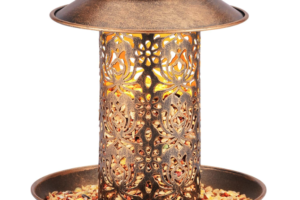
Shop Bird Feeders:
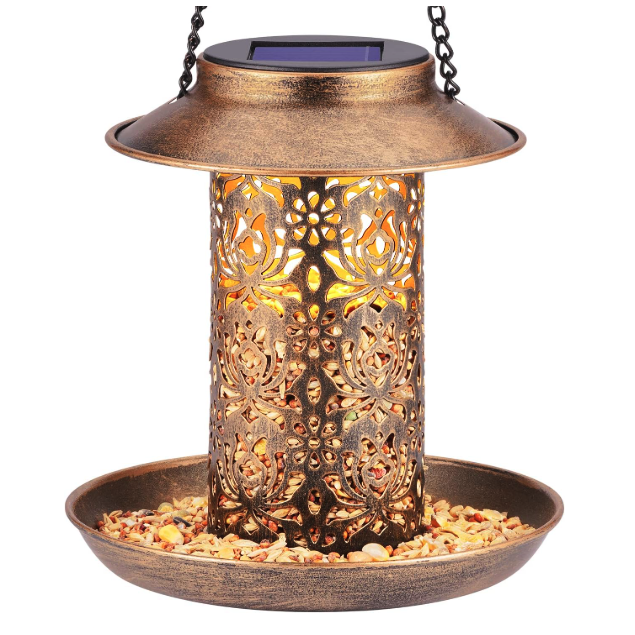 Feeding in Style
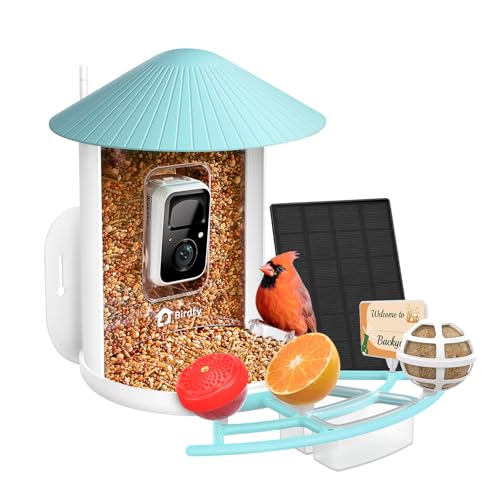 Dual-Purpose Hub
So, can your bird feeder really tell you if a storm is coming? Well, scientists have found evidence that birds can detect changes in atmospheric pressure – which is especially intriguing, as falling pressure often occurs ahead of a storm.
In fact, a 2013 study white-crowned sparrows increased their food intake when researchers reproduced the kind of pressure drop associated with an approaching snowstorm. There was no storm outside for the birds to see; the change in atmospheric pressure alone was enough to affect their behavior.
Their decision to eat more makes sense; after all, for a small songbird, winter weather is no joke, as snow and ice can cover up seeds and insects. Strong winds, too, can make flying and foraging more difficult. And when temperatures plunge, birds have to burn more energy simply to keep themselves warm.
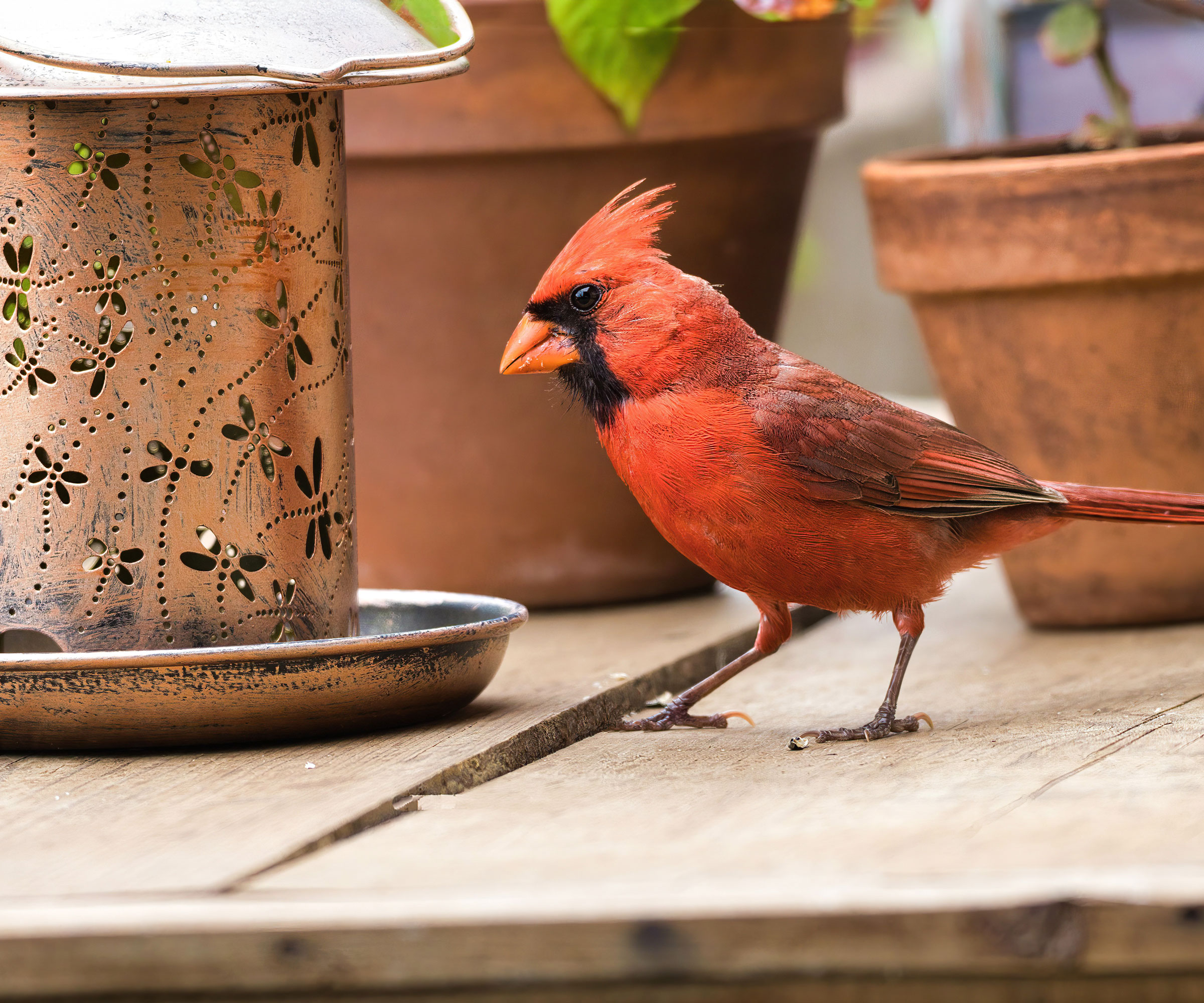
If the atmosphere gives a bird an early warning that conditions are about to get worse, then, there is an obvious advantage to eating while food is still relatively easy to find; it’s basically the feathery equivalent of filling the cupboards before a blizzard.
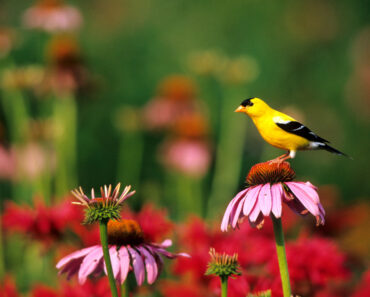
No wonder, then, that my feeder always seems much busier than usual before a spell of nasty winter weather. And, if you already feed birds, it’s worth paying attention to the pattern your own feathered friends follow so you can figure out a) if your regulars are suddenly spending more time at the feeder, b) whether birds are visiting more frequently, and c) if several species are becoming unusually active at once.
There is, though, a few caveats to keep in mind: birds also feed more when it’s cold, as they respond to changes in natural food availability. Short winter days, too, can also change how much time they have to forage. And let’s not forget that predators and competition can alter feeder activity too.
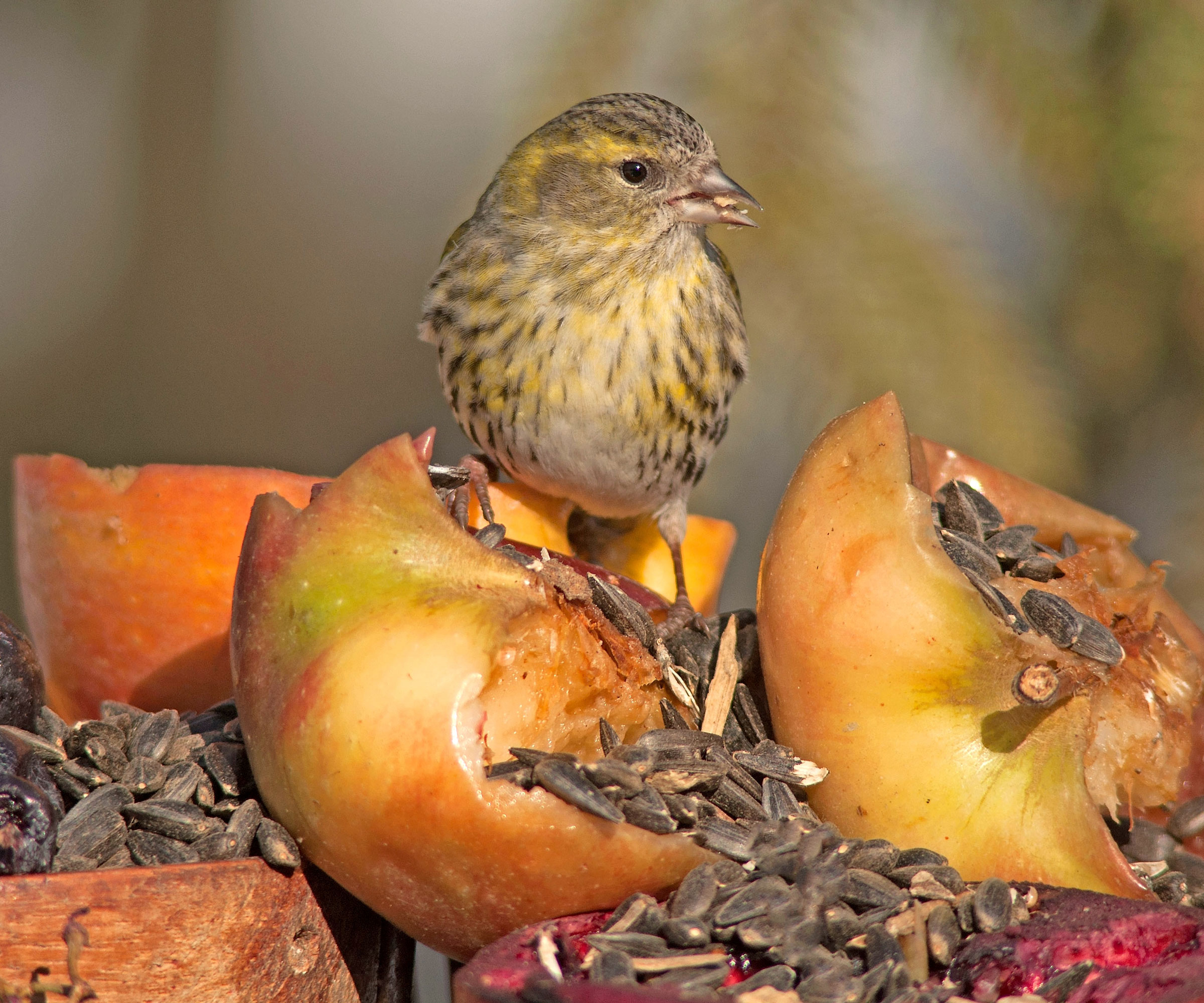
All that being said, it’s nice that the science gives us a reason to take the old folklore seriously – even if only partly. The fact that birds really can respond to atmospheric pressure changes, and that researchers have found evidence that some species increase their food intake before conditions deteriorate. means that your bird feeder could at least help you figure out if a storm is coming.
There’s something wonderful about watching a chickadee dart into your garden, grab a sunflower seed and disappear – and knowing that, in its own small way, it may be paying attention to changes in the atmosphere that you can’t feel at all.
Still, that doesn’t mean your cardinal can replace the National Weather Service. If your feeder is suddenly hopping with activity, by all means take notice. Then check the barometer, look at the sky and (yes, sorry!) check the forecast.
Hey, if you wouldn’t trust your human friend to predict the weather accurately without an app, I’d suggest you don’t pile your fate into the little claws of your feathered friends, either! It is, though, a good excuse to feed them a little more as we edge into autumn and winter, though…