By the latter part of August, a lot of borders are looking tired. Salvia has started to go to seed, the catmint is yawning, and the yarrow has turned rust-colored. The instinct at this point is to write the season off and wait for some fall asters to carry the show. But if your beds and borders are starting to look floppy, brown, or seed-heavy as August winds down, don’t throw in the towel just yet.
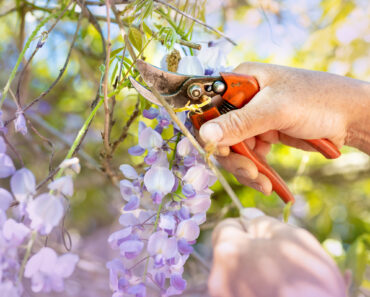
Those tired-looking perennials are mostly responding to their own seed set rather than to anything going wrong. But if you act fast (and I mean, fast!), then a late summer trim can give some of your favorite flowering perennials a whole new lease of life. Some thoughtful pruning and trimming this week can trick some of your border superstars into a late summer frenzy, so your backyard is filled with flowers into fall.
By removing spent flower heads and tattered foliage before September, you can trigger dormant buds to push out an extra wave of glorious late-season color. Taking an hour with your shears this week doesn’t just recharge your yard’s curb appeal, either. It also strengthens root crowns and prevents weediness – and all without having to splurge on a brand new border full of plants. Here are the perennials you need to cut back to size right now.
Perennials That Love an August Chop
Timing trips people up more than technique does. But depending on where you live, perennials cut back this week should bounce back before September is out of the door. Before making your first cut, assess your garden’s USDA hardiness zone and local frost dates. A late summer cut requires 4-5 weeks of growing weather before freezing temperatures arrive. Gardeners in northern regions (zones 3-5) should aim to prune this week. Growers in central and southern regions (zones 6-9) may have a little longer, with mild weather pushing fresh growth well into October.
Wait for a cool, overcast stretch if the forecast offers one. Even the most easy going perennials will struggle if short on water in a heat wave. Make sure you use clean, razor-sharp tools for this task. If you don’t have some super-sharp pruning shears, it’s well worth investing in something that will last, such as Corona Forged Steel Classic Cut Bypass Pruners from Amazon. These pruners ensure smooth cuts that heal within days.
Sanitation is equally vital. Late August is the peak season for fungal diseases like powdery mildew and leaf spot. Before starting, sterilize your shear blades using a quick spray of diluted Captain Jack’s Neem Max Oil Concentrate from Walmart to target thrips, spider mites and mildew spores. Alternatively, rub the blades with some isopropyl alcohol. Make sure you clean the blades between different perennial cuts, to prevent cross-contaminating plants.
Always check the crown of your plants before cutting. New green shoots at soil level mean there’s something to regrow from. Avoid cutting woody-stemmed perennials like Russian sage or lavender in August, which require old wood to survive winter. And skip anything already crisped from drought. That plant needs water, not a pruning. Hydrate your plants deeply the day before pruning, and again after. Then you’re ready to get the following perennials back to their blooming best once more.
1. Catmint

Catmint (Nepeta × faassenii) can collapse in theatrical fashion by late August. By August the whole mound can look like something sat on it. Popular cultivars like Walker’s Low are famous for their sprawling midsummer collapse. Once the first heavy wave of purple blooms finishes, stems can splay, exposing a bare, unsightly center. So shear the entire plant back by two-thirds, roughly to 6 inches (15cm), and don’t be delicate about it. This will instantly restore a tight, mounded habit.
A pair of hedge shears handles the job faster than pruners, since precision isn’t the point. Lightweight Fiskars PowerGear 2 Hedge Clippers, available from Amazon, are especially comfortable for tackling bushier, more expansive catmint shrubs without leading to hand fatigue. New growth shows within a week of warm weather. You’ll see a fresh carpet of fragrant, silver-green foliage, followed by a reliable second flush of lavender-blue flowers that lasts well into fall.
2. Perennial Salvia
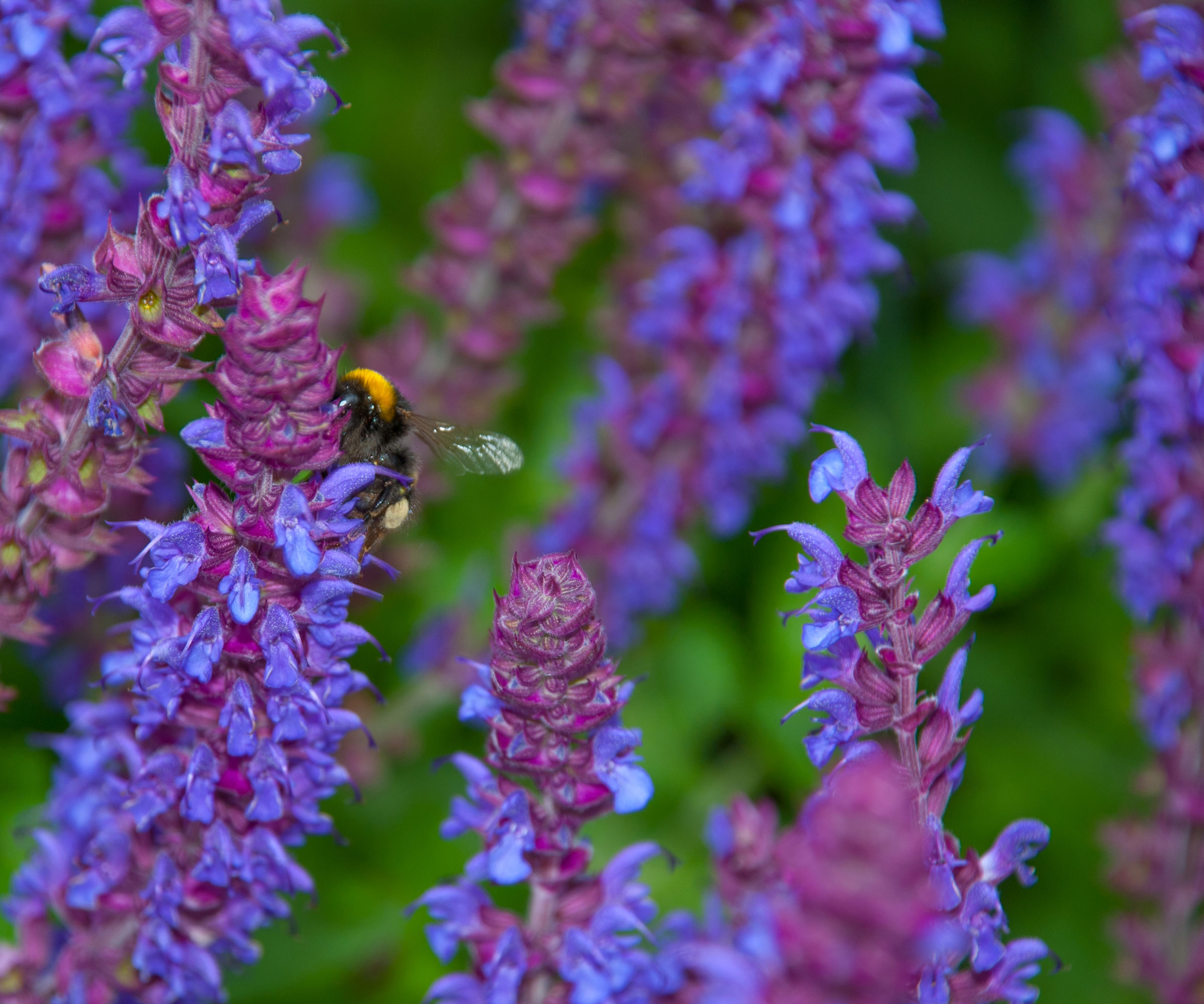
Spent salvia spikes (Salvia nemorosa) often turn a dull brown that can hang on for weeks through midsummer. Salvia varieties like Caradonna and May Night carry dark purple flower spires that can become stiff, weathered and seed-heavy by August. Cutting spent stems all the way down to the low leaf rosette at the base forces the plant to send up secondary floral spikes from side nodes.
Cut low enough that the rosette sits in the light. Don’t be tempted to leave leafless stalks as it just slows down regrowth. For swift cuts, use Fiskars Titanium Micro-Tip Pruning Snips from The Home Depot which give a precise, clean action. Top-dress with a slow-release organic feed or a sprinkle of compost. By mid-September, you should see a second round of spikes, shorter than the first but a real bloom.
3. Yarrow
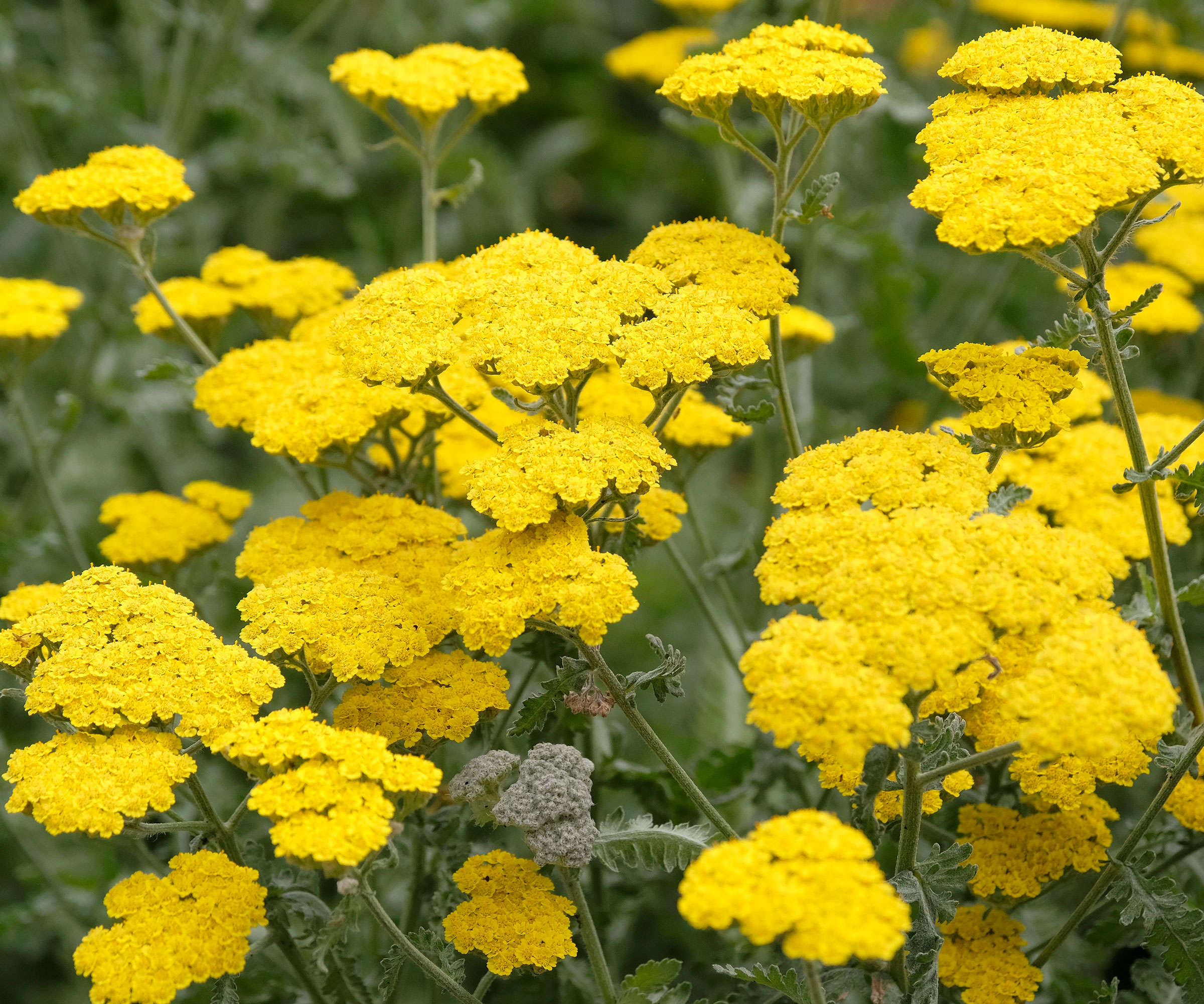
Even the most vibrant yarrow (Achillea millefolium) can look a little weary and rust-colored by August. The umbrella-like flower heads of Moonshine and Paprika dry into stiff, rusty-brown plates that linger indefinitely. Yarrow won’t drop these on its own, so the plant can look finished long before it really is. Because yarrow thrives in lean soils, late-summer pruning also corrects leggy flopping caused by rich beds.
Cut spent flower stalks down to the feathery basal leaves. A second round will follow on shorter stems, thinner than the first but much tidier. After trimming spent stems, protect the shallow root zone by top-dressing with a thin inch (2.5cm) layer of aged compost or bark mulch, such as Back to the Roots Organic Premium Mulch from Amazon. Fresh stems should push up within a fortnight.
4. Cranesbill
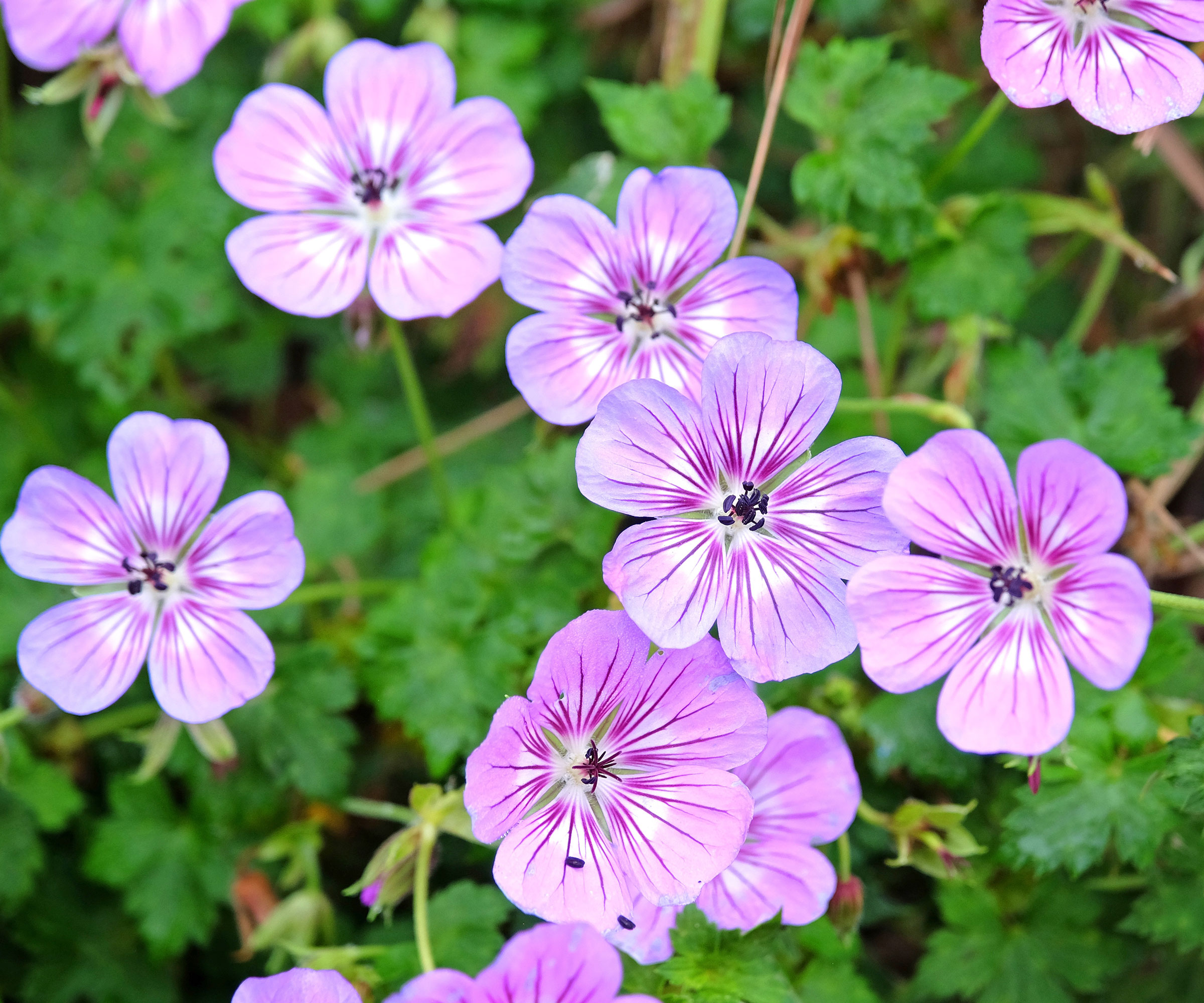
Once cranesbill finishes its main flush, the foliage yellows and the plant spreads into a loose ring with a bald patch in the middle. Hardy cranesbill geraniums like Johnson’s Blue, Rozanne and Ann Folkard often turn spotty and sprawling by late summer, leaving an open, hollow ring in the center. Cutting back to 2 inches (5cm) from soil level feels drastic, but it is the single best way to rejuvenate your clump.
Lop off all tattered foliage and spent stems down near soil level for a total reset. Don’t panic when the plant looks like an empty patch of dirt for a week, as new leaves should emerge rapidly from the underground crown. Within 14 days, fresh, mound-shaped foliage emerges, often with late-season blossoms that last until frost. Water the bare crown deeply and apply a gentle liquid root tonic like Bloom City’s Organic Liquid Seaweed and Kelp Fertilizer from Walmart to jumpstart growth.
5. Tickseed
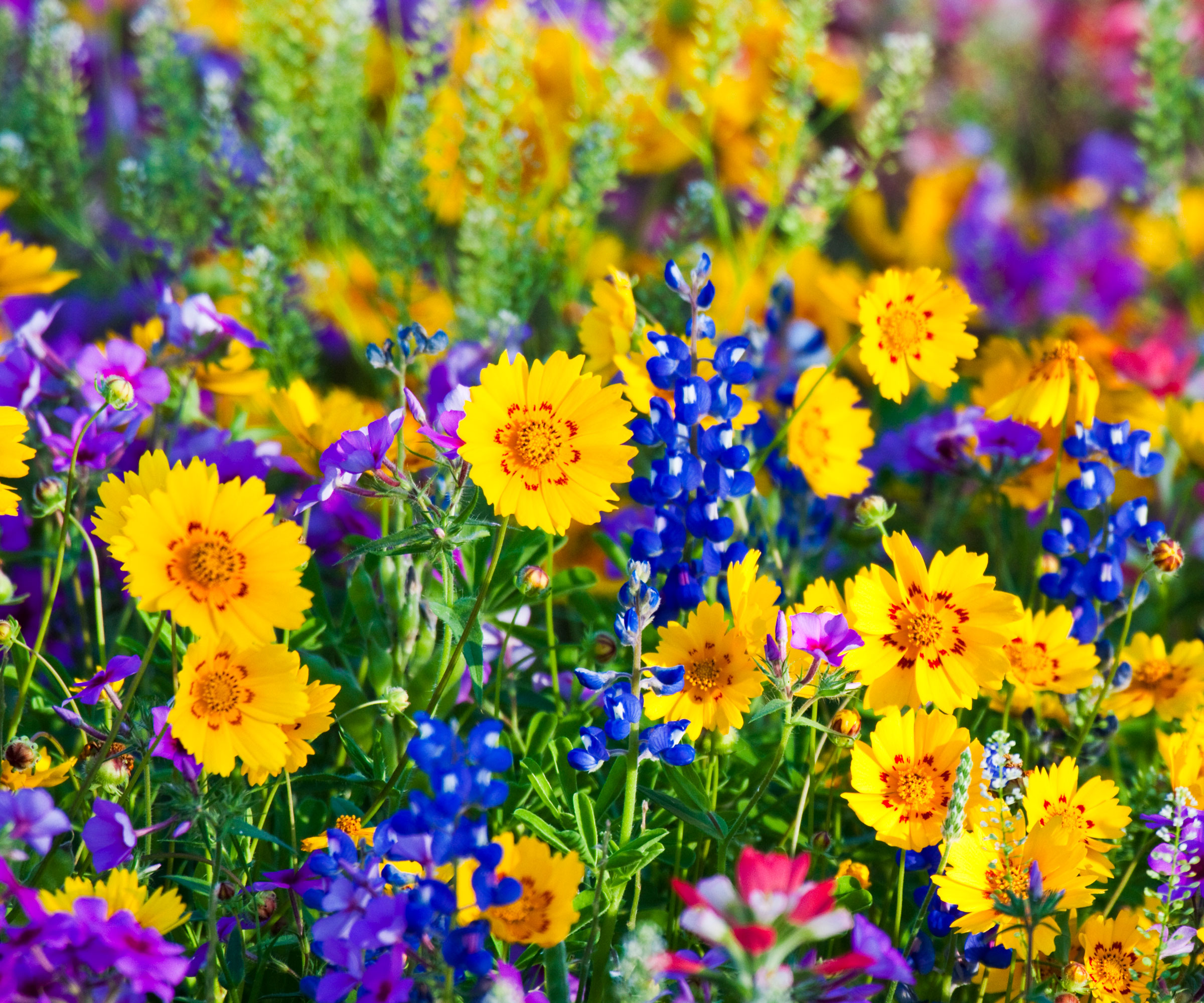
Threadleaf tickseed types (Coreopsis verticillata) are the dependable rebloomers here, often carrying flowers to first frost after an August shear. However, deadheading coreopsis one bloom at a time is a fool’s errand: there are hundreds! Attempting to individually deadhead threadleaf coreopsis cultivars like Moonbeam or Zagreb is nearly impossible, due to the sheer volume of tiny flower heads.
So, shear the plant back by about a third, straight across, hedge-trimmer style. This simple shearing removes spent seed heads, tidies up foliage, and triggers a massive secondary wave of starry flowers that blooms right up to a hard freeze. It might look alarming for the first 4-5 days, but it will fill back in. After trimming, give the sheared mound a gentle feed like Espoma Flower-tone from Amazon. This promotes root resilience and stimulates rapid bud formation within a couple of weeks.
6. Blanket Flowers
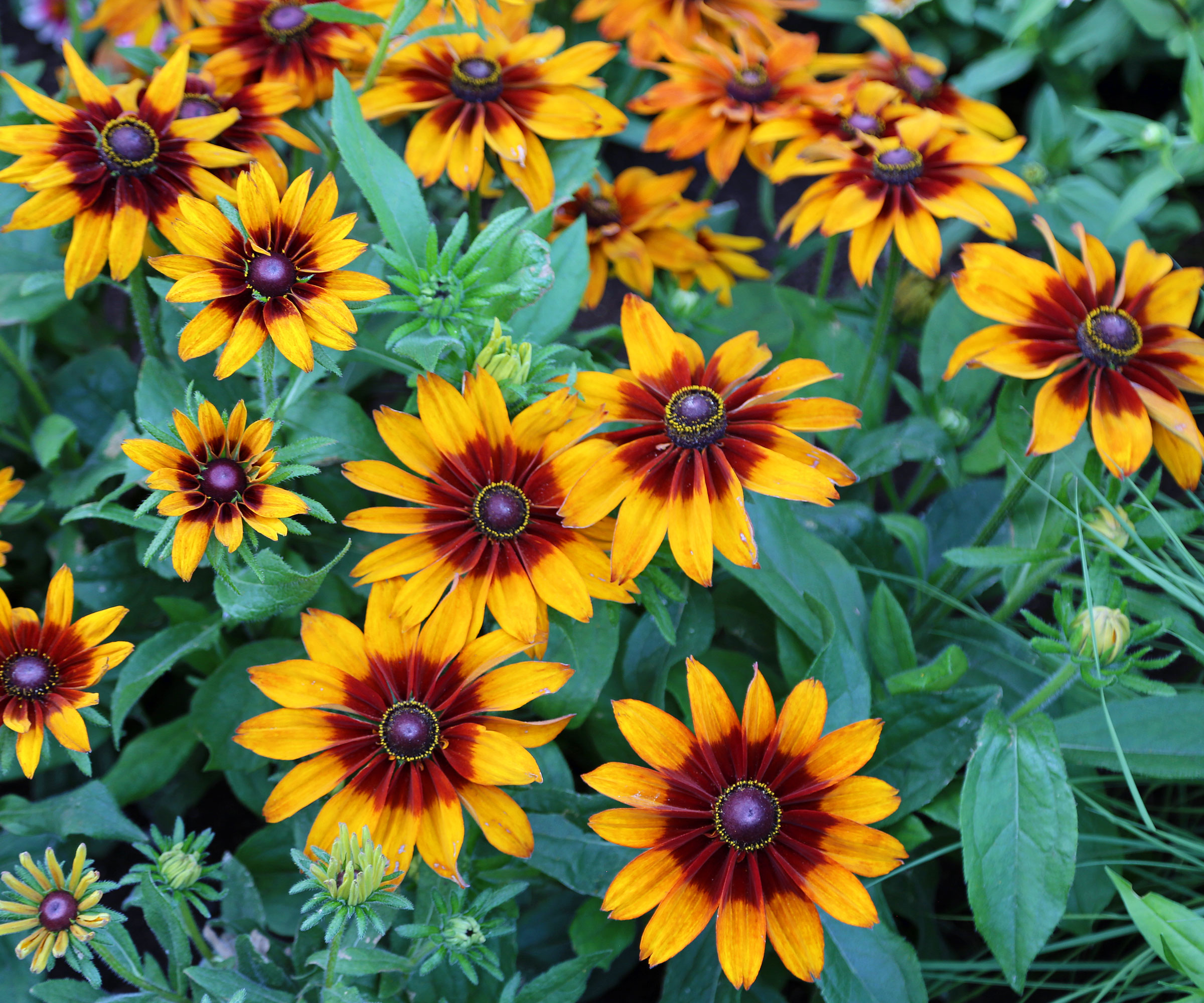
Blanket flower (Gaillardia × grandiflora) blooms itself into exhaustion, which is part of why so many clumps are short-lived. Gaillardia bloomers like Arizona Sun and Mesa Yellow produce red and gold blooms continuously through summer. If left unchecked, heavy late-summer seed production drains the plant’s root reserves, causing this perennial to die out over winter. So an August cut isn’t only about blooming. Taking the load off the crown gives the plant a better shot at coming through the winter.
Take the whole thing down to 6 inches (15cm), spent stems included. This redirects vital sugars back down into the root crown, ensuring winter hardiness while sparking a vibrant second wave of autumn flowers. Trim using bypass pruners, then top-dress plants with a rich, carbon-based amendment like Rosy Soil Biochar Plant Mix from Walmart to boost water retention and root strength. Flowers will return in 2-3 weeks and keep going until a hard freeze.
7. Spiked Speedwell
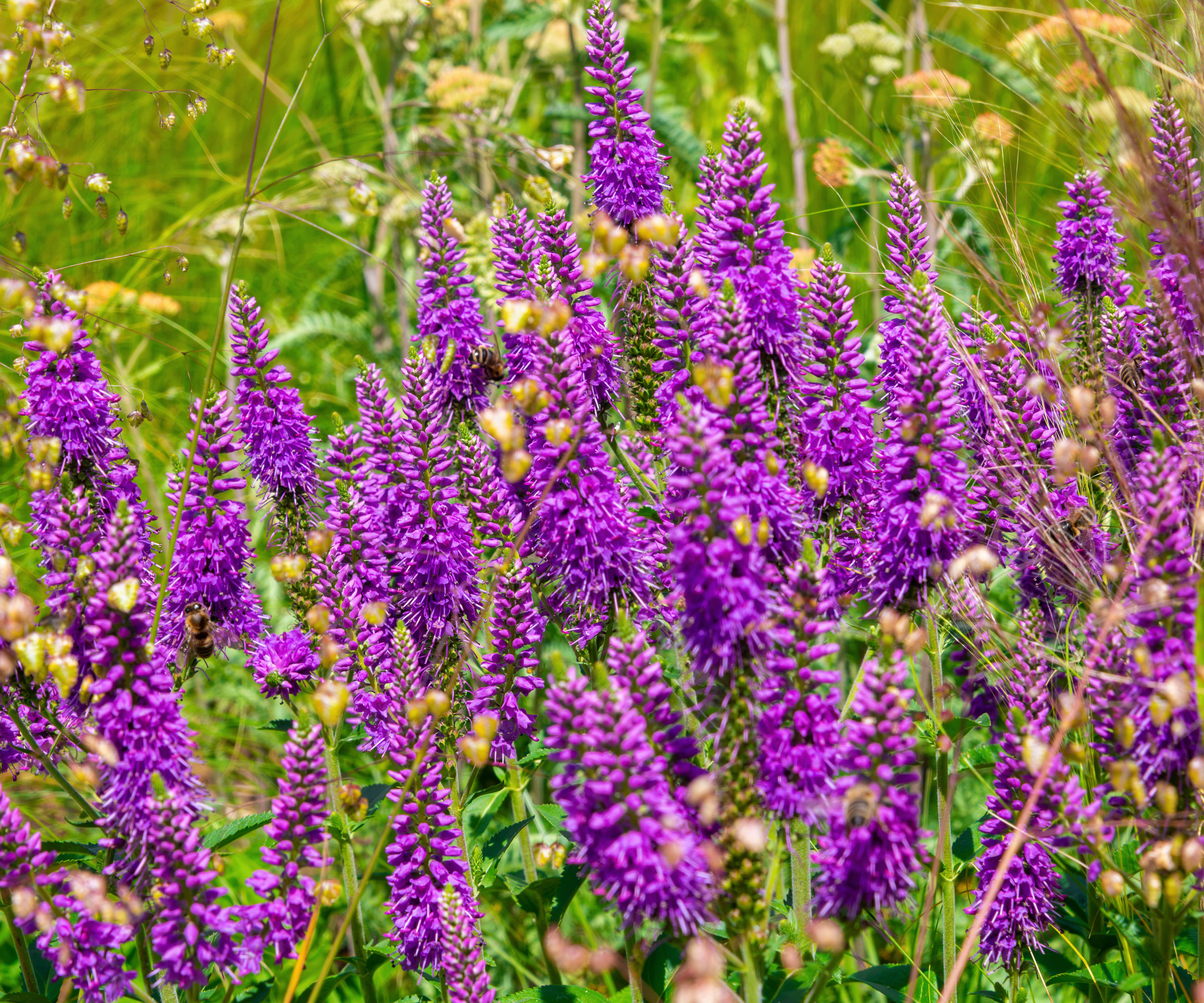
Veronica’s spikes bloom from the bottom up. The vivid blues, pinks, or white spires of speedwell (Veronica spicata) open progressively from the base upward. By late August, the bottom of the spire will be turning brown and seed-heavy while the tip fades, giving the entire clump a really sorry and shabby look.
Rather than shearing the plant flat, cut each spent main spire back to just above a healthy set of lateral leaves. Side branches will emerge from these leaf axils to produce a secondary display of slender flower spires in about 3 weeks. After cutting back, apply a mild foliar treatment like Arber Organic Bio-Fungicide, available from Walmart. This will protect fresh cuts from late-summer humidity and leaf spot pathogens, giving your next flush the best shot at flourishing into fall.
8. Bee Balm
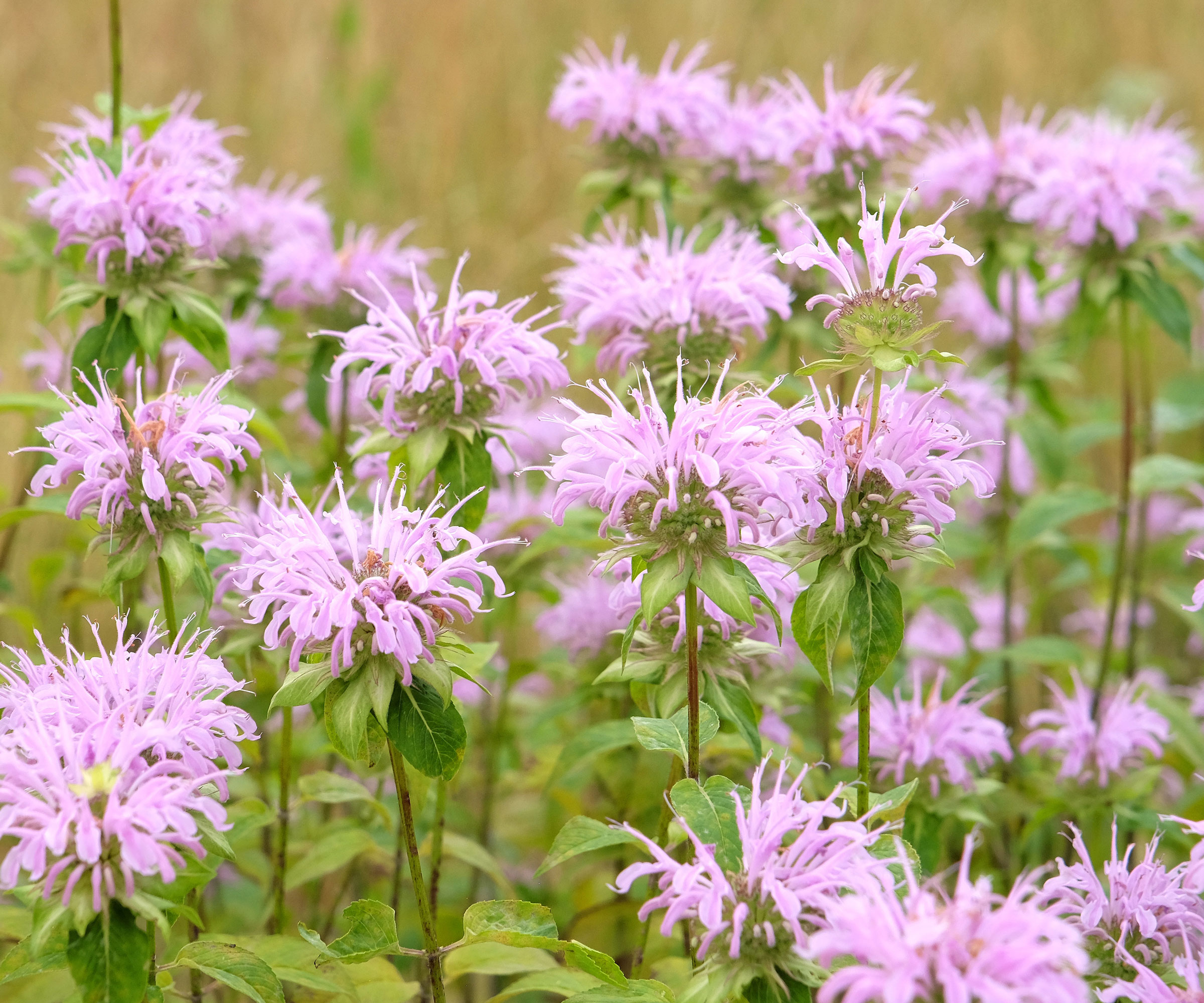
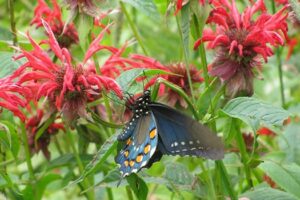
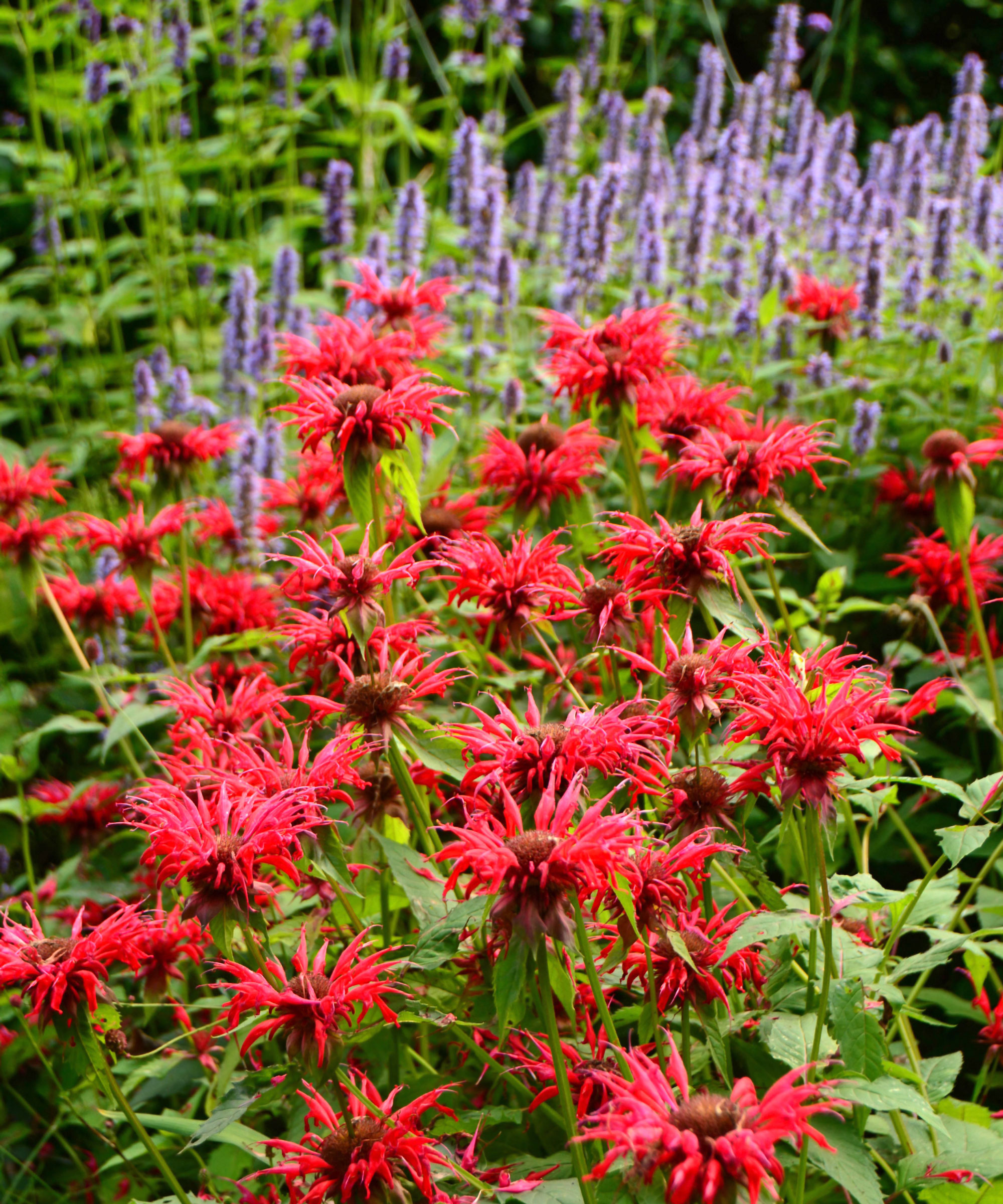
By late summer, high humidity and crowded stems can leave bee balm (Monarda didyma) coated in unsightly gray powdery mildew. Once the foliage turns crisp and white, deadheading alone won’t restore the plant, which makes the issue of cutting back a very simple and satisfying one. Cutting the entire clump down to 2-4 inches (5-10cm) above the ground removes the diseased canopy completely.
Fresh, mildew-free green shoots will push up from underground rhizomes within 14 days, often yielding a secondary flush of blooms for migrating hummingbirds. You can be sure late season pollinators will work that flush as hard as the first. Spores can overwinter on fallen leaves, though, so the cleanup matters as much as the cut itself. Bag up cuttings using sacks like GardZen 3-Pack Garden Bags from Amazon, which are super easy to store and will carry you through plenty more autumnal litter.
Shop Late Season Bloom Companions
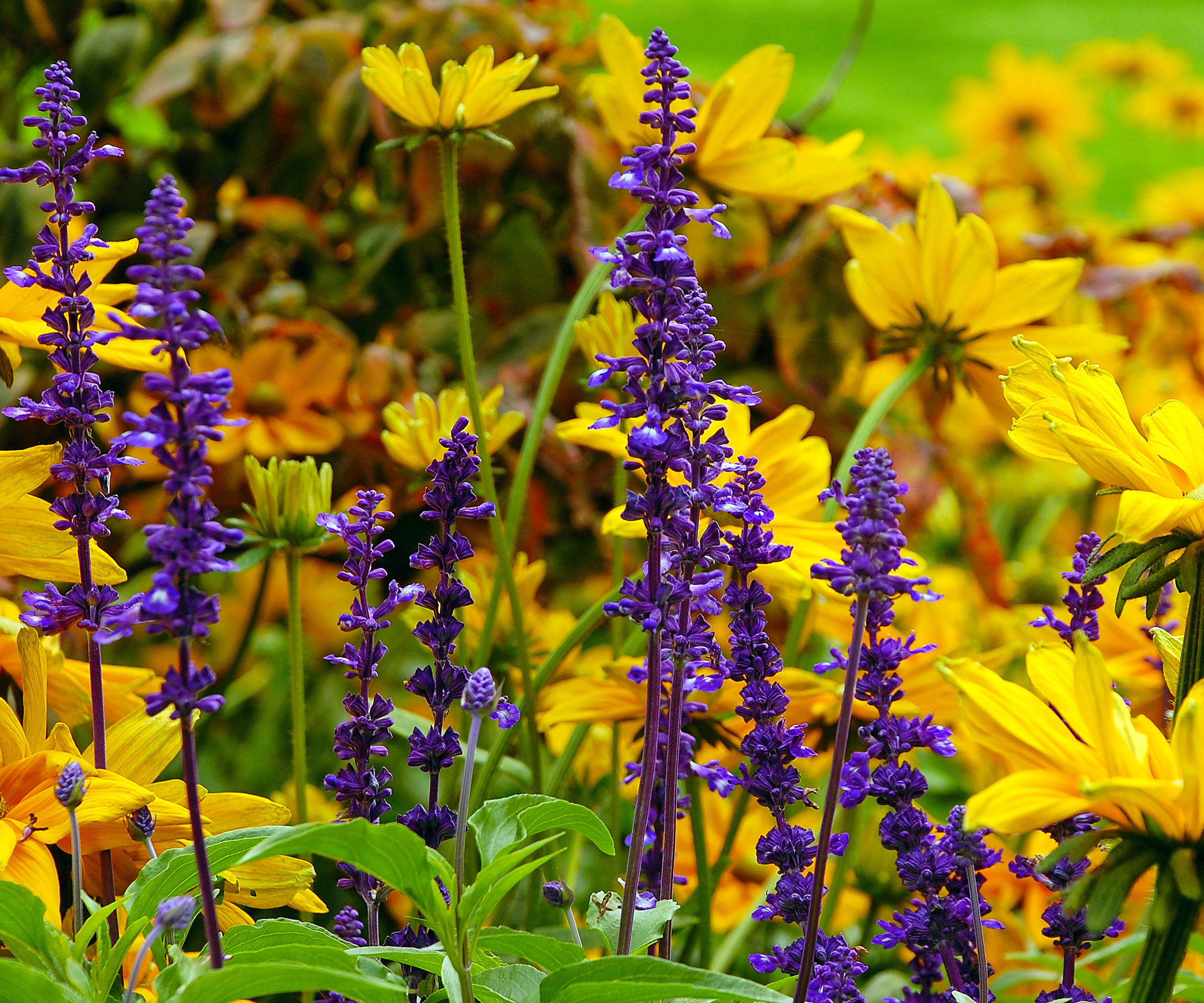
Making the right cuts is guaranteed to give you more flowers for free, but if you’d like an abundance of fall splendor, these late summer perennials can help you add a splash of fresh zing and texture to transitional beds and borders. These hand-picked selections are built to settle in fast, hold their ground in late heat, and deliver effortless, high-impact blooms that will keep your borders bright right through to first frosts.
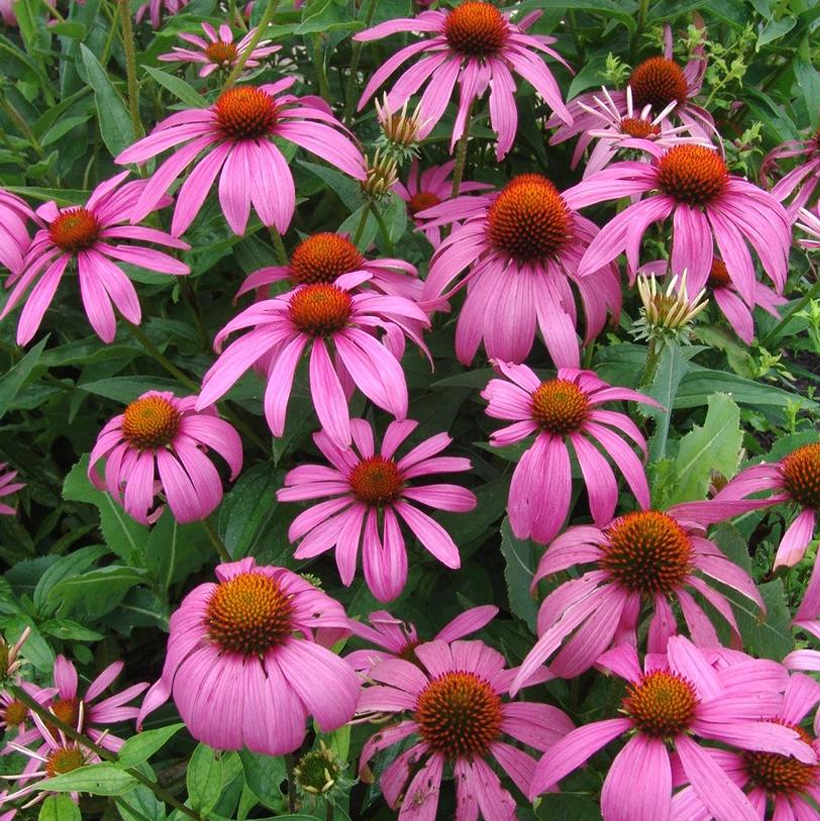 Native Classic
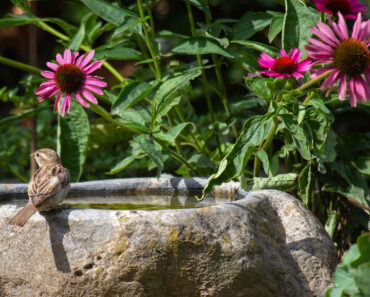
Featuring rich pink petals fanning out from seed-packed cones, this iconic native locks effortlessly into gaps, shrugging off heat and poor soil, while offering a long-lasting sanctuary for pollinators through the fading days of the season. The classic color choice for rejuvenated salvia and catmint.
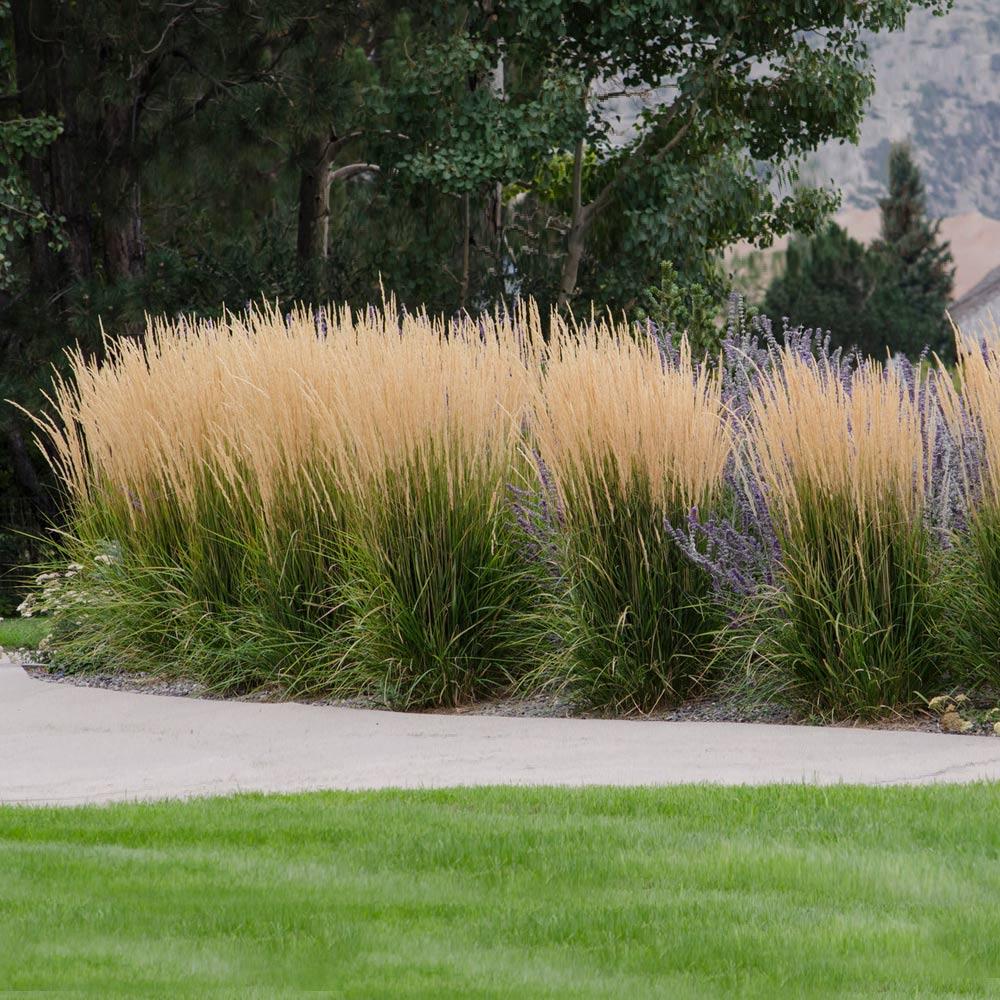 Designer Texture
Planting ornamental grasses behind freshly cut perennials adds vertical interest and movement to hold the eye while your lower perennials rebuild their canopy. Then once your bonus flush of blooms rushes in, these elegant designer textural elements add natural wow factor and pleasing harmony.
 Late Season Gold
With seemingly unstoppable late-season color, these deep golden-yellow petals create natural buoyancy and light. Rudbeckia flowers contrast beautifully with intense purple salvia blues, lavender catmint, and the hotter pinks of perennial cranesbills, keeping your borders glowing well into autumn.
Need more ideas for getting the most from your plants, indoors and out, and looking for the best seasonal expert advice delivered straight to your inbox? Sign up for the free Gardening Know How Newsletter!