Looking for a pretty ground cover that can do more than simply fill an empty space? One underrated perennial is tough enough to thrive where grass struggles, while spreading a colorful carpet that can transform even the shadiest corners of your garden.
Yes, if you’ve spent years trying to coax grass into growing beneath trees or in other shady corners of your garden, you already know the struggle. No matter how much you water, reseed, or fertilize, those stubbornly patchy spots just refuse to play ball. And that’s where ajuga bugleweed (Ajuga reptans) comes in.
Now, don’t let the name fool you: bugleweed may sound like a plant to banish, but this colorful ground cover could be exactly what your shady garden needs. In fact, it’s become a favorite among gardeners looking for an attractive and seriously anti-trend alternative to struggling grass in difficult areas. Intrigued? Cast your eyes downwards, and I’ll reveal all.
The Pretty Ground Cover That’s Ideal For Shady Spots
If you want a ground cover that thrives in shade rather than fights it every step of the way, then ajuga is the answer. Especially as, spreading into a dense carpet of colorful foliage, it often looks far more inviting than a patch of tired lawn.
Shop Ajuga:
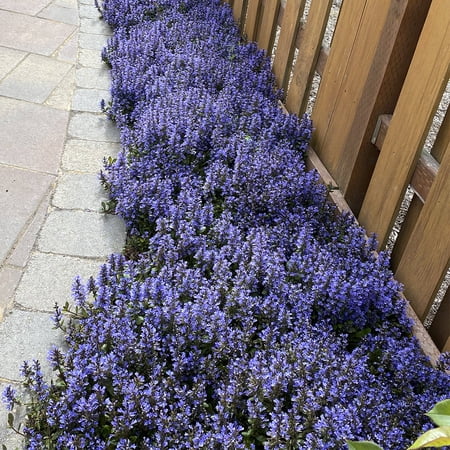
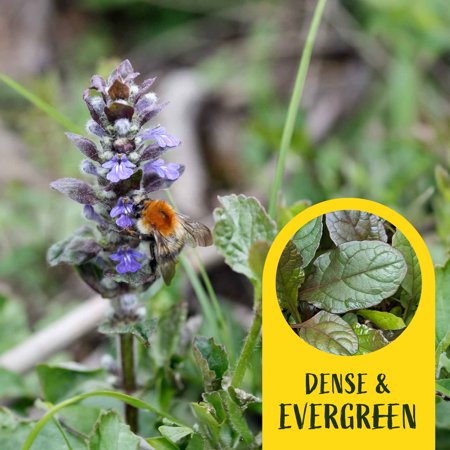
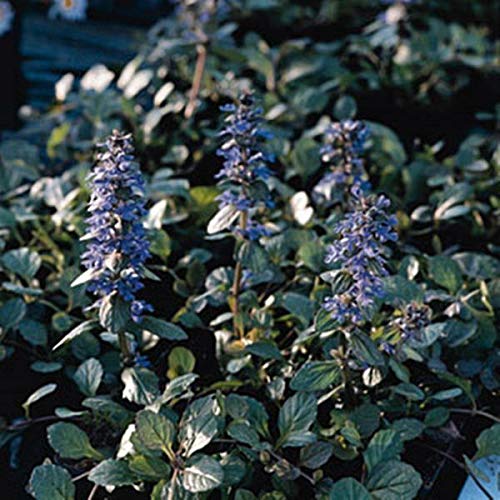
Tempted? It’s hardly surprising; one of its biggest advantages of this ground cover is that it happily grows in partial or full shade, making it ideal for those awkward areas where many lawn grasses simply won’t survive. It can also tolerate sunny positions so long as the soil doesn’t become too dry, which means you have lots of flexibility when you’re figuring out where to plant it.
It’s easy to assume, then, that ajuga is a solely practical choice; in fact, it’s also a surprisingly eye-catching one. In fact, depending on the variety you plump for, its glossy leaves can be green, bronze, burgundy, or deep purple, adding color long before its flowers appear.
Come spring and early summer, spikes of vibrant blue, purple, pink, or white blooms rise above the foliage, creating a display that’s every bit as attractive to bees and butterflies as it is to people.
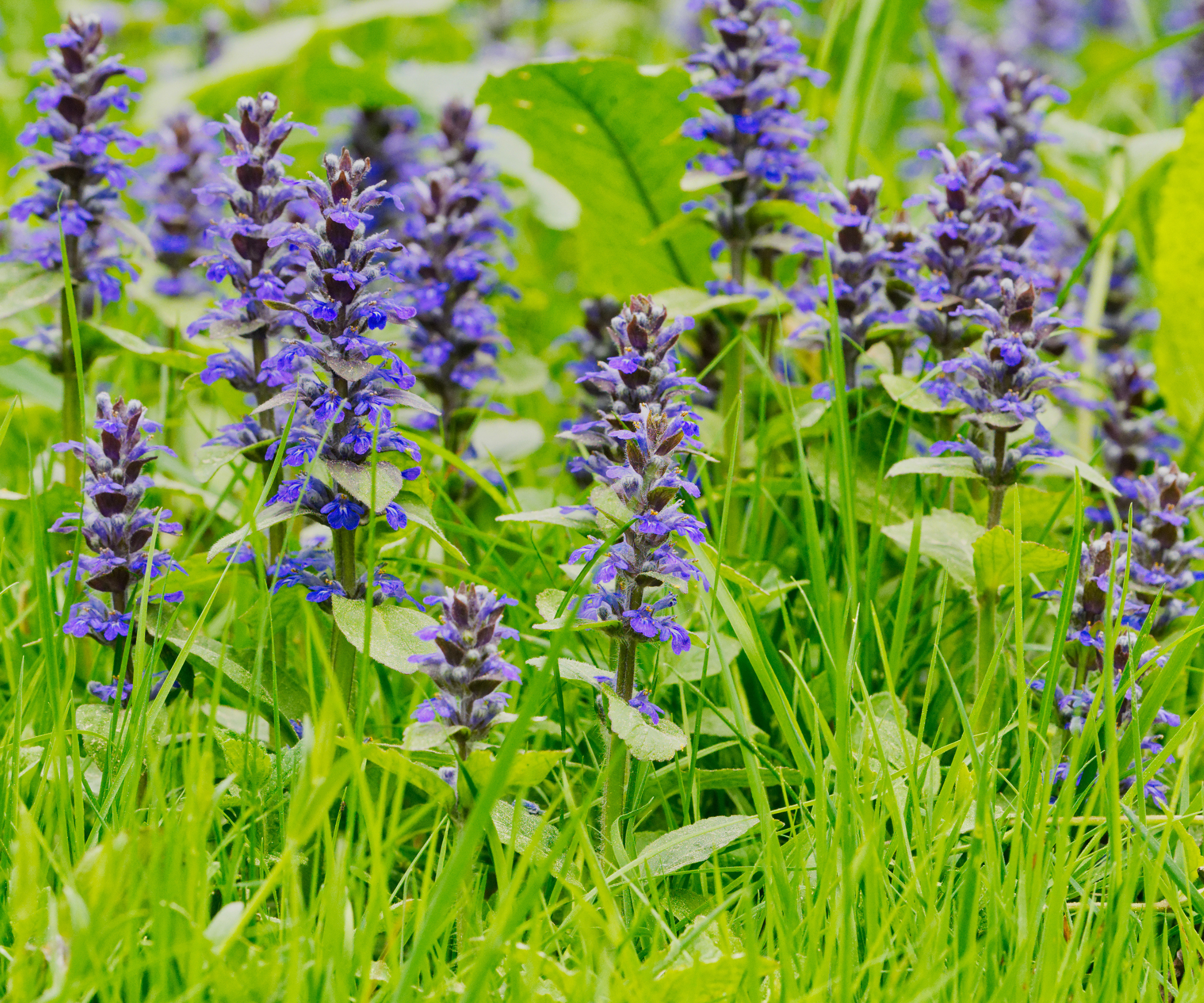
This ground cover’s spreading habit is another reason it’s started making a bit of a name for itself. Growing to around 6 inches (15cm) tall, ajuga sends out runners that gradually fill bare patches, helping to suppress weeds while covering the soil with dense foliage. As such, it’s a great choice for planting beneath trees, along borders, on slopes prone to erosion, or anywhere mowing is difficult.
Better still? Well, once established, ajuga is relatively easy to care for. Like many plants, it prefers moist and well-drained soil, but doesn’t demand constant attention, and deer and rabbits tend to leave it alone. All it really needs is an occasional watering during dry spells and a spot of dividing when clumps get overcrowded to keep it looking its best.
Shop Three More Ground Covers:
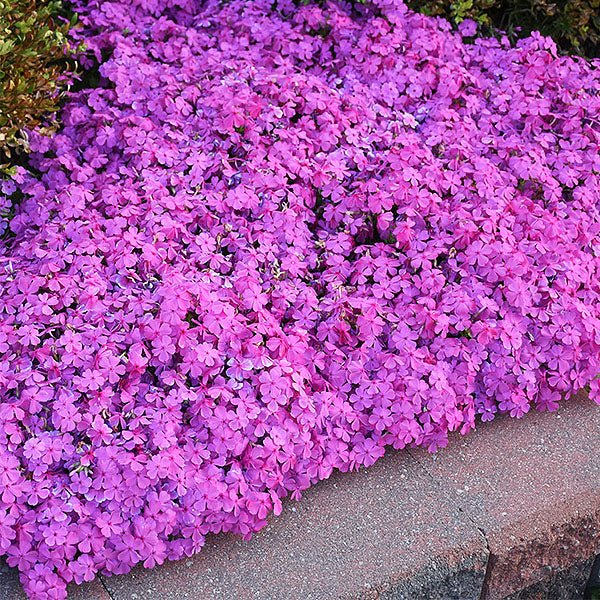 Electric Spring
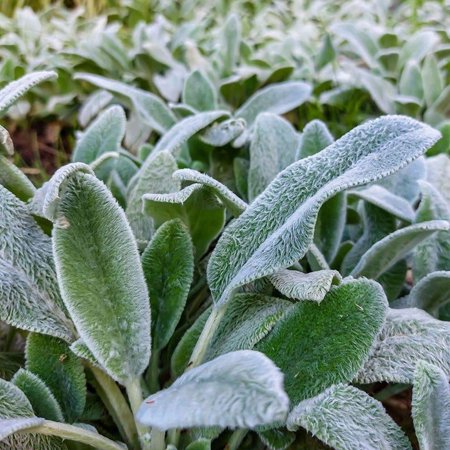 Velvet Groundguard
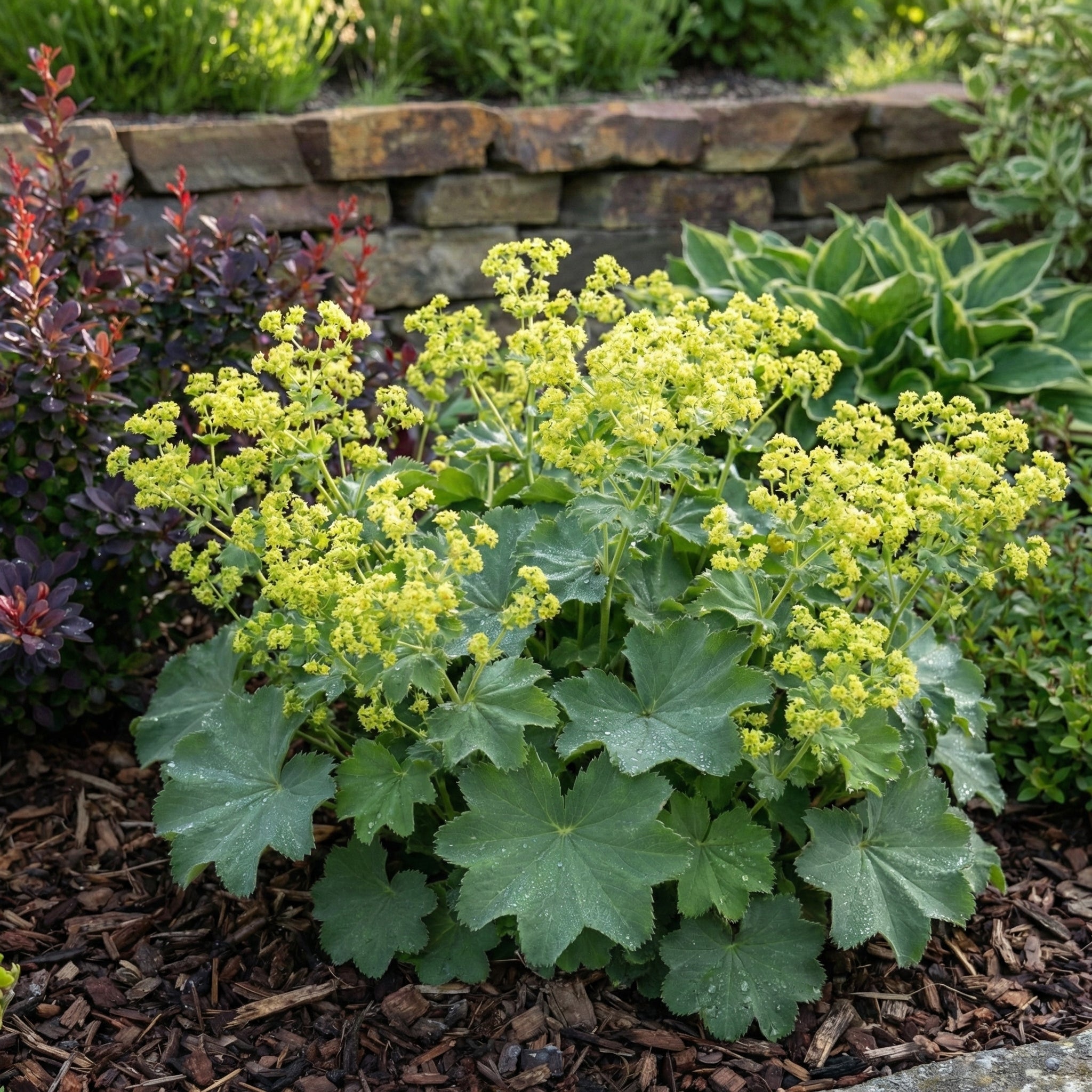 Chartreuse Sparkle
There is one catch, however (but isn’t there always?): ajuga spreads very enthusiastically – which, sure, is exactly what makes it such an effective ground cover, but it also means you’ll want to keep an eye on where it’s growing.
Basically, in the right spot, that vigorous growth is a huge advantage, but it’s a good idea trimming back runners or dividing plants if they start getting to big for their roots. Still, that caveat aside, this is something of a boon for gardeners everywhere who are tired of looking at patchy grass in their garden’s shady spots.
Hey, a colorful plant that promises to be low-maintenance, all while delivering pollinator-friendly flowers? Yeah, it’s easy to see why this hardworking perennial has become a go-to choice for transforming the trickiest corners of the garden!