Sometimes the joy of garden bird encounters can feel like a bit of a waiting game. When I seek out birdlife in the backyard, it’s often the case that I can hear it more than see it. Hedges and shrubs might be quivering midsummer, with boisterous twitterings and enthusiastic grub-gobbling. Certain species are as lively as ever, and just as keen for a drink or a paddle. But just when you think you’ve spied a flash of color near the bird bath splash zone, the moment’s gone, and the wait continues…
Would it surprise you to hear that this waiting game is actually a critical part of the backyard birdlife dance? In fact, it’s so important for attracting birds, they need dedicated areas of the yard devoted to it. Does that sound ridiculous? Well, it really isn’t, at least, not to a bird. Our little feathered friends need special “observation decks” where they can sit, observe, and spy their chance for that perfect moment to approach your specially prepared bird bath and enjoy the facilities, as it were.
Fail to give them this perch, and the jig may well be up. Birds, like us, appreciate comfort and places to rest in summer. Think of it as your bird’s deck chair. Yet it’s amazing how often this waiting branch gets overlooked in our quest for the perfect bird bath. We obsess over the relative merits of pedestal versus platform versus hanging models – but how many of us give a minute’s thought to bespoke birdie branches? Frustrated bird bath owners, it’s high time we did. Here’s how to add one easily (and where to put it) to enjoy more bird bath action and save yourself some waiting…
What is a Waiting Branch?
To understand why a waiting branch is so important for your bird bath, it’s important to take the bird’s eye view on things. Yes, your birdie visitor may be parched and desperate for a refreshing dip. But an exposed basin planted firmly in the middle of a yard is risky business.
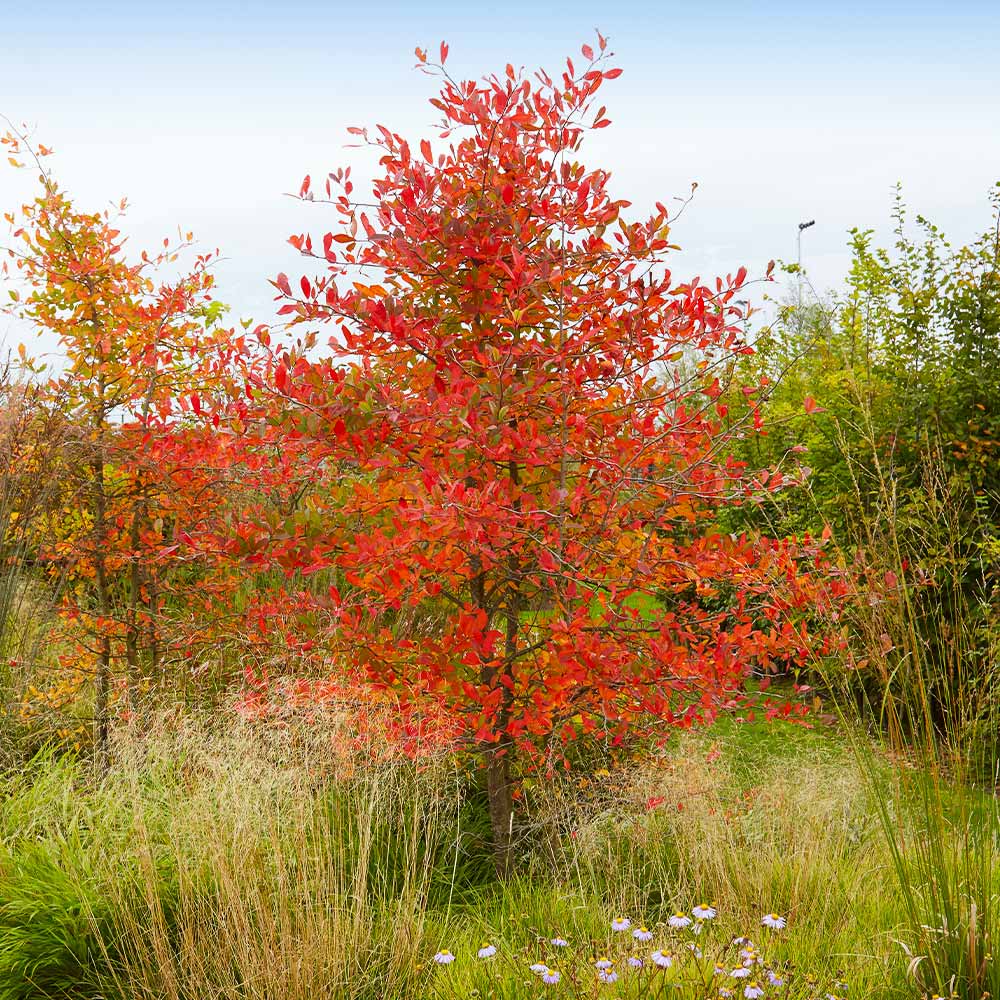
We might see an ornate basin with inviting water twinkling in the light. But such a setup puts a small songbird in a vulnerable position, even if they are craving a drink or a soak. A bird bath near a tree with strong horizontal branches, such as a serviceberry like Autumn Brilliance, which you can pick up on a budget from Walmart, is far superior to one in plain sight with zero nearby support or cover.
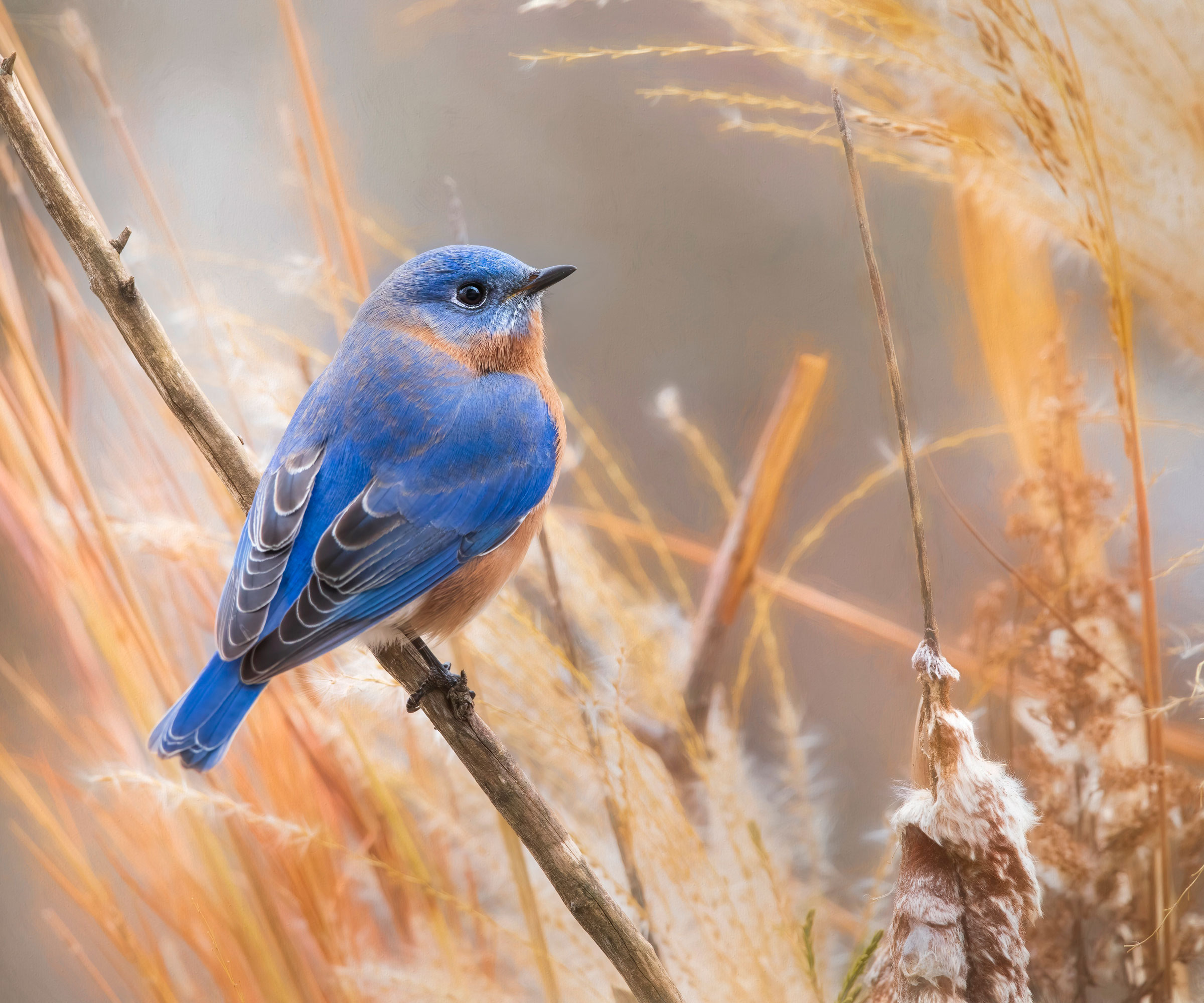
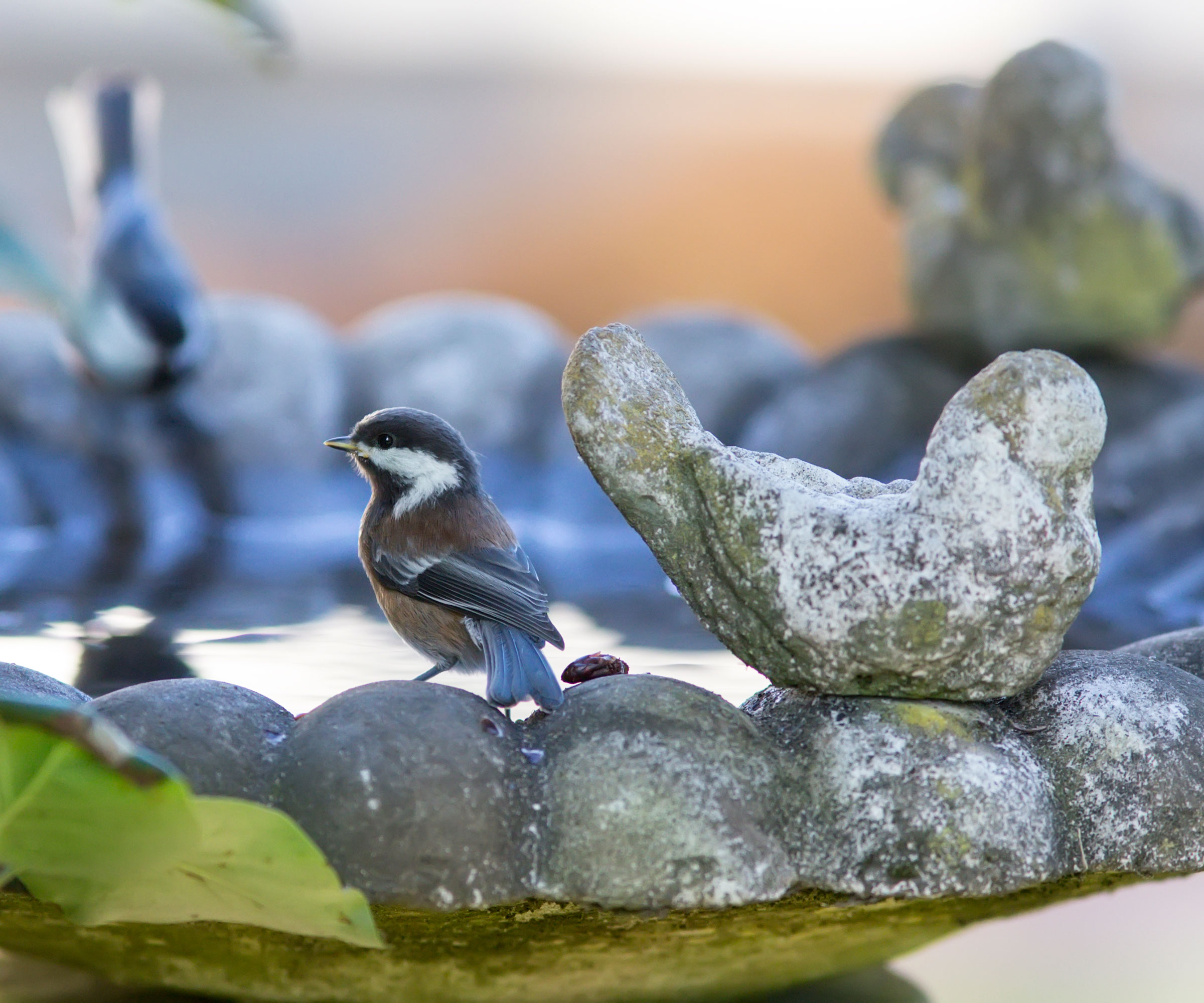
Birds are creatures of curiosity, but also caution. When spying a bird bath, a little tufted titmouse, finch, wren, or bluebird will rarely swoop straight in. Instead, they prefer to hop down through a leafy staircase of careful steps, taking their sweet time to size up the scene. A waiting branch is their trusted observation deck: a cozy spot to tilt their small heads, tune into the vibe, and make sure the coast is clear.
When approaching a bath, they’ll want to check water levels and assess for predators. On the way back, they need the same branches to shield and protect them as they shake off water droplets, preen, and get their feathers fully flight-ready again. If your bath stands isolated without any kind of landing pad, songbirds will move onto more sheltered bathing opportunities. Even if you don’t have room for a full-sized tree, some well-placed branches mounted nearby make a huge difference to a little bird in need of privacy and security.
Choose something 18-24 inches long (45-60cm) so multiple birds can queue in comfort. You can buy bundles of textured wood, like the Yoosountic Birch Branches from Amazon, with varying thicknesses to fit into a range of backyard fixtures like fence posts, deck spindles, or garden stakes. This one addition creates an idyllic poolside vibe for observing and preening, before and after bathing.
Pick your Perch
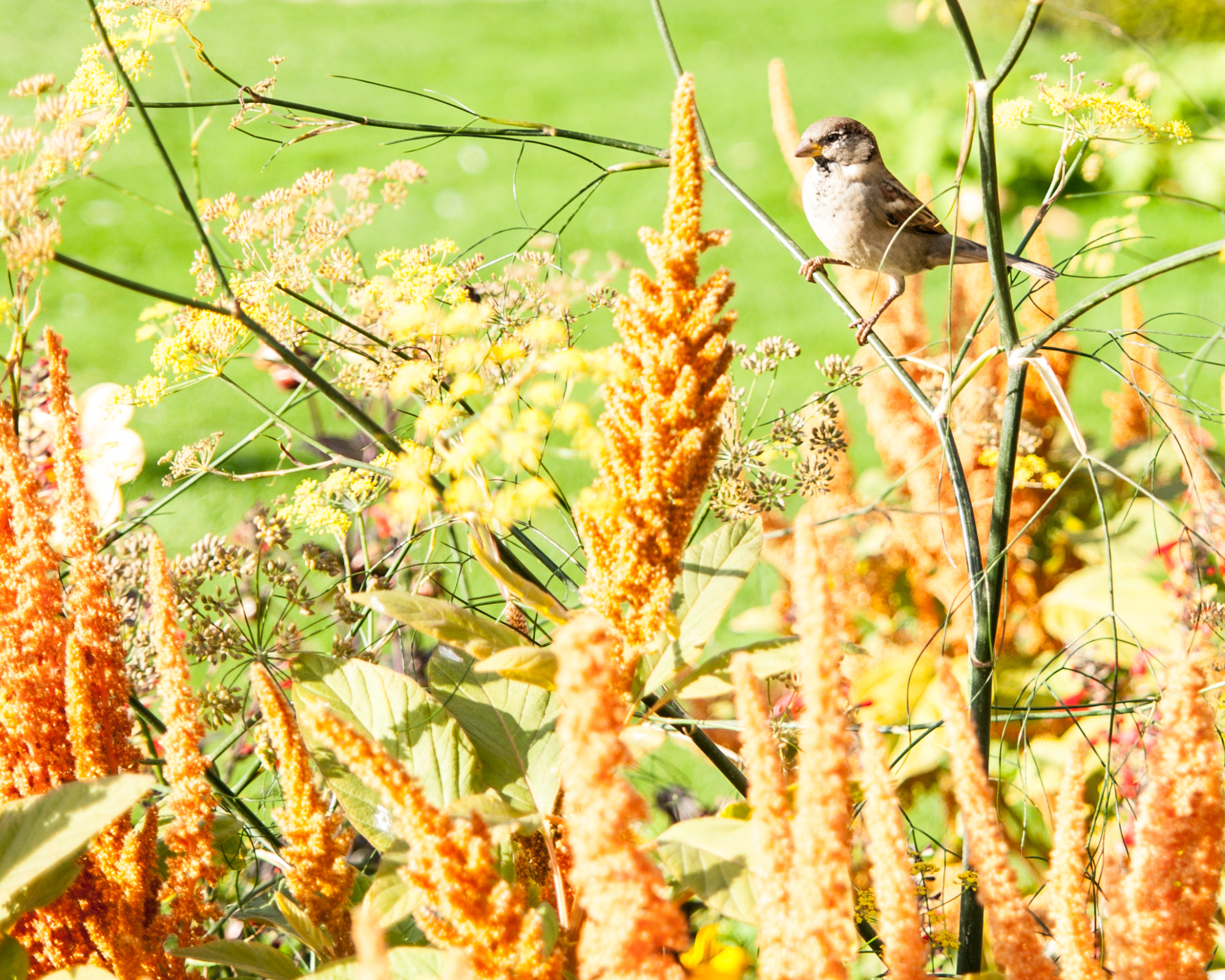
You don’t need a massive oak tree to give songbirds a 5-star observation deck. Waiting branches and staging perches come in all shapes and sizes, from living native flora to ornate, space-saving pieces. Here are a few bird-friendly options for poolside perching near the splash zone.
 Native Staging Branch
If you want to go the natural route, this native US beauty creates perfect horizontal branching right at water level, offering built-in observation perches that make songbirds feel instant comfort. As a bonus, it combines spring bloom, summer berries and fall splendor that will have local catbirds and orioles queuing up for a dip!
 Rustic Toe Grip
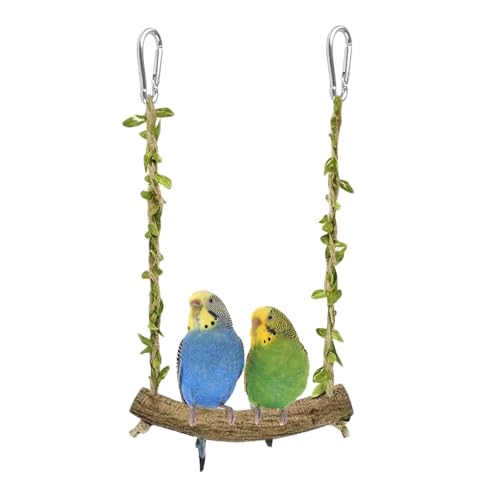
Crafted with textured wood, this charming hanging branch provides bird-friendly texture. Just hang it from a shepherd’s hook using the chain, or loop it over a tree limb or covered porch beam with an S-hook or weatherproof twine. Birds will love using it as a grippy perch to survey the bath and dry their feathers post-soak.
 Double-Duty Lattice
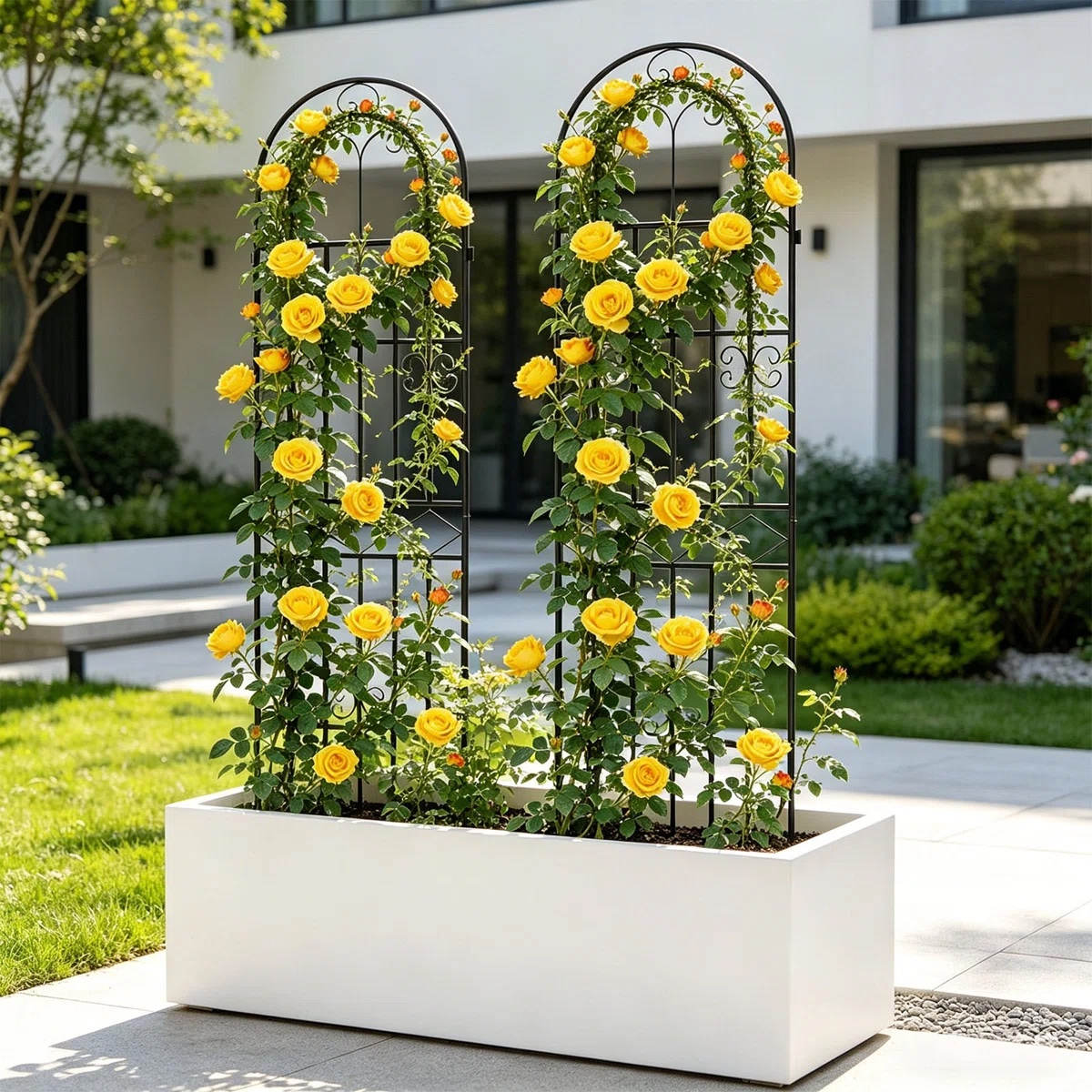
No room for a shrub behind your bird bath? Position this sturdy trellis 10 feet (3m) behind your basin for a multi-tier waiting ladder. The horizontal bars give finches and chickadees plenty of perching rungs while waiting their turn. Plus, it’s great for training vines like clematis or honeysuckles to add lush, protective leaf cover.
Get the Vantage Advantage
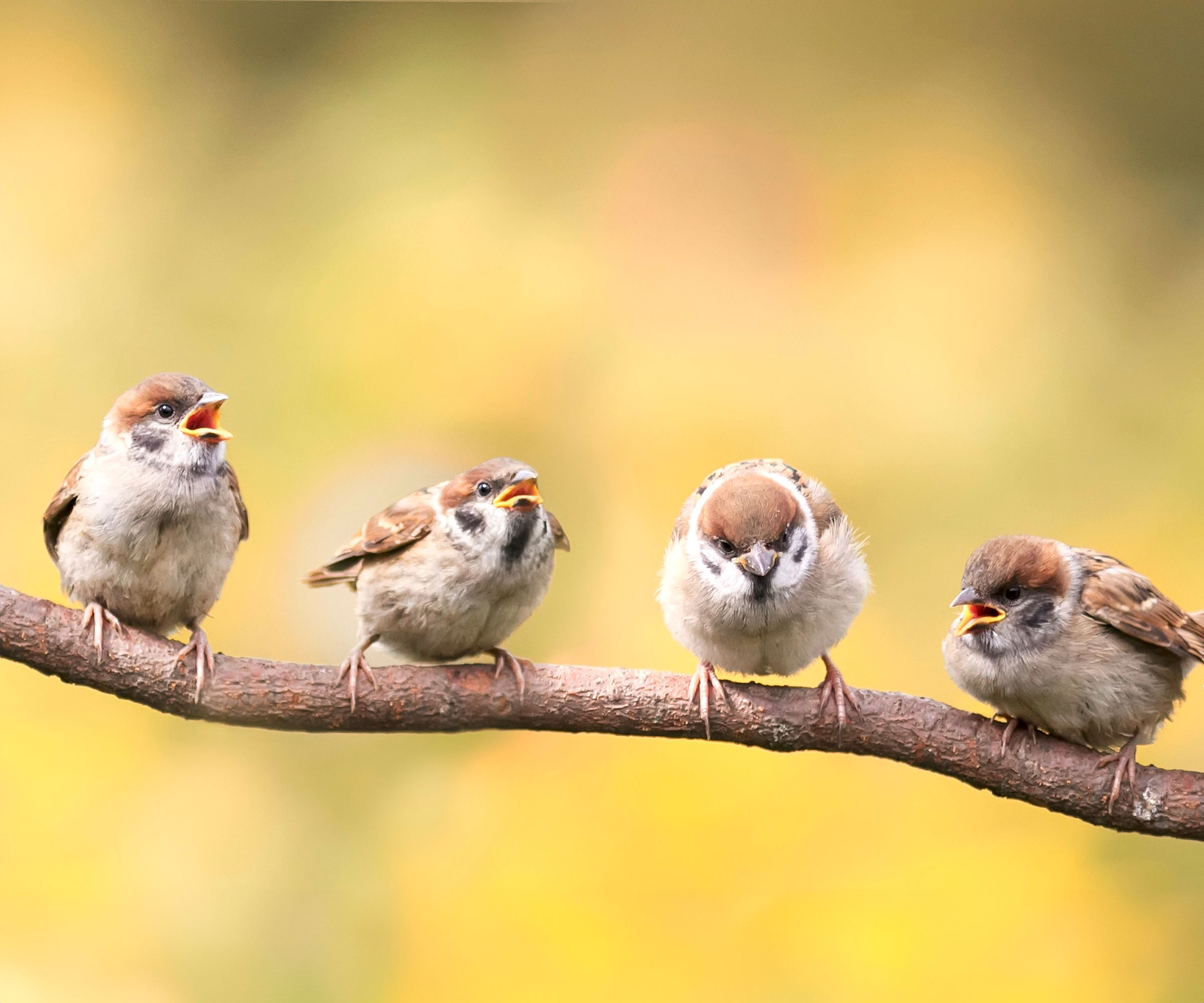
For most shy and timid bird species other than your more adventurous robins, that waiting branch needs to be in the right place – and the correct height and distance are critical. Your birdies need a sunny vantage point to weigh the risks before wetting a single feather. Enter the vantage advantage! Basically, the ideal distance for a waiting branch is around 10-12 feet (3-3.7m) from the water’s edge. It is near enough for a soggy, water-heavy bird to flutter back to safety in a heartbeat, yet far enough to prevent a sneaky garden cat from leaping out from hidden ground foliage. Get this right, and your feathered friends will be brave enough to take that splashy voyage.
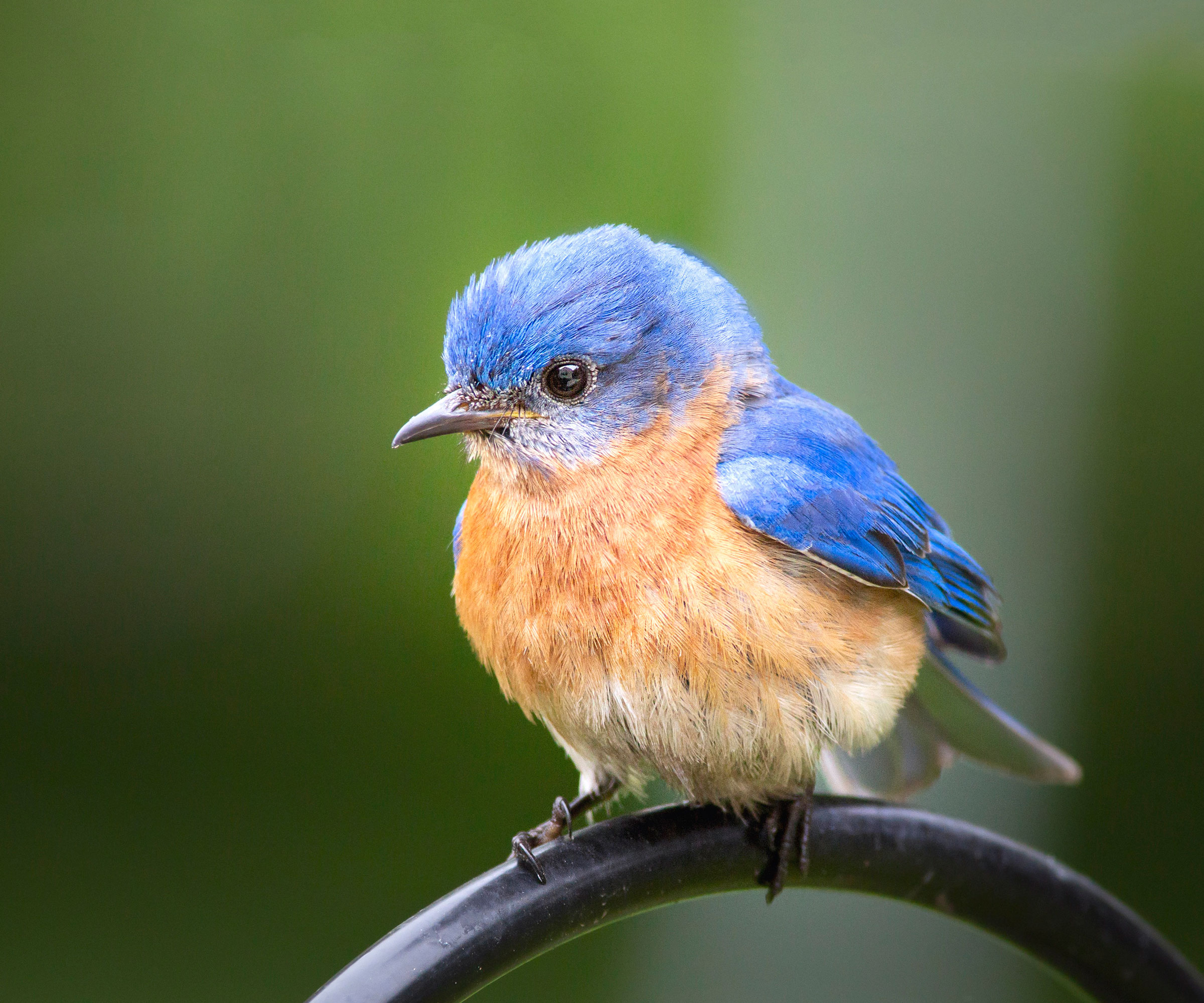
Clear lines of sight and height are equally important. Position your perch 4-6 feet (1.2-1.8m) from the ground to give birds full scope to assess activity both on the ground and in the air. Your waiting branch also needs to allow for smooth entry and exit. To give a clear sightline at a perfect height from the splash zone, secure a tall ground pole or shepherd hook (like the Vigoro Fuchsia 84-Inch Deluxe Double Shepherd Hook from The Home Depot) into the ground or lawn or a large planter. Choosing something a few inches more than you need gives you that sweet spot when the staff or pole is inserted into the soil or sward.
For a basin on a patio or apartment balcony, you can get shepherd hook and bracket sets online. Try the excellent adjustable Juegoal Extended Deck Hook and Clamp from Amazon which mounts directly to a deck railing, to which you can then hang the branch of your choosing. This gives timid finches and chickadees a secure, elevated launching pad with a clear flight path to a safe summer soak. A few species (like dark-eyed juncos) might prefer perches nearer the ground, raised 2 feet (60cm) and tucked close to thicket cover. However, most birdies are happiest with their waiting branch higher for that full-vision vantage point.
Make Your Perch Work
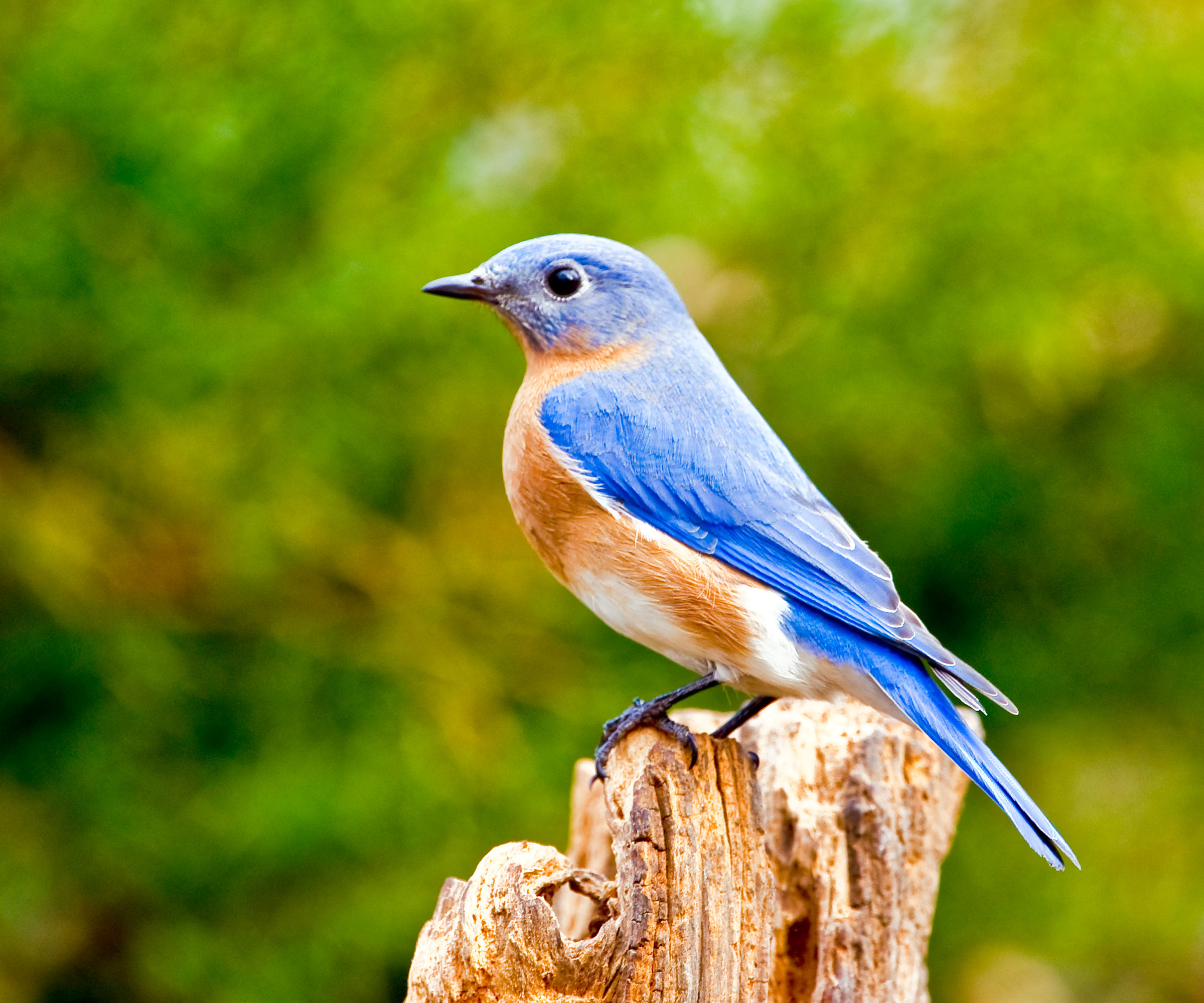
As well as where you place it, the type of waiting branch you choose has to be right for the particular needs of your yard around the bird bath. So give some thought to the more practical aspects, such as available space for planting, access for changing bird bath water, and whether you might need to factor in multiple branches for a wider bird community. Native shrubs like serviceberry, flowering dogwood, or arrowwood viburnum provide built-in multi-level perches with protective leaf cover – but obviously you need sufficient space to grow them.
Where planting a full shrub or small tree isn’t an option, structural add-ons work brilliantly. Training vines up budget-friendly Aboxoo 2-Pack Decorative Metal Trellis from Amazon creates a lush, multi-tiered waiting ladder right behind the basin. These are lovely both for multiple perches and an evolving curtain of added privacy. For balcony and deck gardeners, a simple clamp-on deck hook is ideal. You can attach natural sticks or branches to these hooks, clamped to available railings. You can even get cute swing-style waiting branches, like the Hiwzitar Natural Wood Bird Swing from Amazon with its textured wood and leafy twine.
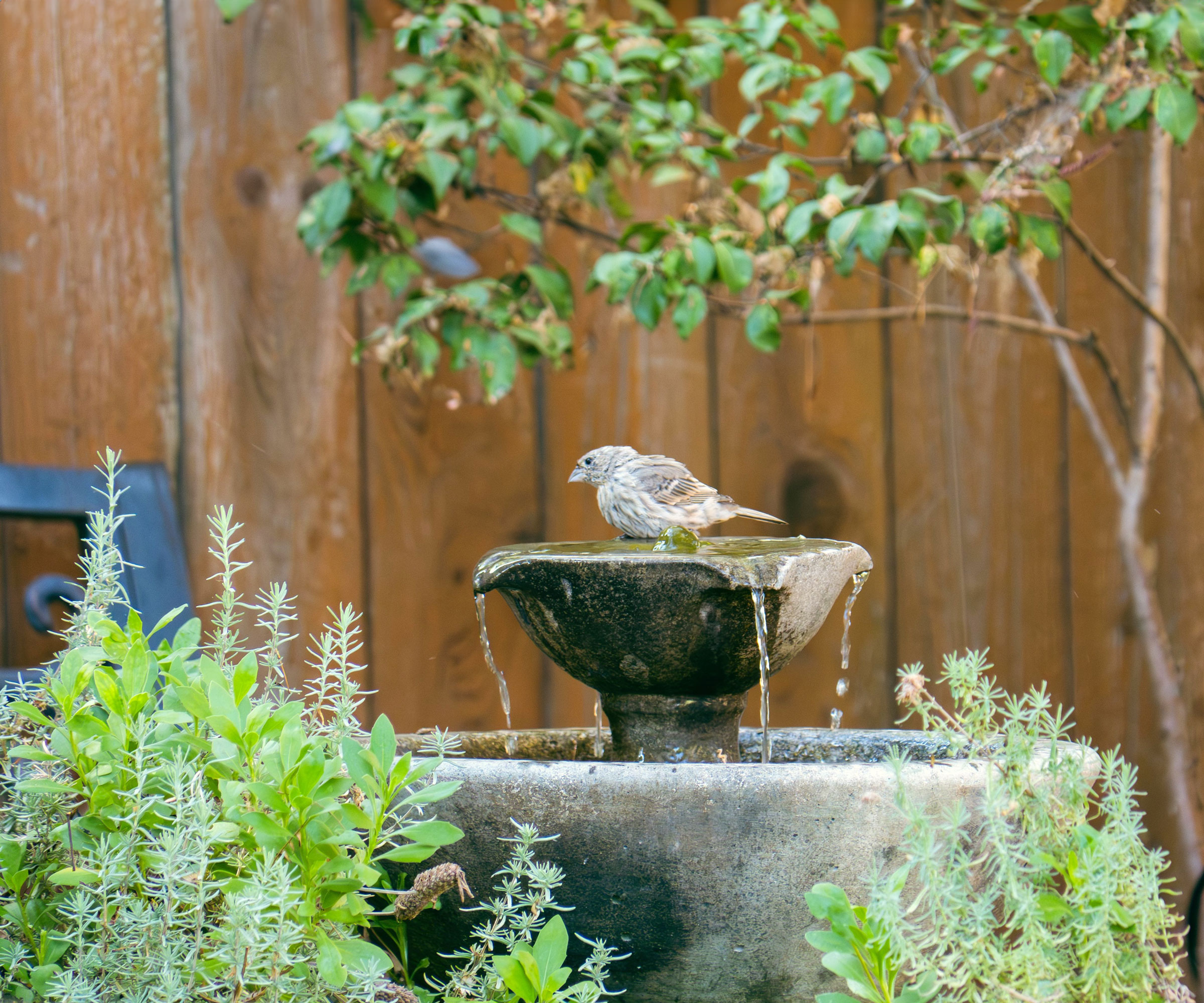
As well as ensuring a decent branch length (around 2-3 feet/60-90cm) for potential birding partners or parents, make sure your branch is a reasonable thickness and strength for little birdie toes waiting to hop into the community pool. Perches that are too springy may send timid bathers scattering. Something 1-1.5 inches (2.5-4cm) thick and ideally textured is best for little feet to grip. If you can vary your branch textures with multiple options, you’ll increase the scope for delicate sparrows and chickadees, as well as more sturdy birdies keen to enjoy the splash zone.
Overcoming Birdy Fears
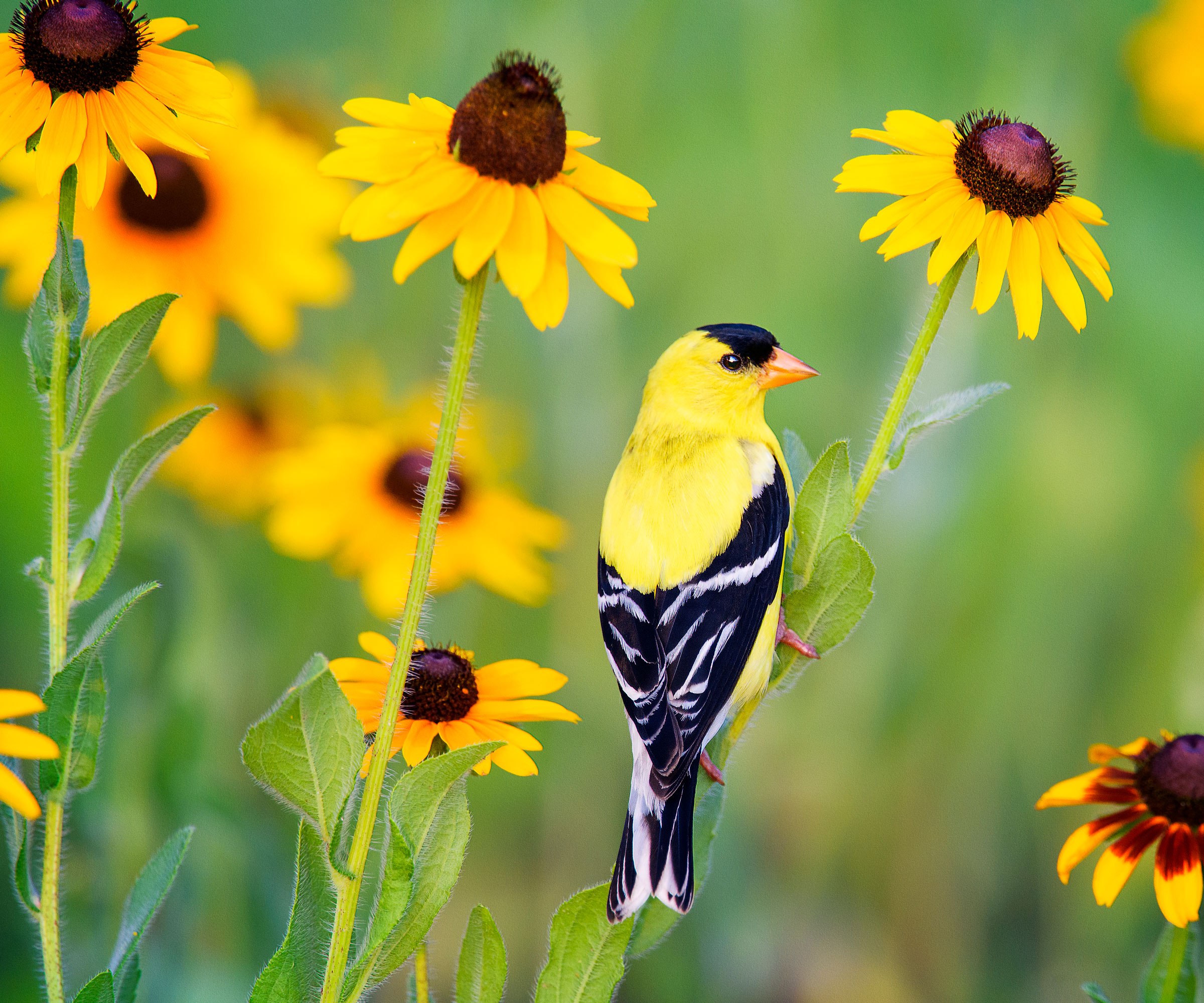
August in the backyard can be full of family drama for prospective bathing birds, especially when fledgling season reaches its peak. To an uncoordinated juvenile, a bird bath looks like an ocean. Young cardinals and robins are notoriously clumsy bathers, and that waiting branch helps bewildered babes find their feet while their parents demonstrate the art of the splash. The waiting branch also gives them the best chance to preen safely as they get to grips with new post-splash sensations.
For adult birds, the primary fear is getting trapped. Relying on just one landing stick can create a frustrating traffic jam, or situations where bossy blue jays or grackles might corner shy goldfinches and juncos. Incorporating a few staggered perches gives timid bathers like nuthatches an instant escape in either direction.
Finally, there’s also the birdy fear of approaching a bird bath that might be too still. You can improve your chances of attracting more birdies even further by ensuring that your bird bath features some continuous, gentle movement. Adding subtle water motion with a wiggler like the Solar Water Wiggler from Walmart helps to reassure your perch-bound birdies that the bath is active, safe and clean. Happy splashing!
Shop Bird Bath Extras
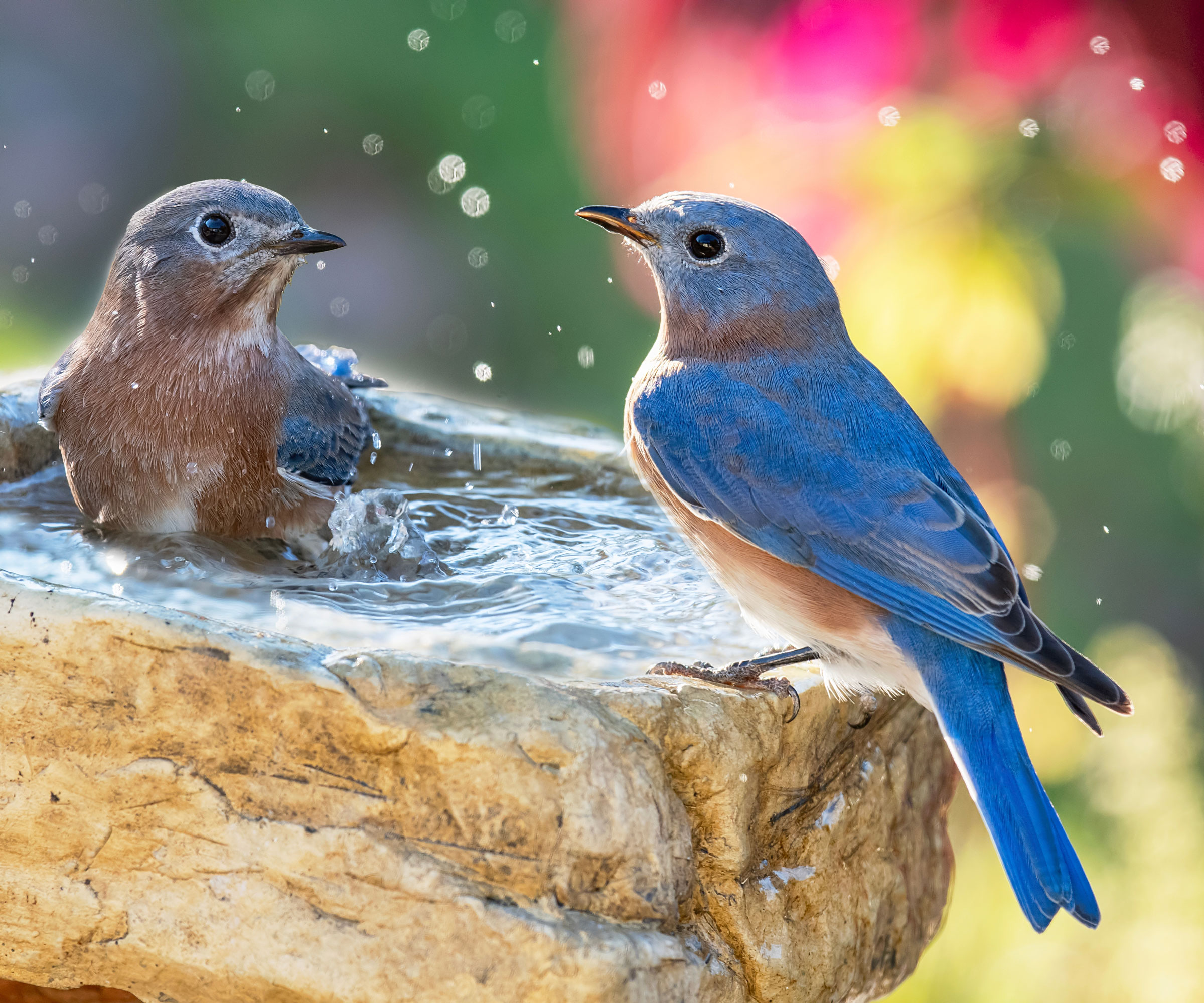
Once your waiting branch is in place and your local songbirds feel safe surveying the scene, it’s all about keeping your splash zone sparkling and active. These small extras make a huge difference to birdlife visiting your yard. Use these choice bathing picks to help create a safe, clean and popular poolside vibe all summer long.
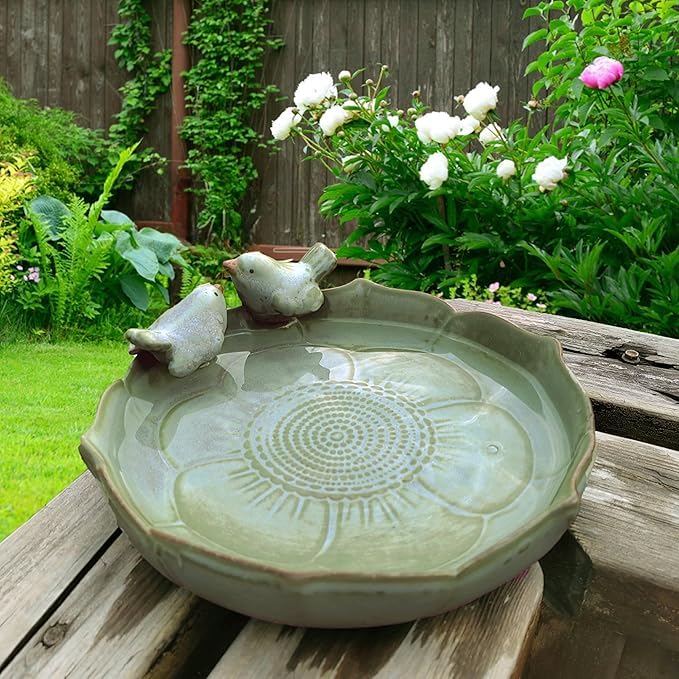 Second Splash
Elevated pedestal baths are great for main lawns, but this secondary bath helps ground-dwelling towhees, juncos, and sparrows. This shallow saucer is ideal for placing near the base of your serviceberry, and a fine compact choice for balconies. Its textured bottom is kind to small feet. Lovely, low-stress backup for timid bathers.
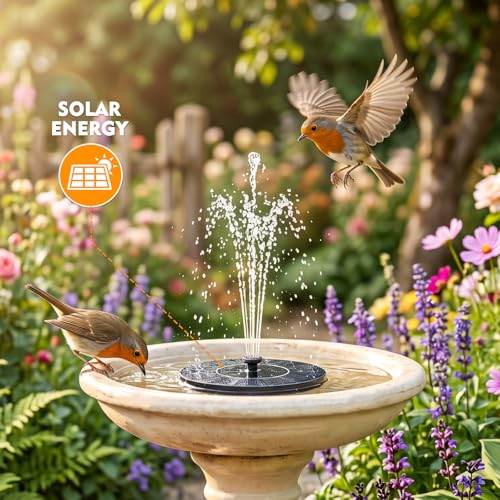 Motion Magic
Once you’ve got your waiting branch set up, call in the visual reinforcements! Songbirds will be drawn to the glint and trickling sound of moving water. This solar floating fountain creates gentle, dancing sprays, indicating to nervous bathers that the water is fresh and shallow, while keeping mosquitoes from spoiling the fun.
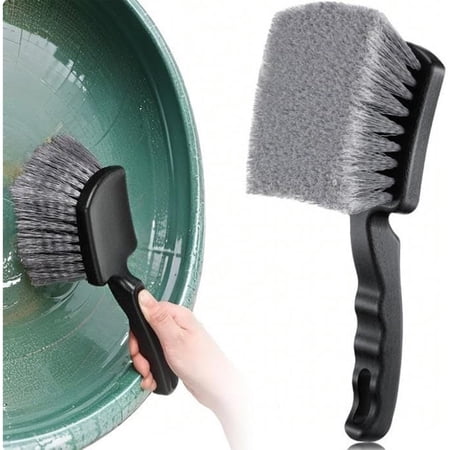 Clean Sweep
Keep your summer bird bath clean with this ergonomic utility brush. The stiff, durable bristles work well on stubborn algae, feather dust, and mineral deposits without scratching delicate ceramic or resin bowls. Clean with a small amount of diluted white vinegar for a safe deep clean that keeps your basin sparkle fresh for birdies.
Need more ideas for timely gardening jobs and seasonal expert advice delivered straight to your inbox? Sign up for the free Gardening Know How Newsletter!