The RSPB recently changed its advice on bird feeding. This was published with the 2026 Big Garden Birdwatch findings, which show house sparrow, blue tit and starling taking the top three spots. However, the new guidance is in response to a fall in numbers of the greenfinch, which is found at number 18 in the Big Garden Birdwatch rankings.
The greenfinch has seen a 67 per cent decline in average numbers recorded since the Big Garden Birdwatch began in 1979 (compared to national declines of 65 per cent since the mid‑1990s), a equivalent to the loss of over two million birds. The cause of these losses is trichonomosis (Trichomonas gallinae), a parasitic disease which affects the back of the throat and gullet, which makes swallowing difficult. Birds infected with trichonomosis are lethargic, with plumped up feathers, and have matted wet plumage around the beak and face. While the disease doesn’t necessarily kill greenfinches, most don’t survive as they are at increased risk of predation and starvation. Greenfinches are now on the UK Red List.

Until recently, RSPB advice focussed on keeping bird feeders clean. The RSPB suggested cleaning feeders regularly, moving them around the garden to avoid a build up of disease in one place, and to stop feeding for a few weeks immediately after seeing a diseased bird.
Following a study in conjunction with the BTO and the Institute of Zoology, the RSPB has confirmed that trichonomosis spreads more easily in summer and autumn, and on flat surfaces, such as bird tables and at bird baths. It has now changed its bird feeding advice as follows:
Feed safely. Feed seasonally.
Feed seasonally – it’s important to adjust what we feed our garden birds during the summer and autumn months when there’s a higher risk of disease spreading.
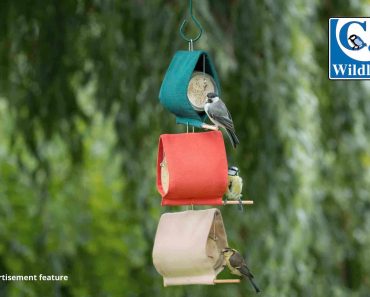
- From 1 May to 31 October: pause filling your bird feeders with seed and peanuts to prevent too many birds gathering in one place. It’s okay to keep offering small amounts of mealworms, fat balls, or suet year-round.
Feed safely – just one infected bird can turn your busy feeder into a disease hotspot. To help keep birds healthy, we need to prioritise hygiene.
- Clean and move your feeders weekly: get into the habit of giving your feeders a good clean at least once a week. If possible, place your feeders in a different spot after each clean to prevent the build-up of contaminated debris underneath. Any existing debris should be cleared up.
- Change water daily: only offer water if you’re able to change it every day and make sure it’s tap water. Water baths should also be cleaned weekly.
- Retire flat-surfaced feeders: research has confirmed that there’s a higher risk of the disease spreading on flat surfaces, where contaminated food can collect for other birds to eat. This means bidding a fond farewell to feeders that have any flat surfaces – including bird tables.
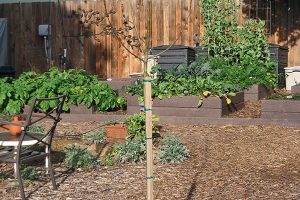
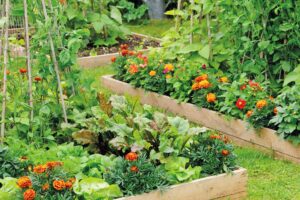
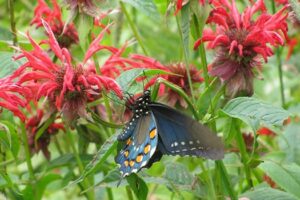
- As well as adjusting the way we all feed our garden birds, there are plenty of other things we can do to support them to find their own food. The RSPB suggests growing bird-friendly plants plants such as sunflowers, teasels and ivy to provide natural, safer food sources and encourage insects.
What’s changed?

Rather than encouraging us to feed the birds all year round, the RSPB suggests removing seeds and peanuts between 1 May and 31 October. It also suggests cleaning bird feeders weekly and not feeding on flat surfaces, such as bird tables. Bird baths must be refilled with fresh tap water daily.
The RSPB’s CEO Beccy Speight says “We’re not asking people to stop feeding, just to feed in a way that protects birds’ long-term health. By making small changes together, we can ensure garden feeding continues to be a positive force for nature.”