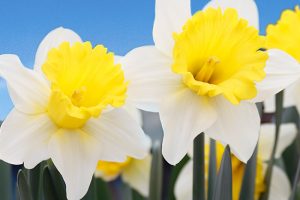

April in the garden is a time of fresh beauty and feverish activity for us gardeners. Seeds are sown regularly, and once germinated, they are pricked out and potted on. Nights are often still cold though, and taking winter protection off your tender plants might be a little premature depending on the year’s weather. The colour is found in the bulbs – daffodils, early bluebells and tulips. The weeds (if you let them grow) will be in full flush with a delicious bounty of wild garlic and fresh nettle leaves.
Spring cleaning the garden is highly recommended if you haven’t yet cut back hardy perennials. Trimming back the winter colour is also a timely job – so that’s all the stems, berries and flowering plants that were at their best during winter. Flowering shrubs, such as forsythia, ribes and Cornus mas can be cut back once they have finished flowering, if pruning is required, to keep them in check. The flowers will have just finished, and an early cut means maximising this year’s growth so that next year’s flower buds can form. Borderline tender plants, such as melianthus, lavender, myrtle, and abutilon can be pruned later in the month when it’s warmer.
More spring pruning advice:
- Watch David Hurrion’s chop and trim in spring
- What to prune in spring
- How to prune a hydrangea in spring
Plants to prune now:
Spring is a great time to get things back under control, thinning out tangled branches and cutting back sprawling limbs to make valuable room for the coming months of growth.
Camellia

After flowering, camellias can be pruned. I think they look lovely if you clear the lower stems to raise the canopy.
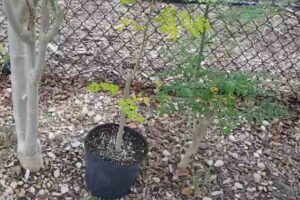
Paulownia

A large tree will need very little pruning, but if you are growing paulownia for big leaves, it’s best to coppice it each spring.
Hyssop

As with many Mediterranean species, you have to wait for the end of winter before it’s safe to gently prune fragrant hyssop.
Lonicera fragrantissima

Cut back winter-flowering honeysuckle, if required, to an open, healthy framework once flowering has finished.
Avoid pruning:

- Birch: Birches bleed excessively when the sap is rising (as do maples), so avoid pruning these until autumn
- Philadelphus: This shrub is best pruned after it has flowered. Summer is the perfect time to remove a third of the stems on philadelphus
- Elm: The time to prune has passed as elm trees should be tackled in early spring to protect them from pests and disease
- Lilac: Heady-scented lilac is about to flower in the next month or so – pruning now could remove those precious flower buds
Step-by-step: pruning forsythia
Forsythia are lovely shrubs, so valued for their early, vibrant colour, but their habit tends to be whippy and they throw up a mass of long, vertical shoots. This means that a rejuvenating prune might be necessary every now and again, and an annual prune will always help to keep the growth in check. Timing is everything as a whole growing season is needed for flowering to occur the following spring. The shrub below had a regenerative prune last year, and now that it’s growing back it’s time to start a new regime to keep it in check, free from congestion and healthy.
Step 1

Begin with a hard cut back if your forsythia looks raggedy, then you’ll be ready to start finessing it this time next year. Cut all low whippy growth and saw trunks back to stools.
Step 2

The following year, cut back any stems the that have just finished flowering. This will keep those stems from growing too long and help to maintain a small, manageable shrub.
Step 3

Thin out congestion at the base and centre, removing weak and spindly growth. Also remove stems that are growing outwards in an unsightly way, to avoid a sprawling plant.
- Need extra advice? Watch Alan’s How to prune spring-flowering shrubs to tackle that overgrown or congested shrub with confidence
Also prune this way:
There are plenty of deciduous shrubs that can be treated in the same way, though the timing is different; it’s usually carried out after flowering.
- Deutzia – regularly prune after the spring or early-summer flowering has finished
- Philadelphus – prune philadelphus in summer to avoid interference with flowering
- Flowering currant (Ribes sanguineum) – prune in spring once the dangling inflorescences have gone over
Top Tip
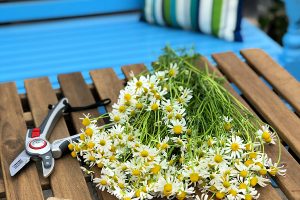
Preventing the spread of plant disease is something we think of increasingly as we hear of new types of pathogens harming plants. Keeping tools – particularly cutting tools – clean is vital. Use a suitable disinfectant – for the organic gardener there are excellent natural disinfectants based on extracts of citrus fruits. Clean blades regularly, between each plant if possible, but definitely between gardens if you use tools in multiple locations.