Taking cuttings is one of gardening’s most exciting leaps of faith. Cuttings that start life in little glass jars of water might be the ultimate next-generation lottery. And you know what? I don’t have a hundred percent success rate. I’m constantly drawn to preserve an old favorite or bulk out a collection of living color, but heck, I’ve seen my share of stubborn, root-free stems eventually collecting funk in jars.
Case in point: earlier this year, I nurtured a few cuttings from my prized Kong coleus through late winter, gripped with a desire to enjoy that lush magenta foliage again. Those little water cuttings rooted like troopers on my cozy windowsill, and by early spring, I was looking forward to potting them on. Imagine my dismay when just before potting day, I woke up to find these tender plant cuttings had inexplicably blackened overnight. What made it more galling was seeing the healthy white roots that still supported those lifeless stumps. Those roots were like a lush support act for a main event I would forever be denied.
Yet moments like this don’t dampen my enthusiasm for water-based cuttings. The way I see it, those heartbreaking fails make the windowsill triumphs sweeter. For every lost coleus, I’ve nurtured a stash of new plants using jars and tap water. This simple process removes many of the guessing games of pot propagation, allowing you to watch new life taking shape every day. September is the perfect month to safeguard the future of some of our most well-loved plants. Here’s my trio of personal favorites that can be rooted in water this month to multiply your blooms and fruit for free, including one that might surprise you. So grab your snips and let’s dive in.
Great Cuttings to Root in Water
If spring propagation feels like a bit of a gamble, September water cuttings are a reliable victory lap. By late summer, key plants have spent months basking in the sun, stuffing their stems full of rich plant sugars. Taking semi-ripe cuttings (stems firm at the base but bendy at the top) capitalizes on these energy reserves. Choose the right cuttings, and your stems are packed with fuel and ready to sprout. I’m tackling 3 backyard favorites this month, including one widely believed to rot in water.
Because these stems are past the tender, rot-prone softwood stage of spring, but haven’t hardened into dormant wood, they are primed for fast, vigorous root growth. Placing these stems in water allows you to watch the initial white callus tissue transform into robust root networks day by day. Placing them in jars turns your kitchen windowsill into a dynamic lab where you watch new life begin in real time.
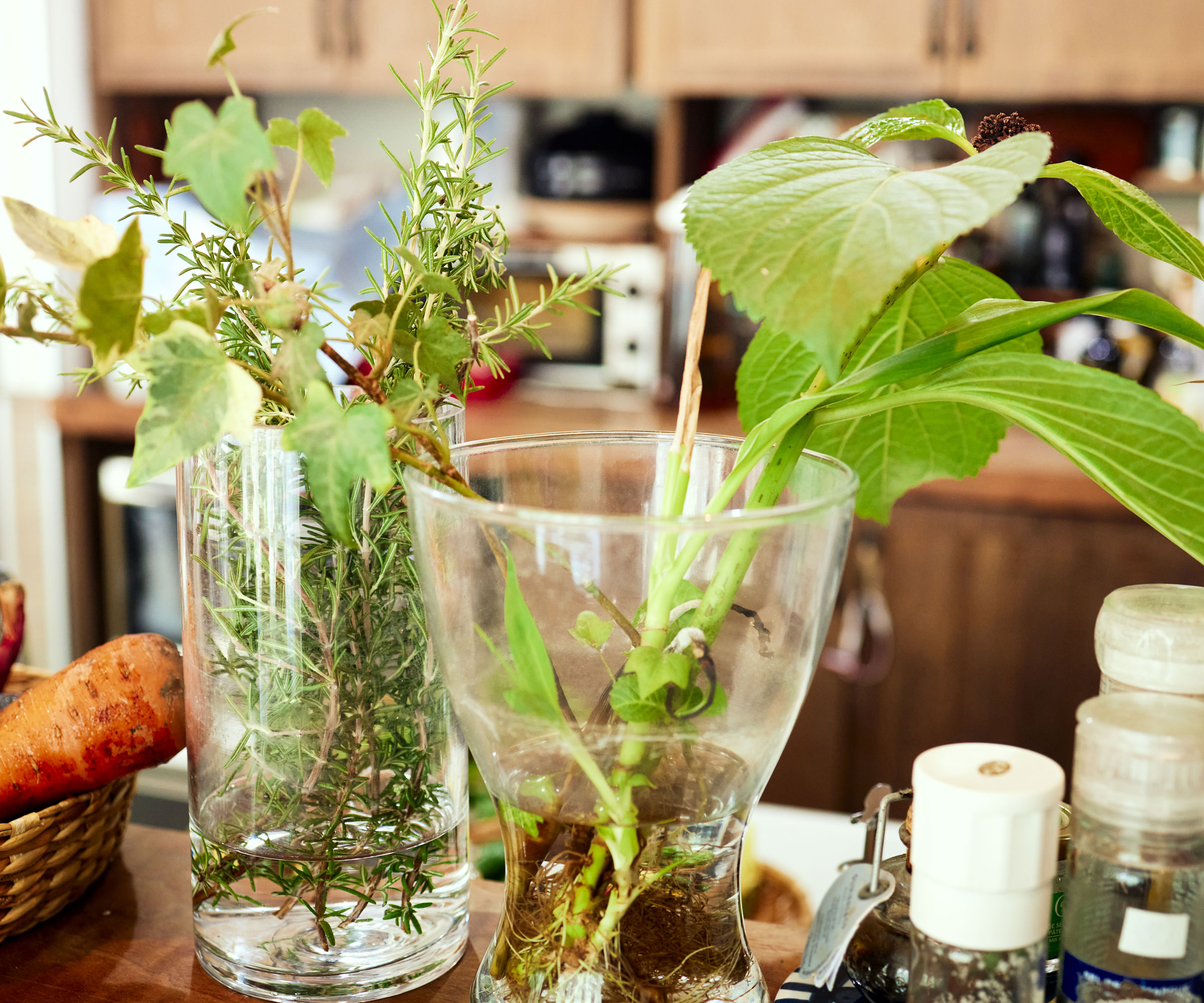
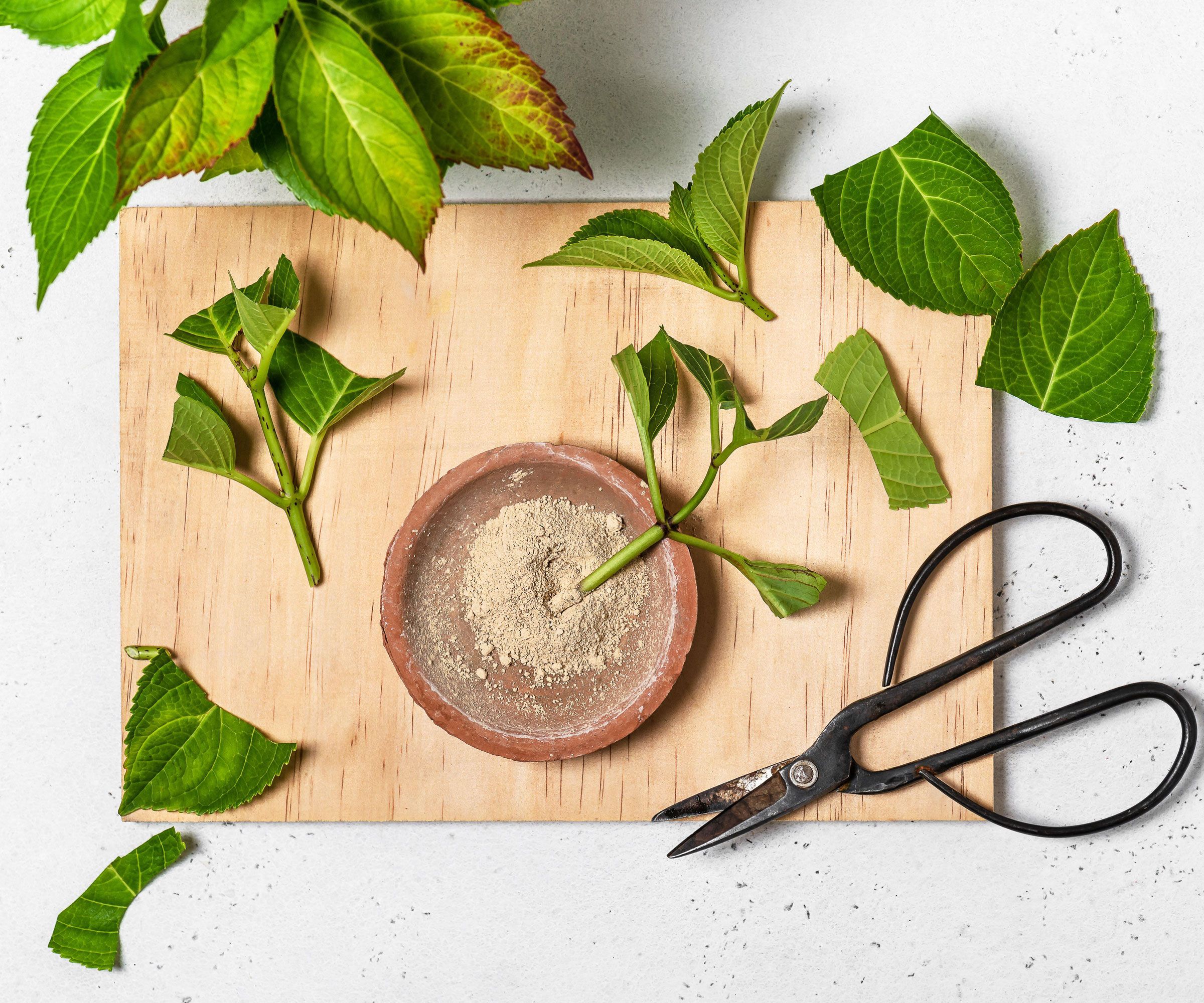
The right cuts do matter. Dull blades will crush delicate tissue, impeding water uptake and inviting bacteria. To really enjoy the benefits of propagation, it’s worth investing in a pair of highly rated Fiskars Micro-Tip Pruning Snips from Amazon for razor-sharp cuts that don’t harm the plant. Clean blades before and after use with isopropyl alcohol or diluted neem. Make a crisp diagonal cut right beneath a leaf node, where growth hormones are concentrated. Strip off lower leaves, though, as a single leaf floating underwater will quickly turn your jar into a swampy mess.
Don’t grab stems showing off big blooms or heavy fruit. You want stems that have finished their seasonal display, so all energy goes into pushing out roots instead of feeding fading blooms or crops. For an extra boost, give the freshly cut nodes a quick tap in Garden Safe TakeRoot Rooting Hormone Powder from Lowe’s before they hit the water. This rooting hormone (or a water-soluble rooting liquid) is like giving your stem a double espresso before it starts its rooting marathon. Ready to meet our trio?
1. Hydrangea Cuttings in Water
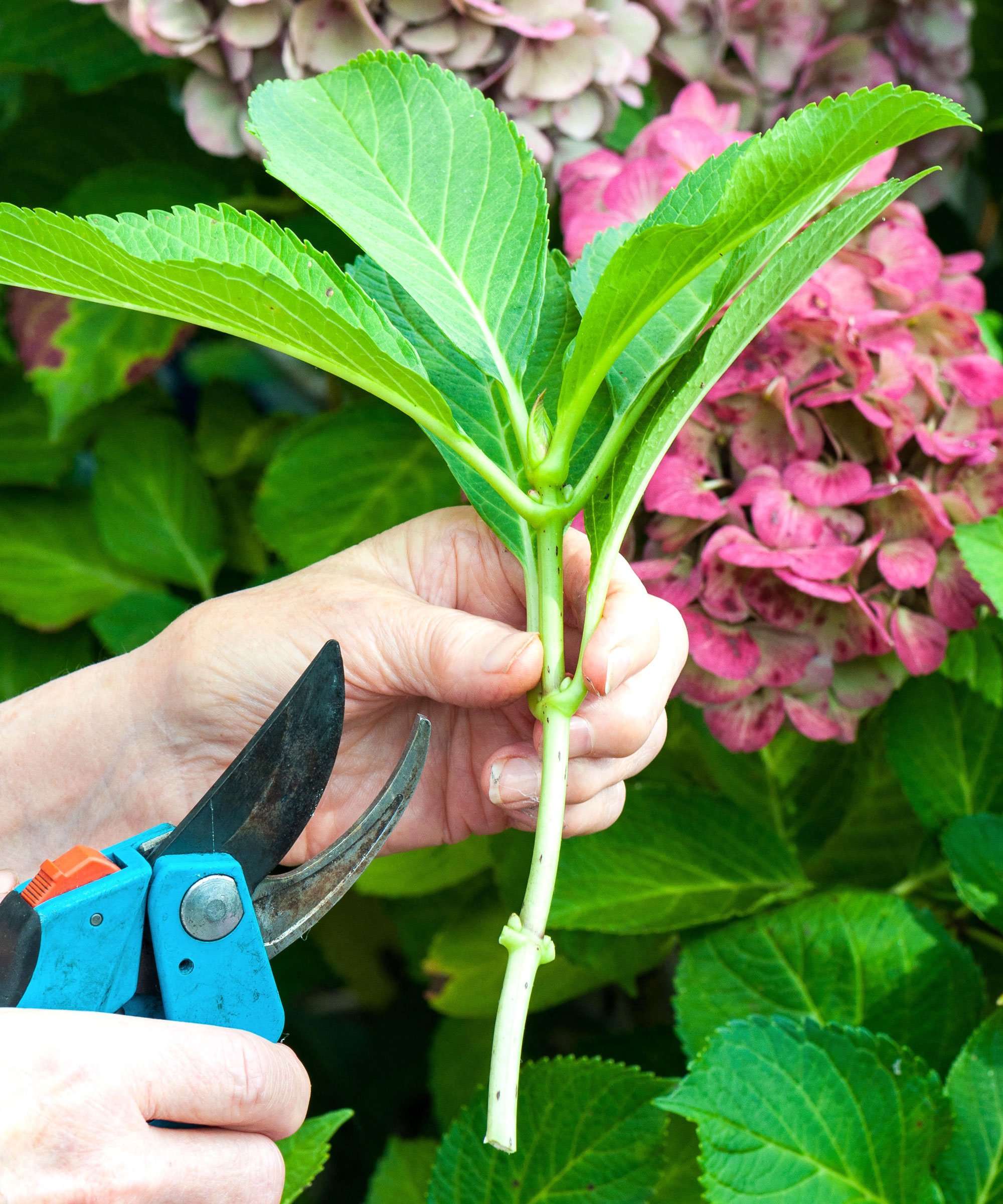
If you want an instant propagation win, hydrangeas are a dream to start in water in September. Panicle types (like Limelight) and smooth varieties (such as Annabelle) root like gangbusters in water, and classic bigleaf hydrangea types (like Endless Summer) are equally rewarding. So head out into the yard with your snips or a pair of bypass shears for sturdier stems. If you want the best of the best, Swiss-designed Felco 2 Bypass Pruners from Amazon slice through stems with ease and efficiency.
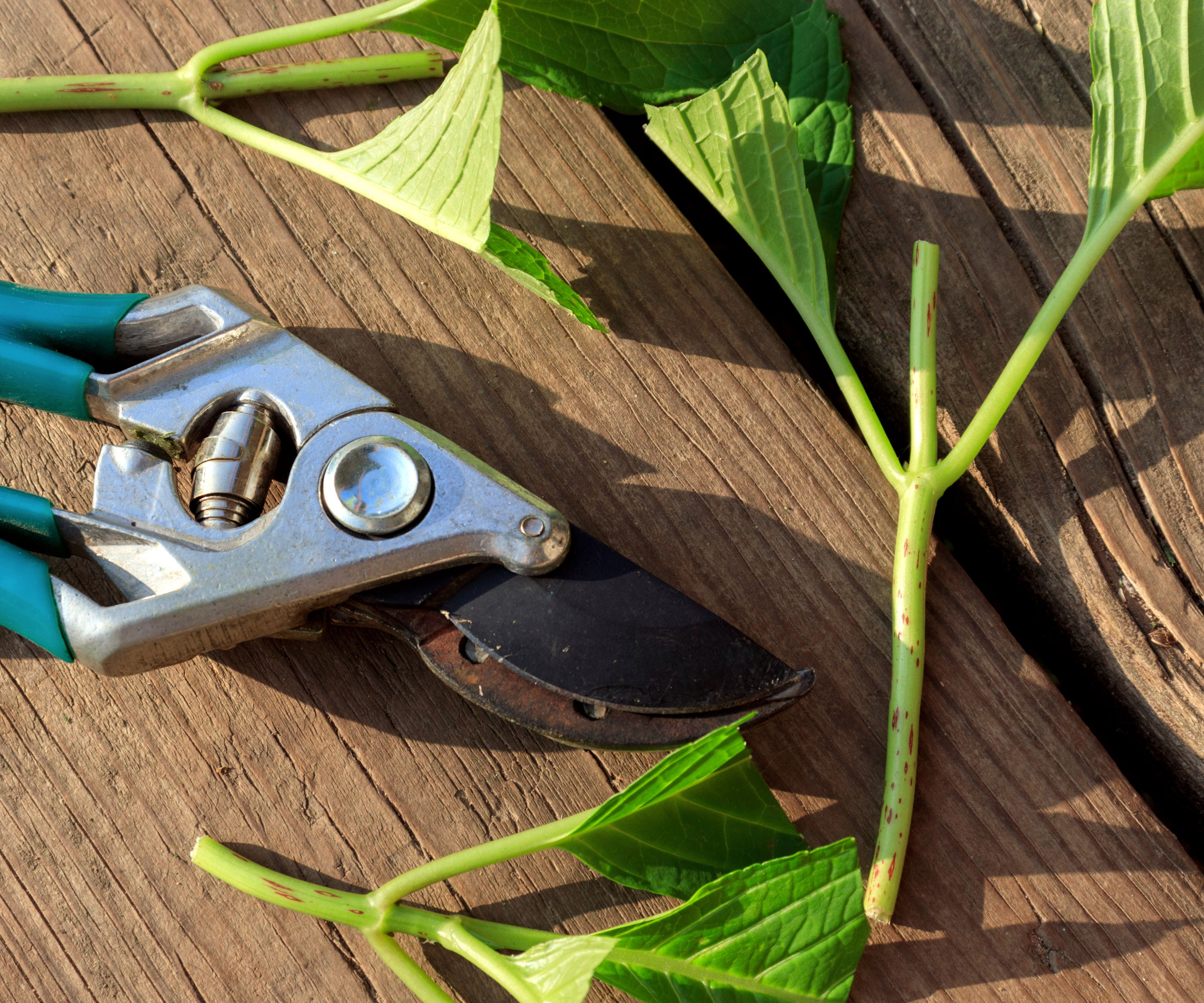
Hunt for fresh, non-flowering shoots from this year’s growth. You want 4-6 inch (10-15cm) stem tips that are firm at the bottom but still have some give at the top. So no thick, crusty old branches or stems weighed down by fading mopheads! Cut just below a healthy leaf node. The thing that really makes a difference to the speed of hydrangea propagation is leaf reduction. Strip off the lower leaves, and trim the top remaining leaves straight across the middle. It looks a bit silly, but halving the leaves stops the cutting from pumping out moisture faster than its fresh stem can drink.
You can pop your hydrangea stems straight into fresh water without waiting for it to harden first. A simple jar is fine for hydrangea cuttings if you are grouping a few together. However, it’s not a bad idea to split them up into separate chambers to give each root room to grow (and you’d be amazed how fast these babies can root). I like the sturdy wooden propagation stations for hydrangea cuttings. For instance, the Yibot Propagation Station with Wooden Frame, available from Amazon, has generous glass capacity for hearty hydrangea roots without risking stem slippage. Place it on a warm, bright windowsill, but keep it shaded from harsh direct sunlight.
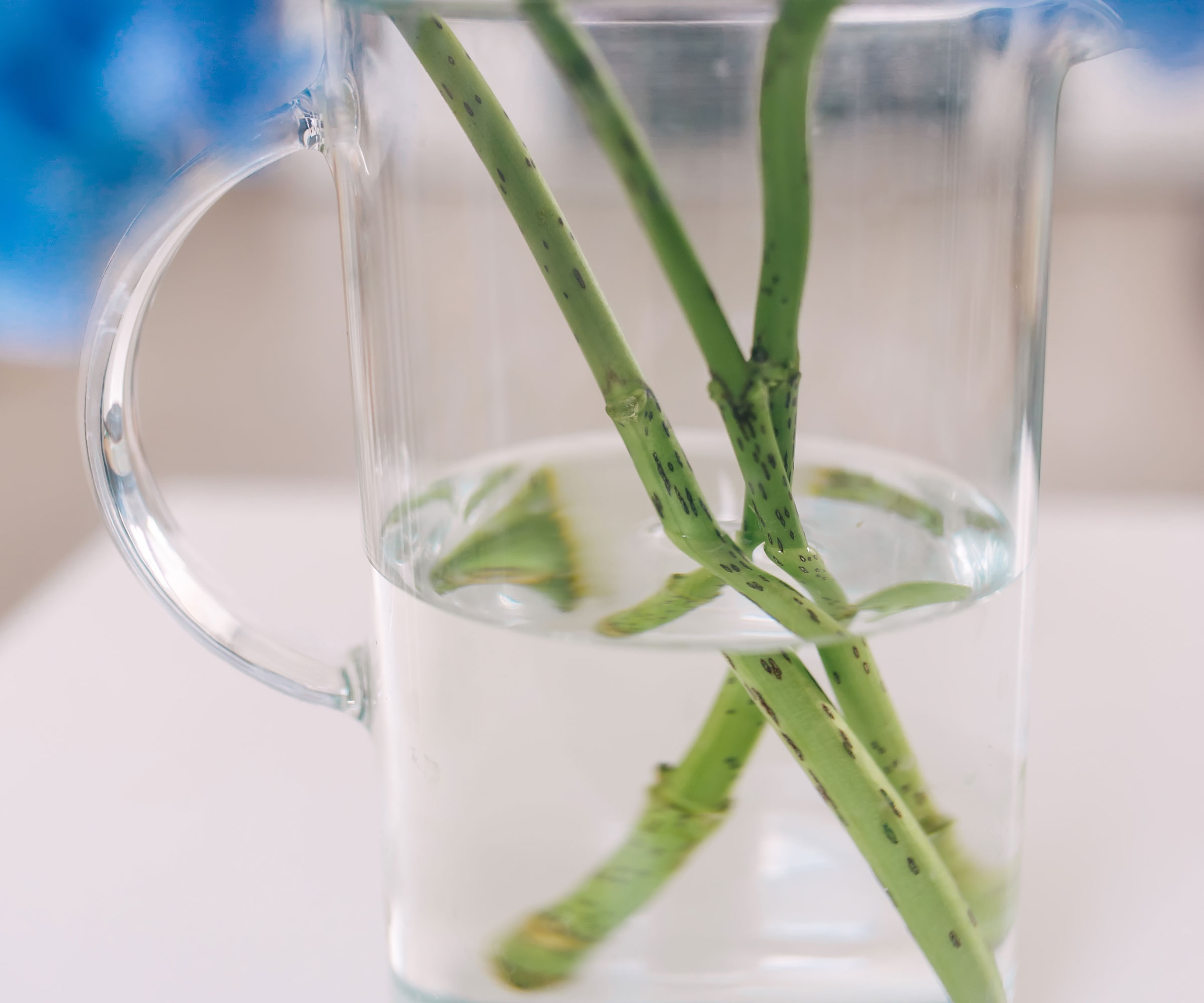
You should start seeing little white root nubs popping out of the submerged nodes in just 10-14 days, with a full root system ready by the fourth week. As soon as those root nubs show up, add a tiny drop of Miracle-Gro Liquid Indoor Plant Food from Home Depot into the water for a little gourmet snack ahead of potting. This particular brand is great for narrow glass tubes, thanks to its muss-free pump dispenser. However, it’s wise to swap the water out every 2-3 days to keep it fresh. Watching these future blooming beauties root is genuinely exciting and lovely to watch.
2. Edible Fig Cuttings in Water
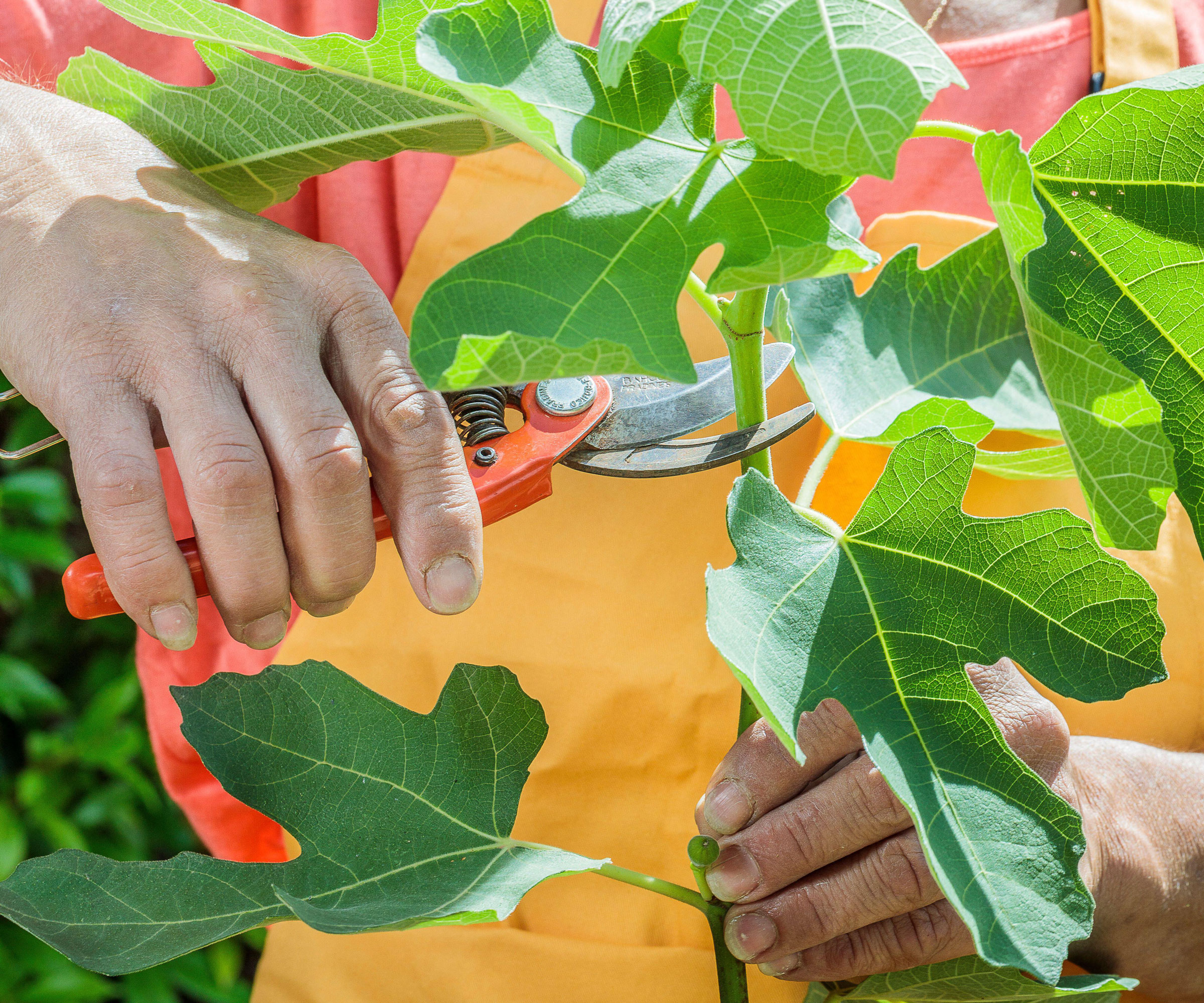
If you’ve ever dreamed of growing your own edible fig tree for free, get ready for an aquatic event that will blow your mind. Propagating edible figs in water is one of late summer’s most rewarding windowsill surprises. Varieties such as ‘Brown Turkey’ or ‘Celeste’ can root in plain water with astonishing ease. Look for pencil-thick, 6-8 inch (15-20cm) stems where the wood is just turning from tender green to woody brown.
Make an angled cut just below a node on a semi-ripe stem (where the color is shifting from green to light brown). Make sure each cutting is pencil thick and has at least 2-3 healthy leaf nodes. Avoid old, rigid hardwood, as well as overly soft green tips that lack the structural integrity to support water propagation. However, don’t dunk the cutting into water just yet, as figs have a sneaky little quirk to deal with.
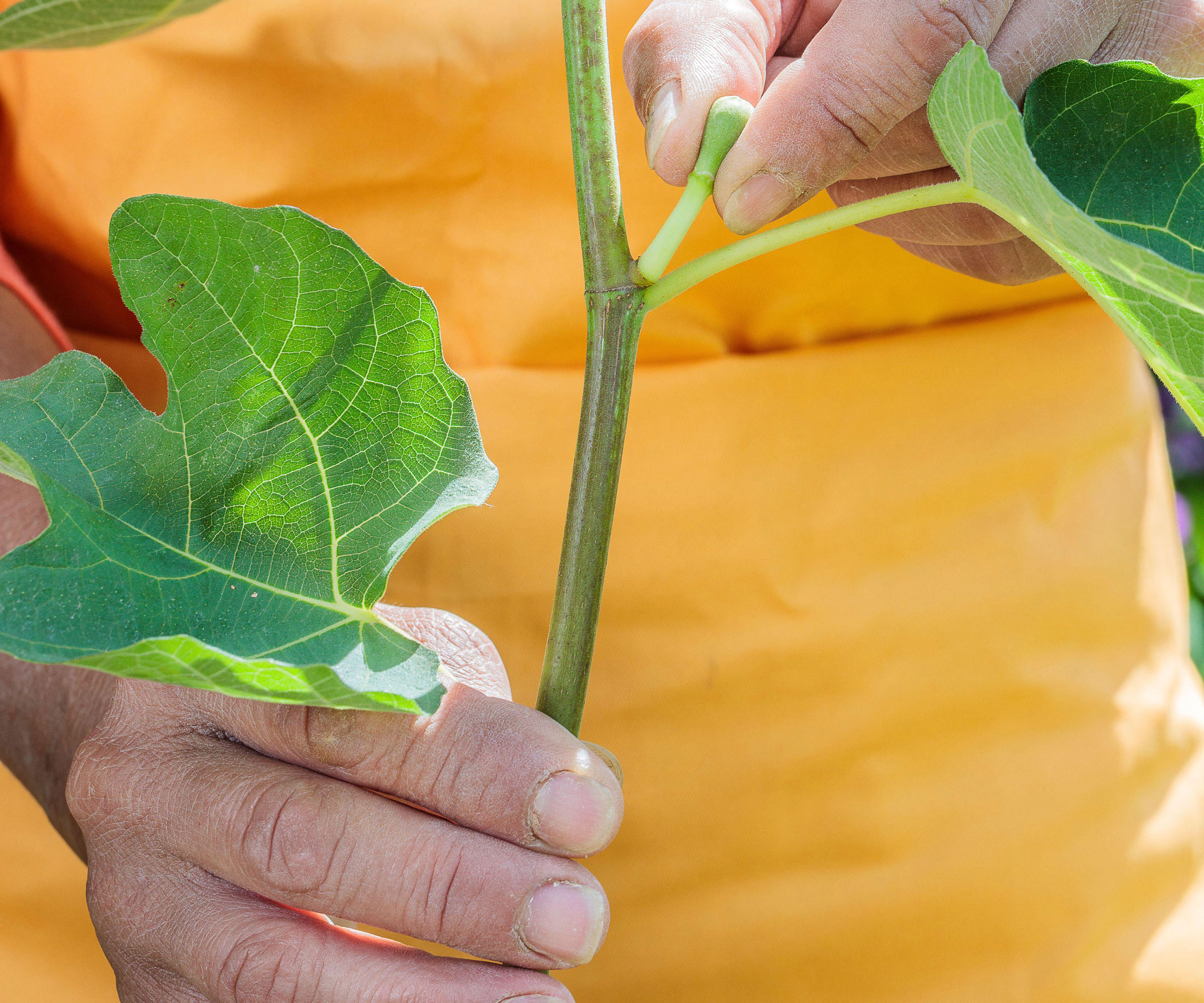
Fresh fig cuts bleed a sticky, milky white latex sap when cut. So if you pop the stem into a jar immediately, that sap will choke off fresh root growth. Instead, let your cut stem rest on a dry paper towel for 15 minutes to let the sap seal over nicely. Once sealed, slide the stem into water, but submerge only the bottom couple of inches (5cm). The stem needs its upper breathing pores exposed so it doesn’t suffocate.
Go for jars that have a little extra height and sturdiness, such as Britegleam Tall Mason Jars from Walmart, which offer excellent support for top-heavy stems. If you can find tinted vessels, that’s also ideal for water-based fig cuttings, helping to protect delicate emerging roots from harsh sunlight.
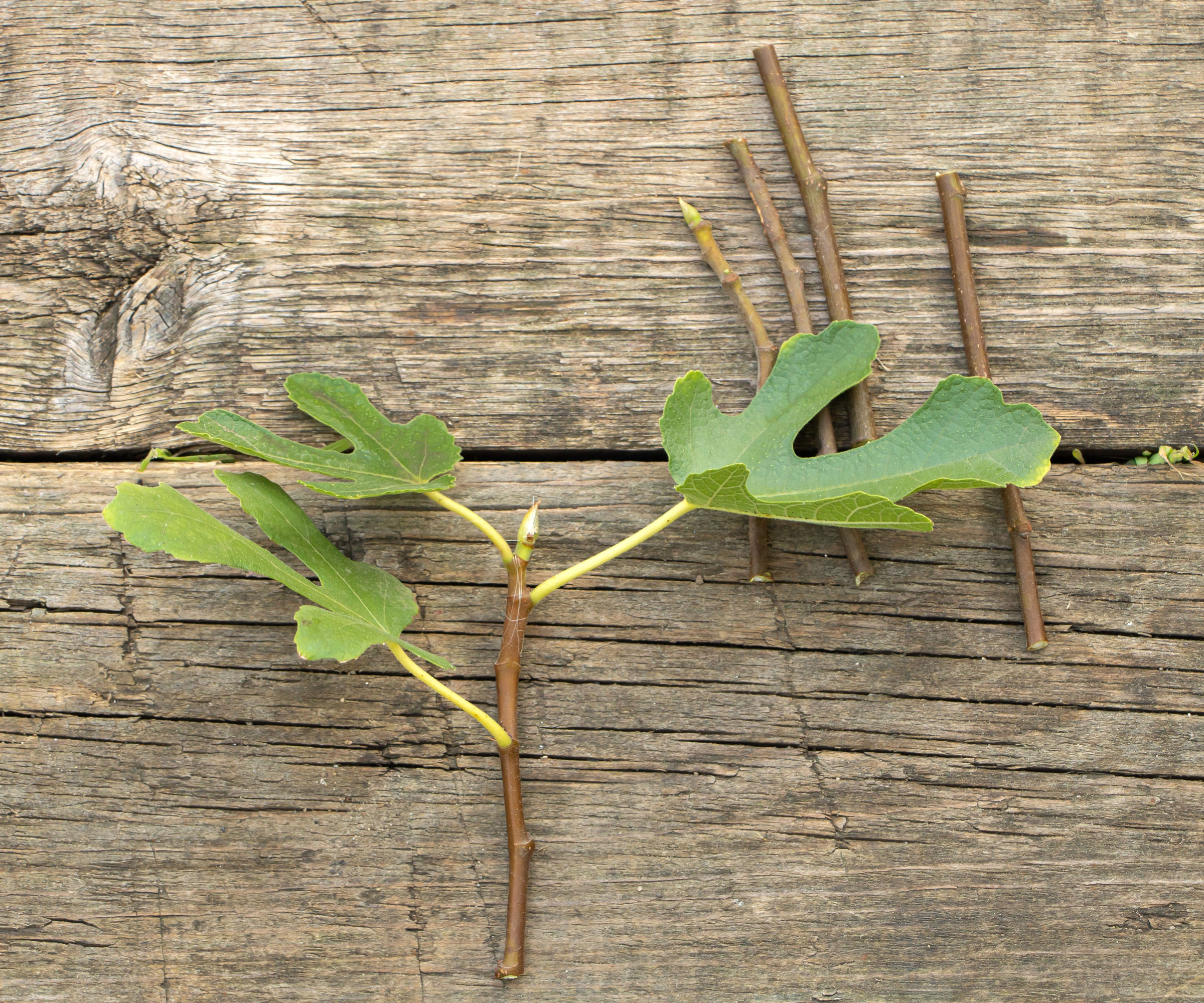
Place the jar on a warm windowsill to accelerate growth. Figs also crave bottom warmth to trigger quicker root formation. You can buy Vivosun Waterproof Heat Mats from Amazon at 20% off for a limited deal. Placed under the glass jars, these provide ambient bottom heat, accelerating root growth. You may well see those bumpy root nubs in just a couple of weeks, with a lush root web ready for soil by the fifth week.
3. Lavender Cuttings in Water (Yes, Really)
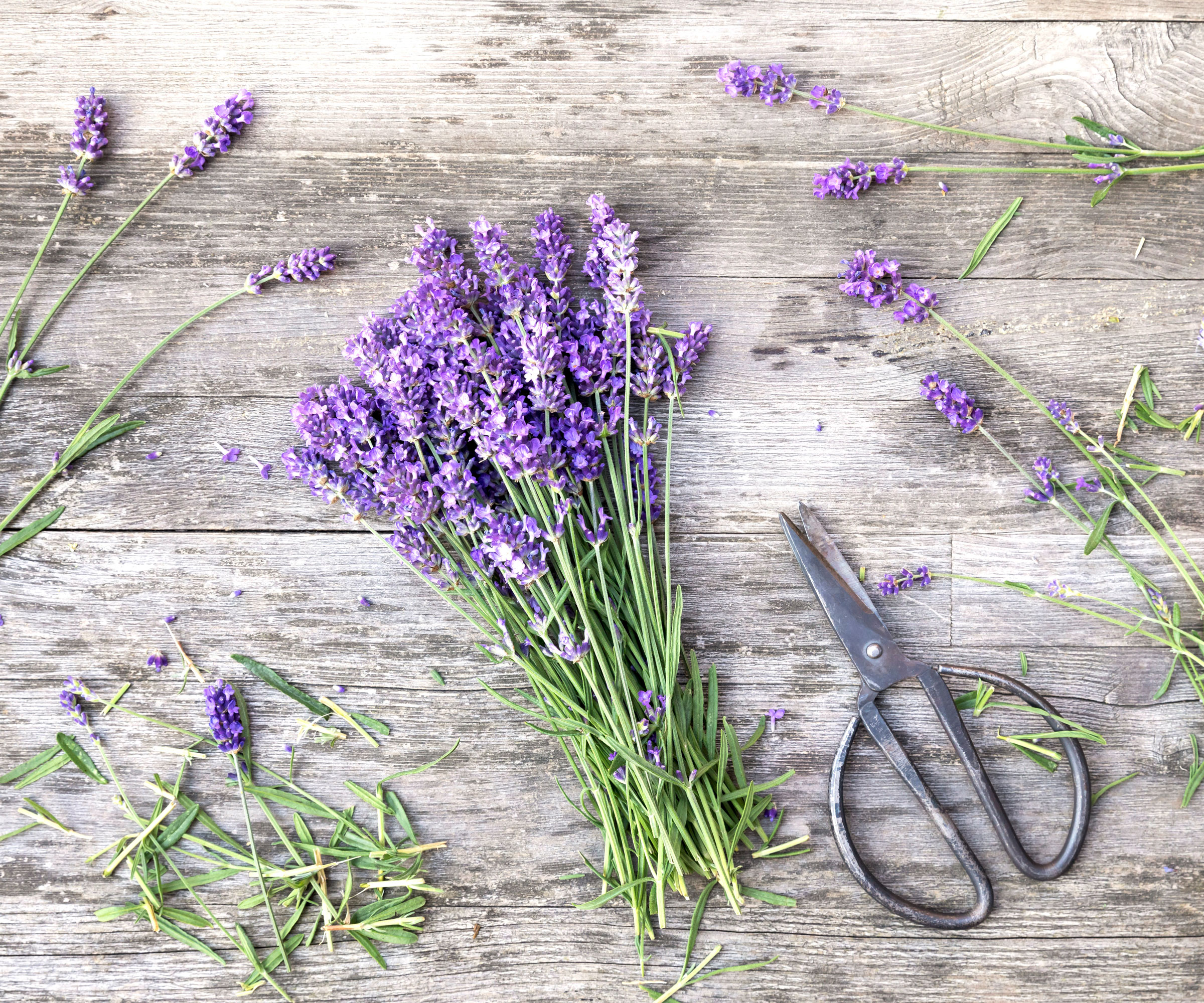
If you want to ruffle a few traditional gardening feathers, try telling someone you’re rooting lavender cuttings in a jar of water. Conventional wisdom says Mediterranean herbs turn to goop in standing water. And yes, I’ve had my share of soggy stumps in my time, I won’t lie. But you live and learn, and there is a way to harness a secret loophole this month. I’m all about dreaming the impossible dream, and with the right stems and a simple kitchen hack, you can grow lavender from little water cuttings.
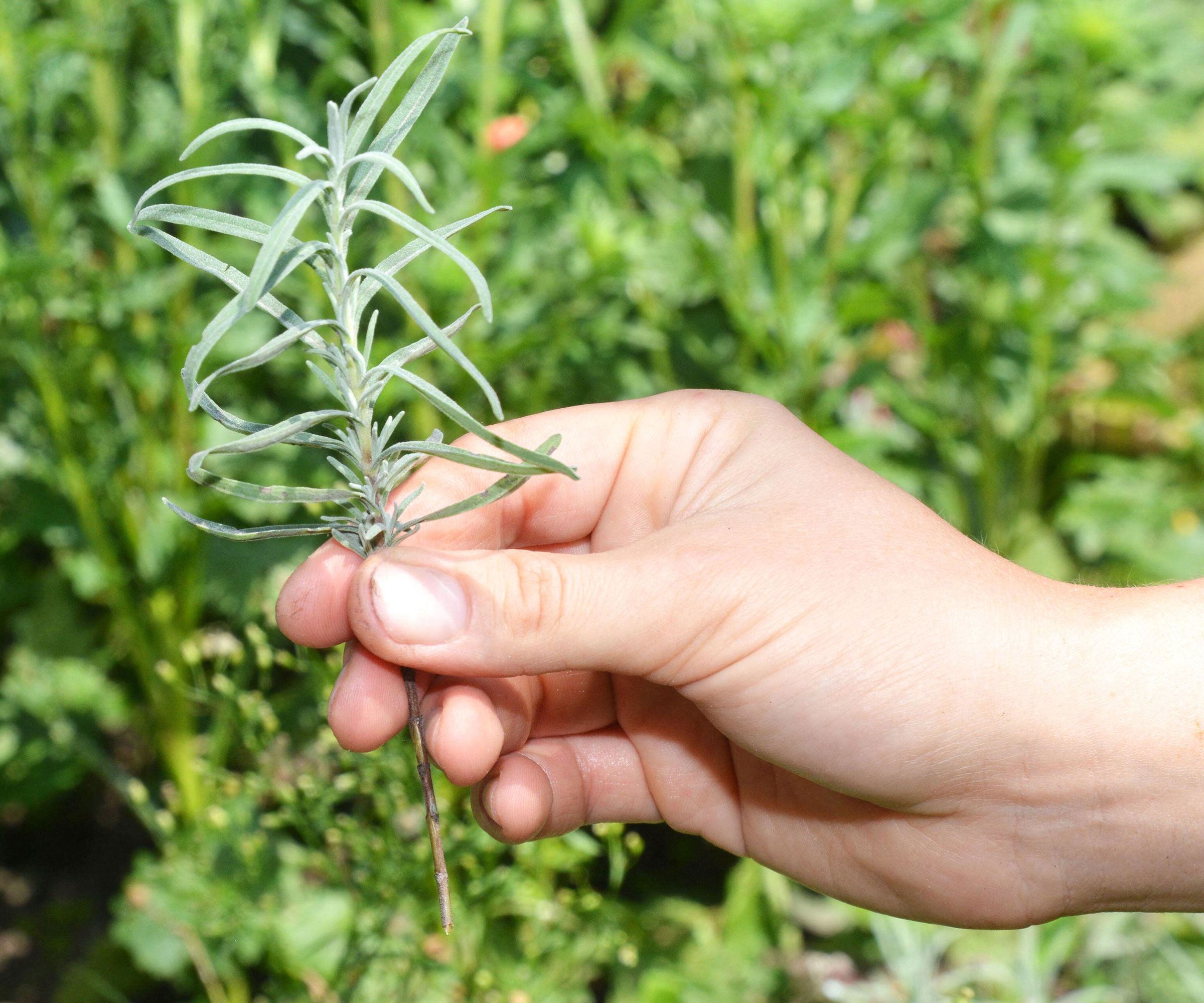
The trick lies in picking the right plant and stem. By choosing semi-ripe stems with a firm, semi-woody base but soft foliage at the top, your cuttings enjoy peak resilience. Hardy English lavender types such as Munstead or Hidcote respond best, whereas tender French or Spanish varieties are more temperamental. Look for non-flowering side shoots 3-4 inches (8-10cm) long. Make sure you strip off the bottom 60% of the leaves. This is a non-negotiable to happy cuttings. A single leaf swimming in water can be a recipe for stem rot, so just leave a tuft at the tip of each lavender cutting.
To suspend these tiny stems without drowning them, here’s a handy freebie hack for you. Grab some foil like Reynolds Wrap Heavy Duty Aluminum Foil from Walmart and secure over the opening of the jar you intend to use (preferably one with a narrow neck). Poke some tiny holes with a pin or needle and slide the bare stems of the cuttings into the jar. Make sure only the bottom inch of each one dips into the water. This holds the stems upright, while keeping every leaf high, dry, and happy.
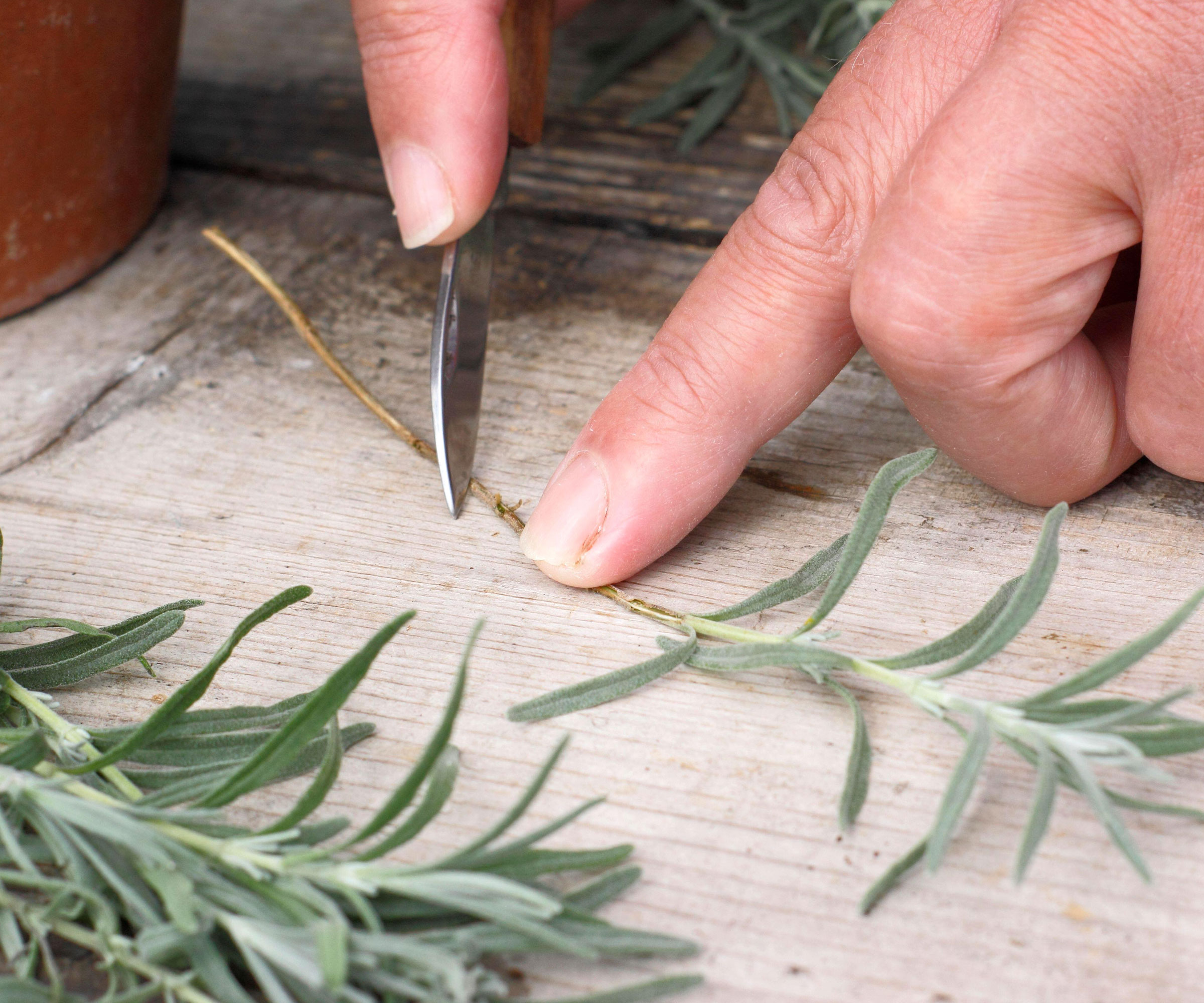
Patience is vital with lavender cuttings: unlike hydrangea and figgy snippings, they like to take their time. While hydrangeas root in a fortnight, lavender requires 4-6 weeks to push out delicate root threads. So don’t panic if you don’t see much happen for the first month. It’s worth the wait. Keep your jar on a bright windowsill, changing the water every 48 hours without fail to maintain good oxygen levels.
Since the days are getting shorter, a good grow light can help. The gooseneck Sansi Clip-On LED Full Spectrum Grow Light from Amazon is a budget way to enhance 12-hour light cycles without overheating stems. Or for something that caters to cuttings on a shelf or multiple heights, and can be adjusted easily, the Barrina T10 Full Spectrum Standing Grow Light from Amazon is currently on discount. With a few extra cuttings for insurance, this type of propagation has a surprising 60% success rate, so hold your nerve for free plants and you really can be living the dream.
When to Pot On and Plant Out
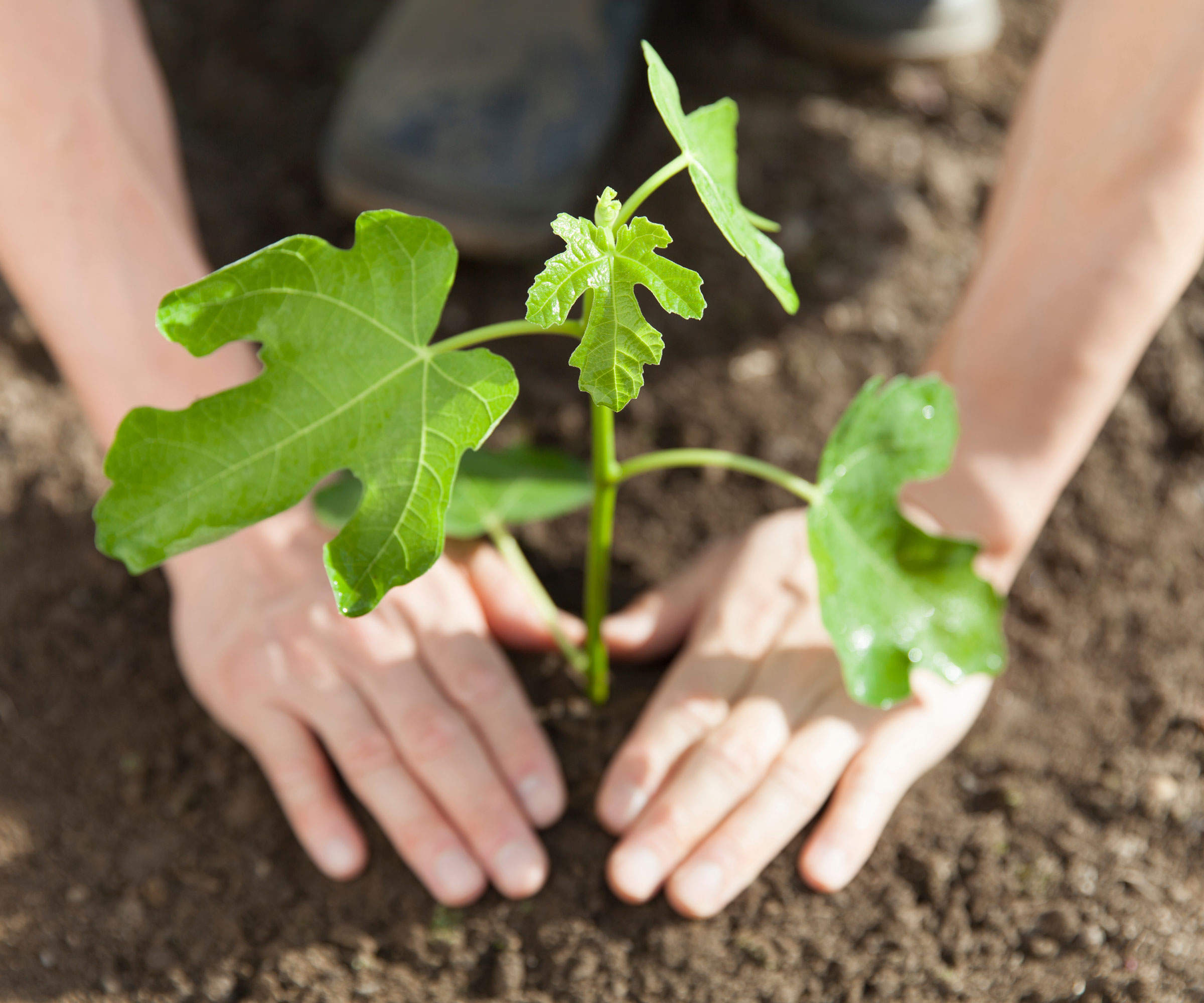
Follow these water-based plant propagation tips, and you’re well on your way to a stack of new garden beauties. But before you celebrate, remember: getting those water-based cuttings to root is just the beginning, and there are still a few more after-care tips to keep in mind. The transition from water jar to potting medium is where many growers accidentally lose their baby plants (and I’ve learned this lesson the hard way myself).
Roots born in water are soft and fragile. These water roots are quite brittle, they lack fine root hairs, and they are adapted to liquid life. To prevent culture shock when moving them to solids, resist the urge to pot up at the first sign of emerging roots. Wait until those roots develop secondary branching threads 1.5-2 inches (4-5cm) long, before you make your move. When you do, treat those water roots like glass. GIve them a gentle, fluffy, ultra-breathable, well-draining soil mix or potting soil, equal parts potting mix and perlite or coarse sand.
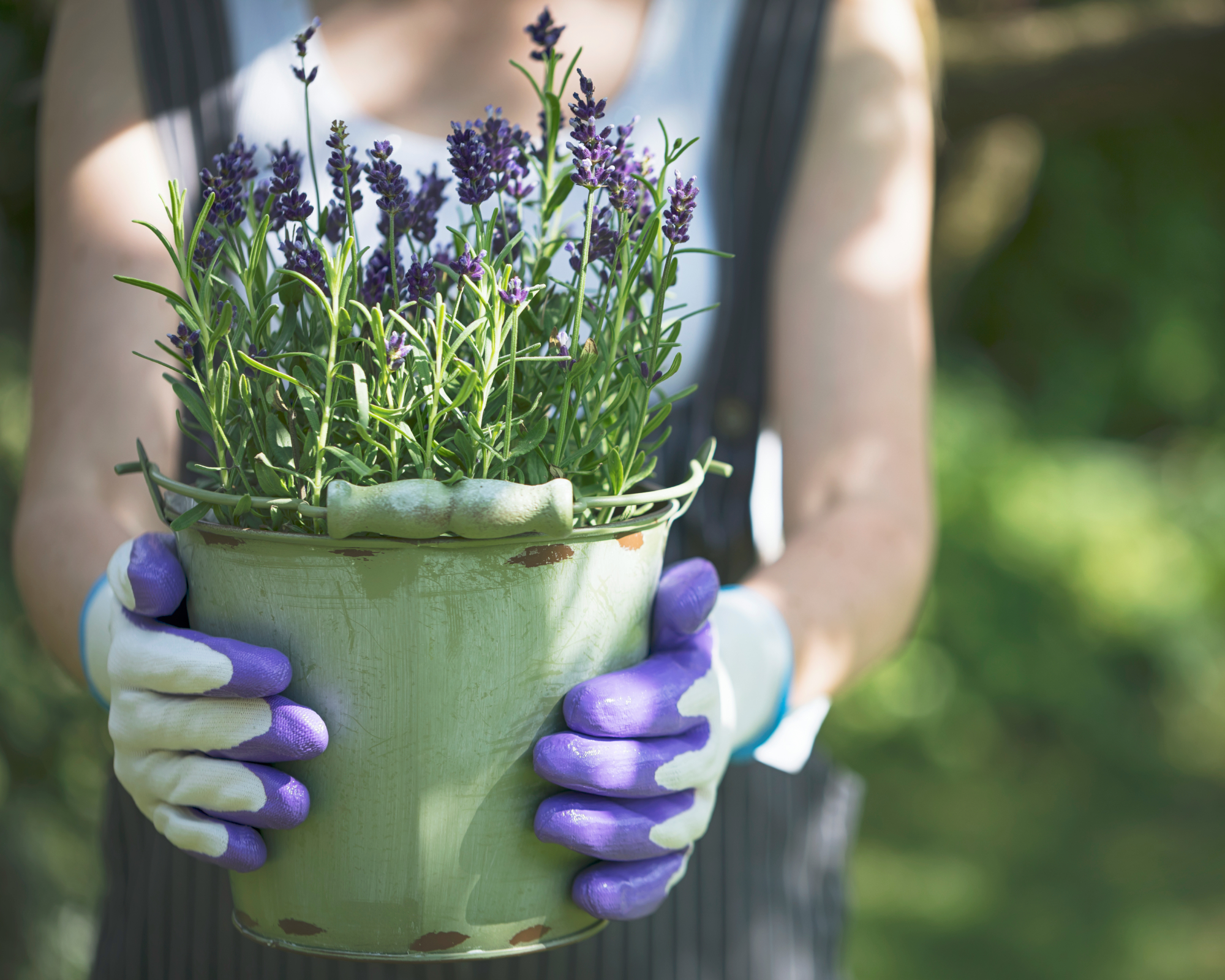
A great-value, lightweight option is Espoma Organic Potting Mix from The Home Depot, which contains earthworm castings and kelp meal to promote steady, balanced nutrient distribution and gently cushion fragile roots during their transition. Add some Plantonix Perlite Bliss Premium from Walmart to ensure sharp drainage for young lavender and fig cuttings as they settle into pots. This airy well-draining combo gives tiny roots room to breathe and spread without getting crushed.
Once potted up, give each plant the specific TLC it craves. Thirsty hydrangeas need soil consistently moist for the first 10 days while they settle in. Tuck your potted baby figgies into 4-inch (10cm) pots and keep on a bright, sunny, frost-free indoor windowsill to protect them through winter. For container-based lavender, keep the potting soil lean and super-gritty, go easy on the watering, and keep pots indoors until spring. Nurture them through the next few months, and your new free backyard favorites will be ready to go outside come spring.
Shop Propagation Essentials
Water cuttings require remarkably little key equipment. If you can’t find anything else, there’s no shame in using a few jam jars to house your watery recruits. That said, some pretty vessels can make your propagation project a thing of beauty, and a few little extras help to make your new plants stronger and happier. To increase your chances of thriving new plants rather than rotting stems, make a little room for these helpful extras. From crystal-clear vessels to supplemental lighting, these top-rated essentials will help give your fall propagation project the best start.
Water Cutting Trio
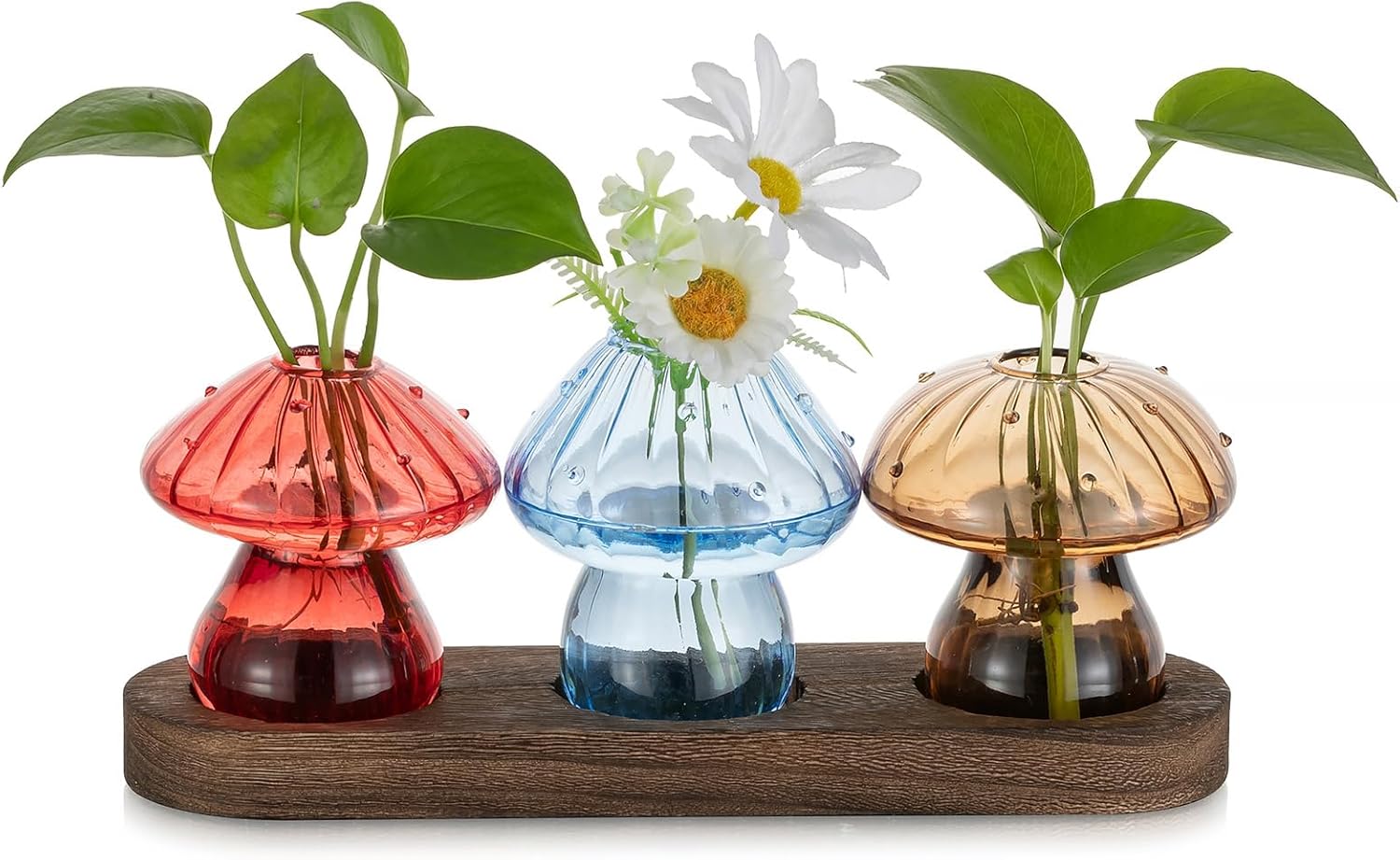 Pretty Container
Turn your hydrangea propagation project into a colorful living work of art. These charming glass mushrooms enable you to monitor the rooting process, whilst adding a whimsical flourish to your living space. These vessels come in mixed heights, with the taller mushrooms working perfectly to showcase your eager hydrangeas.
 Vertical Grow Light
With a convenient timer and adjustable height, this grow light caters for a range of displays, as well as the specific needs of newly started cuttings. It’s easy to install and move, offering flexibility around the home. The extra light boost is ideal for lavender cuttings in fall.
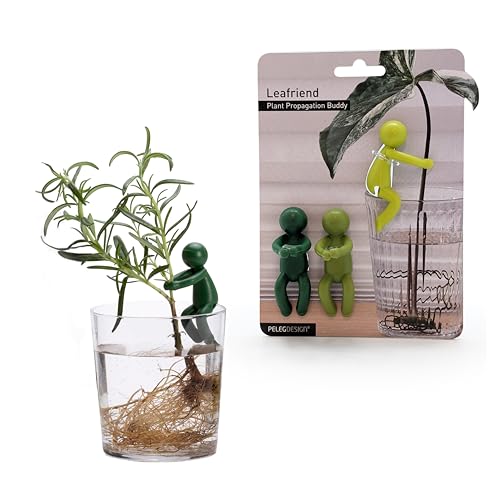 Friendly Support
Just like all good friends, these sweet budget-friendly plant pals give much-needed support when things are a bit floppy. They are a lovely (and affordable) way to keep water-based cuttings growing in the right direction. Great support for figgy friends.
Propagating your favorite backyard plants in water is definitely worth a shot this fall. While not every stem will make it across the finish line, the wins far outweigh the losses. Grab your snips, fill a few glass jars, and turn a sunny windowsill into a winter nursery. By next spring, you’ll be planting out a fortune in future bloomers and fruity heroes. From fast-rooting hydrangeas to surprising edible figs and a lucky lavender you might never have thought possible, this classic trio is well worth taking a dip for.
Need more ideas for getting the most from your plants, indoors and out, and looking for the best seasonal expert advice delivered straight to your inbox? Sign up for the free Gardening Know How Newsletter!