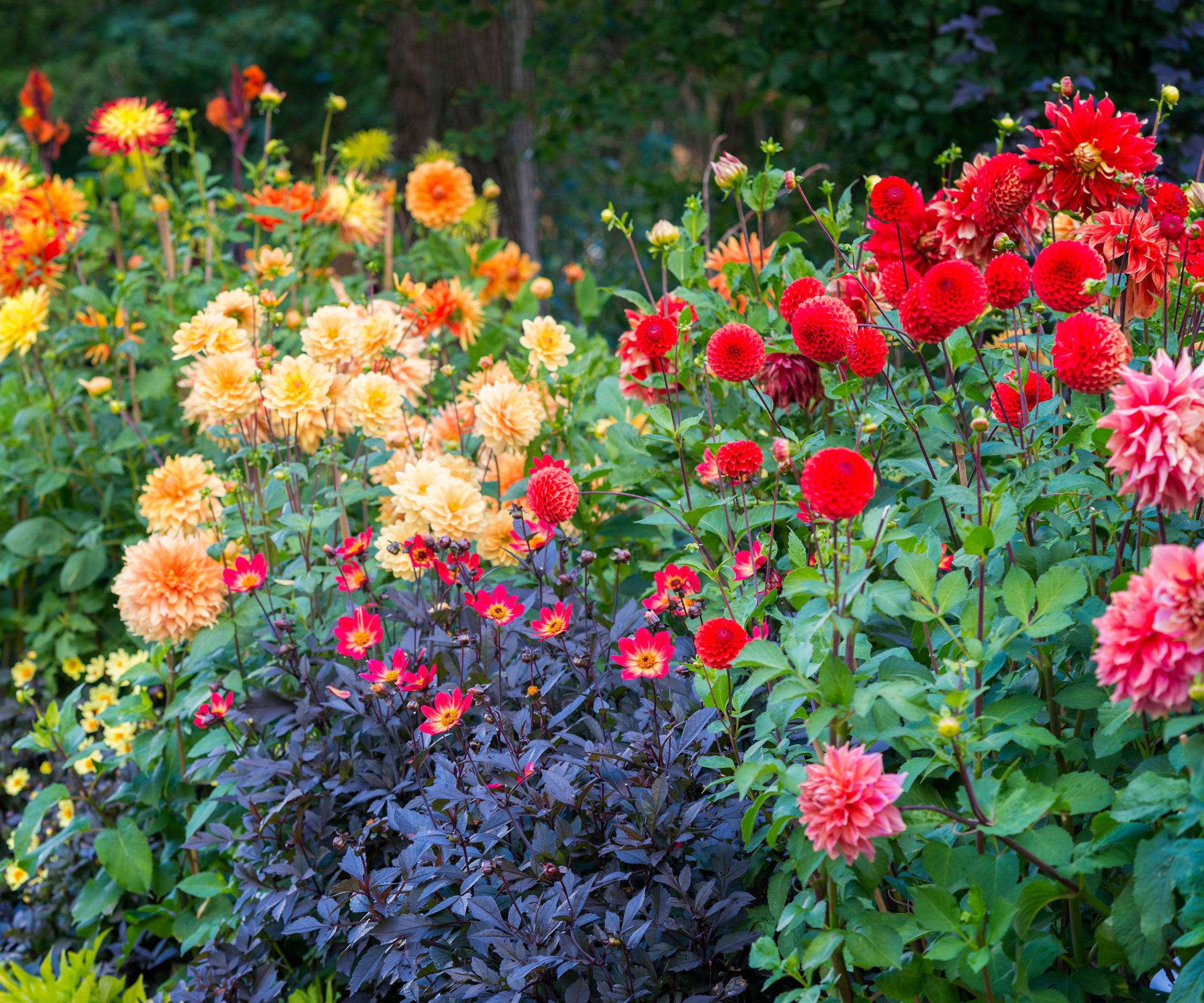
Dahlias are well known for putting on a spectacular show. By August, many varieties are bursting into vibrant parades of unabashed beauty. But even though they are late-season bloomers, and can theoretically delight well into fall, continued flowering is by no means a sure thing as fall approaches. Heat stress, mildew, and pests can all have an impact, not to mention just keeping those blooms standing upright.
Depending on when yours started blooming (not to mention your local climate), even the most prolific dahlia varieties might be starting to fade or flop by the tail end of summer. They’ve been hard at work putting out new growth, buds, and flowers, after all. While expending all that energy, the various perils of the season can take their toll. So while this is their prime time, it doesn’t mean you can take a step back.
The good news is that it’s really easy to stay on top of things, so your dahlias keep dazzling for as long as possible. Whether you grow sprawling varieties, pompons, or compact patio cultivars, devoting 20 minutes this week to a few thoughtful tweaks will encourage more buds and hence more beautiful dinnerplate blooms. Here’s how to keep your darlings healthy, upright, and flush with color right up to first frost.
Quick Dahlia Tasks in August
Before jumping into these easy wins, take a few minutes to check your soil moisture and environmental conditions. Dahlias originate from Mexico and Central America, where they thrive in warm days, cool nights, and free-draining soil. In temperate areas (USDA hardiness zones 3-8), or warm southern zones ( 9-11), their shallow root systems are vulnerable. Container-grown dahlias face even harsher conditions, as pot soil can reach scorching temperatures that can stop root absorption.
Dahlias need consistent moisture to continue blooming. Light, daily sprinkles will dry out quickly and don’t allow water to penetrate deeply enough to reach all the roots. Focus on watering less often (2-3 times per week) but more deeply. Water at the base to keep leaves dry and to discourage fungal infections. To get a really good sense of conditions at root level, test the moisture at a 4-inch (10cm) depth, using a simple probe like the highly rated XLUX Soil Moisture Meter, available from Amazon.
Before hitting this checklist, it’s also a good idea to check and refresh the mulch around your dahlias. Where it looks dry, replace it with a 2-inch (5cm) blanket of shredded bark, such as Vigoro Premium Brown Wood Shredded Mulch, available at The Home Depot. Mulching can reduce soil moisture loss by up to 40%, giving your plants a more stable basis for the following jobs. Make a little time for these tasks now, and you’ll add loads of extra time to your dahlia’s blooming life and intensity.
1. Deadhead Flowers and Trim Back Stems
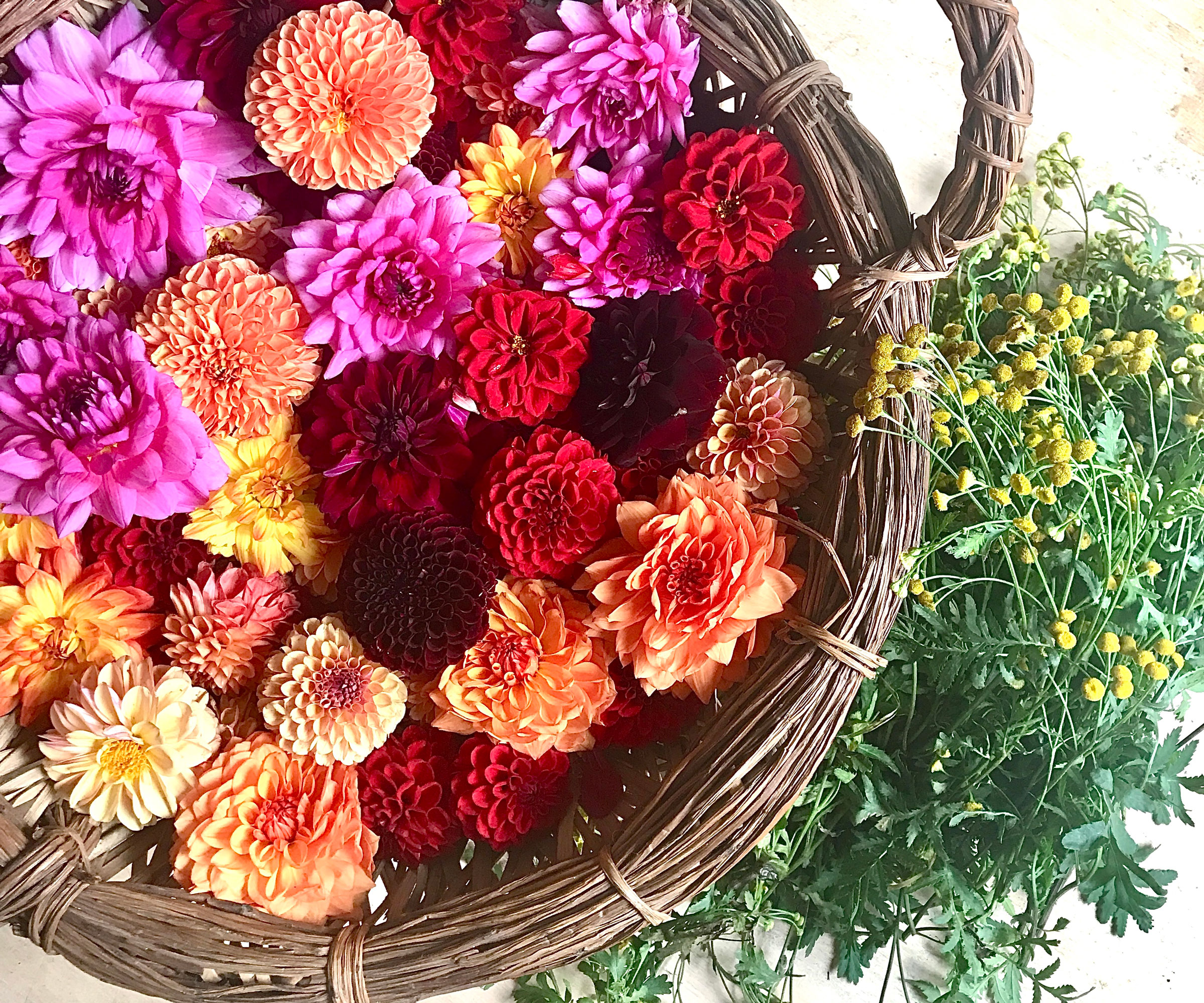
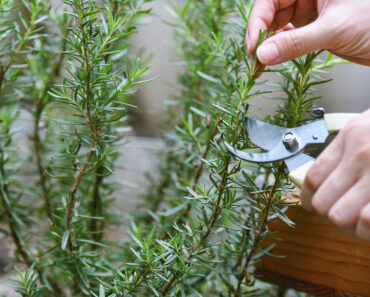
Deadheading is a simple trick to keeping your dahlia blooms burgeoning into fall. Leaving spent flowers on their stems means plants start putting energy into making seeds – and essentially stop flowering. So aim to remove faded flowers right away, and make this task a twice-weekly feature. Rather than snipping just below the flower, cut just above the next set of healthy leaves. This encourages branching, resulting in bushier growth with more opportunities for flowers to develop and bloom.
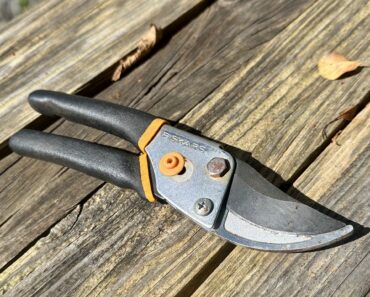
To make clean cuts through thick, fibrous dahlia stems without crushing delicate vascular tissue, use razor-sharp snips like Fiskars Micro-Tip Pruning Shears from Walmart for precision trimming that won’t tear at tissue. Collect spent blooms and leggy trimmings cleanly as you move down the border. You’ll be amazed how quickly these faded heads can accumulate, so go for something sturdy, like the KingWillow Wicker Basket from Amazon which is both practical and elegantly rustic. Expect to see fresh side shoots pushing new buds within 7-10 days of pruning.
If you get confused between new buds and spent heads, here’s a quick check. The round, marble-like buds are the fresh flowers, while the pointed, squishy cones are the spent blooms that have already shed their petals. Distinguishing between the two is vital when working through heavy-flowering cactus and semi-cactus varieties. Get this right, and your future showstoppers are well on their way.
2. Switch to a Bloom-Boosting Fertilizer
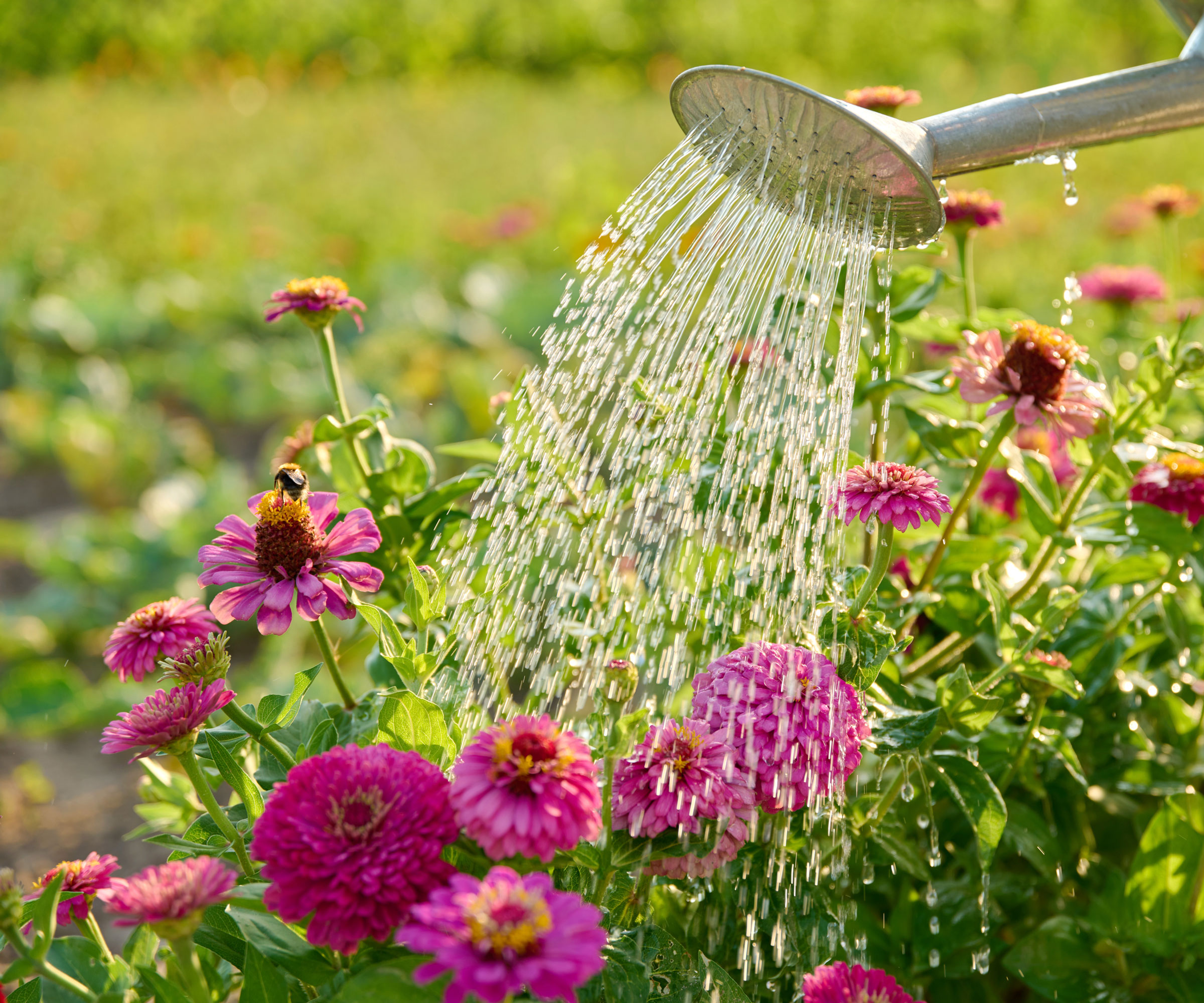
Dahlias are heavy feeders and benefit from regular feeding through the growing season. While you may have used a balanced fertilizer earlier in summer, now is the time to focus on the flowers, which means more potassium and less nitrogen. Nitrogen encourages foliage growth, while potassium is necessary for flower bud formation. Too much nitrogen produces weak, hollow stems that are incapable of supporting massive flower heads like those of Labyrinth or Emory Paul.
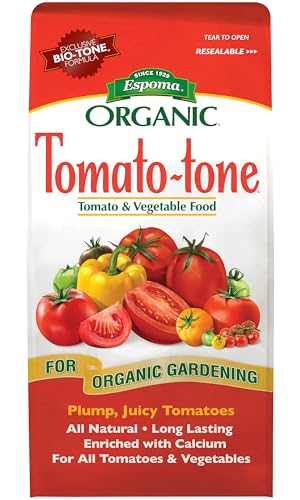
This month, you need a general flower-boosting product or any fertilizer that emphasizes potassium and phosphorus. This will help you to drive those extra blooms and intensify petal pigmentation, and it will also strengthen the plant’s tuber reserves for winter storage. Look for a 5-10-10 or 3-4-6 ratio, such as with Espoma’s Tomato-tone, available from Amazon. However, resist the urge to overfeed. Adding more potassium won’t magically create more flowers. The goal is to create balanced nutrition that supports a healthy plant while encouraging ongoing blooming.
To help with root structure and essential trace minerals, supplement every fortnight with an ocean-derived tonic like kelp or seaweed. For a budget booster, try Bloom City’s Organic Liquid Seaweed and Kelp Fertilizer from Walmart to nurture that generous bloom party. Remember to always water the root zone before applying liquid or granular fertilizers to prevent nutrient root burn.
3. Support Long Stems
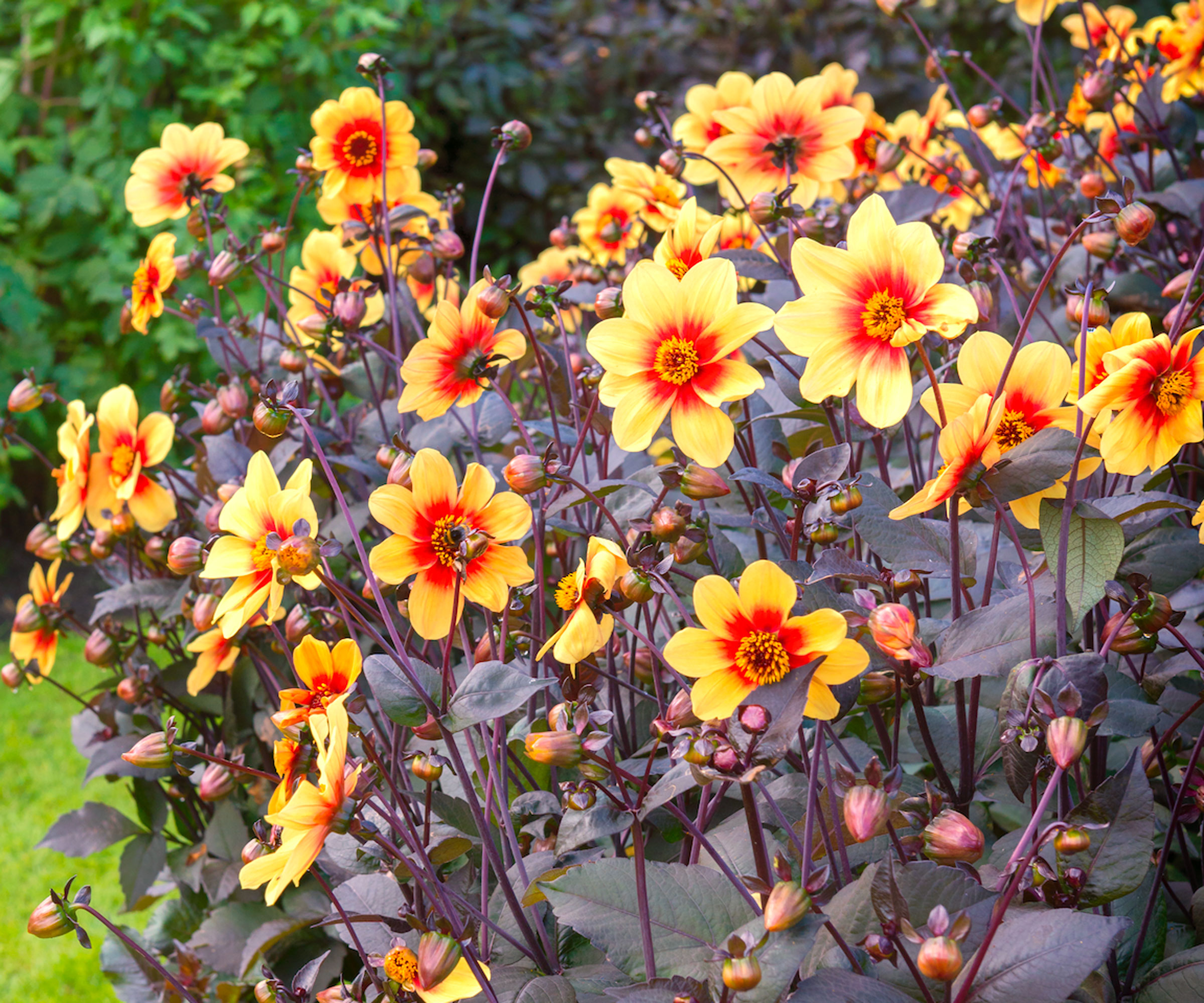
Depending on your dahlia variety, your gorgeous blooms may be accompanied with very tall stems. However, heavy flowers can cause even strong stems to sag or flop. A single dinnerplate dahlia bloom can retain several ounces of rainwater, instantly doubling its weight and snapping unsupported main stalks with upsetting finality. So you need to check the strength of any supports you have in place, especially for massive decorative and dinnerplate varieties reaching 4-5 feet (1.2-1.5m) in height.
Add additional stakes at this point if necessary. Bamboo stakes are a great, natural choice for holding up dahlia stems and flowers. You can get affordable batches of bamboo online. Try Backyard X-Scapes 4ft Natural Bamboo from Walmart which arrive in packs of 25. These have natural yield but hold up well against late summer winds. Drive supports into the ground at a slight outward angle, inserting them 12 inches (30cm) deep and at least 2-3 inches (5-8cm) from the main tuber crown.
Use flexible, soft ties to secure stems to them. Stretch tape works well, or you can use twine like Nutscene Heritage Green Jute Garden Twine from Amazon for gentle support. Use a figure-eight pattern to avoid stem chafing against the stakes in windy conditions. Don’t wrap ties tightly around soft green stems: always allow a little slack for stem expansion as the plant continues to grow. Properly secured plants will weather heavy summer downpours without losing a single bloom head.
4. Strip Lower Leaves to Support Airflow
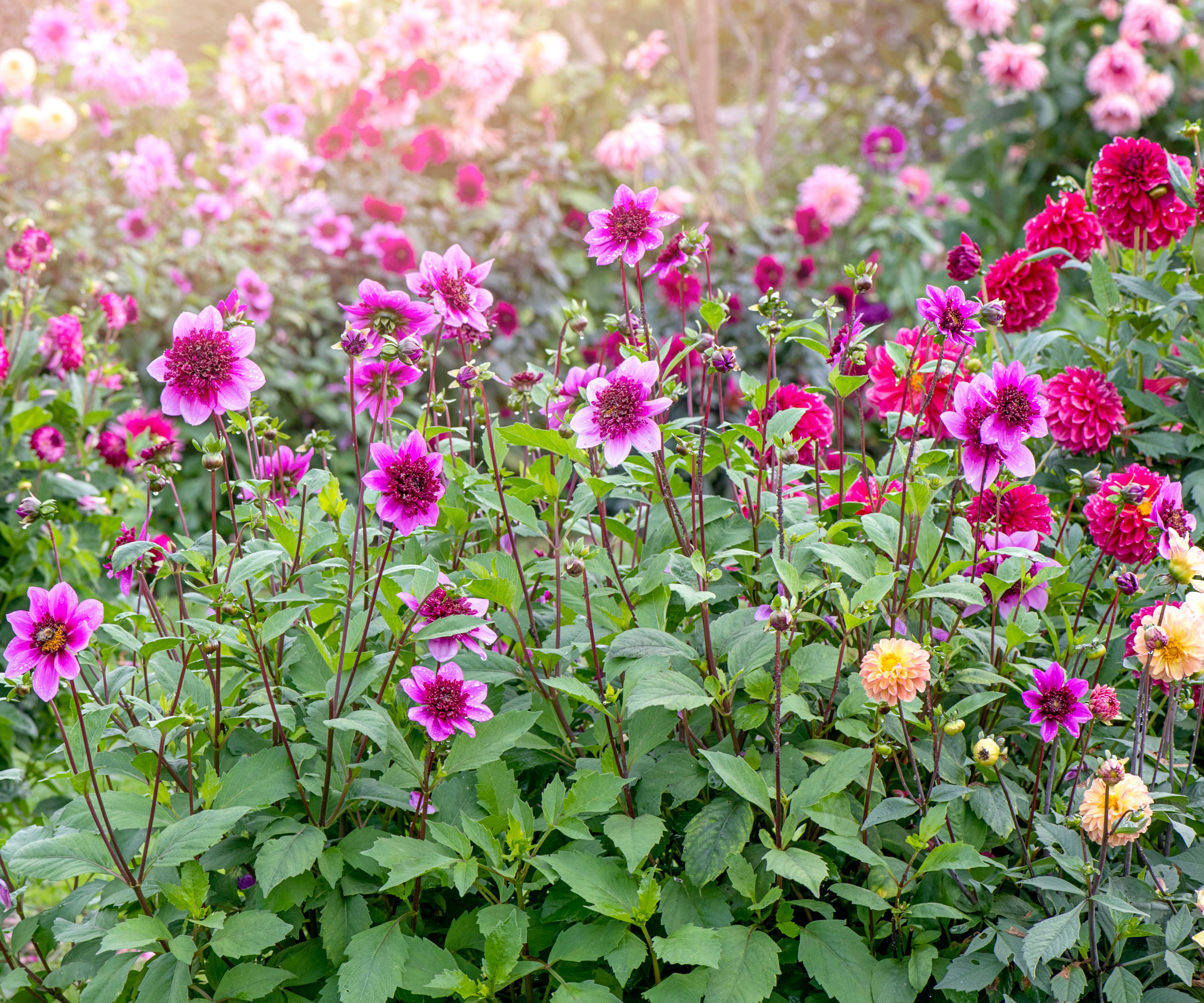
Dahlias are prone to certain fungal infections, especially powdery mildew, which thrive in moist conditions with poor airflow. The lower foliage can become dense and even touch the ground, where it can pick up spores. Stripping this bottom foliage, often referred to as bottom-pruning or skirting, opens up the airway, allowing morning breezes to dry out soil and eliminate the conditions fungal spores need to germinate.
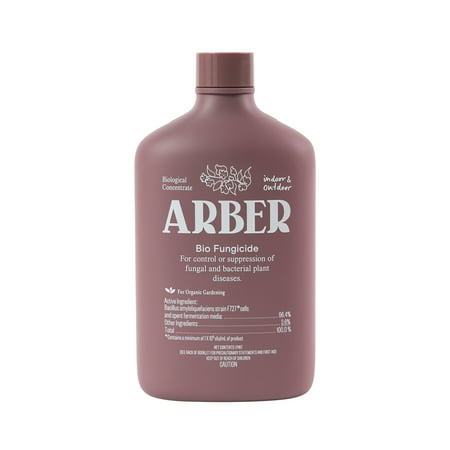
Target yellow leaves, damaged leaves, and those close to the ground. This simple task prevents vulnerable leaves from getting and staying damp. As an extra preventative measure (or if you aren’t sure which leaves to take), you can also get Arber Organic Bio-Fungicide from Walmart to keep botrytis at bay. Remember to use these treatments early in the morning or at dusk so you don’t scorch the leaves.
If you see any visibly infected foliage, remove it and dispose of it. Do not put it in a compost pile. Where you suspect an infection may have affected a part of the plant, spray the foliage with a gentle sulfur alternative, such as Captain Jack’s Copper Fungicide Concentrate, available from Lowe’s. You can also prevent fungal diseases by watering carefully at the base of each plant, avoiding getting the leaves wet, and watering in the morning so leaves have a chance to dry through the day.
5. Watch for Pests
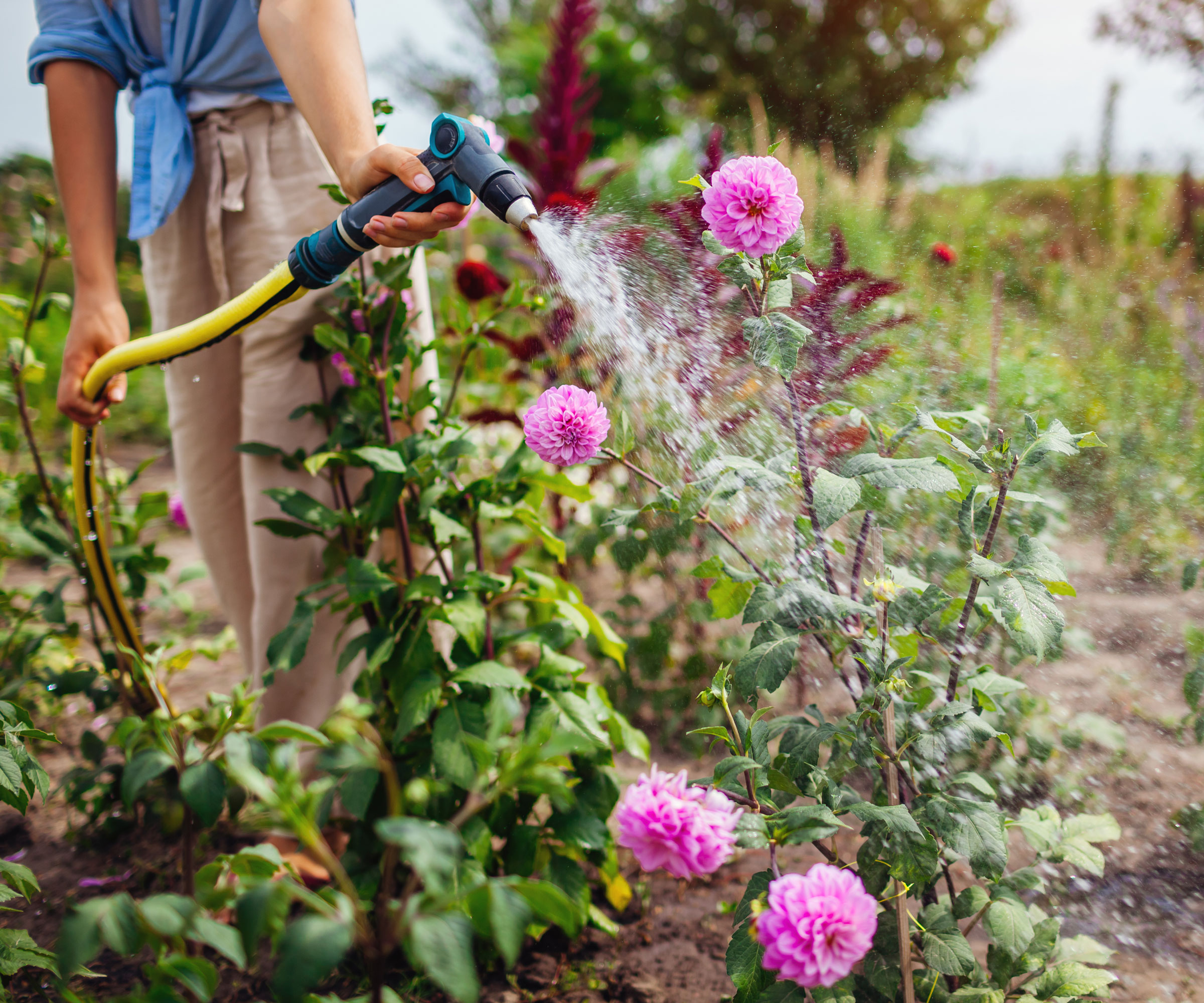
Check your dahlia plants regularly for signs of pests, so you can manage them before they turn into a major problem. August heat accelerates pest life cycles, allowing thrips, spider mites, and nocturnal earwigs to multiply rapidly. Thrips cause discolored or distorted flowers, like stippling, deformed buds, and silvery patches on leaves. Spider mites leave delicate webbing, while earwigs cause ragged bites in leaves and petals. Earwigs are particularly destructive to dahlias, because they hide inside developing bloom buds during the day and feast on petals by night.
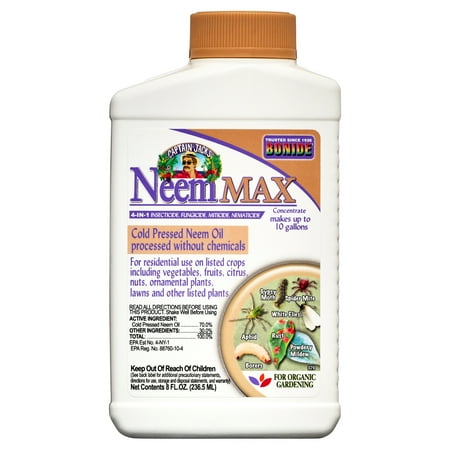
Inspect petal crevices and leaf undersides. You can blast mites and thrips away with a strong spray of water. Honestly, this is a satisfying job, especially when you know you are keeping your dahlias in good fettle for a few more weeks of color. You can also manage pests organically with a neem application like Captain Jack’s Neem Max Concentrate from Walmart. Dilute and spray the leaves of your plants, then wipe. Use a pressurized pump sprayer like the Chapin 1-Gallon Lawn and Garden Sprayer from The Home Depot for an efficient mist application across dense dahlia borders.
Shop Dahlia Care Essentials
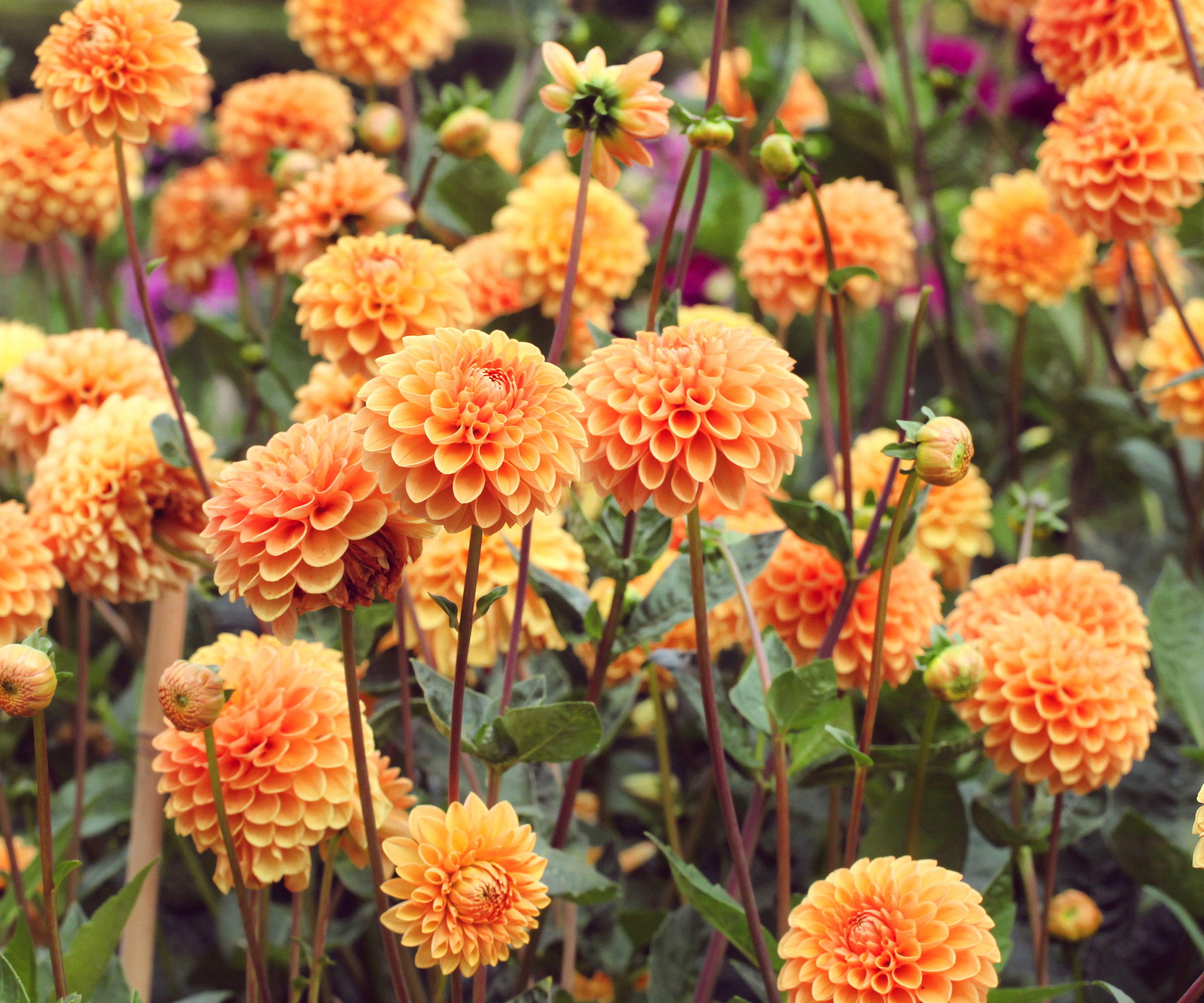
Keeping your dahlias standing tall, healthy, and covered in massive blooms through fall doesn’t require a shed full of chemicals. A few treatments and protective supports is all it takes to ensure a spectacular show right up until the first frost. Here’s my trio of go-to treats for gorgeous dahlia blooms:
 Organic Control
Humid weather creates ideal conditions for powdery mildew and leaf spot. This OMRI-listed biological spray uses beneficial soil microbes to protect dahlia foliage from fungal diseases, keeping leaves clean, green, and photosynthesizing efficiently.
 Flower Fuel
Late-summer dahlias need potassium rather than nitrogen to fuel continuous flower production. This organic liquid fertilizer delivers high-potash nutrition that sparks continuous new buds and intensifies petal color.
 Foliage Defense
Warm summer weather brings out thrips, spider mites, and aphids in earnest. This 3-in-1 spray helps you to keep one step ahead of buggy despair, protecting delicate dahlia petals and keeping foliage healthy all the way through the blooming season.
Need more ideas for timely gardening jobs and seasonal expert advice delivered straight to your inbox? Sign up for the free Gardening Know How Newsletter!