Azaleas are flowering landscape plants that dress up spring gardens with their vibrant colors. Their branches fill every spring with abundant blossoms in shades that range from white to crimson, yellow, red, orange and violet. You can select between evergreen or deciduous varieties and among hundreds of cultivars.
Growing azaleas is generally easy as long as they are correctly sited and their basic needs are met. These garden staples need a site with a few hours of morning sun and afternoon shade. They also need moist, well-draining, acidic soil, and adequate, but not excessive, irrigation.
Come midsummer, you’ll want to tackle a short list of maintenance tasks to keep these lovely, hardworking shrubs happy and healthy.
Five Tasks for Azaleas Before June Ends
Most azaleas are spring bloomers, lighting up the landscape between February and May with their gorgeous five-petaled flowers. This flower-show comes to an end in June and it’s time to prepare them for the summer. Here’s how to help your azalea shrubs as spring melts into summer.
1. Water Deeply
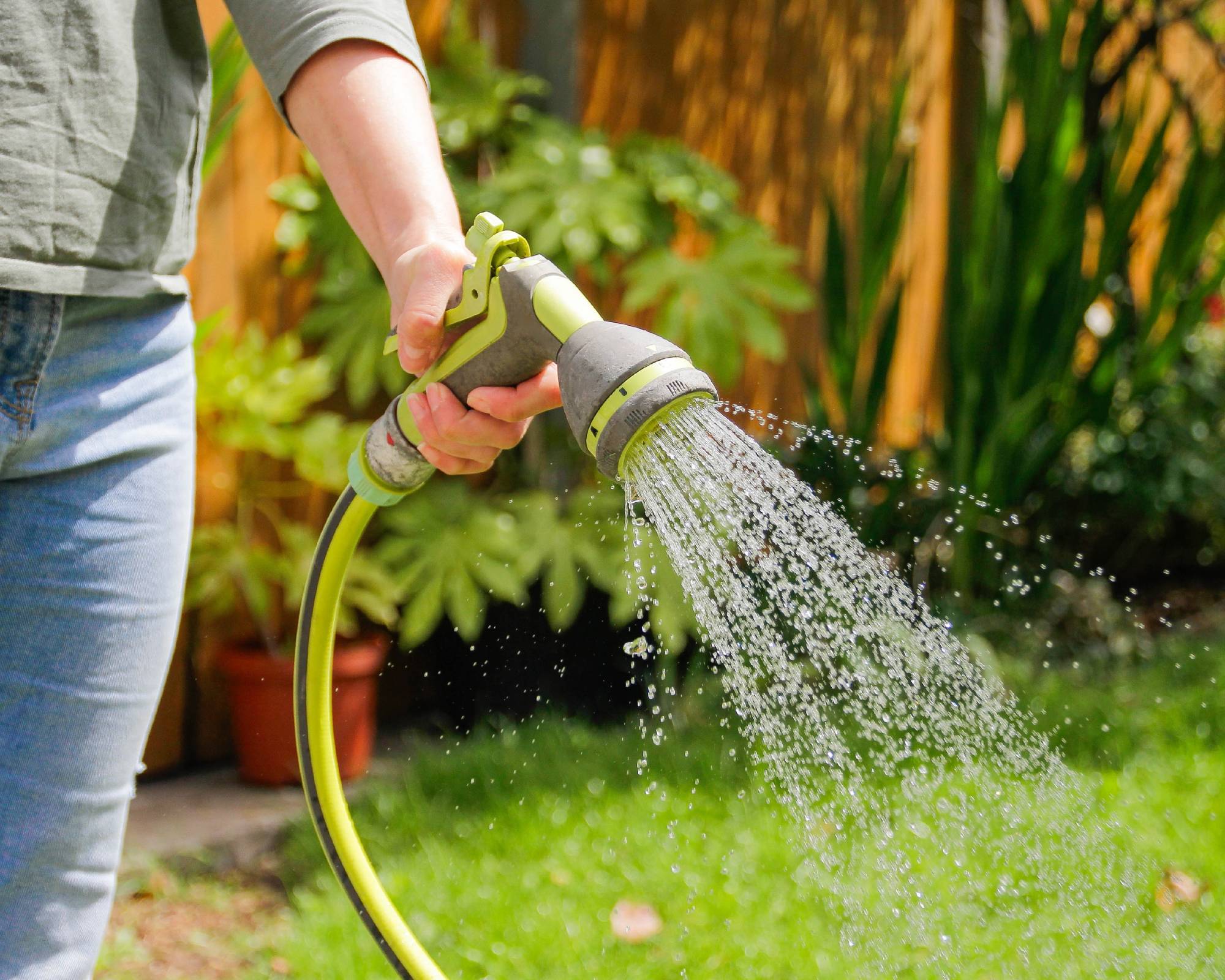
Azaleas don’t put a lot of effort into digging their roots deep into the soil. Their fibrous root system stays relatively close to the soil surface, which means that you’ll want to establish a regular watering schedule for the entire growing season.
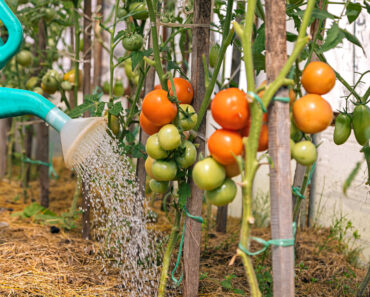
Generally, azaleas need about 1 inch (3 cm) of water every 7 to 10 days. If your spring and summer is very rainy, you may not have to water at all, but this is rarely the case. In June, the weather is warming as summer rolls in. You will want to water long and slow at least once a week. While the idea is to water as deeply and infrequently as possible, you want to soak the roots and keep the soil moist. A simple programmable hose timer from Amazon paired with a soaker hose can help keep things hydrated through the summer.
2. Add a Layer of Mulch
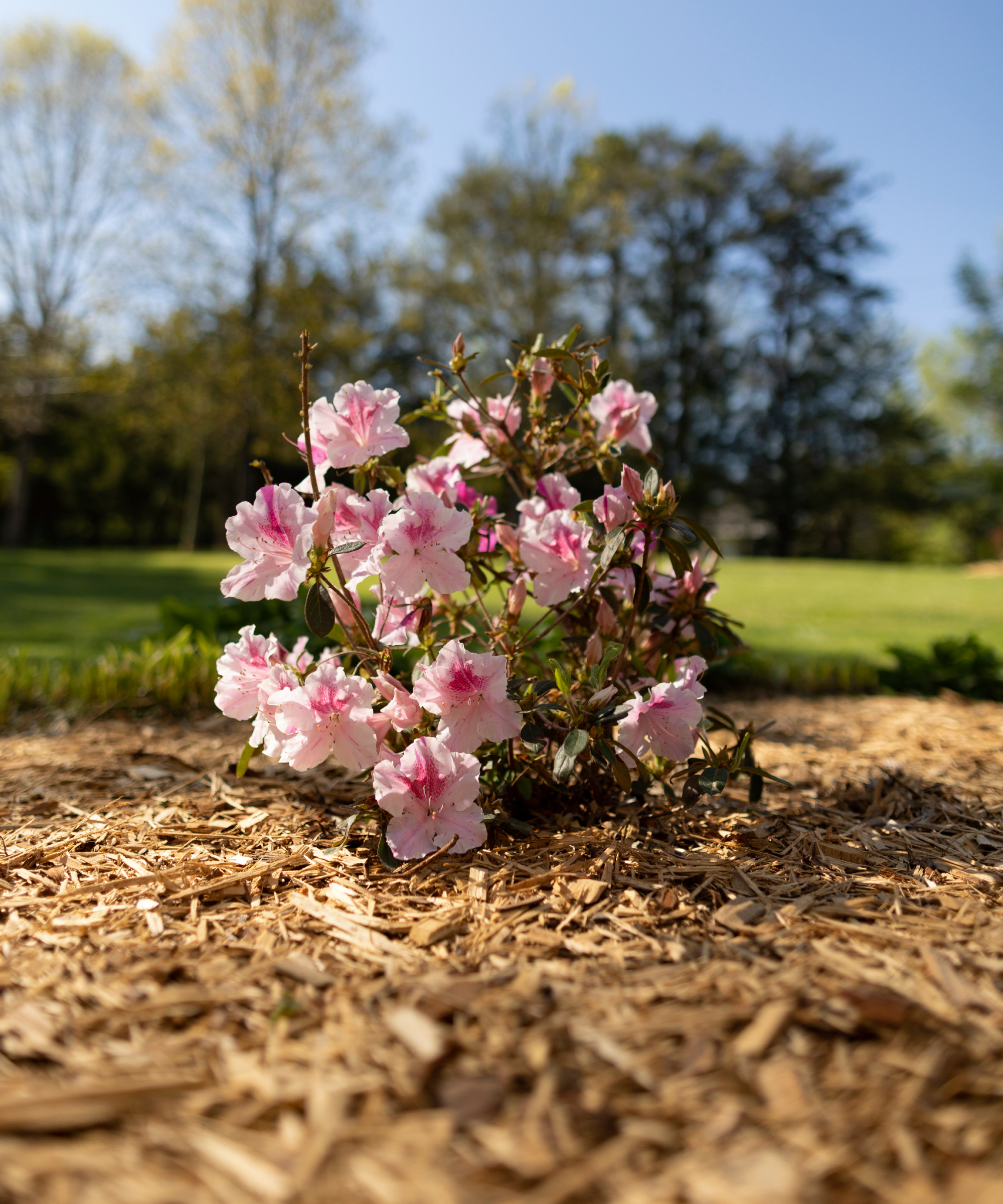
Speaking of keeping the soil moist for your azaleas, there’s no shame in getting a little help from mulch – in fact, many of us consider mulch a must for flowering shrubs. Mulching your shrubs involves spreading a layer of material over the topsoil to help it retain moisture.
There are many products you can use to mulch your plants. Some are organic (like compost or chopped dried leaves) that disintegrate into the soil over time while others are inorganic (like pebbles.)
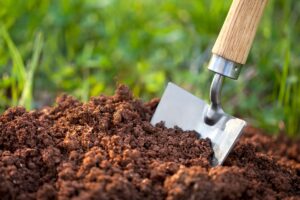
Use an organic mulch for your azaleas, laying down a 3 inch (10 cm) layer around the base of the plant, keeping it well away from the stems and foliage. This will prevent moisture loss over summer and also prevent weeds from competing with the shrub for water and nutrients. We like pine needles, since they help to acidize the soil as they disintegrate. You can find pine straw mulch from Lowe’s or your local garden center.
3. Check the Soil pH
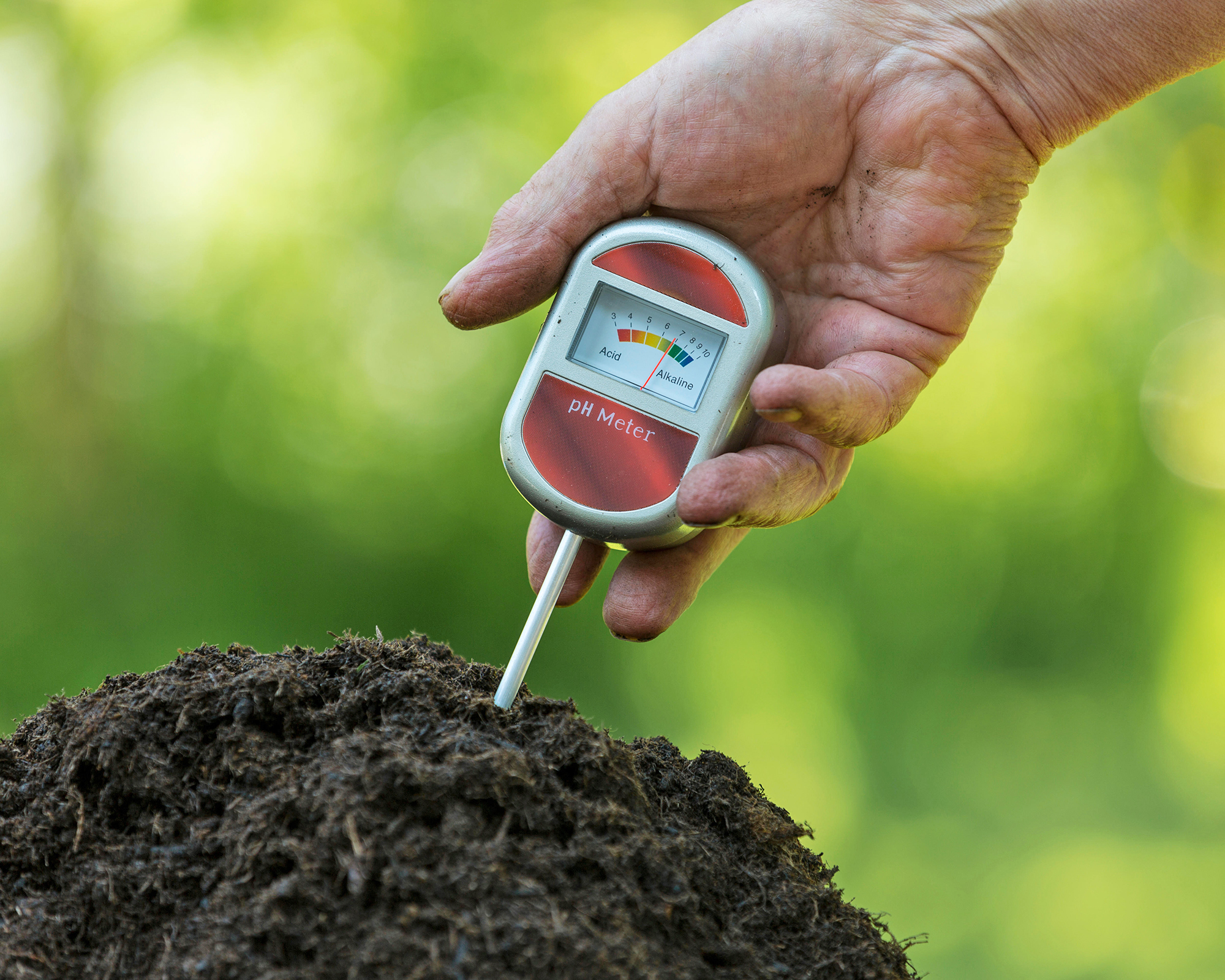
Azaleas love and do best in acidic soil, that is, soil with a pH between 4.5 to 6.0. Even if you’ve tested the soil previously, it pays to do this easy task annually, since it can change over time. June is a great time for it.
A soil test, like this one from Amazon, is a great way to see what your soil is lacking or if you need to add amendments to make the soil more acidic.
A pH above 6.0 is not healthy for the shrubs. That causes poor growth. The plants will be stressed and vulnerable to insects and disease.
4. Prune Before July 4
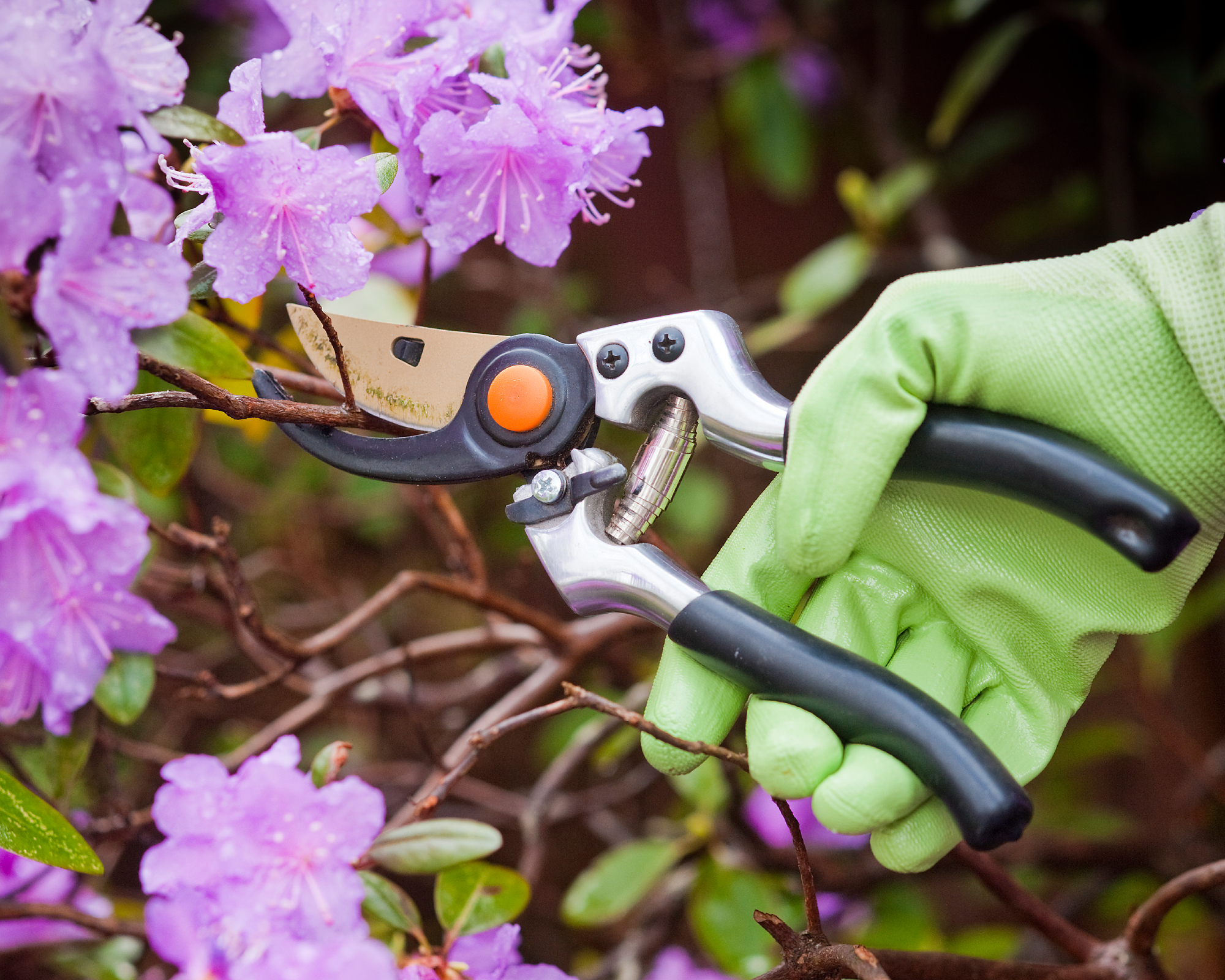
Azaleas have a naturally informal growth habit and don’t benefit from manicured or formal pruning. But gentle trimming can help your shrubs grow fuller canopies.
Timing is critical when it comes to pruning azaleas. Never ever prune these shrubs in spring since they are about to bloom. You don’t want to cut off azalea buds.
Azaleas set their buds for flowers the previous summer, so the ideal time to prune is June, right after the flowering is done. Get the pruning done no later than July 4 since mid-summer pruning will greatly reduce the number of flowers that will appear the following spring.
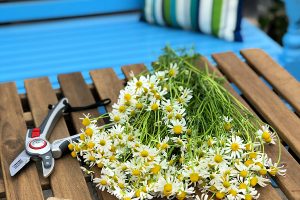
How to prune in June? Remove dead, diseased, or crossing branches on each shrub. The crossing branches can rub together and cause wounds in the branches, so taking out one of the two branches prevents future problems. You might also open up the interior of the shrub to improve air circulation. June is also a good time to cut back overlarge plants. Trim back a too-big azalea by as much as one-third. Make each cut at a slight angle right above a leaf node.
What about deadheading? It isn’t mandatory, since the flower heads will drop on their own. But if you prefer to deadhead, go for it. Make these snips within three weeks after the bloom period.
5. Fertilize Before July
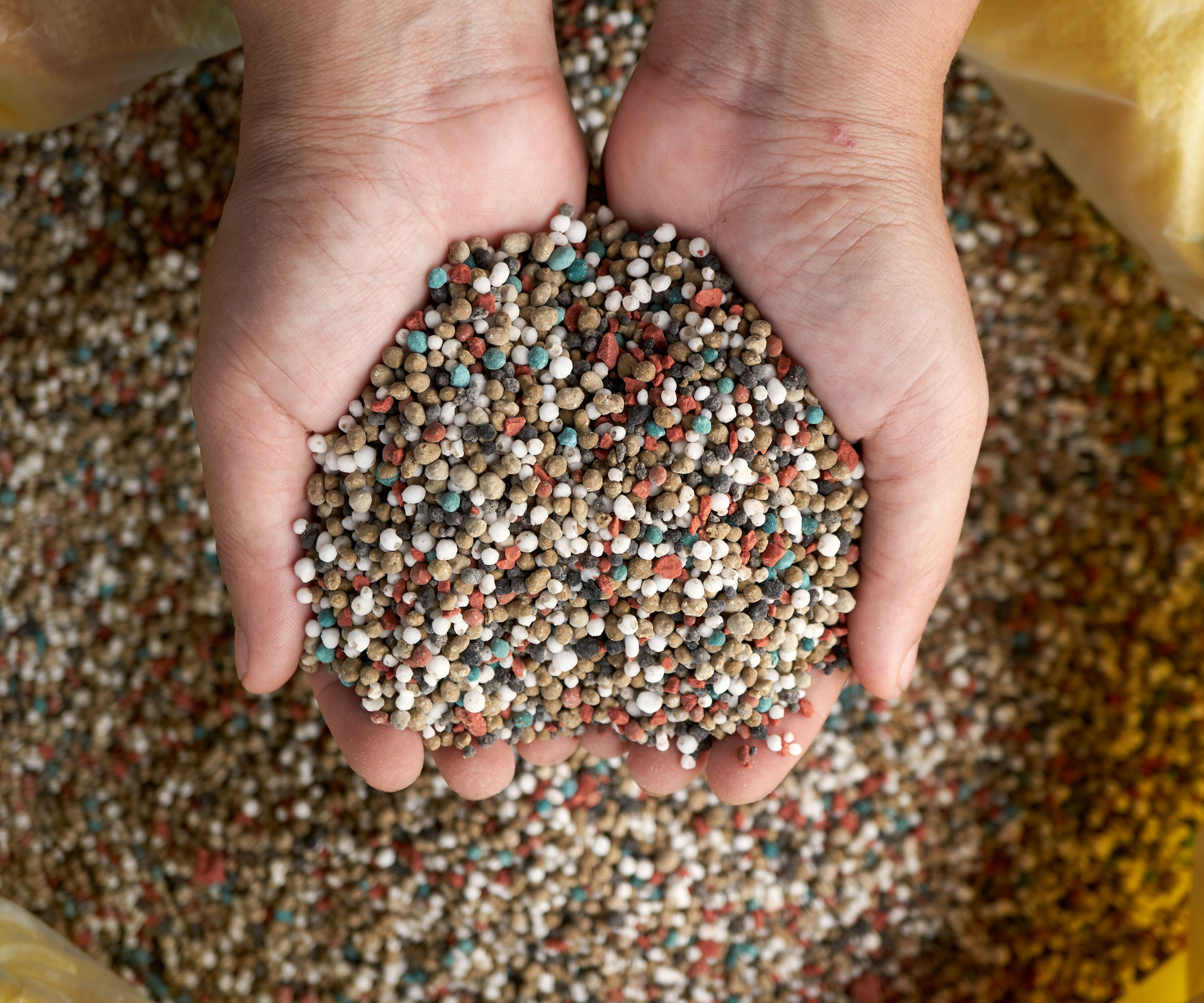
You probably fertilized your azaleas in early spring to give them a boost as their new growth emerges. June is a great time to fertilize them again – but lightly. Pick a fertilizer that is specifically formulated for azaleas or acid-loving plants. Espoma’s Azalea-tone fertilizer from Amazon is a good organic feed. This is better than fertilizing in late summer since the resulting growth from late-season feeding may not harden off before winter.
A little care now, before summer gets too far along, will help your azaleas stay healthy through the heat and prepare for next year’s brilliant blossoms!