Once you’ve cleaned out your summer containers, you might think it’s best to tip the remaining potting mix into the waste. Don’t be too hasty. That mix could still have plenty of life left in it.
Over the growing season, that potting soil loses some nutrients because plants take them up and water washes them away. Bulky materials, like peat moss and compost, break down over the summer, too. However, reusing potting soil is possible as long as the previous residents didn’t have diseases or serious pest infestations.
Some plants actually prefer leaner soil. Here, I describe six plants that are capable of thriving in old potting mix. I also provide some tips for refreshing the soil to give the new plants a little boost.
1. Nasturtiums
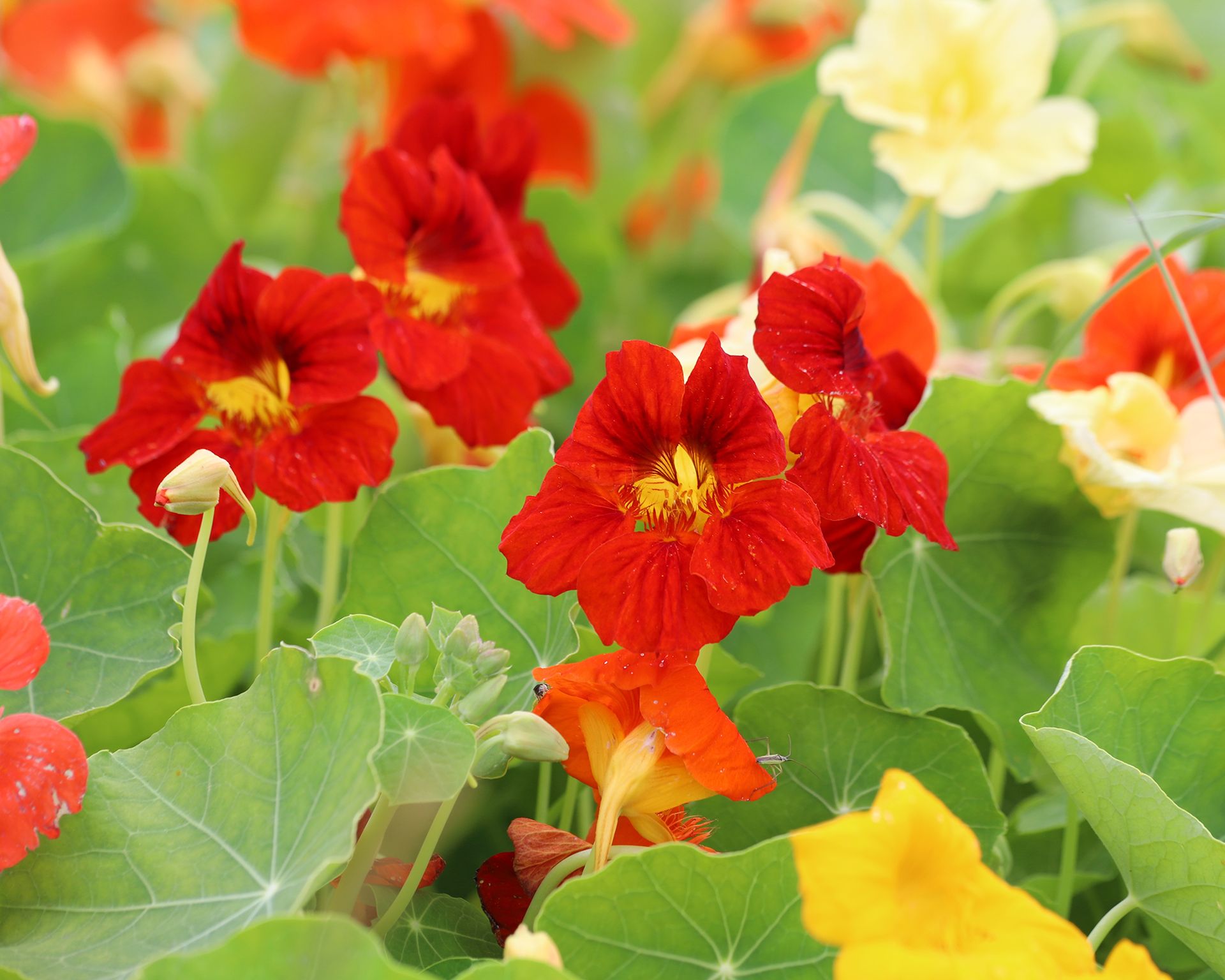
Nasturtium (Tropaeolum majus) is a beautiful flowering plant that grows as an annual in most gardens. Many types trail or vine, making them ideal for containers. The brilliant flowers come in shades of red, yellow, and orange, like in these Jewel Blend nasturtium seeds from Seed Needs on Amazon, which also offers other beautiful color mixes. Both the flowers and leaves are edible. If you live in USDA zone 9 or warmer, you can grow nasturtiums as perennials.
Nasturtiums are good candidates for recycled potting mix because they are unfussy, easy to grow, and generally thrive in poor soil. They are also easy to grow from seed. Sow seeds in your used potting mix next year when it’s warm enough. Place the container in a sunny spot and water when the top inch of soil dries.
2. Moss Rose
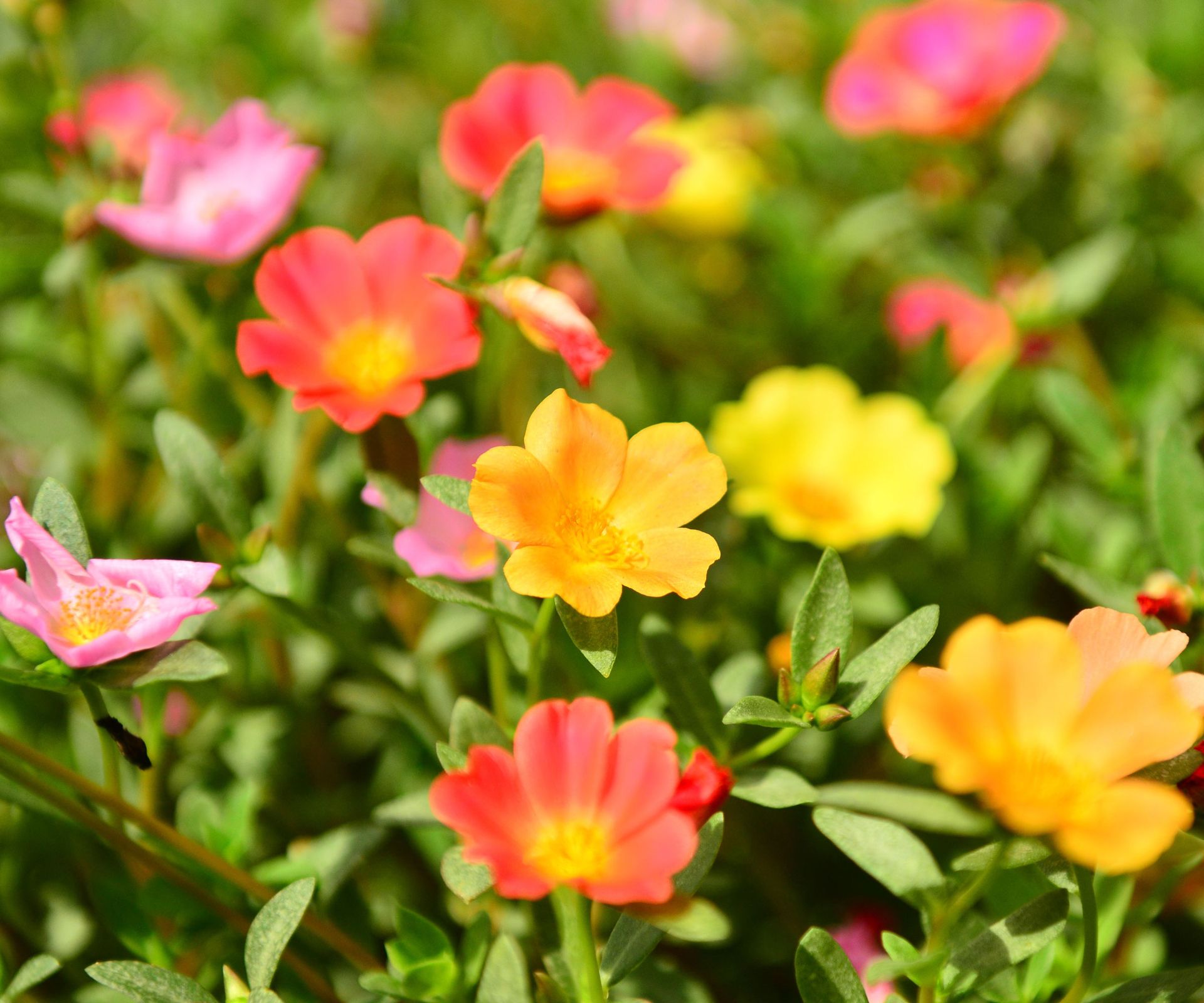
Moss rose (Portulaca grandiflora) is another annual in most gardens. This low-growing succulent, native to South America, blooms in summer and fall with flowers that resemble small roses. You can find a lovely selection of moss rose seed varieties at Eden Brothers, with a choice of colors to brighten up your containers. Moss rose thrives in poor, rocky, or sandy soil, making it ideal for containers. Plants need good drainage, so they can sometimes struggle in beds with heavy soil or poor drainage.
Grow your moss roses in reused potting mix enhanced with perlite, like this Riare organic perlite on Amazon, or something similar to boost drainage. Place them in a full-sun spot and let the soil dry out in between waterings. Avoid overfertilizing, which can lead to more leaves and fewer flowers.
3. Sedum
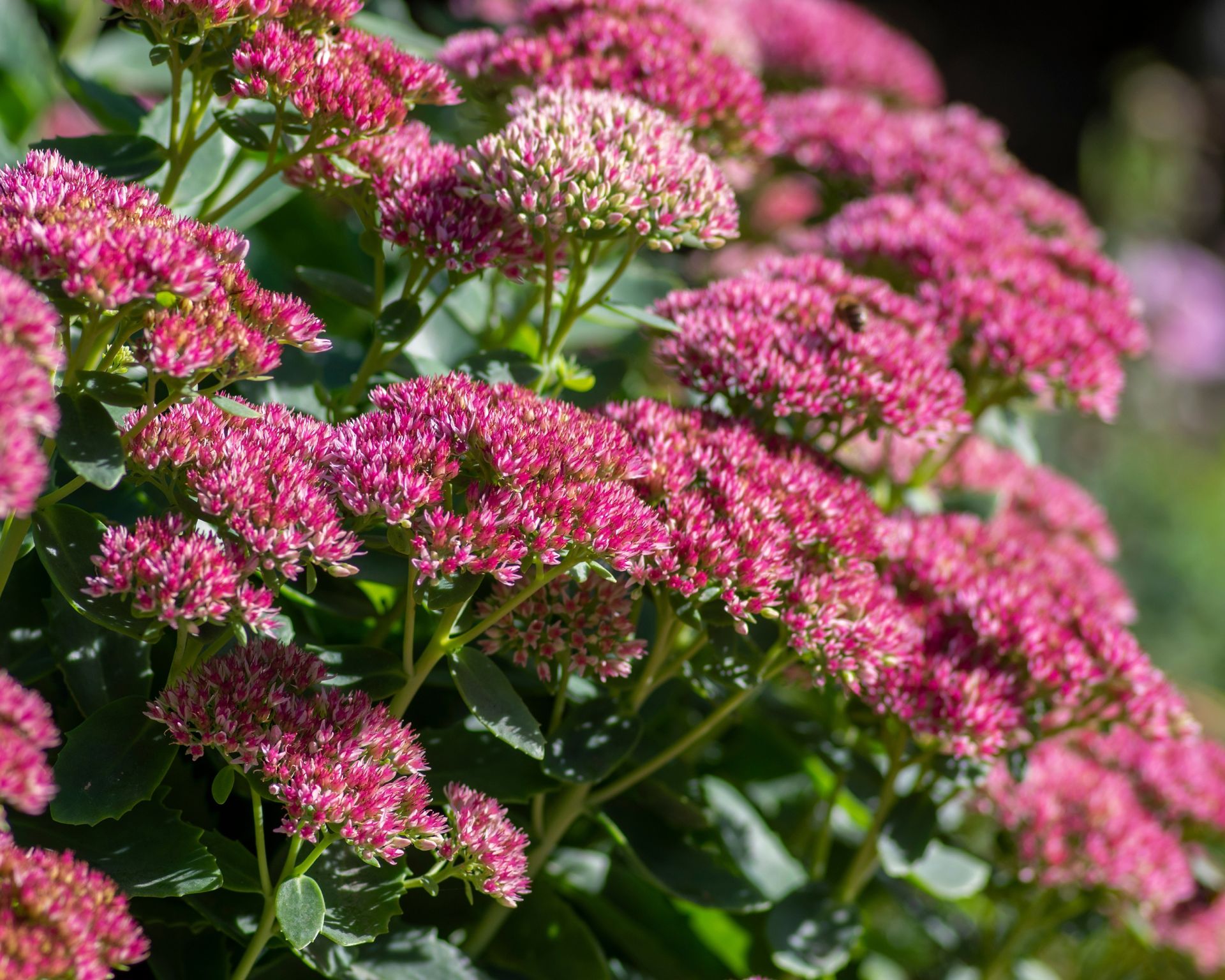
Sedums (Sedum spp.) are reliable and popular perennials for garden beds, but they also grow well in containers. This is a large group of plants, many of which are succulents suited to dry, poor soil. Many gardeners love stonecrops like ‘Autumn Joy,’ which turn gorgeous shades of deep red in fall. You can buy Autumn Joy sedum from Nature Hills to enjoy its colorful late-season display. You can also choose from among low-growing and taller clump-forming sedums.
The most important part of refreshing old soil for growing sedum is to add a material, like perlite, to improve drainage. Place your pots in a sunny location and water only when the soil dries. Avoid using too much, if any, fertilizer.
4. Hens and Chicks
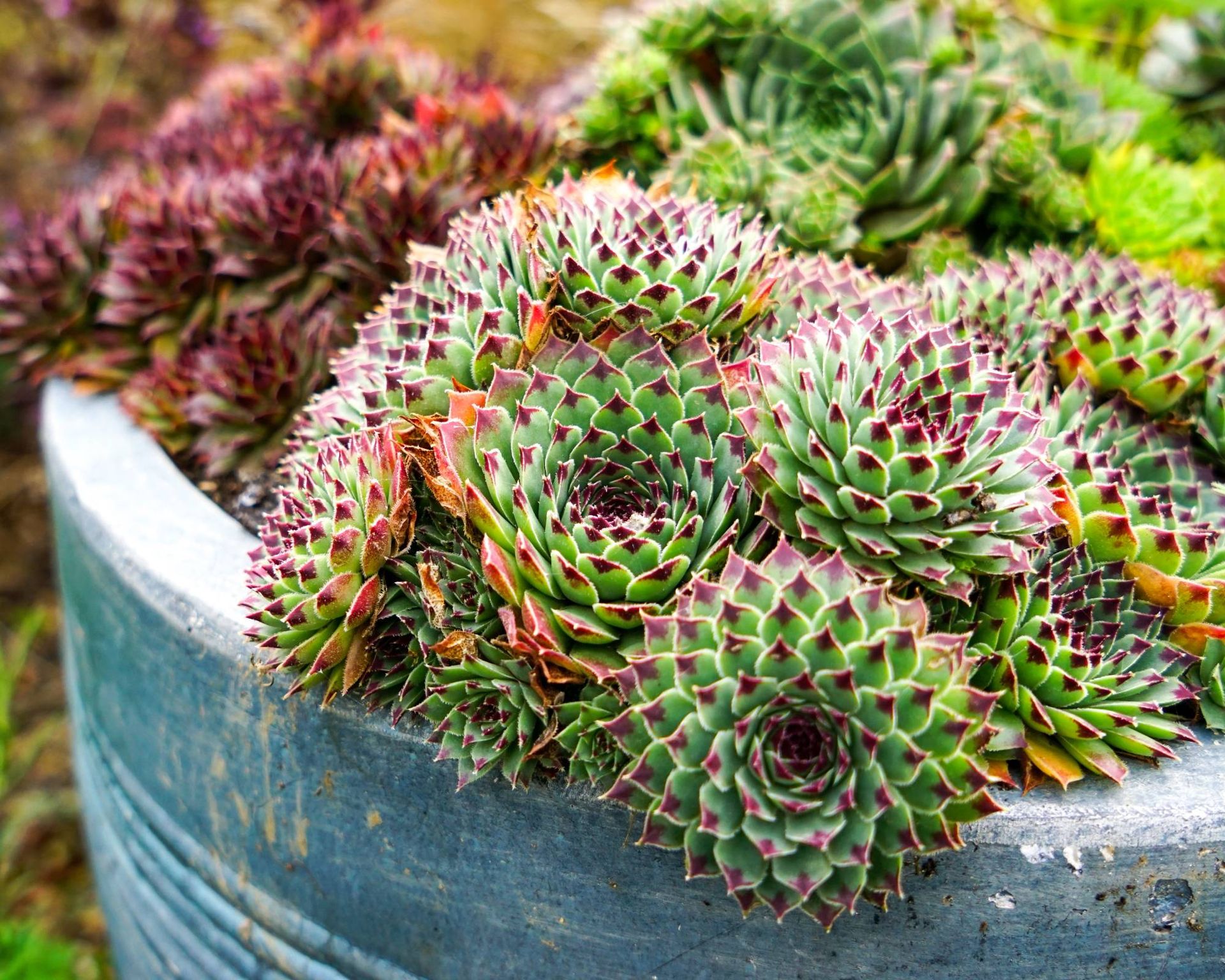
Hens and chicks (Sempervivum spp.) are diminutive succulents that grow in rosettes and have delightfully fleshy leaves that can be bluish-green, copper, gold, reddish, or even two-toned. You can enjoy a mix of varieties with this hens and chicks plant collection from Hirt’s Gardens Store on Amazon. While hens and chicks flower, they are grown mostly for their attractive foliage. Hardy perennials in many growing regions, hens and chicks also make great container plants. They produce small offsets, the chicks, that can be repotted for propagation.
Hens and chicks naturally grow in poor, rocky soil, so they should do well in your spent potting mix. Just be sure to add additional material to boost drainage. The best containers for hens and chicks are shallow and have adequate drainage holes, like this Deroma clay bowl planter from Target. Grow them in full sun or very light shade and water sparingly, letting the potting mix dry between waterings.
5. Calendula
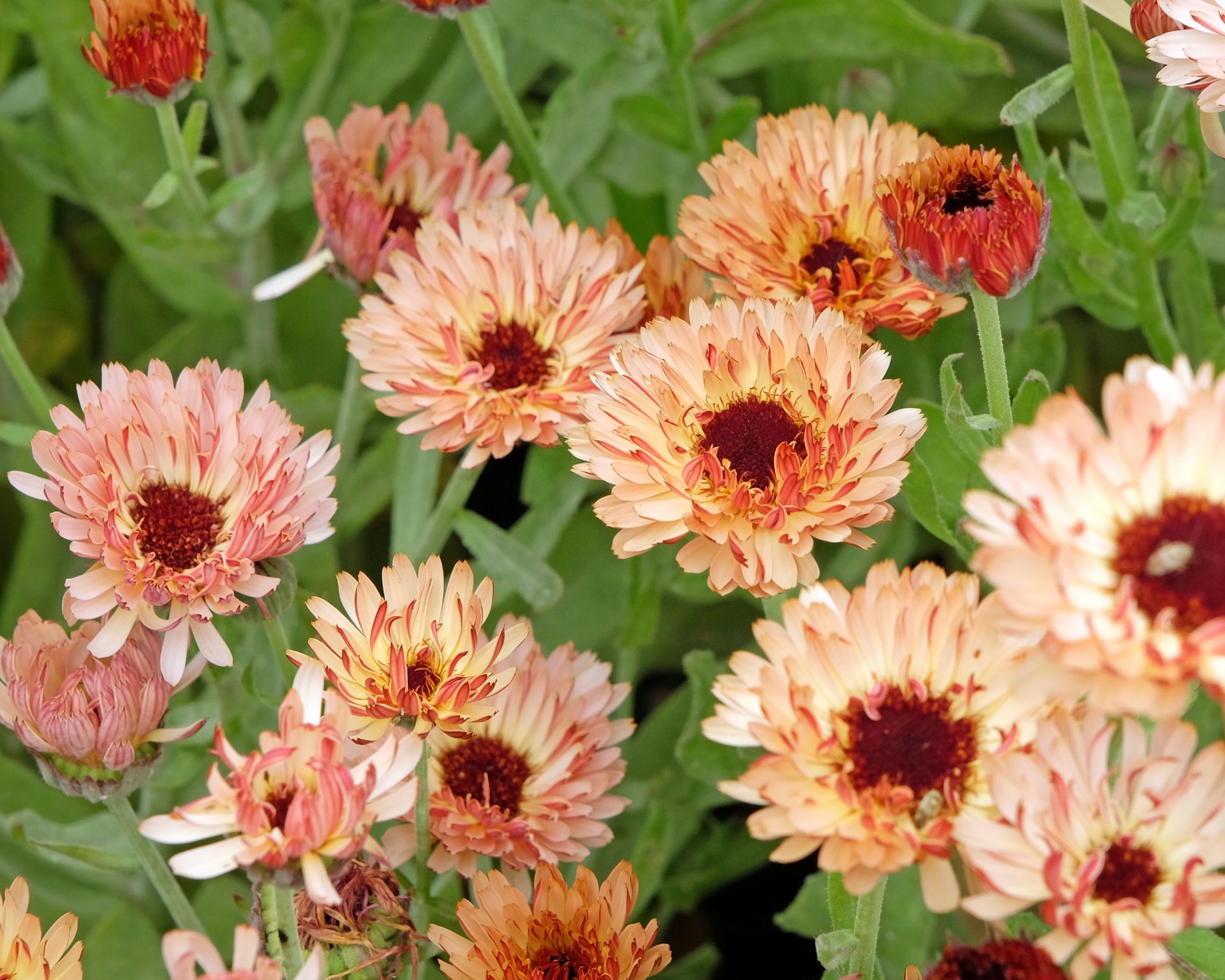
Calendula (Calendula officinalis), also known as pot marigold, is a short-lived perennial in zones 9 through 11, and an annual elsewhere. Though it is considered a flowering herb, many people grow calendula solely for its ornamental value. The flowers are daisy-like and usually bright orange or yellow, although they can also be red, white, or pink. You can pick up calendula seeds cheaply on Amazon, but Eden Brothers offers some gorgeous varieties, including the Pacific Beauty Mix and the Sunset Buff calendula pictured here.
A Mediterranean native, calendula appreciates warmth, sunlight, and well-draining soil. It won’t tolerate soggy soil. It can thrive in poor soil but benefits from a little refresh of old potting mix with compost. Water your potted calendula regularly, but don’t let the soil get waterlogged. Deadhead the flowers throughout the season to encourage additional blooms.
6. Cosmos
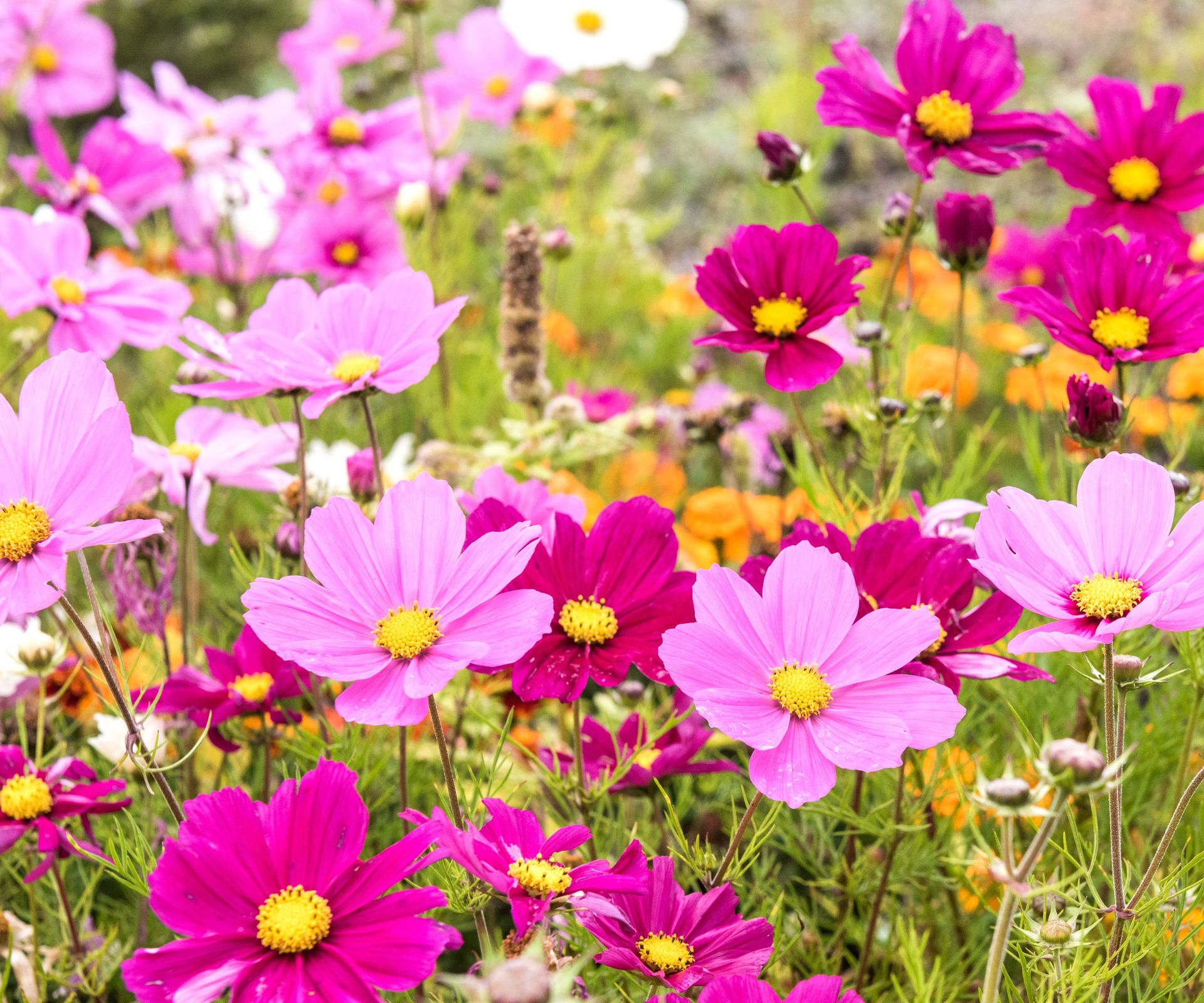
Like calendula, cosmos (Cosmos bipinnatus) are mostly grown as annuals and are only hardy in zones 9 and higher. Cosmos are easy to grow from seed and reward you with feathery foliage and delicate flowers in shades of red, pink, white, yellow, and orange. Burpee sells a wide variety of cosmos seeds, including the beautiful ‘Sensation Mix’ pictured here. They make great cut flowers.
While cosmos tolerate poor soil, it’s best to refresh the old potting mix a little. Then, you can sow seeds and place the pot in a location with full sun. Use a large container, as cosmos can grow quite tall. Water the seeds and seedlings regularly to keep the soil moist, and then only sparingly.
How to Refresh Old Potting Mix
While all of these, and many other plants, tolerate leaner soil, all plants will appreciate a little refresh of old, tired soil. A few simple steps will give you better results over the course of the growing season:
- Remove all old roots and other plant debris from last year. Break up clumps of soil.
- Check for pests or signs of disease, including on the plants that previously grew in the soil. Look for pests in the soil or pieces of plant material that look rotten or diseased. If in doubt about disease or pests, it’s best to throw the old mix out and start over.
- Replace some of the old potting mix with fresh compost to add nutrients, or for plants that need less rich soil, just mix in a little.
- Add material to improve drainage, if necessary. If you’re growing succulents and other plants that need excellent drainage, you can lighten the mix with perlite, coconut coir, pumice, and other materials.
Remember that not all old soil should be used. Disease and pests can be passed on, so don’t take the risk. Also, if you’re growing plants that aren’t as tough as those listed here, it’s best to start over with fresh potting mix. You should also replace the mix if it has broken down so much that it becomes muddy and dense when wet.
Remember, old potting soil doesn’t necessarily belong in the trash. With a little refreshing and by choosing the right plants, you can recycle that old mix and use it for at least one more year.