In spring the compost pile was a machine. You could sink a hand into it and feel the warmth, that faint sweet-earth smell coming off the top, everything breaking down on schedule. Then July shows up and the whole thing quits on you. Banana peels you tossed in two weeks back still look like banana peels. It sits there doing nothing, and it’s easy to figure you did something wrong.
You almost certainly didn’t. A pile that quits in midsummer is a familiar composting headache, and it nearly always comes down to one of two things going sideways in the heat. Maybe it dried out and the microbes doing the work died off with it. Or it packed down so tight nothing can breathe. Both are easy to spot once you know the feel of them, and quicker to fix than you’d first expect.
Culprit One: The Pile Dried Out
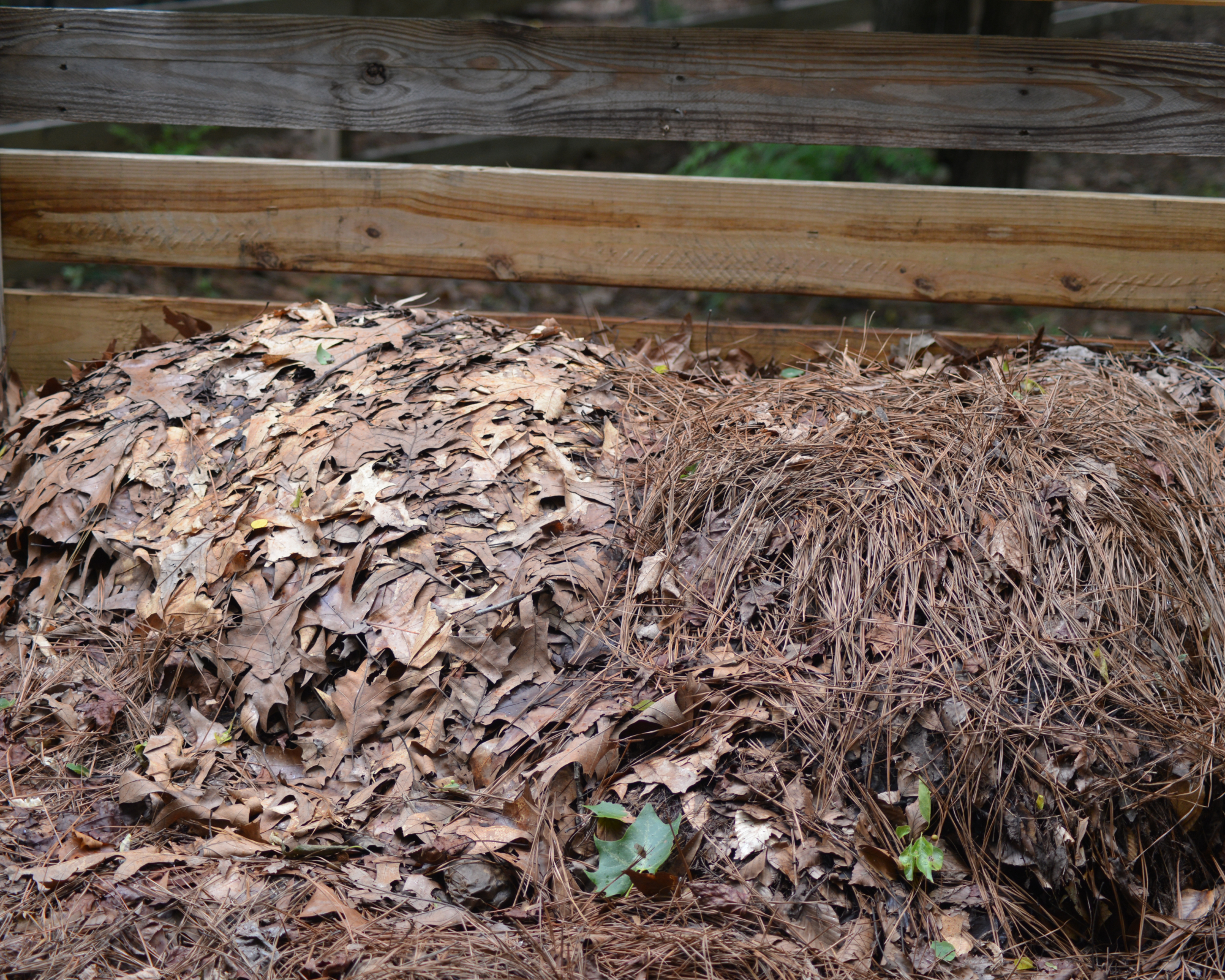
Strip it back and a compost pile is really a colony of microbes, and those microbes need water to stay alive – roughly the moisture of a wrung-out sponge. July heat wicks that out faster than the pile can hold it, worst around the edges and up top, and past a certain point the bacteria go dormant. Or die off. Decomposition doesn’t taper so much as switch off.
Checking takes maybe three seconds. Grab a handful from the middle and give it a squeeze. It ought to feel damp and let go of a drop or two. If it comes out dusty, or barely cool to the touch, then that’s a thirsty pile. A dry pile also tends to feel loose and look grayish, the material bleached rather than rich brown, none of the heat you’d expect when you dig in.
How to Rehydrate a Dry Pile
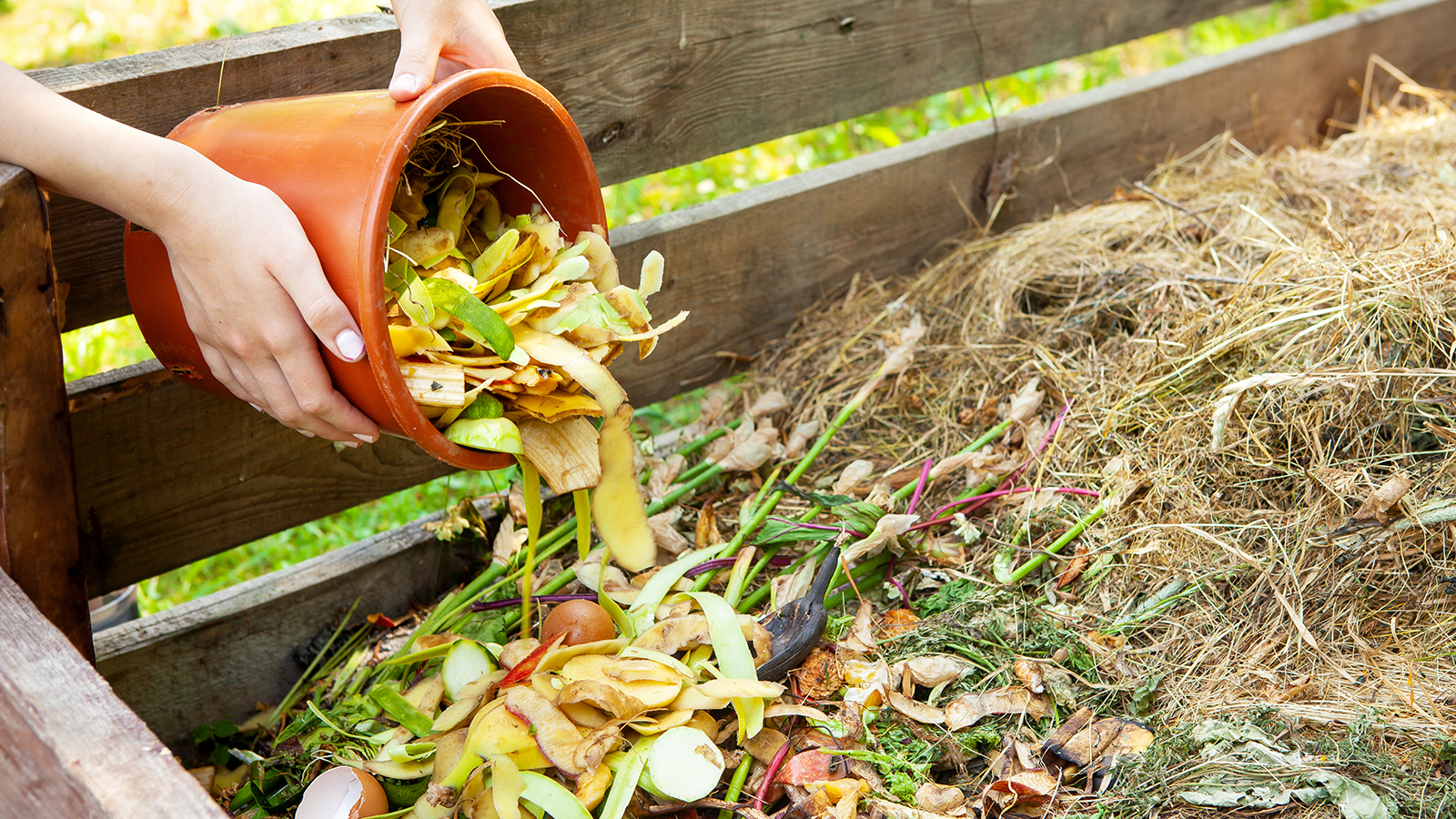
Reviving a compost pile when it’s bone dry isn’t just pointing the hose at it and walking off. Water hits that dried-out surface and mostly runs down the sides without sinking in, so the core stays as parched as it started. Layer the water in instead. Pull the pile apart, wet each section as you go, then rebuild – so the moisture works through the middle instead of pooling on top.
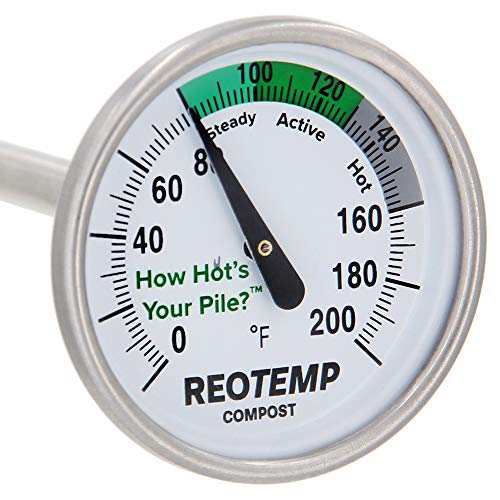
While it’s open, mix in something wet and nitrogen-rich to help it hold water next time – fresh grass clippings, kitchen scraps, or a few shovels of manure. Then check it every few days through the hot stretch. A compost thermometer from Amazon takes the guesswork out, since a pile climbing back toward 120 to 140F (49 to 60C) is telling you the microbes are awake and fed.
Culprit Two: The Pile Can’t Breathe
The second culprit runs the opposite direction, and it’s sneakier – a pile can be soaking wet and still be a problem. Microbes need oxygen about as much as they need water. Leave a heap un-turned for weeks and it settles, compacting under its own weight until the air pockets give out. Pile a thick mat of grass clippings on top, packing down like wet paper, and the whole thing has gone anaerobic.
This one you smell before you see. A pile starved for air turns sour – ammonia, or that rotten-egg funk, nothing like the clean earthy smell you’re after – and the middle often goes slimy where a different crowd of microbes, the kind that get by without air, moves in. They work a lot slower. What you’re left with is a wet, matted mess instead of crumbly finished compost.
How to Get Air Back In
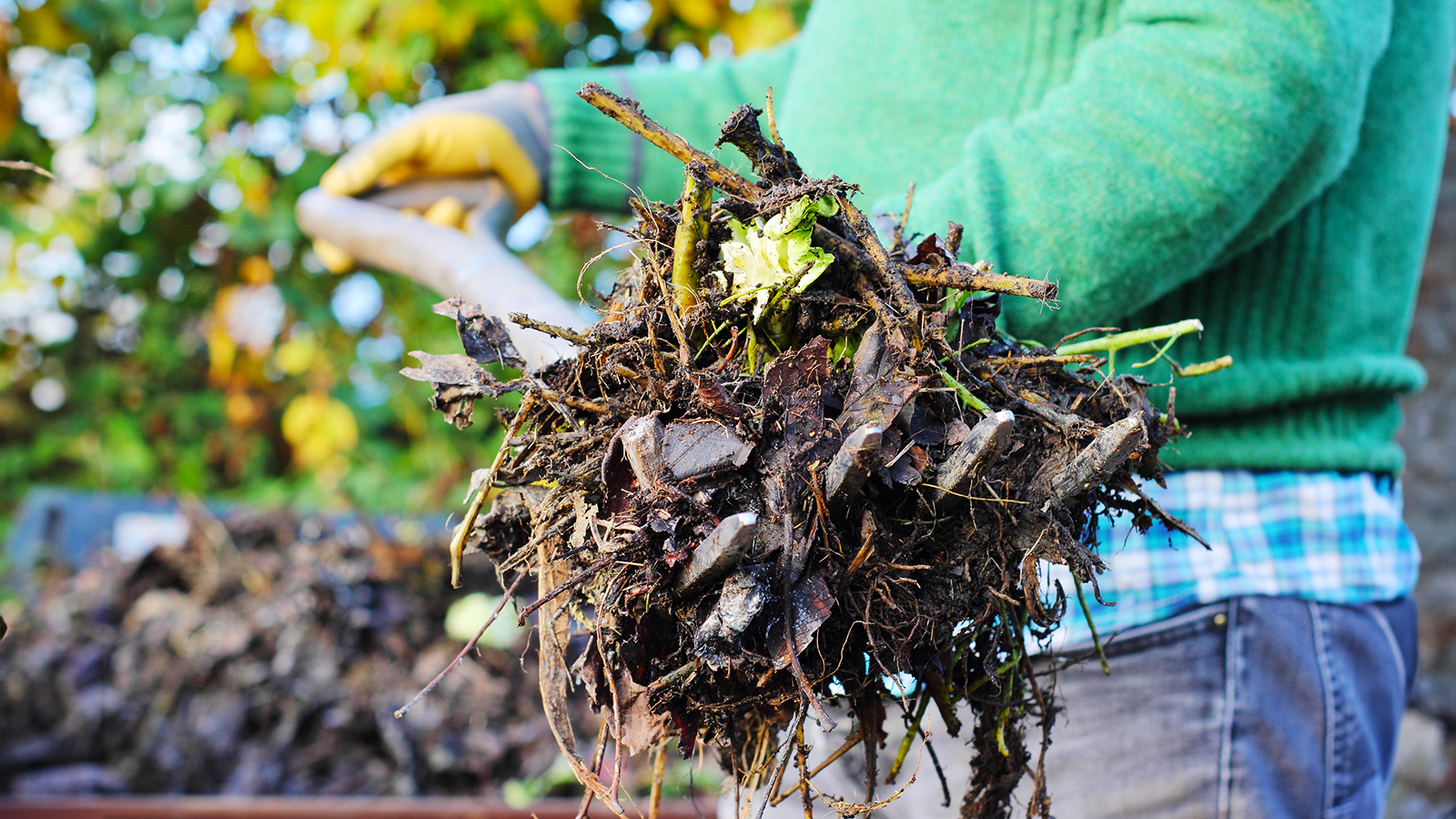
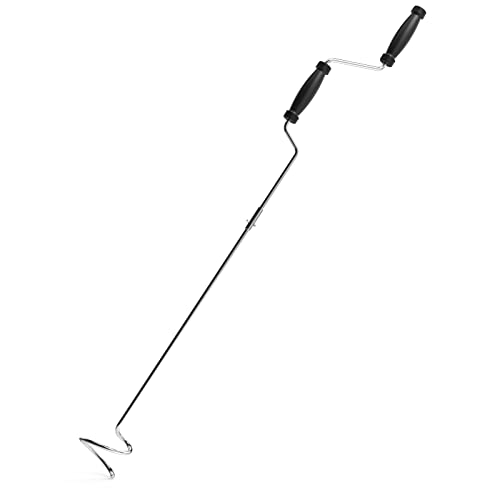
For a compacted pile, the fix is oxygen, and that means turning it. Digging the outside into the middle and breaking up any matted clumps opens the structure back up and gets air to the microbes that have been starving for it. A dense pile can take some muscle. A compost aerator from Amazon augers down into the center and pulls a channel open without you having to fork the entire heap over by hand.
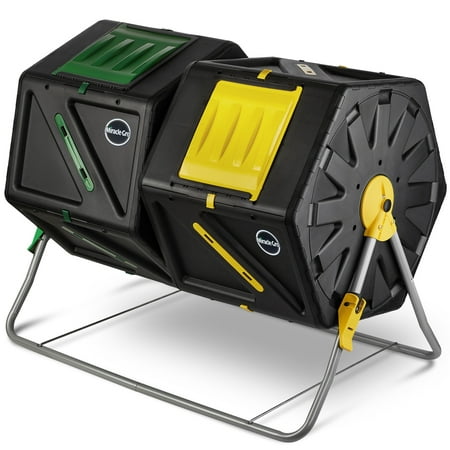
How often to turn compost is where people overthink it. Through the summer, once a week keeps a pile aerobic and moving without much fuss, and if you’ve just fixed a stalled one, turning it every three or four days for the first couple of weeks gets it caught up faster. A pile that gets buried under grass clippings all season stays stalled, so a rotating bin like this Miracle-Gro dual-chamber tumbler from Walmart makes the turning far less of a chore.
Getting the Green-to-Brown Balance Right
The last piece is what goes in. Hot weather runs a pile through greens fast, so a mid-summer heap heavy on browns – dry leaves, straw, shredded cardboard – breaks down sluggishly for lack of nitrogen, while one buried in greens goes wet and sour. A rough two-to-one, browns to greens by volume, keeps it cooking through the heat. Get the water and air right first, though. Those are what stalled it, and they’re what will start it again.