
The cape gooseberry or Inca berry, Physalis peruviana, is grown for its small orange fruits encased in a papery husk. They taste like a cross between a gooseberry and a tropical fruit and can be eaten straight from the plant, used in preserves or salsa, or added to cakes and desserts as a garnish. Each plant can produce a kilo of fruits, which are high in vitamin C.
The Cape gooseberry is so-called as it is widely cultivated in South Africa, but it actually hails from Peru. It’s a perennial but is easy to grow from seed and is usually sown every year in a similar way to tomatoes – better crops are produced this way.
Physalis peruviana is a close relative of the Chinese lantern (Physalis alkekengi), grown as a perennial in borders.
Only the fruits are edible, all other parts of the plant can cause a stomach upset if eaten.
How to grow cape gooseberry
Sow seeds in February or March, in a similar way to tomatoes. In May, plant outside in a sunny spot, or grow in pots in the conservatory or greenhouse. Harvest from July to September. For the best crops, treat as an annual and grow from seed each year.
Growing cape gooseberry: jump links
- Sowing cape gooseberry
- Caring for cape gooseberry
- Harvesting cape gooseberry
- Growing cape gooseberry: problem-solving
- Buying cape gooseberry
Where to grow cape gooseberry

Grow in a sheltered, sunny spot outside, or in a greenhouse or conservatory.
How to sow cape gooseberry

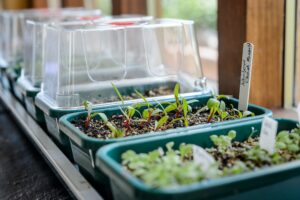
- Sow seed indoors in February to March, in small pots or trays, as you would tomatoes
- Keep at a temperature of 15-18°C
- Pot on plants into larger individual pots as they grow
How to plant cape gooseberry
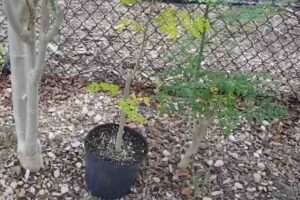
Once all risk of frost has passed in May, plant the young plants outdoors. Grow in moist, well drained soil, in a growing bag or in a pot filled with peat-free multi-purpose compost. If you live in a cooler part of the country, Cape gooseberries are best grown in a greenhouse or conservatory.
Where to buy cape gooseberry online
- Mr Fothergill’s (seeds)
- Suttons (seeds)
- Suttons (plants)
- Thompson & Morgan (plants)
How to care for cape gooseberry
Water cape gooseberries frequently, especially in dry weather. Feed weekly with a high potash plant food, such as tomato food. You will probably need to stake your plant as it grows.
Harvesting cape gooseberry

Harvest cape gooseberries from July to September, when the husks have turned brittle and pale brown, and the fruits are bright orange. Store the fruits in their husks in a warm, dry place – they will keep for several weeks. Cut the plant down to ground level after harvesting to keep it going from year to year, or dig plants up and put on the compost heap.
Growing cape gooseberry: problem solving
Cape gooseberry is generally problem free. The papery husk means that the fruit is protected from pests.
Advice on buying cape gooseberry
- Cape gooseberries are easy to grow from seed but are also available as ready-grown small plug plants in spring
- Check that you have the right spot to grow cape gooseberries – they can reach 1m x 1m and need a sunny spot or a greenhouse
Where to buy cape gooseberry online
- Mr Fothergill’s (seeds)
- Suttons (seeds)
- Suttons (plants)
- Thompson & Morgan (plants)