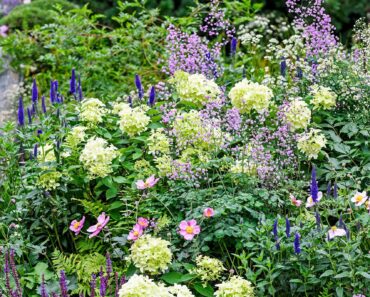

Diascias (twinspur) are bushy, low-growing annuals or frost-tender perennials that are popular for summer bedding displays. They bear many tiny and brightly coloured cup- or saucer-shaped blooms on slender stems in shades of pink and white, from summer through to autumn. Each flower has two spurs (hence its common name ‘twinspur’).
Plant breeders have developed many new diascia varieties in recent years. Some have a slightly trailing habit and lend themselves more to hanging baskets, window boxes and tall containers, while others have a more upright habit. There are hardy perennial varieties of diasica too, able to thrive in winters down to -5 to -10°C, their small oval leaves usually remain evergreen in all except hard winters.
How to grow Diascia
Grow diascias for summer displays in pots or borders, in moist but well-drained soil. Water in dry spells, or more regularly if growing in pots, and feed fortnightly with a high-potash fetiliser to boost flowering. In autumn, lift and compost annual bedding displays. Cut back perennial diascias in spring.
Where to grow diascias

Full sun and fertile, free-draining soil are essential for diascias to flower well. Shelter from winds as the slender stems are easily damaged. Plant annual and frost-tender diascias in pots, window boxes, hanging baskets and in raised beds, as well as in borders. Perennial diascias are best grown in a border, usually in the middle to the front, depending on height.
How to plant diascias

Plant diascias in spring or early summer – annual and tender perennial types should be planted out only after all danger of frost has passed. Use peat-free, multi-purpose compost for containers and add grit, perlite or vermiculite to aid drainage. Water well after planting, but do ensure the water can drain from the pot – where pots or containers are standing on a hard surface, raise them just off the ground so any surplus water can drain away freely.
How to care for Diascia
After planting, water regularly until the plants are established. Pot-grown plants always need more regular watering than those growing in the ground as they have a smaller area of compost to get their water and nutrients from. Take care not to over-water, however, as diascias struggle in too-moist soil. Boost flowering of pot grown plants by feeding every couple of weeks from midsummer to early autumn with a liquid fertiliser high in potash, such as a tomato fertiliser. Trim off dead and faded flower stems to encourage more blooms to develop.
Overwinter frost-tender diascias by bringing plants into a frost-free place that’s not too warm, such as a greenhouse, porch, or conservatory, or windowsill in a cool room.
How to propagate Diascia
To grow from seed, sow under cover in early spring at 15-18°C, transplant the seedlings into small pots and grow on for planting out in early summer.
Take cuttings from the tips of non-flowering shoots, in late summer. When rooted, pot individually into small pots and grow in a warm well-lit place over winter.
How to prune diascias
On young plants, pinch out or shorten straggly stems to encourage bushy growth. If plants have got out of hand or leggy in late summer, trim back the whole plant to promote a fresh flush of growth.
Cut back older stems of perennial diascias in mid to late spring, taking them back to where new growth is emerging. Leaving the stems on over winter helps protect the plant from cold damage.
Pests and diseases
Diascias are generally free of pest and diseases.
Advice on buying diascias
Diascias are available to buy as seed, as plug plants and as garden-ready plants
Ensure you’re buying the right diascia for its intended purpose – for example if you’re buying one for a hanging basket display make sure you choose one with a trailing habit
Always check plants for signs of damage and disease before planting