Most of the year, a snake plant really is about as hard to kill as people say. But that changes in November. The days get short, and the heat comes on, and the watering habit you kept all summer now leaves the potting mix wet for weeks. Yellow leaves and soft, mushy bases tend to follow.
Good snake plant care in winter is mostly about doing less and getting the timing right. Once light levels drop, your snake plant isn’t growing much, so it uses far less water and needs no fertilizer at all. What it does need is a dry pot between drinks, steady room temperatures, and a spot out of the cold air that pools along windows.
Take a few minutes with your plant in front of you and work through five checks. Run through them now, then again on a gray afternoon in December. That alone considerably cuts the odds of losing a snake plant to winter.
1. Check Whether the Soil Is Dry Before Watering
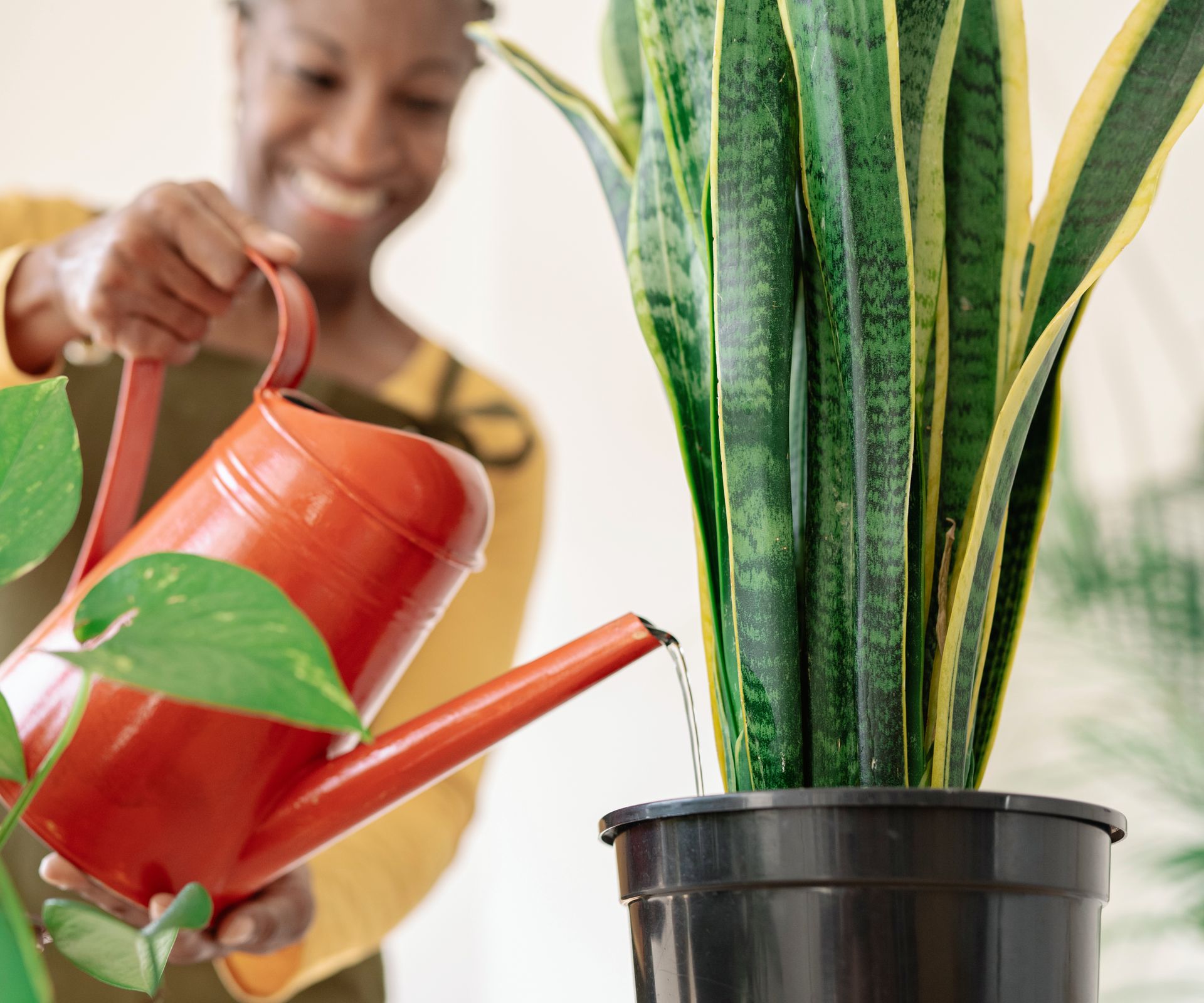
Don’t rely on a calendar when watering snake plants. A snake plant that needed water every two weeks in July might go a month or more between drinks in November. Its surface won’t tell you much. So how do you know when it’s dry? Push a finger down as far as it goes, or try the chopstick trick: push a wooden skewer to the bottom of the pot and pull it out. Damp mix clings to the wood and darkens it; dry mix leaves it clean.
If you’re struggling to know when to water, then use a moisture meter for an accurate assessment, like the Xlux instant read probe, available from Amazon. Water only when the whole depth comes up dry, then let the pot drain fully. Leaves that go soft or flop over at the soil line usually mean the roots have sat wet too long.
2. Check the Light Levels
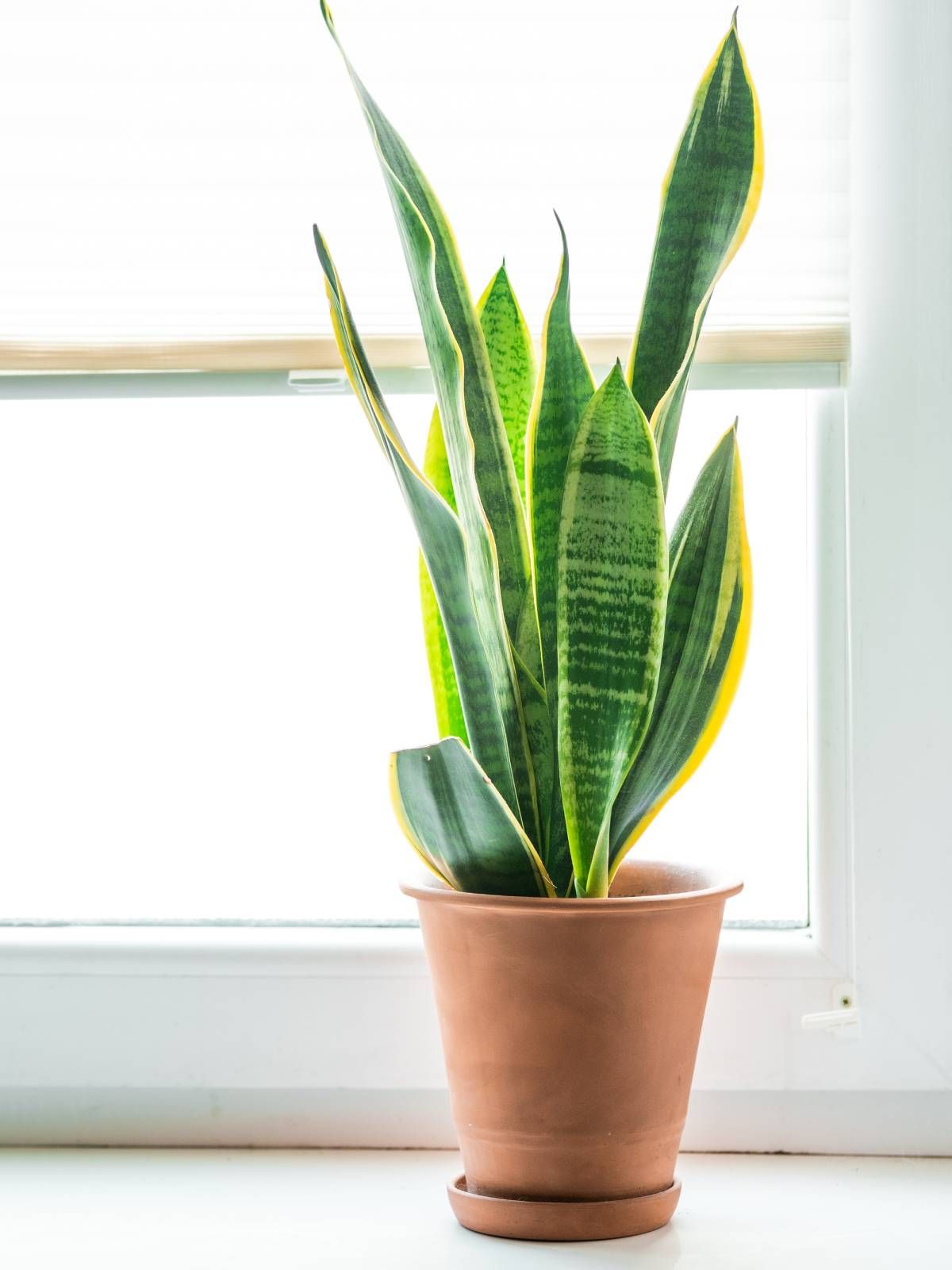
Low light is something a snake plant tolerates, not something it grows well in. In November, the sun sits lower and the days are short, so a dim corner that was fine in June may now get very little light. Growth slows, and the mix stays wet far longer because the plant is barely drawing water.
A spot within a few feet (about a meter) of an east or west window helps. Make the move gradual, though – a plant that goes straight from a dim hallway into hours of direct south sun can scorch.
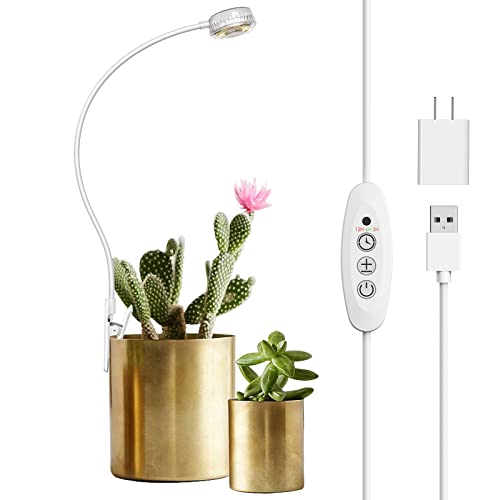
Without a bright window, a grow light like the Sansi Pot-Clip-On Grow Light, positioned a foot or so (30 cm) above the leaves, fills the gap.
3. Check for Cold Drafts and Temperature Fluctuations
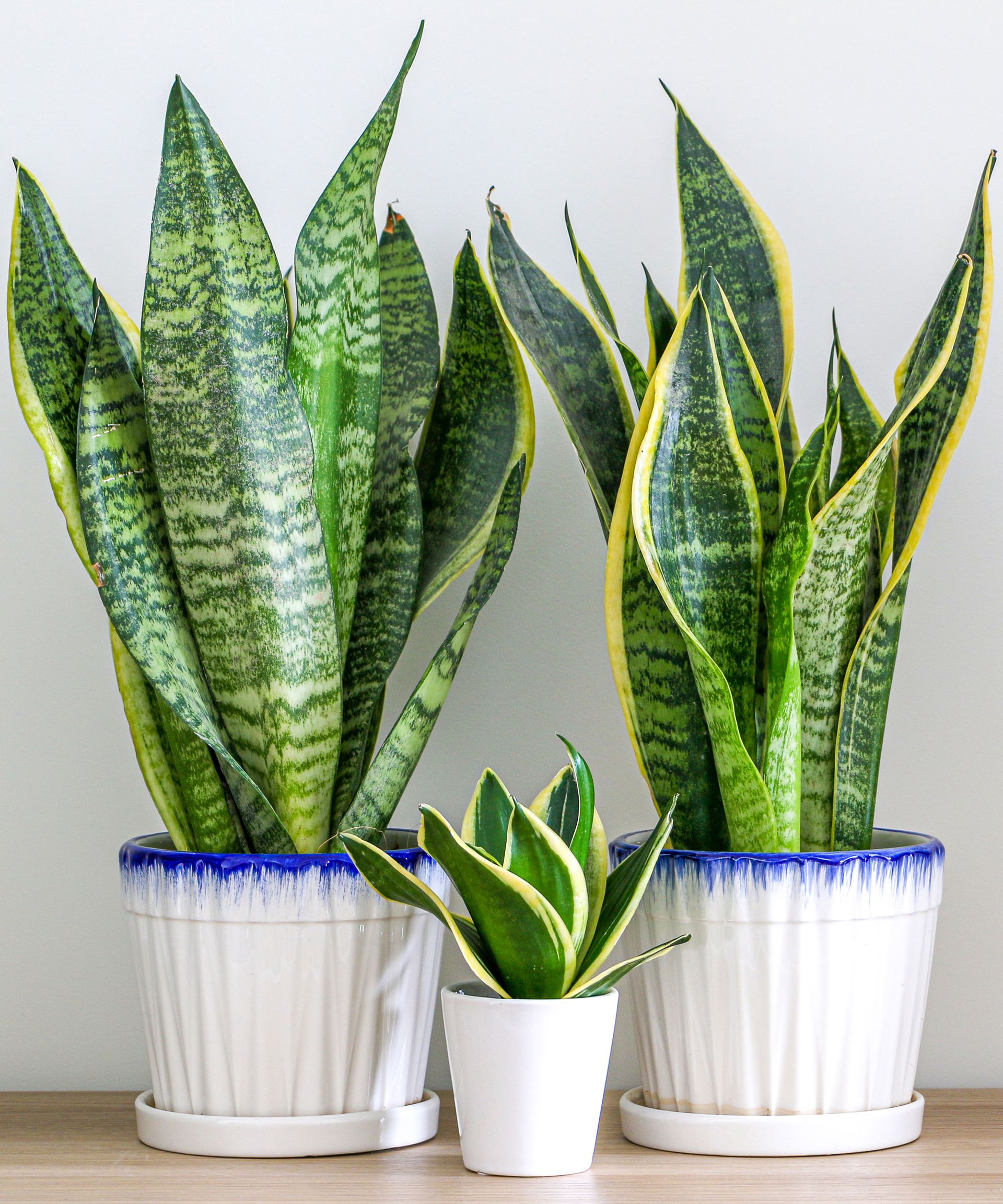
On a cold evening, hold the back of your hand near the window where your snake plant sits. Chilly on your skin means chilly on the leaves, too. Blame single-pane glass, the gap under an outside door, or a nearby heating vent. Any of them can swing the temperature more than a snake plant can take – even while the thermostat reads fine.
Ordinary room temperatures are what you’re after, roughly 60–85°F (16–29°C). Trouble starts if the plant sits below about 50°F (10°C) for long stretches. Leaves pressed against cold glass can develop soft, water-soaked patches. So at night, pull the pot back a foot or two (30–60cm) from the window.
If you want to see what the plant goes through after dark, then use a high/low thermometer, like the TempPro digital indoor thermometer, which displays both high and low temperature and humidity levels.
4. Check That the Pot Drains Properly
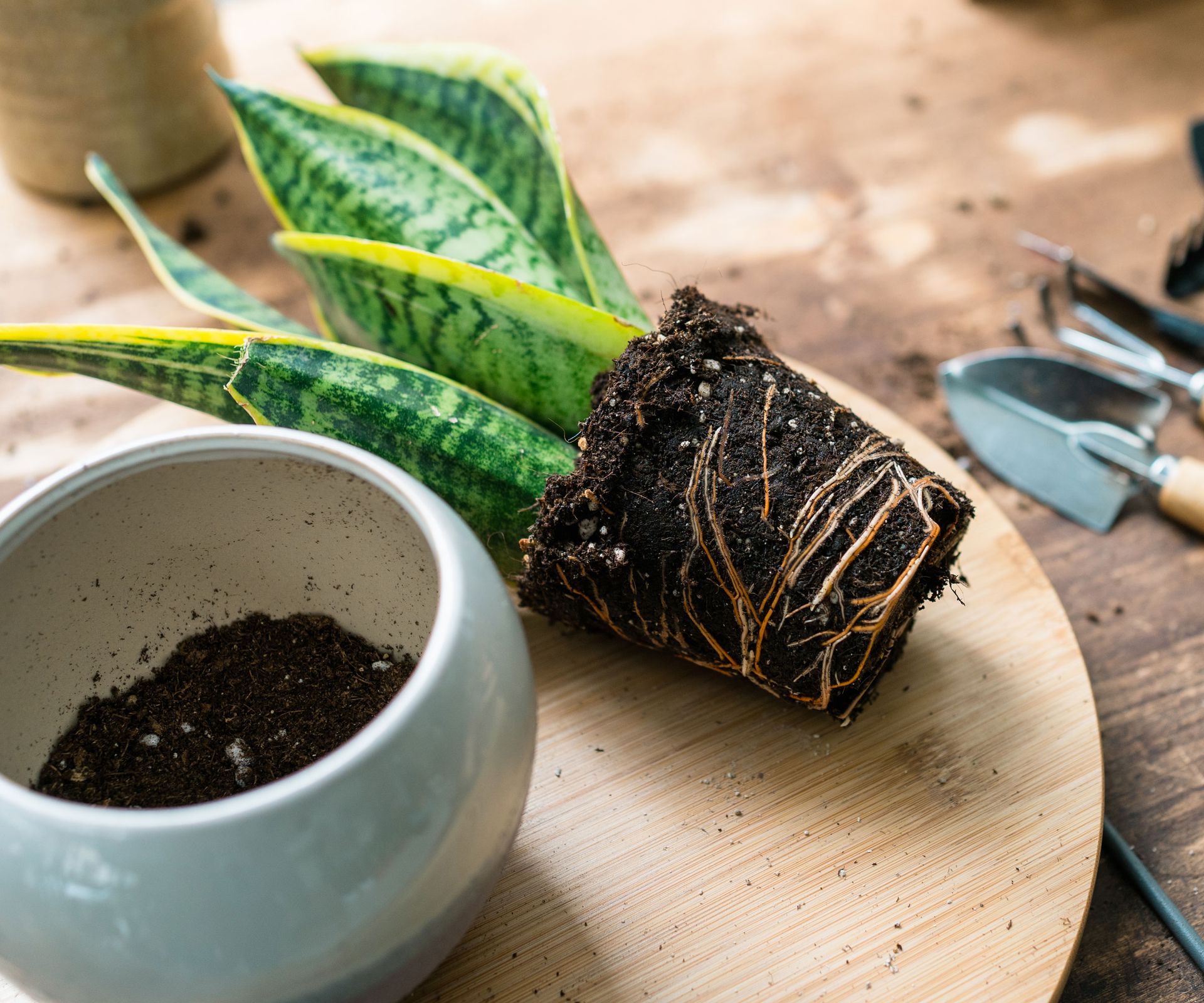
Tip the pot and look underneath. Drainage holes get plugged with compacted mix, a stray pebble, or roots that have grown through. In a decorative cachepot, a snake plant can stand in an inch (2.5 cm) of old water without anyone noticing. Lift it out and check. If the mix is still wet a week or more after you watered, it may have broken down and is holding too much moisture.
Winter is a poor time to disturb roots, so repotting snake plants is normally a spring job. The exception is a pot that won’t drain at all – or a mix that stays soggy no matter what. Then a careful repot now beats rotting roots in March. For a replacement, choose a pot with a drainage hole and its own saucer, like this Vigoro ceramic planter from Home Depot. Fill it with a gritty potting mix, like Miracle-Gro Cactus, Palm, and Citrus Mix, which drains much faster than regular potting soil.
5. Check the Leaves for Early Warning Signs
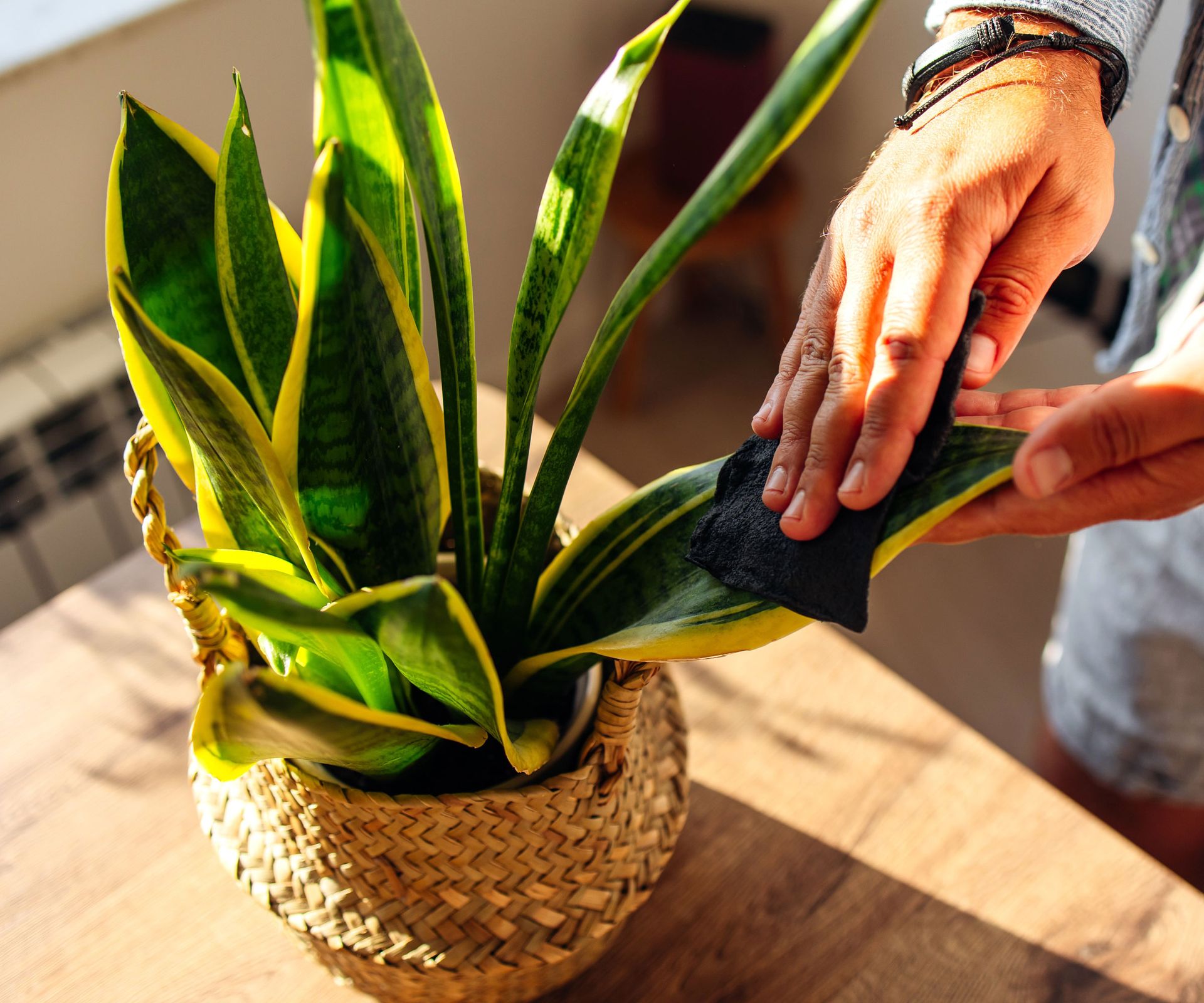
Look each leaf over, down to the soil line, for signs of common snake plant problems. If yellow is creeping up from the base and the leaf feels soft or mushy there, you’re looking at overwatering and rotting roots. Cold damage can look a lot like it, though. Wrinkled or curling leaves usually mean the reverse: the plant went too long between drinks.
Next, check the crevices where leaves overlap for pests. Cottony white tufts there are mealybugs (Planococcus citri), and small tan or brown bumps that stay put when nudged are scale (Coccus hesperidum).
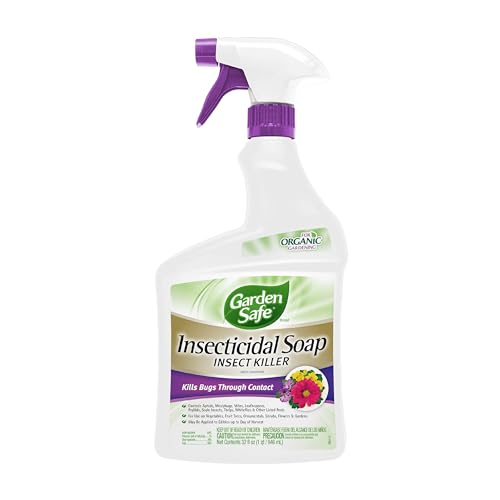
Dab a few with a cotton swab dipped in rubbing alcohol, then follow up with a ready-to-use insecticidal soap, like Garden Safe insecticidal soap, sprayed right onto the insects. It’s far easier to deal with a dozen now than hundreds in February.
What Not to Do with Snake Plants in November
Put the fertilizer away until spring. A plant that isn’t actively growing can’t use the feed, so unused salts build up in the mix and can burn roots. Hold off on routine repotting for the same reason. Fresh mix and a bigger pot push a plant toward new growth right when the light to support it is lowest. Disturbed roots also recover slowly in a cool room.
Don’t water your snake plant on a schedule just because the heat is drying out the air. Dry air and dry soil aren’t the same thing, and a snake plant copes with dry air far better than it does with wet roots. For the next few months, you want it holding steady, not growing.
Snake Plant Winter Essentials

Run the same five checks again around the new year. In winter, a snake plant mostly needs the right spot and to be left alone. Give it that, and the one looking a bit tired in November is usually putting up new leaves by late spring.