Some of the best gardening tips never make it onto a seed packet. They come from people who’ve worked the same ground for years and notice what the rest of us walk past – like how a tomato leaf changes color before trouble starts.
I recently stumbled across a fascinating piece of gardening history that feels just as relevant today as it did when it was written. Back in 2013, Amish farmer Joni Miller sent Modern Farmer a 45-page handwritten essay on organic gardening and farming, packed with diagrams and advice on everything from compost to certification paperwork. All he asked in return was a two-year subscription.
Much of what Miller wrote will sound familiar to organic growers. Some of it surprised me, though, and it’s fascinating to see how well his ideas line up with newer research. These are the eight lessons I found most interesting, and how to use each one at home.
1. Learn to Read Your Plants – They’re Telling You What They Need
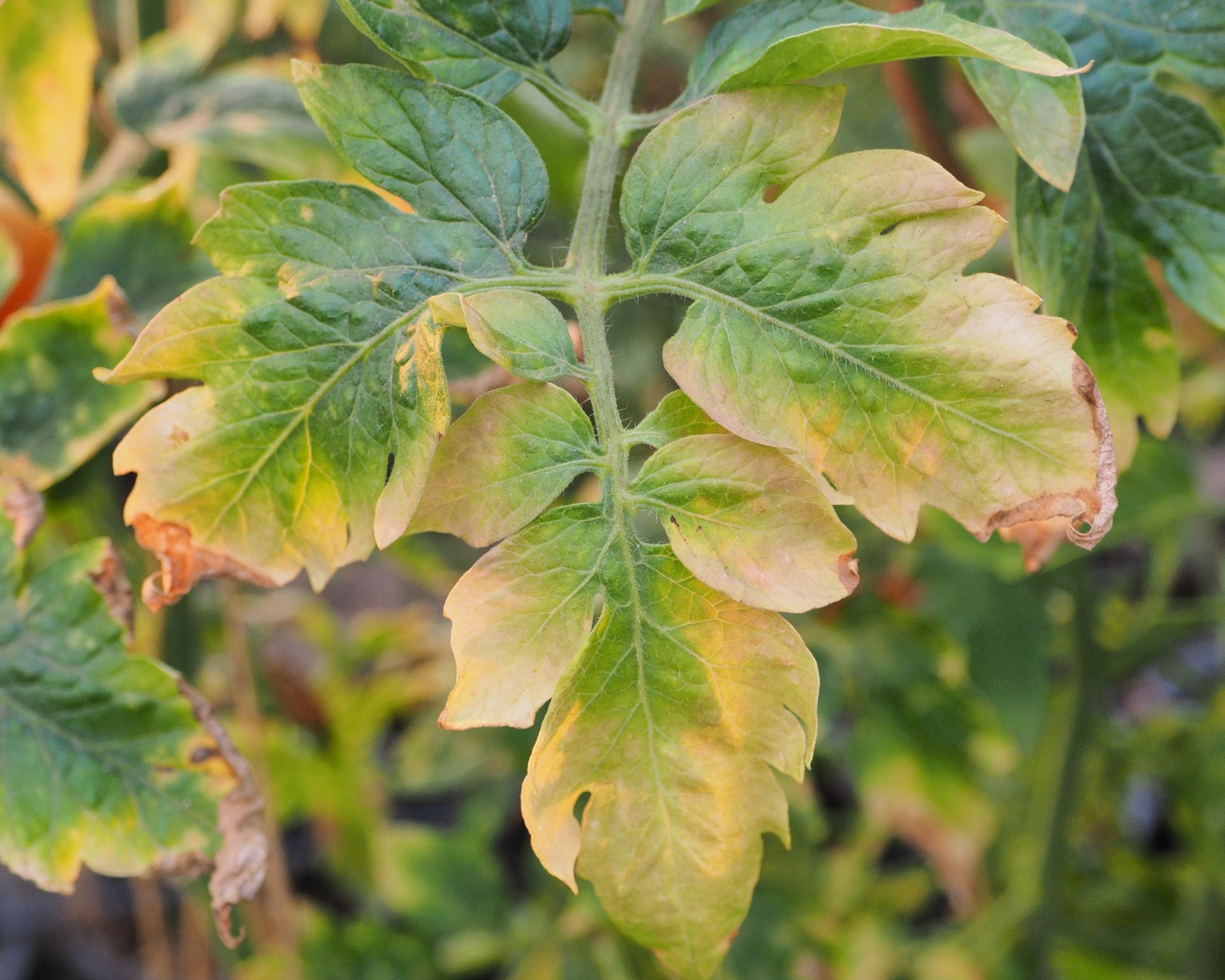
Miller suggests making a little chart of leaf colors, and I love the idea of reading a vegetable bed that way. For tomatoes and eggplant, he says lower leaves that yellow once the plants start bearing give up their potassium to the fruit. A black, rotting spot on a tomato’s bottom – aka blossom-end rot – in his experience, means poor calcium uptake.
Newer research largely agrees, though each symptom has other causes, too. Lower leaves also yellow from a nitrogen shortage, plain old age, or early blight (Alternaria linariae). Blossom-end rot does come from calcium not reaching the fruit, but the soil usually has plenty, and uneven watering tends to be the real trouble. I’d sort that out before buying fertilizer.
2. Pay Attention to Your Weeds – They Could Reveal Problems with Your Soil

The weed section grabbed me most. Miller noticed foxtail and other grassy weeds sprouting better in tight, high-magnesium soils, and lambsquarters surging after heavy turkey manure. Velvetleaf liked rich ground, Canada thistle faded once soil was loose and cultivated, and pastures full of dandelions never grew lush. As he puts it, “Reading soils by their weeds is an art!”
Researchers read weeds the same way today, as clues with wiggle room. Weeds tolerate a range of conditions, so dandelions might mean compacted soil and chickweed might mean wet ground, or a neighbor’s seed heads might just be blowing your way. Then confirm with a soil test, using a home kit that you send to a lab, like the MySoil Soil Test Kit, available on Amazon.
3. Catch Garden Pests When They’re Young and Vulnerable
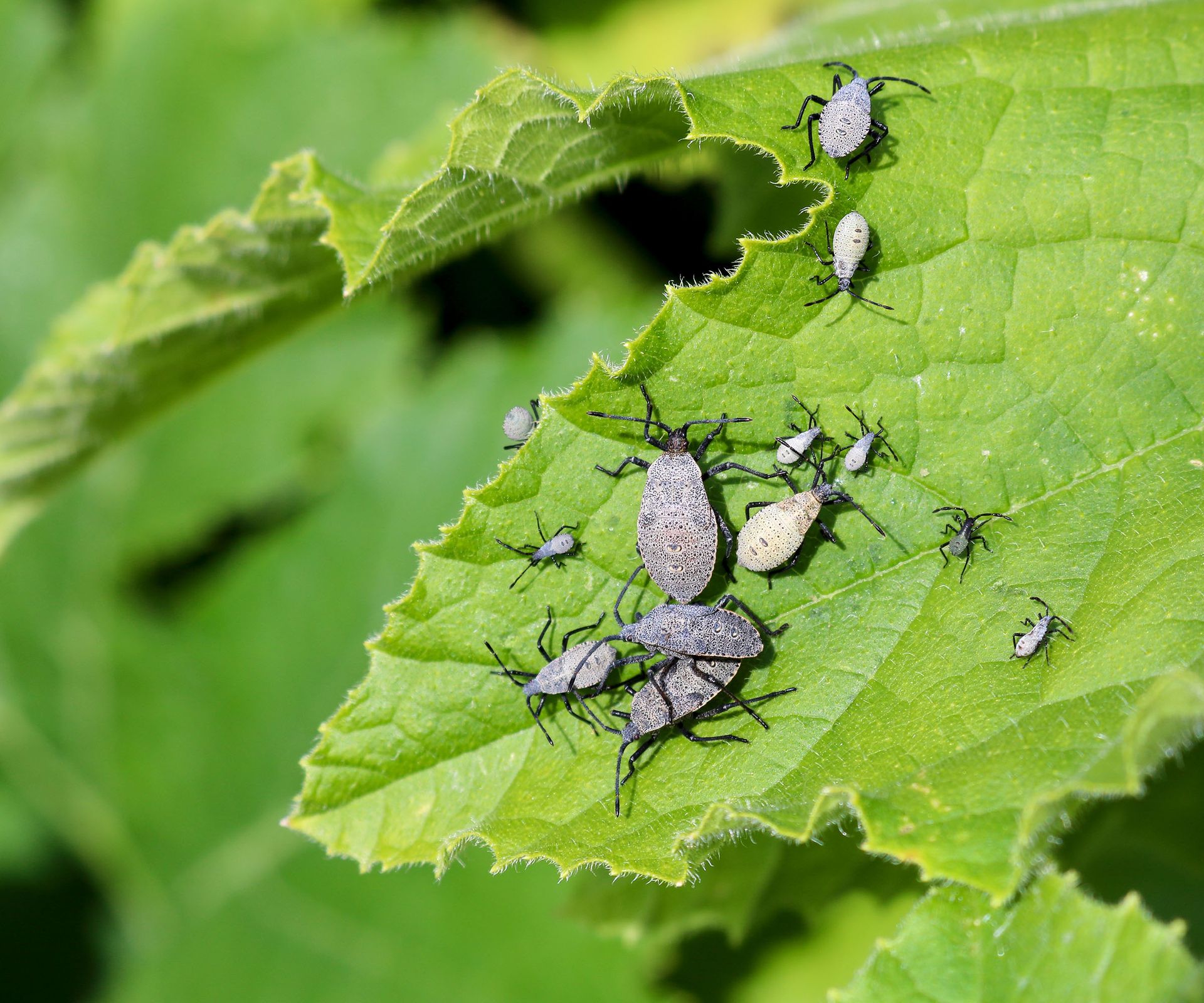
Miller’s pest advice starts with life cycles, using squash bugs (Anasa tristis) as his example. The nymphs that hatch look like little spiders and start out soft. Each molt hardens them, and by the later ones, he found few organic sprays could touch them. If oil can’t smother the eggs, his trick is to “target for those young spiderlings while they’re easier prey.”
That means turning squash leaves over. Look at the undersides, often in the crook between two veins, and you’ll spot copper-brown egg clusters. Duct tape pulls them off easily. If a few nymphs get past you, insecticidal soap or neem oil, like Bonide Captain Jack’s Neem Oil Spray, will knock them back, sprayed early or late, when bees are quieter. Adults, by then, are another story, and hand-picking works better on them.
4. Mulch with Alfalfa Hay to Feed Your Soil as Well as Suppress Weeds
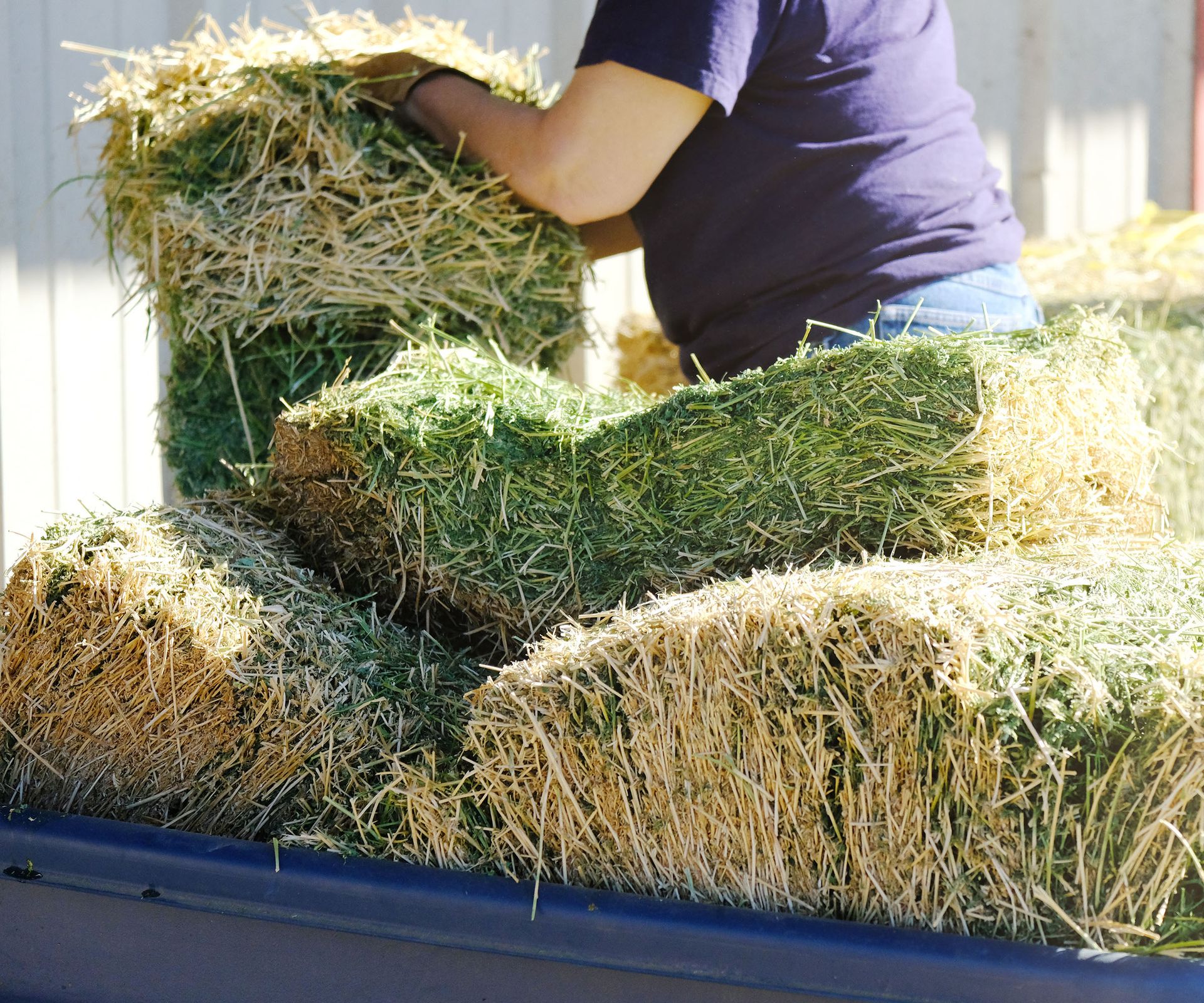
Straw mulch is nothing new, so Miller’s note about greenhouse tomato growers using alfalfa hay caught my attention. It keeps weeds down, but the bigger benefit, he says, is that “the decomposing alfalfa feeds the vegetables with high-quality nutrients.”
Modern studies hold that up. Alfalfa is a legume, so it has more nitrogen than straw and breaks down faster. It holds moisture, too. Once the soil warms, spread 2–3 inches (5–8 cm) of weed-free hay around tomatoes and peppers, leaving a gap at the stems.
Ask if the hay field was sprayed, as some hay herbicides linger, and tomatoes are very sensitive. Can’t find bales? Try using alfalfa meal instead, like Down to Earth organic alfalfa meal from Walmart.
5. Let Weeds Germinate Before Planting Your Crops

I was surprised to learn you can time weeding with a thermometer. Miller counts heat units. You average each day’s high and low, but a high over 90°F (32°C) only counts as 90, a low under 50°F (10°C) counts as 50, and you subtract 50. Weed seeds need about 60 units to germinate, he says, so he harrows right before that and starts back at zero with each new flush.
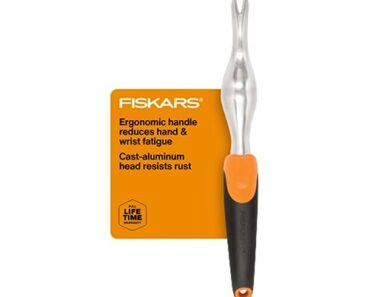
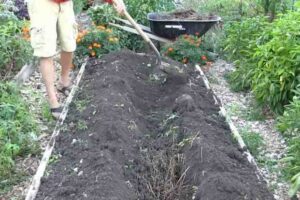
Weed researchers still study the same idea today, under the label stale seedbed, which is a funny name for it, honestly. Simply prepare the bed a few weeks early, water it, and wait for the first weeds, usually a week or two in warm soil. Slice them off in the top inch (2.5 cm) – digging deeper brings buried seeds up to sprout. WaLensee’s stirrup-style action hoe from Home Depot suits that shallow work. Then sow without stirring the soil again.
6. Water Early and Keep the Air Moving to Prevent Disease
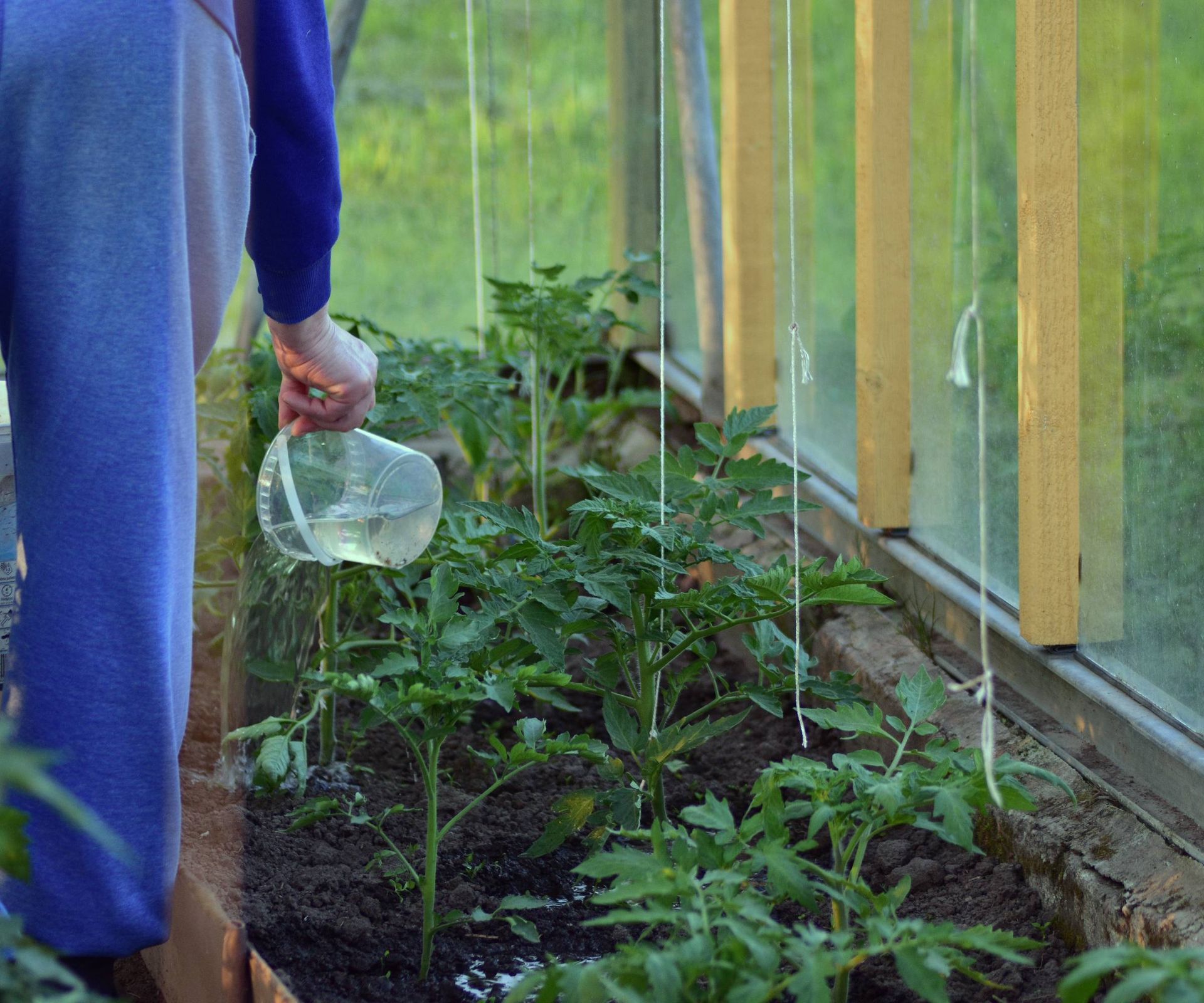
This one sounded simple to me, and it is, just about. Miller waters his greenhouse plants in the forenoon, not the evening, and opens the vents on sunny days so plants don’t stay damp. Fungal diseases, he warns, “explode in stale, damp environments.”
Current advice backs him up. Picture tomatoes watered at dusk, still wet at midnight. That’s where early blight and gray mold (Botrytis cinerea) get going. Water the soil in the morning instead, space and stake plants for airflow, and stay out of wet rows. Greenhouses need open vents or a fan, and patio pots need elbow room.
7. Grow Green Manure Crops to Restore Tired Garden Soil
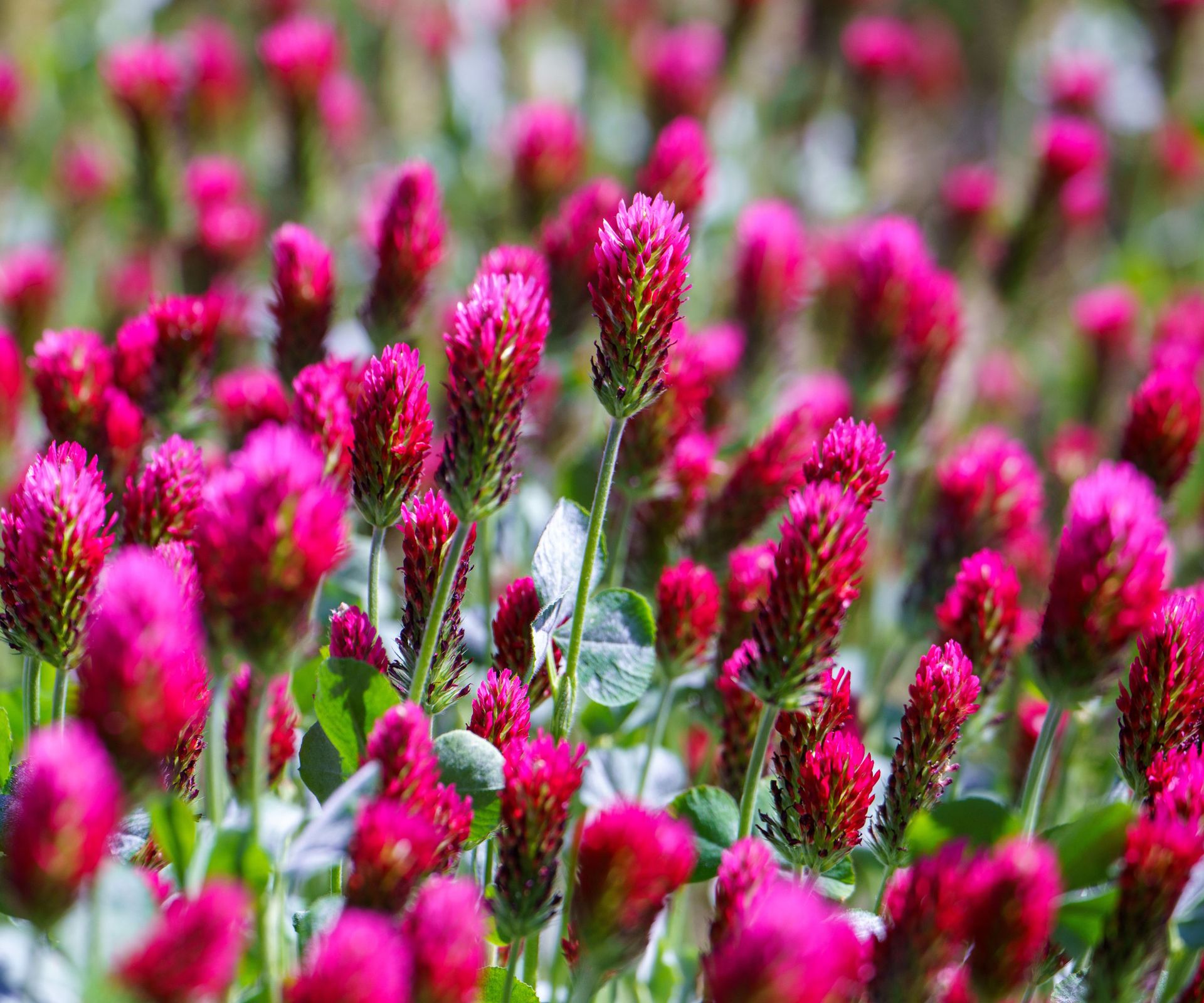
For run-down soil, Miller says green manure crops really help, along with soil tests. Bare soil takes a beating from winter rain. A cover crop holds it with roots and shades out weeds, too. Turned in or left on top, it adds organic matter. Legumes like crimson clover and field peas also pull nitrogen from the air, with help from root bacteria.
This late in fall, I’d go with cereal rye. Oats and field peas want a late-summer start, and a cold winter usually finishes them off. Crimson clover, available from Outsidepride on Amazon, needs a few weeks of growth before hard frost – unless your winters are mild, that one’s an early-fall job. In spring, cut the crop around flowering, before seed sets, then wait two to three weeks to plant.
8. Save Seeds from Your Best Plants to Develop a Garden That Thrives
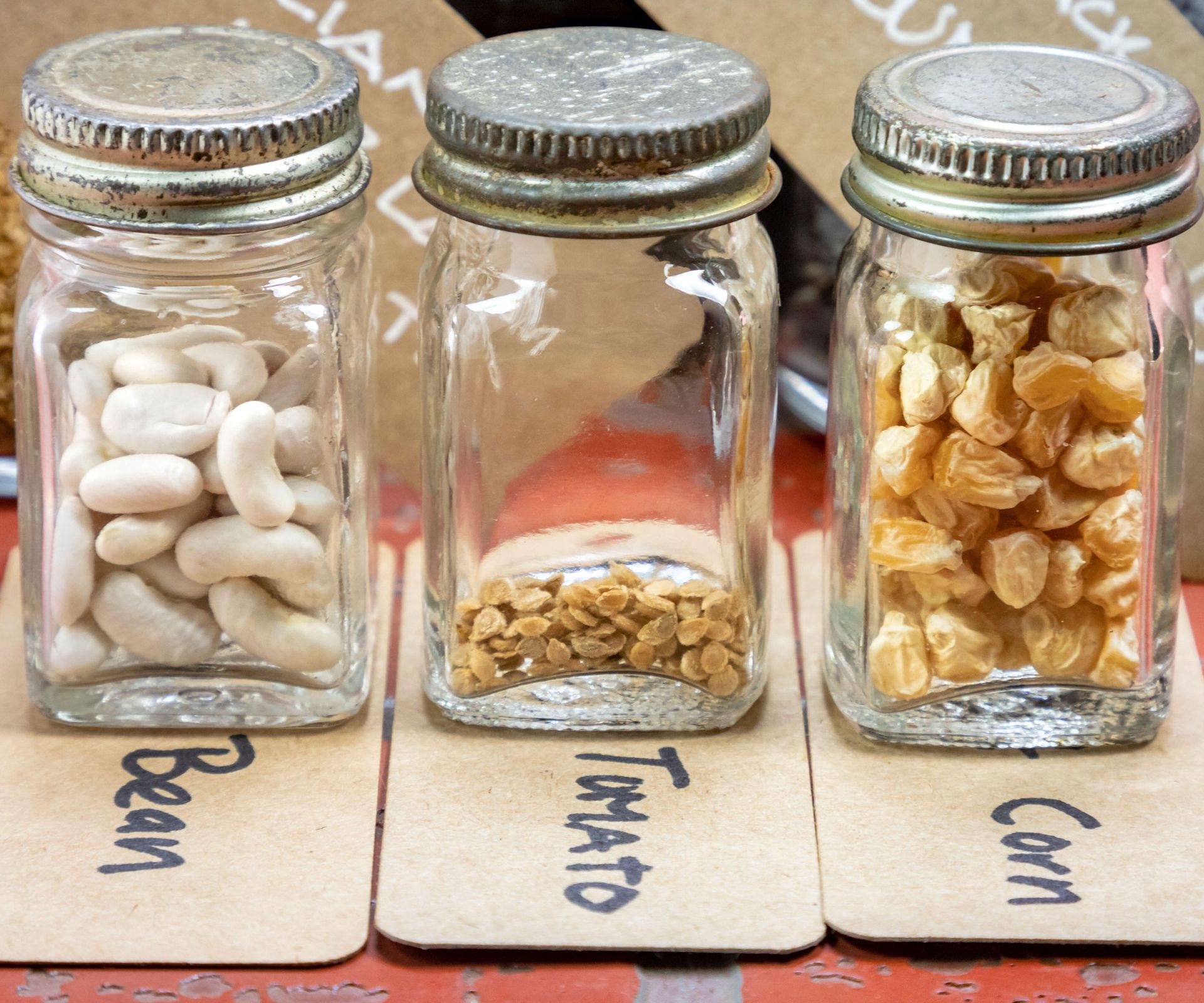
Farmers in Miller’s community save back their own soybean seed, which he says “helps that variety to somewhat adapt to your farm’s soil type.” You don’t need a farm for it. Save seed from several of your healthiest, most productive open-pollinated plants, not one favorite, and do it again the year after, too. Little by little, your seed comes from plants that thrive in your garden.
Beans, peas, lettuce, and tomatoes are the easy ones, because their flowers mostly pollinate themselves. Squash, cucumbers, and corn need isolation or hand-pollination, since bees and wind can cross them with nearby varieties. I’d skip F1 hybrids, though, since their seed can come up quite different. Dry your seeds well, then store them somewhere cool in labeled kraft paper seed envelopes.
Much of Miller’s letter covers certification forms, buffer strips, and ice houses. But tucked in between are gardening ideas that today’s research still backs up. Next season, I’m taking a slower look at my weeds and tomato leaves. You might notice things you’ve been walking past for years.