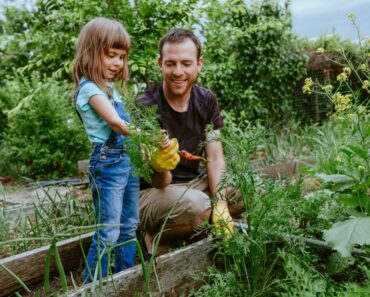
Most gardens get designed around whoever built them, which holds up fine right until it doesn’t. A knee goes, or somebody comes home from surgery with a lifting restriction, or a kid wants to help and can’t see over the wall of the bed. Accessible gardening starts from a different place: bodies change, and the layout ought to still work when they do.
Much of what makes accessible gardens function has less to do with disability than people assume, and more to do with height and surface, plus how far anyone has to lean to reach the middle of a bed. Sort that out and the afternoon gets easier for the gardener with a bad back or the 80-year-old still growing tomatoes.
Here are some clever ways to make your garden more accessible and easier to grow in at any age or at any ability level.
Accessible Gardening Ideas
None of these ideas require a contractor. A couple are weekend projects and the rest come down to buying a better version of something you probably already have in the shed.
1. Build Tall Raised Beds
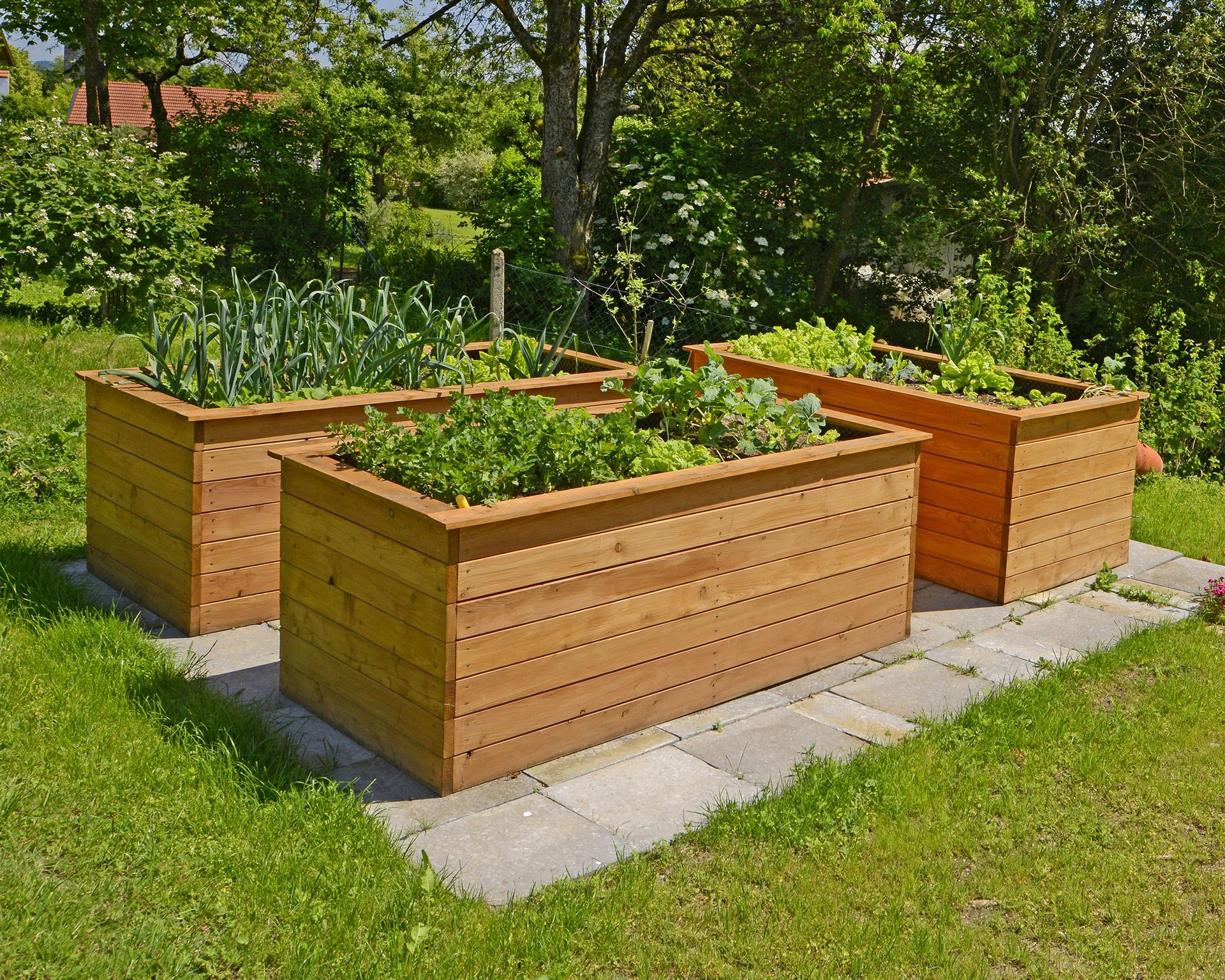
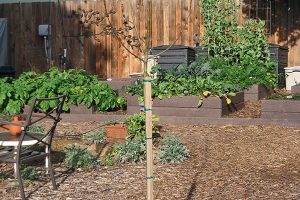
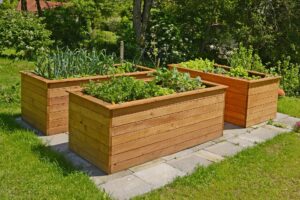
One foot to 18 inches (30-46 cm) is where most raised beds top out, which suits almost nobody. At 28 to 32 inches (71-81 cm) the soil sits around desk level and your arms do the work instead of your whole back while bending over low beds.
Reach is the other half of the equation. From my wheelchair, I can get maybe 24 inches (61 cm) in before my shoulders give up. So a bed approached from one side shouldn’t run deeper than that. Four feet (1.2 m) works when both sides of the bed are open.
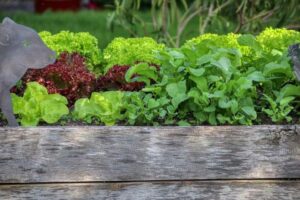
Home Depot carries an extra-tall metal raised bed kit from Vego in that height range. A wide cap board on a wooden raised bed gives you an edge to sit on while working in your garden.
2. Create Wide, Sturdy Paths
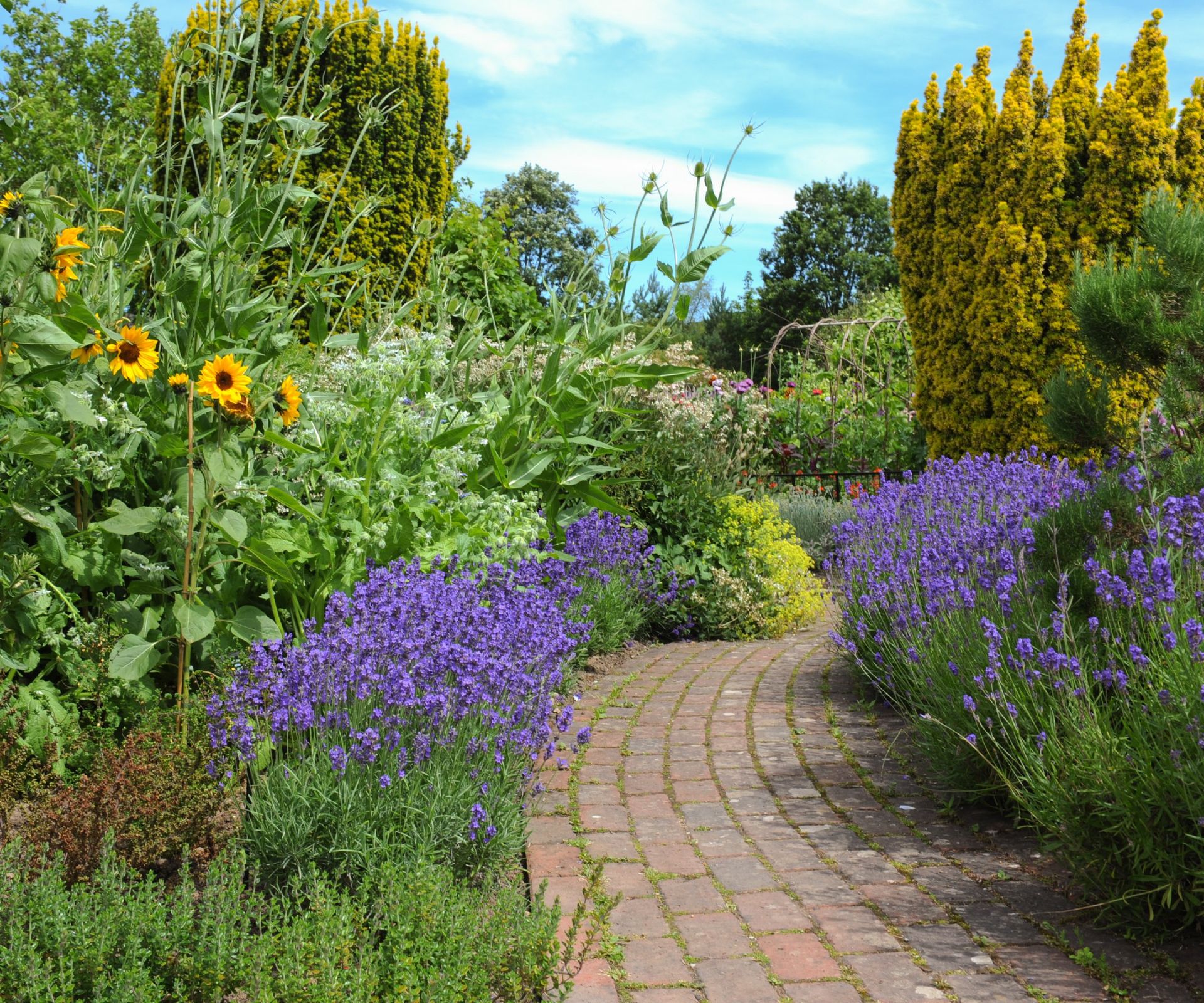
Loose bark looks great in photos, but makes wheelchairs roll terribly. A garden path that only works when it’s dry isn’t really a path. Call it a good weather suggestion. Compacted decomposed granite holds up under a wheelchair or a loaded wheelbarrow without grabbing at the wheels and so do pavers set tight against each other.
Width is as important as the material. 36 inches (91 cm) is the working minimum and 48 inches (122 cm) leaves room for somebody to walk alongside you. Dead ends should have a 5-foot (1.5 m) circle at the finish, since backing up blind is nobody’s favorite maneuver.
3. Grow Up, Not Out
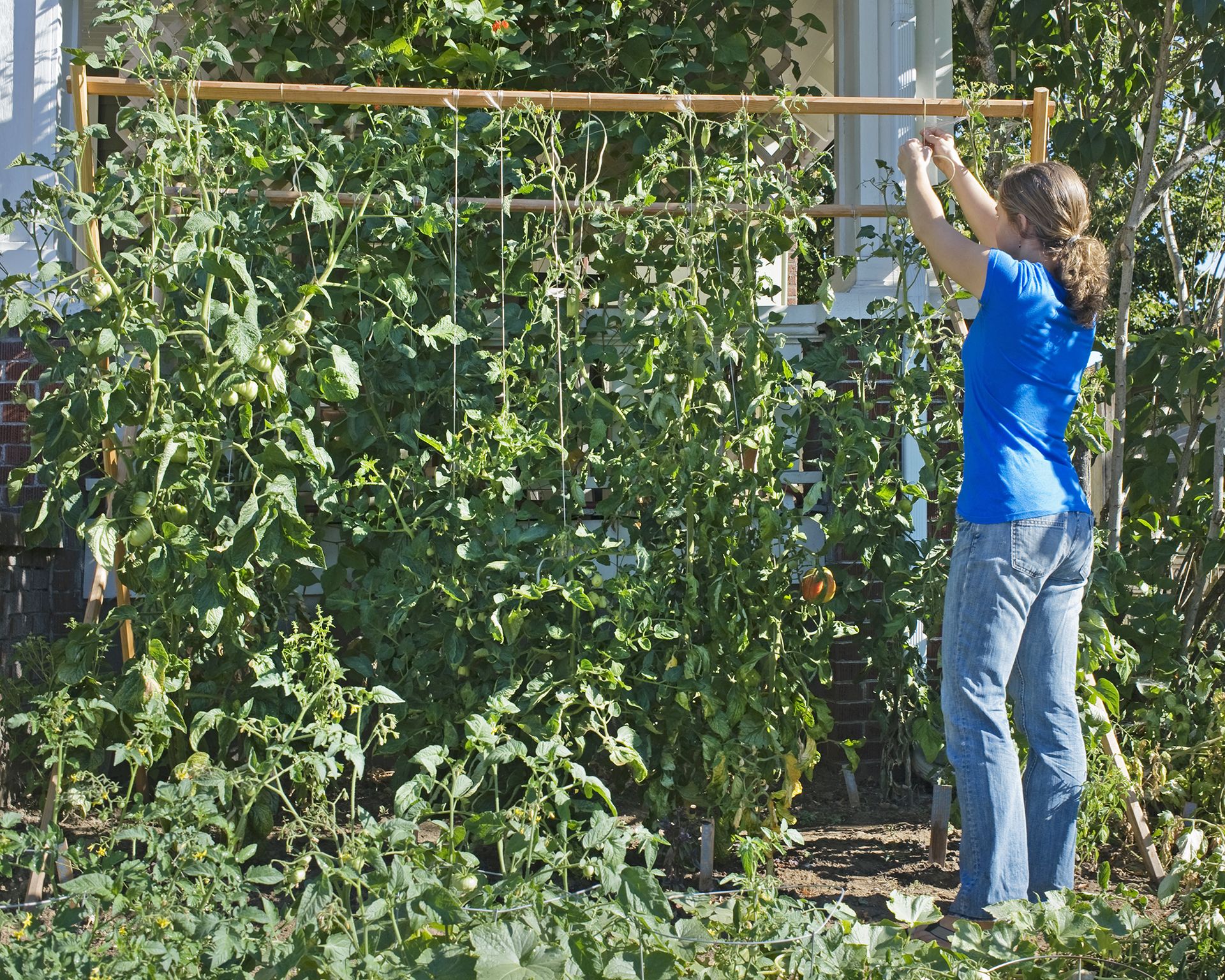
Harvesting plants at chest height makes the process so much easier. Pole beans and cucumbers on a trellis pull the picking up out of the dirt and an arch over a path does the same while shading whatever grows underneath. A cattle panel trellis arch is a cheap solution and tends to outlast the plants on it.
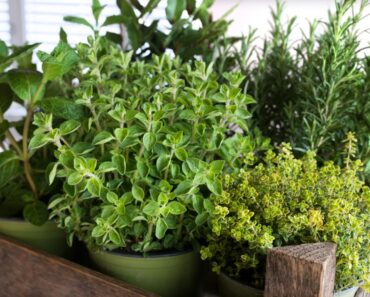
Wall pockets on a fence handle herbs and salad greens well. What all of these solutions avoid is the part where somebody gets down on the ground and then has to work their way back up. That part can be hard for anyone, not only older gardeners or people with a diagnosis.
4. Add Wheels to Heavy Planters
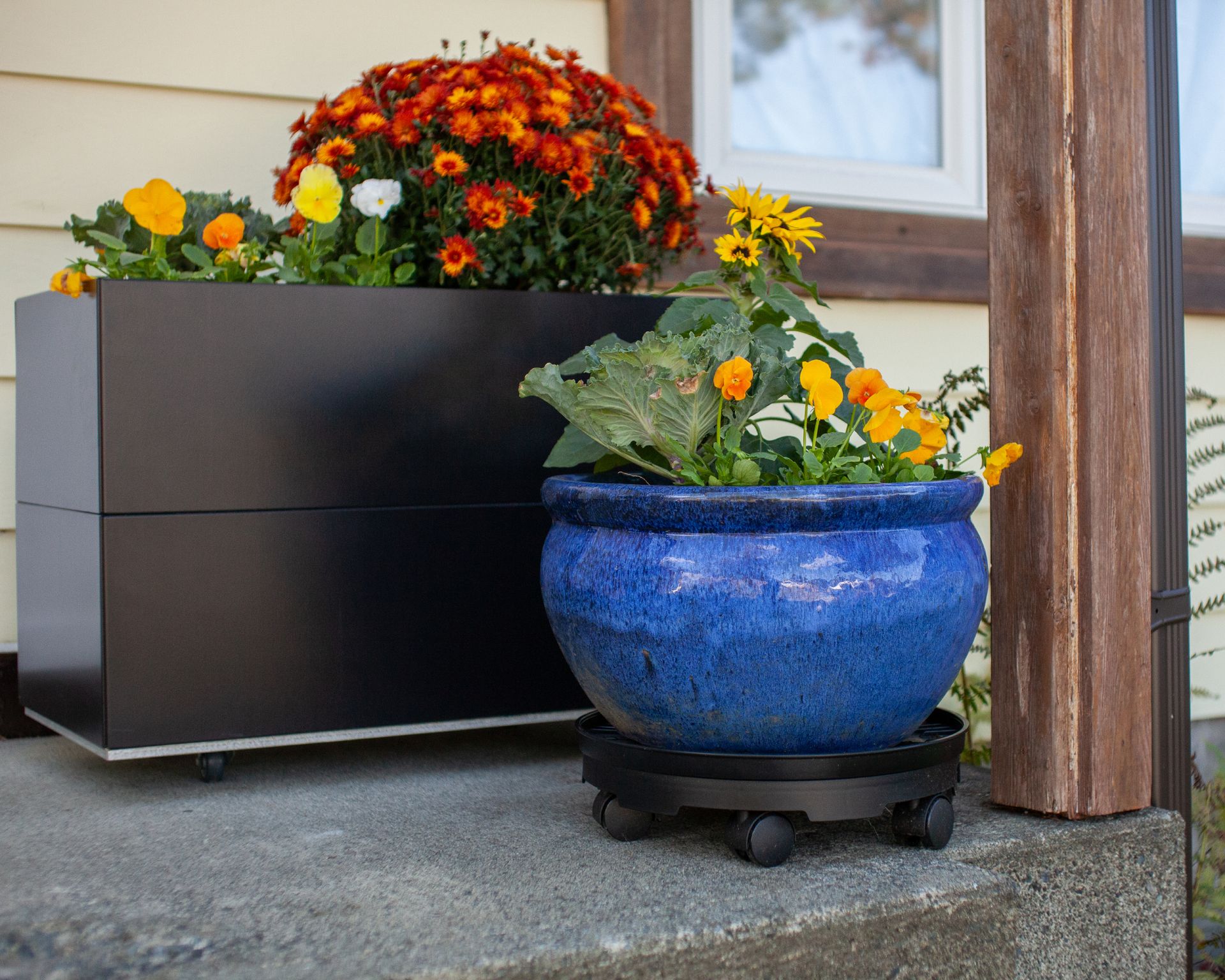
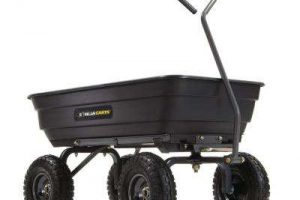
Once a pot passes about 80 pounds (36 kg) full, it stops being portable and becomes a permanent installation. A rolling plant caddy with locking casters, available on Amazon, gets that weight moving again. Easily move it out of an early frost or into shade once the July heat sets in.
Fabric grow bags and resin pots weigh a fraction of terracotta pots and hurt considerably less when one slips. A cluster near the door shortens the trip.
5. Invest in Ergonomic Tools
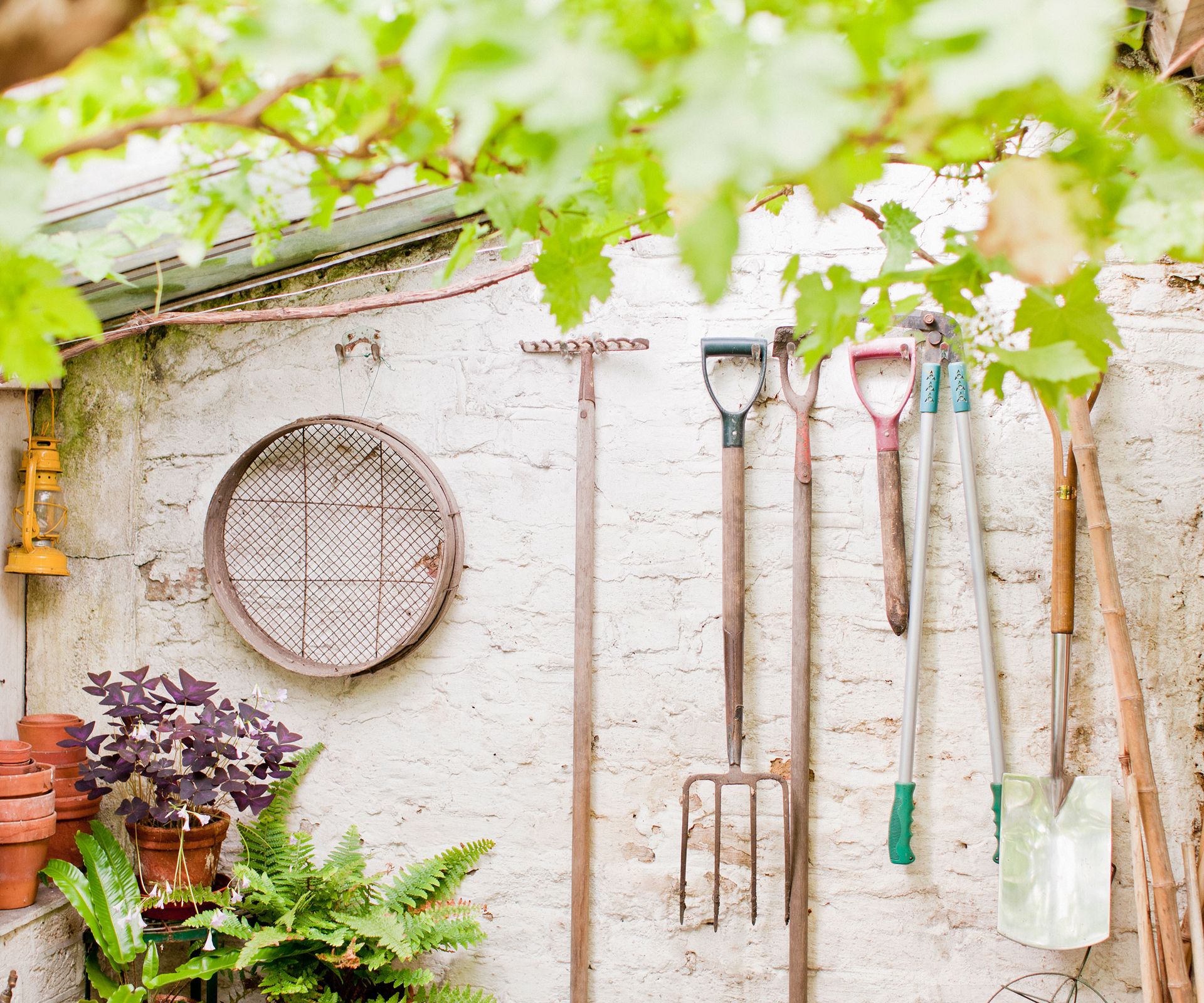
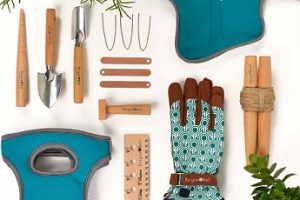
Grip strength usually goes before anything else, well ahead of the point where anyone wants to quit gardening in my experience. That’s where ergonomic gardening tools come in.
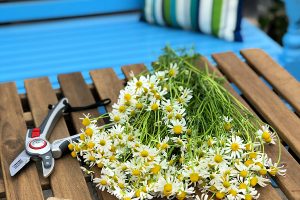
A ratchet pruner from Fiskars cuts in stages rather than one hard squeeze, so the hand does less work at any single moment. Telescoping handles reach into the middle of a bed without the lean. D-grips and fat padded handles beat the skinny round ones for anybody, arthritic or not.
Bright colors help, too, since a red handle is easily visible in a sea of green plants and brown mulch. Green tools disappear into the bed and stay hidden until fall cleanup.
6. Water Wisely
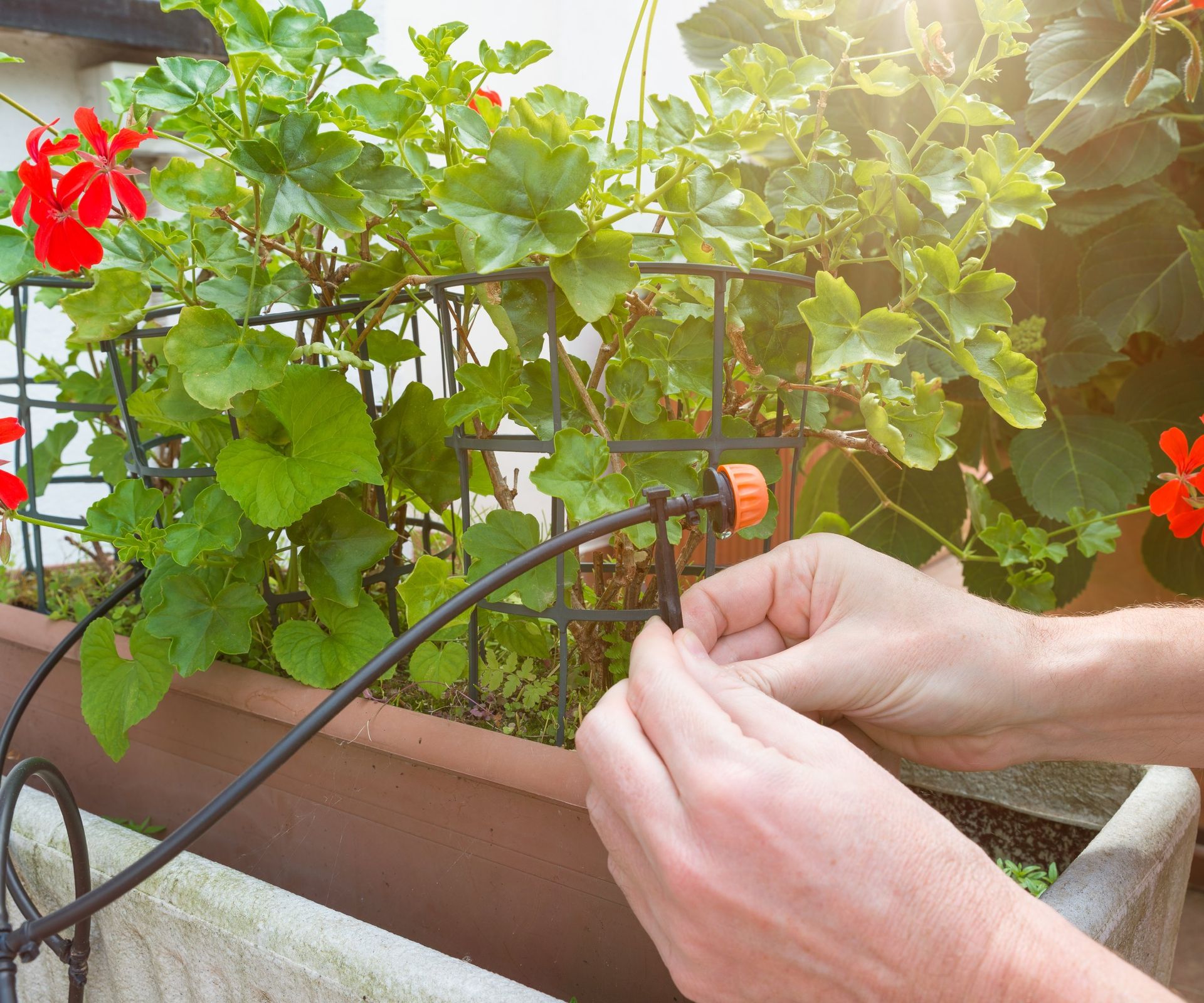
Water is surprisingly heavy, so hauling around a heavy watering can isn’t very accessible. A full two-gallon (7.5 L) can runs close to 17 pounds (7.7 kg), and most beds take more than one trip. Watering is the chore that tends to get skipped in a heat wave and that’s when the worst damage can occur.
Install drip irrigation under mulch. Use a hose timer from Home Depot (this is the one that Content Editor Laura has used for years) to simplify further. All that’s left after setup is checking the emitters haven’t clogged.
If you prefer to use hoses, quick-connect fittings take the wrist twisting out of threading a coupling. A guide stake at each corner keeps the line from dragging across whatever just went in the ground.
7. Provide Plenty of Rest Areas
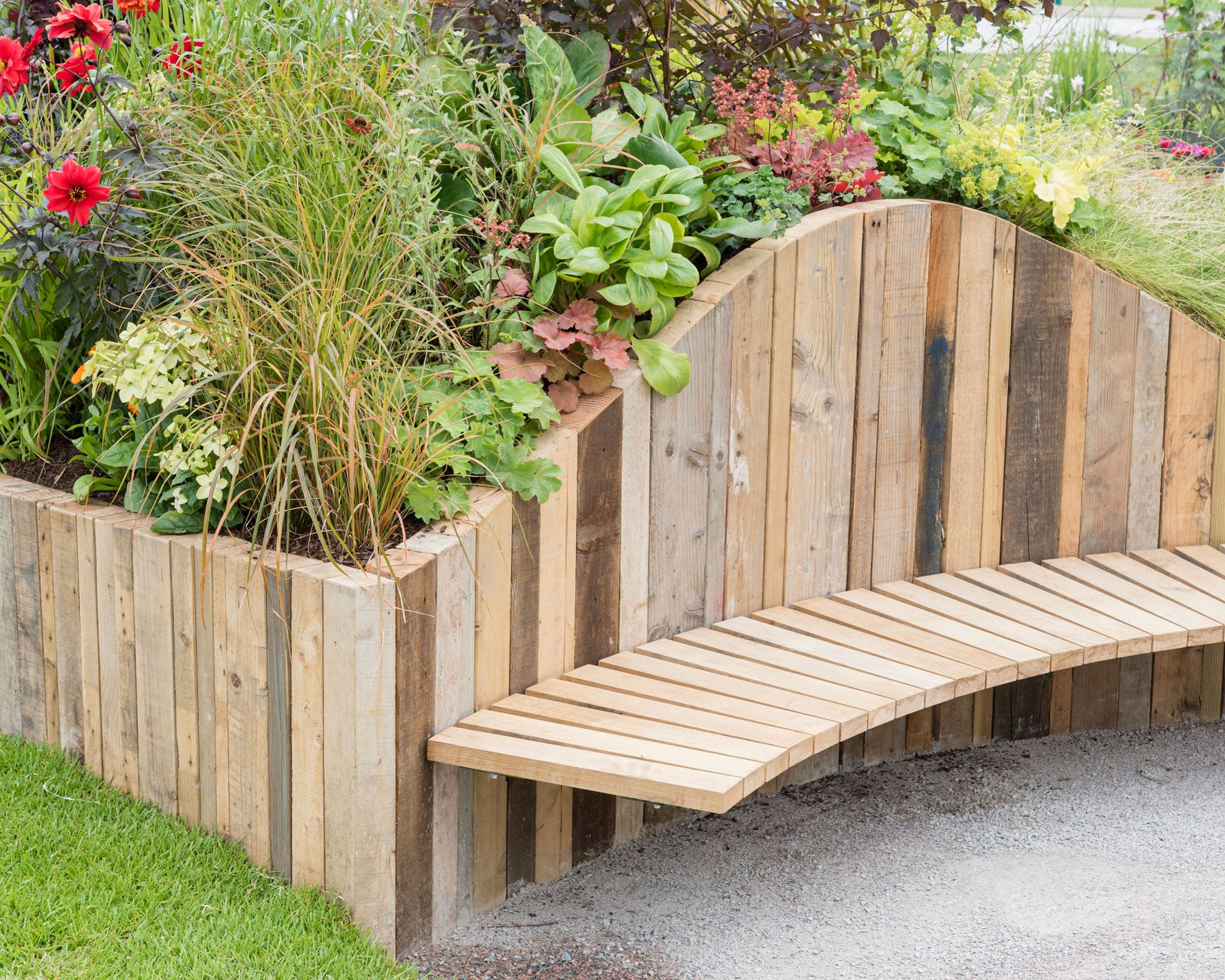
Garden benches aren’t just there to look nice. Fatigue can show up sooner than anyone planned, so a place to sit down within reach may decide whether the weeding gets finished or abandoned halfway. Wide raised bed edges count as rest spots. So do a couple of upturned crates.
Add a rest area every 20 or 30 feet (6-9m) along the main route through your garden, plus one near the potting bench where the standing work happens. Shade over at least one of your rest areas. You’ll thank yourself come July.