
August can be a challenging month for orchids with high temperatures, intense sunlight, and dry indoor air due to air conditioning. Many orchids are taking a pause in flowering during this time of year, but care now isn’t about forcing new blooms. It is all about creating the optimal conditions for healthy plants that will bloom well later, when they’re ready.
August orchid care isn’t time-consuming or difficult. It’s all about ensuring your plants have the conditions they need to finalize summer growth and be healthy enough to put out flower spikes later. The effort you put in now will reward you later with abundant blooms.
Proper orchid care at the end of summer should focus on light, water, humidity, fertilizer, and checking plants for pests, healthy roots, and good airflow. Follow this simple August care checklist, which can also be used into early September, to set up your orchids for successful blooming in the coming months.
1. Provide Bright, Indirect Light
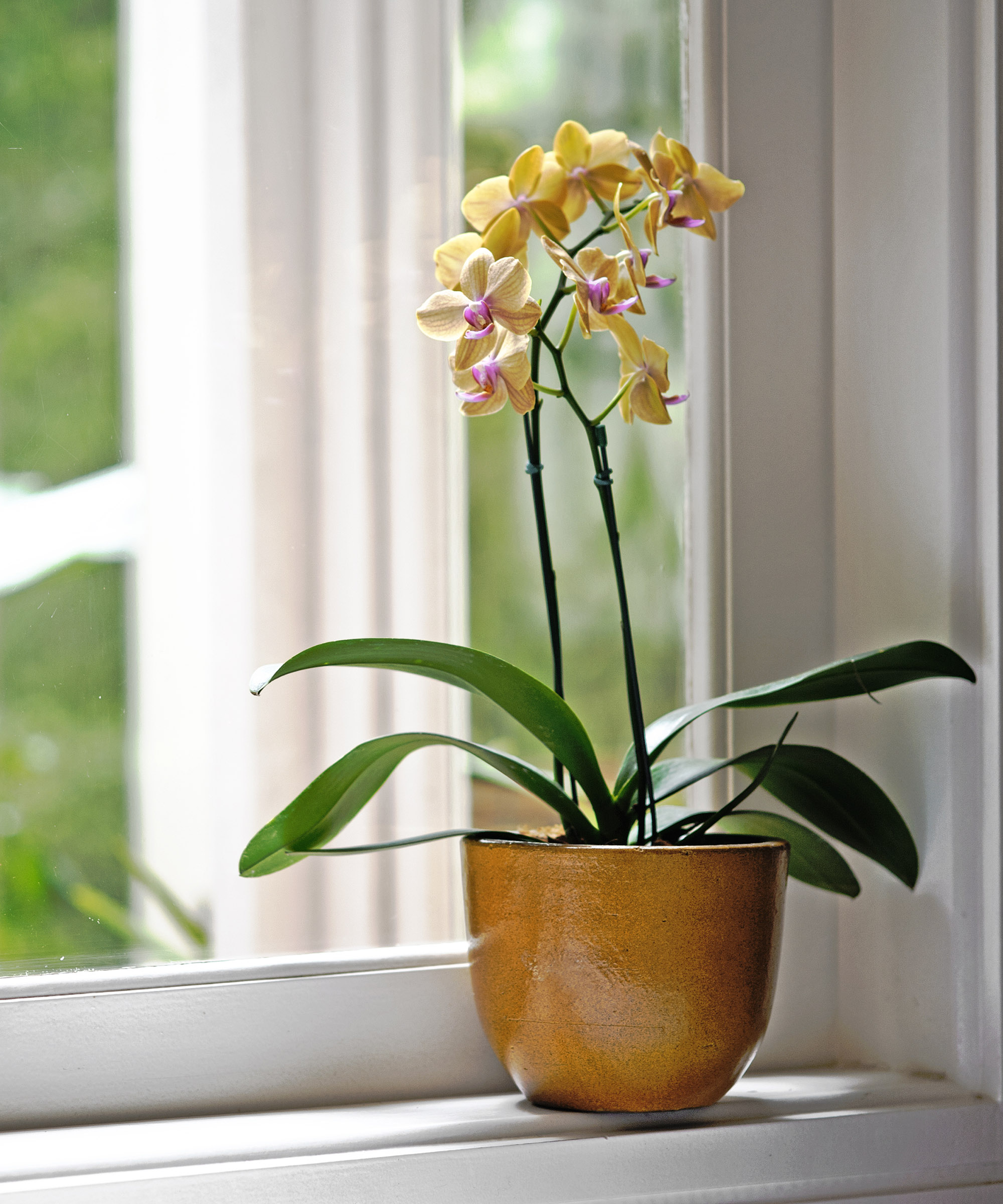
August sunlight can be intense, especially if you have plants situated in west or south-facing windows. Most orchids thrive in bright, indirect light. Too much direct light can be damaging. Signs of too much sun include scorched, yellow, or faded leaves.
Check that the shifting August light has not compromised your orchid. If it has, move it to a better location or use a sheer curtain or taller plants to filter some of the bright light coming through the window. The right balance of light for orchids will keep your plant healthy and allow it to develop the strong foliage and root growth that will lead to flower spikes.
2. Adjust Watering as Needed
August can be hot and humid or hot and dry, depending on whether you use air conditioning or not. Most people do, so your indoor air is likely very dry during this time of year, which is not ideal for orchids.
Instead of watering orchids according to a strict schedule, check the roots and potting medium and water as needed. Healthy roots are green and fleshy, while dry roots may begin to appear silvery or wrinkled. This often means watering more than usual to accommodate the dry air.
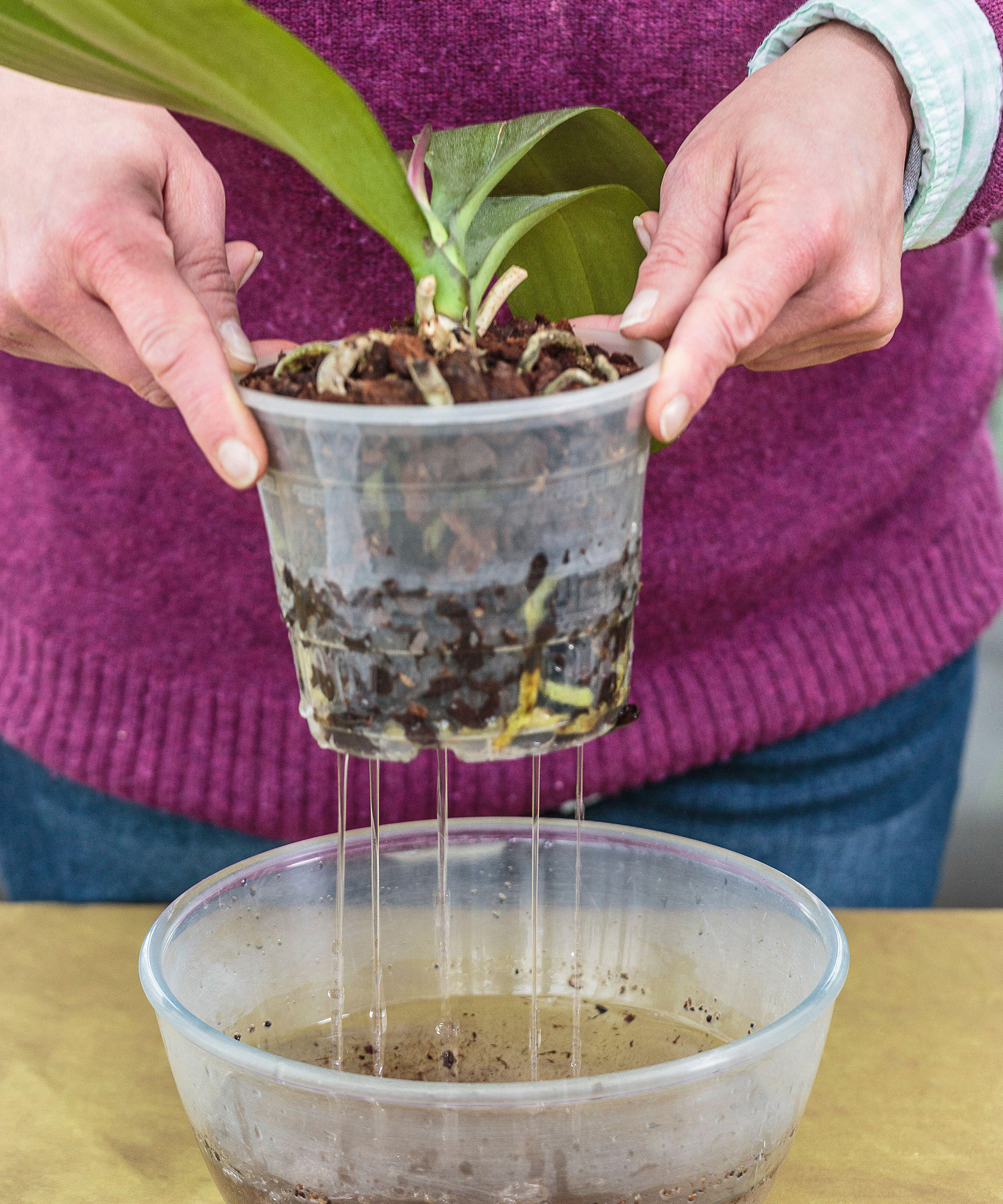
Water your orchid until it drains through the bottom of the container, then let it dry completely before putting the pot back into a tray or dish. Standing water from overwatering can be as damaging as letting your plant dry out too much. If you’re not sure how much or how often to water, you can use a soil moisture meter, like this one from Amazon, to check.
3. Maintain or Increase Humidity
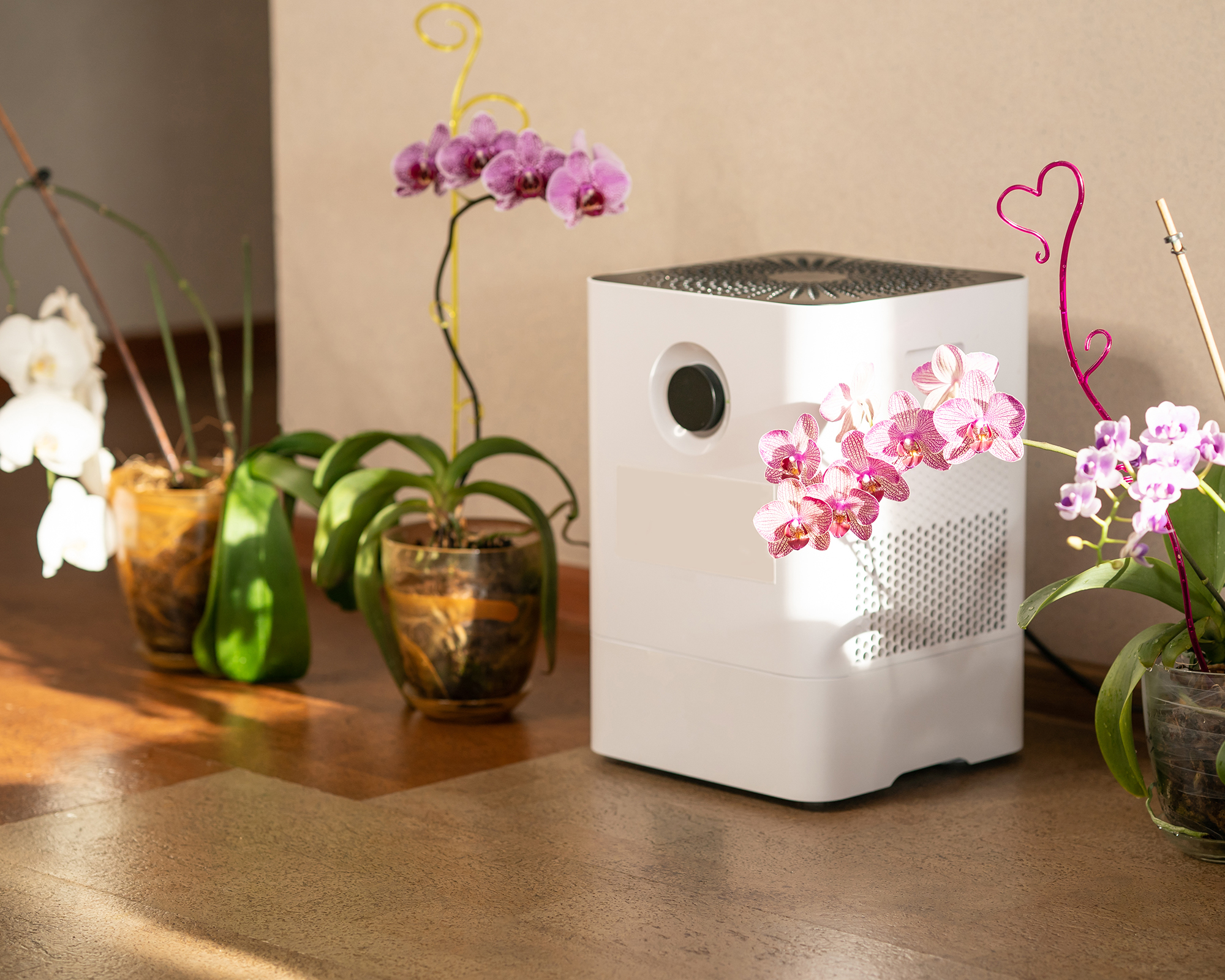
Watering well and more frequently is just one way to combat dry August weather. You also need to ensure your orchid has enough moisture in the air surrounding it. Orchids thrive in humidity and suffer in dry air.
You can manage this using a humidifier, like this highly-rated option from Levoit, in the area around your orchid. Another option is a pebble tray. Fill a shallow tray with pebbles and water and set your orchid pot on top of the pebbles. The bottom of the pot should not be sitting in the water, just on top. This creates the humidity your orchid needs in the air right around the plant.
4. Keep Feeding Orchids Carefully

Orchids are typically still in a period of active growth right now, but they might be slowing down. It’s important to keep fertilizing orchids in August without overdoing it.
Too much fertilizer can damage the roots. The right amount of fertilizer doesn’t specifically create flowers, but it does push the plant into producing healthy leaves and roots, which support new flower spikes.
The easiest way to feed an orchid is to use a product designed specifically for orchids. Follow the instructions on the label. Never apply fertilizer to dry roots. Water the plant first and then apply the product.
Also, keep in mind that it’s better to use a diluted formula more often than to apply a strong fertilizer only once in a while. This organic orchid-specific fertilizer from Espoma is good option is a good option for mixing into water to get more blooms.
5. Check the Roots & Potting Medium
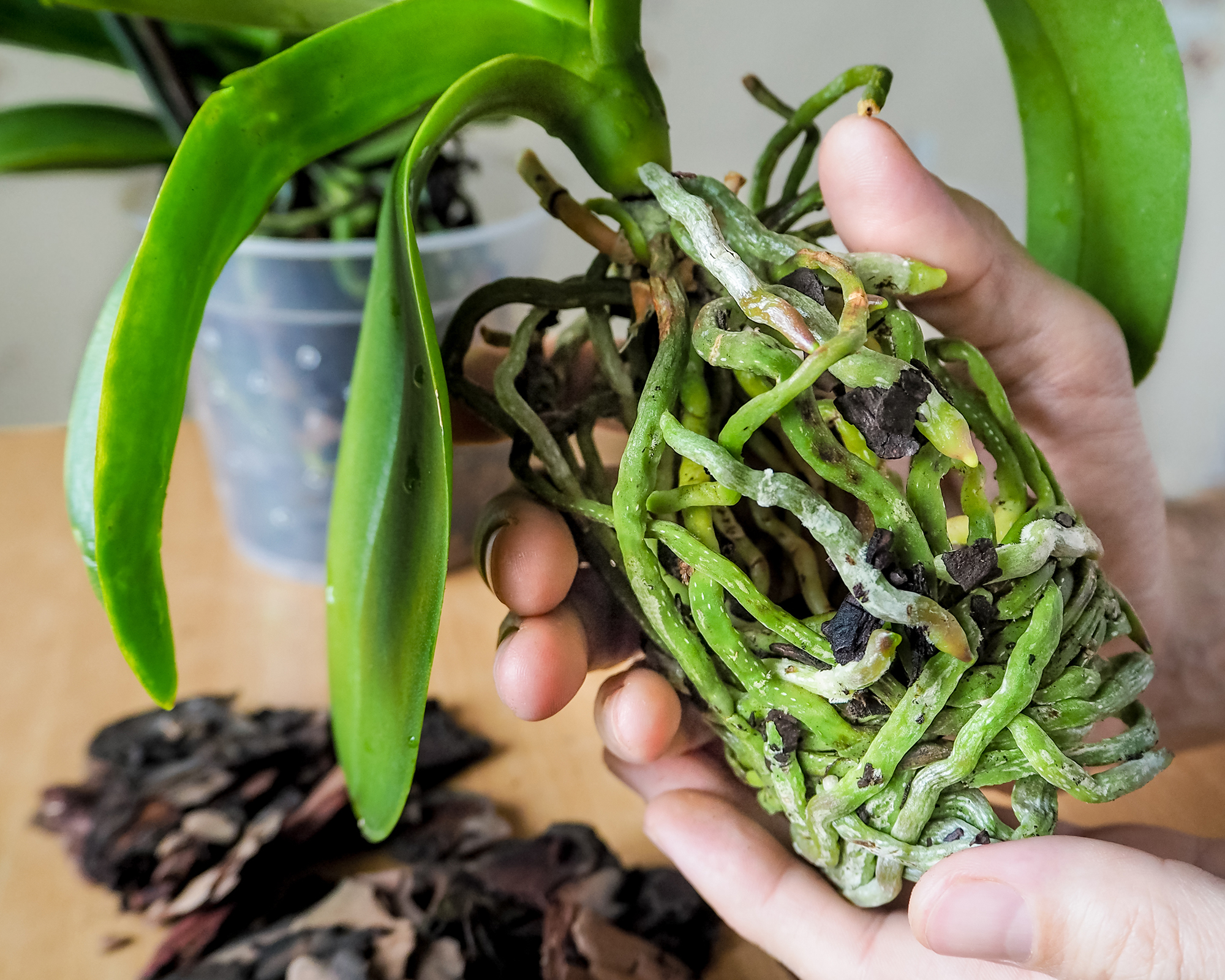
Now is a good time to inspect your orchid roots and potting medium. Remove the plant from the pot to look at the roots. They should be firm and green. If they are lighter colored and wrinkled, they’re not getting enough water. If they are mushy or dark, they are getting too much water.
As potting medium breaks down, it holds onto more water. This can lead to mushy roots even if you haven’t increased watering frequency. If the potting medium and roots both indicate an issue, it’s time to repot your orchid. Get fresh potting medium – this orchid potting mix from Amazon is a good choice – and if the roots seem crowded, transfer your plant to a slightly larger container.
6. Watch for Pests & Airflow
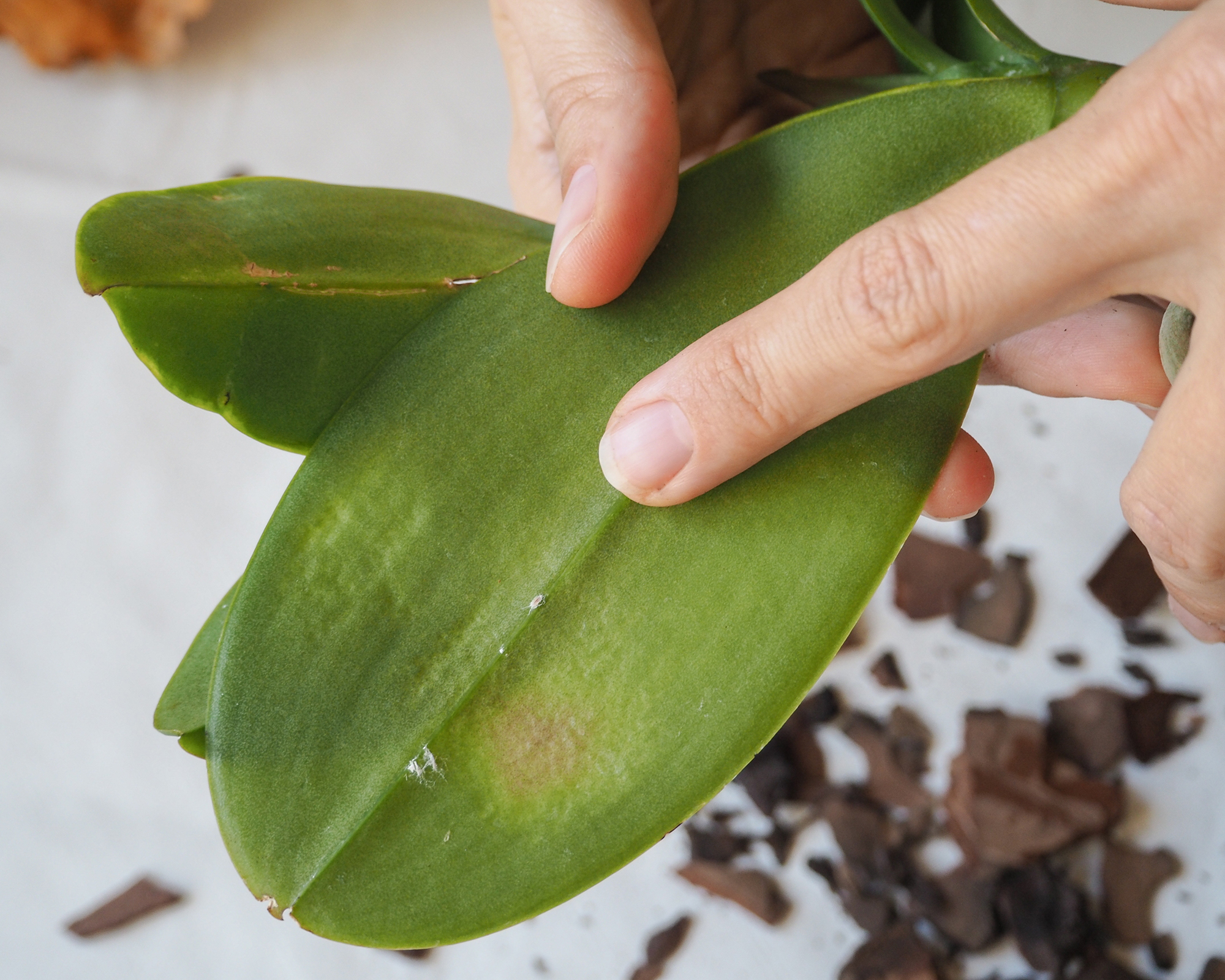
Summer conditions can easily lead to houseplant pest problems. The issue can be exacerbated for orchids if you add humidity without ensuring good airflow.
Inspect your plants this month for common orchid pests like aphids, mealybugs, scale, and spider mites. Use water to remove pests and consider isolating affected plants from others until the problem is under control.
To improve airflow around plants, use a fan. A gentle moving breeze from a rotating fan is best and will help move the air, making it a less desirable location for pests to settle down. This compact, clip-on fan from Amazon is easy to position near orchids or wherever else you may need it.