As you read and learn about a specific plant’s pruning needs and preferences, you may develop some pruning anxiety. With such specific pruning rules, you may feel like you need a diagram next to a plant to prune it properly.
But not all plants are fussy about pruning. Many plants are much more laid back. One of my favorite forgiving plants to care for are tomato plants. But even though growing tomatoes and pruning them the right way is easy, there are still some important guidelines you need to follow for the best results.
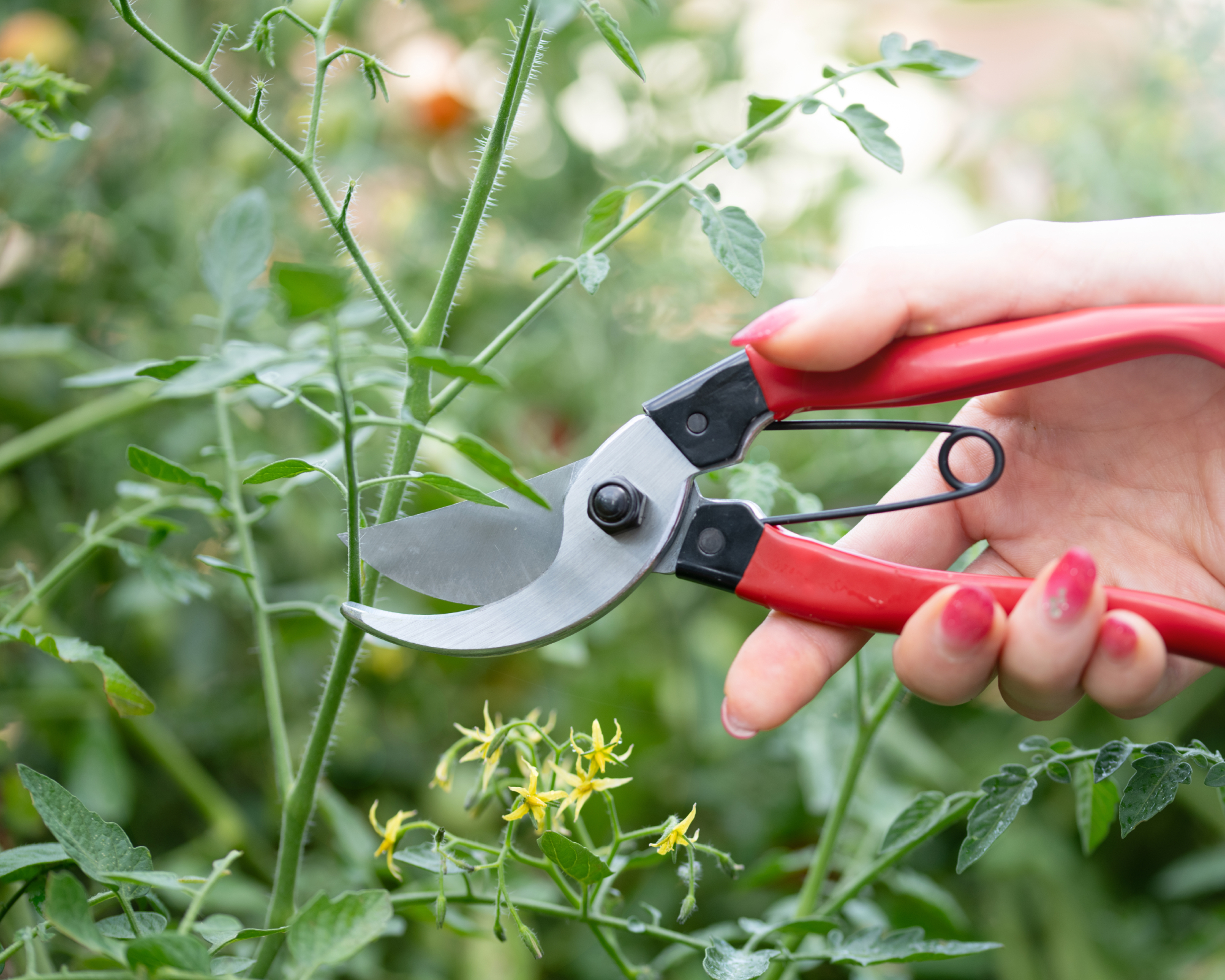
Pruning tomatoes the proper way and at the proper time can increase your yields, make harvesting easier, and keep plants pest and disease-free. Here’s how to prune tomatoes for healthy plants and bigger harvests.
Should You Prune Tomato Plants?
The answer to this question is actually a personal one. Some people assert firmly that pruning tomato suckers improves the production and health of a plant by improving airflow, which can reduce the spread of disease. Others claim that pruning tomato suckers damages the plant unnecessarily, opening it up to disease without providing considerable benefits.
Your tomato plant won’t instantly grow three new stems in the place of every stem you cut, but it will reward your pruning efforts with a bounty of delicious fruit. Regularly pruning tomato plants will help the plant produce more fruit.
Plants need foliage to create energy from photosynthesis, but the growth and development of foliage uses up a lot of the plant’s energy that could be used for fruit production. Cutting off tomato suckers redirects the plant’s energy away from growing new stems in favor of producing more fruit. Pruning off extra stems also means that your plants will produce less tomatoes that are bigger in size.
It is possible to get overzealous when pruning tomatoes and wind up with an over-pruned plant. First you need to understand which types of tomatoes benefit most from pruning and then I’ll walk you through how to prune tomatoes the right way for the best results.
Pruning Different Types of Tomatoes
When it comes to cutting back tomato plants, there are some things you need to know. Tomato plants fall into two categories: determinate and indeterminate.
Determinate Tomatoes
Determinate tomato plants are shrub-like. They grow to a certain height, then stop growing up and instead fill out and grow bushier. Determinate tomato plants also go to flower and fruit all at once.
‘Patio’, ‘Roma’, and ‘Celebrity’ are a few popular varieties of determinate tomato plants. Because they fruit in a shorter time span and grow as more compact plants, determinate tomato plants need less pruning.
When you first plant a determinate tomato, you should prune off any tomato flowers that form before the plant is 18-24 inches (45.5-61 cm) tall. This will redirect the plant’s energy from flower formation to developing strong roots.
As the plant grows, prune out any crossing, crowded, damaged, or diseased stems and foliage to keep the plant open, airy, and free of pest and disease. Removing tomato plant leaves that grow just beneath the flower sets will send more energy to fruit formation.
Indeterminate Tomatoes
Indeterminate tomato plants are more like vines. They grow long stems that continually bear new fruit sets. You can save space in the garden and focus on fruit production by growing indeterminate tomato plants vertically up poles, arbors, trellises, or fences.
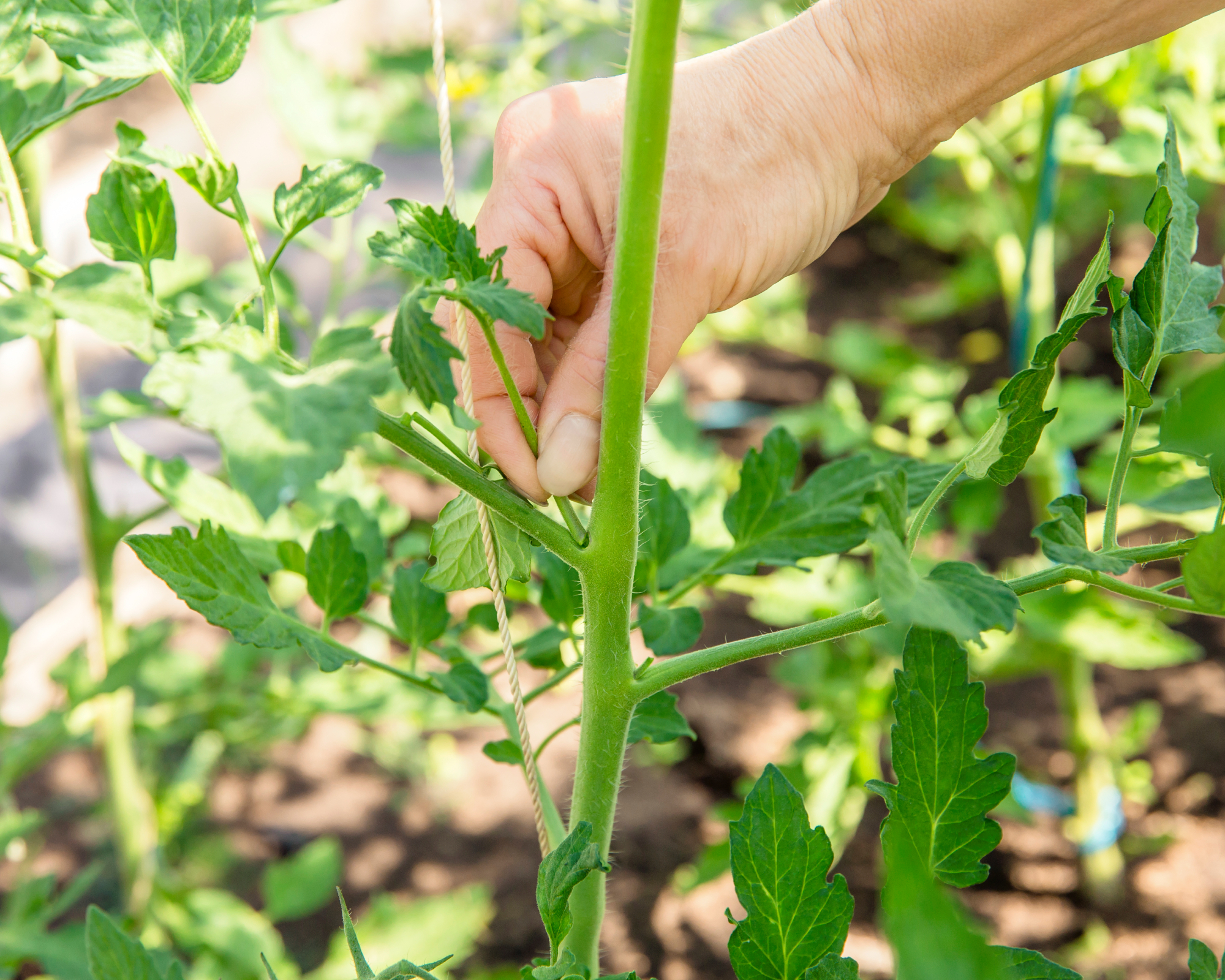
They can be trained and trimmed easily to grow as single stemmed, heavy fruit-bearing plants by removing excess tomato plant leaves and sucker stems that form along the main stem.
Many heirloom tomatoes, cherry tomatoes, and ‘Better Boy’ tomatoes are popular varieties of indeterminate tomato plants. In late summer, they can be top pruned to redirect the plant’s energy into ripening its last fruits.
When pruning tomato plants, or any plants, focus first on removing foliage, fruits, or stems that show any sign of disease or pests. Then sanitize your tools and wash your hands to prevent the spread of any common tomato diseases or pests that may have been present.
How to Prune Tomato Plants
If you have decided that pruning tomatoes is the best course of action for your gardening goals, you need to make sure that you do it the correct way to help reduce the chances of disease.
- You want to start pruning tomato plants when they get to be about 1-2 feet (30-60 cm) tall. Any smaller than this, and the plant may not recover from the shock of being pruned.
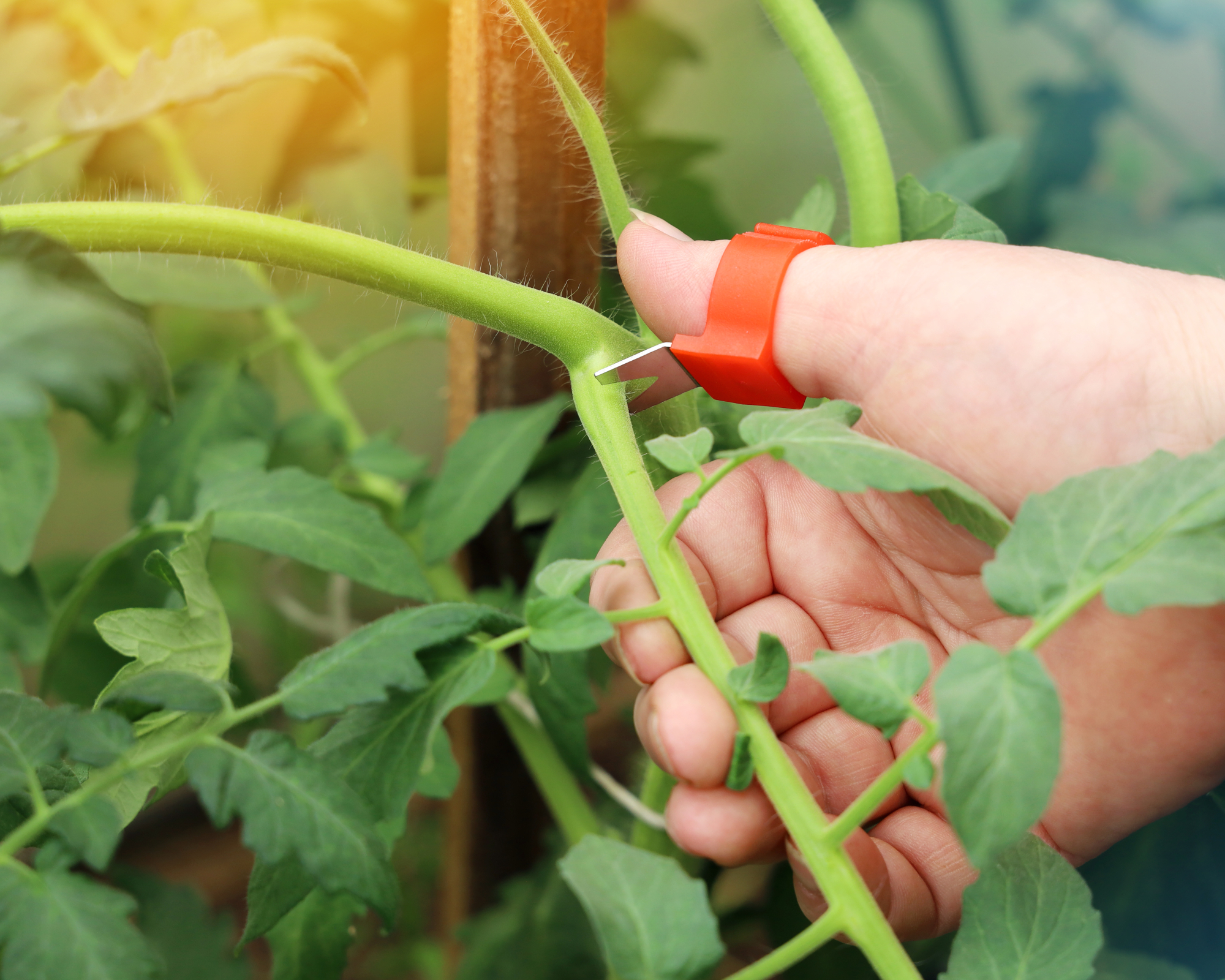
- By the time your tomato plant gets to be this size, the plant will have branches coming off the main stem. Where these branches meet, you will see an additional branch growing. This is called a tomato sucker. Using a sharp, clean pair of pruning shears, snip these small sucker branches off.
- The best time to prune tomato plants is in the early morning on a dry day. This will allow for the wounds from the pruning to heal cleanly and will reduce the chances of the plant being infected by disease.
- If you choose to prune tomato plants, make sure that you use irrigation methods that water tomato plants at the soil level (like this soaker hose from the Home Depot) rather than from above (like sprinklers). This will prevent soil splashing up onto the tomato plant and the tomato plant’s wounds, which can introduce disease pathogens.
Essential Tomato Pruning Tools

These clever thumb knives are the perfect tool for pruning away unwanted suckers.
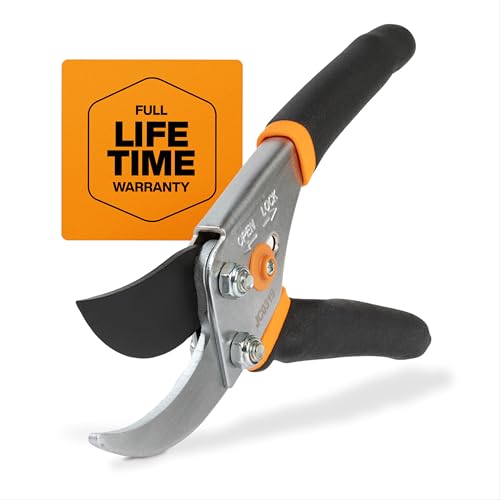
You can’t beat the affordability of these high-quality pruners from Fiskars. That’s why this brand is Content Editor Laura’s go-to for pruning tools.
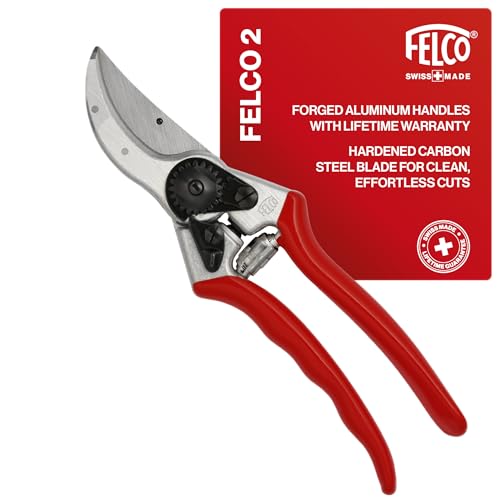
If you’re looking splurge on pro-level pruners, these cult-favorite pruners from Felco are a favorite of Editor-in-Chief Melanie.