Summer is a gorgeous season, but unfortunately pests adore it too and come out in abundance. It can be tough to keep pests at bay and ensure that your plants are protected – I know I’ve definitely woken up to my berries all eaten and my plant beds thoroughly trampled on before!
There are so many pest prevention solutions out there, from fences to chemicals and traps. But if you’re looking for something easy to use that won’t harm your plants you might need to look no further than in your kitchen cupboards.
Cayenne pepper is an excellent summer pest deterrent, detested by so many different animals and insects. And the best part is that it’s cheap and chemical free! (You can even find cayenne pepper in bulk on Amazon). I talked to an assortment of gardening pros to learn exactly why it’s so effective at deterring pests and the best ways to use it in a yard. Your plants will definitely be thanking you.
Why Do Pests Hate Cayenne Pepper?
Cayenne pepper is hated by common garden pests because it’s a form of irritant. Its strong scent and spicy flavor profile is a lot for a pest’s nose, eyes or paws to bear, encouraging them to steer clear.
As Jessica Mercer a horticulturalist at Plant Addicts, explains: “Cayenne pepper works as a pest deterrent because it contains capsaicin, the compound responsible for the pepper’s spicy heat. It is an irritant to mammals, including rabbits, squirrels, chipmunks, voles, raccoons, and deer, as well as soft-bodied insects. Cayenne irritates the mouth, nose, and mucous membranes, so the pests may avoid treated plants or soil after they smell or taste it.”
There are many different ways to harness the humane, organic pest-banishing power of cayenne pepper, so there’s bound to be something that works for you and your garden.
What are the Best Ways to Use Cayenne Pepper in the Garden?
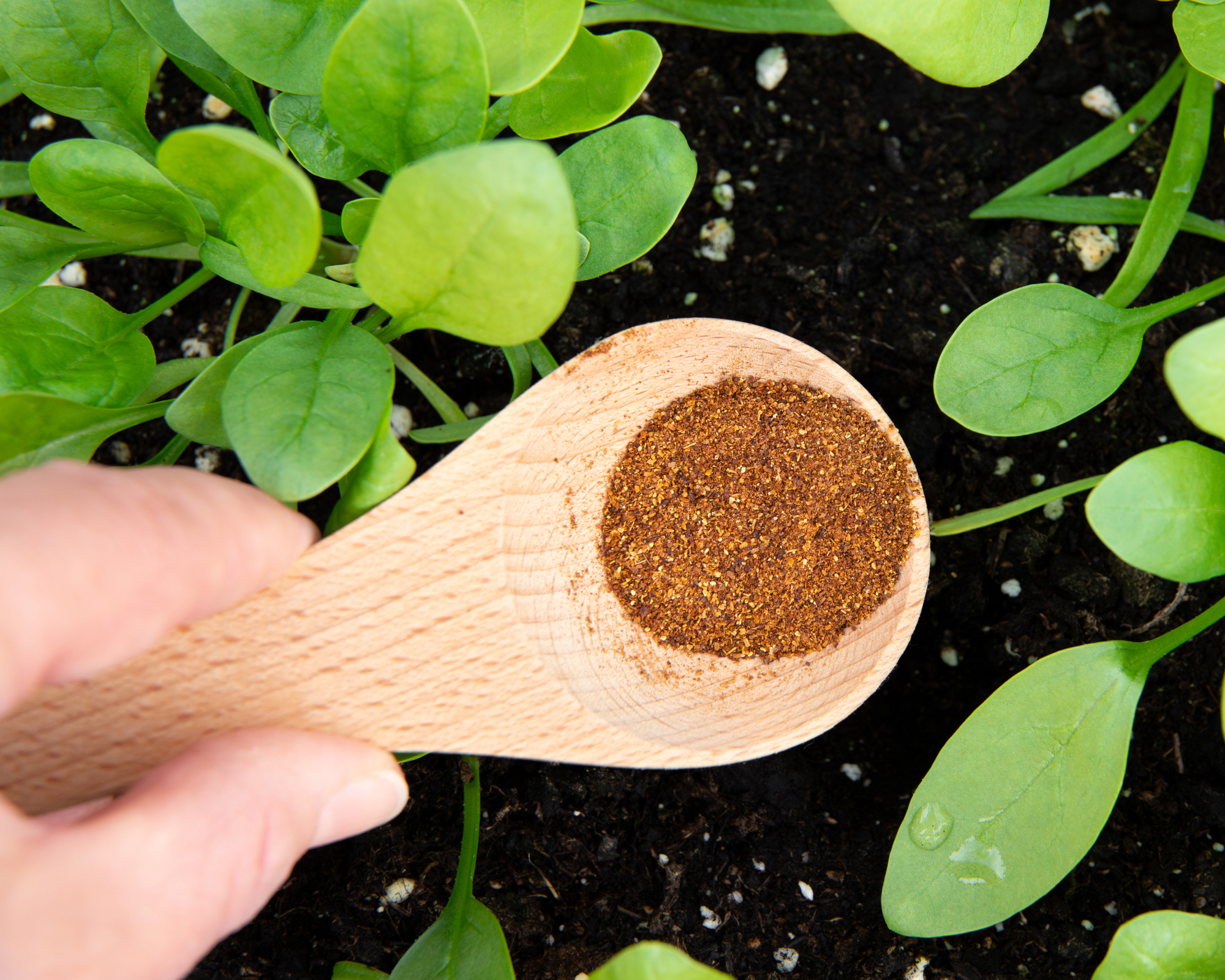
There are three primary ways to use cayenne pepper as a pest deterrent in your yard: in its powder form, diluted with water, or diluted with a mixture of water and super mild soap.
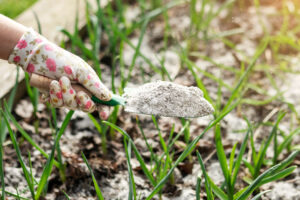
If you’re using cayenne in its powder form Lindsey Chastain of Waddle and Cluck recommends targeting the base of your plants or the borders of beds. This way, there’s a barrier created between your pests and your greenery using the cayenne pepper.
She explains: “Just sprinkle it around the edges of garden beds or around the base of plants. Crawling pests like slugs and ants won’t want to crawl over it and it will also keep rabbits, squirrels, and deer away. Anything that feels the irritation will back off.”
Combining the cayenne pepper with a bit of water can elevate the hack, providing you with a spray you can use on the leaves of your plants to stop pests from munching on them.
Adding a small amount of mild soap can help the cayenne and water solution to better adhere to leaves, especially if you live in a rainy area and don’t want the cayenne to rapidly wash away. Though be sure to use something extremely gentle like a baby soap in small doses.
Are There Any Downsides to This Hack?
The main downside to this hack is that the cayenne pepper will dilute and/or wash away when it rains, so it will need reapplying. If you live in an area with less rainfall this hack may be better suited for your needs.
Lindsey also noted to me that cayenne will irritate people’s pets as well so if you have pets, it’s important to consider whether they will be able to access the areas where you plan to use the pepper.
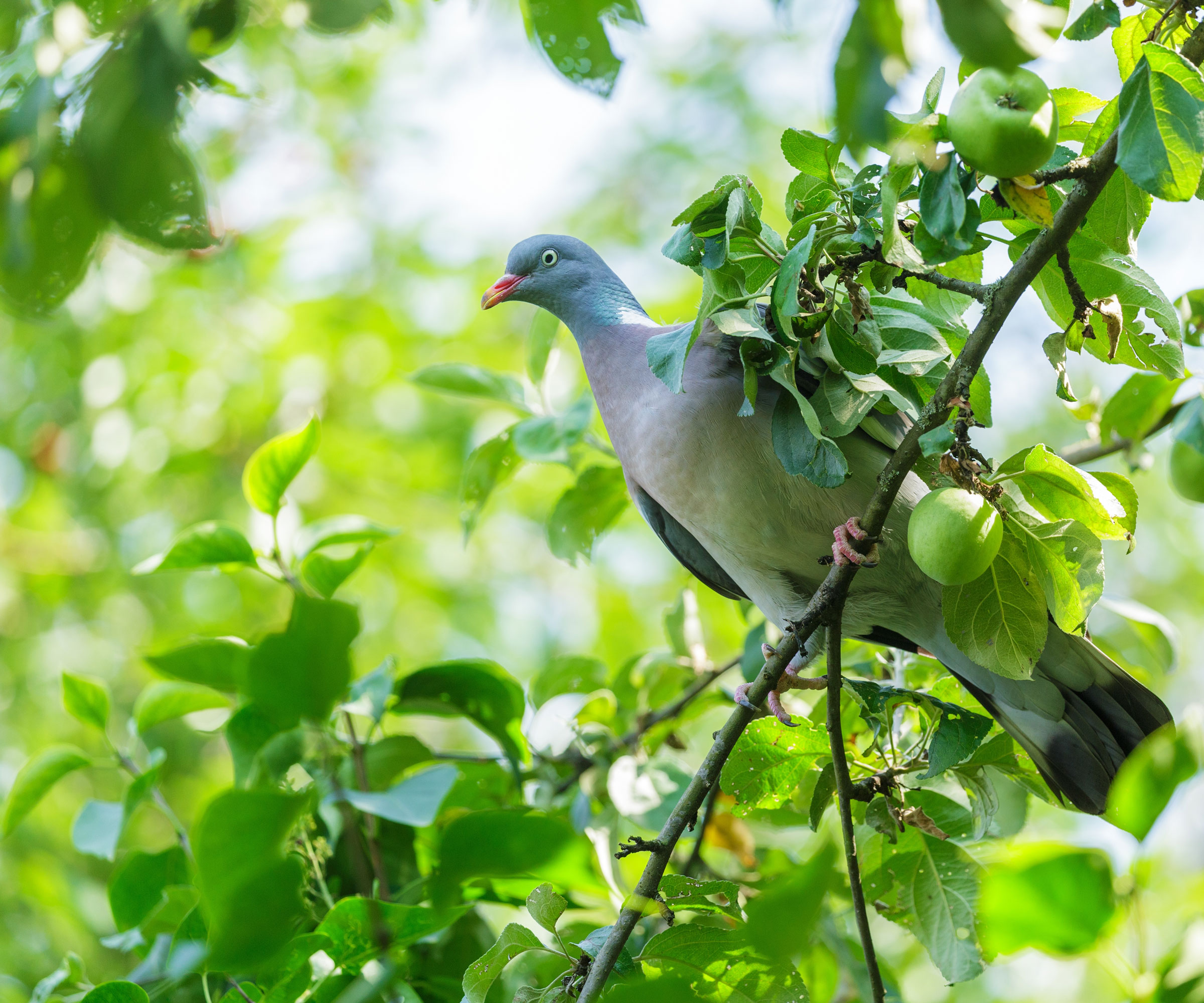
Jessica added that birds don’t react to capsaicin in the same way that other pests do, so if you specifically have a bird problem the cayenne pepper may not work to discourage them or they will just get used to it.
If this is the case, the hack will work more effectively alongside other pest prevention methods for birds such as using netting like the Sukh Garden Mesh from Amazon or physical barriers like these Amazon Plant Protectors to shield your plants.