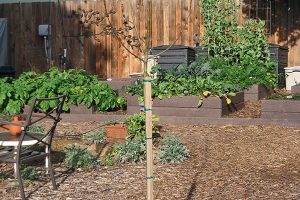
When your neighbors installed saplings along the property line, they were about your height and looked lovely in spring when the new leaves appeared. Now, years later, the saplings have turned into tall, mature trees with full canopies that cast long shadows over your landscape. Your patio is dark and your lawn and garden are in shade.
What’s a neighbor to do with this shade tree problem? You’ll need to act carefully in order not to get in trouble with the law or with Miss Manners. No worries, I’ll help you evaluate your options.
I worked as an attorney before I became a plant-loving writer, so all of my neighbors tend to bring me their issues and ask for advice. One of the most common neighborhood problems involves trees in one yard shading out plants and backyards across the fence. Here’s what you can and can’t do if a neighbor’s tree is blocking all the light in your yard.
What You Can Do
The first thing I say in response is to share the bad news: in the United States, property law generally does not recognize a right to receive light, air, or a scenic view over a neighbor’s property. That means that your neighbor can grow trees as tall or bulky as they like, even if it blocks the next door view or flower garden unless a law or agreement limits this.
Keep this general rule in mind when approaching the neighbor. A threatening attitude is never likely to bring about a good result. Here are four good garden etiquette options that can help, though.
1. Check local ordinances & HOA rules.
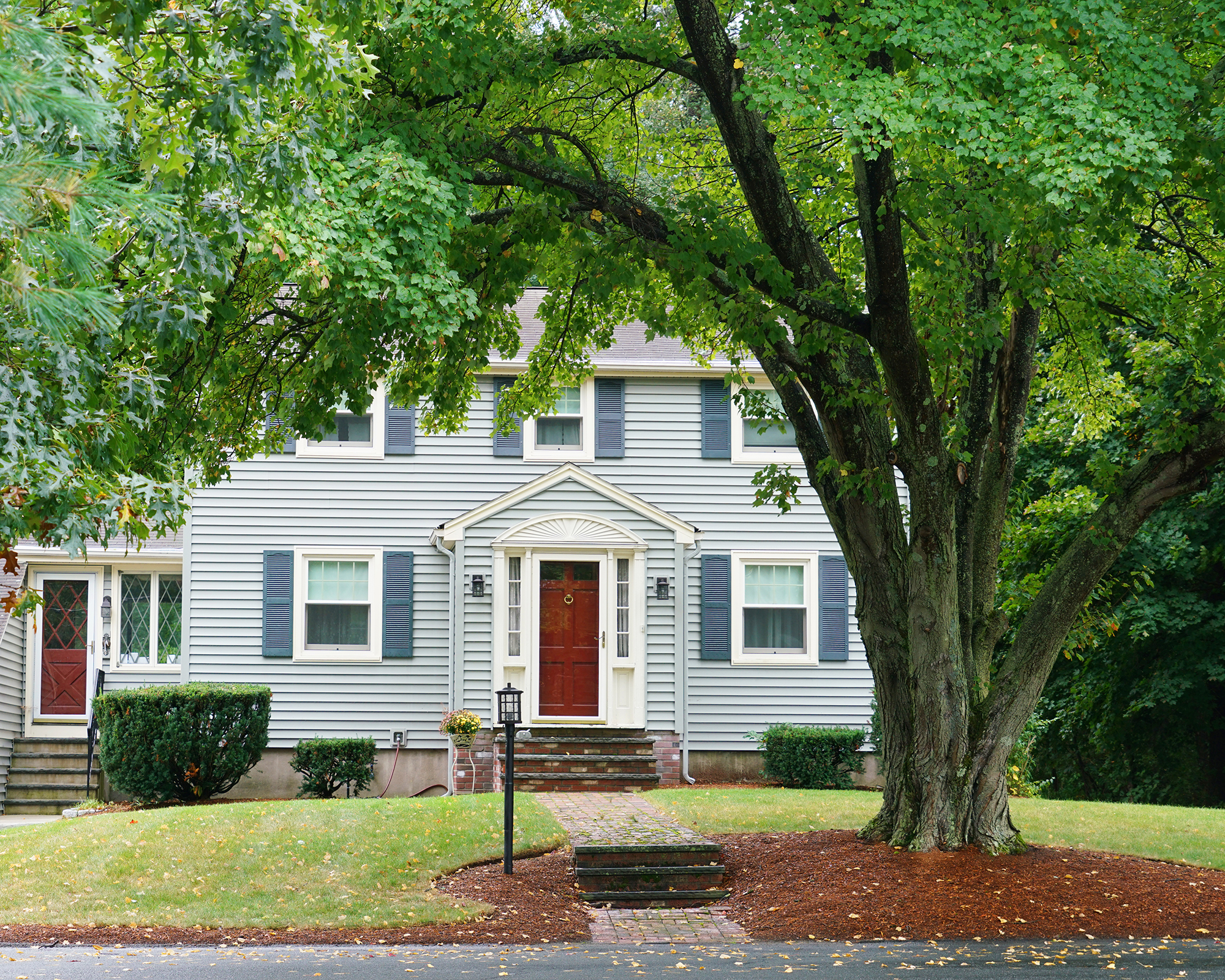
American law generally doesn’t recognize one neighbor’s right to object to a neighbor’s shade tree. But there is no affirmative law giving one the right to grow tall trees along the property line. Given that, the general rule can be overruled by specific laws or ordinances addressing the issue.
So your first step in a tree dispute is to check out whether there are any such laws or ordinances. If you live in a community with an HOA, check the rules (termed CC&Rs) to see what it says about plants or trees in the yard. Alternatively, if you live in a city, ask at the mayor’s office or ask a local attorney if there are ordinances discussing it. Check for solar-access laws, for example.
In big cities, there are often laws preventing the installation of trees within a certain number of feet from the property boundary line. They sometimes allow one neighbor to compel restoration of a view that existed when they bought their property. If the neighbor is violating the CC&Rs or a city ordinance, you can bring it to your neighbor’s attention or to the attention of the authorities.
2. Chat with your neighbor.

Friends who have had success with this option have played their cards well. First, they invited the neighbor with trees hanging over their backyard into their landscape for a discussion, thereby allowing them to experience the shade themselves. Second, they offered to pay half for pruning the trees.
If you decide to roll this way, remember to be polite and friendly. You’re trying to negotiate an agreement between the two of you, do not yell and scream. That could backfire and make the issue worse.
3. Prune branches in your yard.
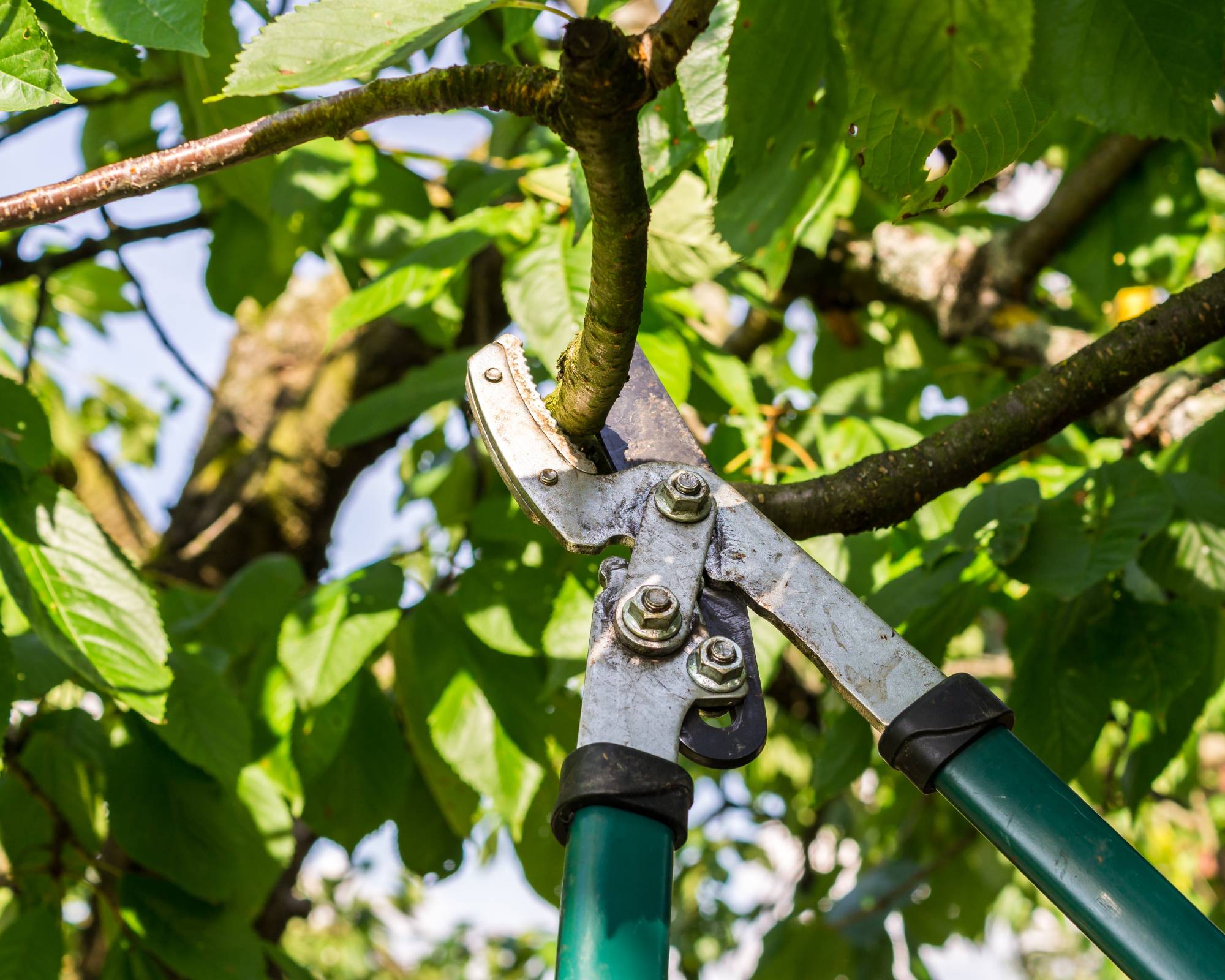
In most states, you have the right to cut back a neighbor’s tree to the extent that it extends over the property line. You can trim a neighbor’s overgrown shrubs if they’re on your property, too. Use sharp, clean loppers like these ones from Fiskars to make the job easy.
However, you don’t have the right to step into their landscape, so stay on your own side. Nor are you allowed to cause damage to the tree. If you’d like to go this way, double check the property line. This can be tricky unless the border is marked by a fence or wall.
But don’t just think legal rights, consider your relationship with your neighbor as well. You will definitely want to talk to the neighbor first and ask if they would prefer to hire someone to do the trimming. It’s always a good idea to communicate your intentions to the owner before performing any tree work. You have a real interest in maintaining a good relationship with the people who live right next to you.
4. Document a spite fence complaint.
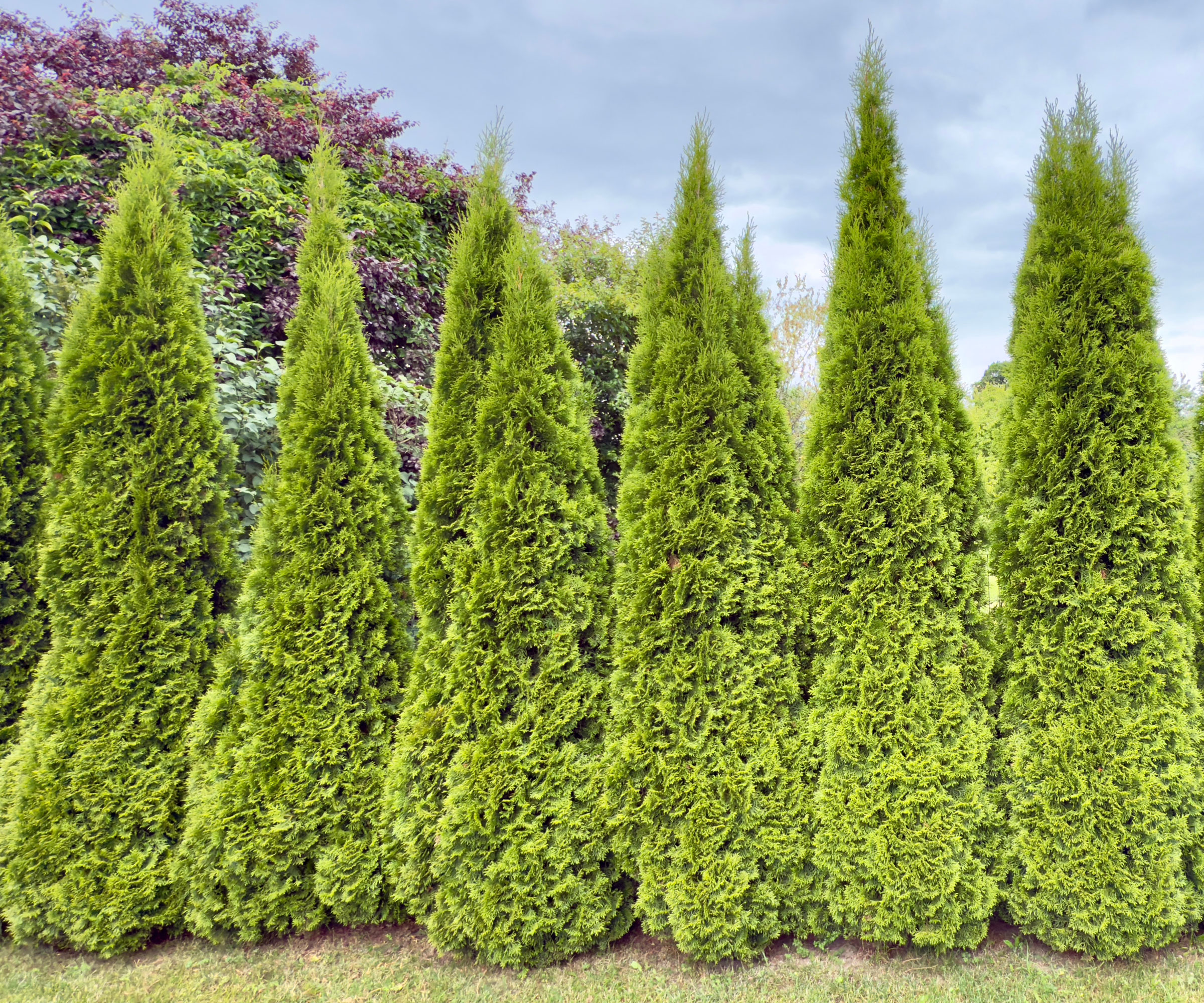
Some states and local governments have laws against spite fences. These are fences built for purely malicious reasons – like to block the neighbor’s view or to shade their garden. If a fence found by the court to have been built out of spite with the intent to injure the neighbor’s enjoyment of their property, they can be ordered to remove it. That’s why it’s always good to consult your neighbor before building a fence, too.
Trees planted in a line along the property edge can constitute a spite fence and trigger the same protection. If your area has these laws, gather evidence of the neighbor’s malicious intent and the lack of any legitimate purpose. Obviously, this is not a good way to develop a happy relationship with a neighbor, so suing over this issue should be a last resort.
What Not to Do
No matter how annoyed you are by your neighbor, do not take the law into your own hands. These two options are absolute no-nos.
1. Cut down the tree.
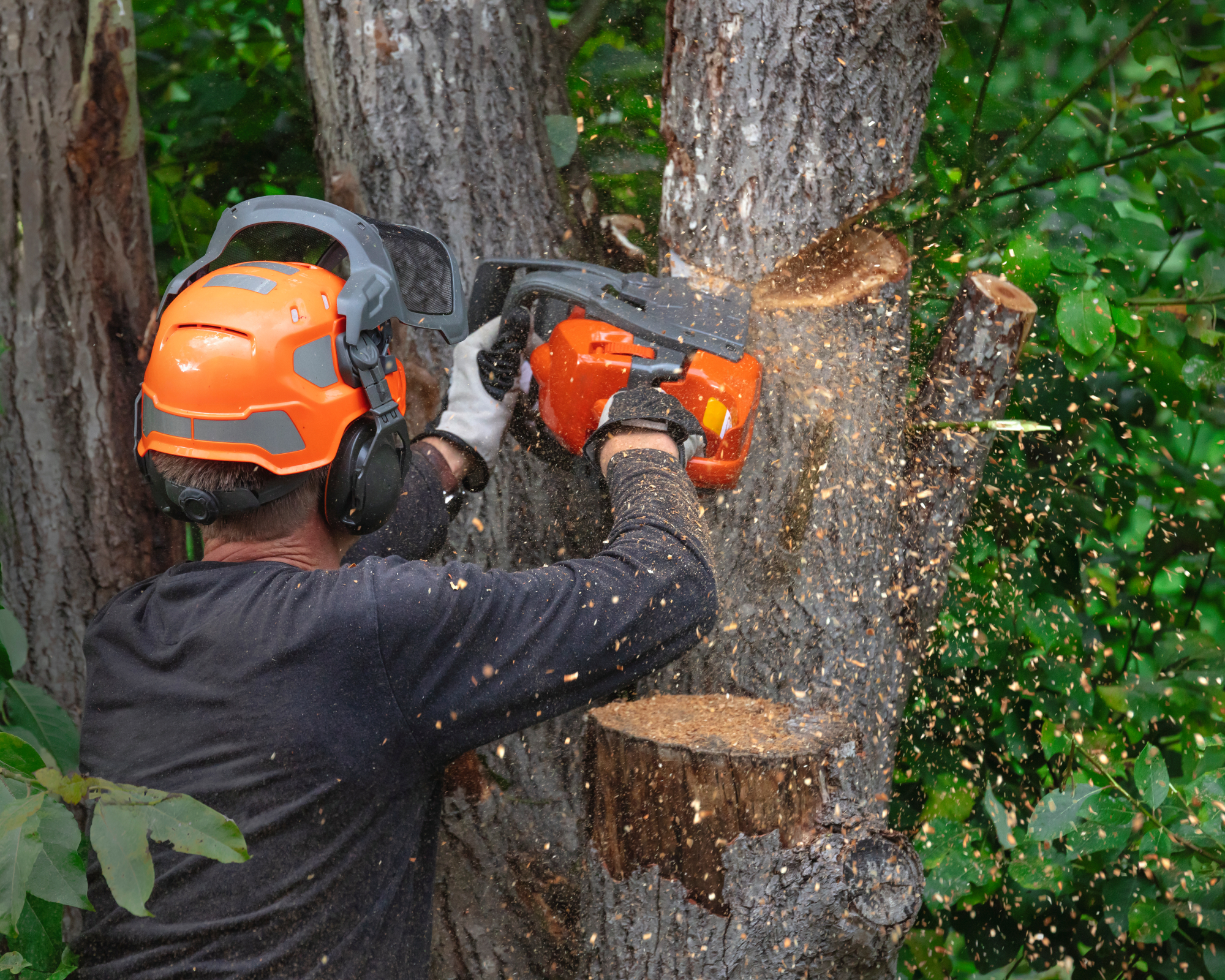
You could (and probably would) be arrested for trespassing, vandalism, and destruction of property. Almost everyone these days surveys their yard with computer-linked cameras, so your chances of getting caught are high. Not worth it!
2. Poison the tree.

This is also a big, fat no for all the same reasons as above. If you get caught, you can be charged with vandalism and destruction of property. Even if you don’t get caught, your karma will be terrible going forward. So talk to your neighbors and figure out a solution that will make both of you happy and bring more light into your yard.